







TECHNICAL SUPPORT


Published 2026-02-23
Want to use aservo, but don’t know where to start? Don't worry, it's actually much simpler than you think. Many friends who have just started playing with electronics are confused when it comes to programming and controlling motors. They always think that it is a job that only engineers can do. But in fact, as long as you master a few key points, you can easily make theservomove according to your ideas. Today we are going to talk about how to do this step by step and make the project at hand come alive.
You may be making a smart car, or want to DIY a robotic arm, or you may want to give your home door lock an intelligent transformation. In these scenarios, the servo is the key component that can "move". Using it to control it is like giving your project a joint. This small development board is like an obedient brain. You tell it what to think, and it will direct the servo to move. Compared with other control methods, the threshold is low and it is quick to get started. There are a large number of tutorials and codes on the Internet that can be used directly. It is especially suitable for creative friends like us who want to quickly verify ideas.
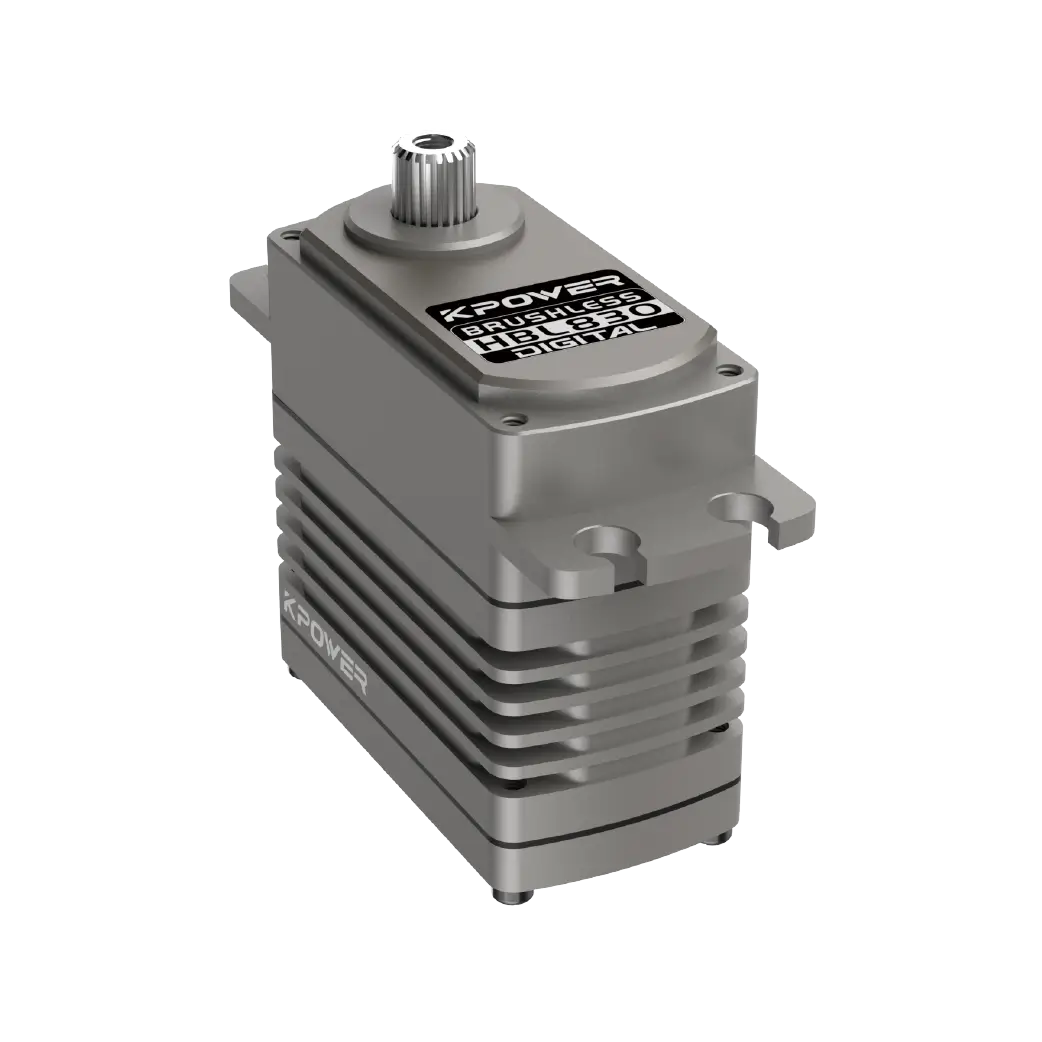
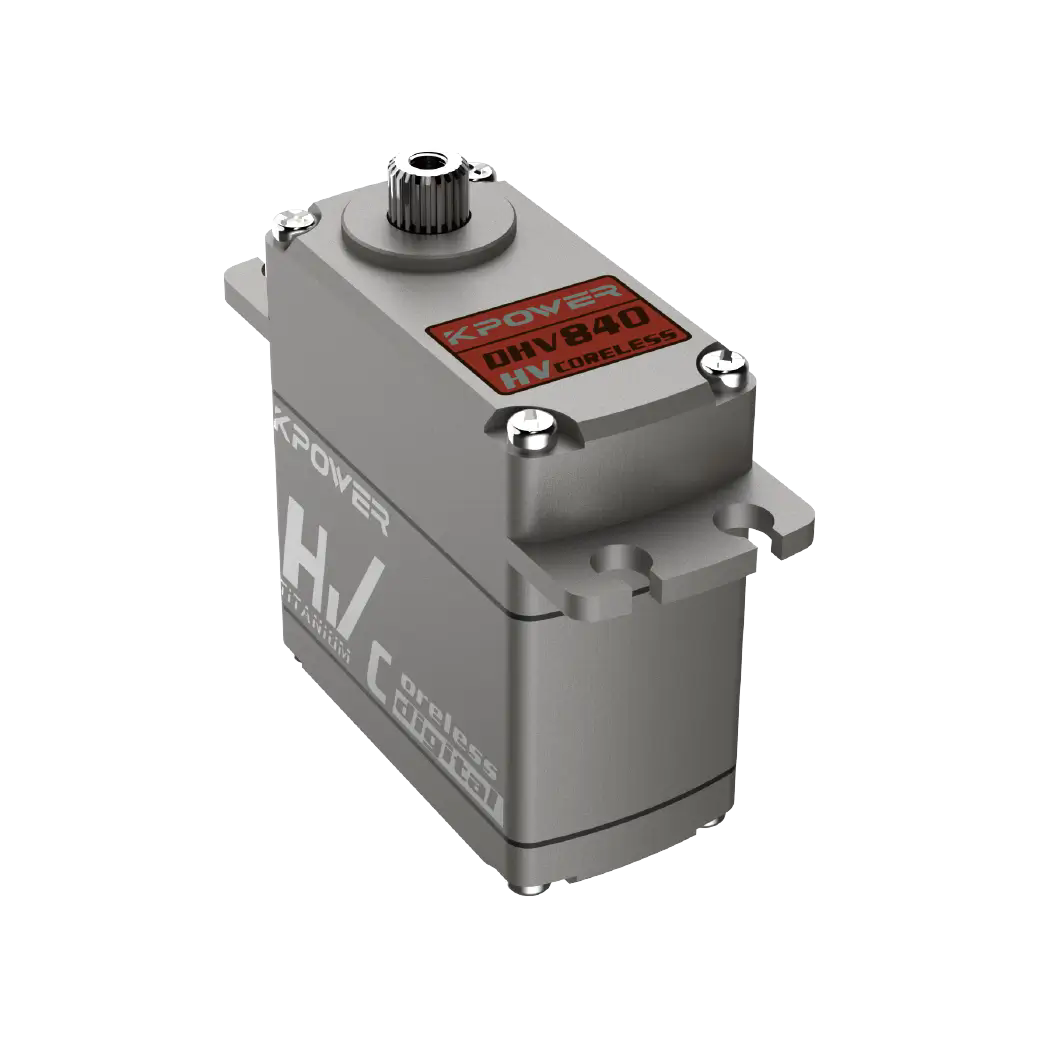
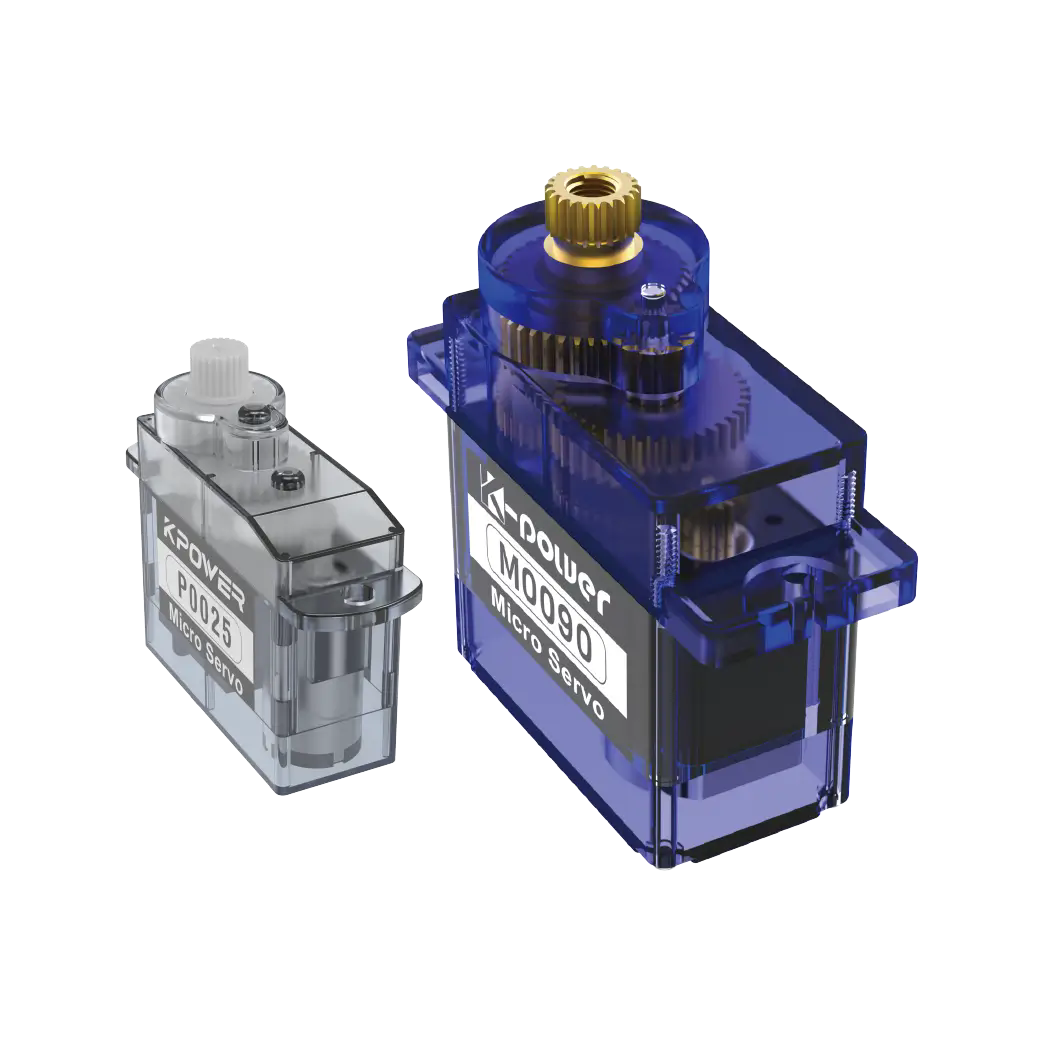
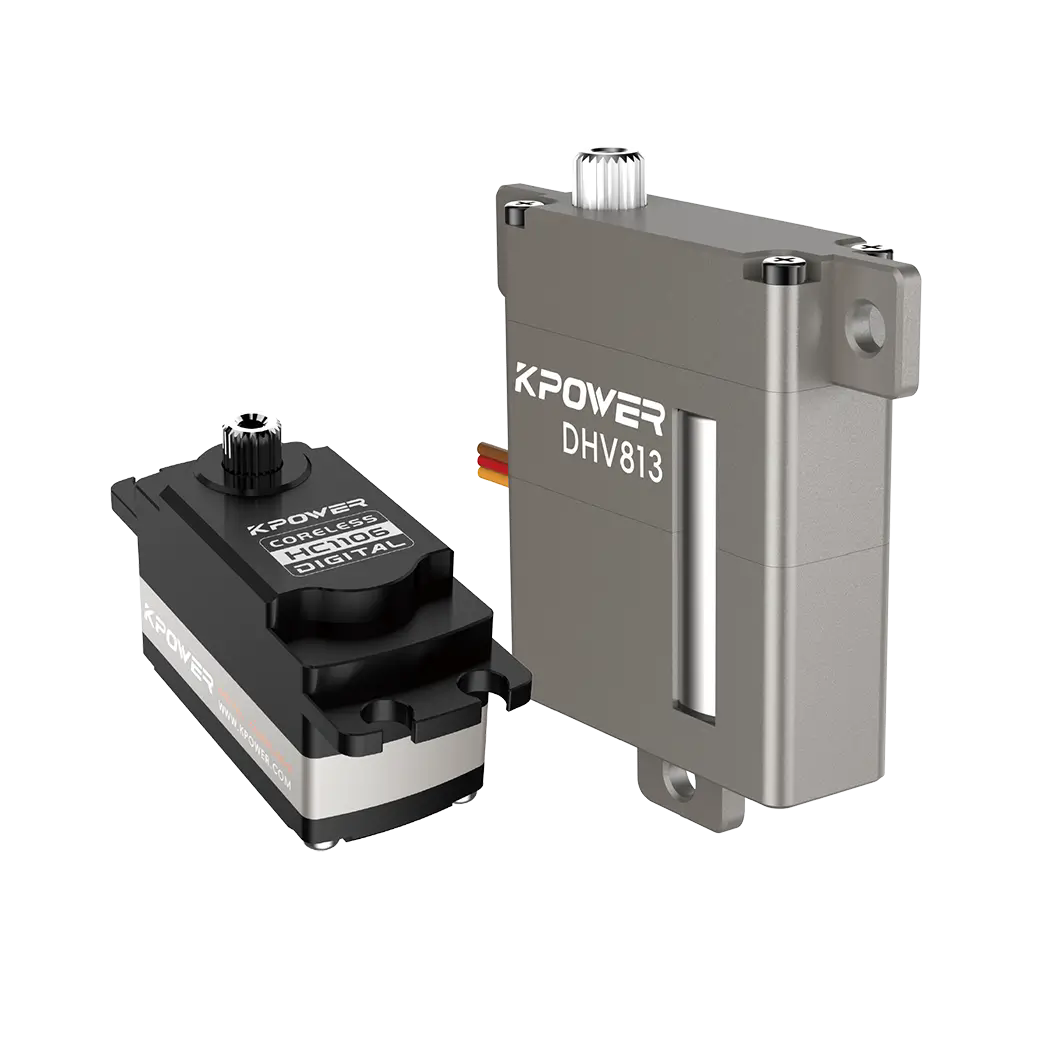
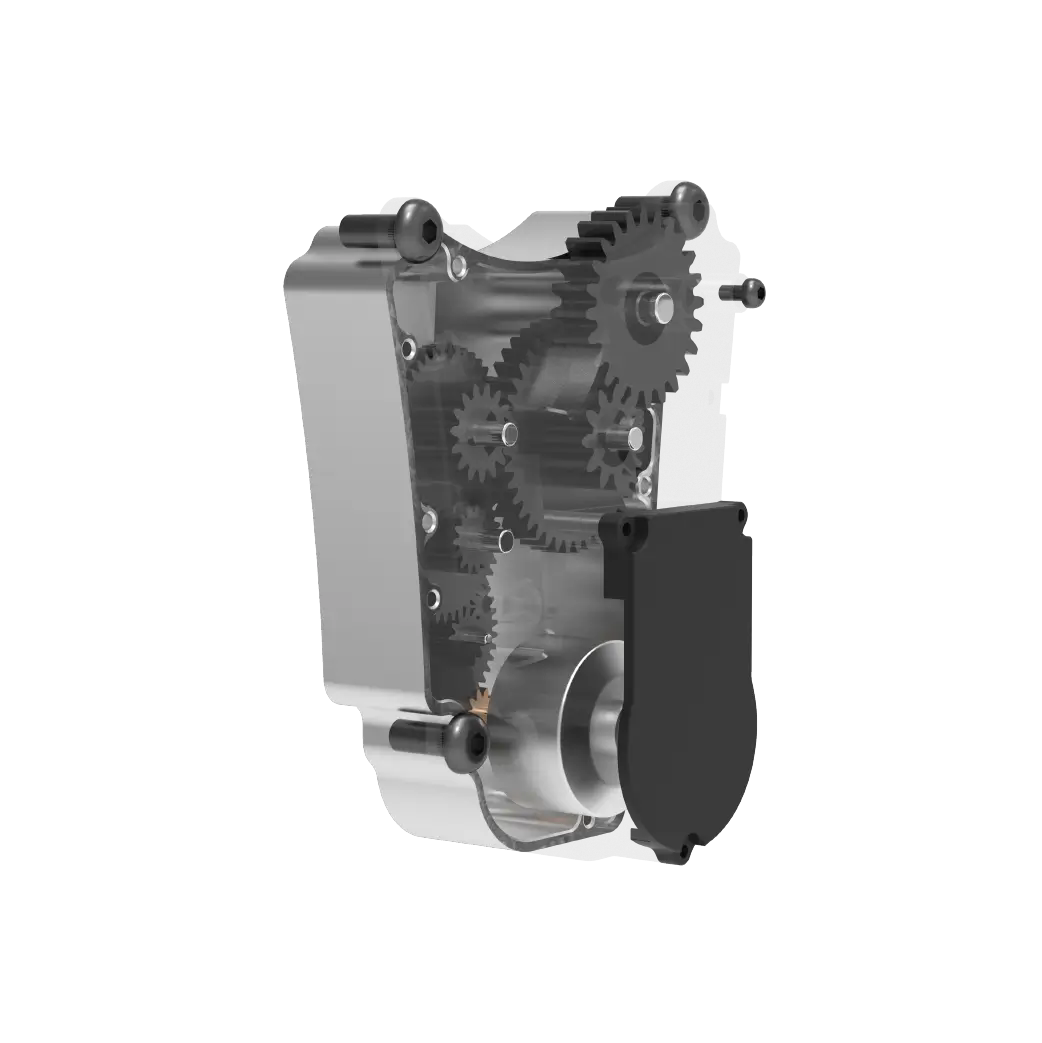
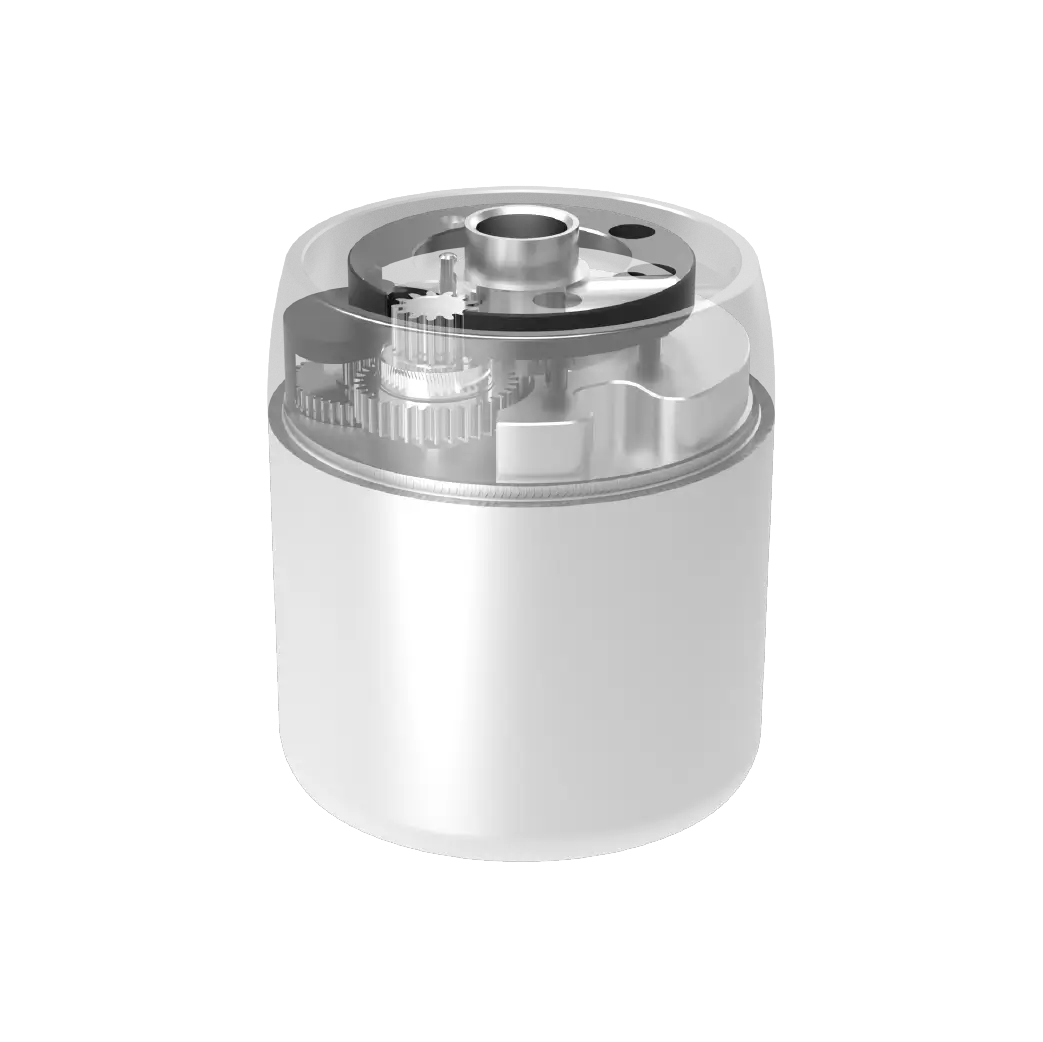
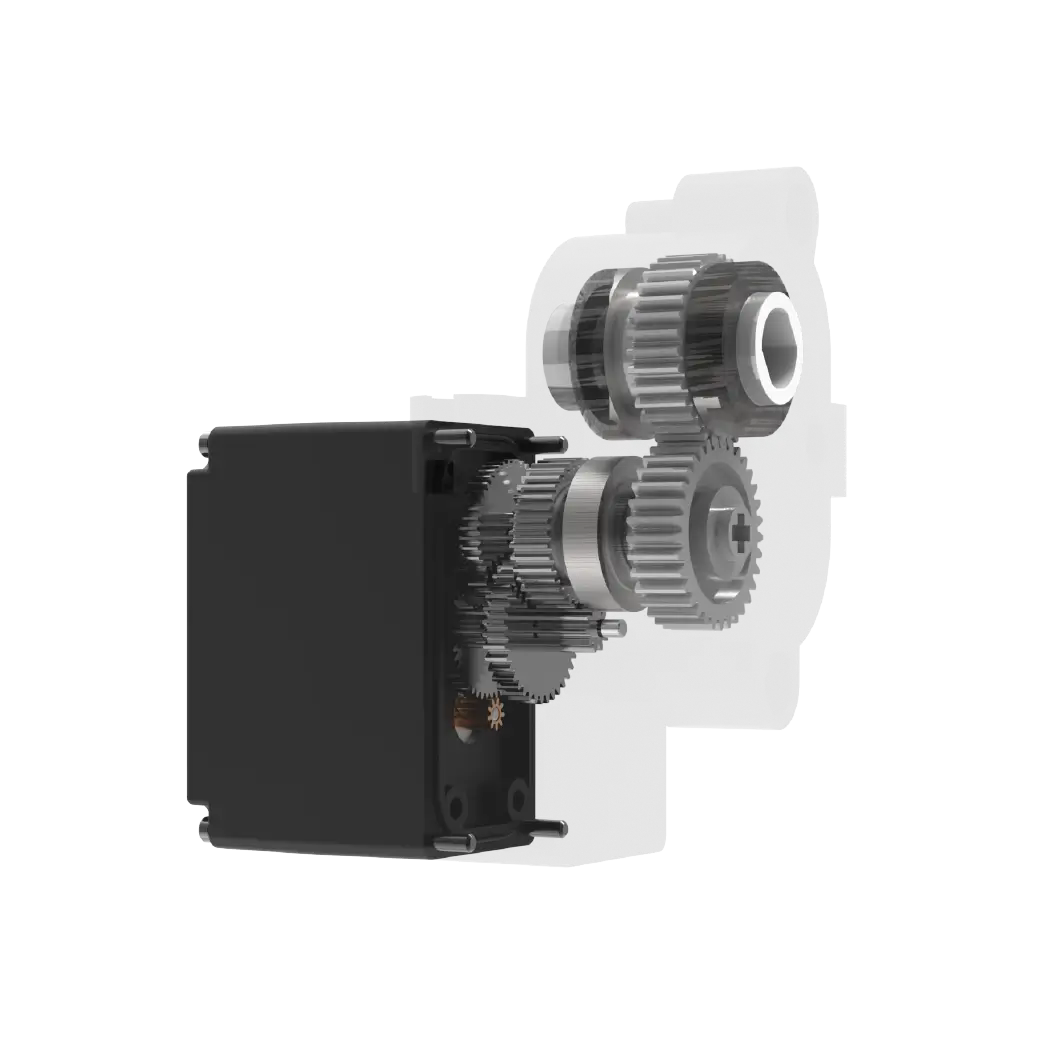
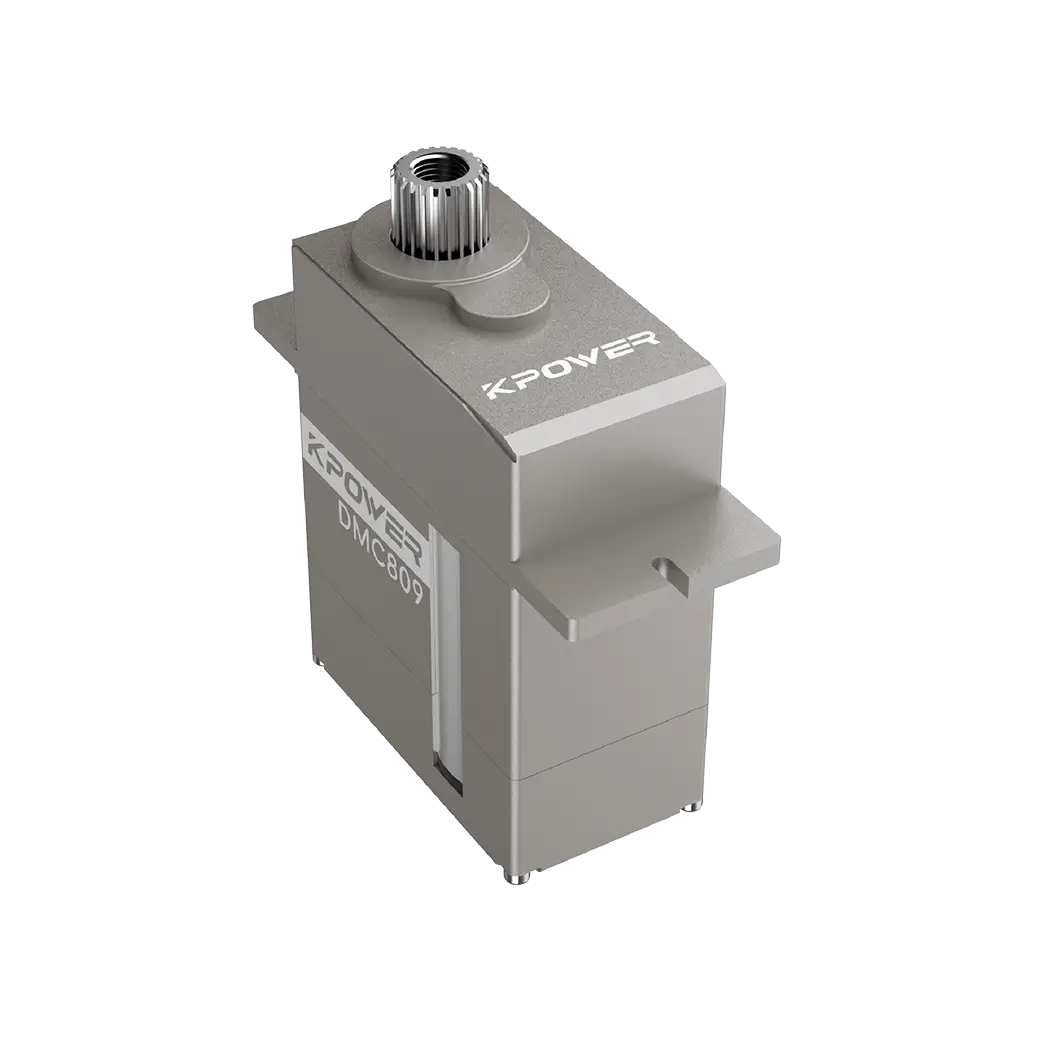
Simply put, a steering gear is a motor that can accurately control angles. It is different from the ordinary DC motors we usually play with. The ordinary motor will keep turning as long as you let it turn, but if you let the servo turn to 45 degrees, it will stop at 45 degrees. It integrates a motor, reduction gear and control circuit. We only need to give it a signal and it will know where to turn. You can think of it like the steering wheel of a car. You say "turn right 45 degrees" and it turns to that position accurately and holds it. For product innovation, this kind of precise control is too important. Whether it is controlling the direction of the camera or adjusting the opening of the valve, it is inseparable.
The wiring part is actually very simple and not that mysterious. A typical servo has three wires: power wire (usually red), ground wire (brown or black) and signal wire (orange, yellow or white). ️Thefirst stepis to connect the power wire to the 5V pin and the ground wire to the GND pin. ️Thesecond stepis to connect the signal line to a digital pin, such as the commonly used pin 9. This completes the physical connection. Is it easier than you think? It’s almost like plugging in a charging cable. But here is a reminder: if you use a relatively high-power servo, the 5V directly connected to it may not provide enough power. At that time, you need to connect an external power supply, and then connect it to the ground wire of the servo.
After the hardware is connected, the next step is to inject soul into it - write code. The programming environment uses simplified C++, and there are ready-made libraries for servo control, which is more convenient. You don’t need to reinvent the wheel from scratch. Open the IDE and first introduce the servo library at the top of the code:# . Then, you need to create a servo object, for example, call it. Insetup()function, use.(9)to tell the servo to connect to pin 9. Finally, inloop()function, use the.write(angle)command to replace the angle value in the brackets with what you want, such as 90 degrees. Upload the code and you will see the servo "swish" to 90 degrees. How about it? Do you feel like you suddenly feel enlightened?
If you want to make your work cooler, such as making a six-legged robot, you need to control several servos at the same time. At this time, the gameplay becomes a little more complicated. First, you have to make sure there is enough 5V power supply to drive them. If the power supply is insufficient, the servos will shake or even stop working. Secondly, althoughServolibrary can support up to 12 servos (on the Uno), each servo requires an independent signal pin. More importantly, in the code, you cannot let them move violently at the same time, otherwise they may restart due to excessive current. You have to make them move in an orderly and step-by-step manner in the program logic, just like directing a small dance, so as to ensure the stable operation of the entire system.
In practical applications, you may encounter a very troublesome problem: although the code is written correctly, the servo just buzzes or gets stuck halfway. This is 80% due to insufficient torque. It's like if you ask a child to move a heavy box, he can't move it even with all his strength, and can only tremble there. The same goes for the steering gear. If the resistance of the structure it wants to drive is too great and exceeds its torque, it will not turn. There are two solutions: one is to change to a high-torque servo, but this usually means greater volume and power consumption; the other is to work on the mechanical structure to make the linkage move more smoothly, or to redesign the moment arm. Therefore, when designing a product, you must estimate the required torque in advance. Don’t wait until it is installed and then realize that it cannot be moved, otherwise your work will be in vain.
After talking so much, have you ever thought about what fun thing you most want to achieve if you use a servo? Or have you encountered any stuck areas in your current project? Let me know what you think in the comment section, maybe I can help you with some ideas. If you find this article useful, don’t forget to like it and share it with your friends who are also playing in electronic production!
Update Time:2026-02-23

Contact Kpower's product specialist to recommend suitable motor or gearbox for your product.