







TECHNICAL SUPPORT


Published 2026-02-25
What is the most troublesome thing about playing with smart cars? It's just that the cars either don't move or move randomly. Looking at those videos on the Internet of drifting around corners and accurately tracking, are you wondering: Why are other people's cars so obedient when they are all motors? In fact, the key lies in the cooperation between the steering gear and the motor. Many novice friends can't tell the difference between the two brothers' work, resulting in a car that is either "reckless" or "demented". Today we will break it apart and talk about how to use these two core components in a smart car.
You may be thinking, since they are all spinning things, wouldn’t one be enough? It really doesn’t work. This is like a person who needs legs to run and hands to turn. The motor of a smart car is responsible for "power", which means turning the wheels and generating speed. The steering gear is mainly responsible for the "angle" and accurately controls the front wheel steering. If you only have a motor, your car can only go straight; if you only have a steering gear, the car can turn, but it won't move. Therefore, they must cooperate tacitly to make your car run fast and follow the trajectory accurately.
There are many types of common motors on the market, including TT motors, N20 geared motors, and motors with encoders. When your car is only used for entry-level play, the N20 reduction motor is a good choice. It has the characteristics of compact size and sufficient torque to meet entry-level needs.
However, if you expect your vehicle to run fast and steadily, then I strongly recommend you to choose a DC reduction motor with a Hall encoder. The advantage of this kind of motor is that it can not only rotate, but also feedback "how many turns I have made" to the controller in real time. In this way, even if there is a difference in resistance between the left and right wheels, the main control board can use the PID algorithm to adjust so that the rotational speeds of the two wheels remain consistent and the vehicle can drive in a straight line. Otherwise, your car will frequently yaw automatically.
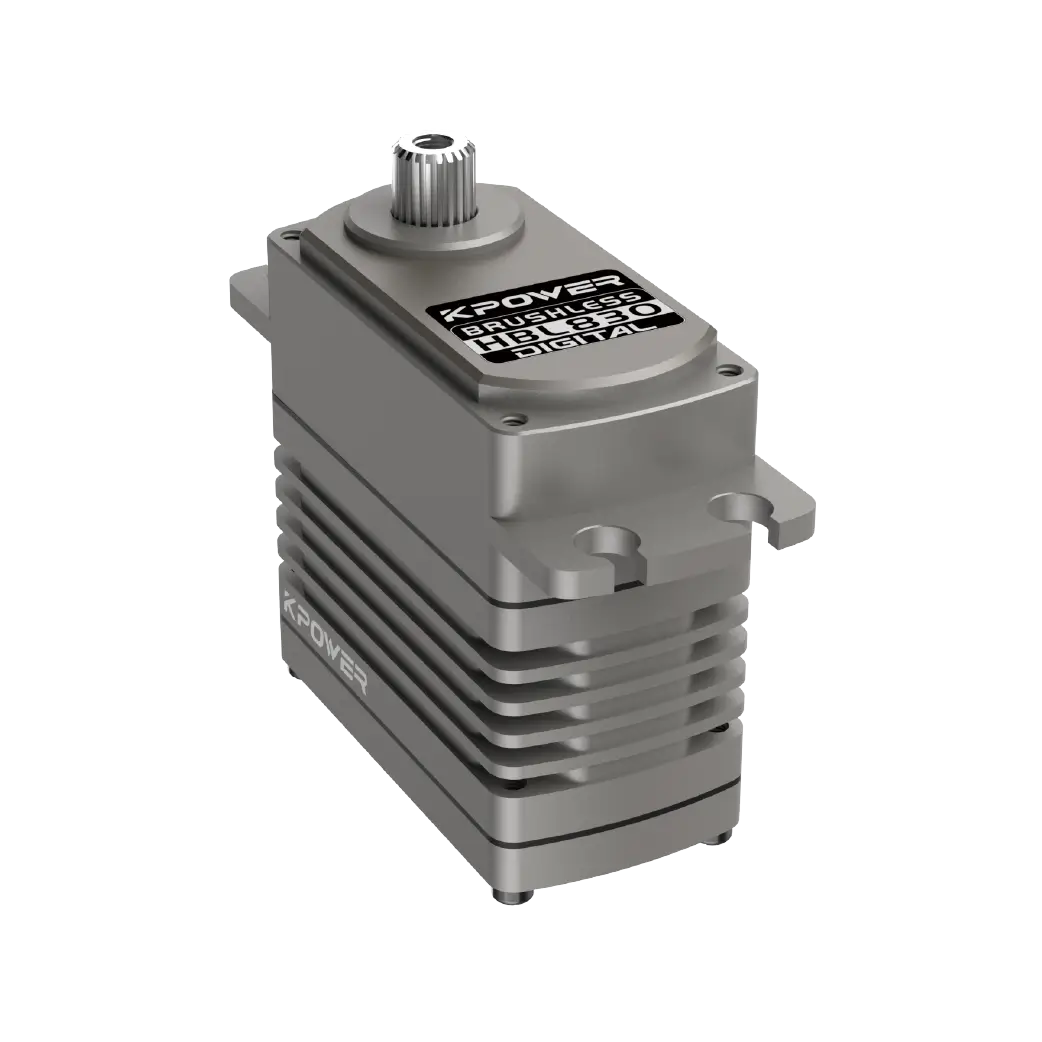
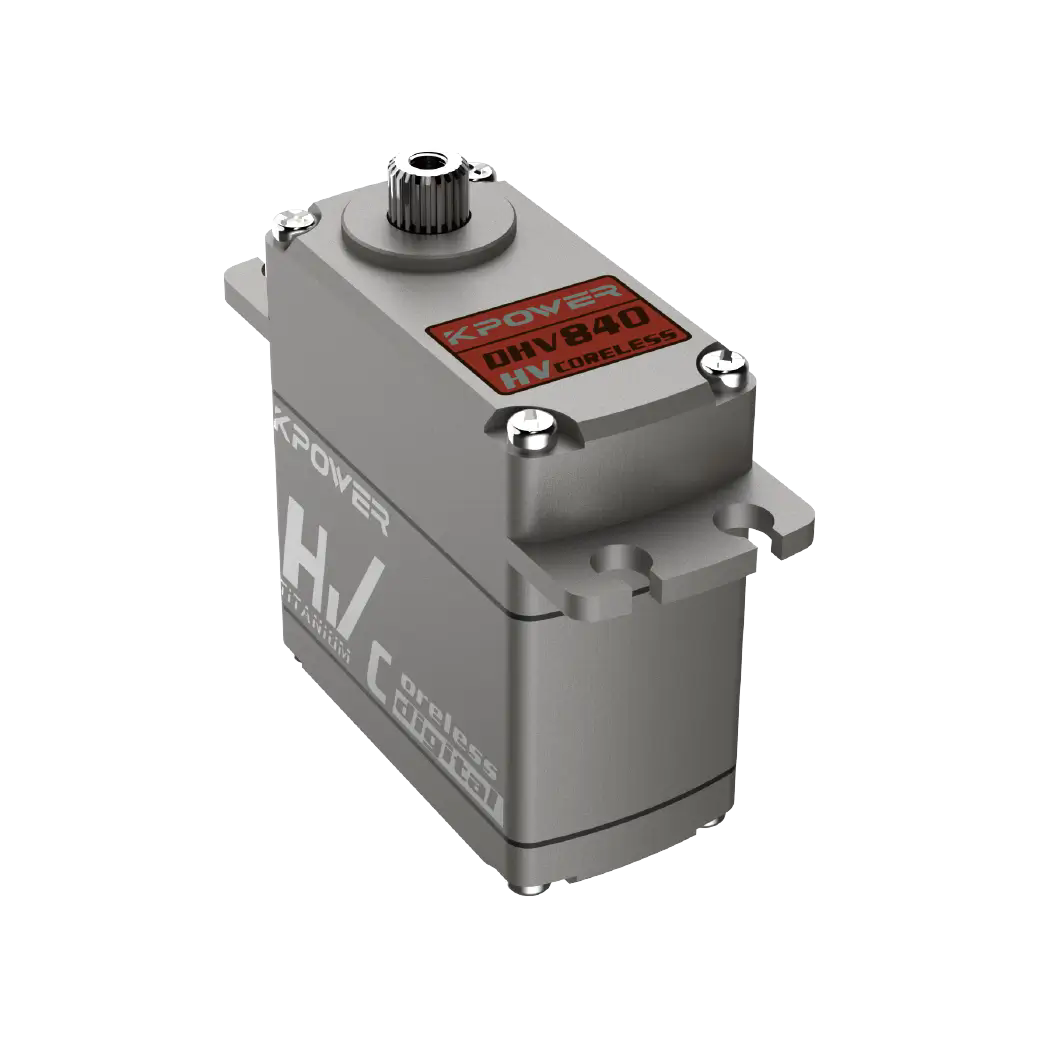
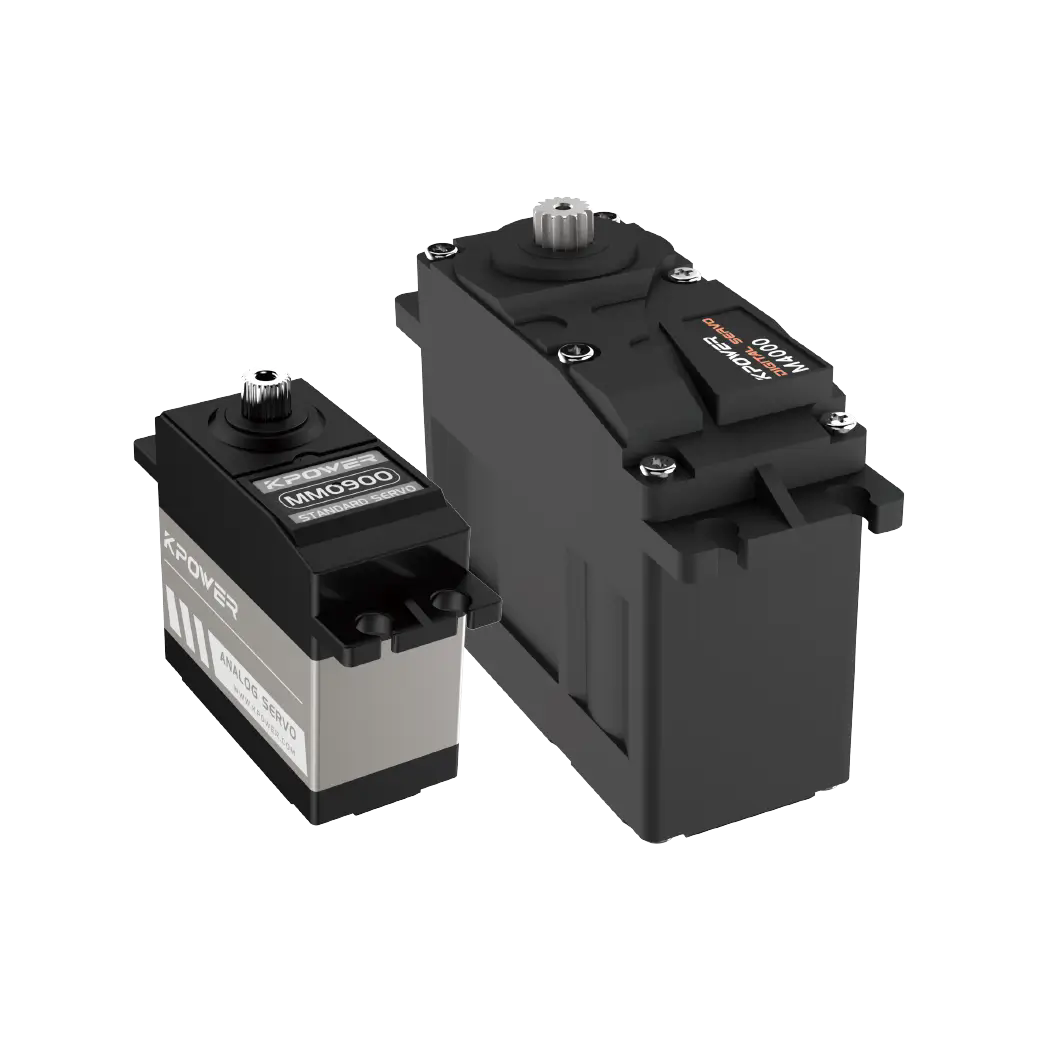
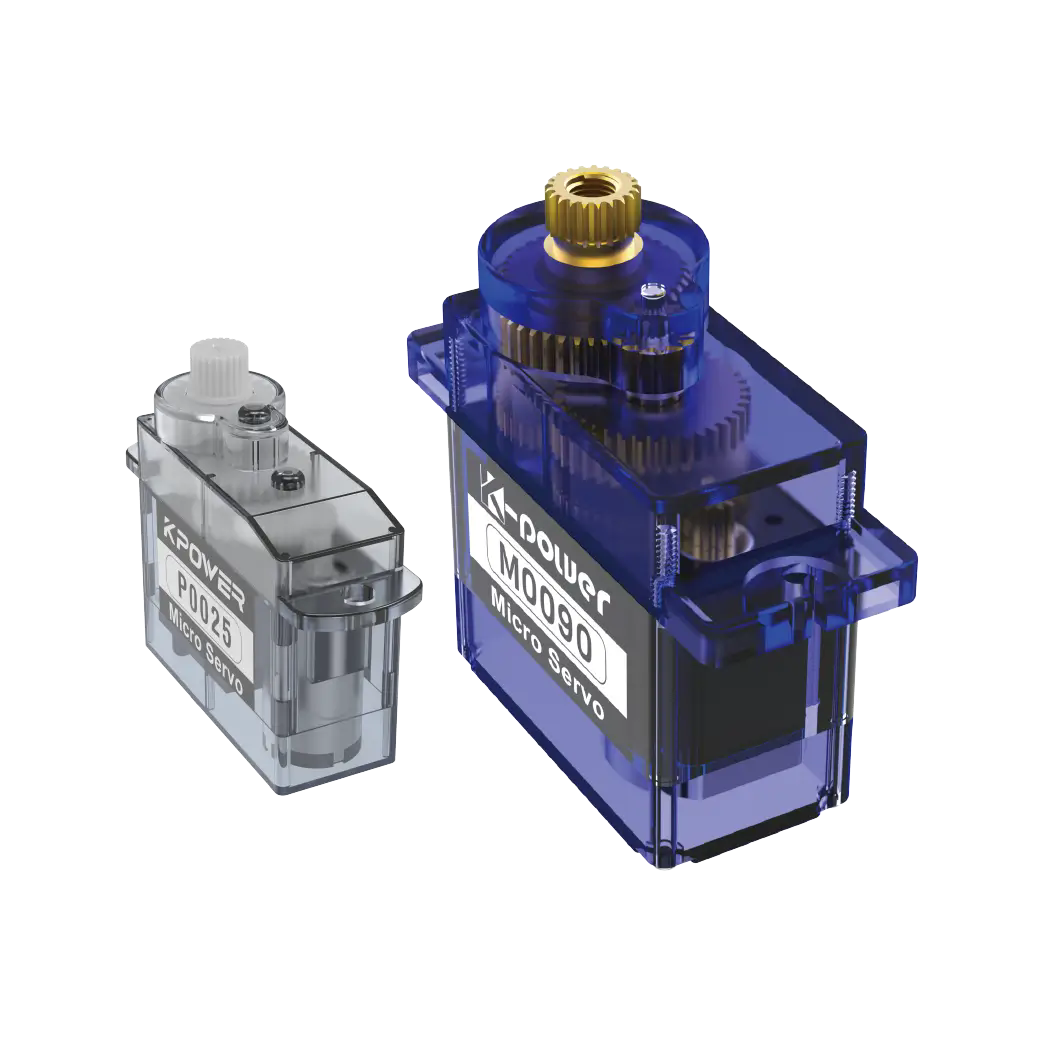
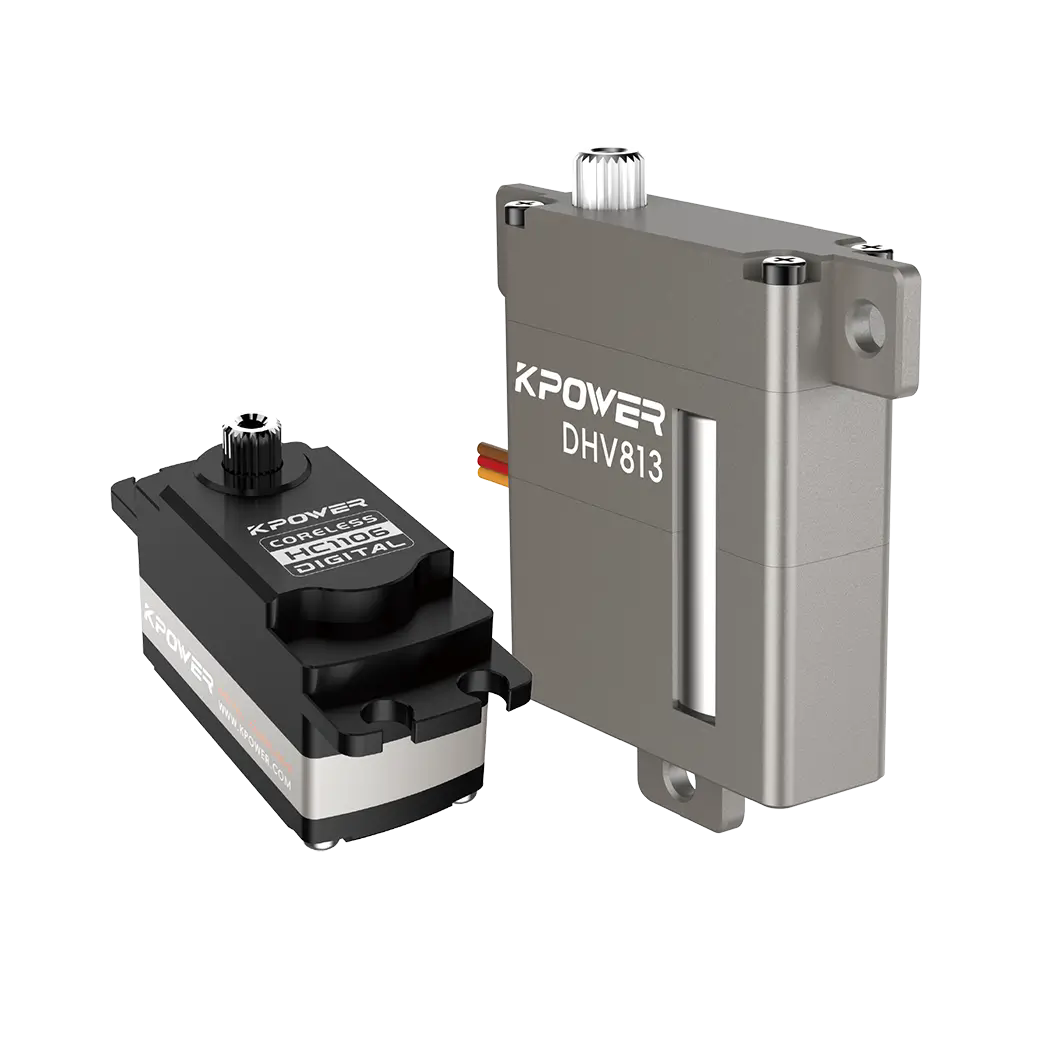
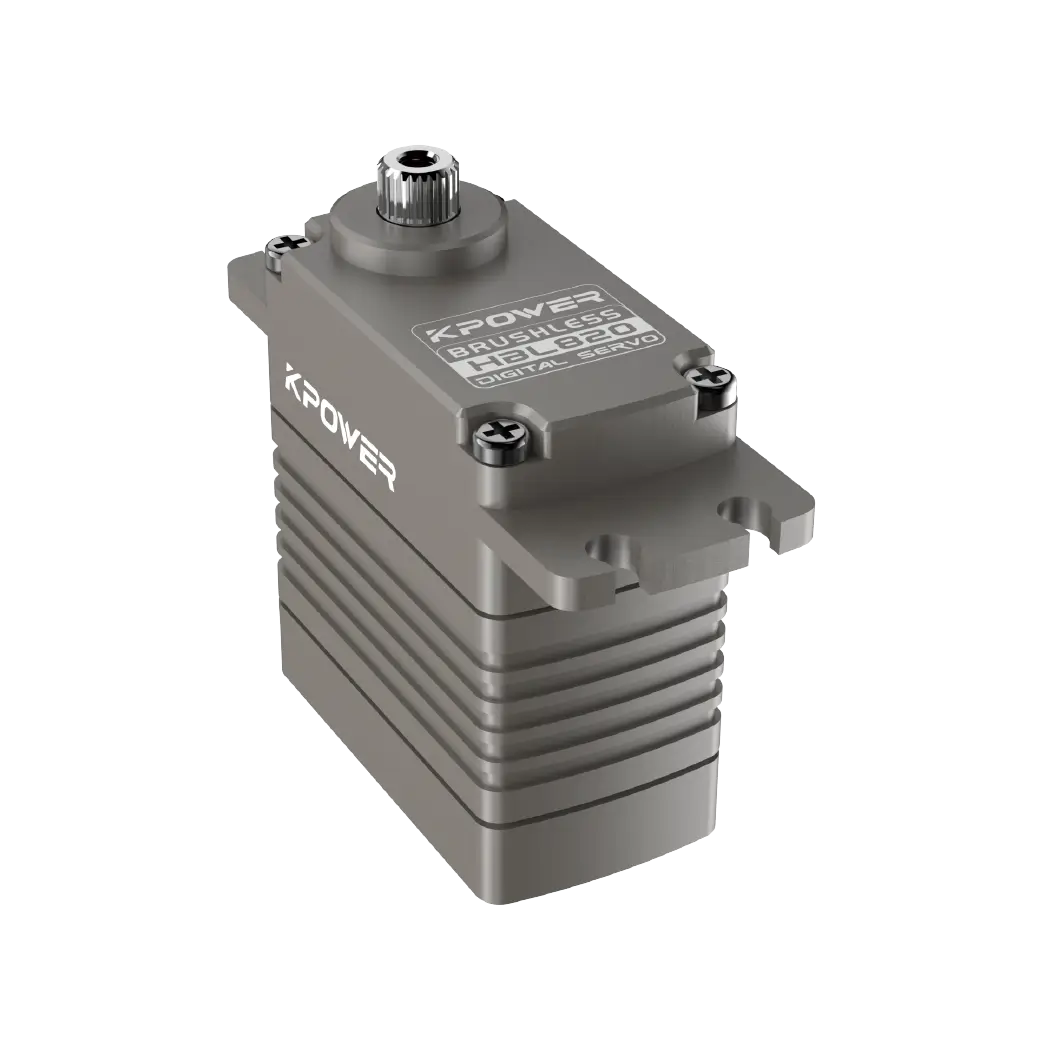
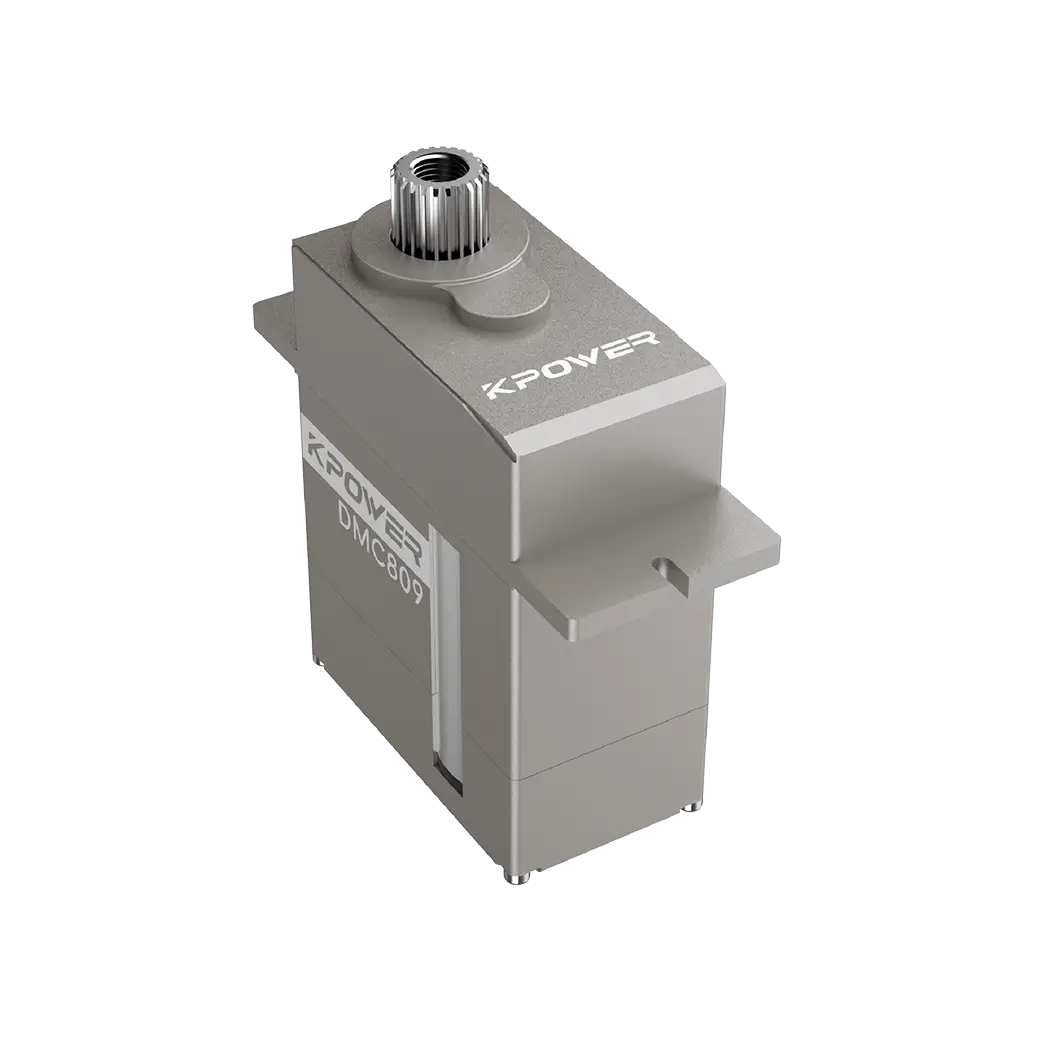
There are many brands of steering gears, and Huisheng, etc. are the more common ones. When selecting aservo, there are several key parameters to pay attention to: torque and speed. If the torque is too small, it may not be able to turn the front wheels on rough ground; and if the speed is too slow, it may be difficult to react in time when encountering sharp bends. More importantly, choose "digitalservo" rather than "analog servo". The digital servo responds faster and the positioning is more accurate. The performance on the smart car is that the steering is crisp and clear, and there will be no back and forth jitter in the middle position. If the front wheel of your car always trembles when it is stationary, it is most likely that the steering gear is improperly selected or the power supply is insufficient.
Generally speaking, there are differences in performance and features between different brands of servos. In addition to Frasers, there are many other brands to choose from. When considering the parameters of the servo, torque determines the amount of power it can output, and speed affects the speed of the servo's action. For smart cars, the right torque and speed are crucial. With its advantages of fast response and precise positioning, digital steering gear can make the steering of smart cars more stable and efficient. In comparison, analog servos may be slightly inferior in these aspects. Therefore, when building a smart car system, correctly selecting the steering gear and ensuring its stable power supply are key links to ensure the normal operation of the vehicle.
Just choosing the right hardware is not enough, the cooperation of the software is the soul. Many friends have encountered such a situation: the steering gear suddenly turned the direction, but the motor speed did not decrease at all, which eventually caused the car to slide directly off the track. The correct approach is to establish a set of linkage logic. For example, when a curve is detected, not only the steering gear should give a corresponding turning angle, but the motor should also reduce the speed appropriately according to the sharpness of the curve.
️The specific operation is as follows: first, read the deviation value of the camera or sensor; then, calculate the angle of the servo according to the deviation value; at the same time, calculate the target speed according to the deviation value. Usually, the greater the deviation, the lower the speed will drop; finally, send the instructions to the servo and motor respectively.
When I operated the car for the first time, I was keenly aware that as long as the servo was turned on, the voltage would drop rapidly, and then the microcontroller would restart. After a long period of careful investigation, it was finally discovered that the problem lay in the power supply scheme. Both servos and motors are large power consumers. Especially high-torque servos will greatly reduce the voltage at the moment of startup. If the same power supply is used to power the servo and the main control, it is easy to crash. ️Solution: Separate the power supply (used to power the motor and steering gear) and the logic power supply (used to power the microcontroller) as much as possible, or use a large-capacity capacitor to stabilize the voltage.
Another area that is prone to problems is the mechanical structure. You must remember to leave a smooth space for the steering rod to move, and do not make it too compact, otherwise the steering gear will continue to hold back its force and be easily burned out.
To be honest, it is really time-consuming to explore the parameters from scratch. If you want a more mature and stable solution, or want to select a product, it is fastest to go directly to the source manufacturer. For example, if you need to find a steering gear with fast response and sufficient torque for your innovative project, or want to learn about the latest integrated motor drive solution, you can search the official website of a company such as "Dongguan Wandai" or "Jingdian". They usually have mature parameter tables and selection guides, and can even provide sample testing, which is much more reliable than guessing by looking at a lot of parameters.
After talking so much, I wonder if you have any new ideas about your own smart car solution? I want to ask you, when you were making a smart car, the most crazy problem you encountered was the servo shaking all the time, or the motor running off track? Welcome to chat in the comment area, let's solve it together, and don't forget to like and share it with more friends who need it.
Update Time:2026-02-25

Contact Kpower's product specialist to recommend suitable motor or gearbox for your product.