







TECHNICAL SUPPORT


Published 2026-03-02
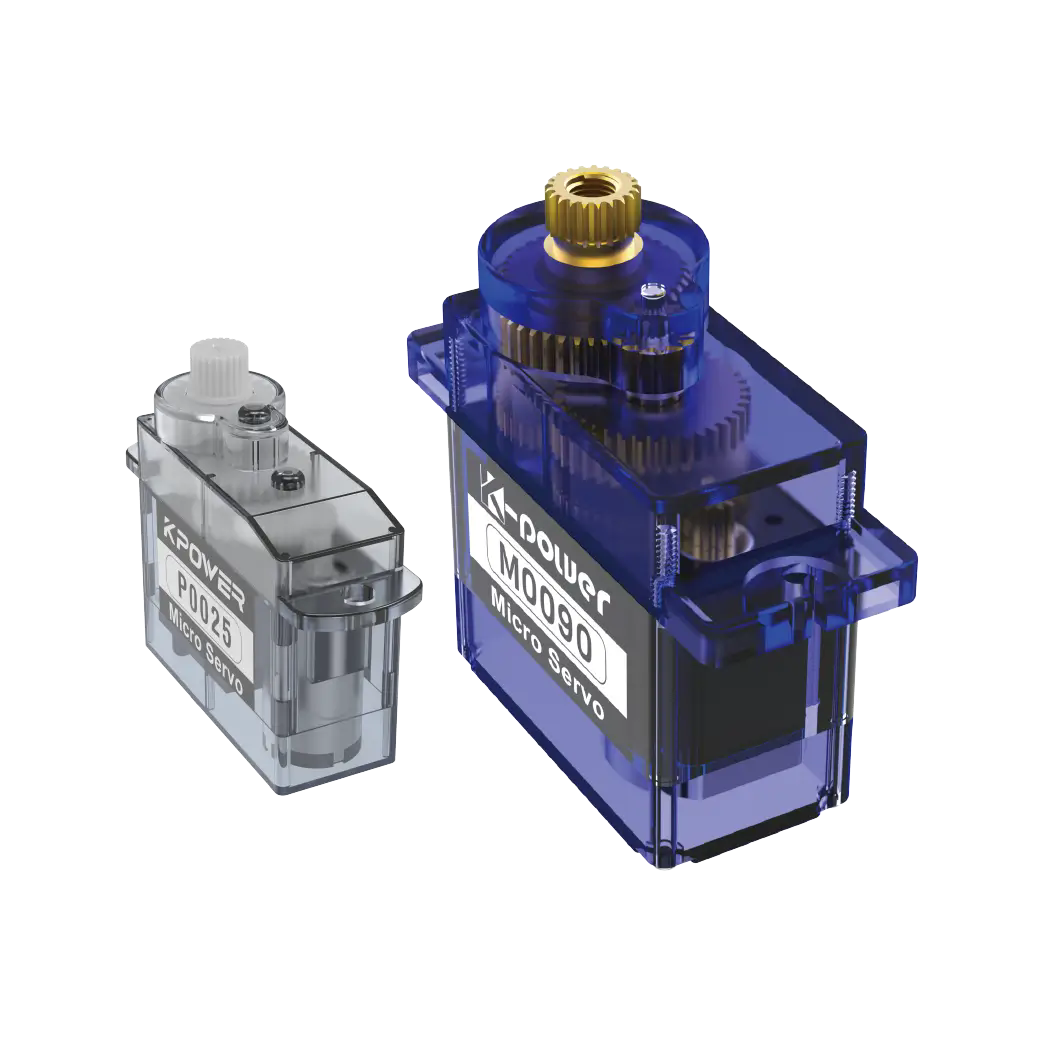
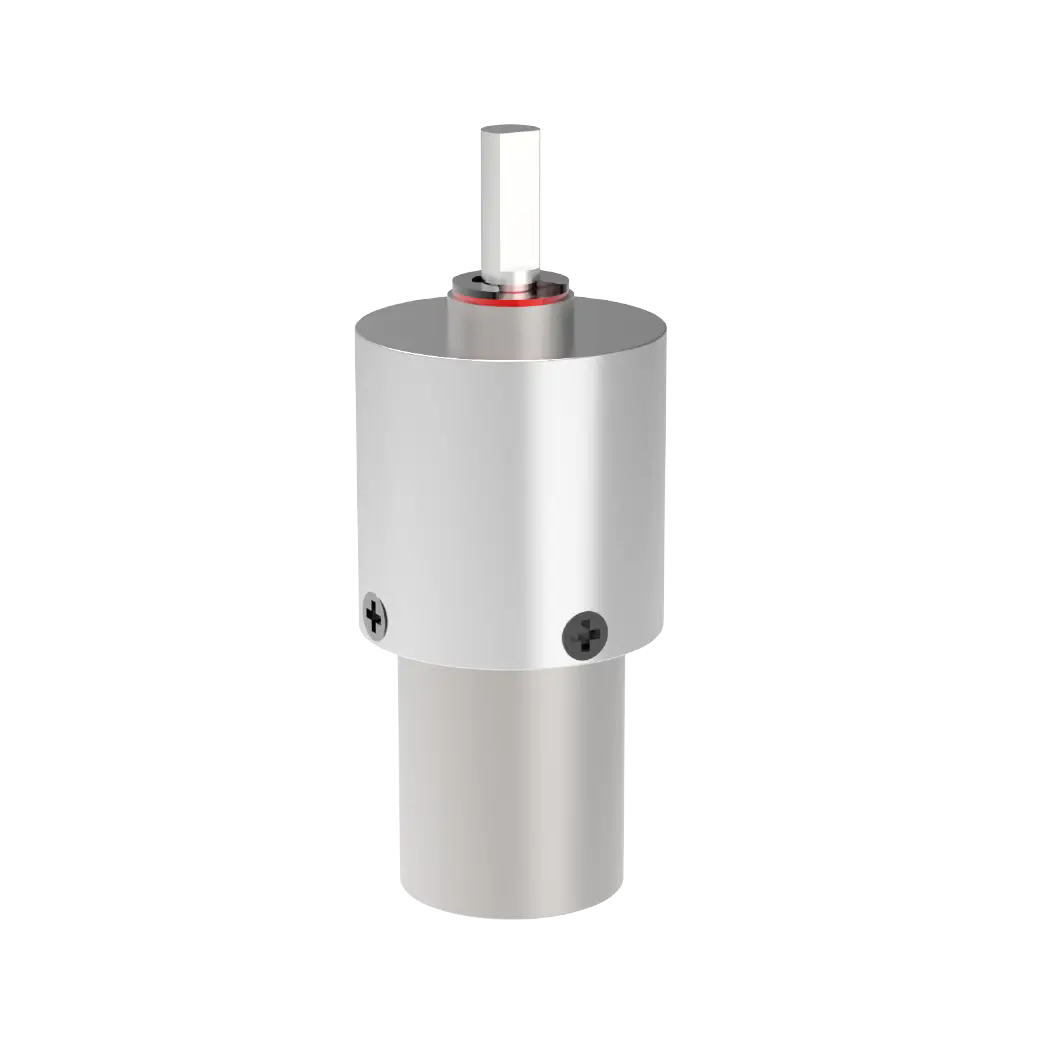
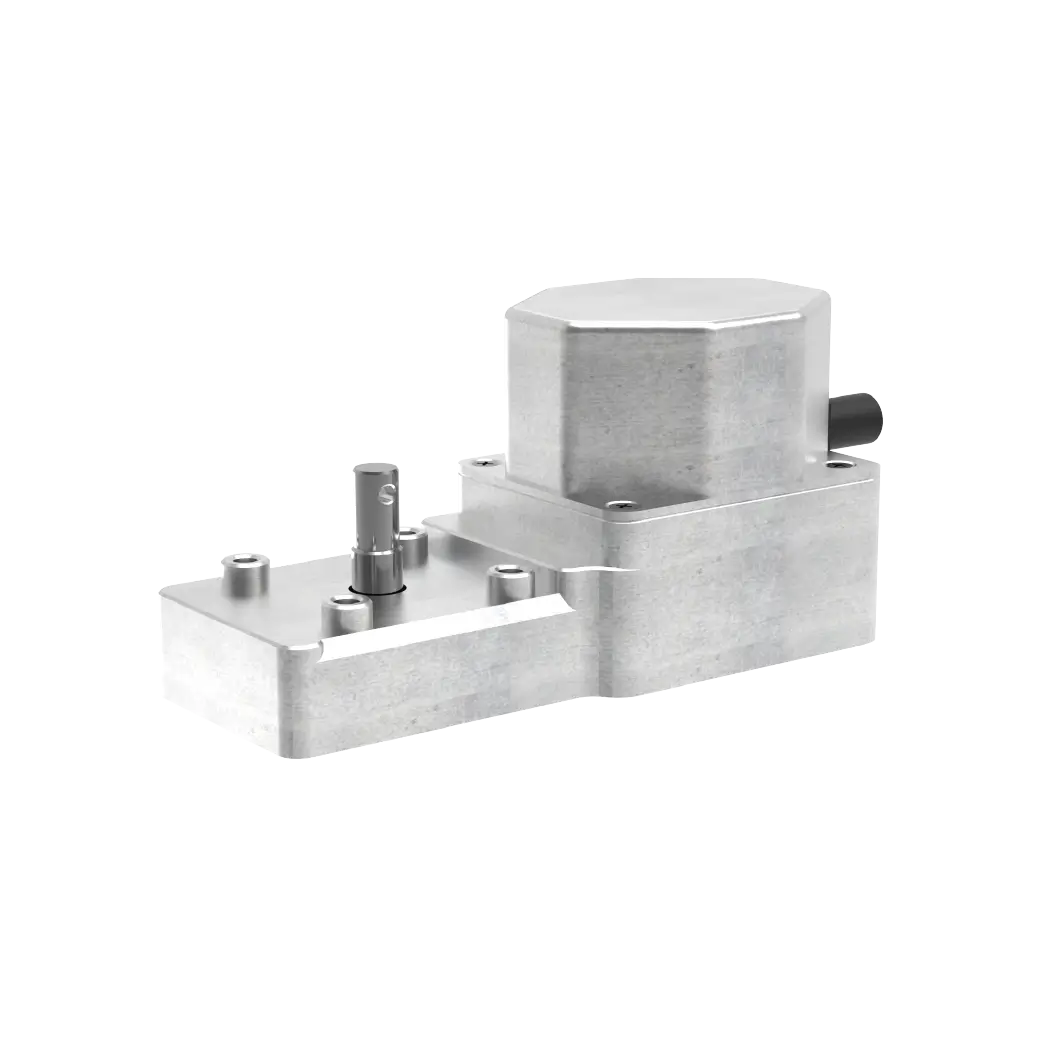
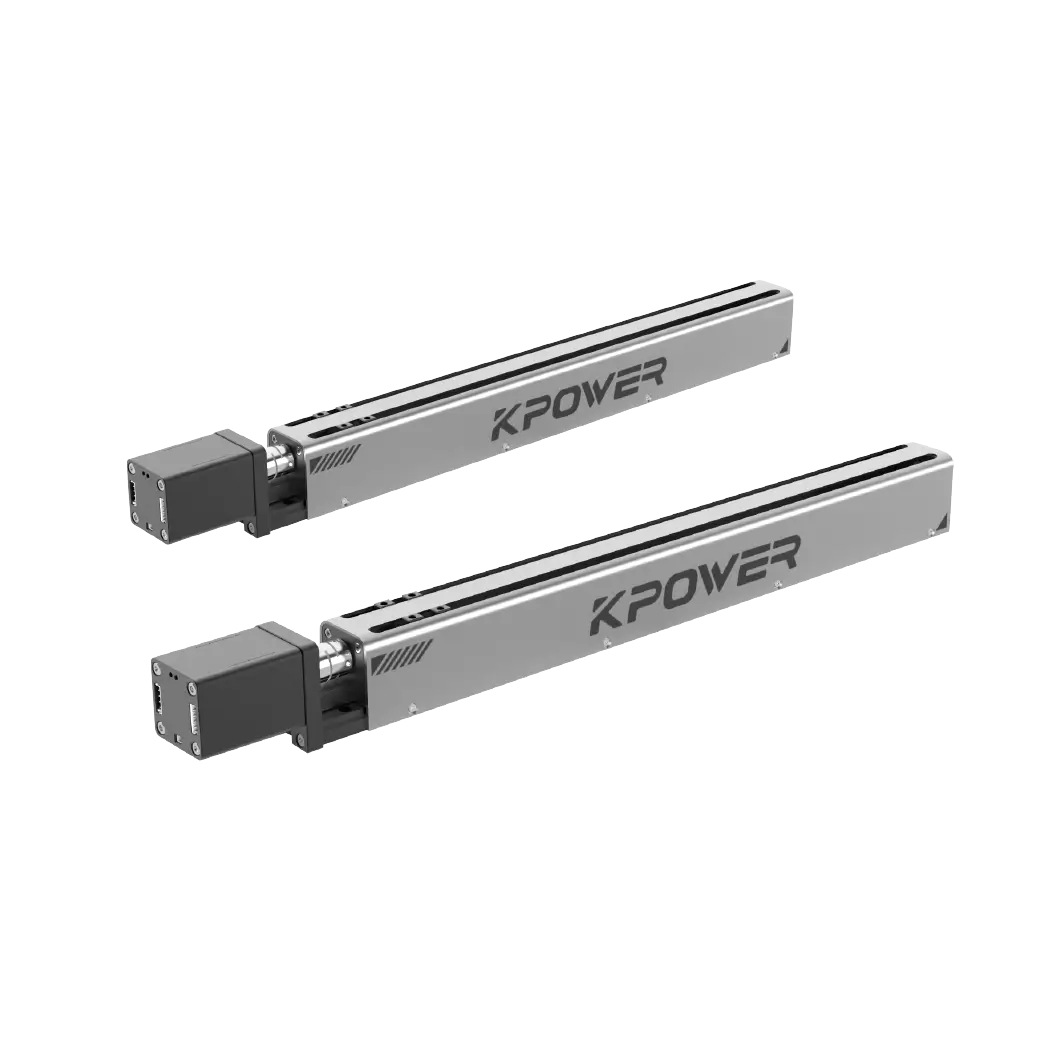
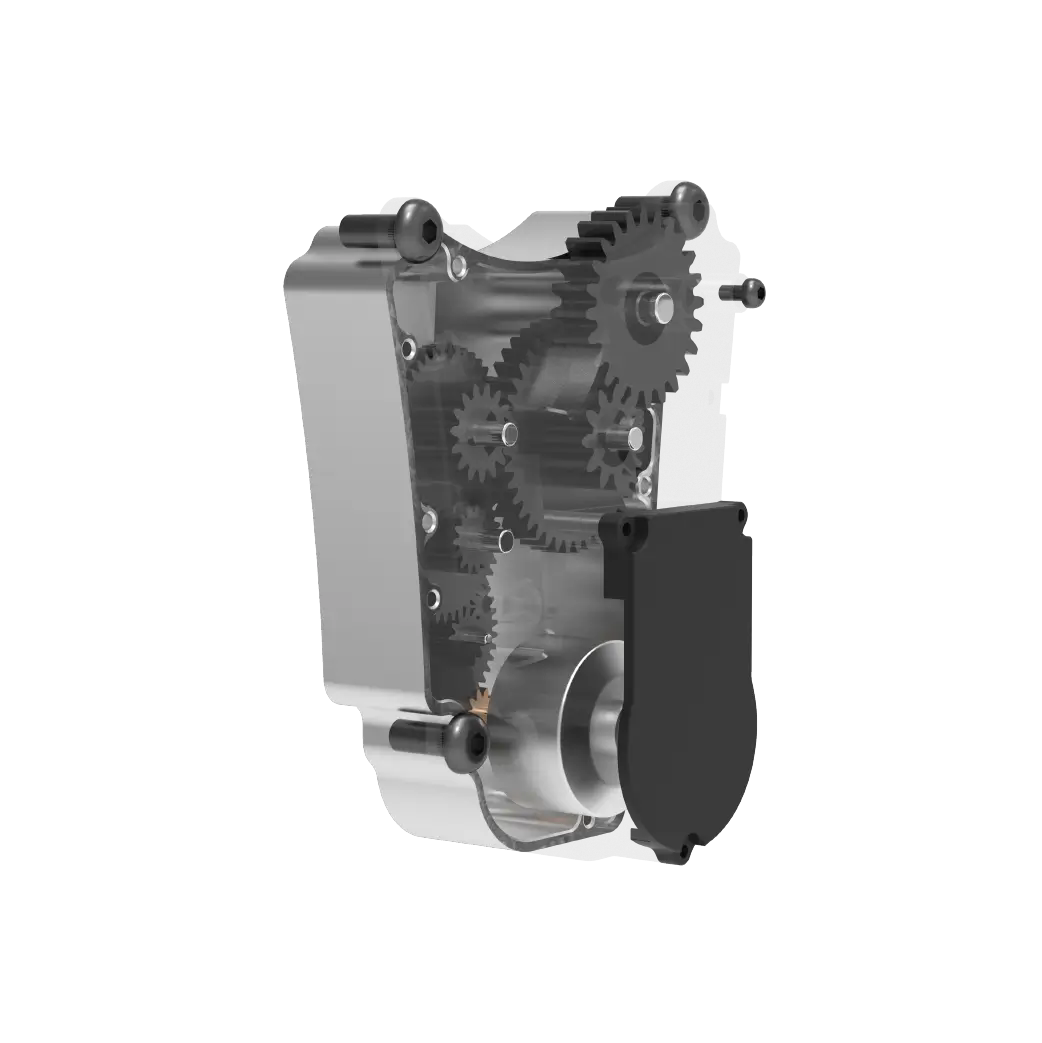
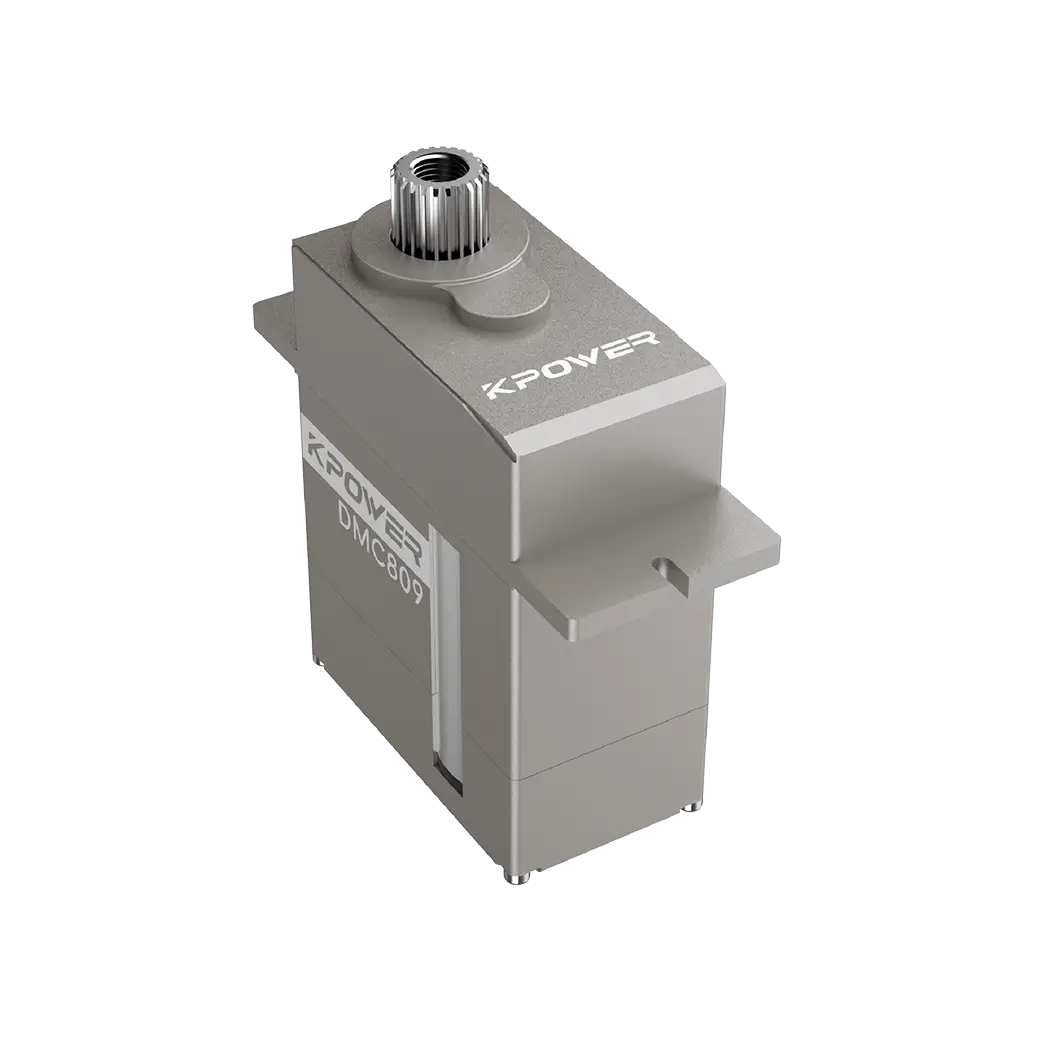
Have you ever encountered this problem - theservoin your hand is either not strong enough or cannot keep up with the speed? Especially when doing some slightly more complex movements, the response always feels half a beat slower? Don't worry, today we will talk aboutthe micro slideservo1.1Gthat can solve this problem, and see what its advantages are, and how to choose and use it.
If we are playing with models or making small robots, the thing we are most afraid of encountering is "meat". After you send the command, the servo is still turning slowly. The feeling of being out of control is really disappointing. The 1.1G mentioned here refers to the response speed of the servo. It can turn 60 degrees in about 0.1 seconds. Compared with ordinary servos, this speed is much faster.
The most direct benefit of fast speed is that it allows your device to make more responsive and coherent movements. Just like a robot dog that can suddenly accelerate and run, or a robotic arm that can quickly grab items, the refreshing feeling of "hitting where you point" will be understood by anyone who has used it.
Many friends think that servos are all similar, as long as they can rotate. However, if you think about it carefully, if the steering gear responds slowly, will your car always drift when cornering? Is the robot arm always inaccurate when grabbing items? In fact, these problems are caused by delayed response of the servo. When replaced withmicro slide servo 1.1G, because its control chip and motor are optimized for high speed, signal transmission and processing are faster, so these delays can be significantly improved. You will notice that the movement of the device becomes more sensitive, and the joy of control is instantly enhanced.
This improvement is not only reflected in the feel of the device's movements, but also in the smoothness of the entire control experience. All the inconveniences caused by the delayed response of the servo have been greatly improved after replacing it withthe micro slide servo 1.1G. Whether it is the accuracy of the car when cornering or the accuracy of the robotic arm when grabbing things, there has been a qualitative leap. This makes operating the device less of a chore and more of a truly fun and satisfying activity. You will be immersed in this smooth and precise control experience and feel the charm brought by technology.
There are so many types of servos on the market that it’s dazzling, so how do you choose to avoid falling into the trap? ️ First of all, pay attention to the brand and try to choose those brands that have official websites and can provide technical support. For example, you can directly search the company's official website through a search engine and carefully browse its product lines and application cases to understand the actual performance and applicable scenarios of the brand's servos. ️ Next, look at the parameters. In addition to the key indicator of speed, torque cannot be ignored. For a 1.1G servo, the torque is generally between 1.5kg·cm and 2.5kg·cm, so you need to consider it based on the strength required by your own equipment. ️ Finally, you need to look at the interface and confirm whether it matches your existing controller. Usually, this small servo is equipped with a 3-pin plug, which is extremely convenient to use.
Maybe when you first heard the words "high-speed digital steering gear", the idea that the debugging process was extremely complicated would involuntarily come to mind. However, in fact, you don’t have to worry about this at all. Most ofthe micro slide servo 1.1Gon the market today have plug-and-play convenience.
First, all you have to do is secure it firmly on the stand, and then connect the power and signal cables. Then, in your controller, such as a flight controller, call a simple PWM library function and set the corresponding angle range. Finally, power on and test the midpoint position. After a little fine-tuning, the servo will be able to run normally. The entire operation process is no different from using an ordinary steering gear, but the effect it presents is completely different.
Imagine that the bionic robot you carefully crafted has its limbs coordinated as naturally and smoothly as a real life form; the travel machine you assembled yourself has a gimbal that is as stable as if it was equipped with professional Steadicam equipment. This is the unique charm of high-speed steering gear. It is not as simple as just replacing a part, but it can make your entire work achieve a qualitative leap in performance and upgrade it to a higher level.
The most direct feedback given by many friends who are using 1.1G servo for the first time is "my project finally comes to life". The feeling of leaping from the previous clumsy state to the current dexterity and ease is really fascinating, as if it is addictive. If you have doubts about this or don’t believe it, you can try it yourself to experience the wonderful changes brought about by the high-speed steering gear.
If you are engaged in work related to racing cars, robotic arms, or bionic leg and foot robots, then I strongly recommend that you try this steering gear. In these specific scenes, there are extremely high requirements for the continuity of actions and response speed. In this case, the delay of ordinary servos will be significantly amplified and become very obvious. Take a quadruped robot as an example. If the steering gear used is not fast enough, the robot will limp when walking, and may even fall.
When using the micro slide servo 1.1G servo, because each joint can respond quickly, the robot can perform difficult actions such as trotting and jumping, and the sense of achievement it brings is completely different from before.
In fact, the process of upgrading equipment is itself an exploration of the possibilities of the work. After seeing this, do you also want to perform a "minor surgery" on the project you are working on? You might as well chat in the comment area, what is the most troublesome problem in your current project, and let's find a way to solve it together! If you find the content useful, don’t forget to give it a like and share it with more friends who need it!
Update Time:2026-03-02

Contact Kpower's product specialist to recommend suitable motor or gearbox for your product.