







TECHNICAL SUPPORT


Published 2026-02-20
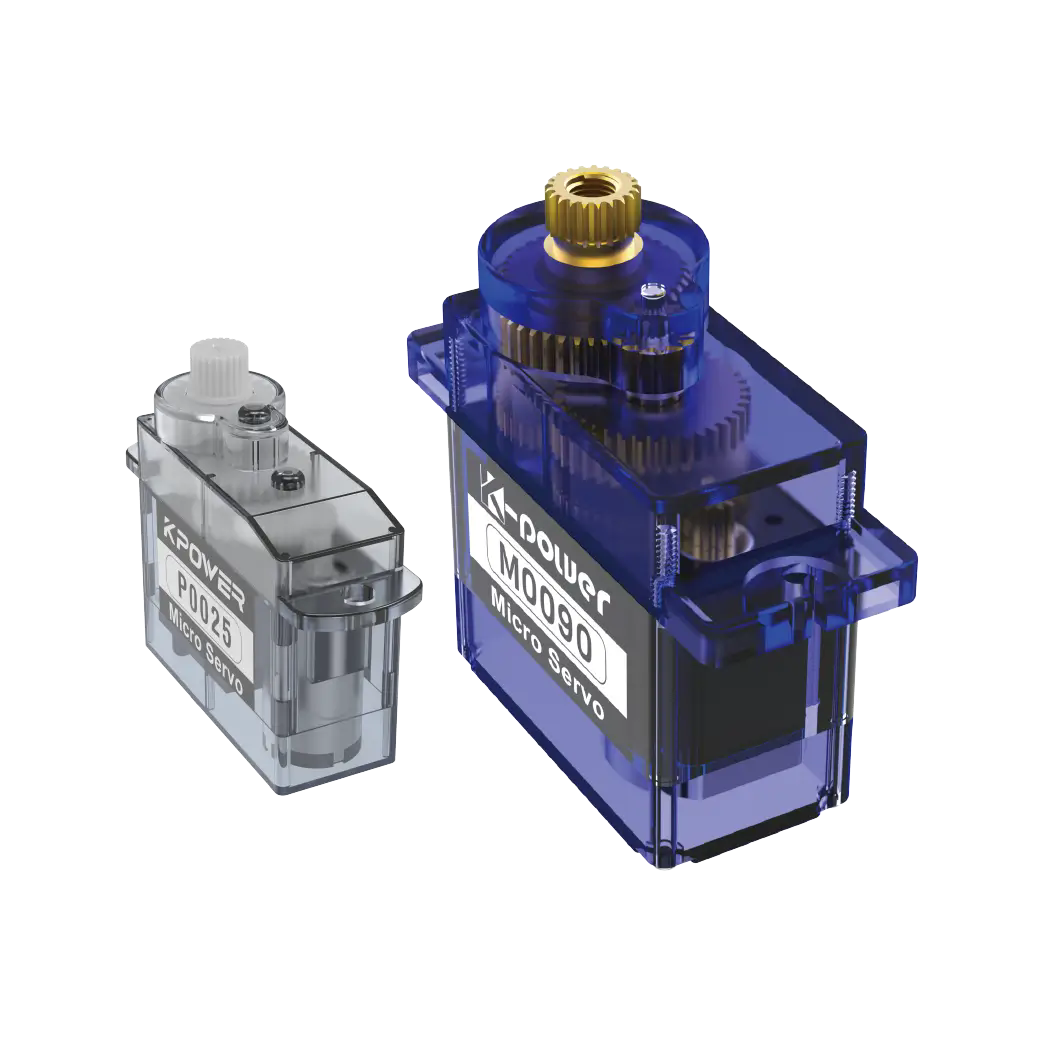
When playing withservos, we often encounter a headache: when we search for "9g microservo" or "microservo9g" online, a bunch of dazzling products pop up. The parameters all look similar, but the prices range from a few dollars to dozens of dollars. How to choose? Once you buy it, how should you use it to make it obedient and spin steadily?
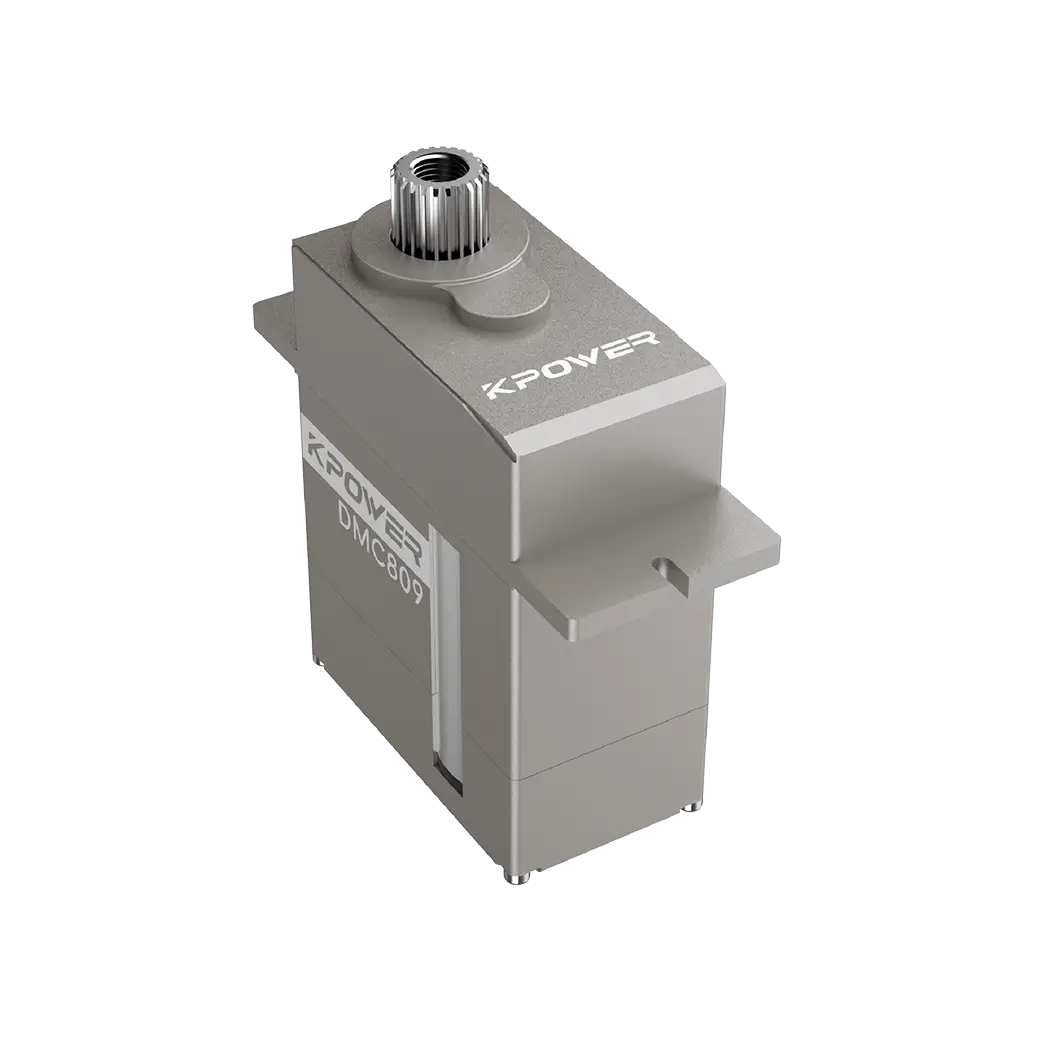
Even though the servo is small, it has a lot of parameters. First, you need to understand the model number, such as the most common SG90. The "9g" usually refers to the weight of the servo, which is very light. You will see a lot of English on the merchant page. For example, "Stall" means stall torque, which simply means it can pull multiple objects; " " means working voltage, usually 4.8V to 6V. Also, "Speed" refers to the rotational speed, and the unit is sec/60°, which means how many seconds it takes to turn a 60-degree angle. The smaller the number, the faster the servo rotates.
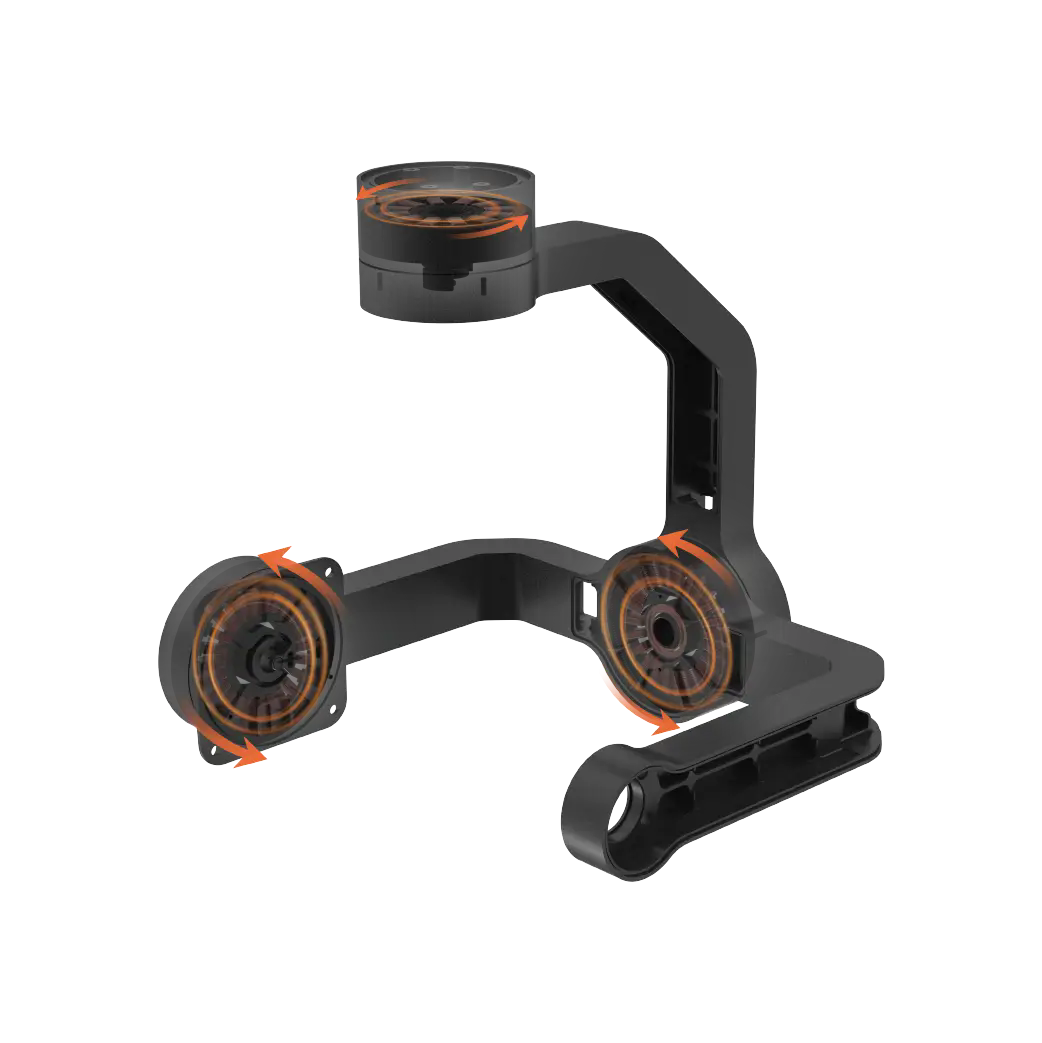
Understanding these parameters is the first step, and the key is to combine them with reality. For example, if you want to make a small robotic arm, torque is the core indicator, so you have to choose one with larger torque. If it is only used to control the camera gimbal, one with smooth rotation speed and high precision is more suitable. Don’t just look at the price, it should be based on your project needs.
After finally connecting the wires and writing the code, the servo keeps shaking like it's Parkinson's disease. This is probably the most frustrating thing. Don't worry, it's probably a problem with the power supply. This kind of small servo has a large instantaneous current when starting and blocking. If it is directly powered by the 5V pin of another development board, it is easy to cause a voltage drop due to insufficient current, thus causing jitter.
Solving this problem is actually very simple, just prepare a separate power supply for the servo. You can use a 4.8V to 6V battery box or an external voltage regulator module to connect the positive, negative and signal wires of the power supply respectively, and be sure to connect the negative pole of the servo power supply to the GND (ground wire) of the control board together to ensure that the signals are synchronized. In this way, the jitter problem can basically be solved.
There are various 9g servos on the market, mainly divided into two categories: analog servos and digital servos. Analog servos are cheap, but for beginners making small productions, as long as the program is properly controlled, the response speed is sufficient. Digital servos are more expensive, respond faster, and have higher positioning accuracy. They are suitable for use on small robots that require quick response.
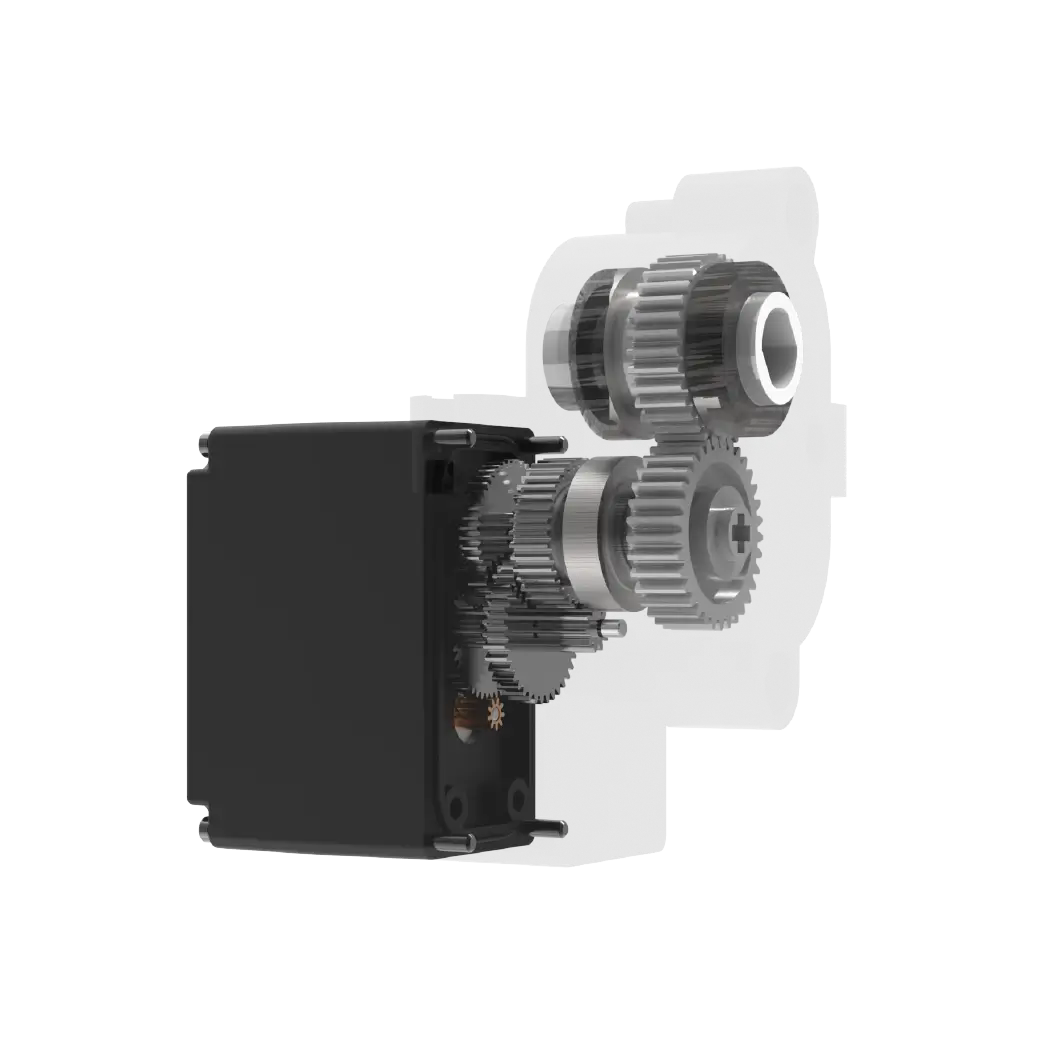
In addition to the type, the material of the teeth should also be considered. Most cheap servos use plastic teeth, which have the advantage of being cheap and quiet. However, if the force is too much, the teeth will be easily damaged (the gears will be damaged). If the servo in your project will bear some external forces, such as being used on a legged robot, then you have to consider a metal-toothed servo. Although it is more expensive and noisy, it is much more durable. Another thing to look at is the brand. SG90 is a classic entry-level choice. It has a lot of information and many people are buying it, so the probability of getting it wrong is relatively small.
Wiring is a basic skill. If you make a wrong connection, it may not work, or it may burn out. This kind of small servo usually has three wires, and the color is the standard for differentiation. Usually,the brown (or black)wire is the negative pole, connected to GND;the redwire is the positive pole, connected to the power supply (usually 5V);the orange (or yellow or white)wire is the signal wire, which should be connected to the PWM output pin of the control board (for example).
A special reminder here is that the servo line sequences of different brands may be different! Although most common SG90s are brown, red, and orange, if you buy one from another brand, don’t be lazy. Be sure to check the wiring diagram with the wiring diagram provided by the merchant or in the manual before wiring. If you are not sure, it is best to use a multimeter to measure it. The black test lead is connected to the negative pole of the power supply, and the red test lead measures three wires respectively. The one that can measure 5V voltage is the red wire. Safety is more important than anything else.
When I get a new servo, how do I quickly know if it is good? Here is a simple way to test it without writing code. First, connect the brown wire of the servo to the negative terminal of the battery, and the red wire to the positive terminal of the battery (just use two 1.5V dry batteries connected in series, which is 3V, which is a safe test voltage). At this time, the servo should rotate to an initial position and stop.
Use your fingers to gently turn the output disk of the servo. If you feel resistance and it will automatically return to its original position, it means that the control circuit and motor inside the servo are basically good. Next, remove the red wire from 3V and replace it with 5V power supply (for example, taking power from the USB port). Then touch the signal wire to the 5V positive pole with your finger, and then touch it to GND. The axis of the servo should follow your touch and rotate a little bit accordingly. This simple process can help you eliminate most bad servos.
Don't be intimidated by the code, there are actually only three steps to control the servo. The first step is to call the servo library and add# at the beginning of the code. The second step is to create a servo object and connect the pins, such asServo ;and then write.(9);in thesetup()function. This means that you have connected the servo signal line to pin 9.
The third step, and the most important step, is to turn the servo to the specified angle. In theloop()function, you only need to write.write(angle);For example,.write(90);will turn the servo to the 90-degree position. Withdelay()function, you can make it swing back and forth. If you want to read the current servo angle, you can use.read(). It's that simple, hurry up and try it out and let the rudder move!
After reading this, I wonder what is the weirdest and most troublesome problem you have encountered during the process of debugging the servo? You might as well share it in the comment area, let's discuss it together, and let more friends who are just getting started avoid detours. If you find the article useful, give it a thumbs up and share it with friends who play hardware together, which is the greatest support for me!
Update Time:2026-02-20

Contact Kpower's product specialist to recommend suitable motor or gearbox for your product.