







TECHNICAL SUPPORT


Published 2026-02-22
When you are doing product innovation, or tinkering with robots or smart cars, do you often hesitate between the two little guys? One is a stepper motor and the other is a steering gear. They look a bit alike and can control their movements, but their temperaments are quite different. If you choose the wrong one, your project may not move at all, or it may turn around in a mess. Don't worry, today we will talk about this thoroughly so that you can make a clear choice.
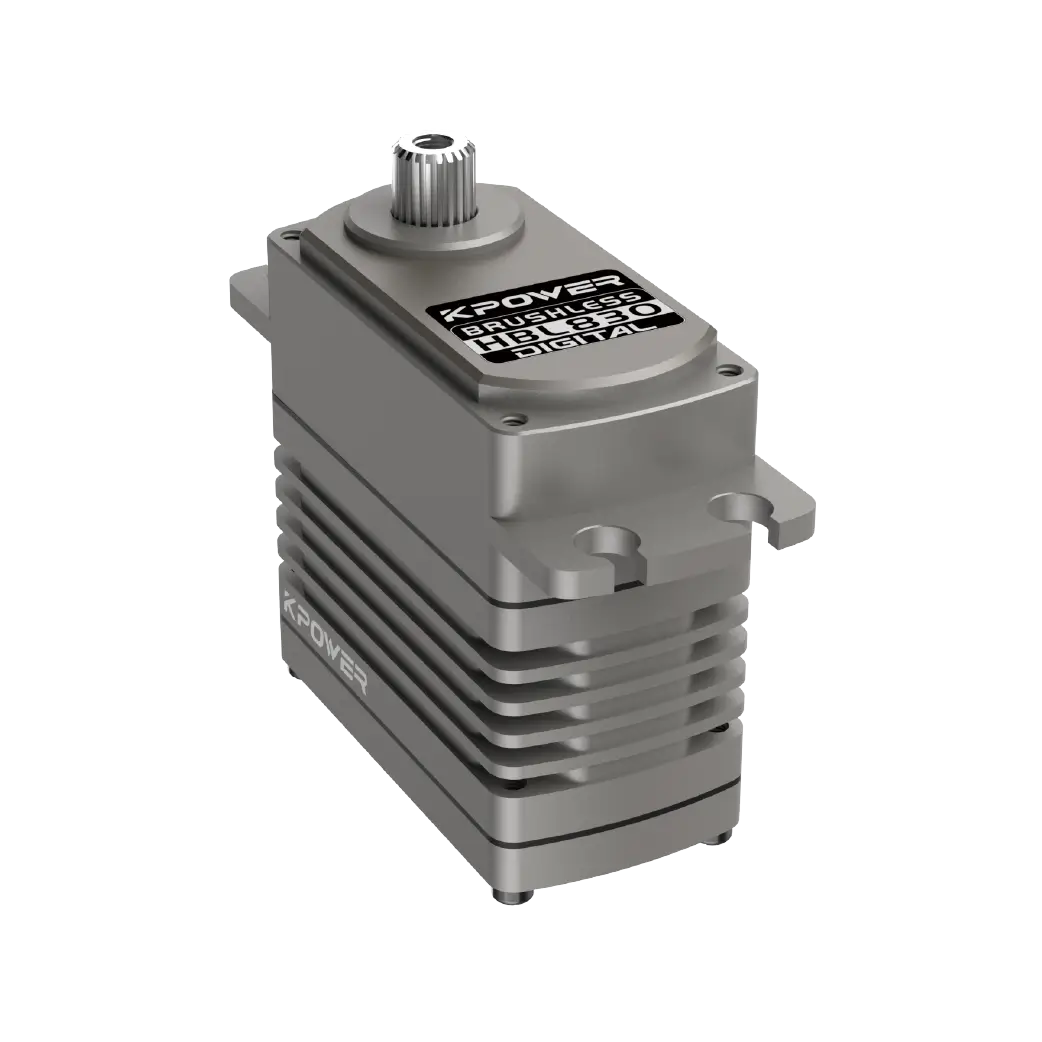
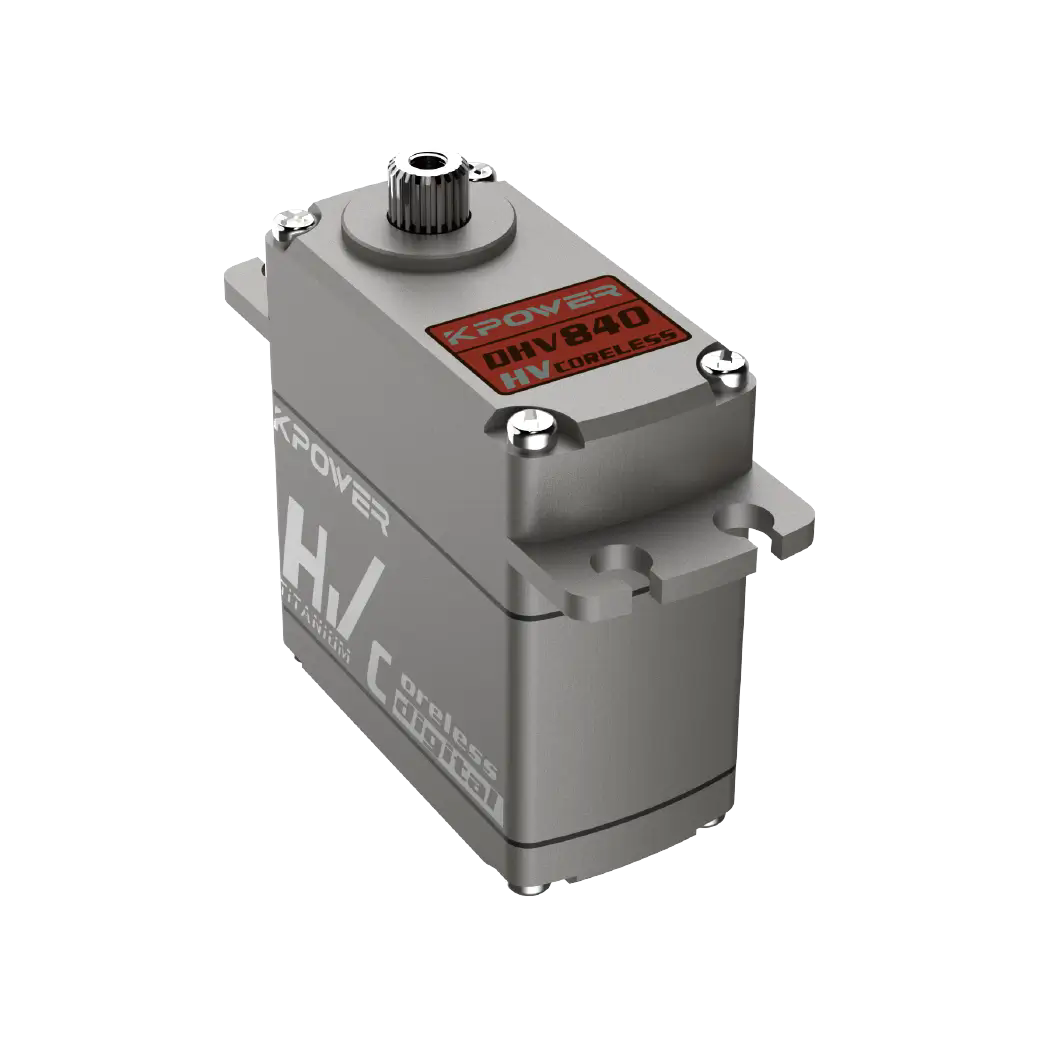
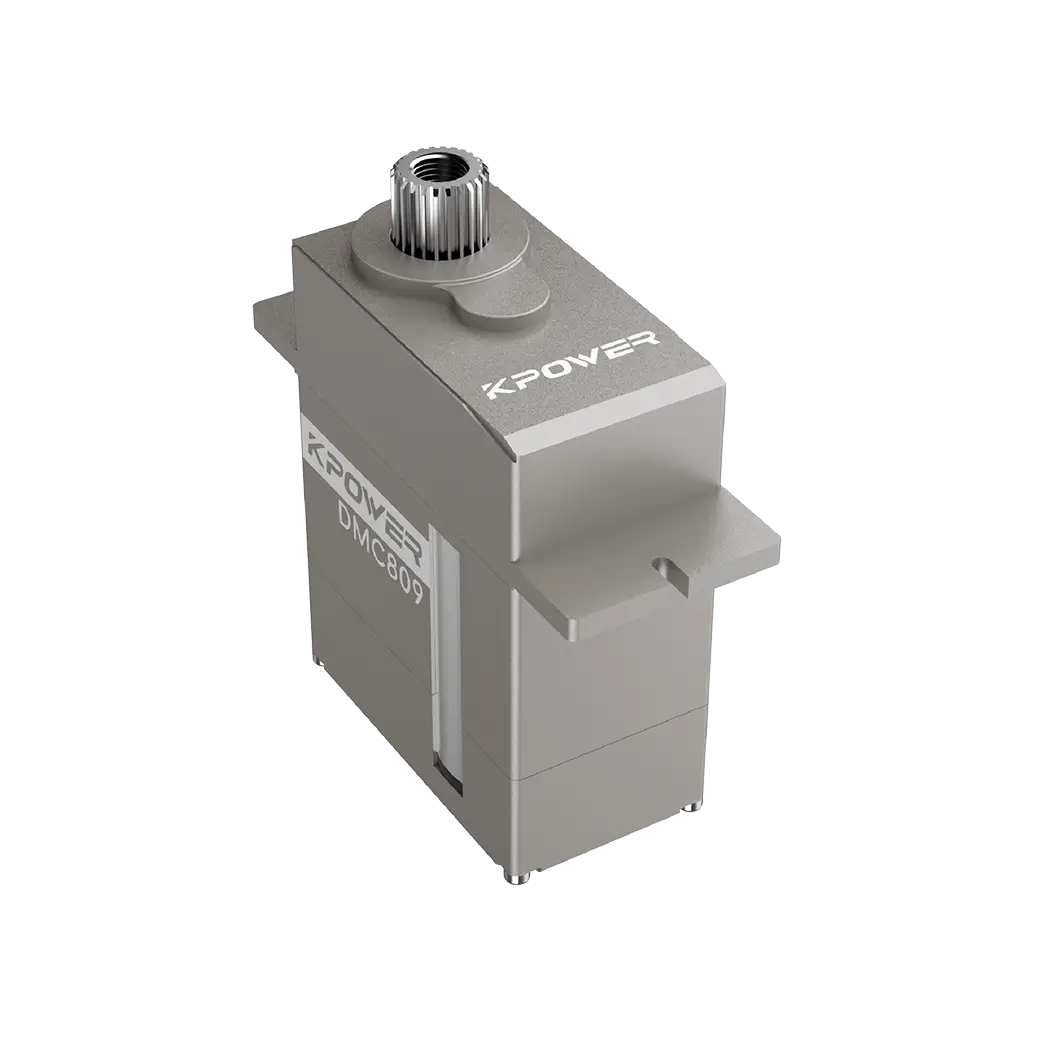
Simply put, their "brains" are in different places. The stepper motor is like a big fool. If you give it a pulse signal, it will take one step forward. How many steps it takes and how many angles it turns all depend on your controller to issue instructions. As for the steering gear, it has its own "cerebellum" (that is, an internal control circuit). As long as you tell it "turn to 90 degrees", it will turn around and lock firmly. It's like one is a puppet you pull with your own hands, and the other is a smart toy that can understand instructions.
It all depends on what you want it for. If your project requires moving a heavy object accurately, such as pushing a camera smoothly to a designated position, then a stepper motor is the first choice. It is powerful and can move very accurately under open-loop control. But if you want the robot's joints to rotate, such as letting the robotic arm grab an egg, or letting the steering wheel of a car model turn flexibly, then aservois more suitable. It responds quickly and comes with position feedback, which can firmly lock the angle.
For a newbie, theservois angelic. You don't need to understand complex algorithms, just buy a development board, call a few lines of code, and it will obey you. But stepper motors are much more complicated. You have to have a driver and calculate the pulse frequency. If not, you may lose steps and your robotic arm will get lost while walking. So, if you are just getting started and want to see results quickly, starting with the servo will give you a greater sense of accomplishment.
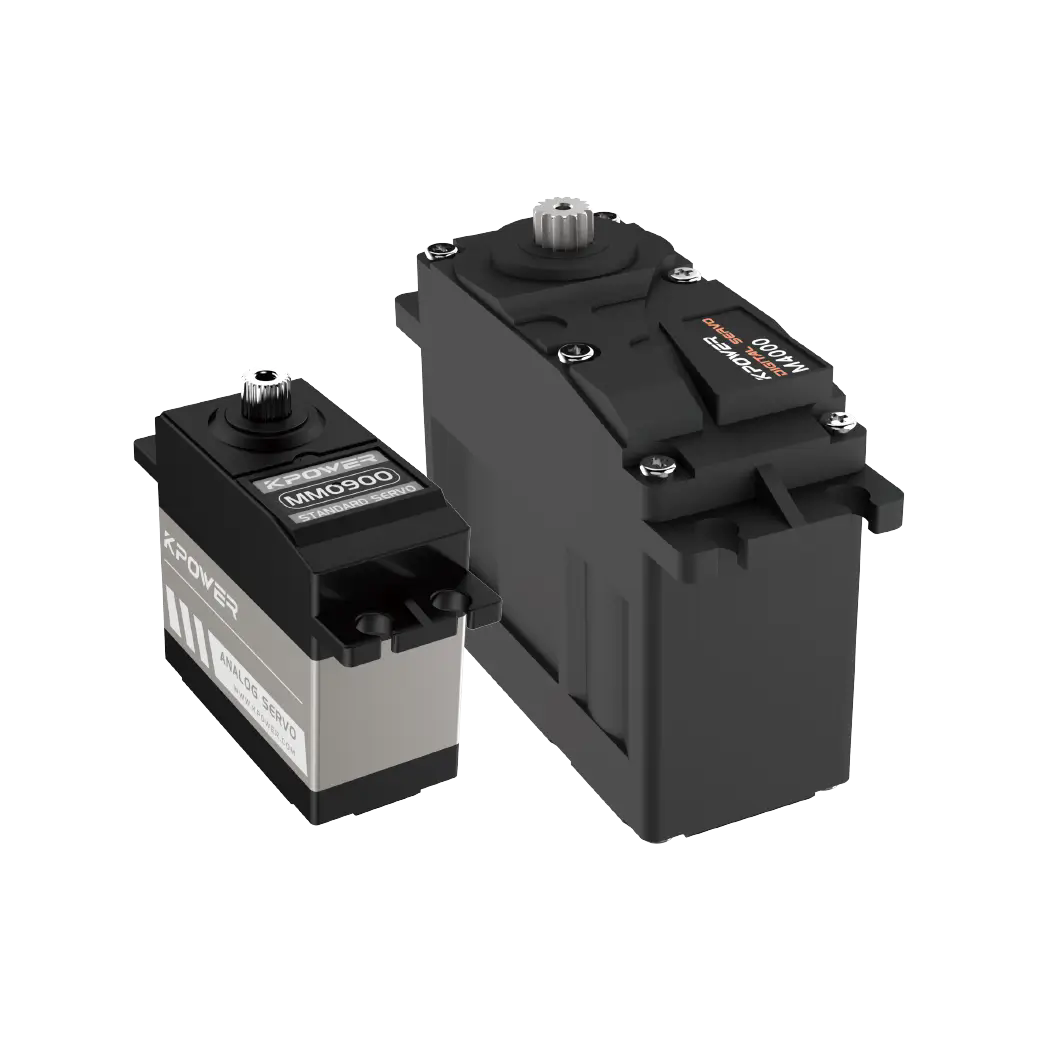
This usually uses a servo, and it is a simulated servo. The analog servo internally maintains the position by continuously adjusting the pulse width, so it will jitter slightly near the target angle. Digital servos are much better, faster and more stable. Stepper motors also produce resonance and jitter when rotating at low speeds, which is its natural characteristic. To solve jitter, in addition to changing to better hardware, smoothing in software is also a key step.
️Dependson your load type: The torque of the stepper motor is very large at low speeds, and the holding torque is also strong, which is suitable for scenarios where it is necessary to carry heavy objects even when stationary. But as soon as its speed is high, the torque plummets. The steering gear is different. Its torque is relatively constant throughout the entire stroke, and the speed control is very flexible. It is especially suitable for joints that require quick start and stop and frequent changes of direction.
️Dependson your movement requirements: If your movement is "from point A to point B, don't worry about how you go in between", then a stepper motor will do. But if you need to move as smoothly and naturally as a human arm, such as drawing an arc, then the advantages of the servo come into play. Many servos support continuous rotation and can also be controlled in series through the bus, which greatly simplifies the wiring of multi-jointed robots.
This has to be calculated in the long run. A single ordinary servo is very cheap, but a better digital servo or a servo with metal gears is also expensive. The stepper motor itself is not expensive, but you have to equip it with a driver and controller, and the cost goes up quickly. Moreover, stepper motor systems are usually larger and consume more energy. Therefore, if it is a small battery-powered portable device, a high-efficiency servo is often a wiser choice.
After talking so much, in fact, there is no absolute good or bad when choosing a model, only whether it is suitable or not. Think about the project in your hand, what is the action that troubles you the most?
I wonder what interesting stuff you are tinkering with recently? What’s the first “pit” you encounter when choosing a model? Welcome to share your experience in the comment area, and let’s discuss avoiding pitfalls together. If you think this article is useful to you, don’t forget to like and share it so that more friends can see it!
Update Time:2026-02-22

Contact Kpower's product specialist to recommend suitable motor or gearbox for your product.