







TECHNICAL SUPPORT


Published 2026-02-27
Recently, a friend asked me that I wanted to equip the project with aservo, but after searching the Internet, I found that digitalservos and analogservos are similar in appearance, but the price is quite different. How should I choose? In fact, this problem is quite typical. If you choose the right servo, your robot or model will move "silky"; if you choose the wrong servo, you will be competing with yourself. Today we will put aside those complicated theories and explain to you the difference between these two brothers in plain language.
Let's not rush to look at the internal circuit board. Just imagine the servo as a soldier who works under orders. The simulated servo is like an ordinary soldier. When the commander (receiver) gives an instruction, it moves once, then rests, and then moves again when the instruction is given. The digital servo is different. He is a "king of volume". After receiving the instruction, he will constantly check and correct it in a very short period of time, and execute the instruction many times. The fundamental difference in the way this minion works determines their final performance.
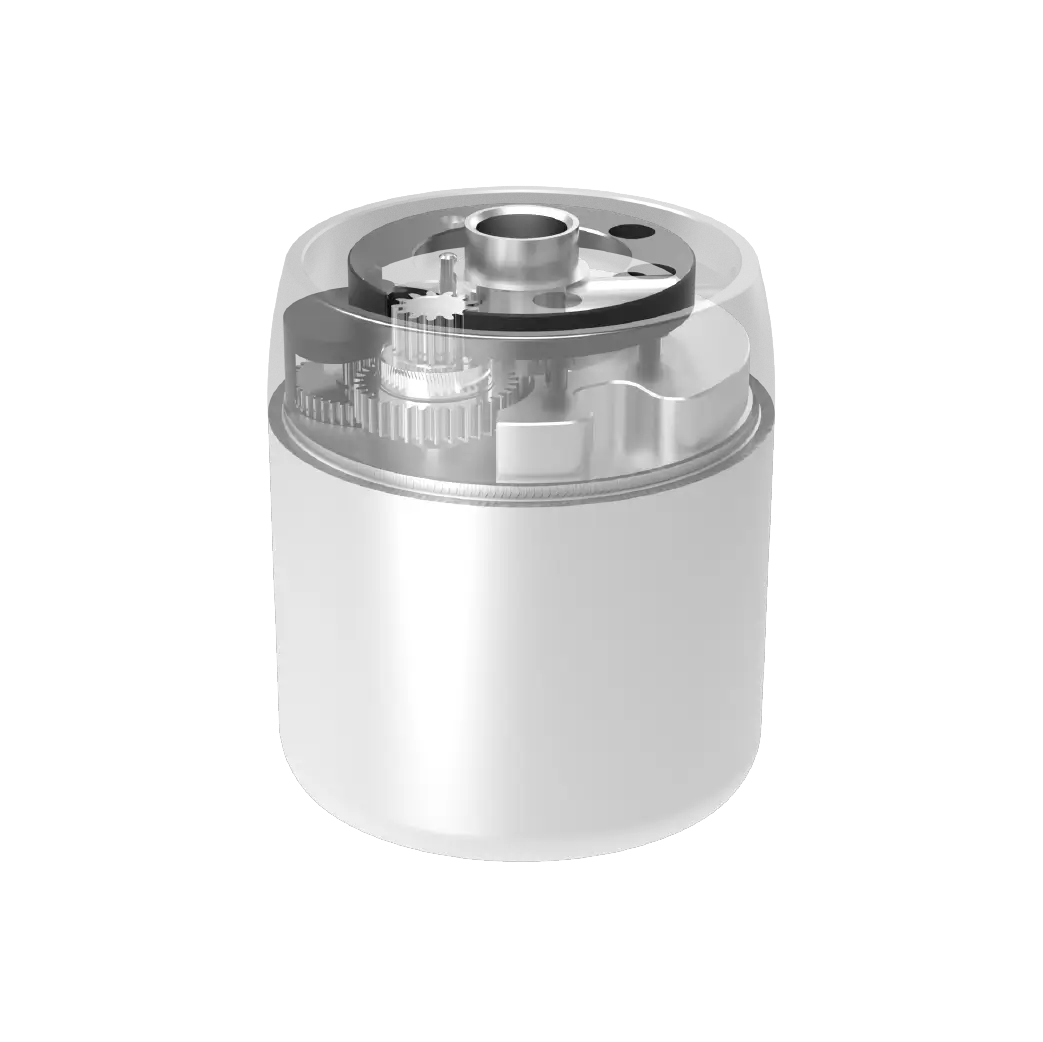
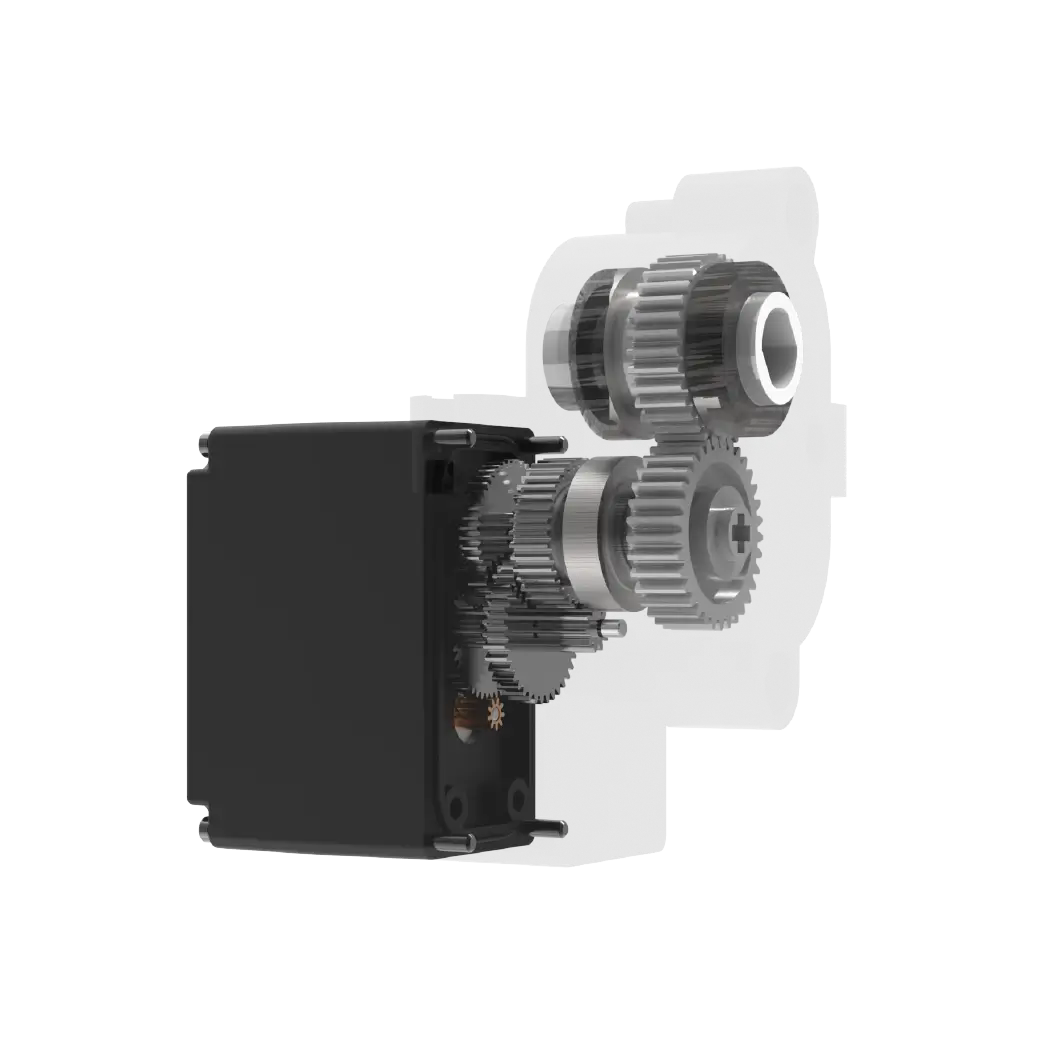
To understand why they work differently, you have to take a look at their "brains"—the control chips and drive circuits. Whether they are digital or analog types, they are equipped with motors, gear sets and potentiometers, which are used to determine position. The difference is that the analog steering gear uses an analog chip, and its signal processing method is relatively simple.
The digital steering gear is different. It contains a microprocessor that can receive and process more complex instructions. This microprocessor is like a small commander, able to decompose the received signal into more precise movements, thereby making the motor rotate more stably and accurately.
Here we might as well expand our imagination and sketch the picture of the "pulse signal". The signal frequency received by the analog servo is approximately 50 times per second, or 50Hz. The microprocessor inside the digital servo will "chop" this signal and then recombine it to a frequency of 300 times per second or even higher to drive the motor. It's like the analog servo taps your shoulder 50 times a second to remind you to move forward, while the digital servo taps you gently 300 times a second, allowing you to walk fast and steady. This high-frequency "urge" is the core secret of the digital servo's more accurate and faster response.
From another perspective, this difference in signal processing methods makes the performance of digital servos significantly improved compared to analog servos. Signal drives at 300 times per second or higher allow digital servos to execute instructions more quickly and accurately. Whether in complex mechanical motion control or in application scenarios that require extremely high precision, digital servos can demonstrate excellent performance with their unique signal processing mechanisms and become an indispensable key component in many fields.
Some friends will ask this question, should I pursue torque or response speed? This depends on the circumstances of your project. With its high-frequency correction capabilities, digital servos can generally provide greater "holding torque" than analog servos of the same level. The so-called "holding torque" means that when the steering wheel remains stationary at a certain position, the power displayed by the digital servo will appear greater. Moreover, its response speed has almost no delay, and it can accurately hit where you point.
Although the analog steering gear is slightly slow in terms of speed, it has the advantages of simple structure and low cost. For many projects that do not require fast response and low accuracy requirements, such as some simple model construction or switching actions, analog servos are fully capable, and their cost performance is very high.
️ 1. Depend on the budget: If your project is cost-sensitive, analog servos are undoubtedly a good friend, and basic movements can be completed for just a few dozen yuan.
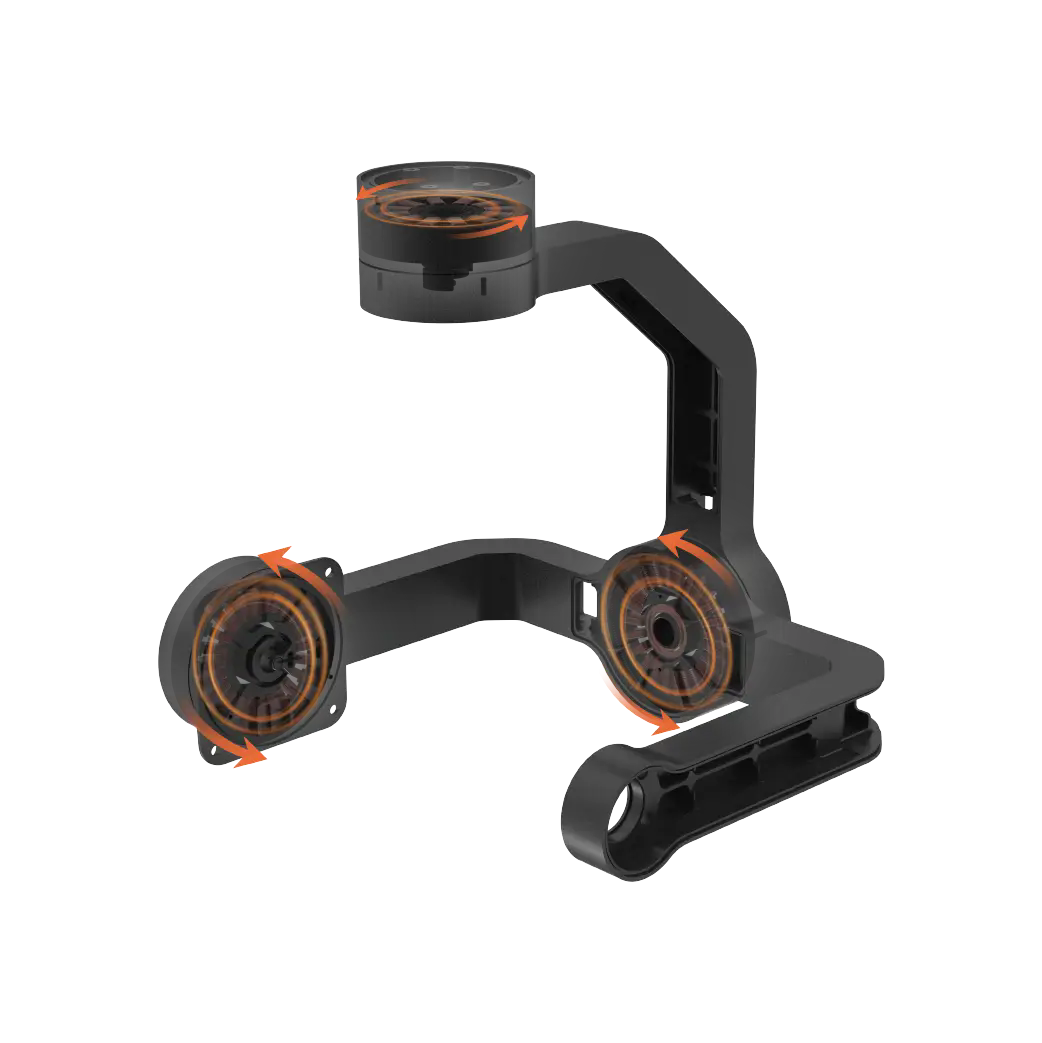
️ 2. Depends on the use: If you are making a racing robot, a robotic arm, or a gimbal that requires high-precision positioning, digital servos can save you a lot of detours.
️ 3. Look at the power supply: This point is easily overlooked! Digital servos consume more power due to their "winding" and have higher power requirements. They require a BEC or battery that can provide stable and large current, otherwise the voltage may be unstable.
After selecting the servo, its installation and use are also very particular. First of all, be sure to leave sufficient space for heat dissipation for the servos, especially digital servos, which generate quite a lot of heat under high-intensity working conditions. Secondly, the virtual position of the rocker arm and connecting rod should be as small as possible, otherwise no matter how precise the steering gear itself is, its movement will be affected by these mechanical gaps. Finally, if your digital servo supports programming, you might as well spend some time setting the start and stop speed and intensity so that it can coordinate more perfectly with other parts of your project. This feeling is the essence of playing with the servo.
In addition, there are some details that need to be paid attention to when installing the steering gear. During the installation process, make sure that the steering gear is firmly fixed to avoid loosening. Moreover, be careful when connecting lines to prevent poor line contact from affecting the normal operation of the servo. At the same time, when using the steering gear, the angle and stroke of the steering gear should be reasonably adjusted according to actual needs to achieve the best working effect. If the servo is found to be abnormally hot or not moving smoothly during use, check and troubleshoot in time to ensure that the servo can work stably and reliably.
Having said so much, I wonder if you have any idea now? In actual projects, do you use more digital servos or analog servos? What's the biggest problem you've encountered? Welcome to share your experience in the comment area and let’s chat together. If you think this article is useful to you, remember to like it and share it with more friends who need it!
Update Time:2026-02-27

Contact Kpower's product specialist to recommend suitable motor or gearbox for your product.