







TECHNICAL SUPPORT


Published 2026-03-07
When playing with remote control cars, one of the most troublesome things is the choice ofservo. Facing the price range on Taobao ranging from tens to hundreds of yuan, and looking at the pile of parameters all in English, it is really confusing. If you buy the wrong one, the car will not run straight, the steering will become sluggish, and it may even burn out, which is really annoying.
In fact, choosing aservois not that complicated and mysterious. As long as you understand a few key points, you can equip your beloved remote control car with the most suitable "heart" so that it can race smoothly on the track and exert its best performance.
When buying aservo, the first thing to pay attention to are the two key indicators of speed and torque. The relationship between the two is like the top speed and towing ability of a car, which often shows a trend of ebb and flow. Speed is generally expressed in "seconds/60 degrees". The smaller the value, the faster the response of the servo. Cars that require extremely high control speed, such as drift cars or racing cars, need this speed value to be as small as possible so that they can respond to control commands more quickly and fly flexibly on the track.
The unit of torque is usually "kg·cm". The larger the value, the stronger the power output by the servo. For example, large bicycles or climbing vehicles have larger tires and greater resistance during driving. In this case, a high-torque steering gear must be used. If you choose a steering gear with insufficient torque, it will appear weak and weak when turning, unable to successfully complete various difficult movements, and difficult to cope with complex and changeable road conditions.
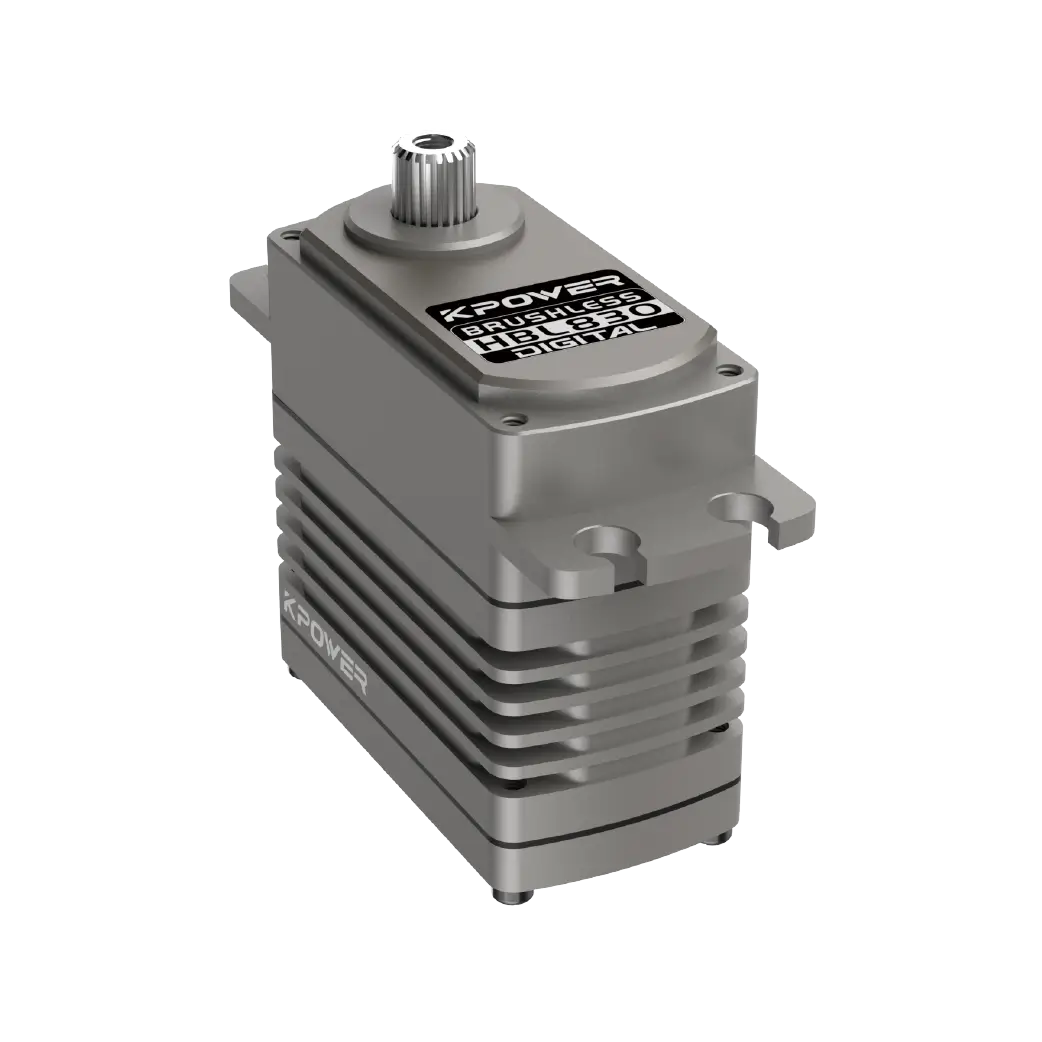
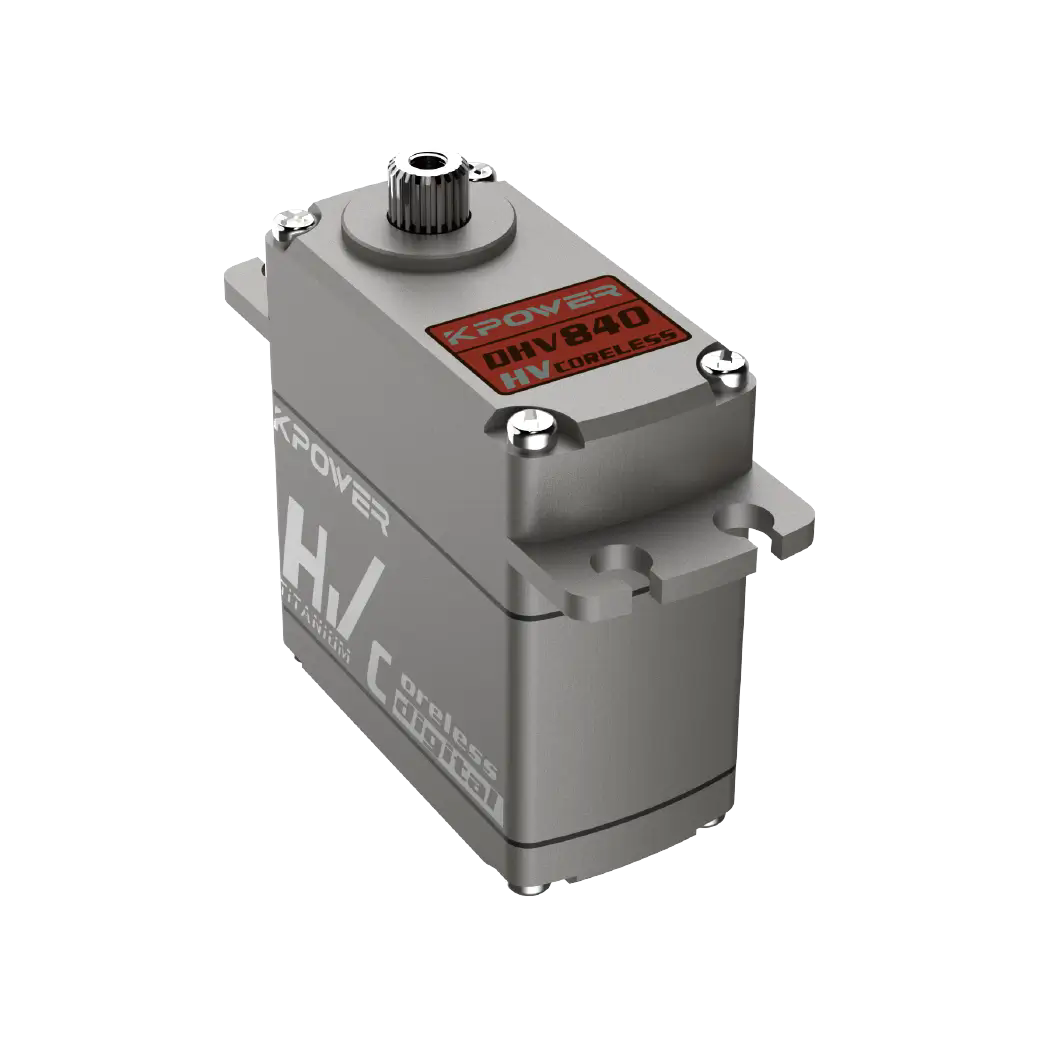
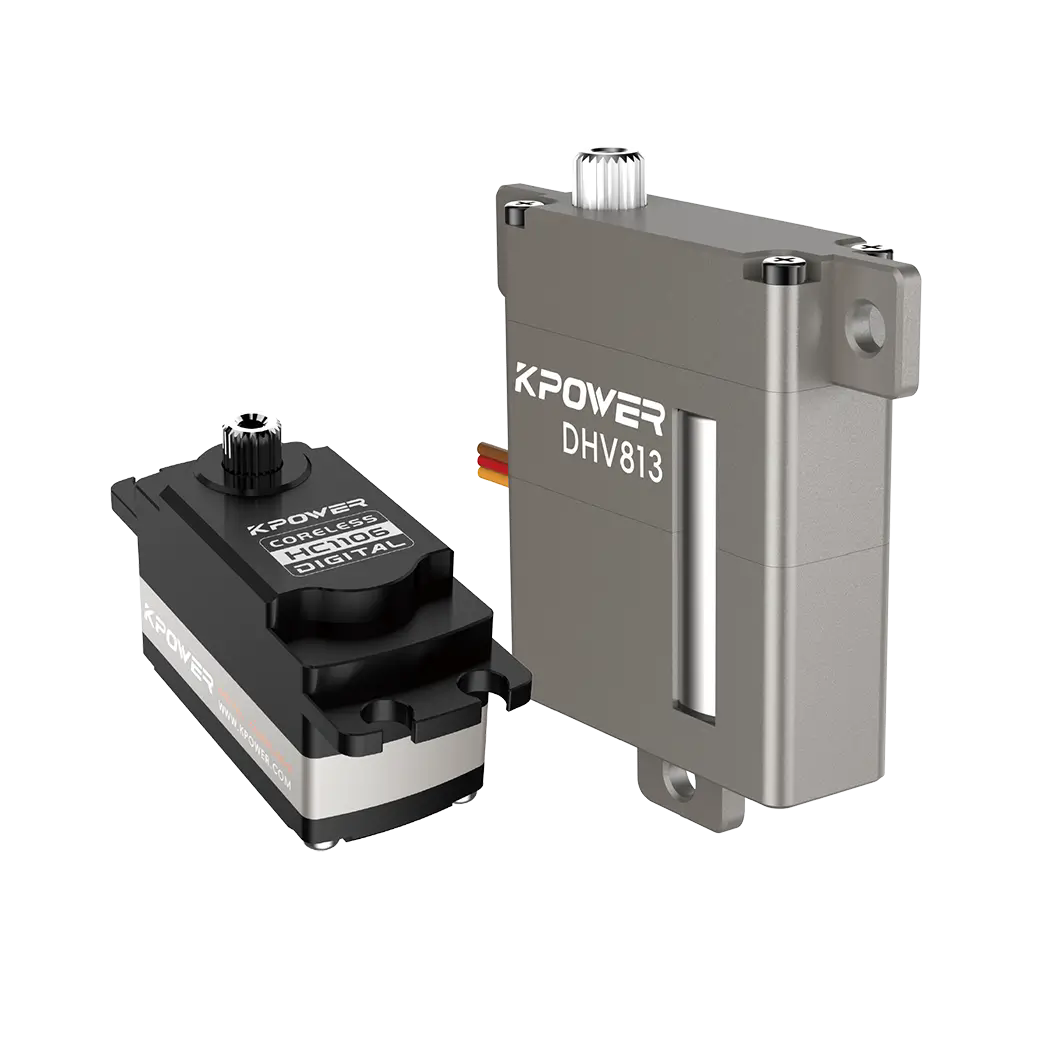
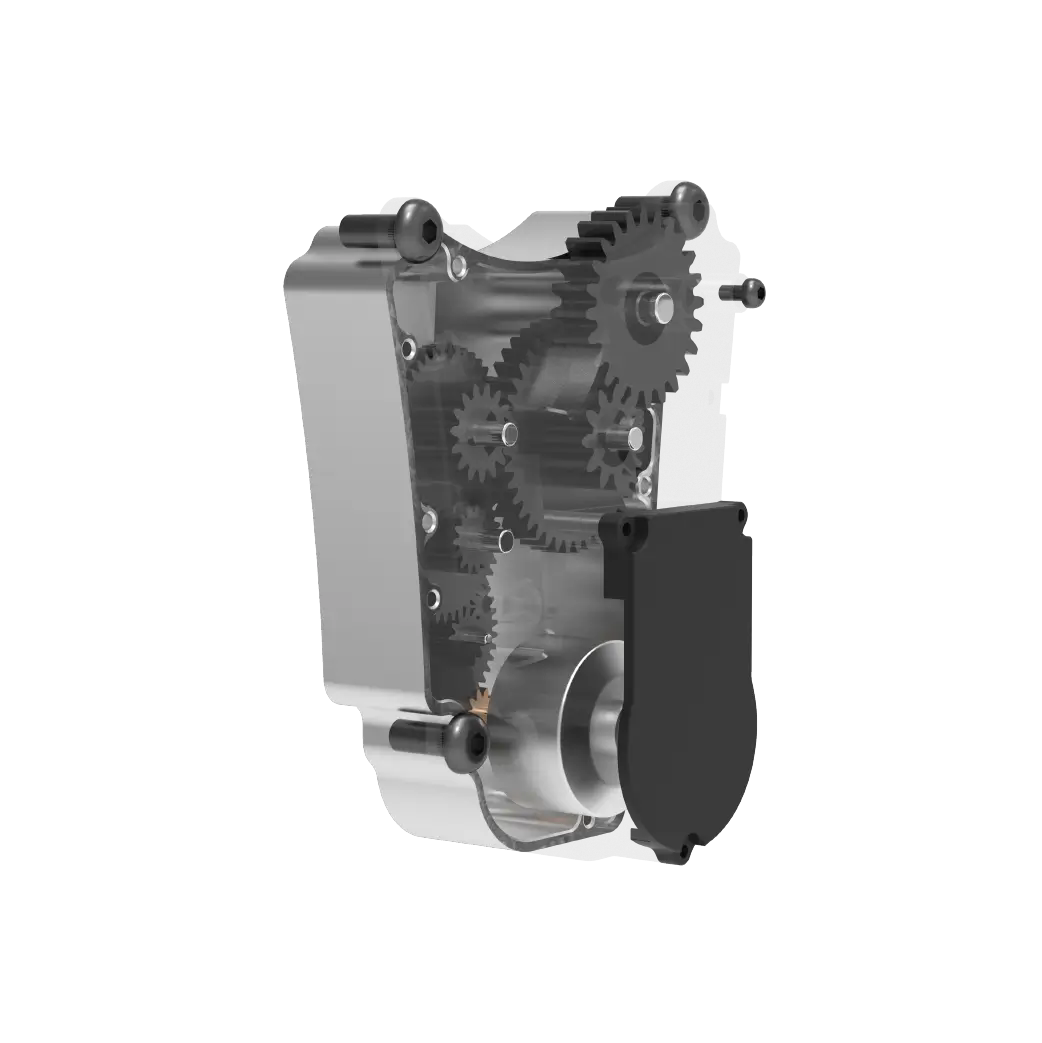
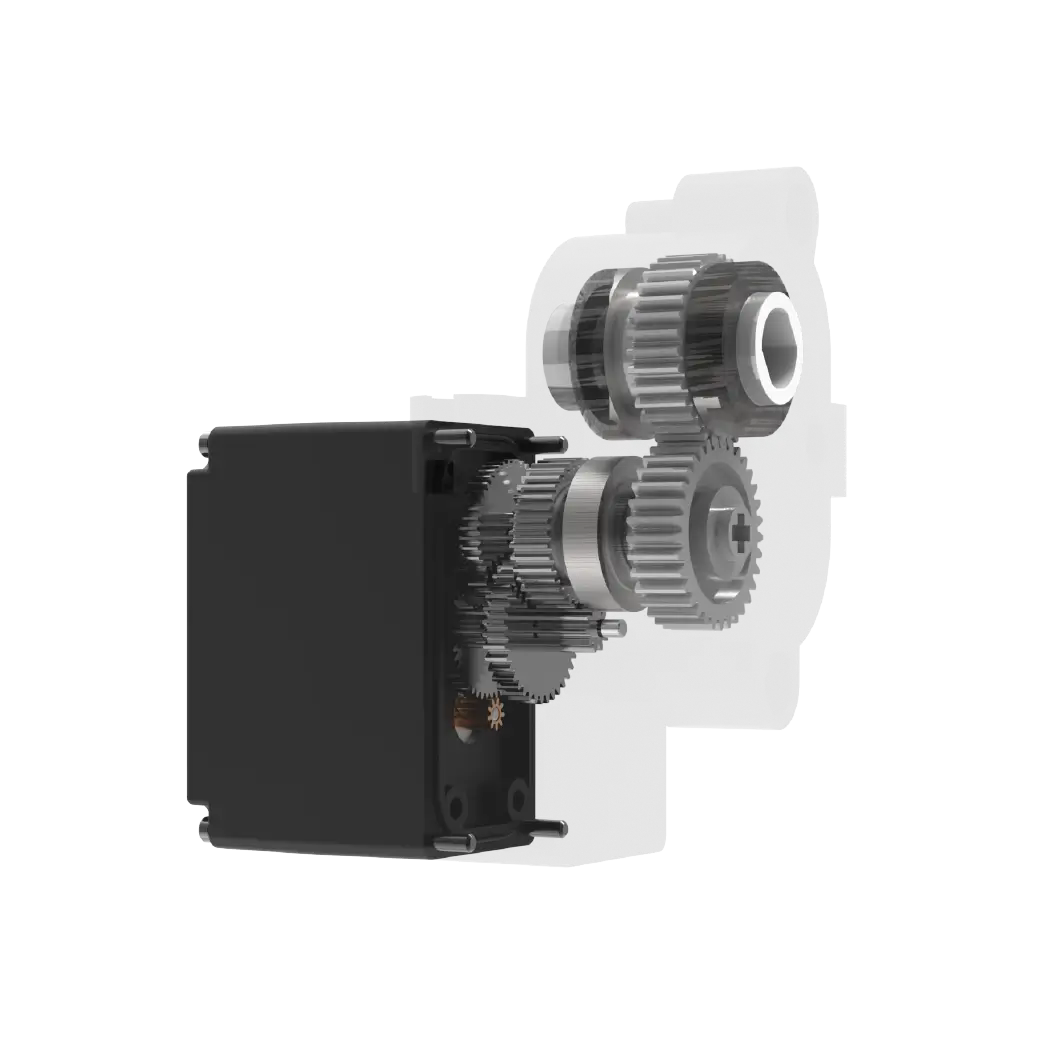
In addition to these two hard indicators, you must also pay attention to the material of the gear. Plastic teeth are cheap but easy to sweep, while metal teeth are strong and durable but more expensive, and they must be installed carefully when loading the car, because if the metal teeth hold their strength, they can easily damage the motor inside the steering gear. The mainstream mid-to-high-end servos on the market are basically all-metal teeth, which saves a lot of worry.
Many novices don’t understand the difference between digital servos and analog servos. Simply put, analog servos are like old-fashioned transistor radios. They respond half a beat slower and make a squeaking sound. Digital servos are like today's digital chips, processing signals quickly and responding very quickly. Especially when precise cornering or direction correction is required, the advantages are very obvious.
However, the digital servo consumes a lot of power, which is a test for the BEC power supply capability of the ESC. If the output current of your ESC is not enough, the voltage of the digital servo will be pulled down when it is working, which may slow down the response or cause the receiver to restart. So when choosing, you have to see if the ESC in your hand can feed this "electric tiger".
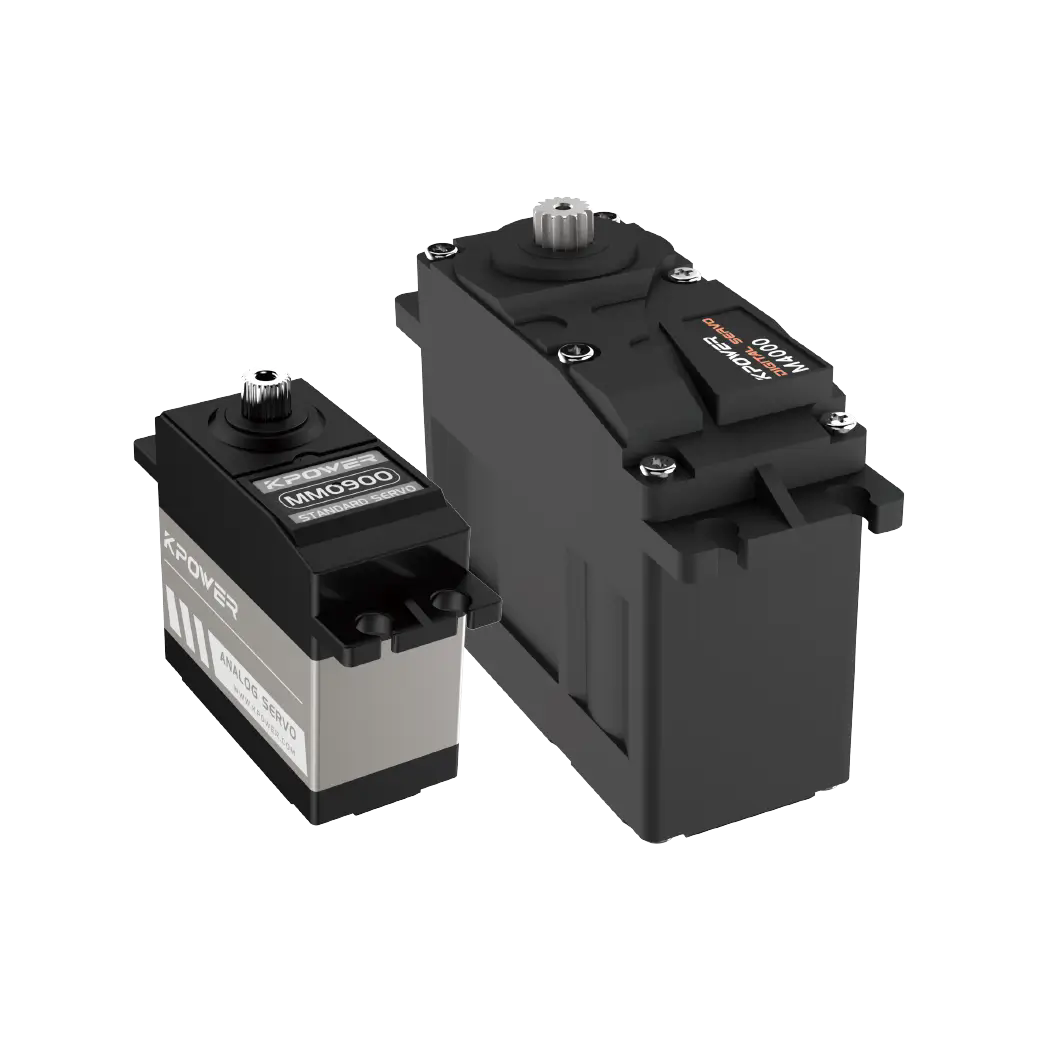
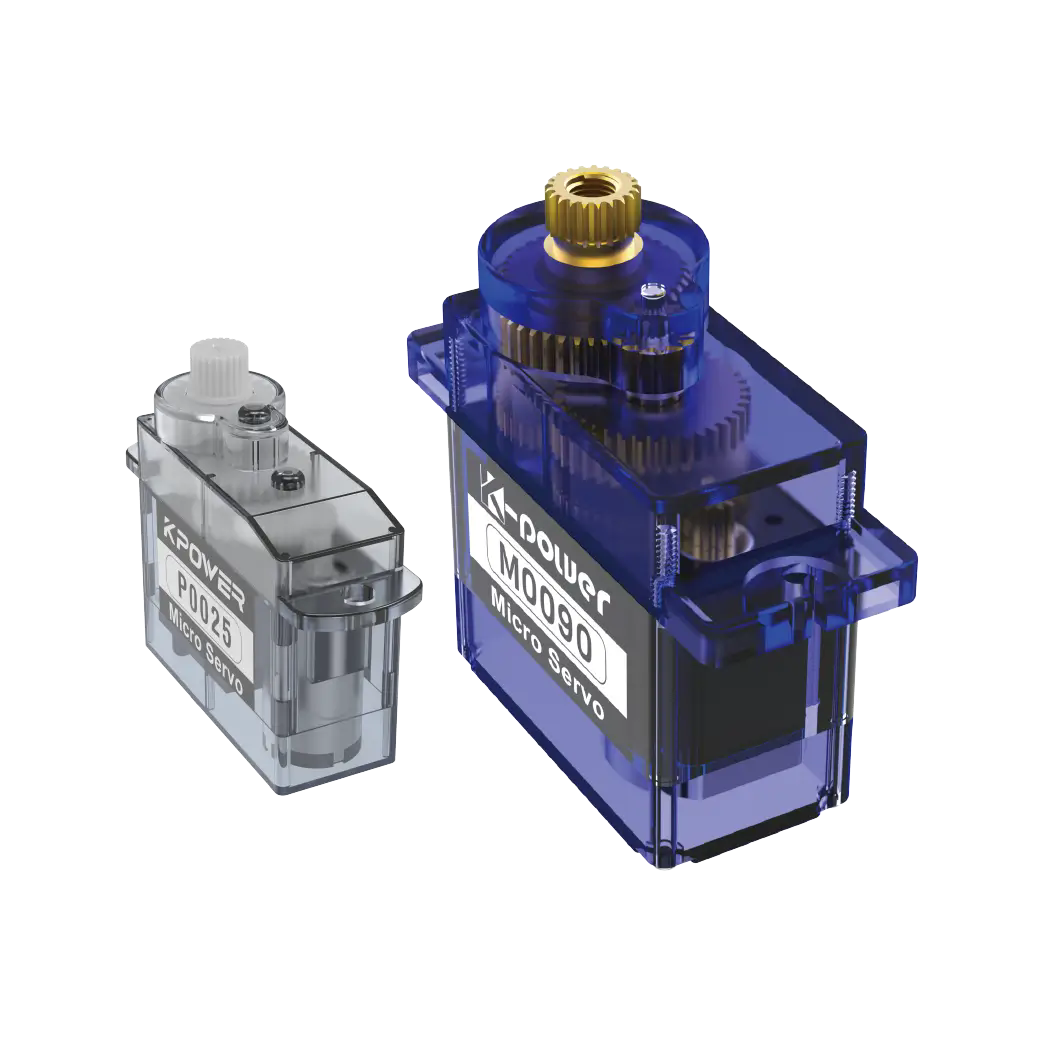
When playing with the car, you will find that the servos are different in size. This is the difference between standard servos and micro servos. 1:10 or 1:8 flat sports cars and rally cars basically use standard servos. Only when they are strong and large can they drive the steering system. And mini cars like 1:18 or smaller must use micro servos, otherwise they won't even fit in.
Never try to save tens of dollars by stuffing a small servo into a big car. The result will be sluggish steering, severe heating of the servo or even burnt out. In turn, the large servo cannot fit into the small car. So the first step is to look at the proportions and manual of your car to confirm whether the servo size is standard or micro. This is the basis for selection.
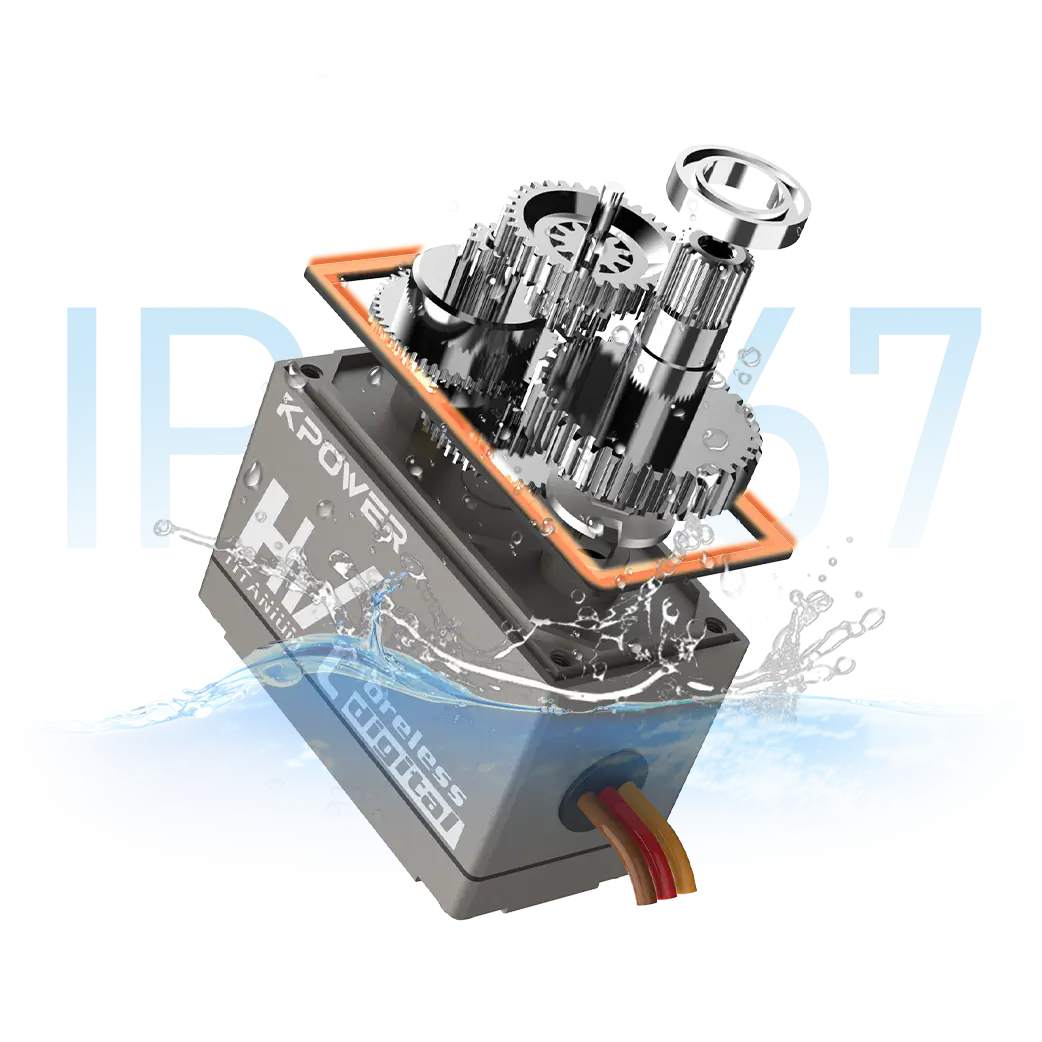
Many people are confused about whether to buy a waterproof servo. My opinion is that while playing in the water is fun for a while, you must not forget about rust prevention. The waterproof servo really allows you to play in wetlands or shallow puddles after rain, without fear of water entering and burning the circuit in a short period of time. But if you often play in mud or snow, salt and sand will penetrate along the steering gear shaft and corrode the bearings and gears.
Therefore, even if you buy a waterproof steering gear, it is best to disassemble the tires and wash and dry the car after playing. For a car that only runs on dry and flat ground, an ordinary servo is completely sufficient, and there is no need to spend extra money for a waterproof function. In short, waterproofing is a bonus but not a must, depending on your main driving environment.
When you visit shopping websites, you will find that the prices of steering gears vary greatly. What is the most expensive one? The first is the materials used for the motor and circuit board. Cheap servos have serious false parameters, or they may become hot to the touch after running at high speed for just a few minutes. Expensive coreless motors or coreless motors used in servos have high efficiency, low heat generation, and long service life.
The second is accuracy and false position. Cheap servos may have a slight deviation when returning to the center, and the car will not run straight. High-end servos use high-precision potentiometers and ball bearings, which have accurate centering, small false positions, and a more comfortable control feel. To put it simply, if you have enough budget to buy a mid-to-high-end game, you can still have fun playing entry-level games occasionally, but don’t expect a servo that costs dozens of yuan to bring competitive performance.
This is a very real problem, especially for popular brands of servos, there are many fakes and refurbished ones. My suggestion is to try to buy from official flagship stores or reputable model stores, and don’t pick it up cheaply in small stores or second-hand platforms. After receiving it, check whether the packaging is neat, whether there are any scratches or screw tightening marks on the servo housing, and whether the plug is brand new and gold-plated.
Another method is to power on the tester, connect the servo tester, slowly turn the handwheel, and feel whether there is any jamming or abnormal noise. The gears of the genuine servo mesh smoothly and the sound is dense and even. If it feels rough or has dead spots, there is probably something wrong. Make sure it is correct before loading the car, otherwise the seller may not admit it once it starts running.
Having said so much, I still want to ask you one last question: Based on the venue and style where you usually ride, do you have an idea of what steering gear to choose? You can talk about your selection plan in the comment area, or share the brand of servos you have used and your experience, so that more friends who are just getting started can refer to it. If you find the article useful, don’t forget to like and share it!
Update Time:2026-03-07

Contact Kpower's product specialist to recommend suitable motor or gearbox for your product.