







TECHNICAL SUPPORT


Published 2026-03-12
Have you ever encountered this situation: you are enthusiastically working on a new invention or upgrading the robot project at hand, but in the end theservoeither vibrates, appears to be underpowered, or even simply "strikes" and stops running? Theservoseems to be small in size, but if you choose the wrong one, it will really cause you a lot of headaches.
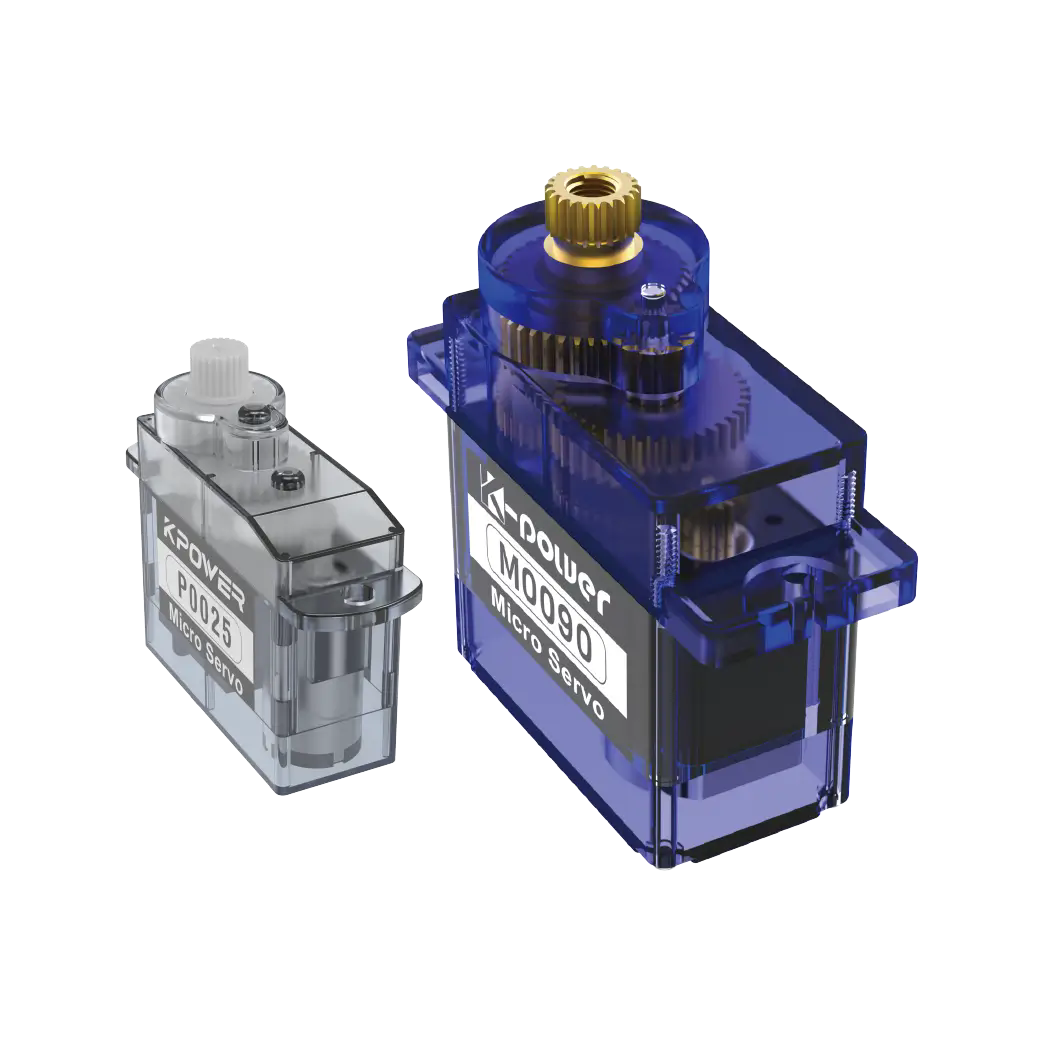
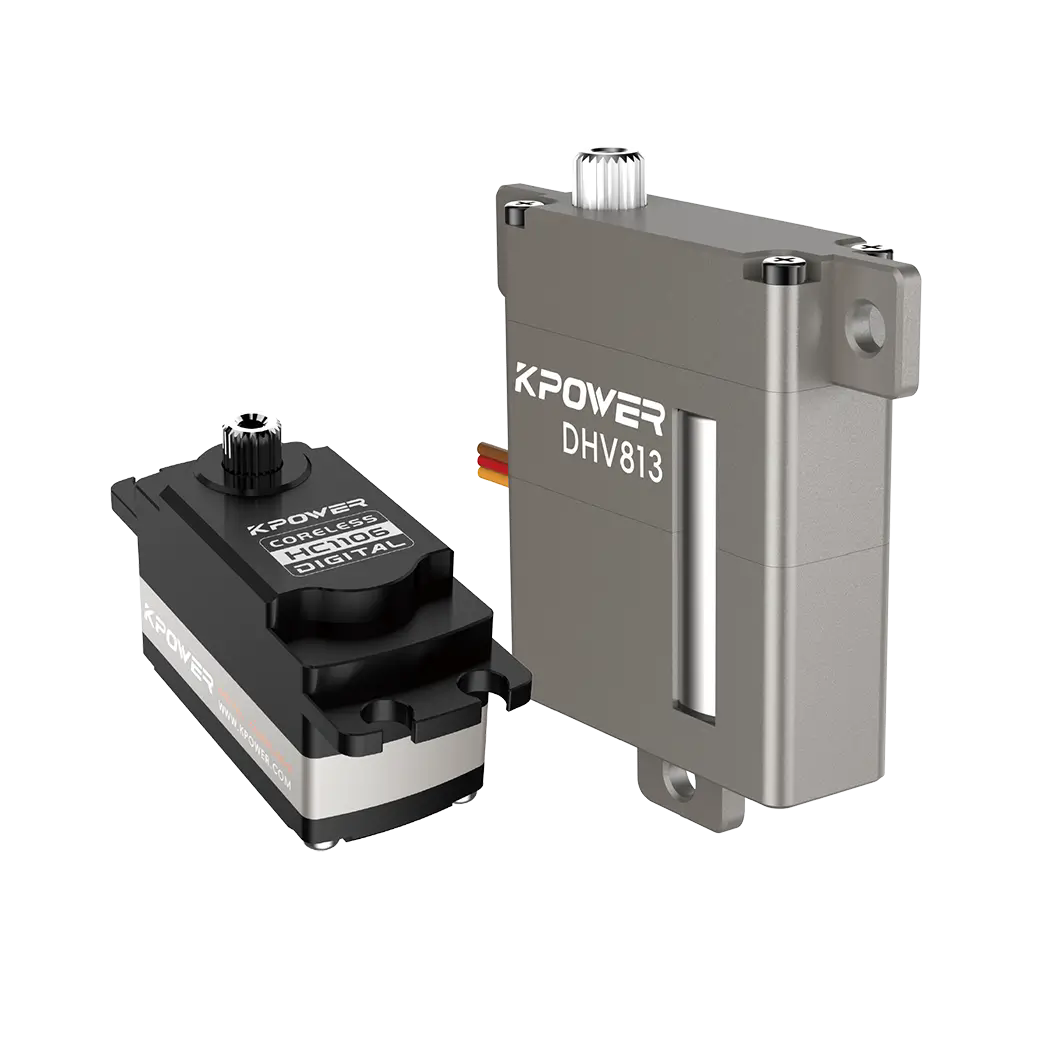
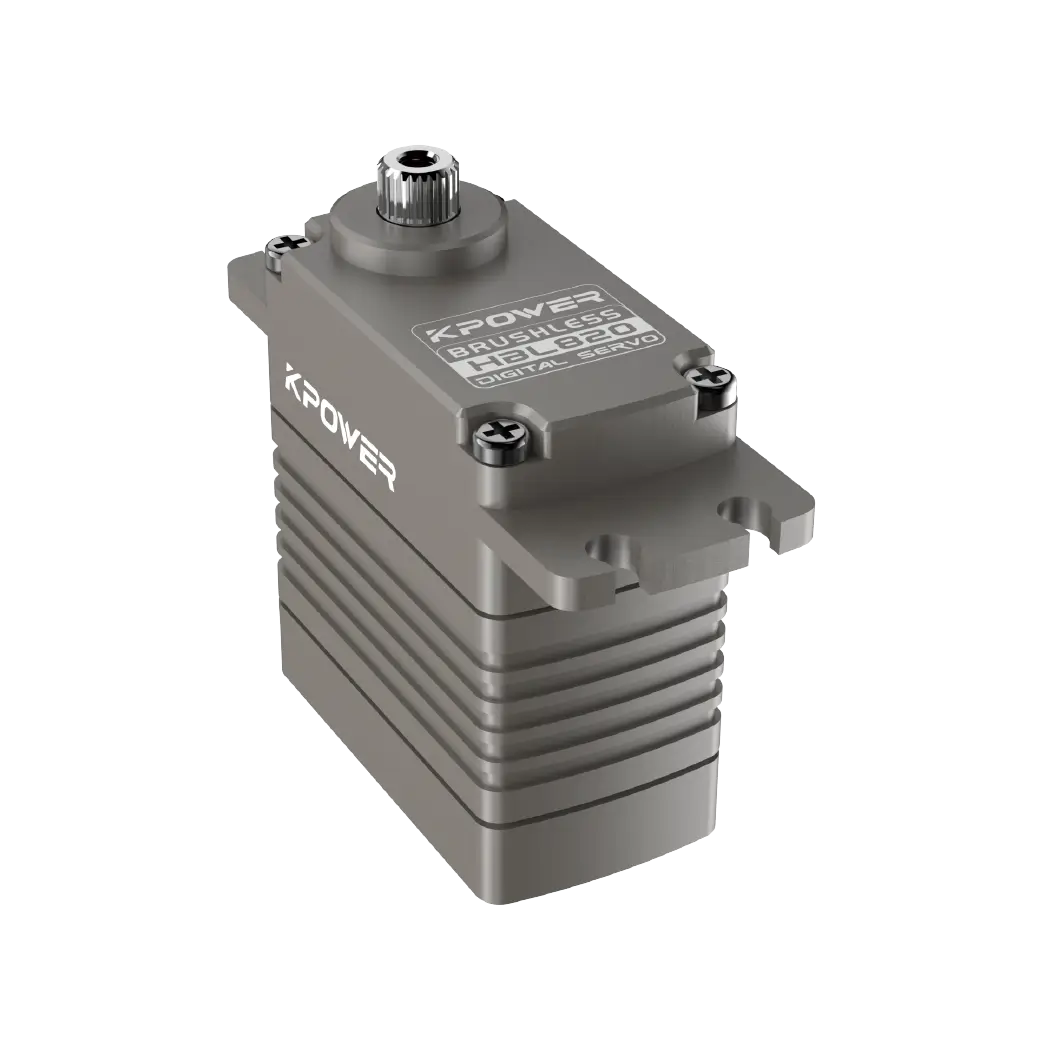
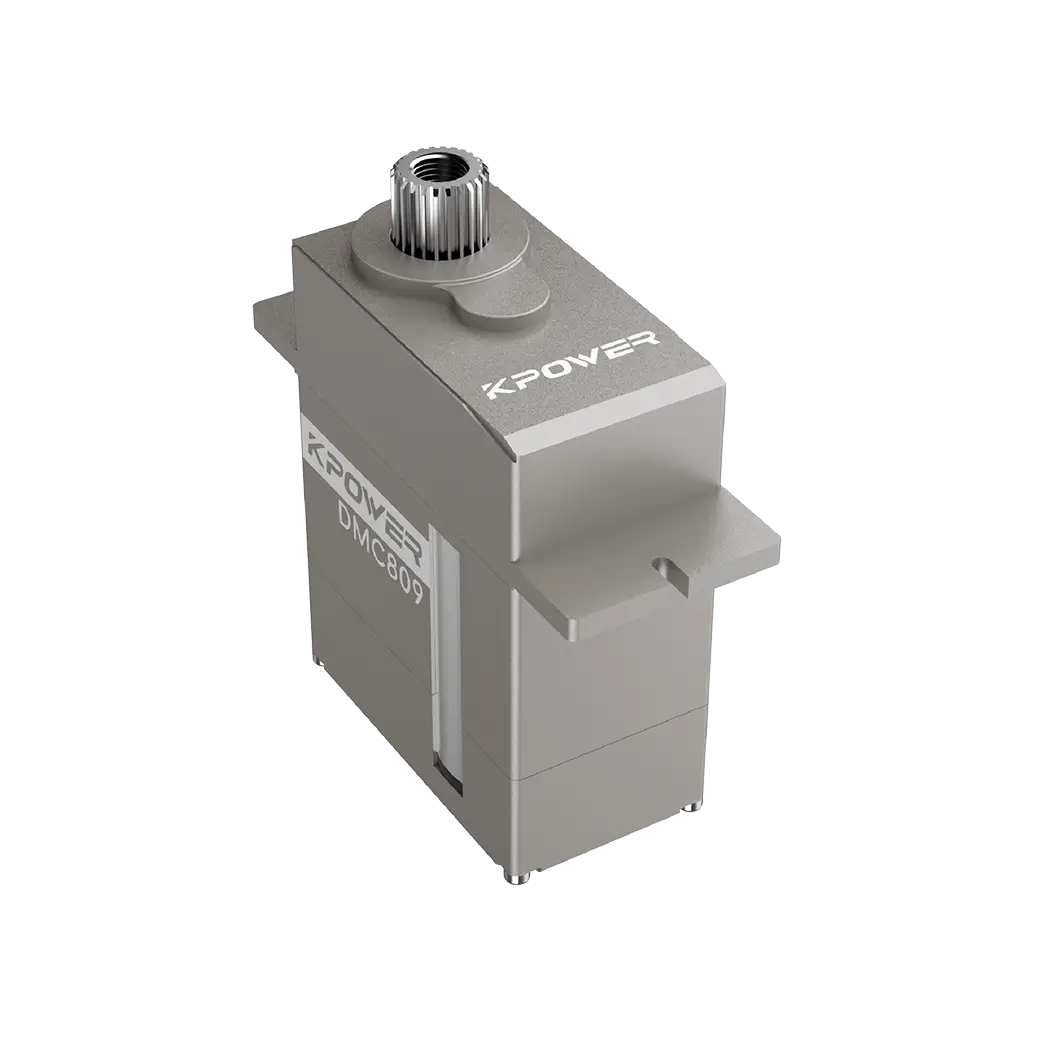
Today we are going to talk about the JR microservoin depth, and explore together what kind of changes this compact object can bring to your creativity, and how to use it appropriately.
When it comes to JR micro servos, many people’s first reaction is “for model aircraft”. Yes, it is indispensable for the ailerons of fixed-wing aircraft and the swash plate of helicopters. But its stage is not limited to the sky. Look around you. Those exquisite mechanical arms, moving robot models, and even some small mechanisms of smart homes. The core power source is often such a small steering gear.
Thanks to its small size and light weight, many actions that were previously impossible can now be done. For example, I have seen an enthusiast use several micro-servos to make a device that can automatically turn books. It frees both hands when reading and is full of creativity. Is there a small space in your project that is missing a "little strongman"?
Faced with a dazzling array of models, novices can easily become confused. The core depends on two parameters: torque and speed. The torque determines how much "guy" it can pull, and the speed determines whether it moves quickly or not. You have to first estimate how much force your mechanism requires. Is it a gentle move, or is it necessary to lift a part?
️ For example, if you are making a small bionic fish, the force required to swing its tail is not large. In this case, choosing a component with slightly smaller torque but faster speed can make the swimming posture of the bionic fish more natural. ️ If you are making the joints of a robot hand and the purpose is to enable it to clamp objects stably, then you must choose parts with greater torque. JR's micro-servo series are classified very carefully. There is a detailed parameter list on its official website. You can search according to your own needs and you will not go wrong.
Don’t think that just plugging the servo in and screwing on the screws is enough. The installation details directly determine its lifespan and performance. The first pitfall is wire fixation. The wire of the micro servo is very thin. If it is repeatedly bent close to the root of the servo body during the operation of the machine, it will easily break the core internally, causing it to work and break.
The second pitfall is mechanical interference. After installing the steering wheel, be sure to turn it manually to see if the entire range of motion is smooth and if there are no other parts stuck. Just like a person's joints will hurt when they are stuck, a stuck servo will be "overloaded", ranging from heat and shaking to burning out the internal motor. Taking a few minutes to check can save a lot of repair time.
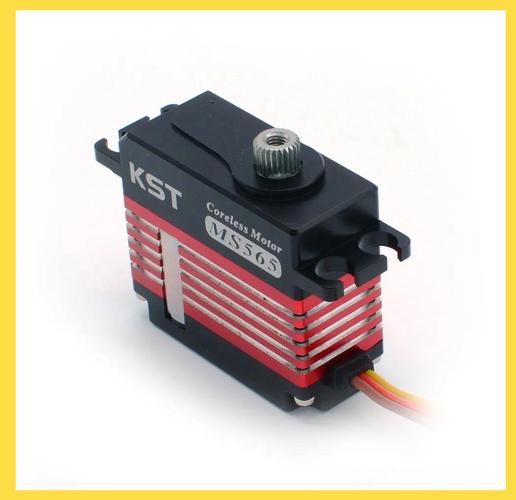
After the hardware is installed, the software settings are the soul. If you just plug it in and let it run, it's just a fool. Through programming or remote control settings, you can finely control its speed and angle. For example, if you want it to go from 0 degrees to 90 degrees, you can set it to take 0.5 seconds to complete at a constant speed, or first faster and then slower.
More important is setting the neutral point and amount of travel. Each servo has subtle physical differences. You need to debug and tell the controller "where is my midpoint" and "where can it go as far as possible". It's like putting a rein on a horse. Only after it is tamed can it accurately execute your every command, and its movements will not be sloppy, shaking or wobbly.
After playing for a long time, the servo will inevitably have some minor problems. The most common one is jitter, which usually has three reasons: insufficient voltage, signal interference or internal gear wear. Check the power supply first. Is the battery almost dead? Or the supply current is not enough? Try changing to a better power supply.
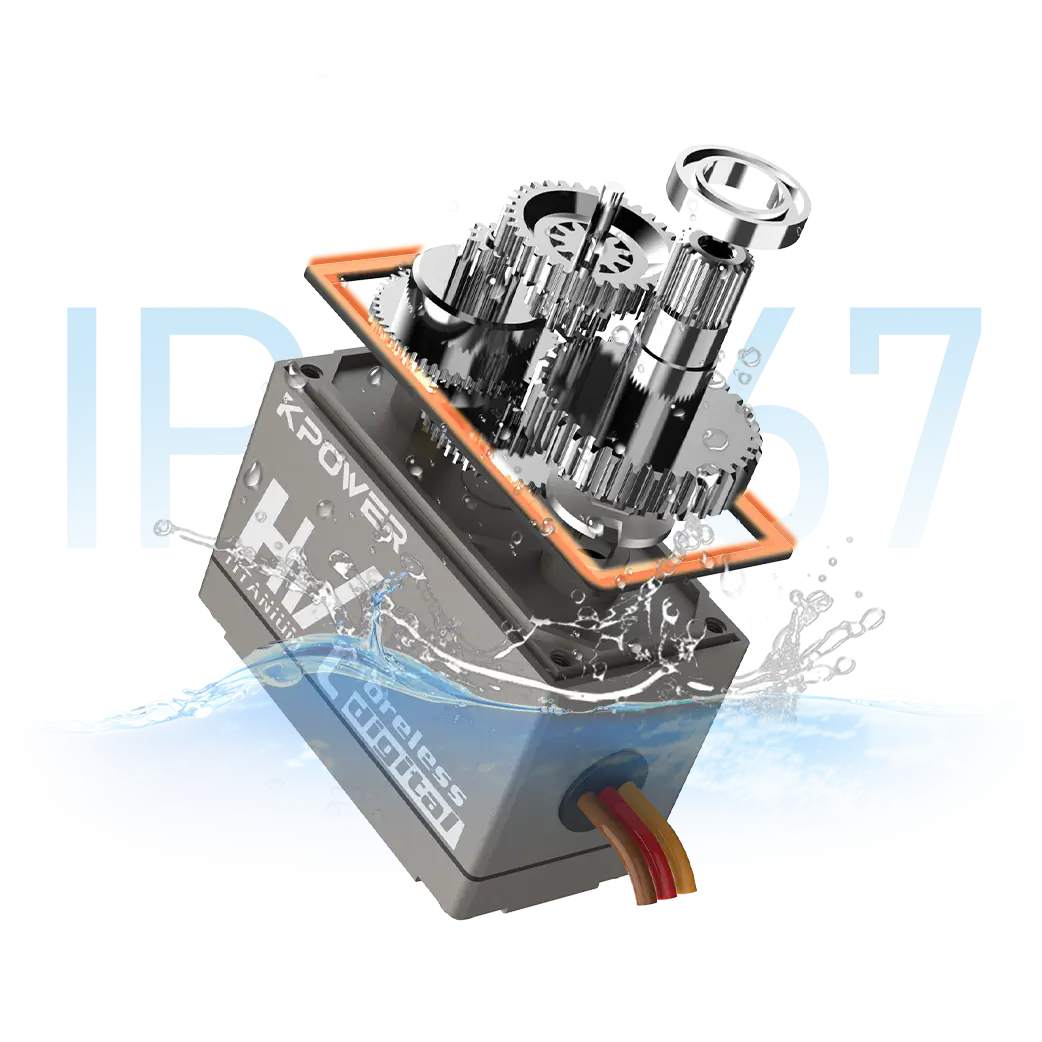
If there is no problem with the power supply, then you need to check whether the signal lines are too close to high-current power lines. Laying them separately can reduce interference. If the problem is still not solved after the above operations, then it is possible that the gears are tooth-swept. Many JR brand micro servos are equipped with metal gear versions, which are more durable. During daily use, pay attention to dust prevention and clean the sand between the gears. These seemingly insignificant details can allow your steering gear partner to accompany you for a longer distance.
When using equipment, you should develop the habit of regular inspections. In addition to checking the power supply, signal lines and cleaning the steering gear gears mentioned above, you can also pay attention to the overall operating status of the equipment. If you find that the servo has abnormal vibration or sound during operation, you should also investigate the cause in time. By paying attention to these small details, you can keep your servo in good working condition, allowing you to function longer in various scenarios.
It's fun to figure it out on your own, but when you encounter a problem that you really can't solve, or you want to systematically understand the entire series of products, the most direct and efficient way is to go to the official website. JR’s official website is very clear. It not only has 3D diagrams and installation dimensions of each servo, but also detailed instructions and application cases.
In the "Support" section or the "Download" area specially set up on the official website, you can find many application guides carefully written by experts, and you can even see official answers to some common questions. You might as well browse through the creative videos shared by the official or the community. Maybe they will bring you unimaginable inspiration for your next project. Please remember that the official website is the source of information, and its reliability is far greater than the fragmented information you can piece together on the Internet.
The information provided on the official website, whether it is application guides or official answers, is of extremely high value. In the "Support" or "Download" area of the official website, you can access content created by many experts. These resources can help you better understand and use related products. At the same time, the creative videos shared on the official website are also a valuable asset that can inject new vitality into your projects. You must know that the official website is the most trustworthy source of information, which is much more reliable than the messy and fragmented information on the Internet.
After talking so much, from selection, installation to commissioning and maintenance, do you already have a good idea? Have you thought about which cool project you want to use this first micro servo in? Or have you already used it and encountered any interesting problems? Welcome to share your thoughts and experiences in the comment area. If you find the article useful, don’t forget to like and share it so that more friends can see it!
Update Time:2026-03-12

Contact Kpower's product specialist to recommend suitable motor or gearbox for your product.