






TECHNICAL SUPPORT


Published 2026-03-18
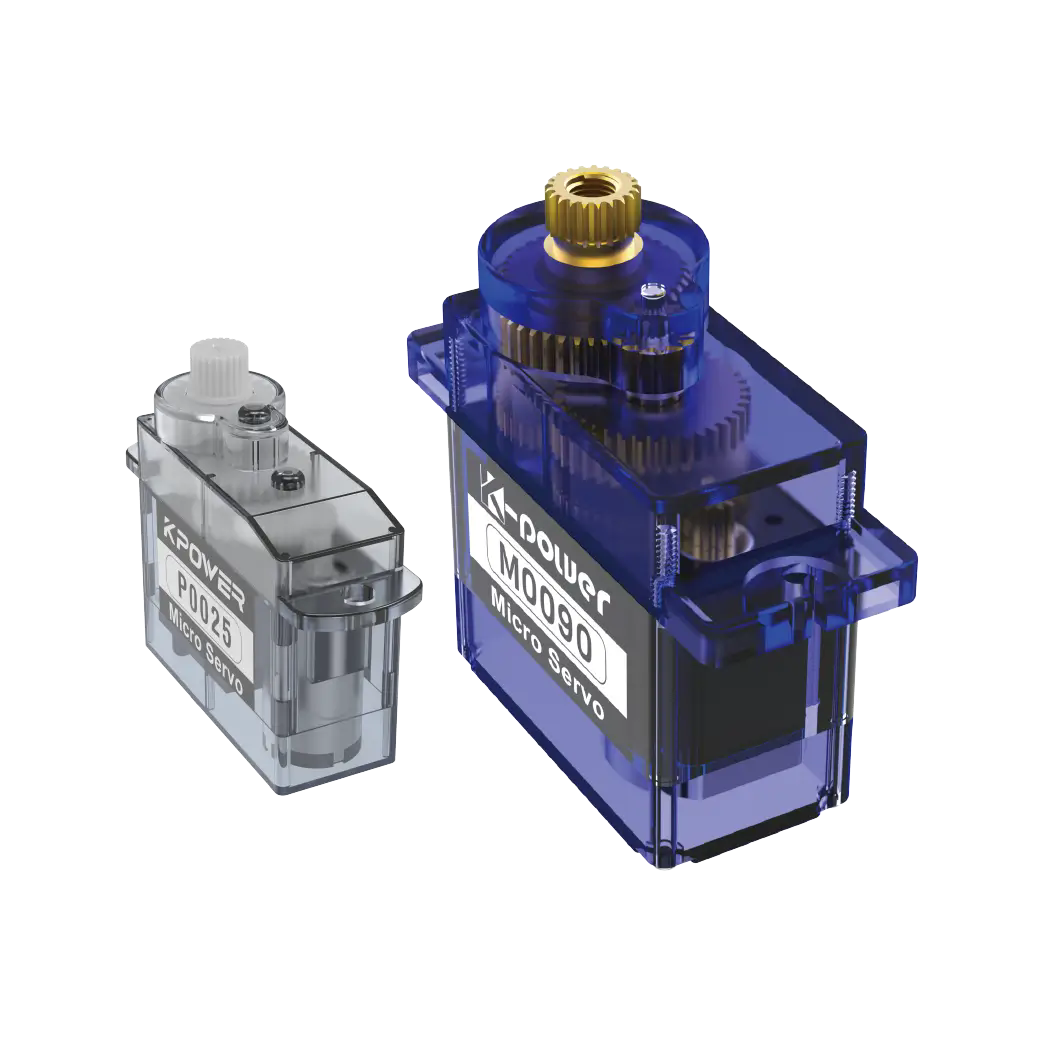
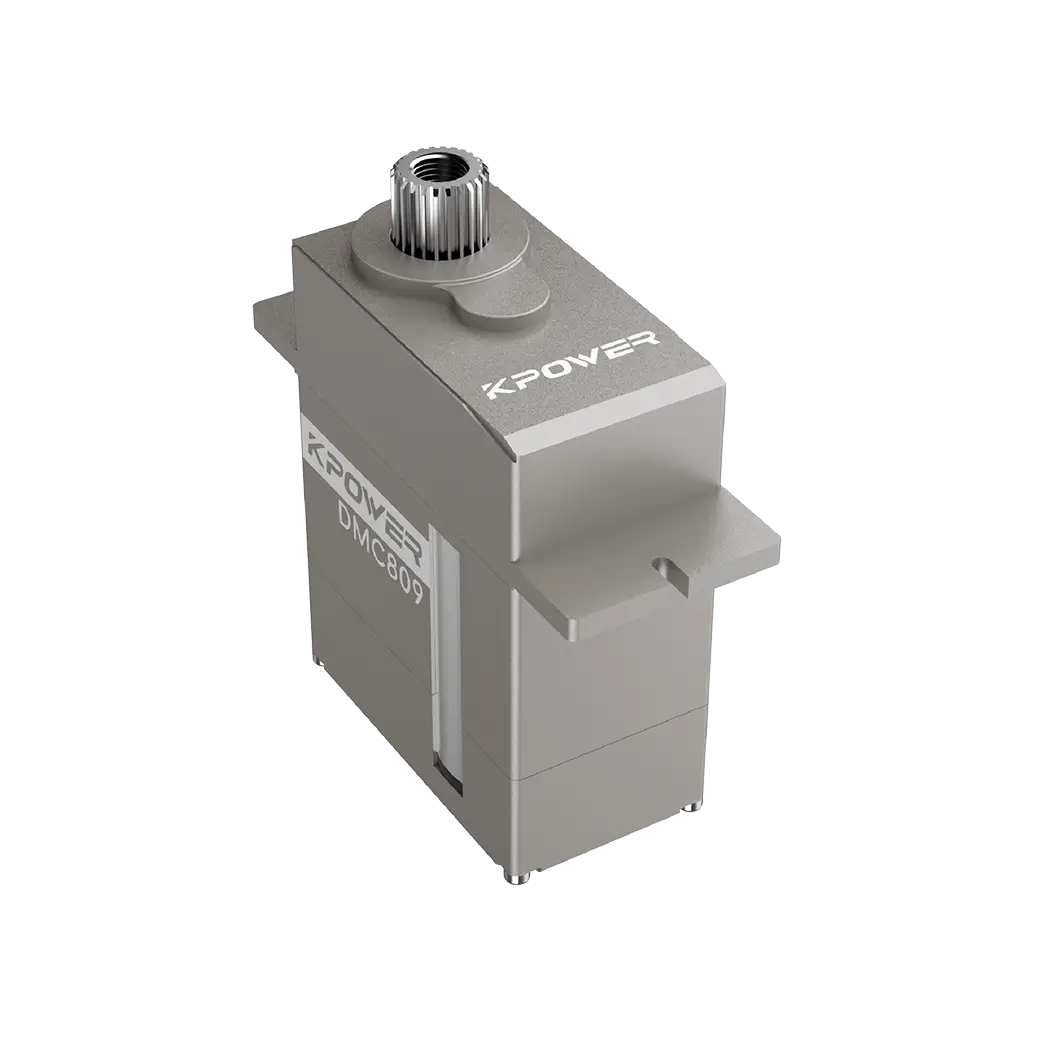
Have you ever encountered such a situation: you bought several 9g microservos, and after unpacking them, you just stared at these small objects in a daze, not knowing where they can be used? Don’t panic, as a senior maker with many years of DIY experience, let me tell you about the practical uses of these smallservos. Although they are very small in size, they play a lot of roles.
In many scenarios, these seemingly inconspicuous 9g microservos can come in handy. They can serve as key power conversion components in some small mechanical devices to achieve precise angle control. For example, in the production of some creative small models, small servos can help the models make various smart movements, adding a lot of fun and functionality to the models.
Friends who play remote control aircraft must be familiar with 9g servos. The most classic use of this small steering gear is to control the rudder surface of a small aircraft model. For example, if a foam hand-thrown machine with a wingspan of less than 1 meter is converted to a remote control, or a small KT trigger, it is just right to use a 9g servo to control the ailerons, elevators and rudders.
When installing, please note that the servo must be fixed inside the wing or fuselage, using hot melt glue or double-sided tape. It is best to use a Z-shaped elbow or quick-adjust buckle when connecting the rudder surface, so that it is convenient to adjust the rudder angle. Remember to check the servo stroke and don't let the steering surface get stuck, otherwise it will be troublesome if something goes wrong during flight.
Want to make your own small robotic arm for fun? 9g servo is your best choice. A simple articulated robotic arm can be built with four to five servos, each of which is responsible for the movement of one joint. The base uses two servos to rotate and lift, and a clip is installed at the end to grab small objects.
You can use a development board to control this piece, and write a simple program to make the robotic arm move according to the predetermined trajectory. You can also add a potentiometer or rocker module to manually control the angle of each joint. Give it a try and feel like programming the robotic arm to grab things by yourself, which is particularly rewarding.
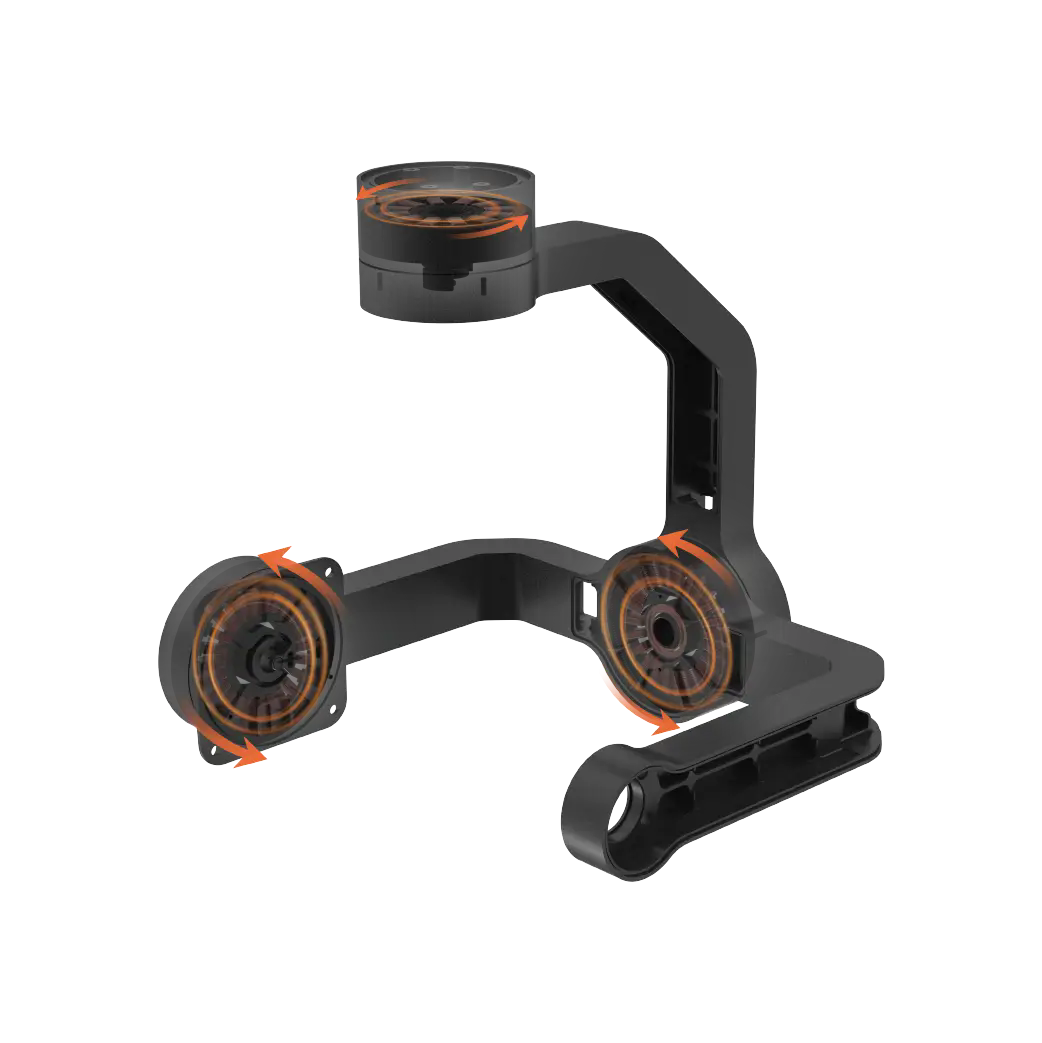
Have you ever had the idea of making your camera more flexible? In fact, you can easily DIY a simple gimbal with the help of two 9g servos. One of the servos is specifically responsible for the left and right rotation of the camera in the horizontal direction, while the other is responsible for the up and down motion control. In this way, the camera can cover a wider monitoring range. There are various ways to make the brackets of the gimbal. It can be done by 3D printing, or it can be processed and made by using discarded plastic sheets.
After installing the gimbal, you can use the mobile APP or web page to control the camera rotation. For example, if you place a camera in a room, people from outside can control it to observe every corner. If equipped with a human body sensing module, it can also realize automatic tracking and shooting, making it an intelligent monitoring system.
Are smart home devices expensive? You might as well try to modify it yourself with a 9g servo. For example, you can make an automatic curtain controller, firmly fix the servo on one end of the curtain slide rail, cleverly connect the curtains with the help of gears and ropes, and then carefully set the timing program. In this way, the curtains can automatically open and close at the set time.
Or build an automatic feeder for pets, let the servo drive a turntable, and rotate it at regular intervals to accurately release a certain amount of cat food.
These small modifications don’t cost much, but they can bring a lot of convenience to your life. Remember to calculate the torque when choosing a servo. The 9g servo cannot drive something that is too heavy, but it is no problem to control curtains, small doors, etc.
Friends who have 3D printers know that the 9g servo is a perfect match for printed parts. There are a large number of open source 3D models on the Internet, specially designed for 9g servos. For example, movable robot arms, swinging small ornaments, and rotating display stands can be printed directly by downloading the STL file.
After printing and assembling, pay attention to whether the mounting holes of the servo are accurate. Sometimes it needs a little sanding to fit in. The connectors are best fixed with M2 small screws, which are much more reliable than glue. When debugging, start at a low speed to see if there is any lag.
Many schools are now using 9g servos for maker education. It is particularly suitable for teaching projects because of its low cost and high safety. Students can intuitively understand mechanical transmission and programming logic. Starting from the simplest servo swing, and slowly progressing to complex multi-joint robots, the learning gradient is very clear.
If you are leading students or children to make small technological projects, it is recommended to start with simple projects such as solar swing flowers. Just a servo and a few leaves, and the servo is controlled by the program to swing back and forth, making it look like flowers swaying in the wind. Success can greatly enhance children's self-confidence and interest in learning.
Have you done any interesting projects using 9g servos? Welcome to share your ideas and experiences in the comment area, so that everyone can communicate and learn together. If you find the article useful, don’t forget to like and save it so that more friends who like DIY can see it.
Update Time:2026-03-18

Contact Kpower's product specialist to recommend suitable motor or gearbox for your product.