







TECHNICAL SUPPORT


Published 2026-02-10
When many friends first come into contact with theservo, they may think that it is just a motor that can be turned when connected to electricity. However, once they use it, they find that it is not the case - it either shakes non-stop, is not powerful enough, or even burns out directly. In fact, if you want theservoto work stably and reliably and avoid common "pits", there are some key points that you must pay attention to. Let me talk to you in detail based on my own experience.
To power the steering gear, voltage is the first step. The operating voltage range of many servos is 4.8V to 6.0V. It seems fine if you use a 5V USB power supply or battery pack, but if you use a 12V power adapter directly, the results are often disastrous. Excessive voltage will instantly cause the internal circuit to overheat and the motor to burn out. This process may only take a few seconds.
Therefore, before you connect power, be sure to check the rated voltage on the servo nameplate or manual. For multi-server systems, more attention should be paid to whether the total current output capability of the power supply is sufficient. A simple analogy: It's like applying mismatched voltages to light bulbs of different specifications. They will either not light up or burn out immediately. Preparing a voltage stabilizing module or a dedicated servo power supply is the surest way to avoid "opening the door to the dark".
What the steering gear is most afraid of is "stuck rotor" - that is, the output shaft is stuck by an external force and cannot rotate, but the control signal requires it to continue to output torque. At this time, the motor will continue to pass large current to try to break free, and heat will accumulate rapidly, which will soon break the gear or burn the motor. This is very common when the robot arm grabs an object and the robot foot gets stuck.
To avoid this situation, first, leave margin in the mechanical design to avoid structural interference; second, set safety measures in software control, such as immediately stopping output signals once an abnormal increase in current is detected. You can think of it like moving heavy objects. Holding them still is the most likely to strain your muscles. Timely relaxation is the protective mechanism. Regularly checking whether the transmission structure is smooth can also prevent problems before they occur.
The servo usually has three wires: positive power supply, negative power supply and signal wire. When connecting, reversely connecting the positive and negative poles is a fatal error and will directly damage the servo. The signal line needs to be connected to the PWM output pin of the controller (such as a microcontroller, servo control board). Confusing wiring may cause the servo to rotate randomly or become unresponsive.
In actual operation, it is recommended to use DuPont wire with clear color standards (such as red for positive, brown or black for negative, orange or yellow for signal), and develop the habit of cutting off the power first and then wiring. If multiple servos are used, be sure to ensure that all servos share the same ground (that is, the negative poles are connected together), otherwise the signal may be unstable. A good connection is the basis of communication, just like making a phone call. If the line is poorly connected, you will not be able to hear clearly.
Installing the servo is not just about screwing on the screws. First, ensure that the output shaft of the servo is concentric with the components it drives (such as the articulated arm of a robot, the control surface of a model aircraft) to avoid additional radial or axial stress. Mismatched installation can lead to increased gear wear, noise, and significantly shortened life.
The fixed servo itself must be firm. If the steering gear housing shakes or shifts during operation, its output force and accuracy will be greatly reduced. For high-torque servos, metal brackets or reinforced fixings should be used. This is like using an electric screwdriver. If the screw is not clamped by the blade, it will not only be inefficient, but also easily damage the tool and workpiece. Spending an extra minute checking during installation can save you a lot of trouble later on.
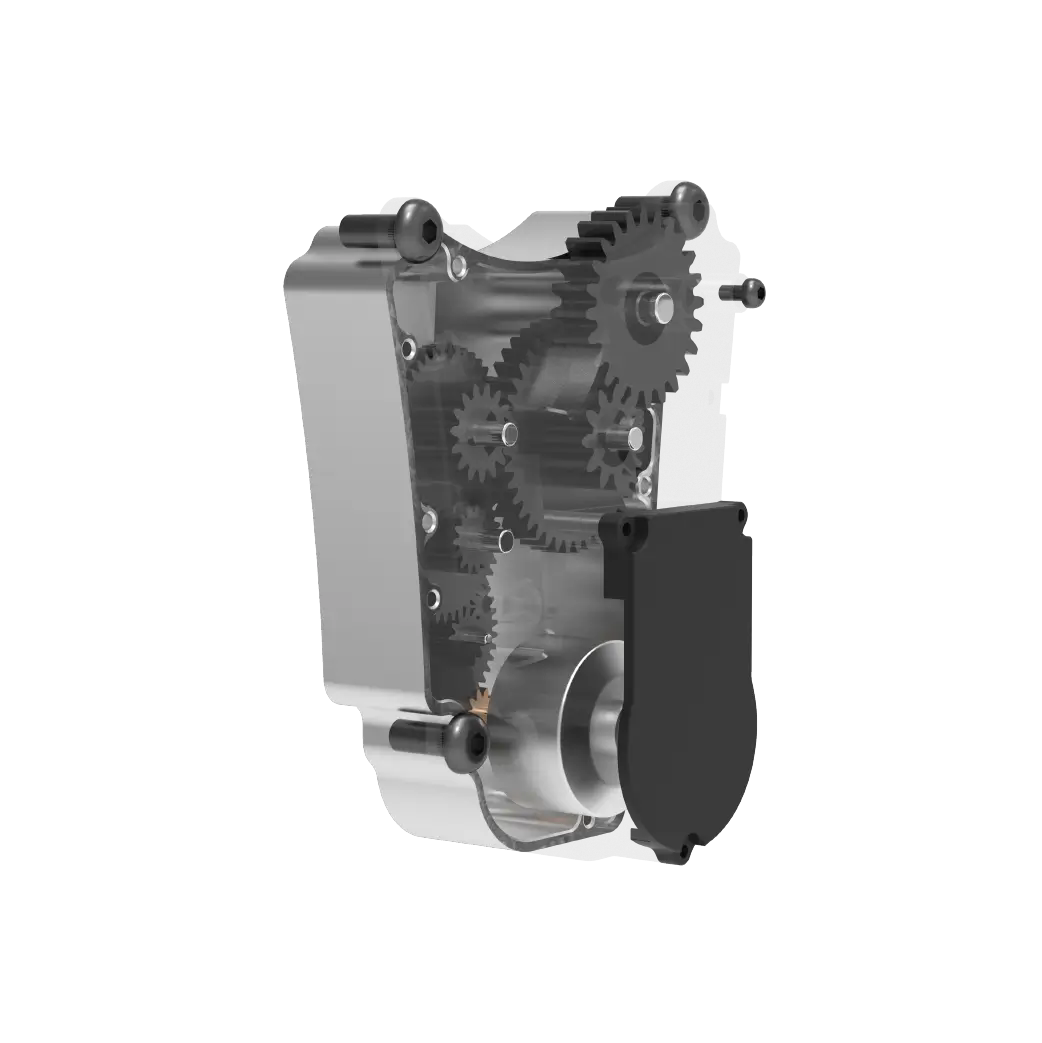
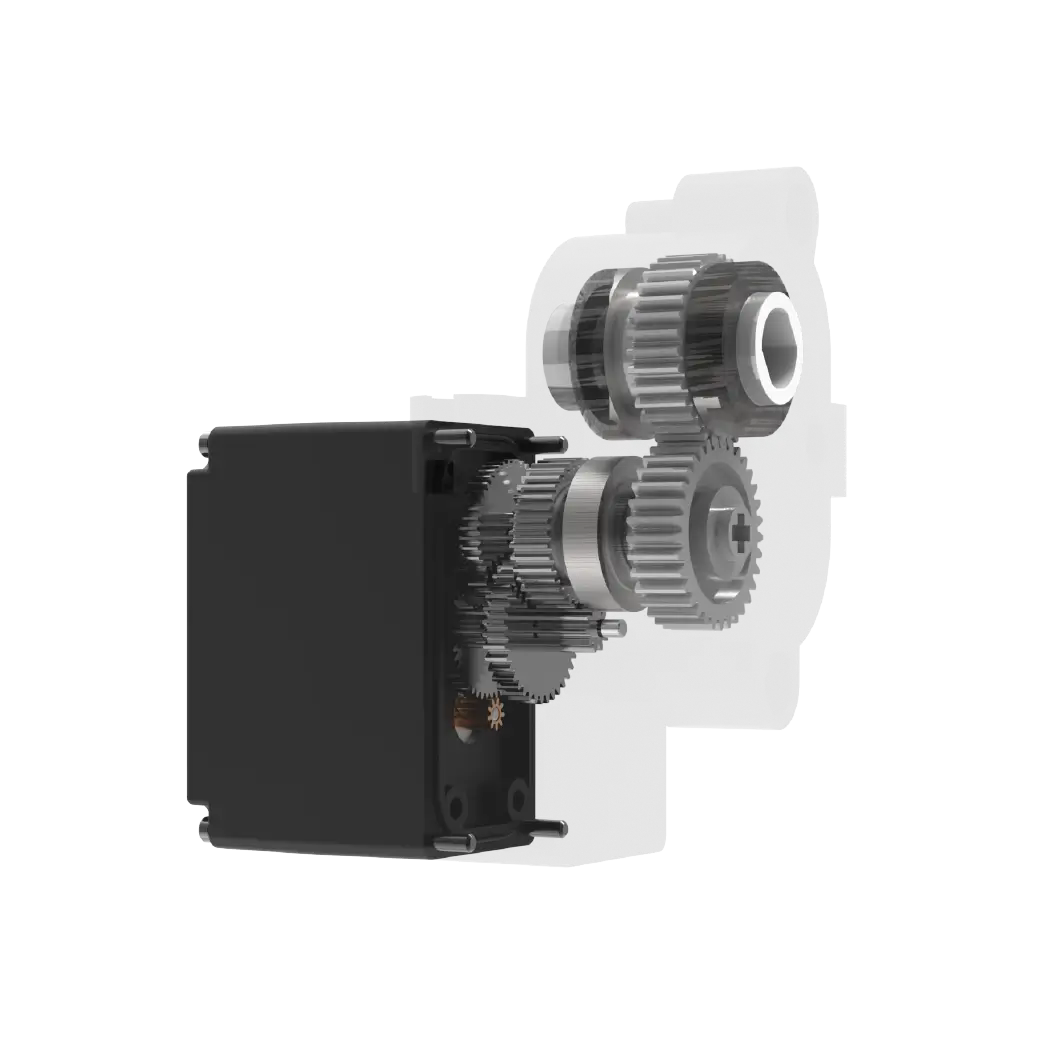
There is a gear set inside the steering gear. When working under load for a long time, wear will occur between the gears. Especially in dusty or dusty environments, dust intrusion will accelerate wear and tear, resulting in an increase in backlash (i.e. gear gap), which manifests as inaccurate positioning of the servo and a sense of shaking. Regular lubrication can effectively reduce friction and wear.
It is generally recommended to use special plastic gear grease or silicone grease. Just apply a small amount on the gear surface. Do not use grease that is too viscous or highly corrosive. For metal gear servos, similar lubrication methods can also be used. It's like a bicycle chain, oil it regularly to ensure a smooth and quiet ride. The maintenance cycle depends on the frequency of use and environment. For high-frequency use, it is recommended to inspect it every six months.
Faced with a dazzling array of steering gear models, the key to choosing is to match your needs. It mainly depends on several parameters: torque (in kgf.cm), speed (the number of seconds it takes to turn from one end to the other), size and weight. To make a small manipulator, you may need fast speed and small size; to make a robot leg, torque and reliability are the first priority.
Don't blindly pursue high parameters. A servo with too much torque but very slow speed will be ineffective if installed on a gimbal that requires fast response. Likewise, price is also an important factor. Generally, servos with metal gears and core brushless motors are more durable, but they are also more expensive. Clarify your project priorities: Is it accuracy, speed, power, or cost? Once you think about this clearly, the choice will be much easier.
I hope these experiences can help you use the servo more smoothly. What is the most difficult problem you have encountered when using the steering gear, and how did you solve it? Welcome to share your story in the comment area. If you find it useful, don’t forget to like it and forward it to more friends who need it.
Update Time:2026-02-10

Contact Kpower's product specialist to recommend suitable motor or gearbox for your product.