







TECHNICAL SUPPORT


Published 2026-02-25
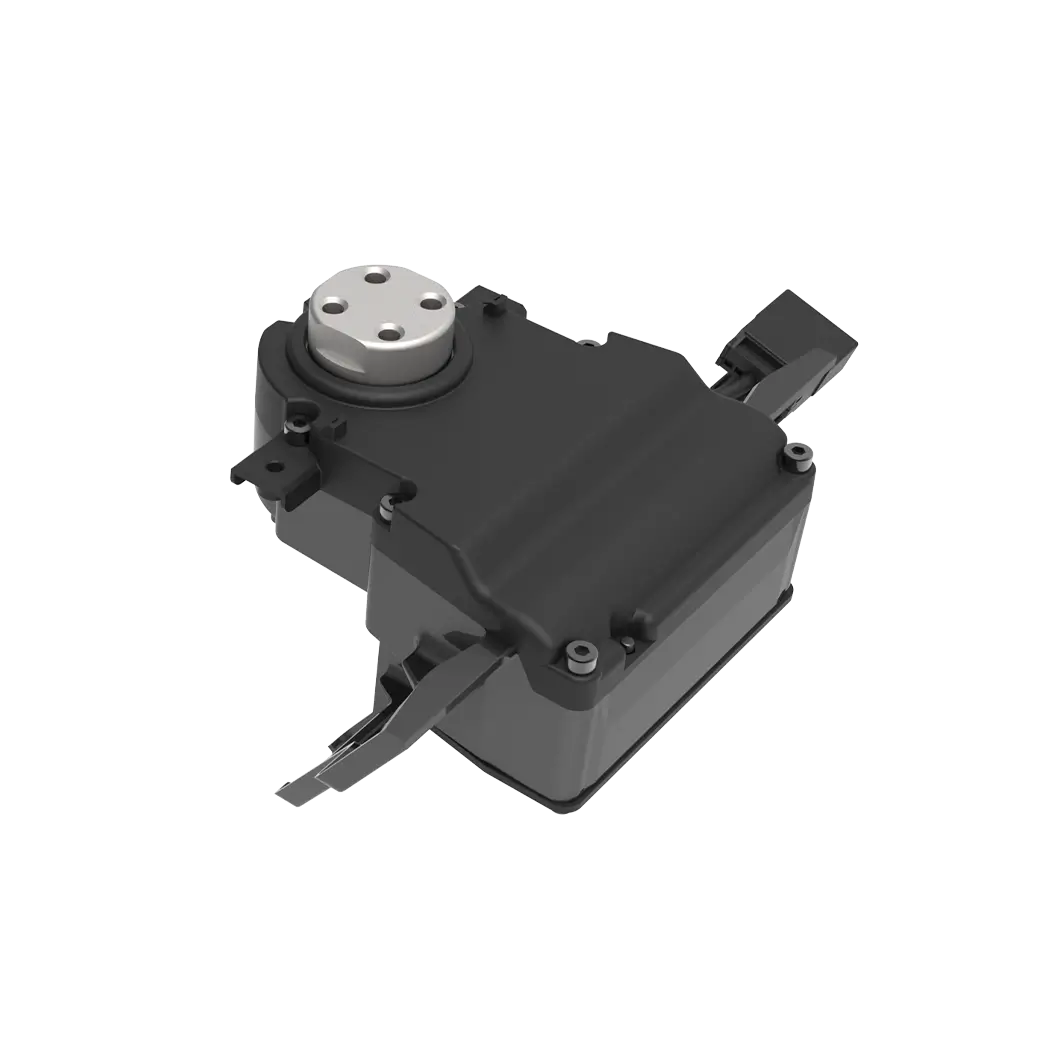
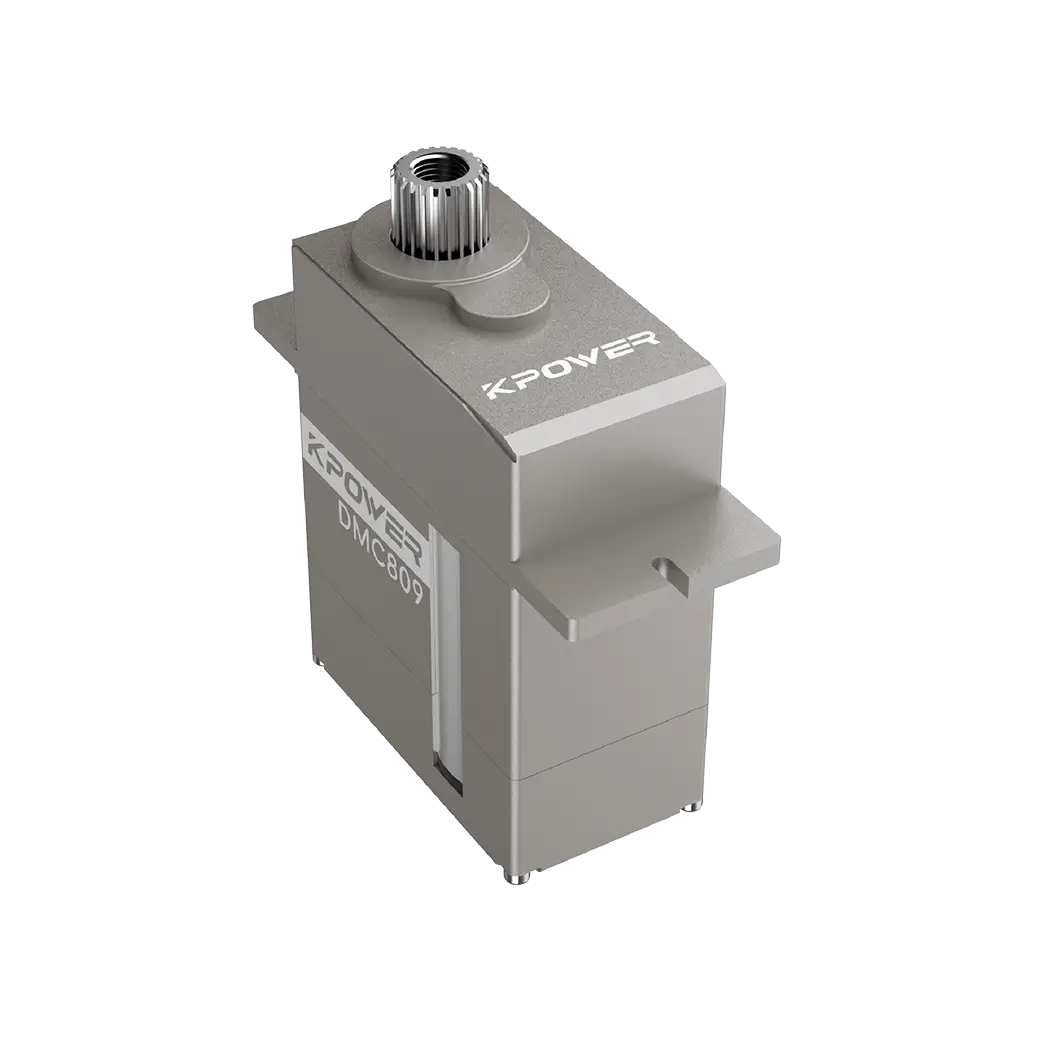
When engaging in product innovation, the biggest headache is when you want something to move but don’t know which “joint” to choose. Theservomodule, to put it bluntly, is a "small motor" that can accurately control angles. Many novice friends are confused by the terms PWM and pulse width when they first start. They feel that this thing is extremely complicated. In fact, it is not that mysterious. Today we will break it apart and talk about it, so that you can fully understand how theservomodule works, and you will have a good idea of the next time you choose.
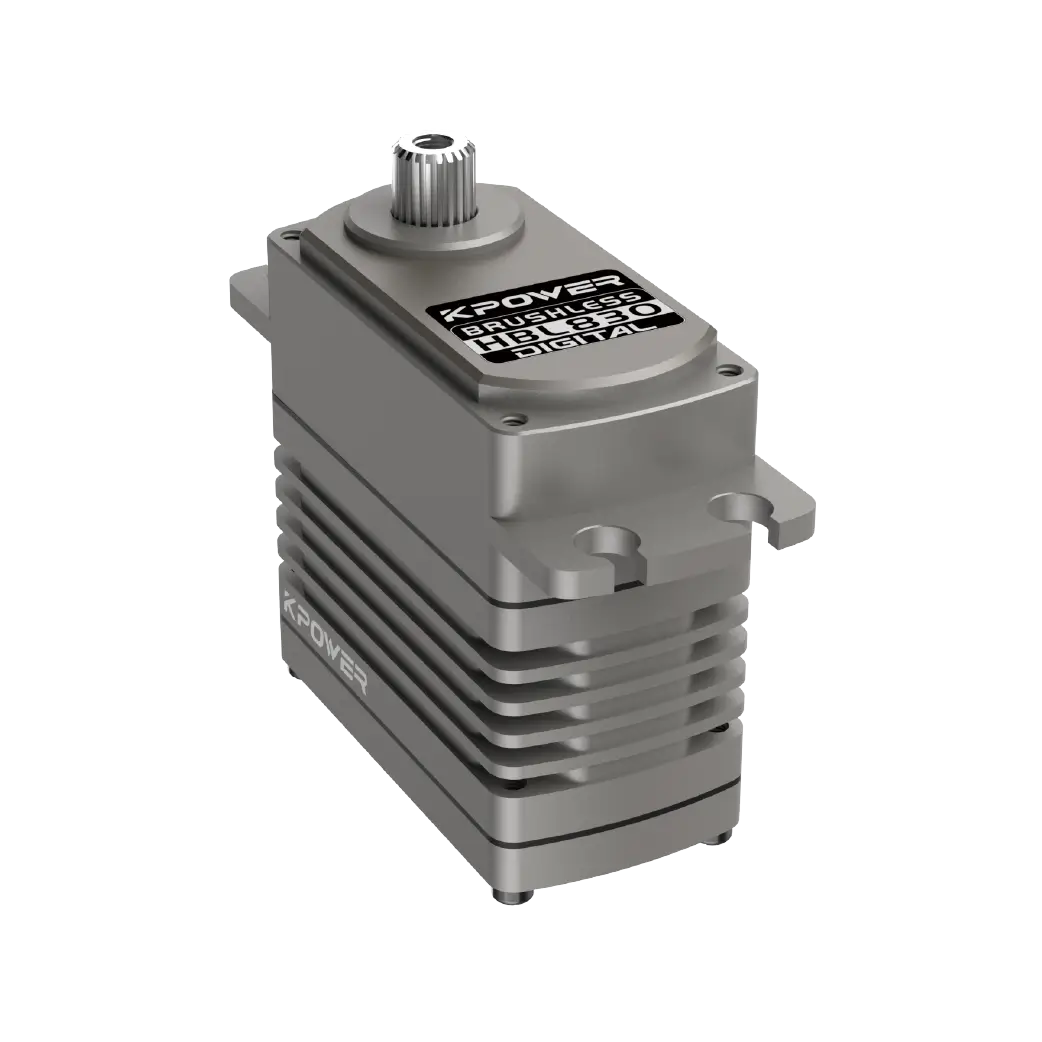
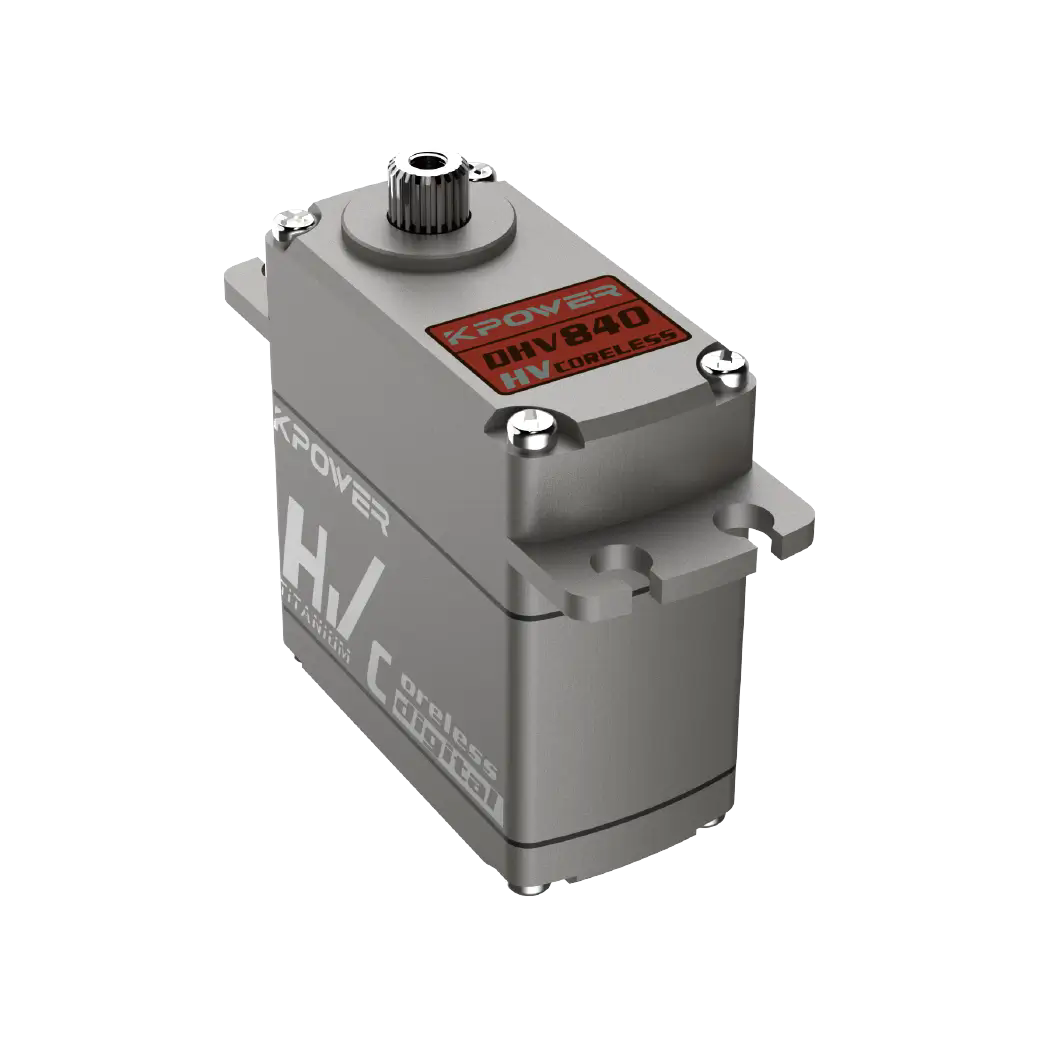
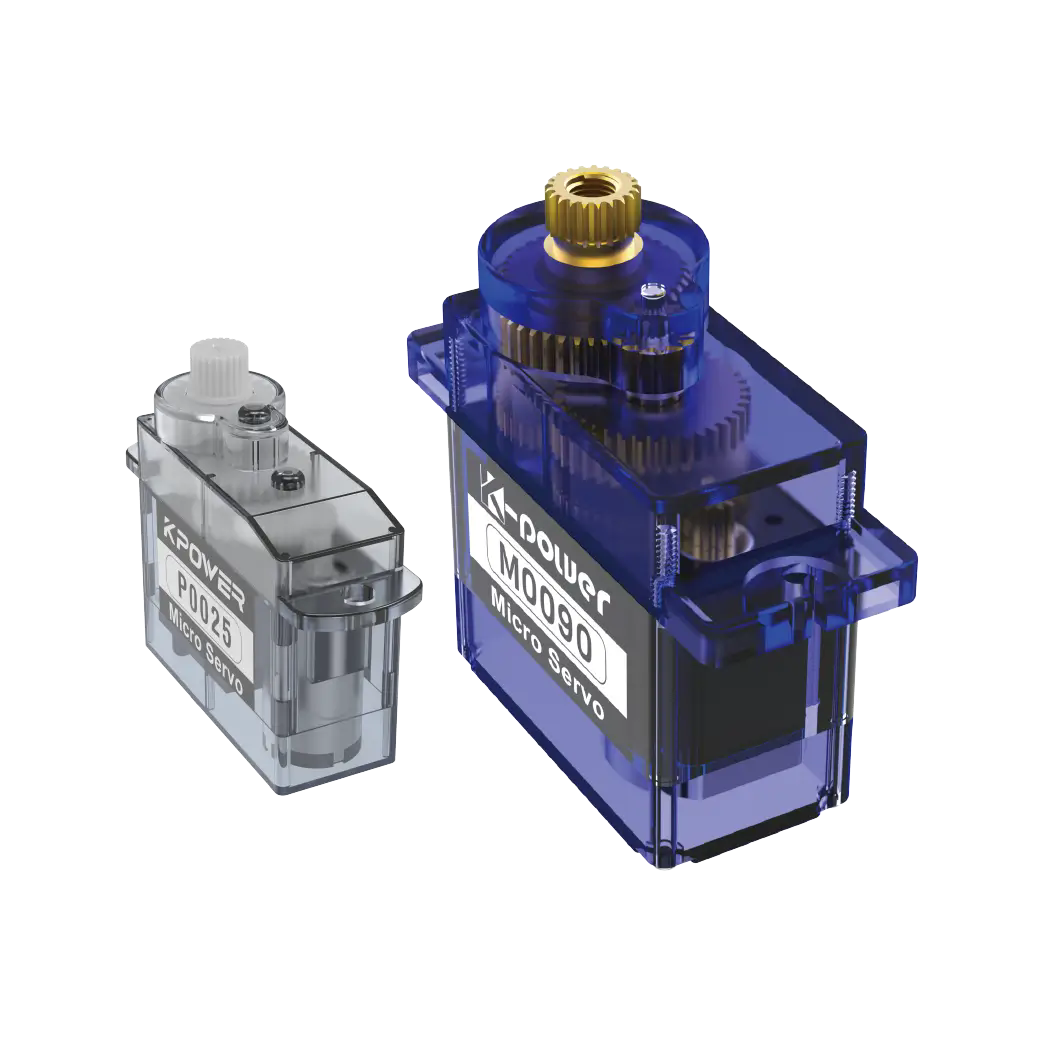
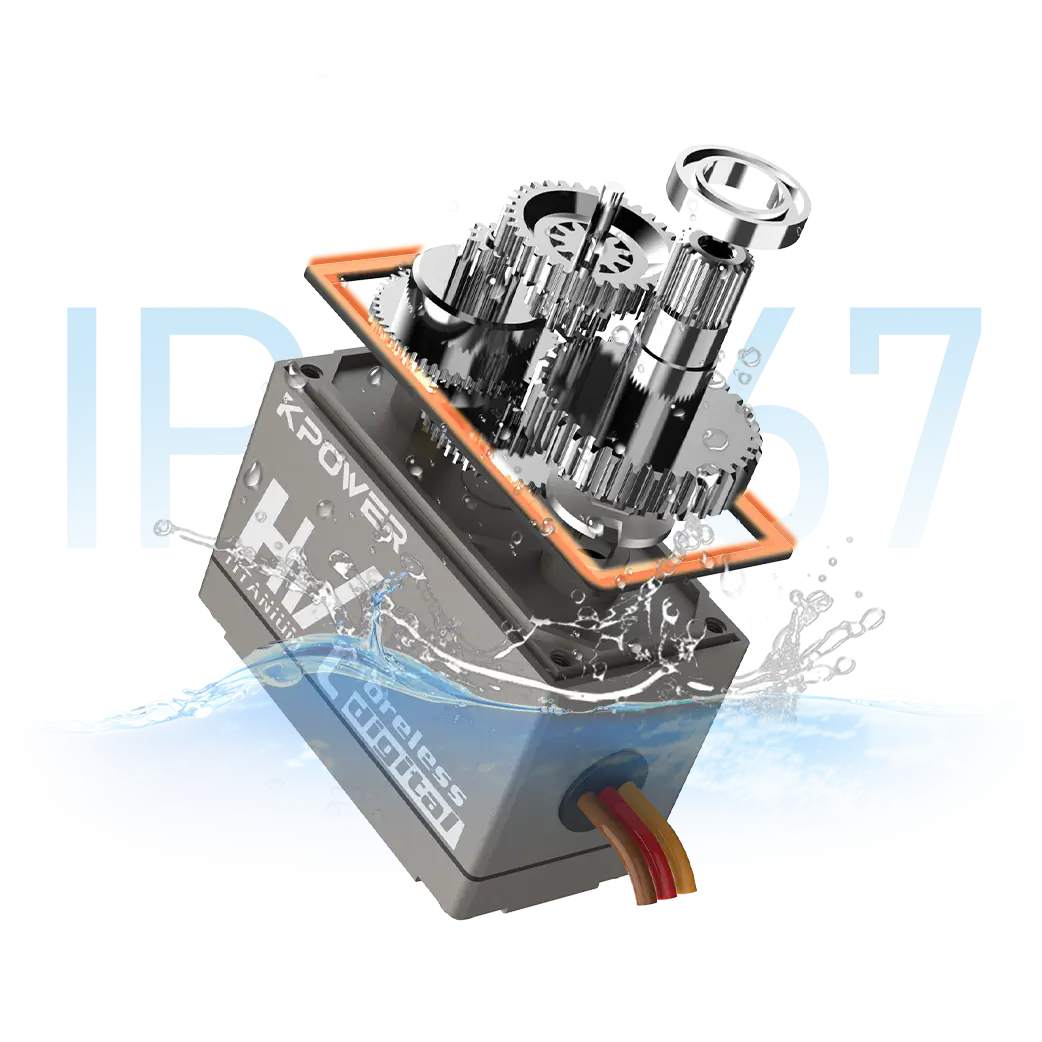
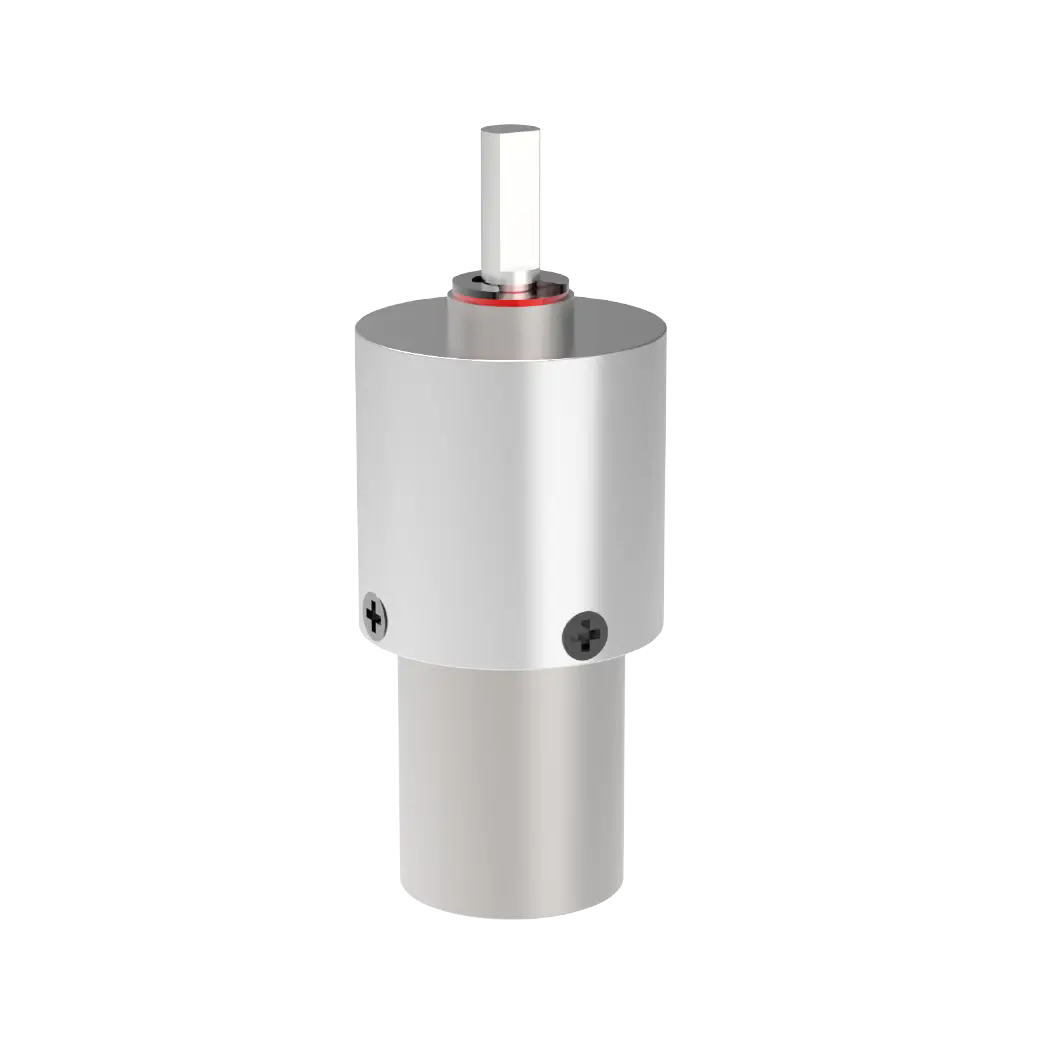
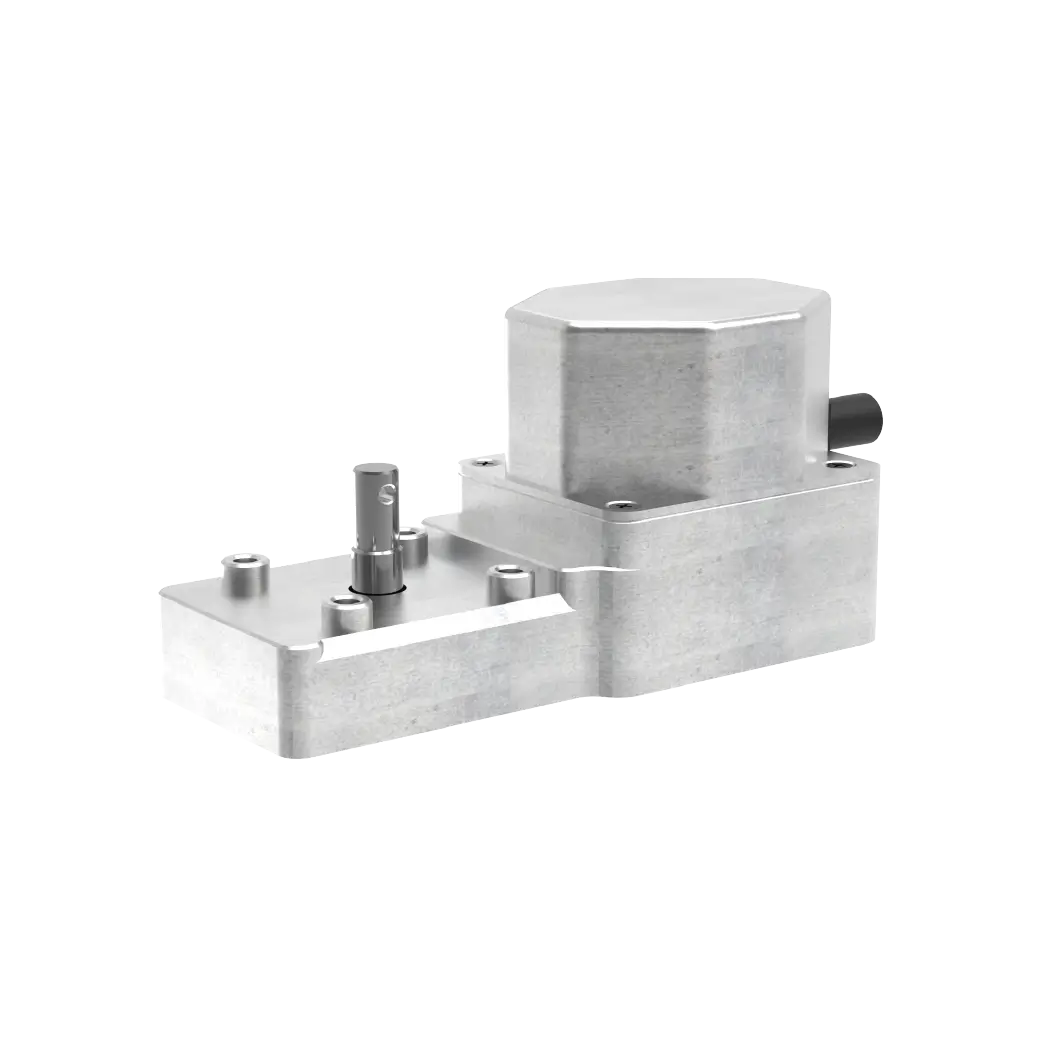
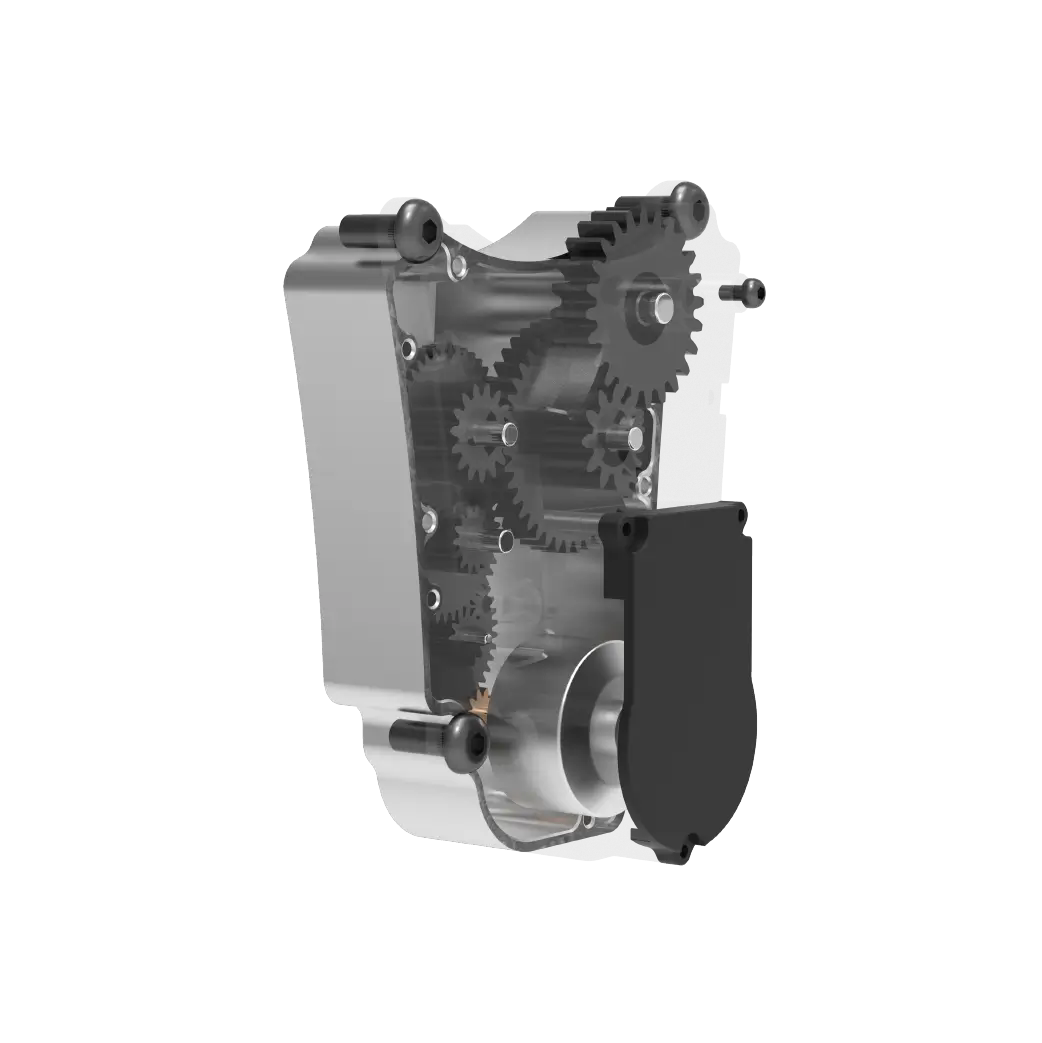
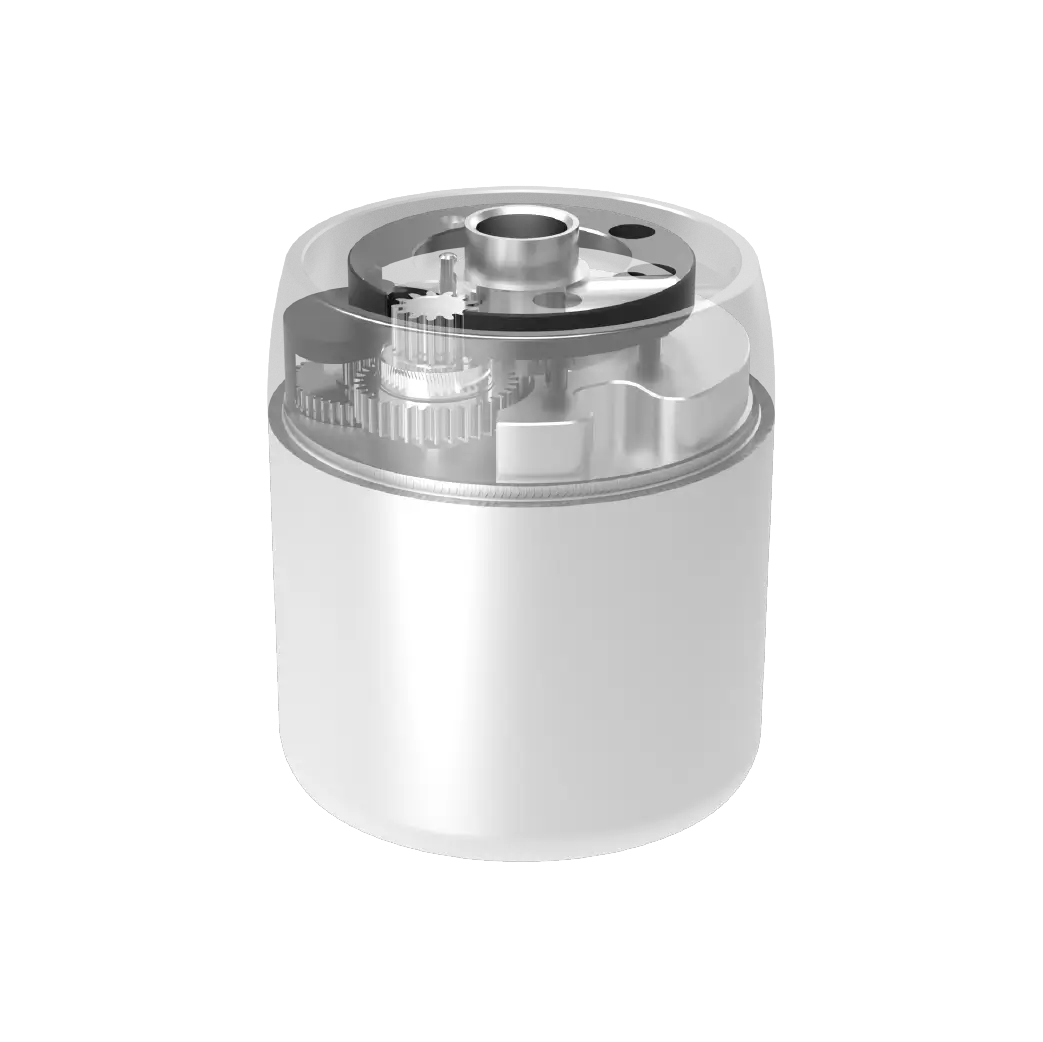
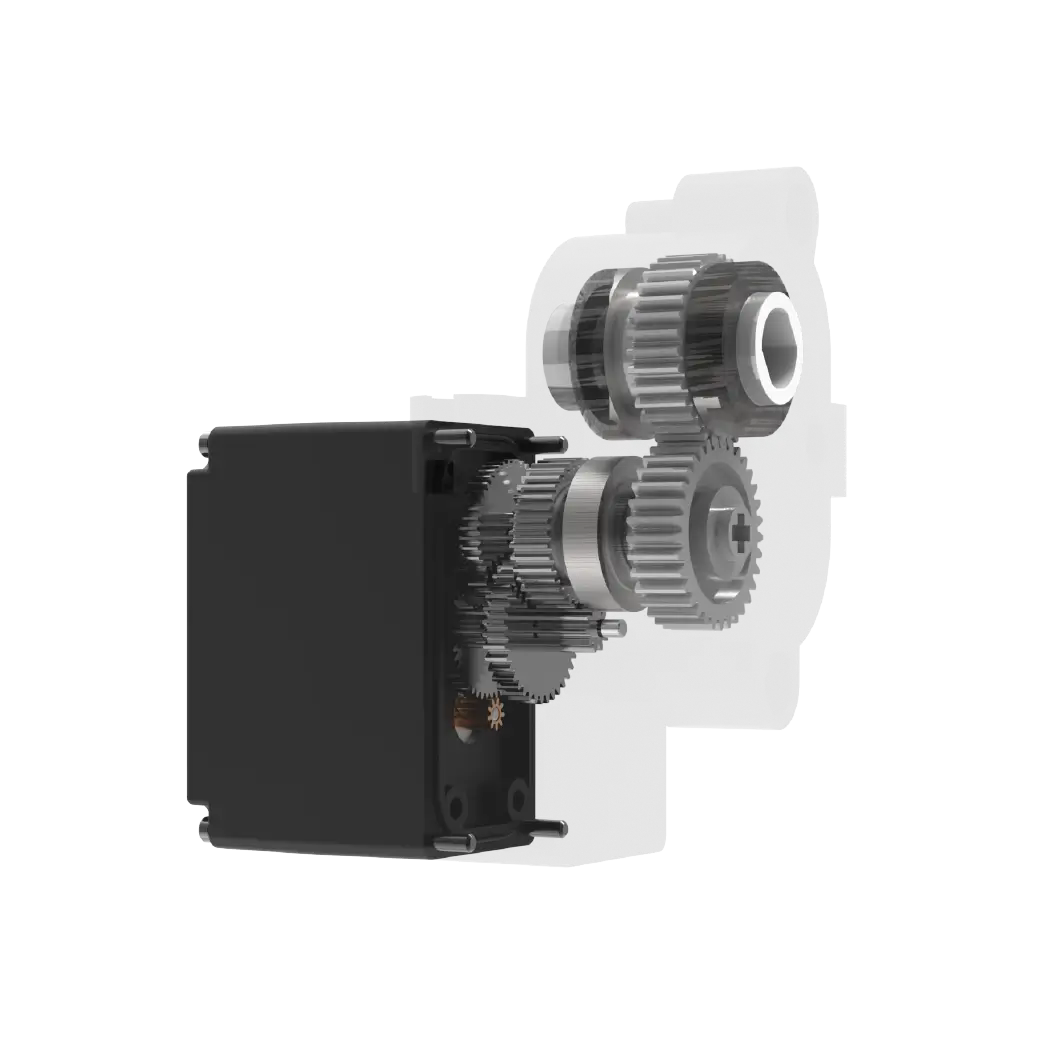
Let's take it apart first and take a look. A standard steering gear module has three core components hidden inside the casing: a DC motor, a reduction gear set, and a control circuit board. You can think of a DC motor as a "little rabbit" that runs fast but has no energy. The reduction gear set is the "Hercules" that converts this speed into power, and the control circuit board is the "brain" that gives orders. Only by working together can these three brothers make the steering gear obey.
You may ask, how does it know where to go? This requires mentioning a key component called the "potentiometer", which is like an angle sensor and is connected to the final output shaft. Wherever the axis turns, the potentiometer reports a corresponding voltage value to the brain. In this way, the brain knows where the output shaft is now, and it is not difficult to turn it to a precise angle.
The secret of this precise positioning is actually hidden in what we often call a "closed-loop control" system. How to understand it? Just like when you reach for the water glass on the table, your eyes (sensor) will always look at the position of the hand (current state), and then transmit the information to the brain (controller), and the brain will instruct the muscles (actuator) to adjust the direction and distance until the hand touches the cup (target state).
The same logic applies to steering gear work. Its "brain" receives a specific PWM signal (such as a request to turn 90 degrees), which is the target position. At the same time, the "eye" on it, that is, the potentiometer, has been staring at the current actual angle. When the brain compares the target angle with the actual angle and finds that there is an error, it quickly drives the motor to rotate until the actual angle is completely consistent with the angle required by the signal and does not stop. The whole process is fast and accurate, which is the fundamental reason why it can do fine work in model aircraft and robots.
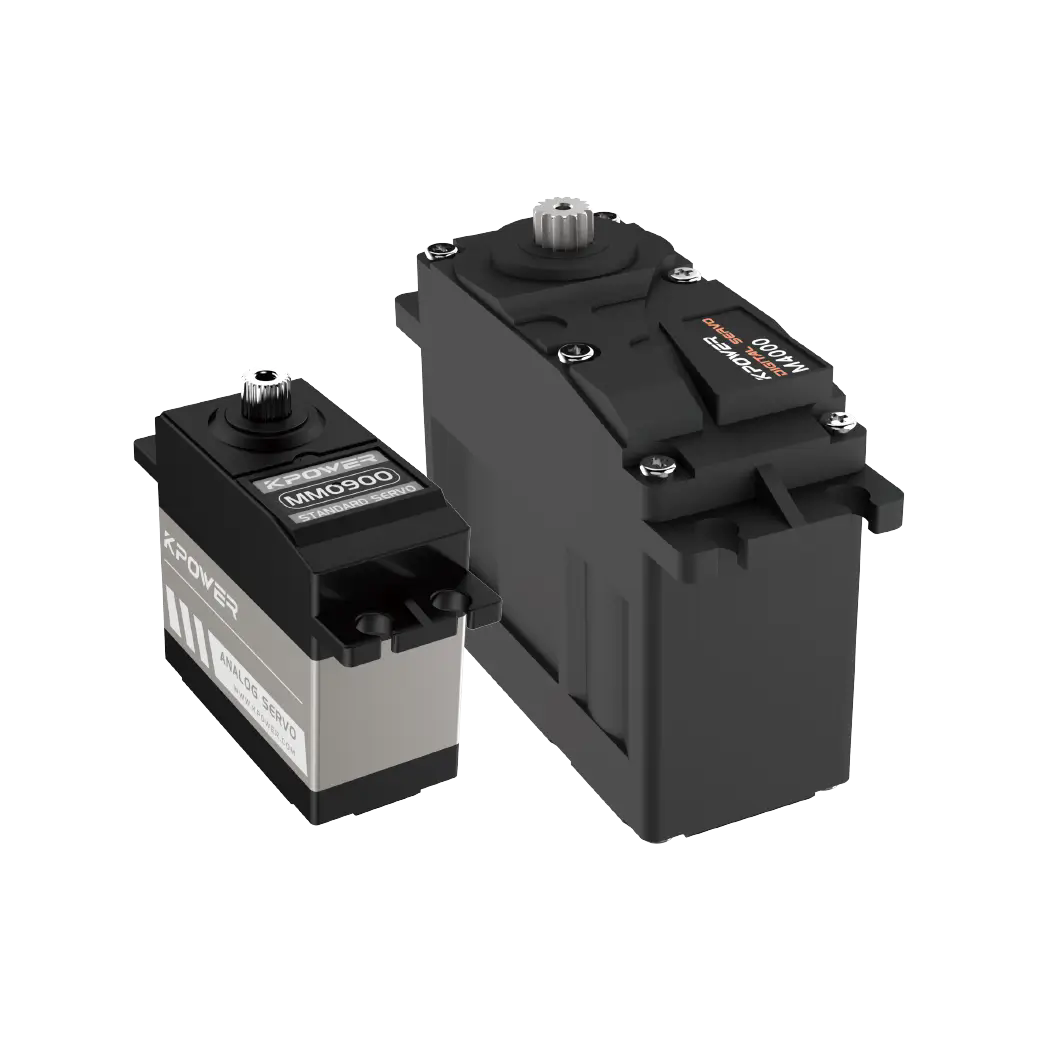
This is a good question, and it is also a confusion that many friends will encounter at the beginning. The standard servos that we have the most contact with, such as those used on some small toys and simple robotic arms, are indeed controlled by PWM signals. There is nothing mysterious about the signal itself. It is a high-level pulse with a period of 20 milliseconds and a width between 0.5 and 2.5 milliseconds. This pulse width is called the pulse width, which directly corresponds to the angle at which the servo will turn.
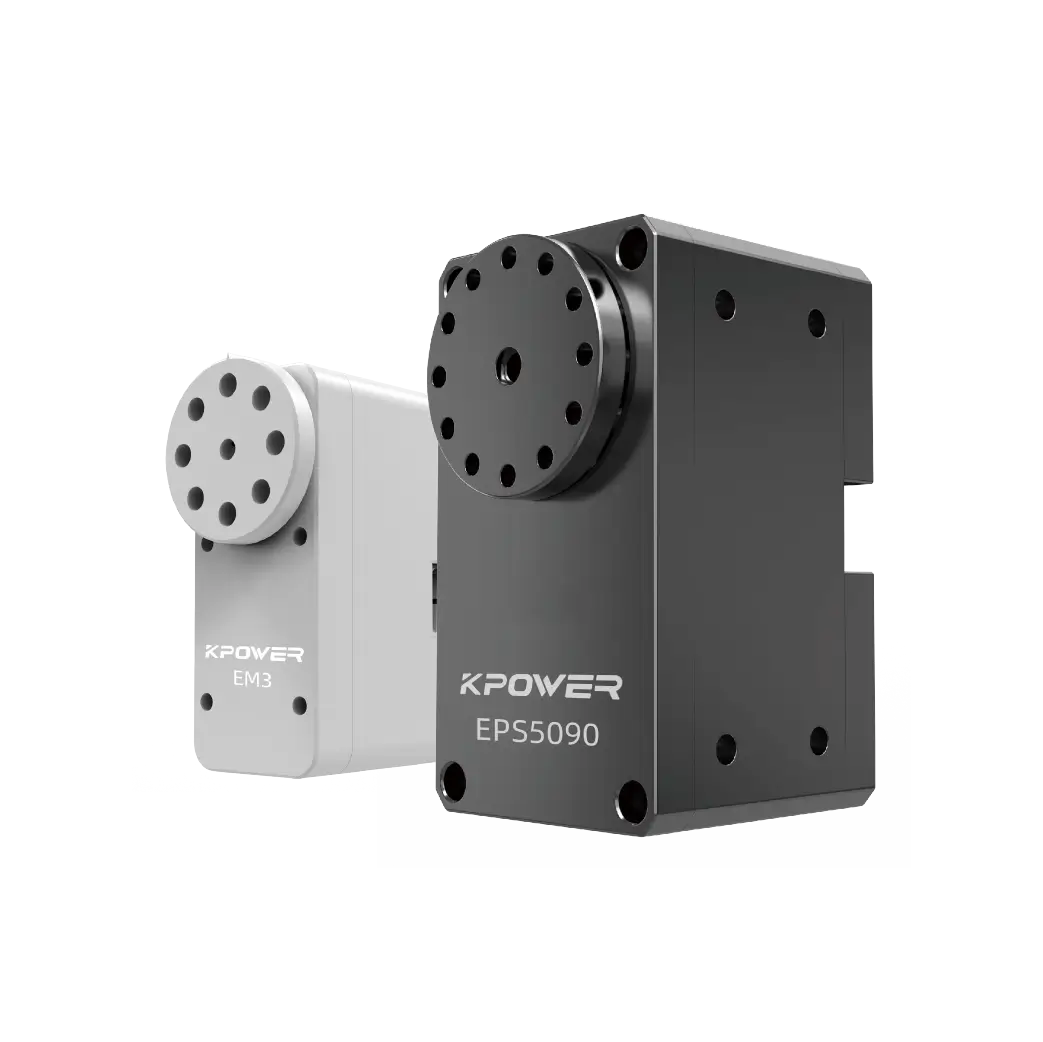
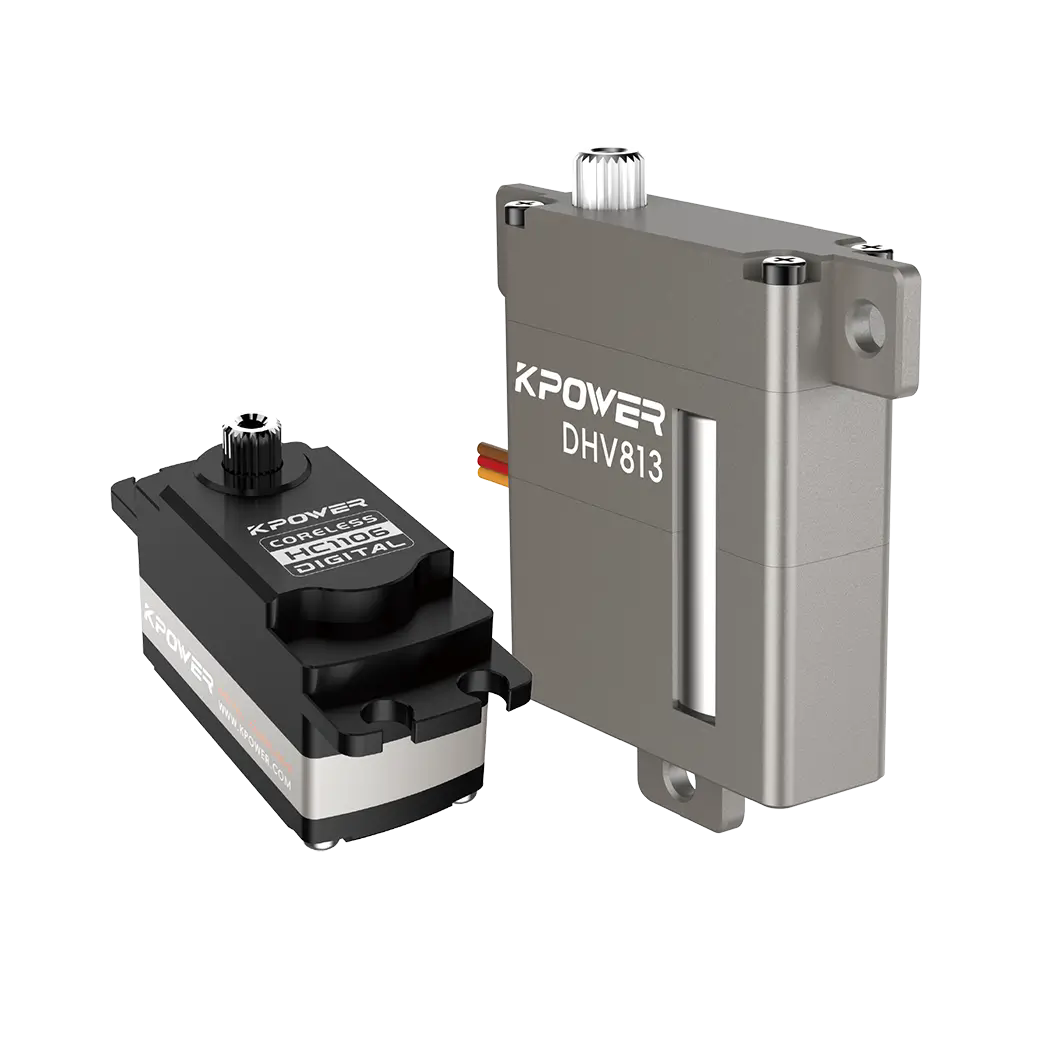
However, now that technology has developed, the situation has changed. Some more intelligent "digital servos" or "bus servos" no longer use PWM signals. They use the same method as serial communication, such as directly sending a series of digital instructions through a data line, such as "turn to 120 degrees." This method has stronger anti-interference ability. One controller can control dozens of servos at the same time, and it can also continuously read the status information of the servos such as temperature, voltage, and current position. It is particularly convenient to use, but of course the price will be more expensive.
If you search for servos on the Internet, you will find a lot of parameters, such as torque, speed, voltage, angle, and weight. In fact, you just need to focus on three core parameters. The first one is "torque", the unit is usually kg·cm, which means how many objects can be driven 1 cm from the center of the steering shaft. This directly determines whether the "strength" of your servo is strong enough to lift the mechanical arm. If it is too weak, it will definitely not be able to do the job.
The second is "speed", the unit is seconds/60 degrees, for example, 0.12 seconds/60 degrees, which means it takes 0.12 seconds to turn 60 degrees. This parameter determines whether your robot's movements are "fast" or "slow". The third one is "working voltage" and "angle range". You have to ensure that your power supply can feed it, and at the same time, the maximum angle of its rotation can meet the needs of your mechanism design. Once you have a thorough understanding of these parameters, your selection will basically not go astray.
Now that the theory is clear, how do you make it work in the specific project at hand? Taking the most commonly used microcontroller as an example, it is actually very simple to make it move. You don't need to write complex PWM code yourself, just use a ready-made library file (such as a library called Servo.h). In the code, you only need to write ".(9)", which means connecting the servo signal line to pin 9, and then write ".write(90)", and it will automatically turn to 90 degrees. It's that simple.
Of course, the hardware must also be connected correctly. Generally speaking, the servo has three wires, namely power wire (usually red), ground wire (brown or black) and signal wire (orange or yellow). The power wire and ground wire are connected to power the servo, and the signal wire is connected to the control pin of the microcontroller. One thing to pay special attention to is that if your servo is relatively large, never let the microcontroller directly power the servo. Too much current may burn out the microcontroller board. You have to use an external power supply to power the servo separately, and then connect the ground wires of the two together.
When playing with servos, the most common mistake I see novice friends make is "overloading". It felt like the servo could just turn, but as a result, it carried a heavy load. The servo struggled to turn in place but couldn't, causing the motor to overheat and the gears inside to grind easily, so it would be scrapped in a short time. When choosing a servo, it is best to make the torque you need only account for less than 70% of the nominal torque of the servo, leaving some margin so that the servo will be durable.
Another misunderstanding is that the power supply is insufficient. Sometimes during debugging, it is found that the servo movement is stuck one after another, or the microcontroller suddenly restarts. Nine times out of ten, it is a power supply problem. The current required for the steering gear to start and stall is very large. If the power supply is insufficient, the voltage will be pulled down, causing system instability. Therefore, equipping it with a reliable power supply with sufficient power is more important than anything else. Next time your servo does not move smoothly, you can first check whether the power supply is "off the chain".
After reading this, you should have an idea about the servo module. In fact, hardware innovation is just a layer of window paper. If you pierce it, you will find that these seemingly complex modules have very simple design ideas behind them. I wonder what interesting action you plan to use the servo to achieve in your current project? Welcome to chat about your creativity in the comment area, maybe I can help you avoid a pitfall. If you find the content useful, don’t forget to like and share it so that more friends can see it.
Update Time:2026-02-25

Contact Kpower's product specialist to recommend suitable motor or gearbox for your product.