







TECHNICAL SUPPORT


Published 2026-02-27
I believe that many friends have encountered the same headache when tinkering with robots, robotic arms or model modifications: After finally designing a structure, they found that the ordinaryservowas too big to fit in; or the powerfulservowas expensive. Especially for those delicate designs with limited space, it really takes a lot of effort to find a "just right" driver core. Are you also worried about this matter?
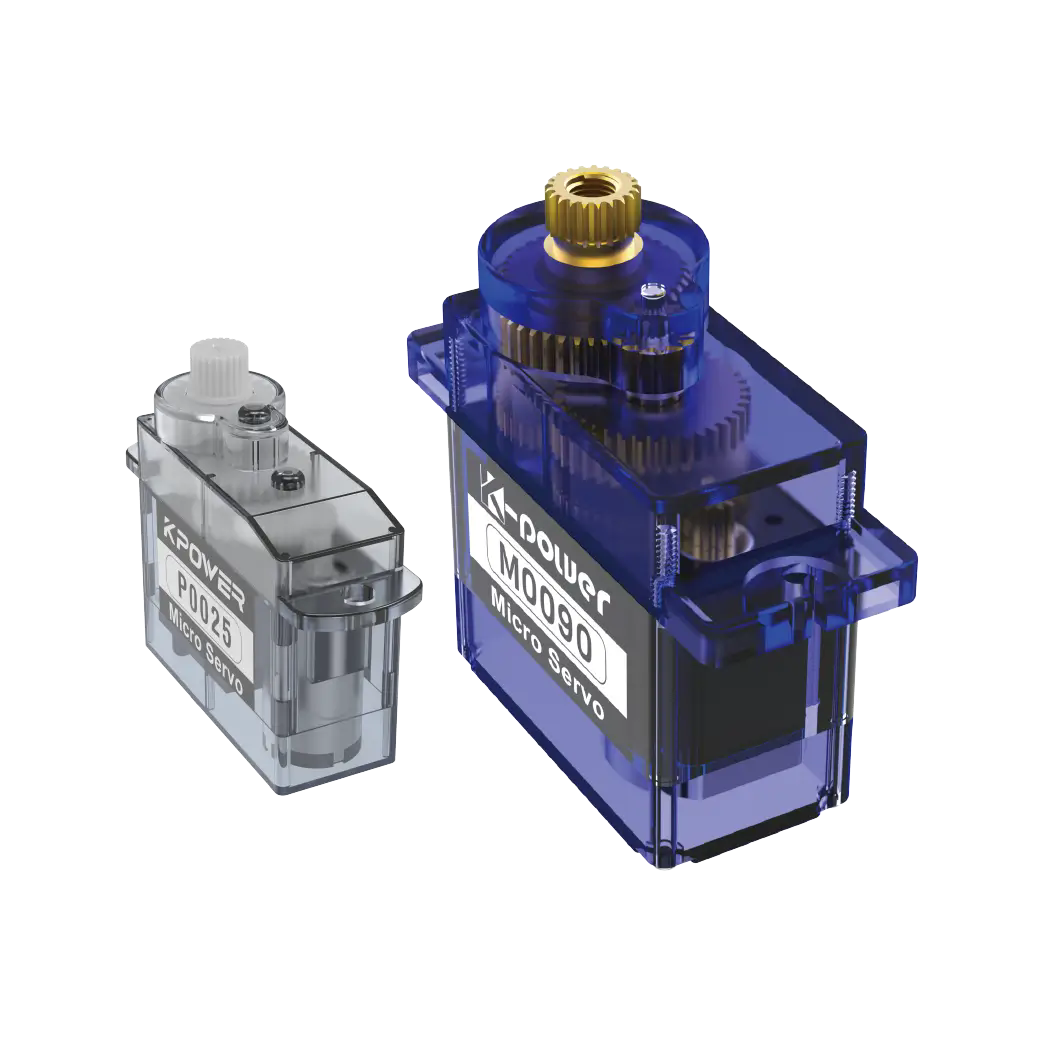
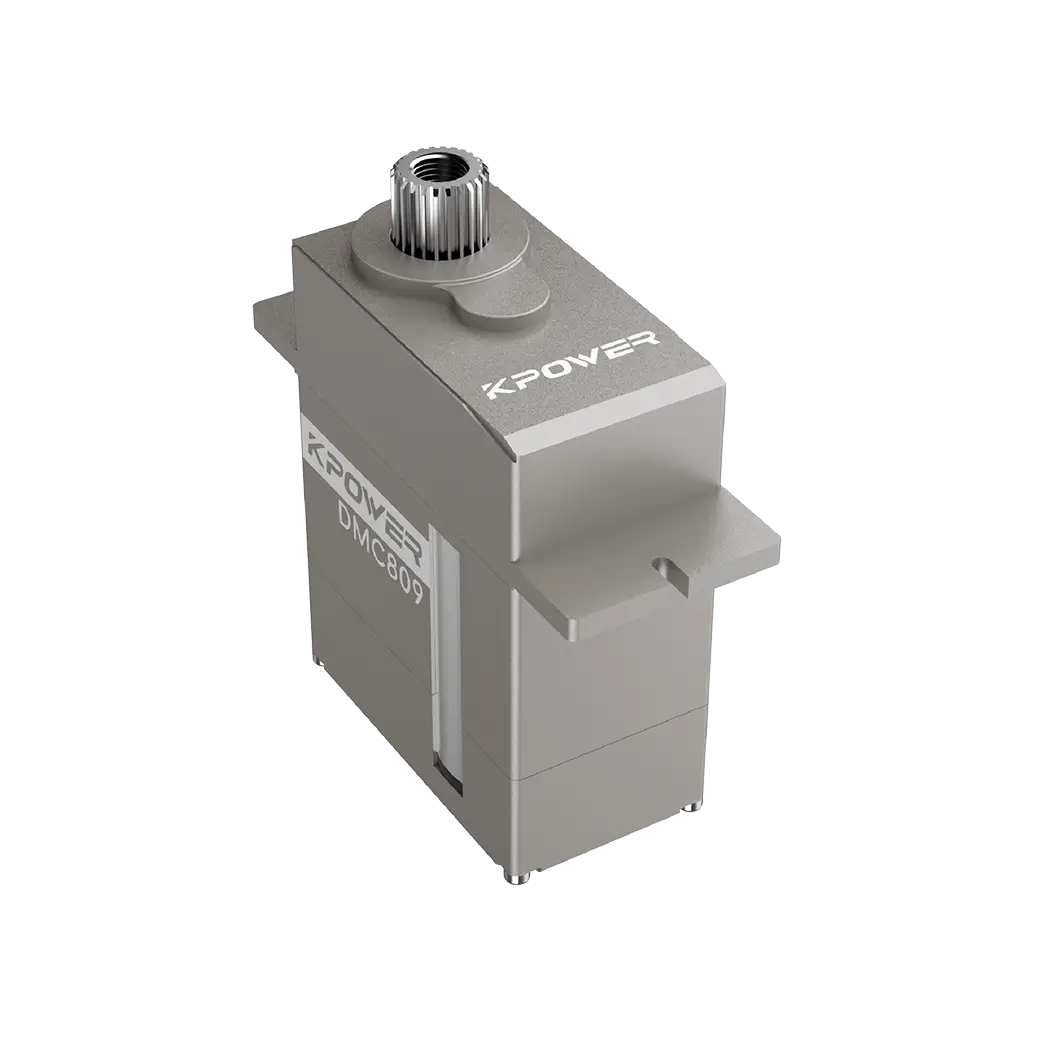
Faced with the wide variety of small servos on the market, choosing the right model is undoubtedly the first step towards success. When choosing a micro servo, there are three key hard indicators to consider, namely size, weight and torque. First, you must pick up a ruler and carefully measure how large your installation space is. For example, the size of a common 9g servo is about 23x12. If your structure space is smaller than this size, then you need to look for a smaller servo model.
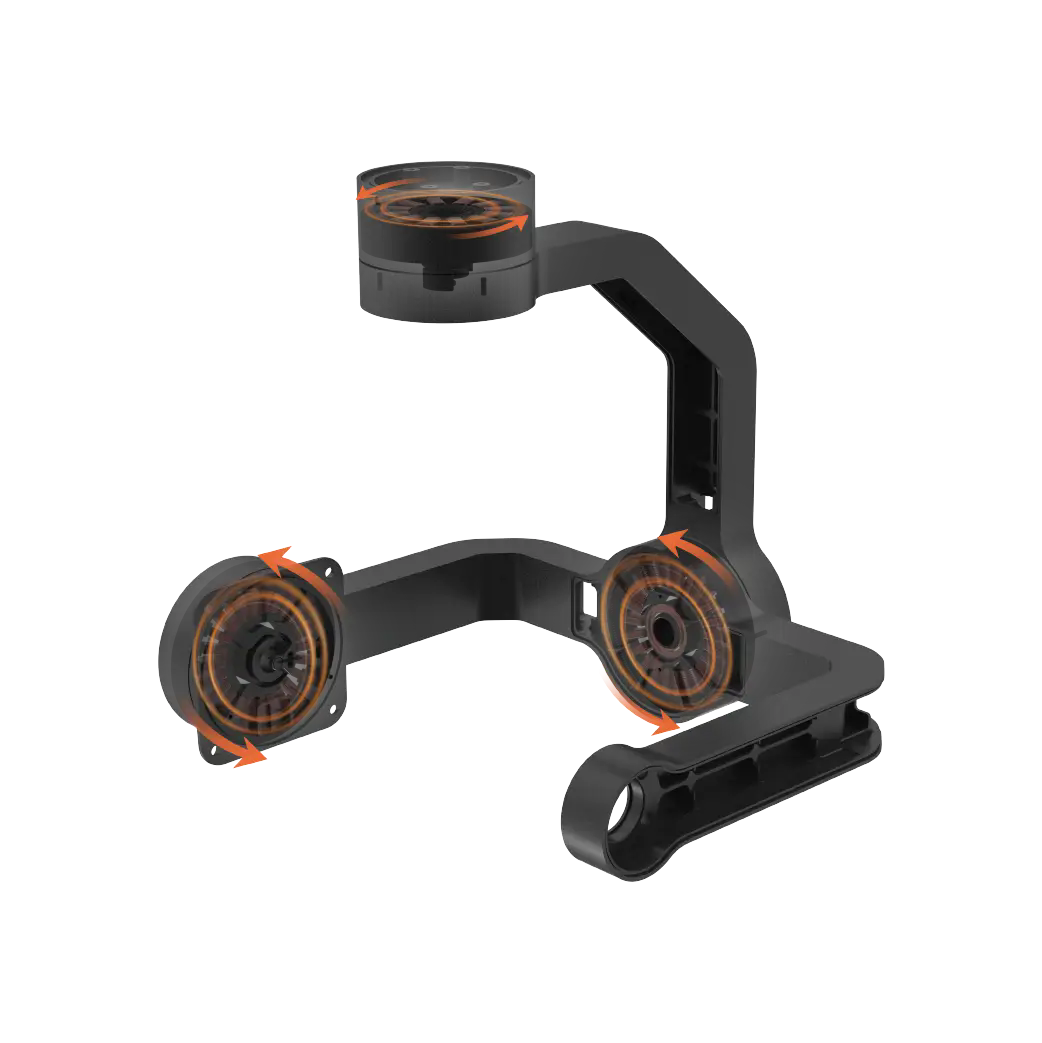
At the same time, you also need to estimate how much strength your organization will need to move smoothly. If you are just driving a small gimbal or robot joint, a torque level like the dxw90 is usually enough. However, if it involves lifting heavy objects, then you must choose a model with greater torque.
Many novice friends will worry that the servo is not powerful enough. In fact, for micro servos, the torque performance of dxw90 is already very impressive. Generally speaking, a servo of this level can provide a torque of about 1.2kg·cm at a voltage of 4.8V. It sounds like a small number, but it is completely sufficient for driving lightweight link mechanisms, the soles of small robots or the tilting heads of cameras. You can make a simple estimate: multiply the length of the servo arm (in cm) by the estimated weight of the object you want to drive (in kg). If this product is less than the torque of the servo, then there is basically no problem.
Let’s play something by ourselves, and the budget always needs to be considered. The biggest advantage of servos like dxw90 is that it balances cost and performance. Compared with those metal digital servos that often cost hundreds of dollars, its price is much more affordable. If it is broken or out of use, it will not hurt to replace it. But at the same time, it is more reliable than those "small toy" servos that cost a few yuan. At least the teeth are made of metal, which is not easy to scan, and the accuracy is not bad. Used in maker projects with mass applications, such as making a six-legged robot, using 18 at a time, the cost can be well controlled, and the overall reliability is guaranteed, so for entry-level to intermediate applications, its cost-effectiveness is really high.
Now that you have bought it, how do you install it securely into your structure? There are some tips for this.
️Thefirst step is to reserve space: When you are designing a casing or bracket, in addition to considering the size of the servo itself, be sure to leave a little space for wiring and screwdriver operation. Do not jam it too tightly. ️Secondstep, choose the right screws: Normally, the servo will come with its own mounting screws. If you accidentally lose them, be sure not to use screws that are too long, otherwise they will penetrate into the motor and damage the circuit board. ️Thethird step, fix the cable: The servo cable is easy to be torn during the movement of the machine, so it is best to put a little hot melt glue on the part where the cable leaves the servo, or use a tie to fix it on the bracket, while leaving some room for the cable to move.
For non-precision industrial purposes, the precision of micro servos such as dxw90 is enough to meet our daily play needs. The control principle is to receive a 50Hz PWM signal, which is refreshed every 20 milliseconds. By changing the width of the high level, that is, the pulse width, the angle is controlled. Under normal circumstances, a 180-degree rotation can be achieved corresponding to a pulse width of 0.5ms to 2.5ms. Although it is not equipped with an advanced encoder feedback device inside, because the gear set is very tightly matched, the virtual position generated is extremely small. When you rotate it to 90 degrees, it can basically stay in that position stably, and can be used for simple point control of the robotic arm or direction control of the car model without any problems.
In addition, the dxw90 micro servo plays a unique role in non-precision industrial use scenarios due to its own characteristics. It receives a 50Hz PWM signal and refreshes it every 20 milliseconds. By changing the pulse width to control the angle, the pulse width from 0.5ms to 2.5ms can rotate 180 degrees. Although there is no advanced encoder feedback inside, its closely matched gear set makes the virtual position very small. When used for simple point control of the robot arm or direction control of the car model, it can accurately achieve the task and provide reliable support for related applications.
This is probably the most annoying problem, the fear of buying fake or refurbished ones. If you want to buy with confidence, you still have to find reliable channels. My personal suggestion is to buy directly from authorized agents or official stores of well-known brands. For example, you can go to Taobao to search for official authorized stores of steering gear brands such as "Donghong Electromechanical". Although it may be a few dollars more expensive than those bulk goods of unknown origin, what you buy is genuine, and the quality and after-sales service are guaranteed. It will not burn out or tremble after two days of use, and you can use it with peace of mind. After all, the time saved is more valuable than the money saved.
Okay, after talking so much about model selection, installation and use, I wonder if it has inspired you? I would like to ask you who are reading the article, what is the most crazy problem you encountered while playing with the steering gear? Is it because the installation space is not enough, or is it shaking when I control it? Welcome to leave a message in the comment area and let’s find a solution together! If you find the article useful, don’t forget to like it and share it with your friends!
Update Time:2026-02-27

Contact Kpower's product specialist to recommend suitable motor or gearbox for your product.