







TECHNICAL SUPPORT


Published 2026-02-28
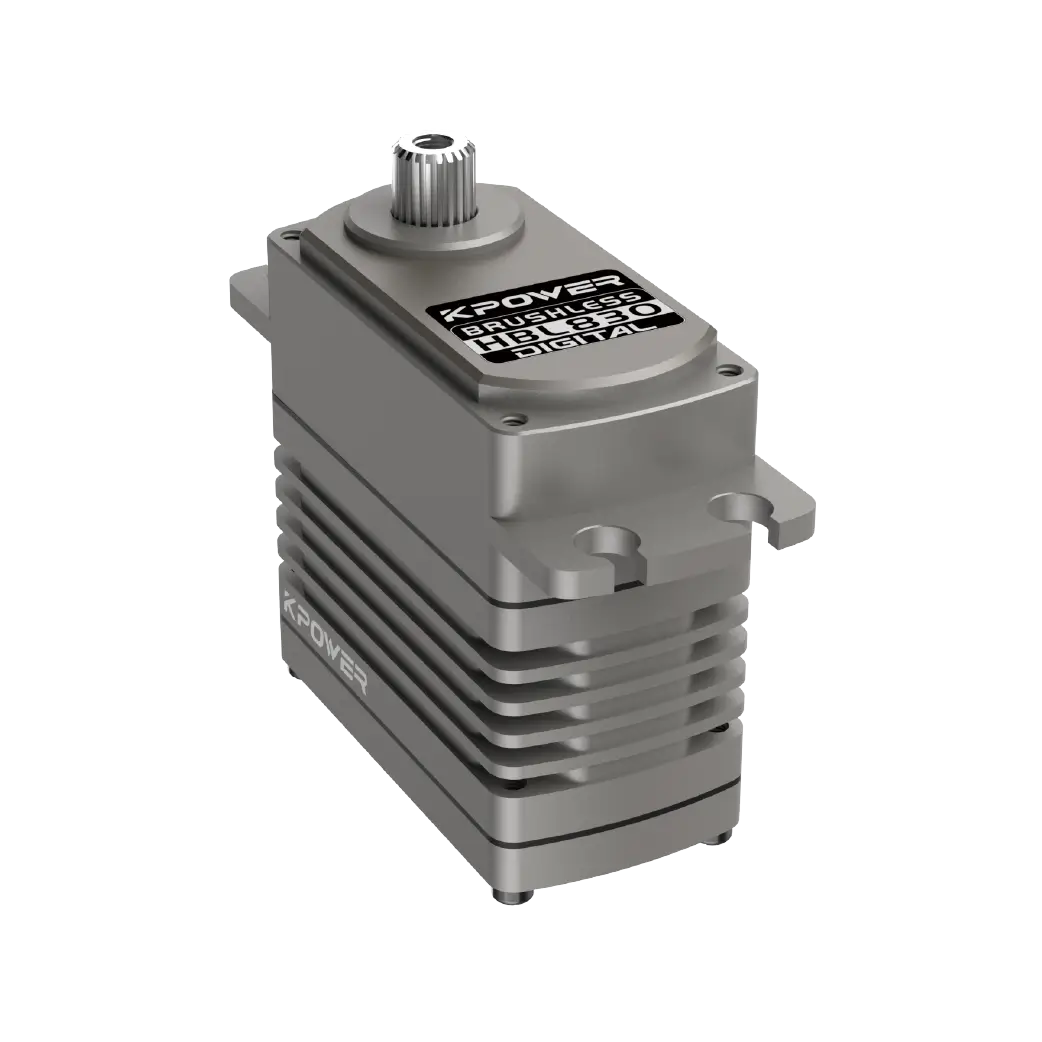
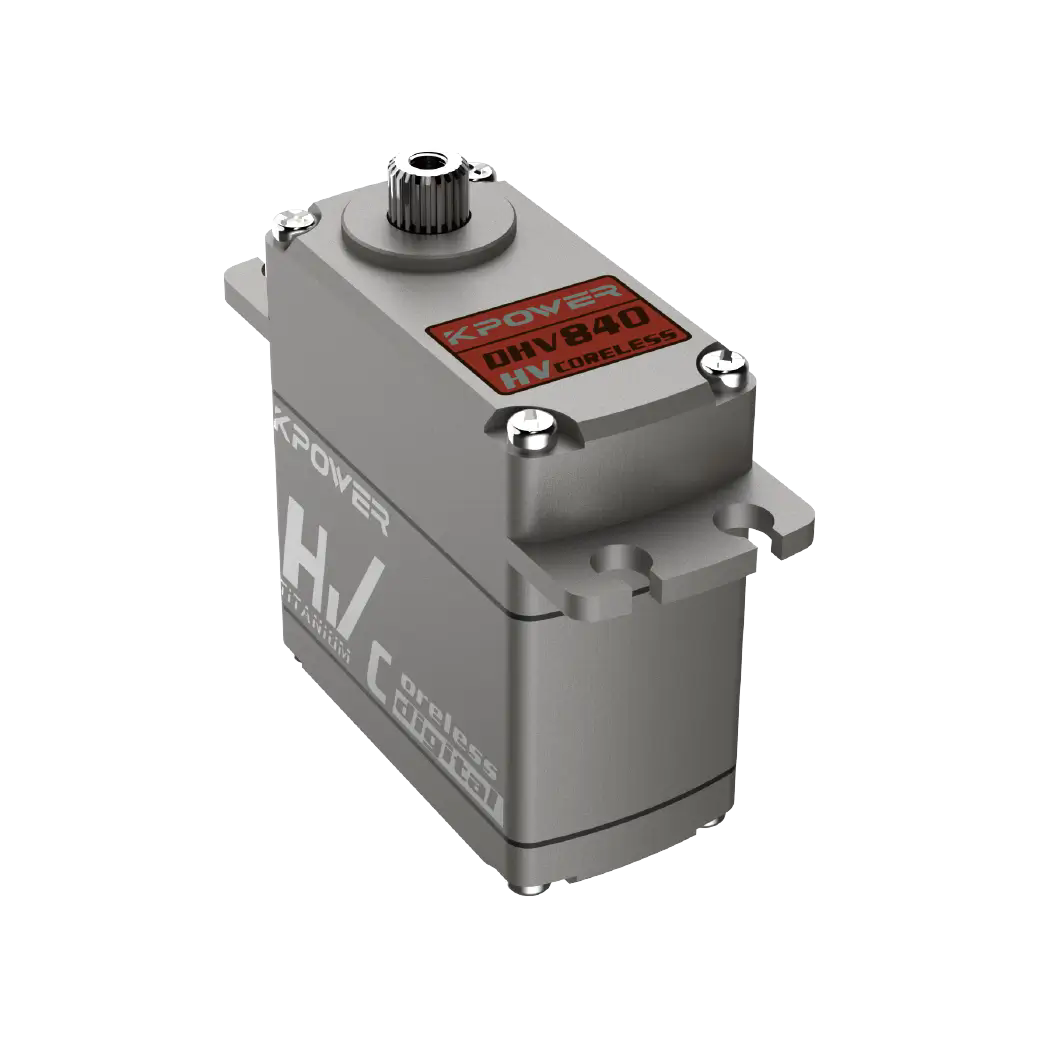
Hey friends! Have you also encountered this headache problem - you bought back the robotservowith great joy, but you are worried about the colorful thread? Don’t worry, this is an “entry test” that almost every friend who plays robots will go through.servowiring is actually not that mysterious. If you understand the ways of those wires, your robot will be able to "live". Today we will talk about it thoroughly, ensuring that you will feel confident after reading it.
Take apart the tail of any servo and what you will usually see are three wires of different colors. The three brothers each have their own work to do and must not be confused. The most standard one is the brown wire, which is the negative pole, which is the ground wire of the power supply. It is usually connected to the GND terminal of the circuit board. The red one is the most conspicuous. It is the positive power cable. It provides power to the servo and must be connected to the corresponding positive power cable. The last orange or yellow wire is the signal wire. It is the brain and is responsible for telling the steering gear where to turn.
Remember this mantra: "Brown, negative, red, positive signal." Regardless of whether you get a large servo or a small servo, as long as it has this standard interface, this rule basically applies. Don’t panic if you encounter ones with different colors. Use a multimeter to test them, or ask the steering gear manufacturer for a drawing. You can figure it out in a few minutes.
This is a good question. Many friends mistakenly believe that the servo can be reversed by changing the power cord. This is absolutely not allowed! Once the power cord is connected incorrectly, the circuit board in the servo will burn out instantly. The forward and reverse rotation of the servo is not achieved by changing the power line at all, but is completely determined by the signal line.
There is a small circuit board and a potentiometer inside the servo, which is like a precise "angle monitor". When you give it an instruction through the signal line, saying "turn to 90 degrees", the motor inside it starts to rotate, and the potentiometer is always "staring" at the current angle. Once the target position is reached, the motor stops immediately. Therefore, if you want it to turn in different directions, you only need to change the PWM pulse width command on the signal line. The hardware wiring is fixed.
If you want to connect the servo to the control board, the easiest way is to buy a three-wire servo cable, plug one end into the servo and the other end into the control board. Most robot control boards or flight control boards have pins marked GND, VCC, etc. Just align the colors and plug them in, and you're done with a click. If there is no ready-made interface on the control board, you need to use Dupont wire to connect manually.
Here is a little tip. If your servo has a relatively high power, never take power directly from the 5V pin of the control board. That can easily burn the control board. The correct approach is to connect the red positive wire and brown negative wire of the servo to an external battery or voltage stabilizing module separately, and only connect the signal wire to the control board. In this way, power and logic are separated, and the system is stable and reliable.
If you encounter a servo of unknown origin or the wire is cut, how can you quickly know which wire has what function? The most reliable way is to use a multimeter to measure it. Turn the multimeter to the buzzer or resistance setting, find the metal part inside the servo housing (usually the negative pole is connected), and use the red and black test leads to touch the three wires respectively. The one that can detect continuity is the negative pole (usually brown or black).
Once you find the negative pole, the rest is easy. Usually the middle one is the positive terminal. But to be on the safe side, you can check the label on the servo housing. Some manufacturers will print circuit diagrams. There is another stupid way, find a power supply with suitable voltage, connect the negative pole first, and then use another wire to lightly tap the remaining two wires. If the servo moves slightly or reacts, then this wire is the positive wire. Of course, the safest thing is to directly search for the manual of this servo model.
When assembling the robot, the position of the servo and the main control board are often far away, so an extension cable is needed. The finished extension cords you buy usually have one male and one female, which can be plugged directly into each other. There are barbs on the plug, and it will automatically lock when inserted. If you feel that the plug is not tight enough, you can use a small dot of hot melt glue on the joint of the plug to fix it and prevent it from loosening.
If you want to solder an extension cord yourself, remember that the solder joints should be round and full without burrs. After welding, put on the heat shrink tube, bake it with a lighter, and wrap the solder joints so that it is insulated and tensile resistant. Because the joints of many robots are constantly moving, the wires are easy to break, so leave a little margin at the location of the wires and fix them with cable ties. Do not let the wires stretch too straight, which can greatly reduce the failure rate.
If you want the robot to make complex movements, you often need to use several servos at the same time. At this time, you need to be extra careful when wiring. Connect the power lines of multiple servos in parallel to provide unified power supply to them. But be aware that when all the servos are turned on at the same time, the current is very large. Ordinary thin wires will heat up and the voltage will be pulled down.
Therefore, it is recommended to use thicker silicone wire (such as 18AWG or thicker) to lay a dedicated power bus. Each servo draws power from the nearest bus. At the same time, at the input end of the power bus, connect a large-capacity capacitor (for example, more than 1000 microfarads) in parallel, which can stabilize the voltage, absorb the high current impact at the moment when the servo is started, and prevent your control board from restarting due to voltage dips.
After talking so much, are you more confident in the wiring of the servo on your hand? In fact, as long as you distinguish the power line and signal line and don't connect the electricity reversely, the rest is patience and care. What is the most troublesome problem you have encountered during the wiring process? For example, the servo vibrates, does not turn, or is extremely hot? Welcome to leave a message in the comment area, let's communicate and solve the problem together, and don't forget to like it and share it with your friends who also play robots around you!
Update Time:2026-02-28

Contact Kpower's product specialist to recommend suitable motor or gearbox for your product.