







TECHNICAL SUPPORT


Published 2026-03-01
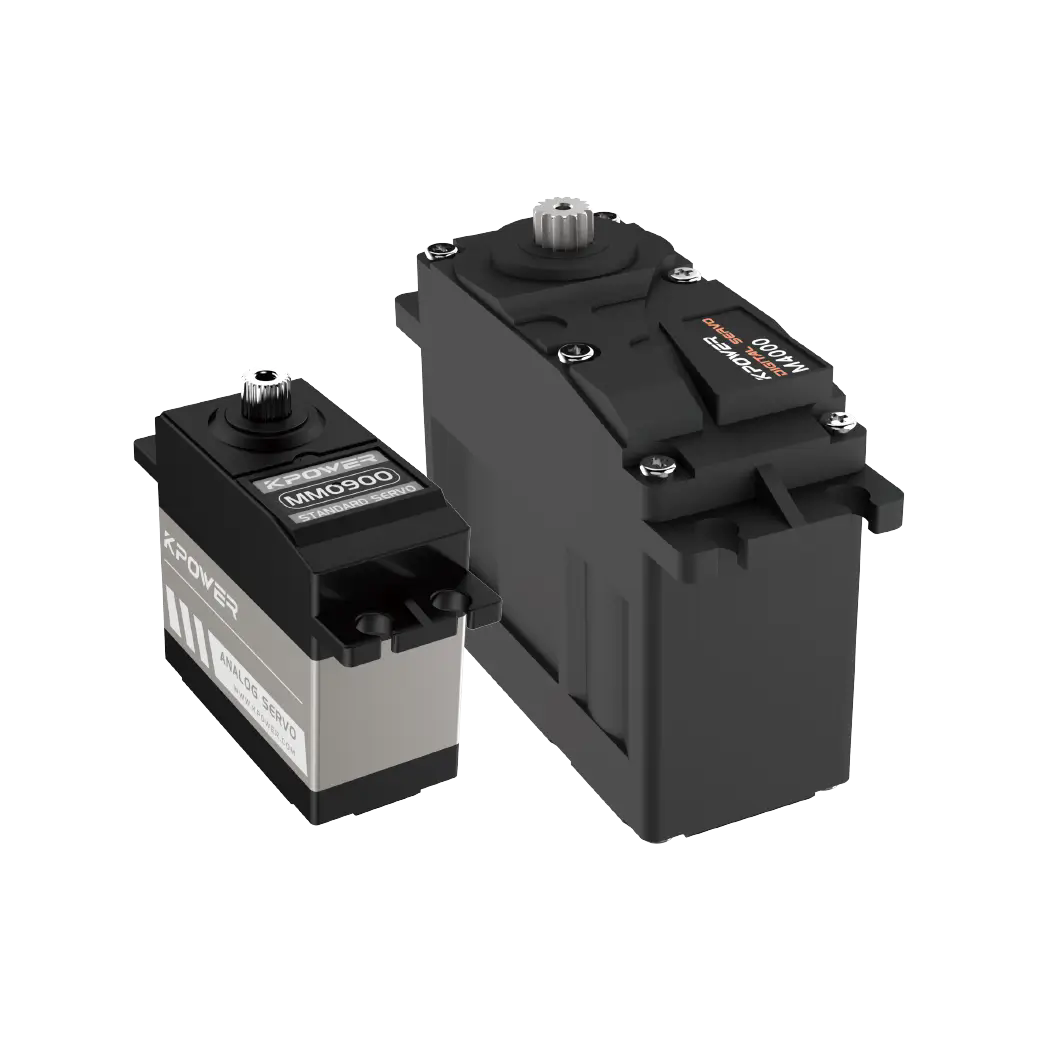
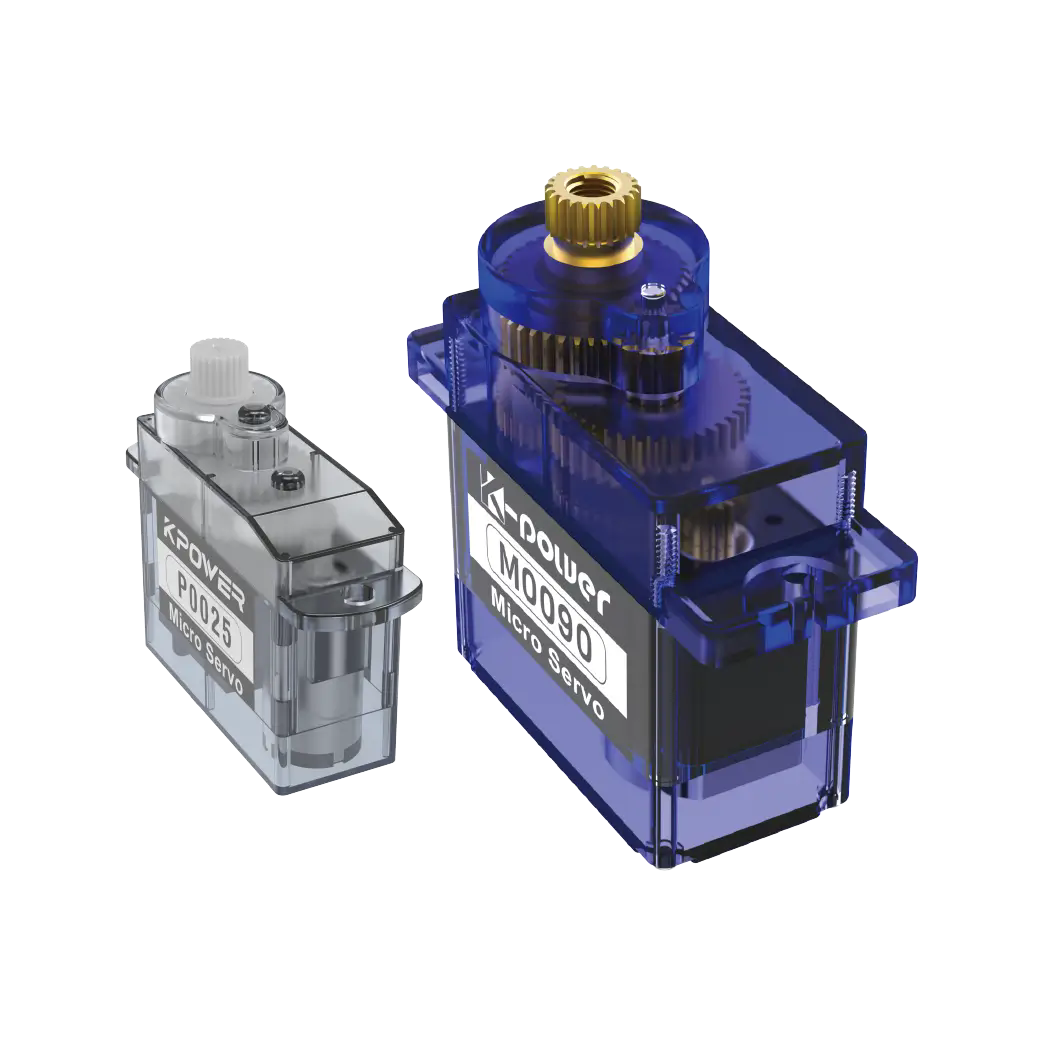
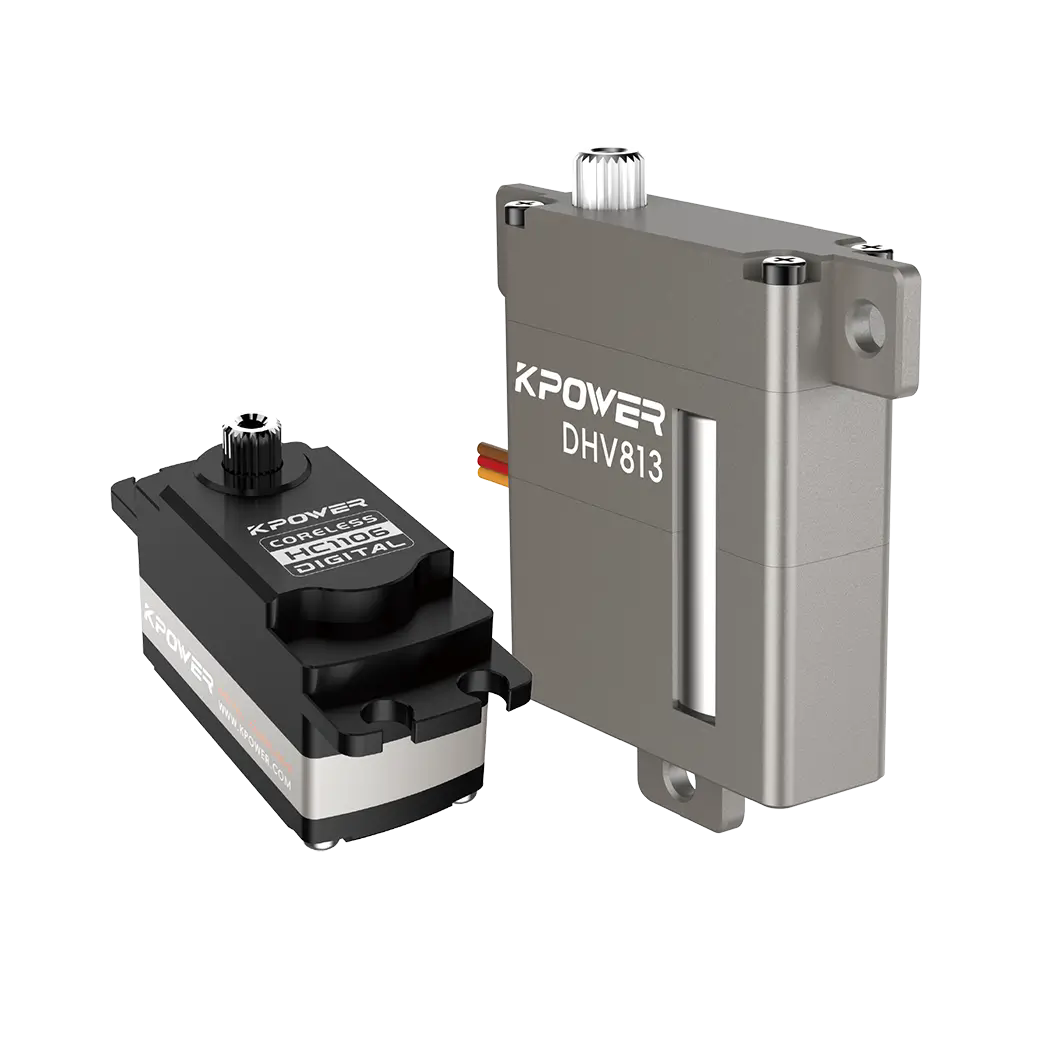
Recently, many friends who are engaged in product-related work came to me and complained about the difficulties they encountered when choosingservos for small robots or models: There are many types of microservoon the market, and the parameters they present are almost the same at first glance. This makes them very confused when choosing. How should they choose to avoid problems? After installation, either theservokeeps vibrating, or the torque does not meet expectations, or even worse, it stops running within a few days of use. Today we are going to take an in-depth look at this little object and help you thoroughly understand the trick.
There are a dazzling array of servo products on the market, which makes it difficult for many friends who make products to choose a servo for small robots or models. Faced with many micro servos, their parameters seem to be similar, and I really don’t know how to choose one without stepping on the wrong side. After installing it, either the servo kept vibrating and affected the use, or the torque was insufficient to meet the demand, or it even broke down in just a few days. So today I’m going to talk about this little thing to help you understand all aspects of it.
When many friends use a micro analog servo for the first time, the most troublesome situation is that the motor makes a buzzing sound after installation, and the servo arm shakes like a convulsion. In fact, this does not necessarily mean that the servo has been damaged. It is most likely caused by insufficient power supply. Analog servos are extremely sensitive to voltage fluctuations, especially miniature models, which require a huge amount of current at the moment of startup. If your battery's discharge capacity cannot keep up, or the lines are too thin, the voltage will drop sharply, causing the logic of the control chip to fall into chaos.
The solution to this problem is actually not complicated. ️ Replace a battery with a larger C number, or connect a capacitor of more than 470uF in parallel near the servo line. In this way, you will find that the whole world has returned to peace.
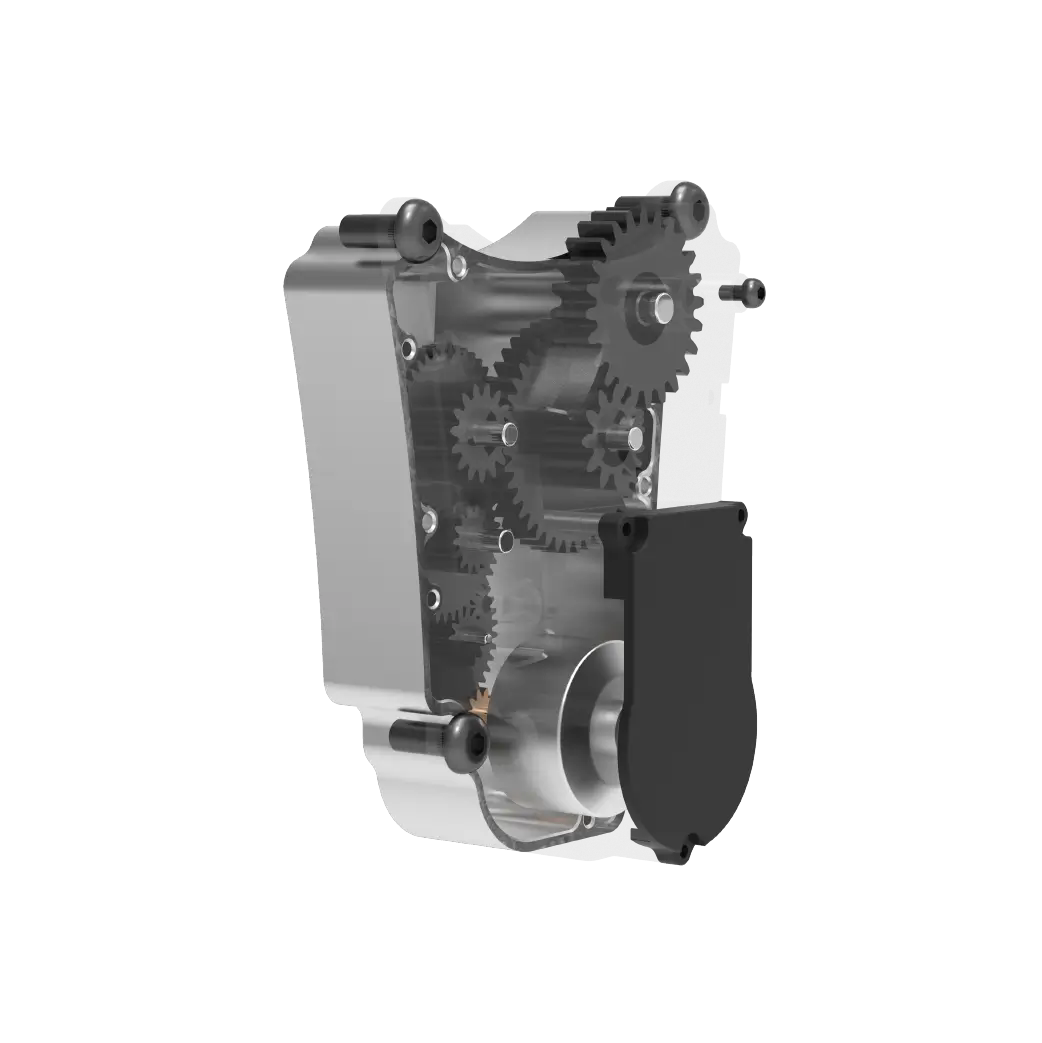
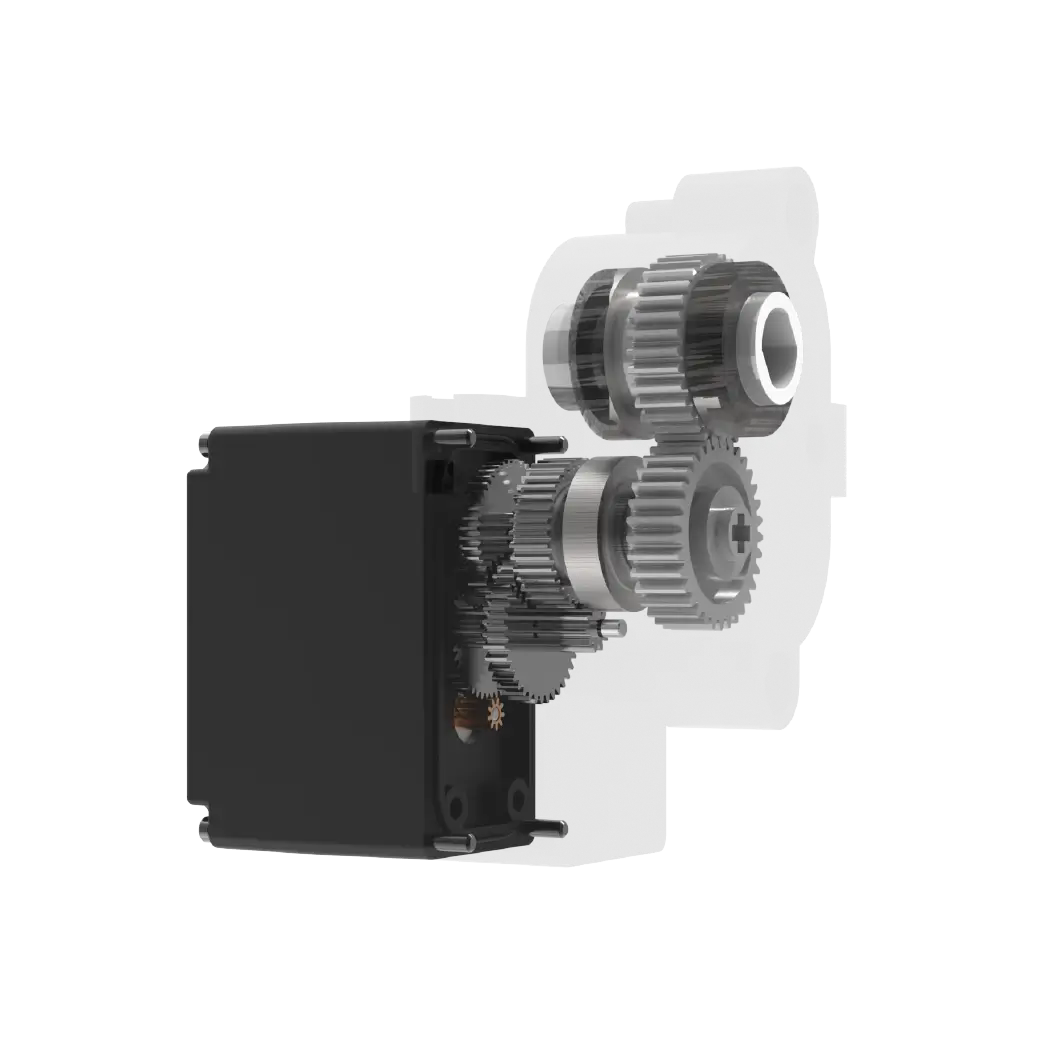
This is probably the most confusing part when choosing a servo. Due to its small size, the gears of the micro analog servo are extremely finely made. Plastic gears have the advantages of being cheap, running smoothly, and making little noise. Once overload damage occurs, it is usually only the gear that is damaged and does not cause damage to the motor. However, its disadvantage is that it is more afraid of falling and collision, and tooth sweeping may occur if it is subjected to a slightly larger external force. Metal teeth look very strong, but don’t worship them blindly. The metal teeth of the micro steering gear have extremely high requirements for processing accuracy. If the process does not meet the standards, it will accelerate the wear rate. My suggestion is: if it is used on a fixed-wing aircraft or a car, plastic teeth are enough; if it is used on a robotic arm or somewhere that needs to withstand frequent external forces, then consider metal teeth.
Newbies who are new to this field are often confused about these two concepts. Judging from their internal structure, the two are very similar, but the core difference is reflected in the processing method of the control chip. The analog steering gear we are discussing today is like a loyal and honest person. Once it receives a signal, it will rotate according to the given force. The digital servo responds more quickly and locks more accurately.
But this does not mean that analog servos are at a disadvantage. On the contrary, in the field of micro servos, the analog version has an inherent advantage - low price and simple circuit, making it easy to repair after failure. And for most models, the response speed of the simulated steering gear is tens of milliseconds, and the delay is not noticeable at all with manual operation.
There is such a phenomenon on Taobao. Many servos are clearly marked as "digital servos", but the actual price of the servos sold is the price of analog servos. What's more, they claim to have "3kg torque", but after installation, they cannot even lift an egg. Here's how to tell the difference: First of all, the torque parameter generally refers to the locked-rotor torque, and this is measured at a specific voltage. For example, under the two voltages of 4.8V and 6V, the torque difference will be very big. Secondly, we should pay attention to the working current. Taking a micro analog servo with a nominal size of 3kg as an example, if its locked-rotor current is only 200mA, then it can basically be determined that the servo is a virtual standard. The most reliable way is to directly search the official website of the steering gear brand and check their data manual. The parameters given by the official are usually conservative but true and reliable. If you buy according to these parameters, you will basically not go wrong.
When installing a newly purchased micro analog servo onto the product, many people simply click and tighten the screws and feel that they are done. However, there is a key detail here: if the screw is tightened too deep and hits the internal motor housing, the rotor will become stuck. Or the servo arm may be installed at an incorrect angle, and it will hit the limiter as soon as the power is turned on.
The correct approach should be to energize the servo first so that it returns to the neutral position automatically, and then install the servo arm. In addition, the length of the fixing screws must be strictly controlled. Once it penetrates the shell, the servo will basically be scrapped. These seemingly insignificant details are often the key to determining the success of your product.
Wanting your micro analog servo to have a long service life is actually similar to driving a car. First, don't let it stay in a stalled state for a long time. Just like when the mechanical arm is stuck, the servo is still buzzing and running hard. As a result, the driver chip will be burned out in a short time. Second, pay attention to the working temperature. When it feels hot to the touch, you should let it rest for a while. Third, special grease needs to be added to the gears regularly, which can effectively reduce wear.
In many cases, the servo cannot be used normally, not because of poor quality, but because the operating environment is too harsh. As long as you do these routine maintenance tasks, a set of servos can accompany you for several years of play.
After reading this, do you know how to choose and use micro analog servos? Think back to the servo problems you encountered before. Was it because the power supply was not working properly or because the parameters were misread? Welcome to chat about your experience in the comment area. If you find it useful, don’t forget to give it a like and share it with more friends!
Update Time:2026-03-01

Contact Kpower's product specialist to recommend suitable motor or gearbox for your product.