






TECHNICAL SUPPORT


Published 2026-03-14
You may have had this experience - you assemble the drone with great joy, only to find it yaws, rolls, or even explodes as soon as you fly it. The problem likely lies in that unassuming helm. As the "steering wheel" of the drone, the selection, installation and debugging of the rudder directly determines your flight experience. Today we are going to talk about how to remove the hard bone of the helm and make your drone fly as steadily as an old dog.
There are currently three mainstream rudder surface materials on the market: foamed plastics, engineering plastics and carbon fiber composite materials. Foamed plastic is the lightest and suitable for micro drones under 250 grams, but its strength is average and the drone is prone to breakage. Engineering plastics have good toughness and strong impact resistance, and are the first choice for most consumer drones. Carbon fiber materials have excellent rigidity and are suitable for high-speed traversing machines or load-carrying drones, but they are more expensive and difficult to process.
When choosing a material, you can't just look at the parameters, it must be combined with your actual use. If it is just for daily aerial photography, engineering plastics are completely sufficient and have the best balance between weight and strength. If you want to play racing, the carbon fiber steering surface can ensure precise control at high speeds. Remember one principle: as long as the strength is met, it can be as light as possible. After all, every 1 gram lighter on the control surface will increase the maneuverability of the aircraft.
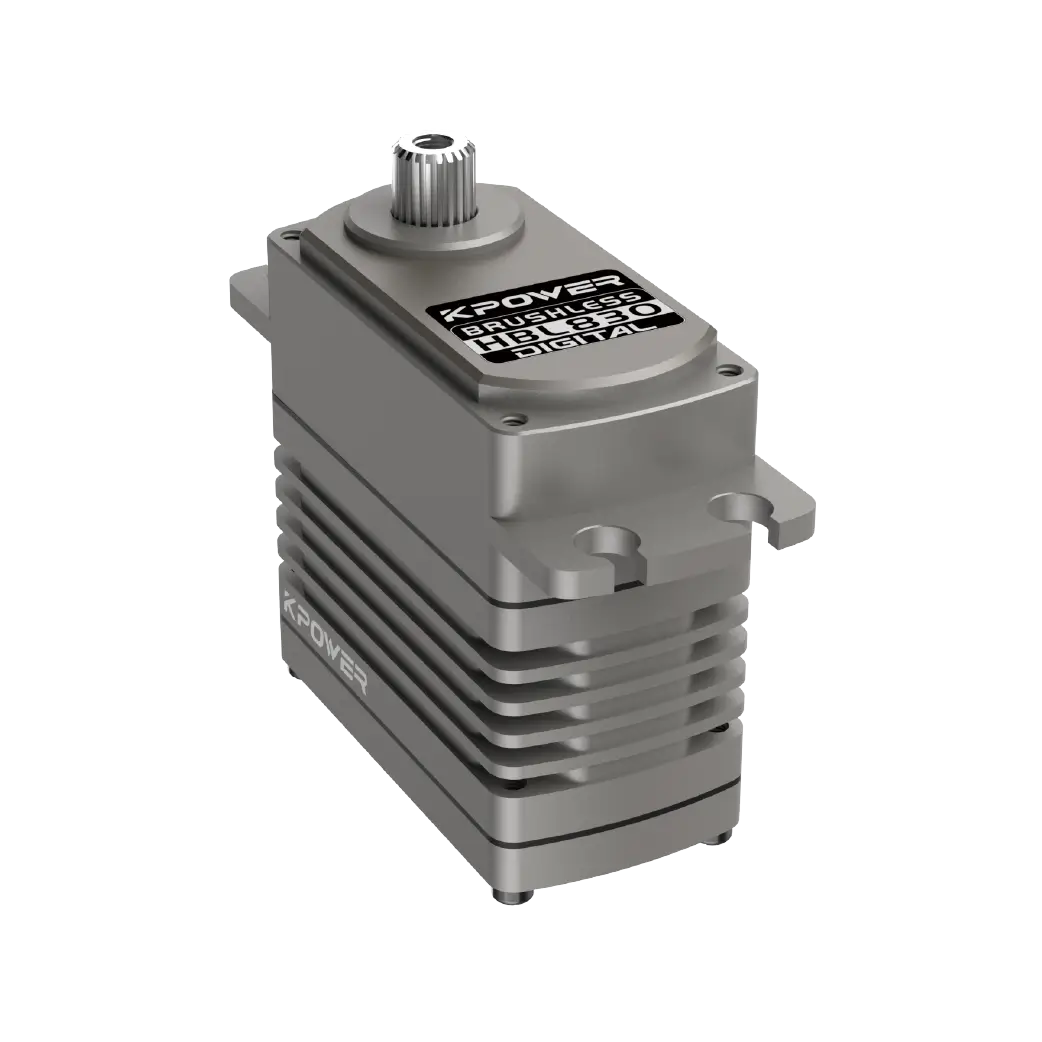
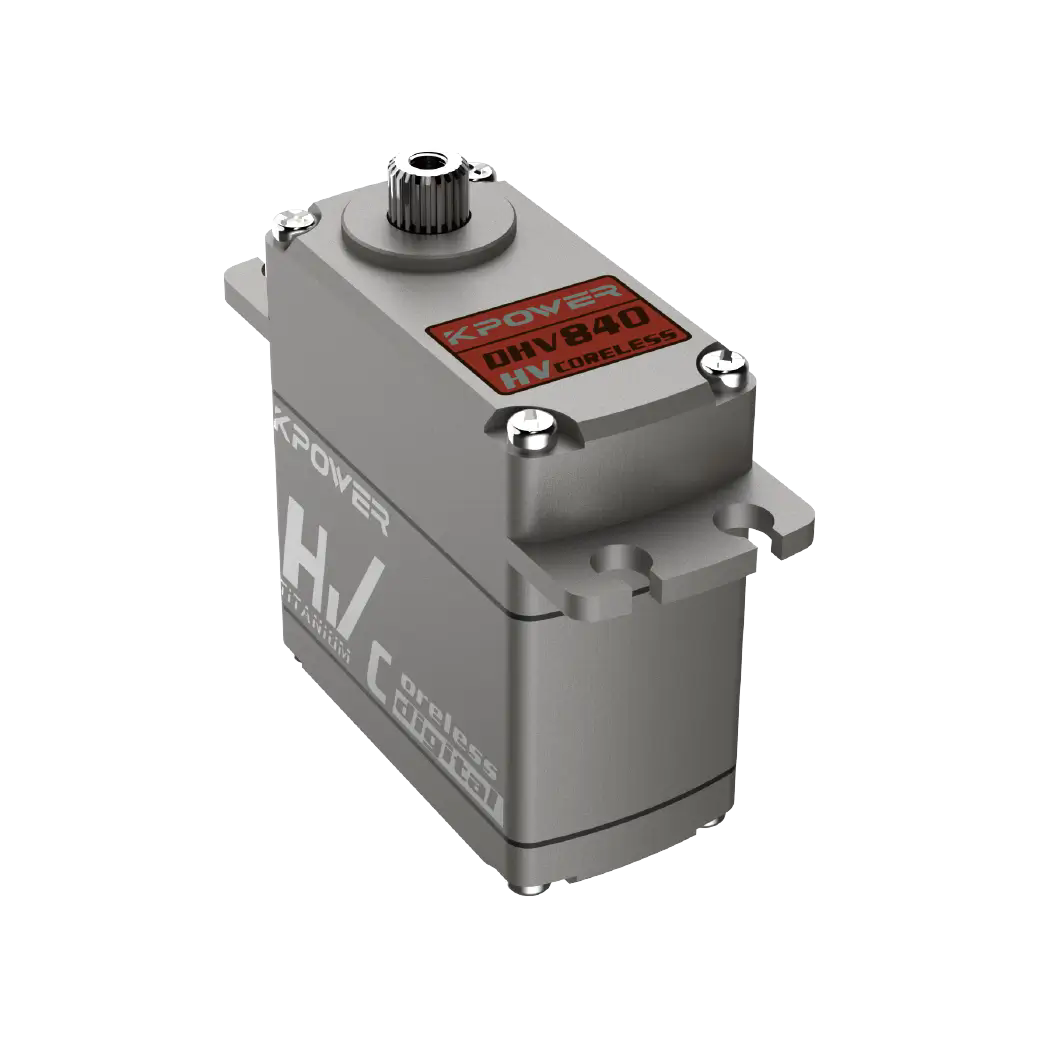
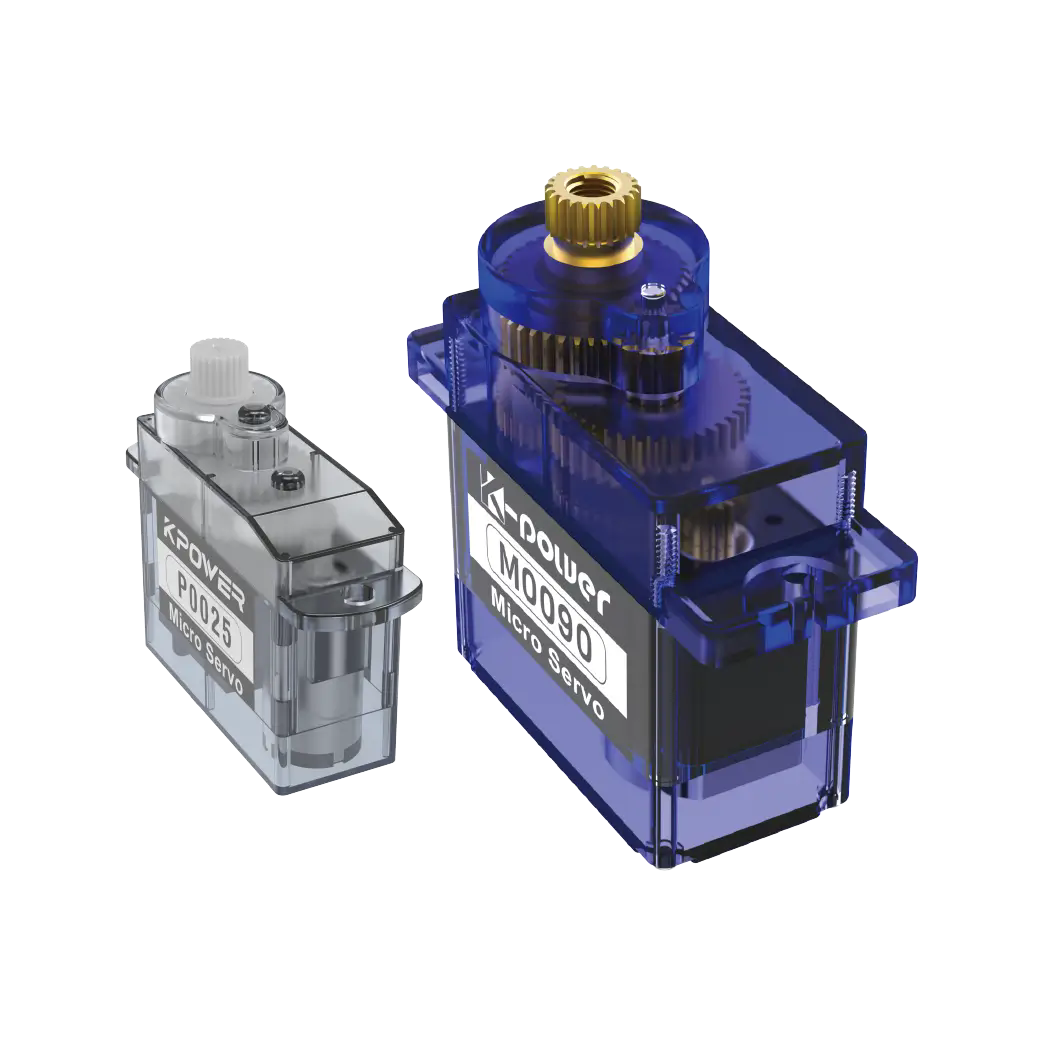
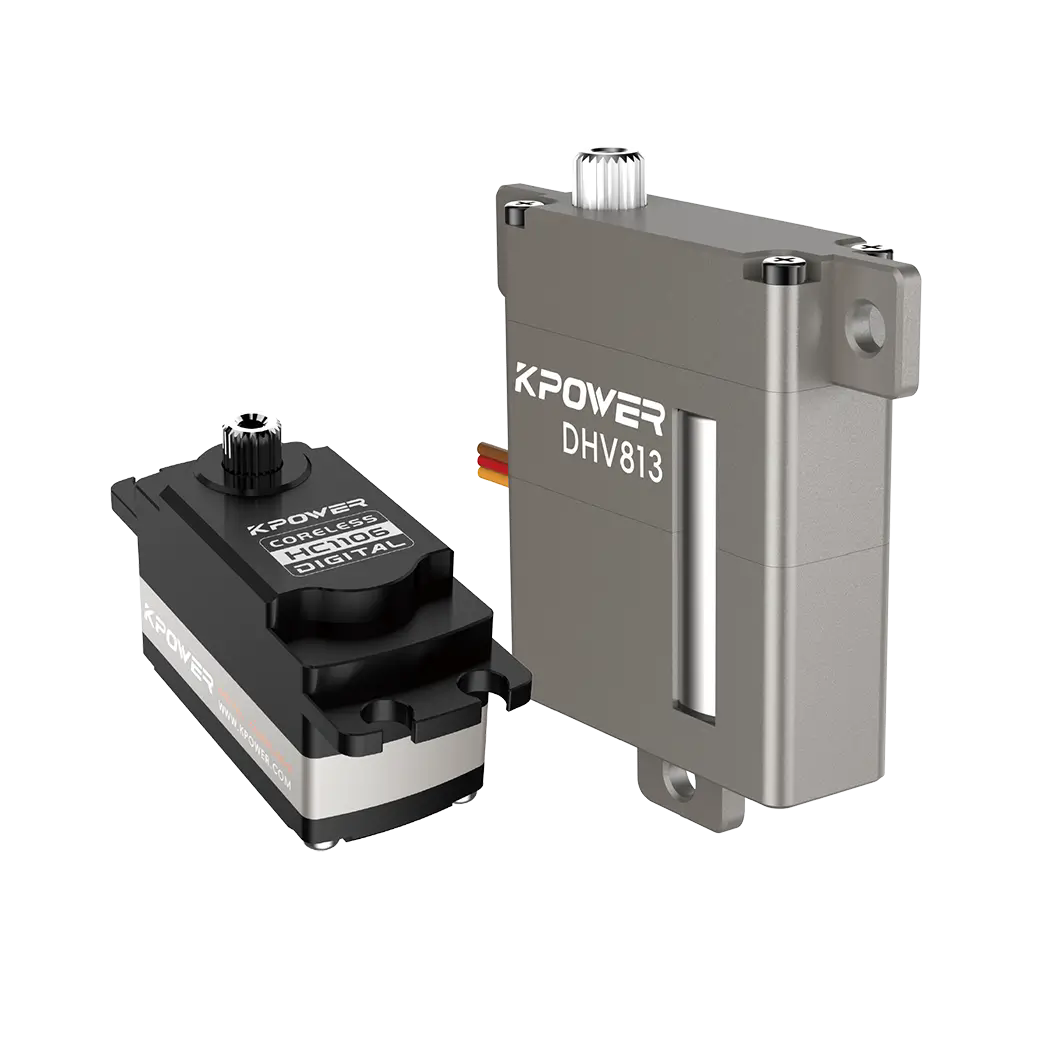
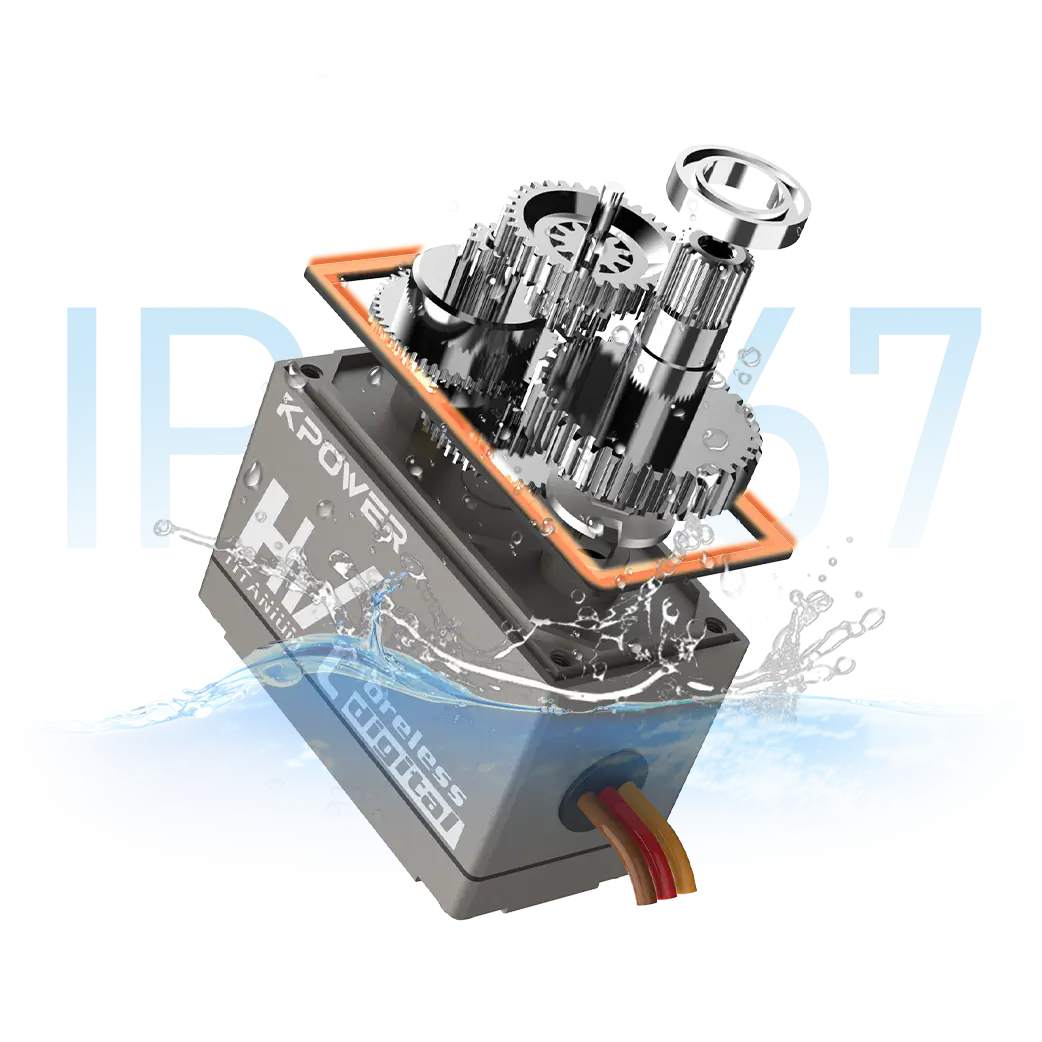
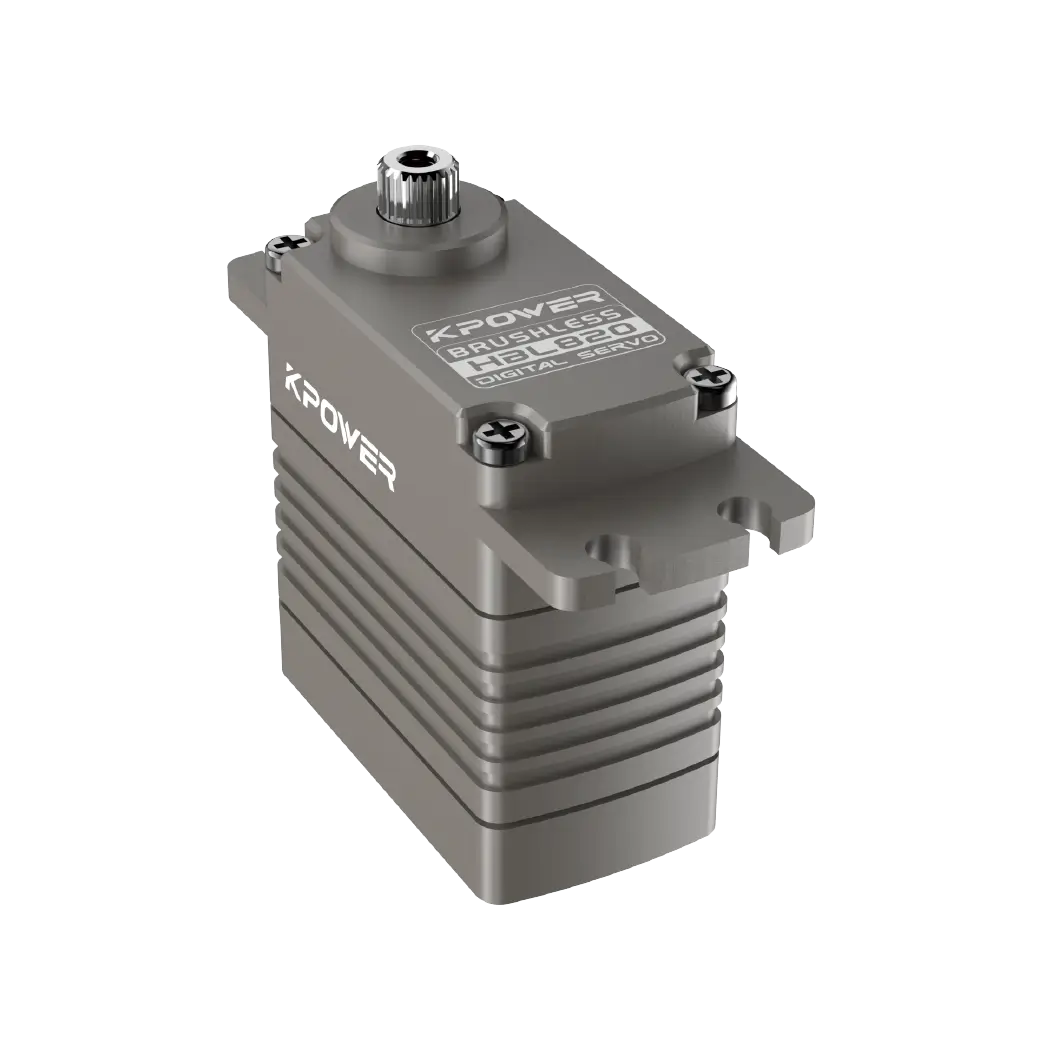
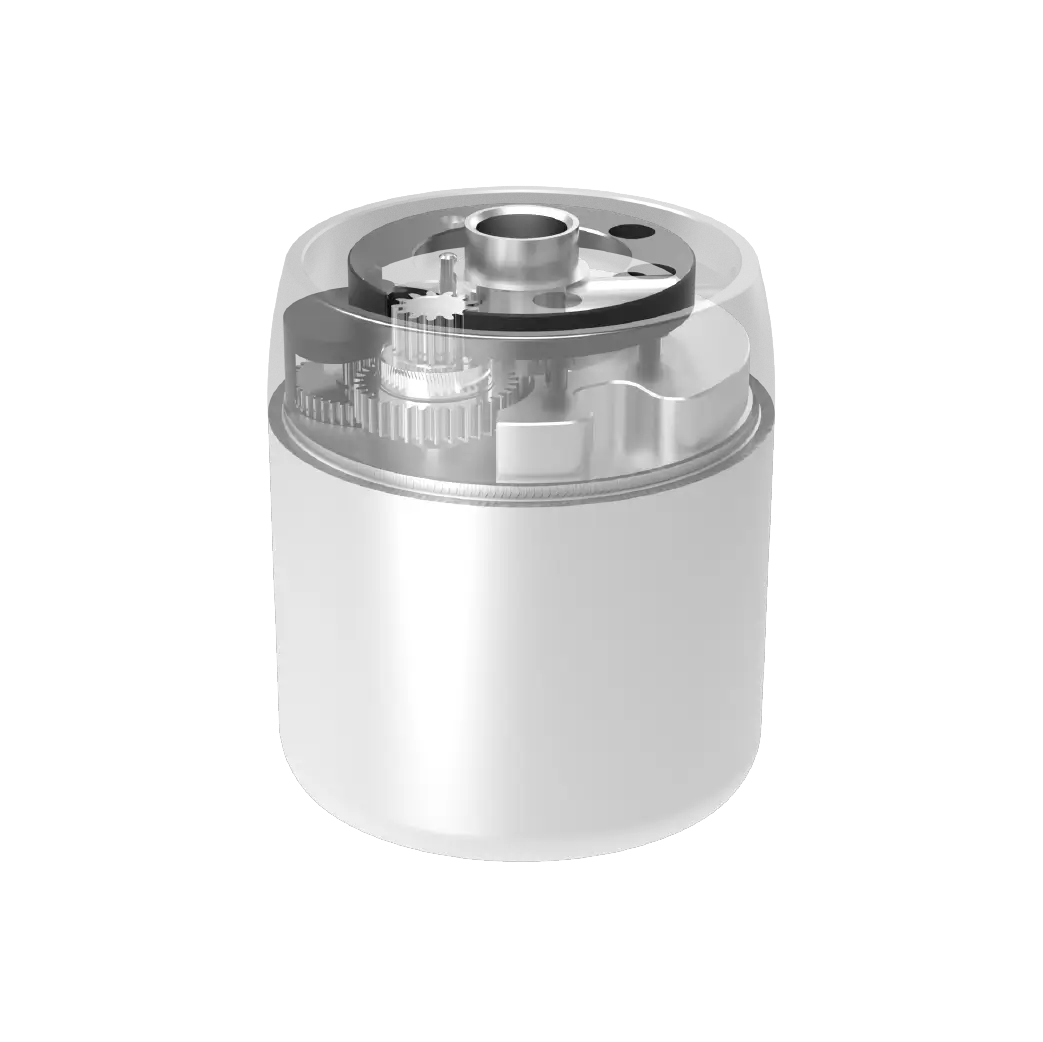
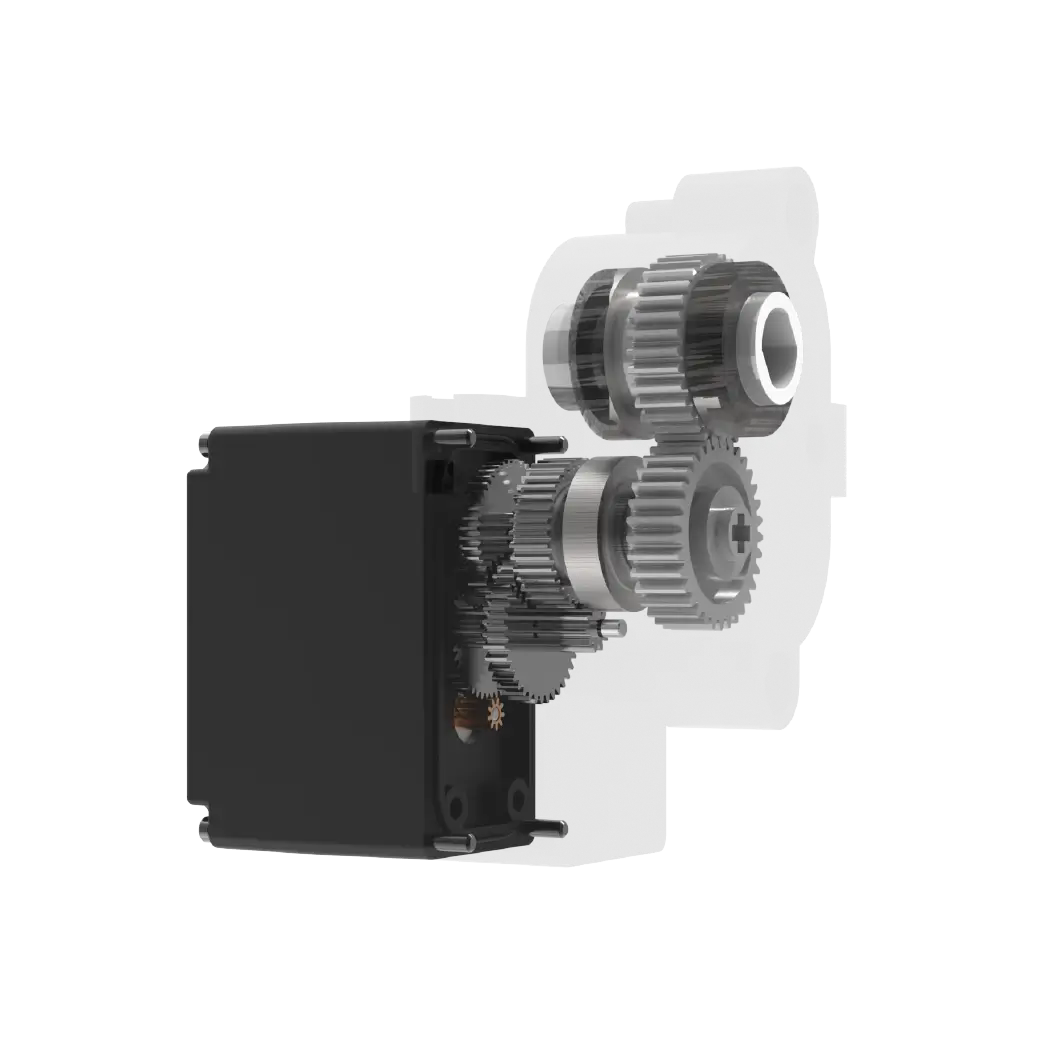
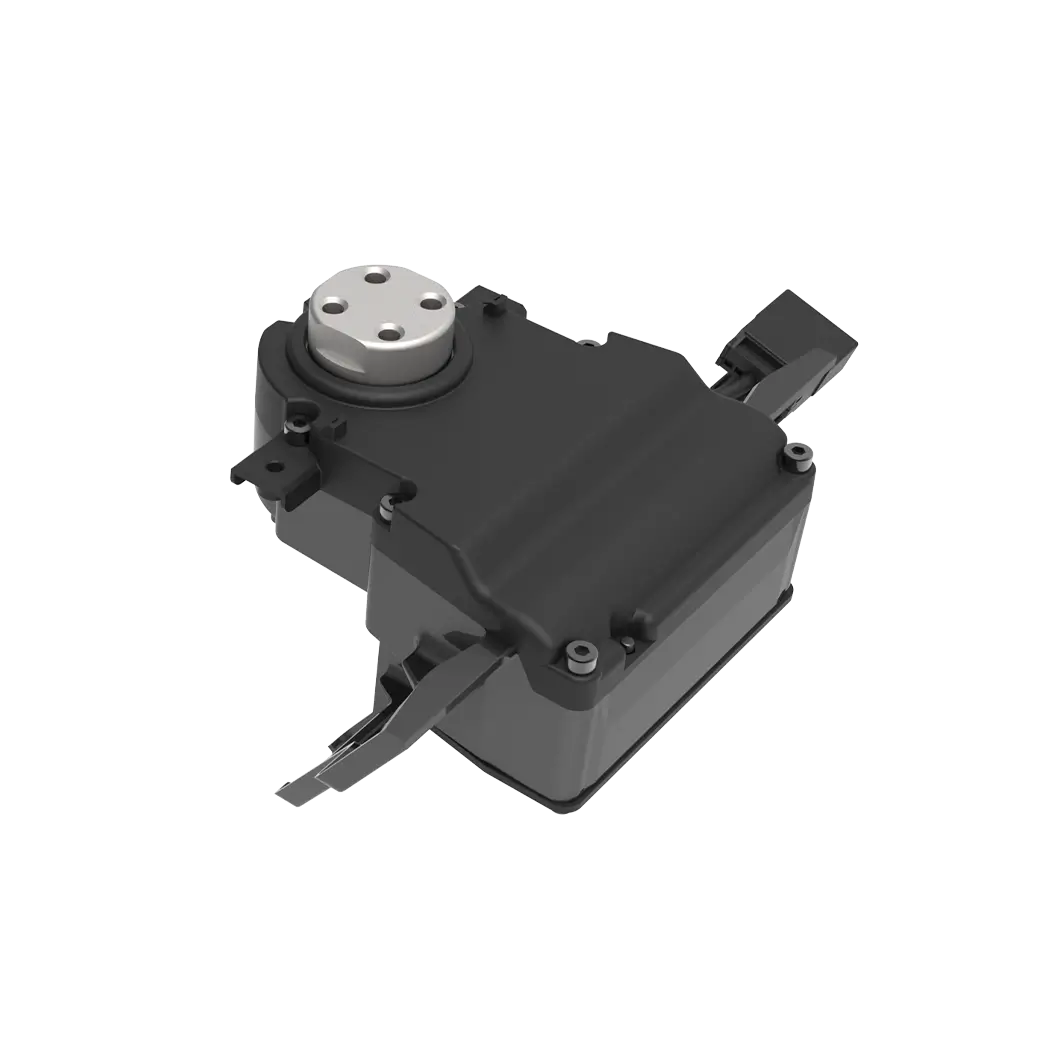
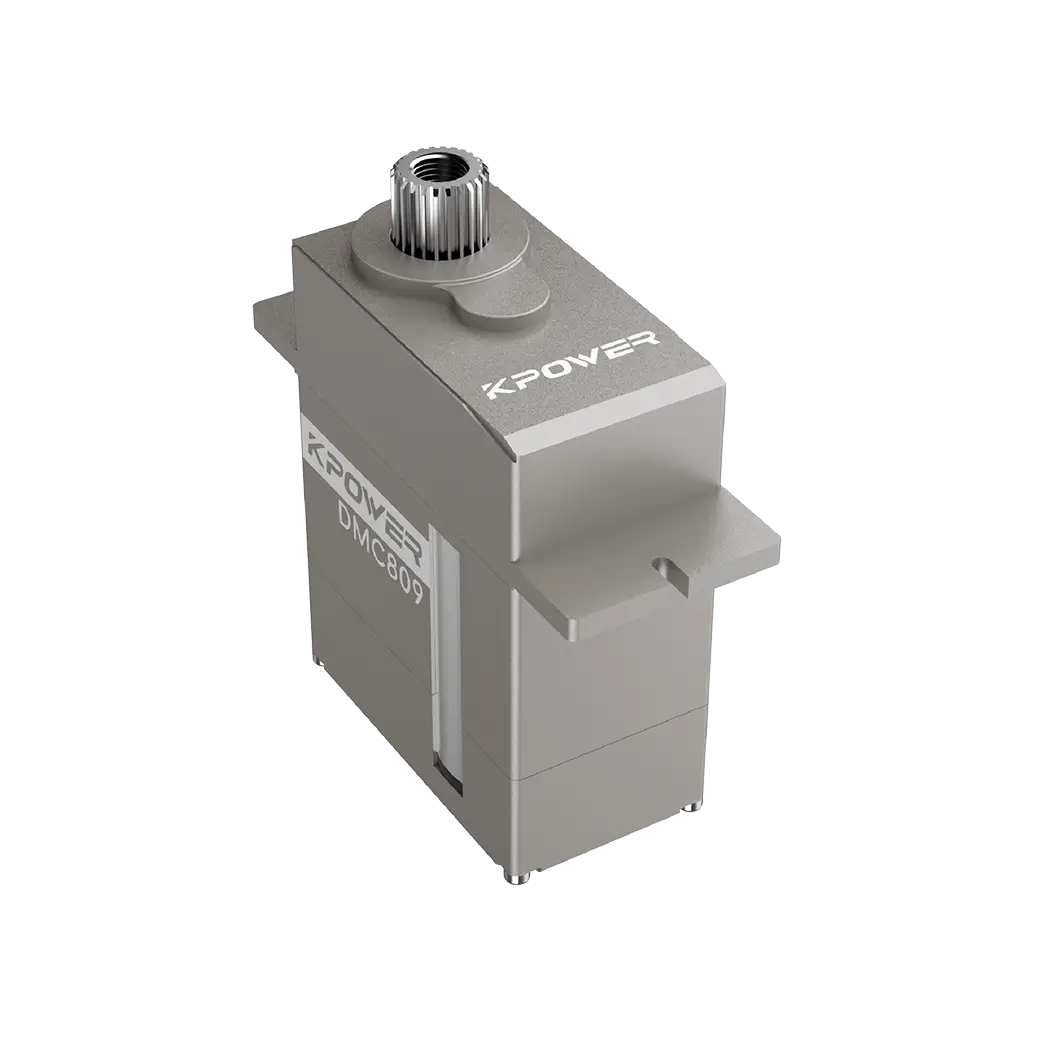
The steering gear is like the engine of the rudder surface. If the power is insufficient, the rudder surface cannot be pushed, and the aircraft will respond slowly. Excessive power not only wastes electricity, but may also damage the rudder surface structure. Many novices directly buy high-torqueservos, but the result is that the rudder surface shakes violently when flying. This is because the excessive torque causes signal oscillation. Matching theservodepends on three parameters: steering surface area, flight speed, and operating voltage.
Let me give you a simple calculation formula: required torque (kg·cm) = rudder surface area (dm²) × wind speed and pressure coefficient. The coefficient of ordinary slow-speed machines is 0.5, and that of high-speed machines is 1.0-1.5. For example, if a 2 square decimeter steering surface is used on an ordinary aerial photography machine, a 1kg·cm steering gear is enough. Remember to leave a 20% margin, but don’t go too much. It's like buying a car. If you have to install a 3.0T engine with a 1.5L engine, it will not drive smoothly.
️ The first step is to confirm the neutral point of theservo. After powering on, adjust the servo arm to 90 degrees. At this time, the steering surface should be completely centered. Many people skip this step in order to save trouble, and as a result, they always have to use the rod to make corrections when flying. In the second step, special attention needs to be paid to the angle when installing the rudder angle. The steering gear rod and the rudder surface must be kept vertical, otherwise a dead zone will be formed.
There is another detail during actual installation: the hinge gap is ideally controlled at 0.3-0.5 mm. If the servo is too tight, the load will be heavy; if it is too loose, the servo will be empty. I am used to using double-sided tape to temporarily fix it, and then apply glue to permanently fix it after testing the movement smoothly. Remember that the left and right rudder surfaces must be completely symmetrical. If the height difference exceeds 1 mm, it will spin when flying.
When debugging, follow the order of "mechanical first, then electronic". Mechanically, check whether the rudder surface moves smoothly and whether the tie rod is bent. In terms of electronics, first set 100% rudder volume on the remote control and observe whether the maximum deflection angle of the rudder surface reaches the standard. Usually the elevator deflection angle is 25-30 degrees, and the aileron angle is 20-25 degrees. If it is too large, it will cause stalling.
Don't rush to change the servo if you encounter rudder surface vibration. It may be that the length of the connecting rod is inappropriate, causing the servo to hold back its force. Remove the servo arm and readjust the length of the connecting rod to center the rudder surface, and 90% of the vibration problems can be solved. Another common problem is that the rudder surface is not returned to the center accurately. Check whether the servo potentiometer is dusty, or add a little lubrication to the ball head of the tie rod.
Sudden loss of control during flight is often caused by a problem with the control surface. Check the rudder surface for cracks, especially the hinges, which are most susceptible to fatigue fracture. If the rudder surface is stuck, it may be caused by foreign objects getting stuck or the bearings being rusted. Before each flight, move the rudder surface with your hands to feel the resistance. If the response is slow, first measure the servo voltage. If it is below 4.8V, replace the battery.
I once suffered a loss myself: I used tape to repair a crack in the rudder surface, but the tape fell off in the air and I lost control. Later, I learned a lesson and kept a set of original steering surfaces to replace them at any time. It is recommended that you also prepare a "rudder first aid kit" containing several spare tie rods, rudder angles of different specifications, and precision screwdrivers, which can save a lot of trouble in flight field maintenance.
Nowadays, many drones are beginning to use flexible rudder surfaces, which are deformable like bird wings, and their maneuverability is significantly improved. There are also manufacturers that embed optical fiber sensors on the rudder surface to monitor the stress in real time and automatically alarm when overload occurs. If you are doing product innovation, you might as well try modular rudder design and quickly replace different airfoils like Lego.
From an aerodynamic point of view, the slotted rudder surface can greatly improve low-speed controllability. Although the processing is complicated, it is worthwhile to use it on special-purpose drones. If you are developing a new model, it is recommended to use 3D printing to make several rudder prototypes. Wind tunnel test data is much more accurate than software simulation. Don’t be afraid of trial and error. There is actually a lot of room for optimization in rudder design.
What is the most troublesome problem you have encountered when debugging the drone's control surface? Is it difficult to eliminate the virtual position or is the servo frequently burned out? Welcome to share your experience in the comment area. If you encounter common problems, I will make a video to explain them. If you find the article useful, please give it a like so that more flying friends can see it. We will talk about the matching skills of ESCs in the next issue.
Update Time:2026-03-14

Contact Kpower's product specialist to recommend suitable motor or gearbox for your product.