







TECHNICAL SUPPORT


Published 2026-03-15
The ship's electro-hydraulic steering gear serves as the "steering wheel" of the ship, and its selection is directly related to navigation safety and control performance. When many friends first come into contact with this field, they often feel confused when faced with various types. Today, from the perspective of an experienced engineer, I will help you sort out these types ofservos, so that you can feel more confident when choosing one.
The core principle of the electro-hydraulic steering gear is actually not complicated. It uses electricity to drive an oil pump, which pumps out high-pressure oil. The high-pressure oil then pushes a component called a "ram" or "rotor blade." This component is connected to the rudder stock. With a push and a pull, the rudder blades start to rotate. The whole process is a bit like pushing water with a syringe, except that hydraulic oil is used here and the force is much stronger.
In order to ensure that the steering gear can respond at any time, the system is usually equipped with two sets of electric pump sets, one working and one backup, or two working at the same time. When you turn the steering wheel in the cab, the signal is transmitted to the motor, which drives the oil pump. The pressure and flow of the oil are precisely controlled, and the steering wheel can obediently turn to the angle you need.
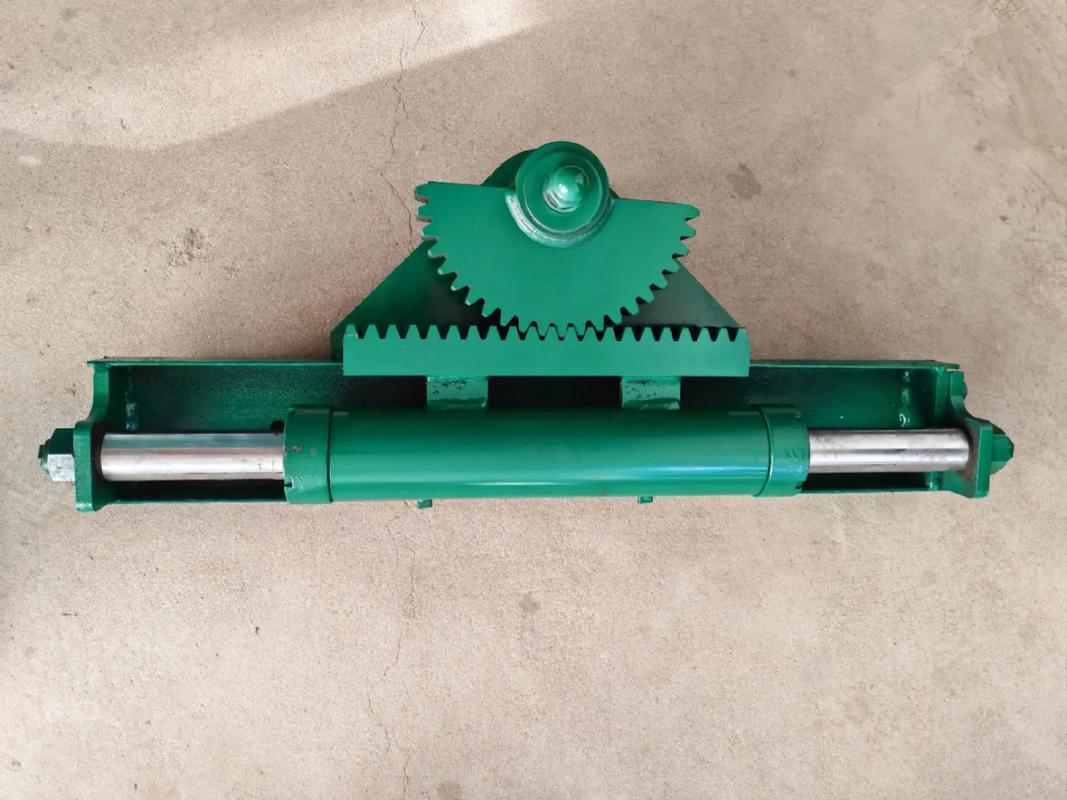
The most common classification is based on the form of the actuator, which is mainly the reciprocating type (also called the striker type) and the rotary vane type. The reciprocatingservois like a strong man doing push and pull movements. The two striker rods push and pull back and forth in the oil cylinder, driving the rudder stock to rotate through the tiller. This structure is particularly durable, easy to maintain, and is very common on medium and large ships.
The rotary vane steering gear is much smaller. It integrates the oil cylinder and the tiller into a housing. There are several "rotor blades" like fan blades inside, which rotate directly against the rudder stock. This kind of steering gear has a compact structure, high efficiency, and no exposed pipelines. It is especially suitable for stern engine rooms with limited space. For example, some tugboats or fishing boats like to use it.
First of all, you have to calculate how much torque is on the rudder stock. This is just like choosing an engine based on horsepower. If the torque is not enough, the rudder will not turn at all. You can make an estimate based on the ship's sailing area, speed and rudder blade area, or you can directly ask the steering gear manufacturer to help calculate it. They have enough experience and can make accurate calculations. Don't choose based on your head. If it's too small, something will happen, if it's too big, it'll be a waste of money.
The next step is to consider your installation space and maintenance habits. If the cabin is spacious and the repairman is skilled, a reciprocating model is a good choice. Accessories are easy to buy and the technicians can repair them. If space is at a premium and you are pursuing high equipment integration, then look at the rotary vane type. It is clean and tidy, but be aware that it requires higher cleanliness of hydraulic oil, and the filtration system must keep up.
Regular oil changes are an absolute top priority. Hydraulic oil will deteriorate and become dirty after being used for a long time, and the impurities in it will wear the pump valve, causing stuck or internal leakage. It is generally recommended to check the oil quality at least once a year, filter it when necessary, and replace it when necessary. When changing the oil, don't forget to clean the fuel tank and filter thoroughly to prevent new oil from entering and becoming contaminated again.
Also pay more attention to the seals. Check whether there is oil leakage on the shaft head of the striker or rotor blade, and whether the oil pipe joint is loose. If leakage is discovered, it must be dealt with immediately, otherwise air will enter the system if there is less oil, and the steering efficiency will be deteriorated. In severe cases, the oil pump will be damaged. Don't be lazy when checking fasteners. Make sure that the connecting bolts between the steering gear base and the tiller are tight.
A small fishing boat or yacht of several hundred tons can be handled with a low-power rotary vane steering gear. It is highly integrated and the entire system can be made into a compact unit and does not take up much space when placed at the stern of the ship. It is enough to equip it with a motor oil pump set. For safety, you can also equip it with a manual emergency pump, which can still operate in case of power failure.
Cargo ships or passenger ships above 1,000 tons must use reciprocating or large-displacement rotary blades. This kind of ship often requires two pump sets to work at the same time, or one main and one backup to automatically switch. Some large ships are also equipped with accumulators. When the pump does not start, the stored pressure oil can maintain the rudder effect for a short period of time, leaving valuable time for emergency response.
The most common fault is that the rudder comes slowly or simply doesn't move. Don't panic first, check whether the oil level is low and whether there is air in the oil (listen to see if there is any abnormal noise in the oil cylinder). If there is no problem with the oil, check whether the motor rotates and whether there is pressure in the pump. If there is pressure in the pump but the rudder does not move, it is likely that the sealing ring in the cylinder is worn, causing internal leakage.
If the rudder runs out, that is, the rudder cannot be stabilized at a predetermined position, you need to carefully check whether the mechanical connection part is loose or whether the hydraulic lock valve is stuck. When encountering this kind of problem, if you are not fully sure, do not rush to deal with it forcefully. The safest way is to first try to switch to the backup pump set, and then contact the steering gear manufacturer or professional maintenance personnel to deal with it. They will use professional tools to help you find the root cause of the problem.
Rudder running is a difficult problem during ship navigation. Once the rudder runs out and the rudder cannot stabilize its position, the cause needs to be investigated in an all-round way. In addition to checking whether the mechanical connection is loose and whether the hydraulic lock valve is stuck, you also need to pay attention to other factors that may affect the normal operation of the steering gear. If you lack confidence in handling such problems, do not operate blindly. The correct approach is to first switch to the backup pump unit and try to initially determine the problem. Then contact the steering gear manufacturer or professional maintenance personnel as soon as possible. They have professional knowledge and tools and can accurately find the root cause of the problem, thereby properly solving the problem of rudder running and ensuring the safety and stability of ship navigation.
After reading these classifications and introductions, do you have an idea of which steering gear to choose? In your actual ship applications, which steering gear problem causes you the most headache? Welcome to share and communicate in the comment area, and don’t forget to like it so more friends can see this article!
Update Time:2026-03-15

Contact Kpower's product specialist to recommend suitable motor or gearbox for your product.