







TECHNICAL SUPPORT


Published 2026-03-15
Is this the case for you too? I wanted to make my own small inventions and robots move, so I searched forservos on the Internet for a long time, and saw the model "microservo". The parameters looked similar, but I just didn't know if I could use it after buying it and how to use it. Don't worry, today I will talk to you about this microservoas a person who often deals with servos, from how to choose to how to play it, so that you can understand this thing.
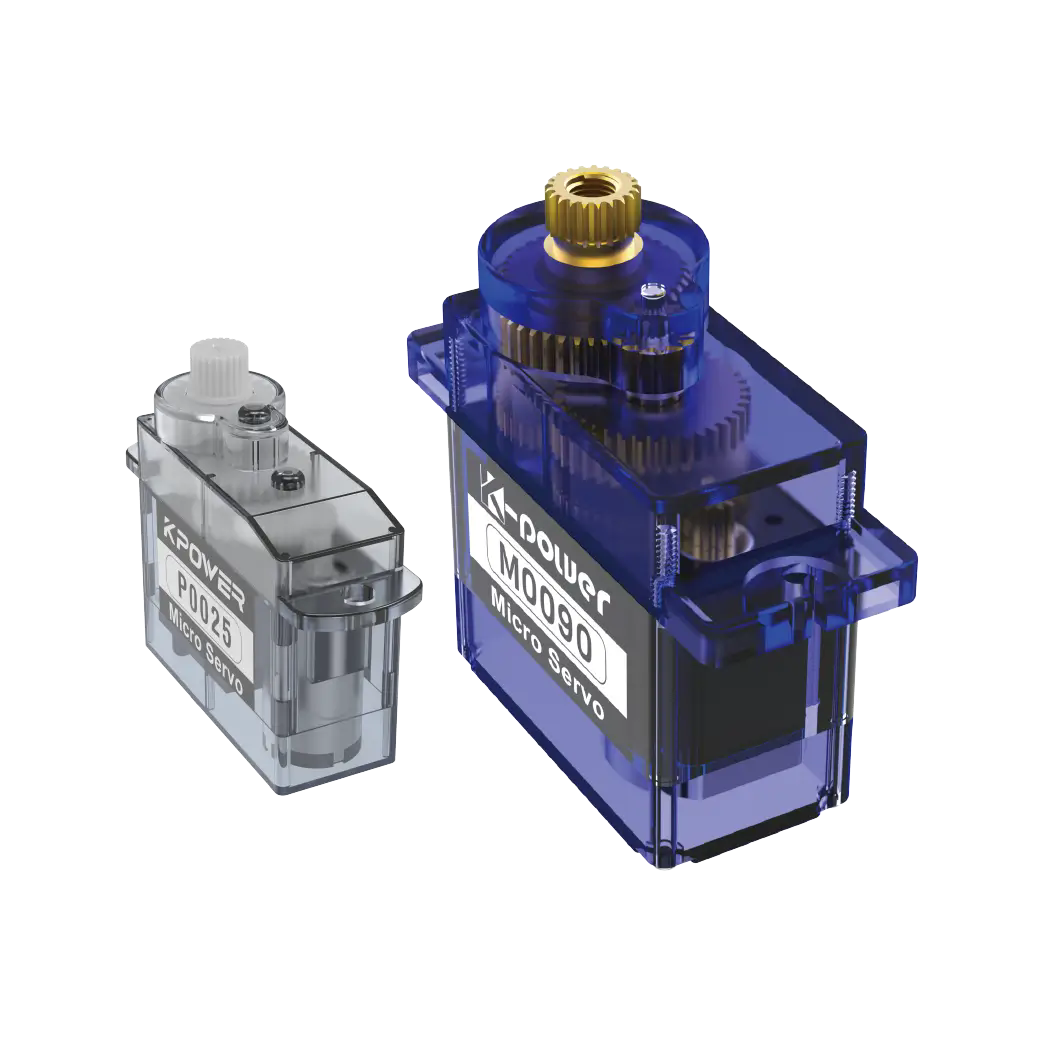
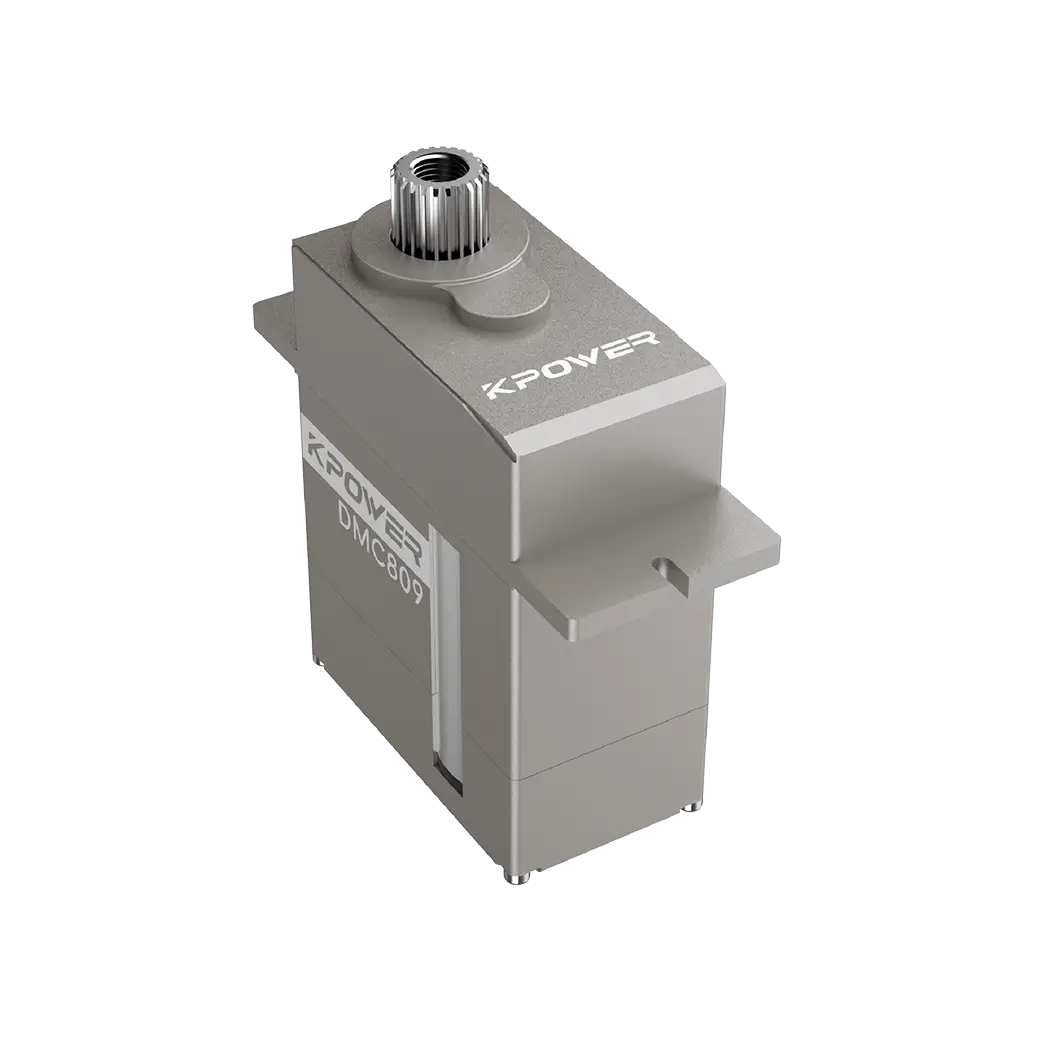
Don't look at them all, there are quite a few doorways inside. The first thing to look at when choosing a servo is torque and weight, which is the same as looking at horsepower and fuel consumption when buying a car. This type of servo is often called a 9-gram servo, which means it is very light and is especially suitable for weight-sensitive projects such as robot fingers and small gimbals. What you need to do is to first weigh the weight of your structural parts and how heavy the steering gear needs to be pulled. Don't choose one that is too weak, otherwise it will be embarrassing if it cannot turn.
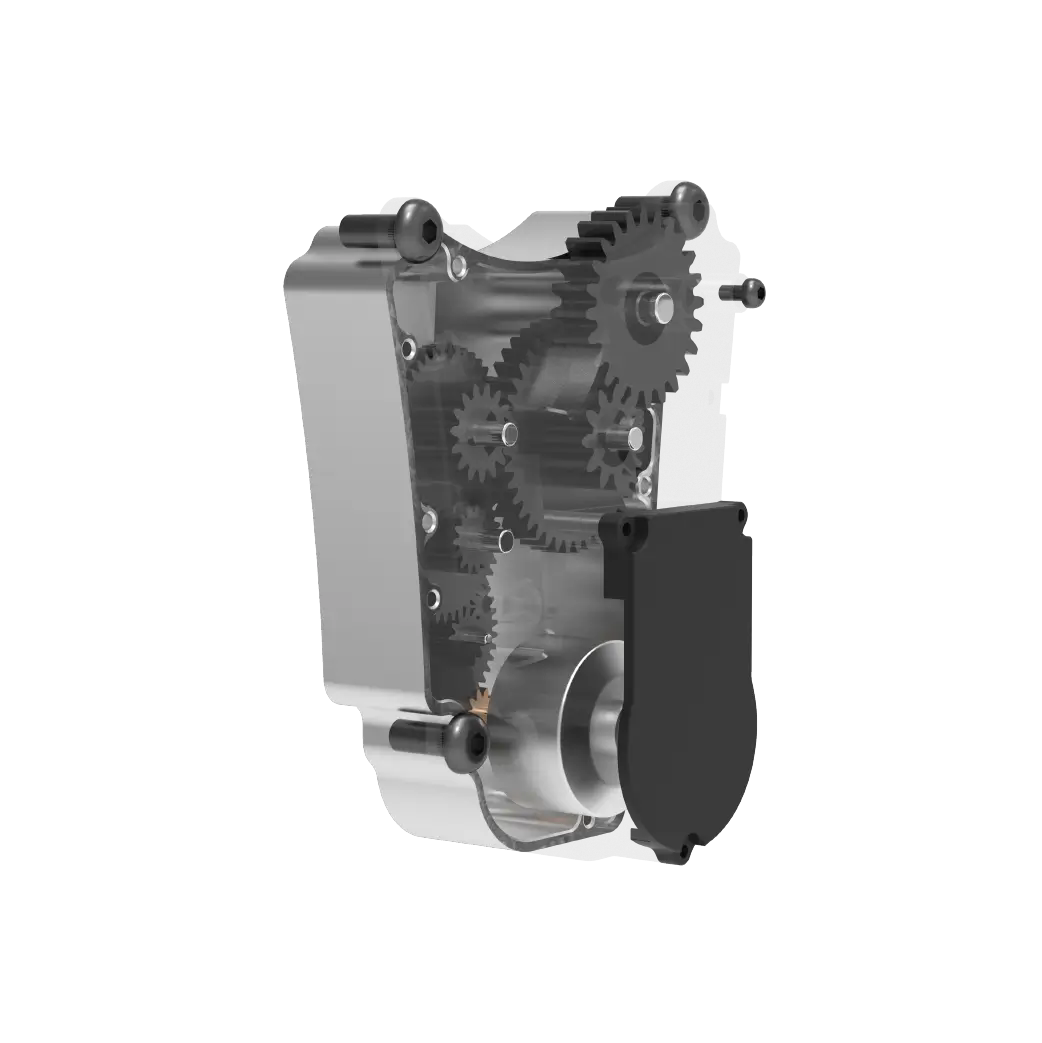
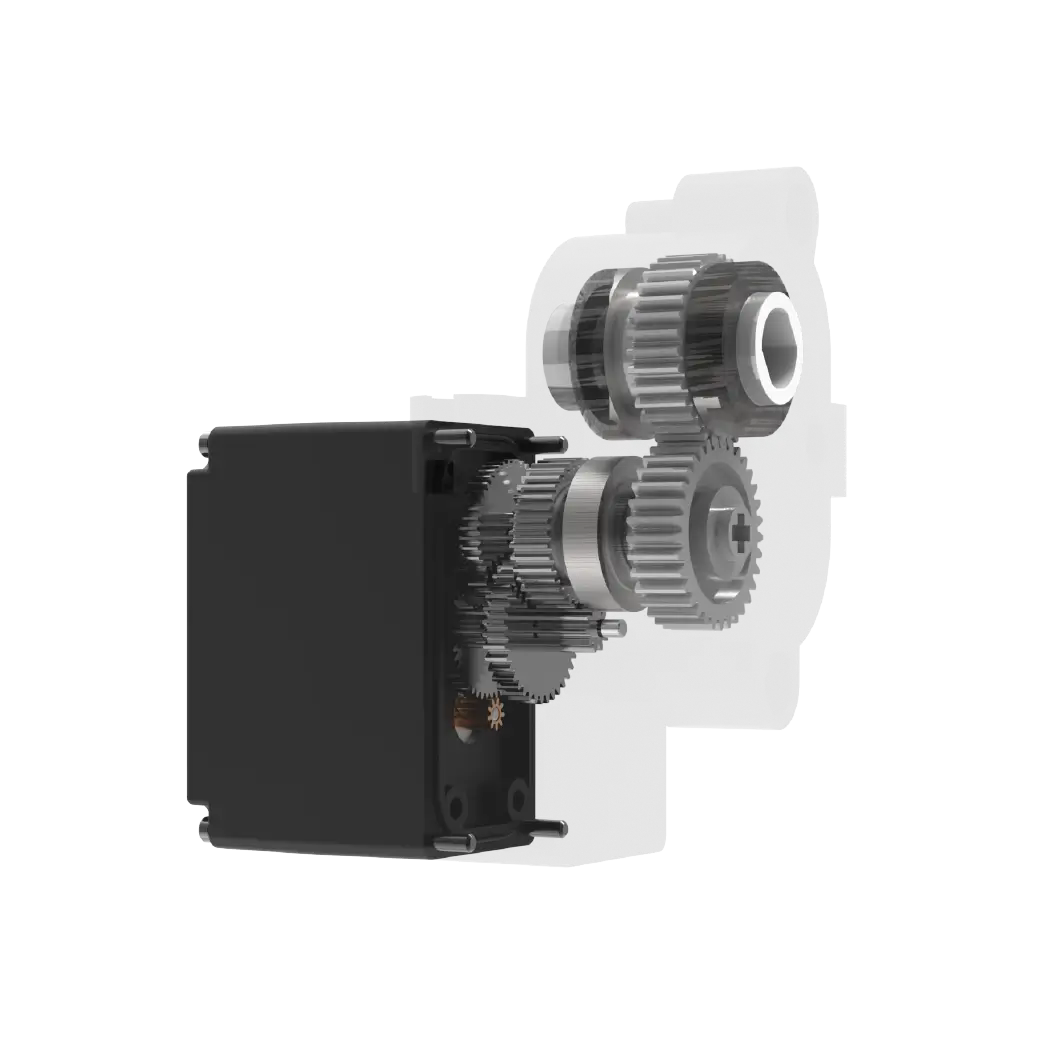
Another thing is to see if the gear is made of plastic or metal. Plastic gears are cheap and easy to replace if the servo is broken, so they are suitable for debugging. Metal gears are more expensive but are wear-resistant. If your project requires frequent movement and heavy stress, such as making a small mechanical claw to grab things, it is recommended to choose metal gears. Don't be greedy for cheap and buy those without brands. It is best to go directly to the official website of the steering gear manufacturer to read the detailed specifications. The relationship between torque and voltage marked on it is the most reliable.
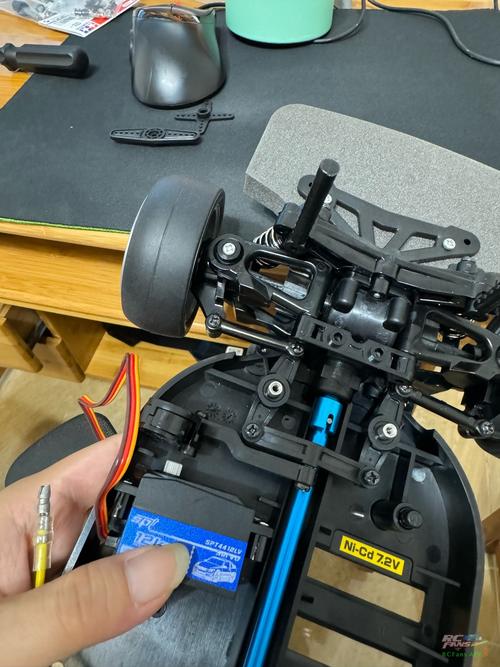
After you buy the servo, how to fix it on your 3D printed or wooden frame is a headache. Usually the servo will come with some small screws and a cross-shaped rocker arm. It is most stable to screw them directly into the reserved holes. But if you build the shelf yourself using hot melt glue or electro-optical panels, what should you do if the hole positions don’t match up? At this time, you can tie it with a tie or temporarily fix it with hot melt glue, which is simple and crude, but be careful not to get the glue into the gap of the servo's shaft.
Another crucial detail is that before installing the rocker arm (that little cross-shaped thing), you must first center the servo. How to return to the center? Connect the controller and send a command to turn the servo to 90 degrees. At this time, its output shaft will automatically turn to the middle position. Then install the rocker arm and try to install it as straight as possible. This is just like installing a door. If the position of the door axis is not determined correctly, the door will definitely be crooked. If the rocker arm is installed crookedly, the servo will easily get stuck as soon as it rotates, or even damage the servo. This step must not be omitted.
Are you a little confused when you see the three wires sticking out from the back of the servo? Don't be afraid, this is almost a unified international practice. Generally speaking, the brown or black wire is the negative pole (GND), which is connected to the ground of the power supply; the red wire is the positive pole, which is connected to the 5V power supply; the remaining orange wire (some are yellow or white) is the signal wire, which is connected to your control board, such as the PWM output pin. Remember, be sure to connect the ground wire first before turning on the power.
Pay special attention to power issues when wiring. The current of a servo is not large when it is unloaded, but once it is loaded, the current may rush to several hundred milliamps. If you connect several servos and directly use the 5V pin for power supply, it is easy to burn the motherboard chip. A safe approach is to separately connect the red wire of the servo to an external 5V power supply, such as several dry batteries or a voltage stabilizing module, and then connect the GND (ground wire) of all devices together to ensure that the signal is normal.
If you use it to control the steering gear, it is so simple and a fool-proof operation. The built-in Servo library has helped you encapsulate all the complex things. You only need to write# at the top of the code to import the library file, then create a servo object, such asServo ;then use.(9)insetup()function to tell the board that the servo is connected to pin 9, and finally use.write(90);inloop()to make the servo rotate to a 90-degree position.
To put it bluntly, writing a program means issuing instructions. The number range in parentheses of thewrite()function is generally 0 to 180, representing the angle. If you want it to go to the left, write 0, to go to the right, write 180, and the middle position is 90. Is it like holding the steering wheel of a remote control car and turning it full to the left, back to straight, and full to the right? You can try to make it change angles every second, swing back and forth, and watch the servo move according to your instructions. The sense of accomplishment from 0 to 1 is particularly satisfying.
Have you ever encountered this situation: the program is written correctly, but the servo is shaking like it's suffering from Parkinson's disease, or simply stuck in one place, as if it hasn't eaten. Don't panic if you encounter this. Eighty percent of the reason is "hungry", that is, insufficient power supply. This is just like if you run without eating, your legs will definitely feel weak. When the servo exerts force, a large current is required instantly. If the power supply cannot be supplied, the voltage will drop, causing the servo to twitch. The solution is very simple. Either change to a power adapter with a larger current output capacity, or connect a large capacitor in parallel to the positive and negative ends of the servo power supply, such as 470 microfarads to 1000 microfarads, and use it as a temporary "power bank".
If there is no problem with the power supply but it still shakes, it may be signal interference. Check whether your signal wire is too long, damaged, or tangled with high-current wires. It is also possible that the instructions issued in the program are too dense. You can let the servo take a breath after completing an action and try adding adelay(15). If none of the above works, it may be that the servo itself has expired. After all, this small servo is considered a consumable. If you replace it with a new one, the problem will be solved immediately.
After talking so much, what can this little thing be used for? Let me tell you, there is so much that can be done. Make a small robotic arm to pick up something; make a six-legged bionic robot and let it take two steps; or make a small cabinet that automatically senses the door opening; or even modify it on a camera platform to automatically track angles. Because it is small and cheap, it is perfect for entry-level product innovation and verification of your ideas. Many university robotics clubs start competitions with small servos like this.
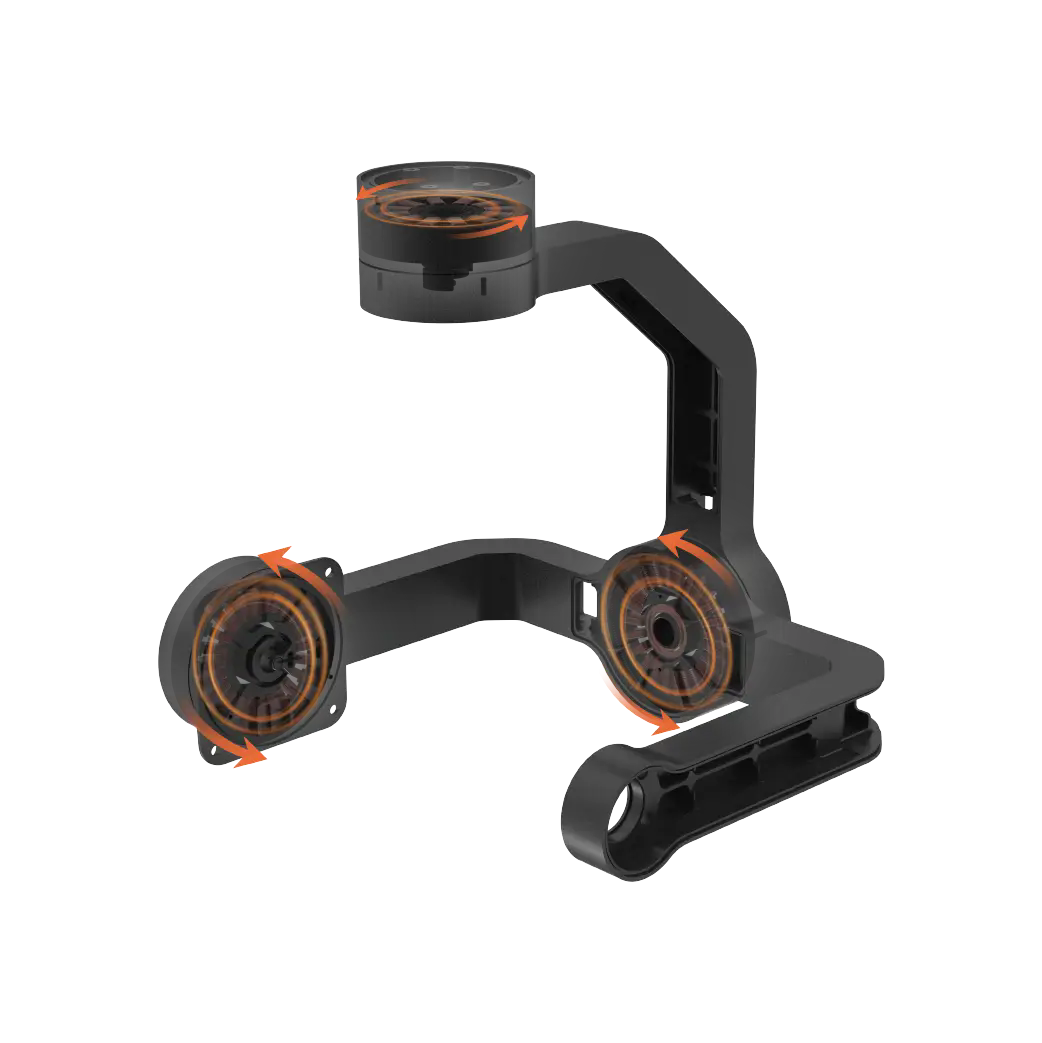
Of course, you can also play around with it. You can use two to make a simple pan-tilt camera, three to make a simple polypod, and six to make a slightly more complicated spider robot. If you dare to think it, it can help you achieve it. Don't just stay at the stage of watching videos, get started quickly, start by lighting up a servo, and turn your creativity into reality step by step. It will definitely feel much more interesting than scrolling through your mobile phone.
What is the most troublesome problem you have encountered when using servos for projects? Is it stuck in the wiring, or is the program not responding? Welcome to leave a message in the comment area to share your experience. By the way, give this article a like and bookmark it so that more steering gear novices can see it and let everyone avoid pitfalls together!
Update Time:2026-03-15

Contact Kpower's product specialist to recommend suitable motor or gearbox for your product.