







TECHNICAL SUPPORT


Published 2026-03-17
Many friends have just started to come into contact withservos, and the most intuitive feeling is that there are so many types. In fact, the most basic and important dividing line is whether it is analog or digital. The two look similar, but their cores and control logic are completely different, which directly determines your experience in the project.
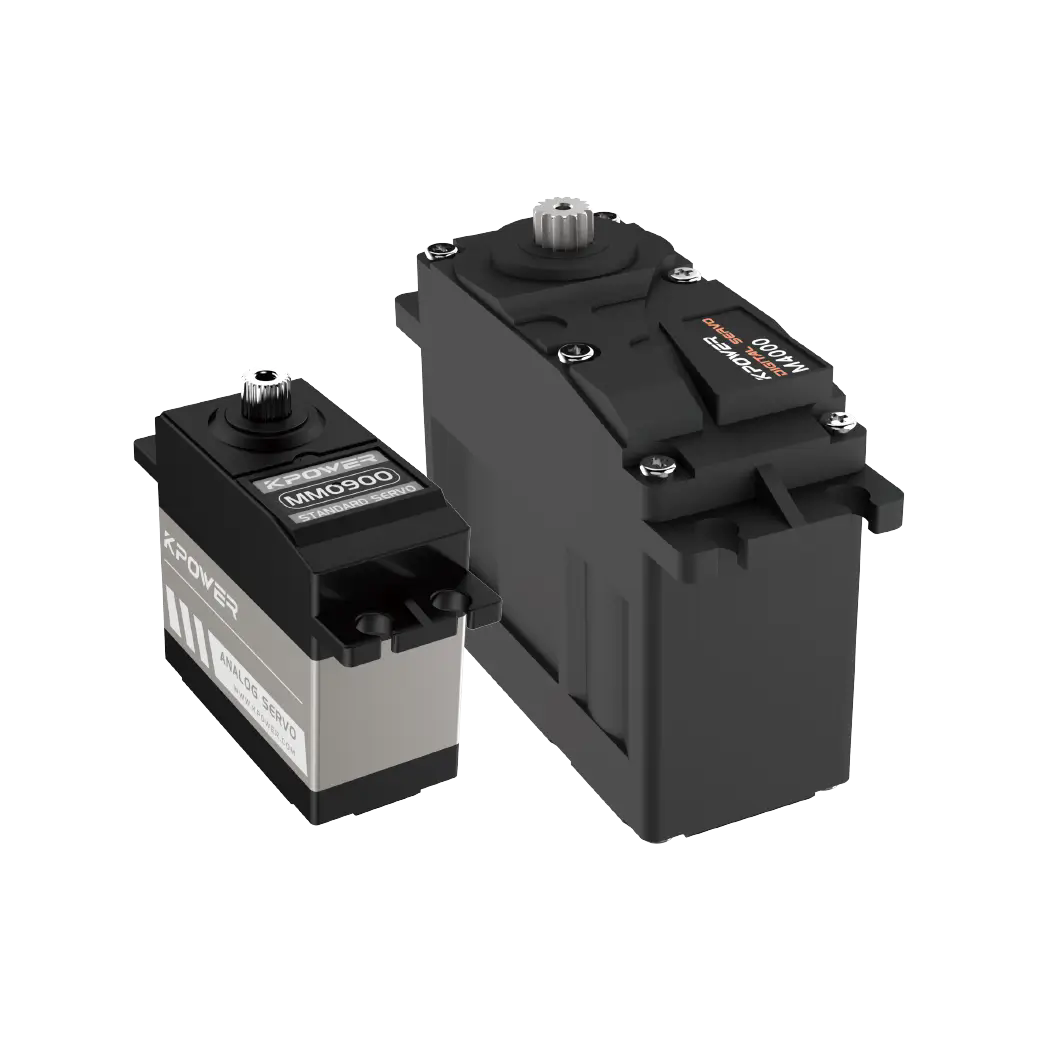
To put it simply, the analogservorelies on the traditional PWM signal to continuously refresh to control the position. It is a bit like an old-fashioned radio. The signal keeps sending and it keeps listening. There is a small processor inside the digitalservothat can process signals at a higher frequency, so the response is naturally much faster. Your intuitive feeling is that the response of the digital servo is more responsive and the positioning is more accurate.
Taking actual experience as an example, if you want to make a mechanical arm or robot joint and make the movement smooth and without trembling, digital servos are basically the first choice. Its response speed and holding power can make your device look much "smarter". But if you are replacing a servo for a child's toy car, or making a simple model, a simulated servo is completely sufficient and cost-effective.
This is definitely one of the most vexing issues in the project. Torque, simply put, is how strong the steering gear is. The unit is usually kg·cm, which means how much things can be pulled up by moving 1 cm away from the center of the steering wheel. If you want to make a robotic arm to grab a mineral water bottle, the torque is too small to lift it at all.
When selecting a model, don’t just look at the parameters boasted by the seller. You have to calculate it based on the actual load of your project. For example, if you want to clamp something 100 grams at the end of your robotic arm, but the moment arm is very long, the required torque may have to be doubled several times. I usually reserve a 50% margin to prevent the servo from working at full capacity for a long time, causing serious heat and easily breaking down.
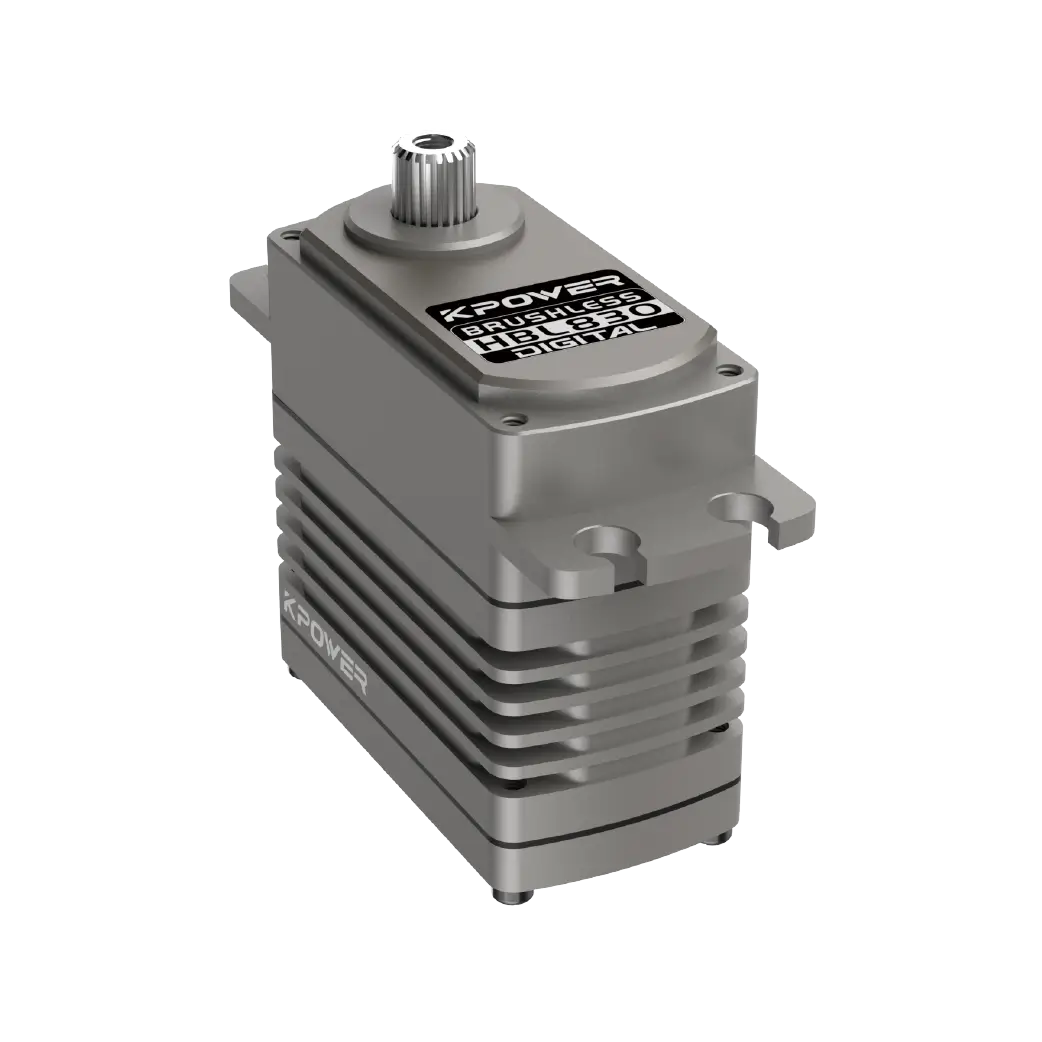
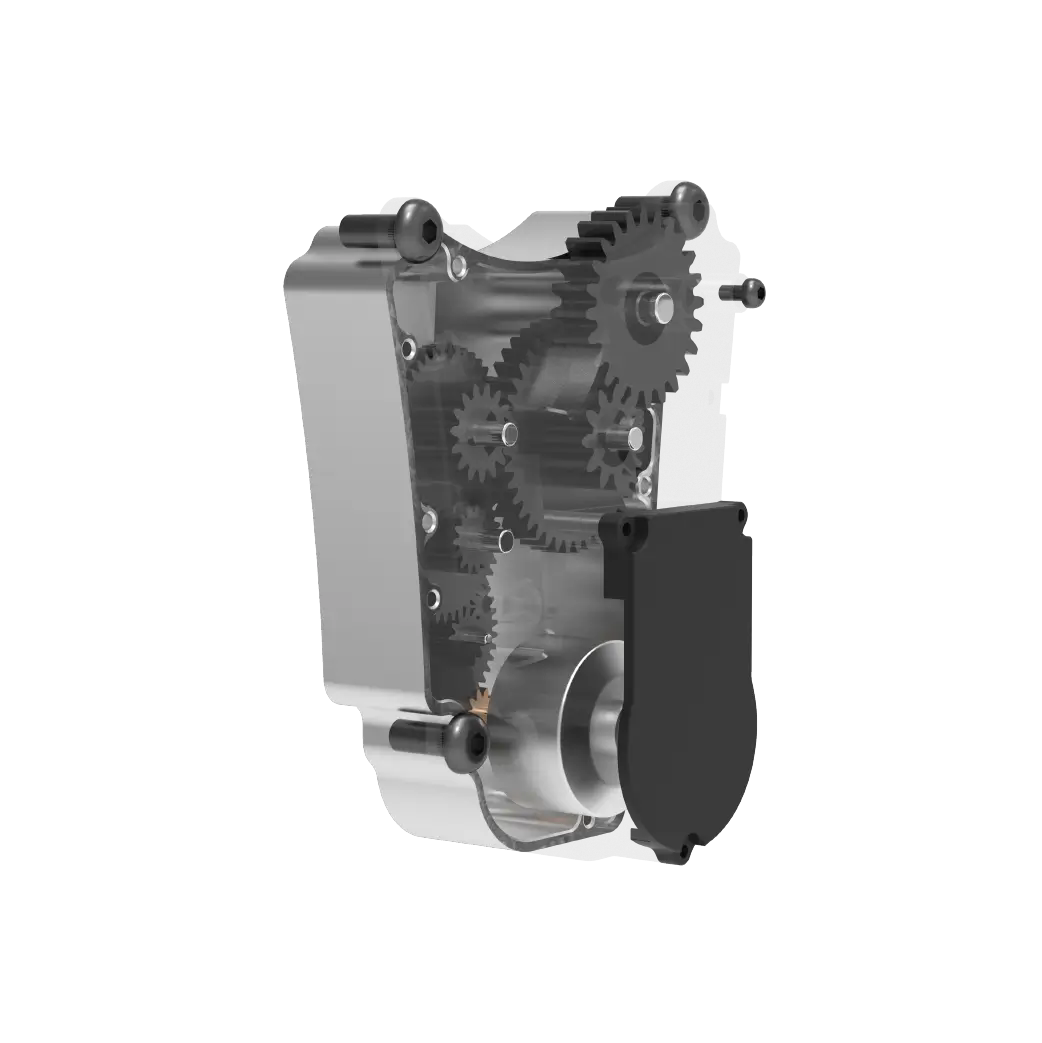
There are usually two ways to achieve high torque, one is to use a larger motor, and the other is to use a stronger reduction gear, such as metal. The price is that it becomes larger and consumes more power. So at the beginning of the design, you have to think about whether there is such a large space in your device and whether the battery can hold it. Don't drag down the entire project for the sake of power.
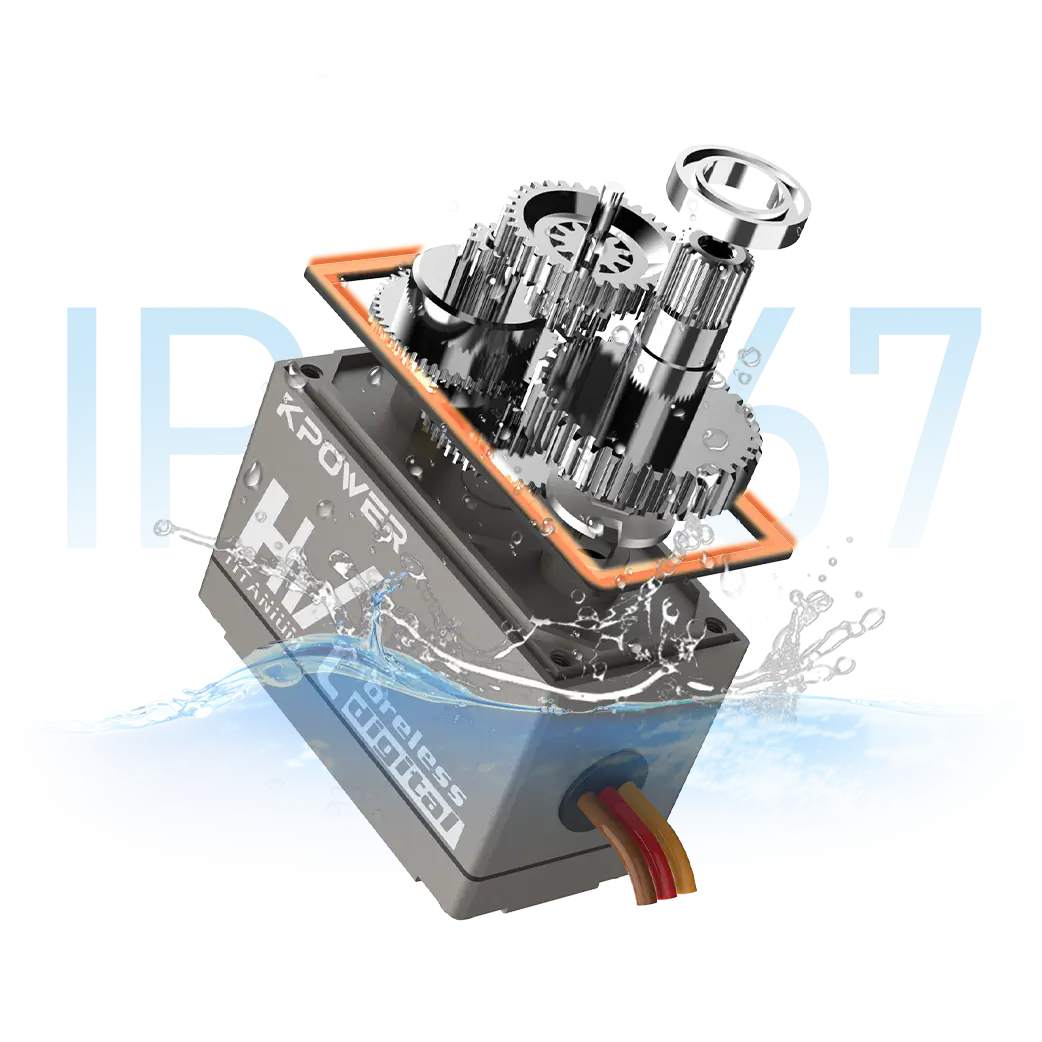
This is easy to understand, that is, put a raincoat on the servo so that it can work in a humid or watery environment. The waterproof level is usually marked with IPX4 or IPX7. To put it simply, IPX4 is splash-proof and is no problem in light rain or playing by the river; IPX7 can be thrown into the water in a short time. To make underwater robots, reptile vehicles or outdoor agricultural equipment, this stuff is a necessity.
But you have to keep in mind that waterproofing does not mean it can be used as a submarine. IPX7 is only for short-term immersion. If you want to work underwater for a long time, you need to find a special diving-grade servo. Also, since the servo is waterproof, water may get into the wires and rocker arms connected to it. When actually playing, it is best to put some waterproof glue on the interface or seal it well, otherwise water will get in from there and the inside will still rust.
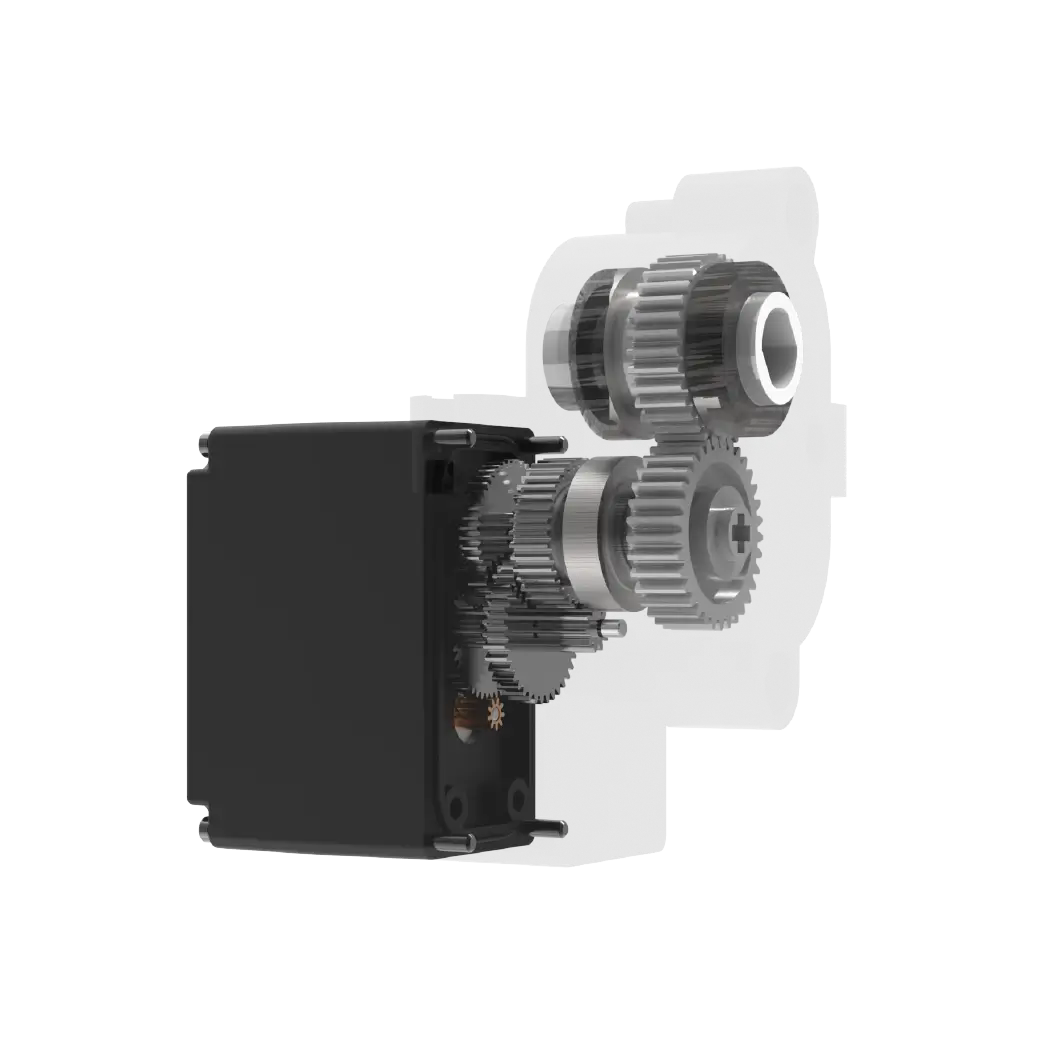
This is almost every novice’s first upgrade option. The difference between plastic gears and metal gears is like using wooden sticks and iron bars to pry things. Metal gears have high strength, are wear-resistant, and can withstand greater impact. If you play fighting robots, or often use the servo to carry bumpy projects, you can save a lot of trouble by putting on metal gears and it will not be easy to sweep the teeth.
However, metal is not without its shortcomings. It is heavier than plastic, noisier, and the transmission efficiency is theoretically slightly lower. And once overloaded, the metal gear may directly destroy the next weak link (such as the motor in the steering gear). In terms of choice, if your project requires violent output and frequent impacts, then choose metal decisively. If it is just a precision instrument with a light load, and the pursuit of quietness and smoothness, good plastic gears are fully qualified and can also reduce weight and reduce noise.
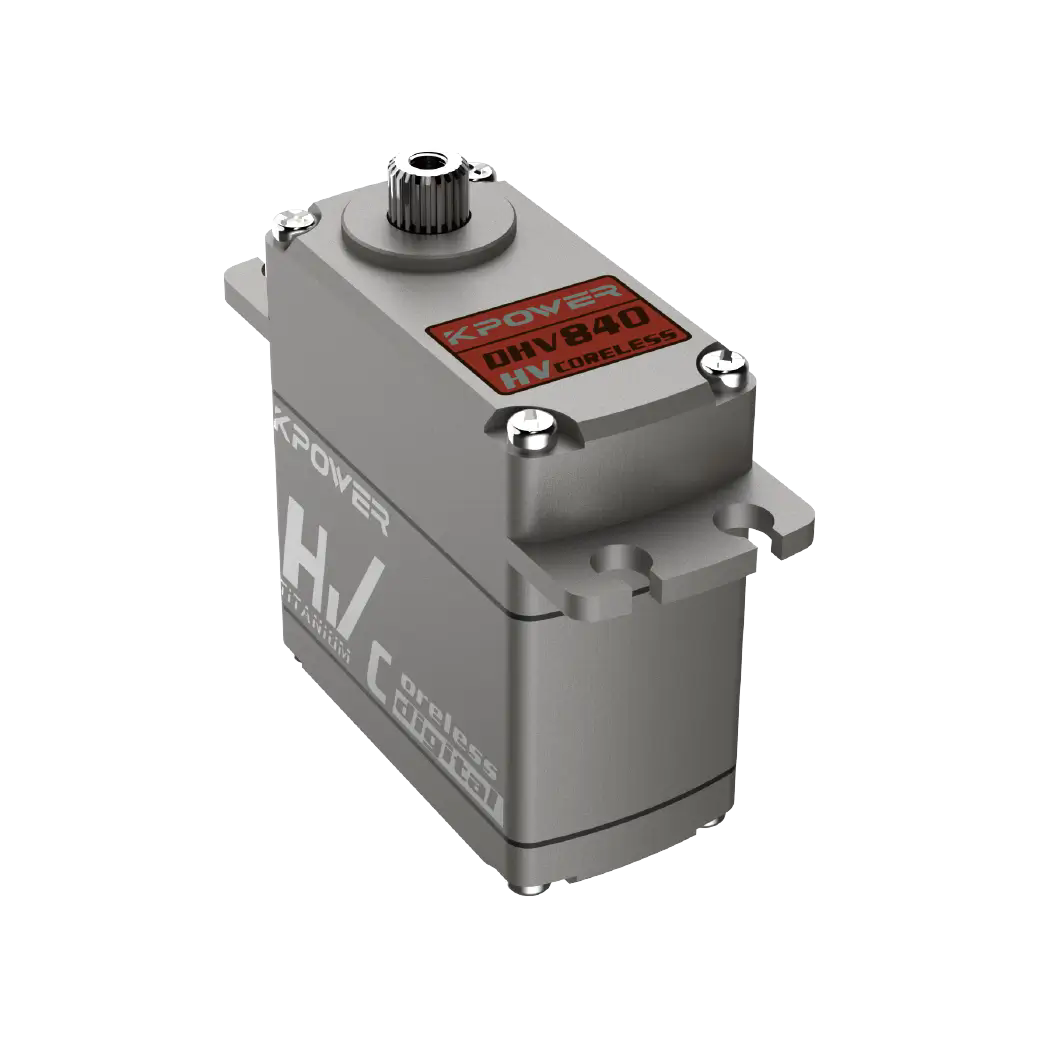
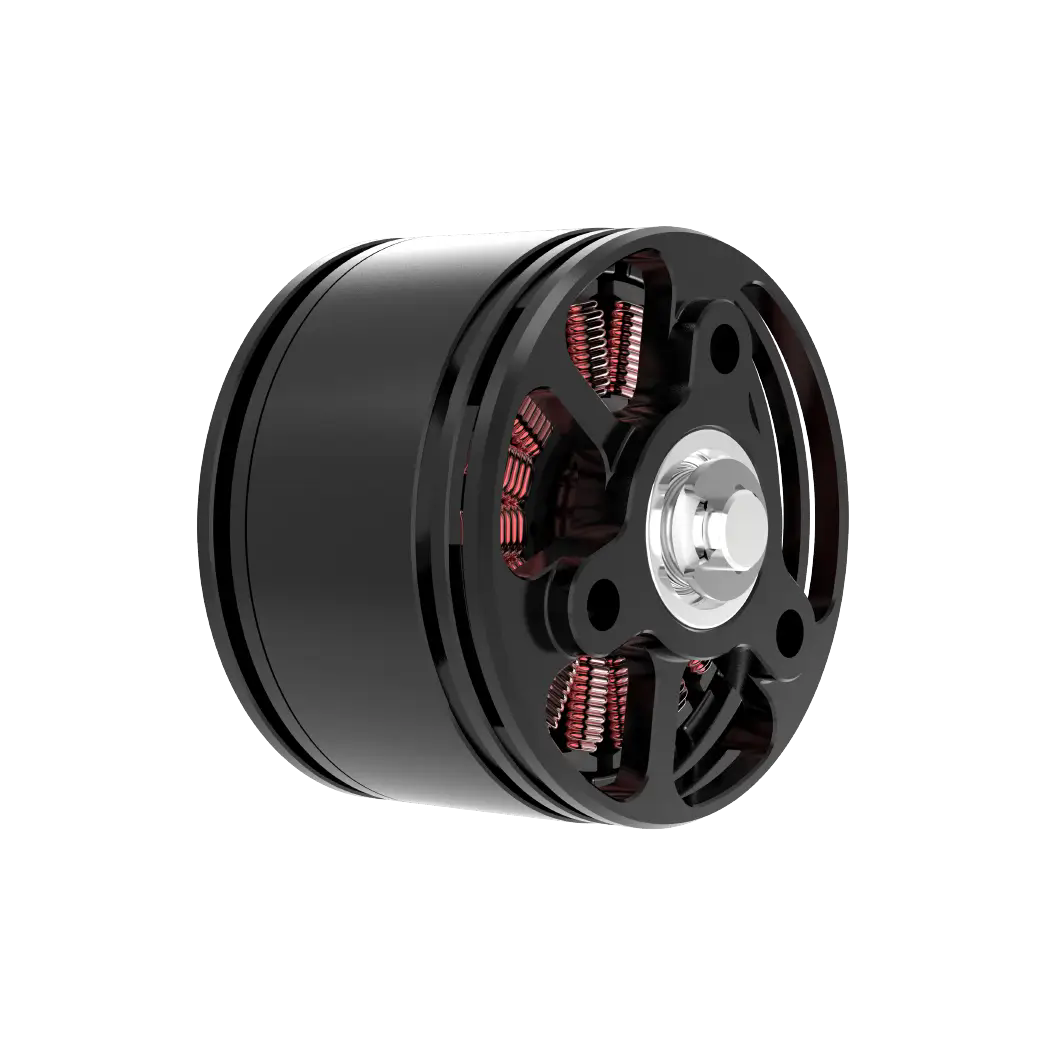
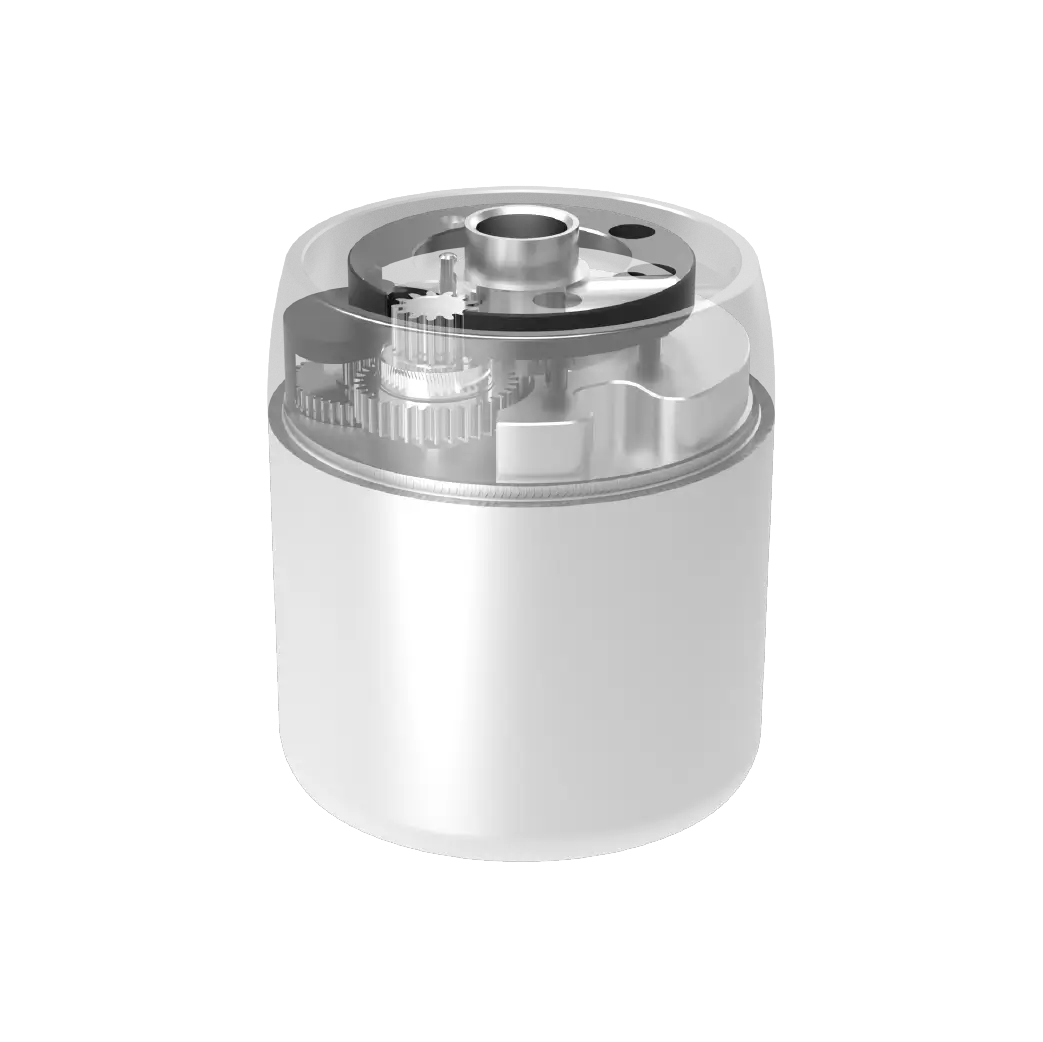
Let me give the conclusion first: absolutely not, but it depends on whether you can use it. There is an iron core rotor in the traditional steering gear motor, which has inertia when it rotates. The coreless motor rotor is like a cup and has no iron core, so the inertia is very small. The benefit is that the response is ridiculously fast and the delay is almost imperceptible.
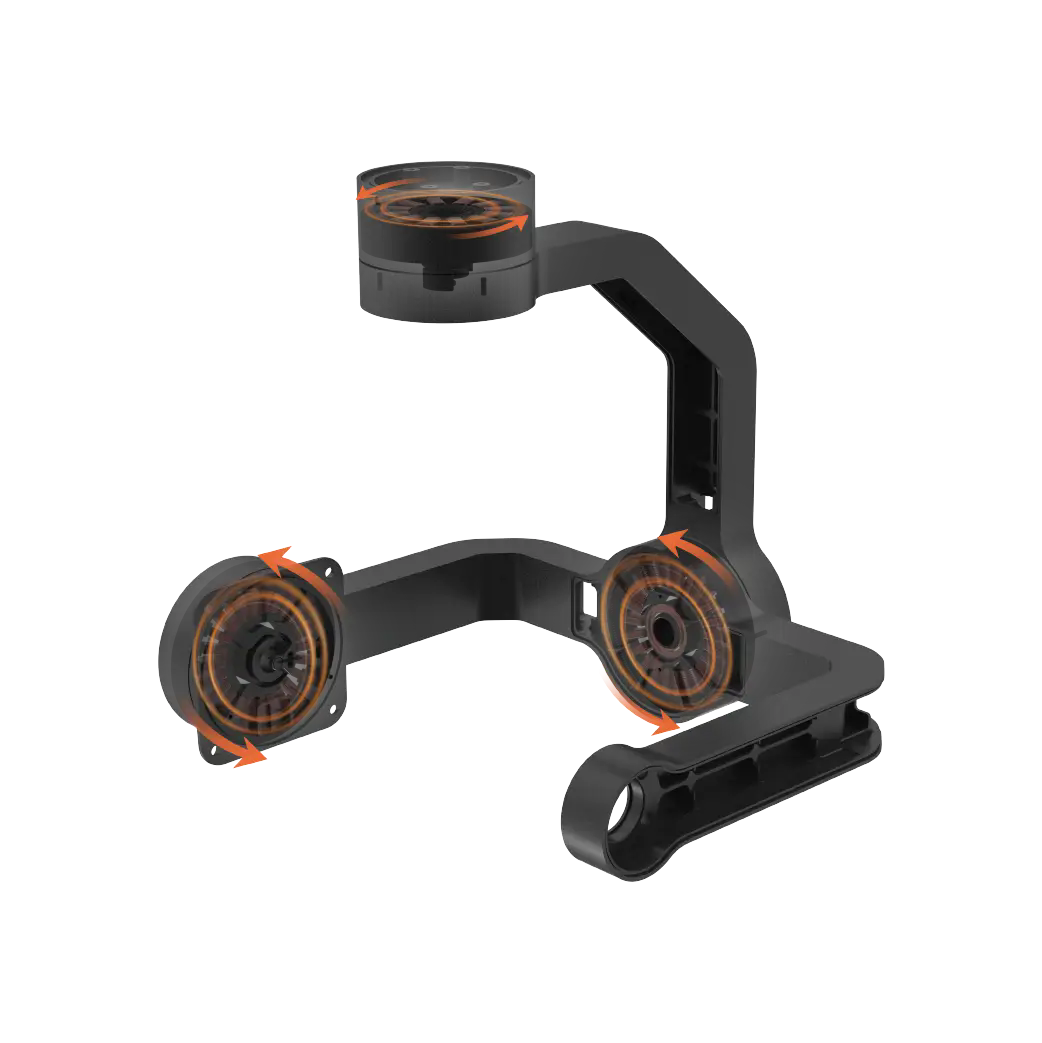
This may not mean much for ordinary projects, but it is an artifact for certain scenarios. For example, when making a focusing gimbal for a high-speed camera, or a bionic robot that needs to swing back and forth at a very high frequency, the coreless servo can hit wherever you point it, and the movements are crisp and neat, without the feeling of being sloppy. If you just let the servo turn slowly, you won't realize its advantages at all. Therefore, it is reasonably expensive, but whether it is worth it depends on whether your project requires that "ultimate speed".
In addition to looking at the hardware, the control method also determines the type of servo. The most traditional one is PWM signal control, which tells the servo to which angle to turn by changing the width of a high-level pulse. This is the most versatile and is supported by almost all servo controllers and development boards. The wiring is also simple, with only three wires (power, ground, and signal), making it the first choice for getting started.
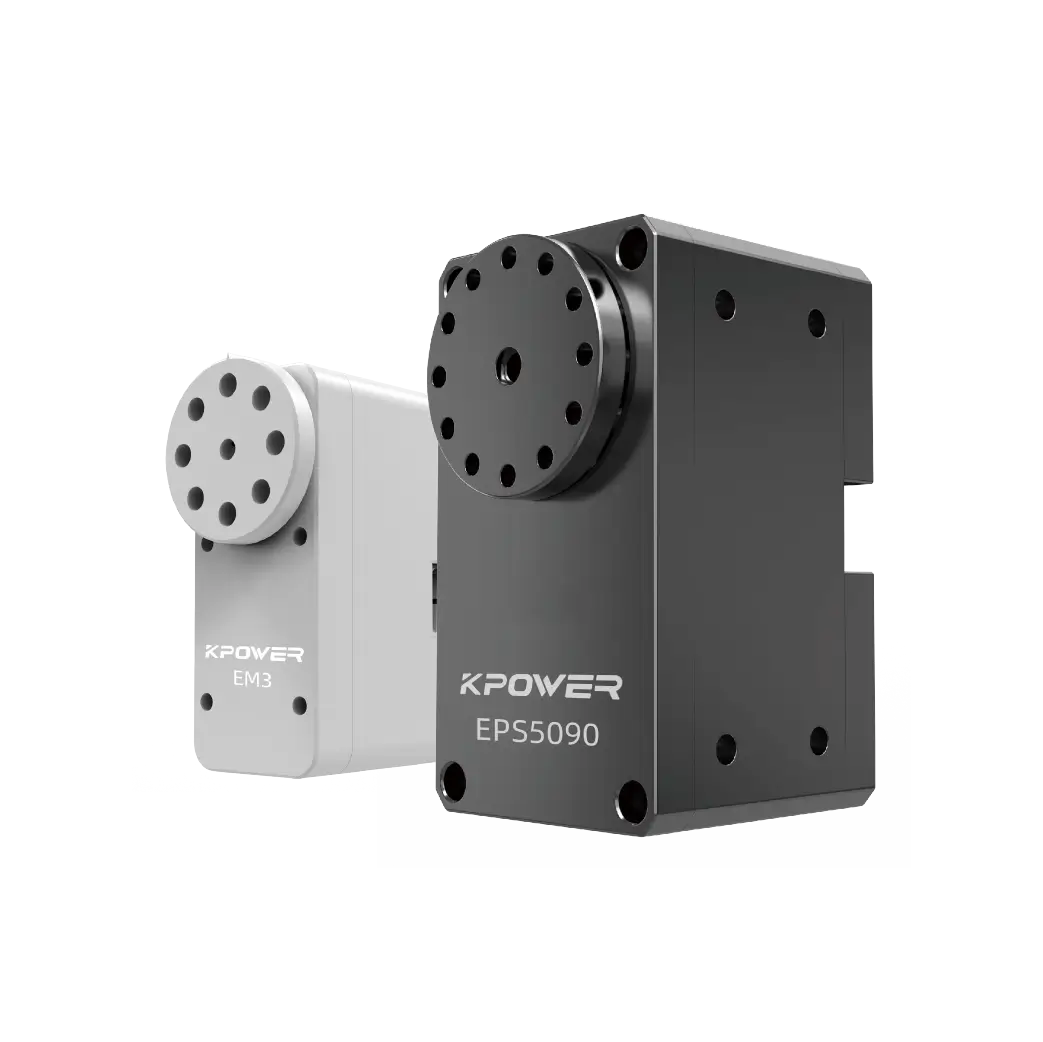
The more advanced one is serial bus control, such as the common TTL or RS485 bus. This kind of servo can be like stringing beads, using only one signal line to string all the servos together. There are so many benefits. Not only can it greatly reduce the number of interfaces on the controller, but it can also read feedback information such as the temperature, voltage, and current position of each servo. To do complex robot projects, such as bipedal robots, you need to know the status of each joint in real time, and you must rely on this kind of intelligent steering gear.
Update Time:2026-03-17

Contact Kpower's product specialist to recommend suitable motor or gearbox for your product.