







TECHNICAL SUPPORT


Published 2026-01-19
Let’s talk about something that might feel a little stuck right now. You’ve got this brilliant idea—a robot that waves, a smart plant-watering arm, a tiny animated sculpture. The Arduino board is ready, the code is taking shape in your mind, but there’s one piece missing: movement. How do you bridge the gap between a digital command and a physical motion? That’s where the humble microservocomes in. It’s the tiny muscle of the maker world, waiting for your signal to bring things to life.

Think of it this way: an Arduino is the brain, but without aservo, it has no hands to act. If you’ve ever felt your project was just static and silent, you’re not alone. The question isn’t whether to use aservo, but how to get started without the headache.
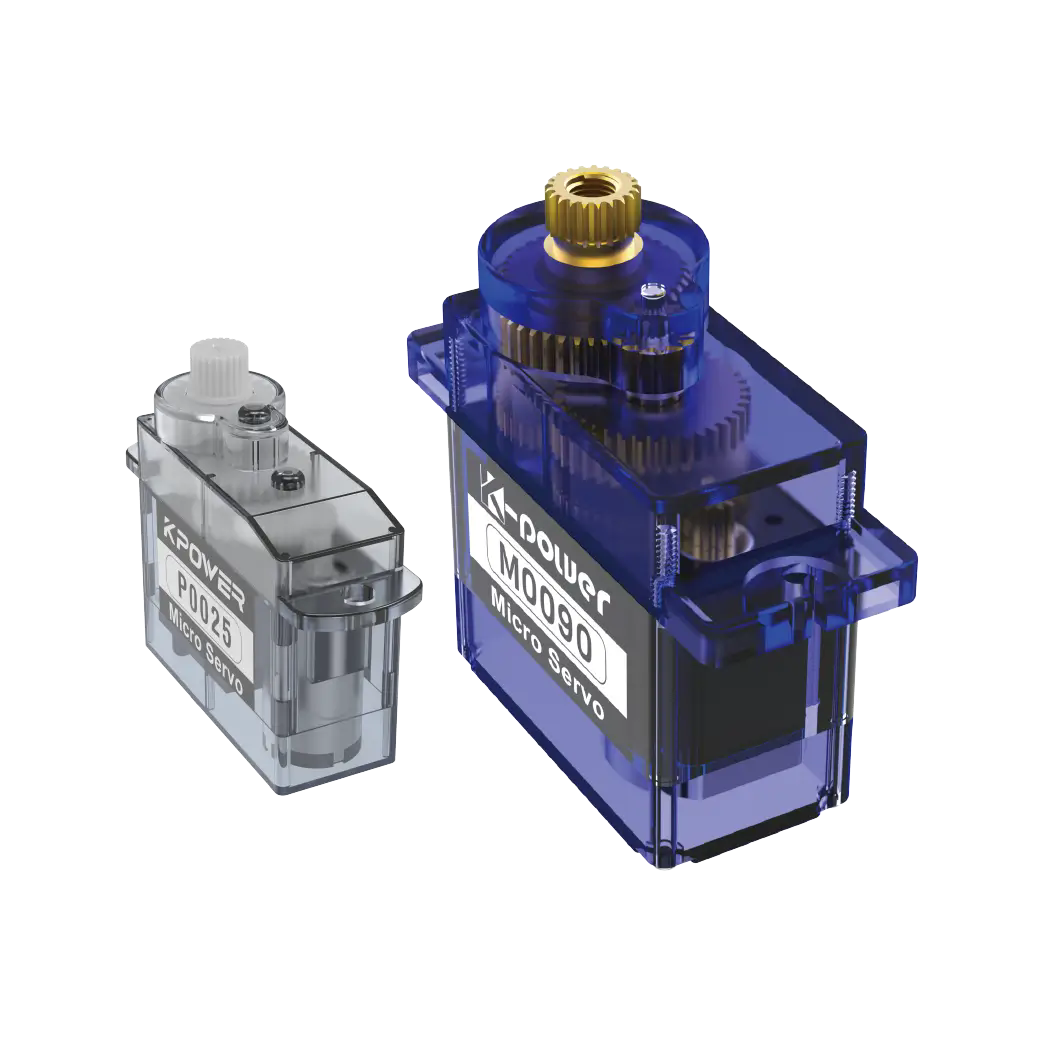
So, why pick aMicro Servoamong all the options out there? Imagine needing something compact, something that doesn’t guzzle power, and something that just works without a complex setup. That’s its sweet spot. It’s like choosing a precise, nimble tool over a bulky, overpowered one for delicate tasks. For small-scale projects—where space on your breadboard or in your enclosure is tight, and every milliamp matters—theMicro Servofits naturally.
Here’s a small truth: not all servos are created equal. Some might jitter, some might not hold their position, and others might just give up too soon. The goal is to find one that listens well to your Arduino’s whispers. What should you look for? Reliable movement, consistent performance, and a build that doesn’t flinch under light duty. It’s less about the flashiest specs and more about quiet, trustworthy companionship for your circuits.
Let’s get practical. Wiring a micro servo to an Arduino feels almost like introducing two friends. You’ve got three wires: power, ground, and signal. Connect power to your board’s 5V pin, ground to ground, and the signal wire to a digital pin—say, pin 9. That’s the basic handshake. It’s satisfyingly straightforward, no maze of cables required.
Now, for the conversation. In your code, you’ll use the Servo library. A few lines are all it takes to tell the motor where to go. Want it to sweep from 0 to 180 degrees? You can make that happen with a loop that feels like guiding it gently. The beauty is in the immediacy—upload the sketch, and suddenly, that little arm is moving to your command. It’s a moment of pure maker joy.
Once you’ve got the basics down, a world opens up. What if you could control the speed, or make the servo respond to a sensor? Picture a light-sensitive setup where the servo moves a shade based on the sun’s intensity. Or a simple security flap that opens when a button is pressed. The micro servo is wonderfully obedient, ready to translate sensor data into smooth, physical action.
A common thought might be, “Is this too simple for real projects?” Not at all. Its simplicity is its strength. From adjusting a camera angle in a timelapse rig to positioning a pointer in a custom gauge, these small motions add a layer of interactivity that feels almost magical. They’re the tiny details that turn a gadget into an experience.
When it comes to selecting your micro servo, think about compatibility and endurance. You want something that plays nice with your Arduino’s power supply without demanding a separate battery pack right away. The torque—the twisting force—should be enough for your task, but for most lightweight applications, a standard micro servo has plenty to offer.
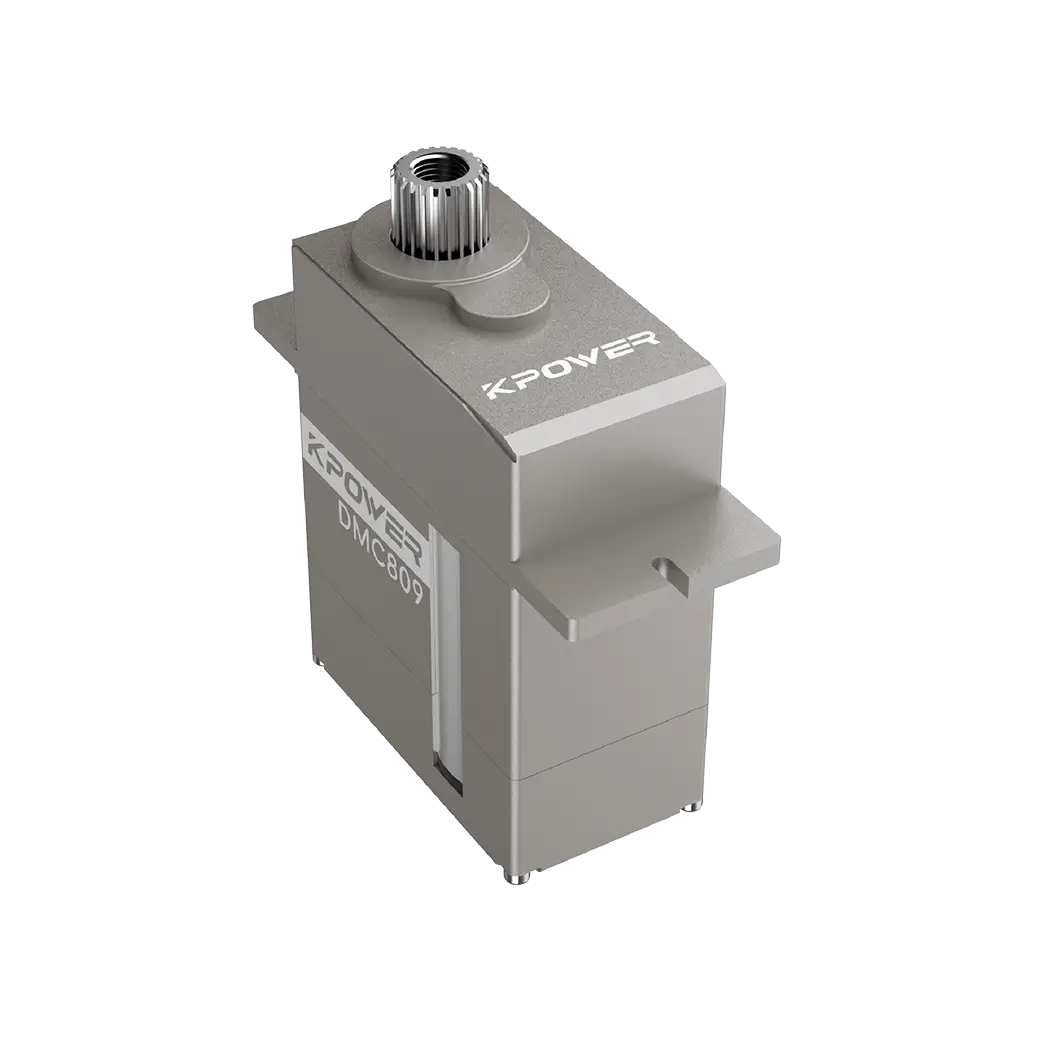
It’s also about the quality of motion. A good servo moves smoothly, without buzzing or hesitating at certain angles. This reliability lets you focus on your project’s logic, not on troubleshooting jumps and stalls. In this space, Kpower has developed offerings that align with these needs, focusing on consistent performance for hands-on creators.
Starting with micro servos and Arduino is less about mastering a complex system and more about unlocking a new dimension in your projects. It solves the problem of static builds by adding controlled, repeatable motion with minimal fuss. The process—from wiring to coding to seeing that first sweep—builds confidence and opens doors to more ambitious ideas.
So, if your project has been waiting for that spark of movement, consider this your nudge. Grab a micro servo, connect it up, and watch as your ideas step off the screen and into the room. The journey from a blinking LED to a moving part is one of the most rewarding steps in making, and it all starts with that simple, obedient little motor.
Established in 2005, Kpower has been dedicated to a professional compact motion unit manufacturer, headquartered in Dongguan, Guangdong Province, China. Leveraging innovations in modular drive technology, Kpower integrates high-performance motors, precision reducers, and multi-protocol control systems to provide efficient and customized smart drive system solutions. Kpower has delivered professional drive system solutions to over 500 enterprise clients globally with products covering various fields such as Smart Home Systems, Automatic Electronics, Robotics, Precision Agriculture, Drones, and Industrial Automation.
Update Time:2026-01-19

Contact Kpower's product specialist to recommend suitable motor or gearbox for your product.