







TECHNICAL SUPPORT


Published 2026-01-19
Imagine you’re curled up on the couch on a weekend night, clicking on a show. The graphics are smooth and the recommendations are accurate, jumping from science fiction to documentaries and back to romantic comedies with almost no effort. Behind all this, Netflix's sophisticated microservice architecture is working silently - thousands of small modules perform their duties and work together, like a well-trained symphony orchestra.
But change the scene: when you walk into a modern factory and see robotic arms accurately assembling parts, the conveyor belts on the production line changing speeds flexibly, or intelligent robots shuttling and moving in the warehouse - have you ever thought that these "hard" mechanical systems actually require a kind of intelligence similar to Netflix?
Yes, the world of machinery is also quietly evolving. In the past, a large and complex mechanical system often relied on a central controller, like an old-fashioned television set, with all functions tied together. Once there is a problem in one link, the entire system may come to a standstill. Modify a feature? That could mean lengthy downtime and refactoring.
At this time, Netflix's microservice philosophy gave us an interesting inspiration: Why can't the mechanical system be split into independent, flexible, and collaborative modules?
Many people have had similar experiences: a set of automation equipment that has been used for many years suddenly needs to add a new function or replace a certain sensor. It turns out that a single move affects the whole body. The wiring needs to be re-routed, all programs need to be tested, and even the mechanical structure needs to be adjusted. Time cost, downtime cost, debugging risk...the problem is getting bigger and bigger like a snowball.
It's like the early days of large monolithic software, where all the code was crowded together and any changes were full of uncertainty. Netflix faced similar challenges at the beginning - the number of users surged, feature iterations accelerated, and the traditional architecture could not keep up. So, they turned to microservices: breaking the large system into small services. Each service focuses on one thing and communicates with each other through clear interfaces.
Can the same be done for mechanical systems?
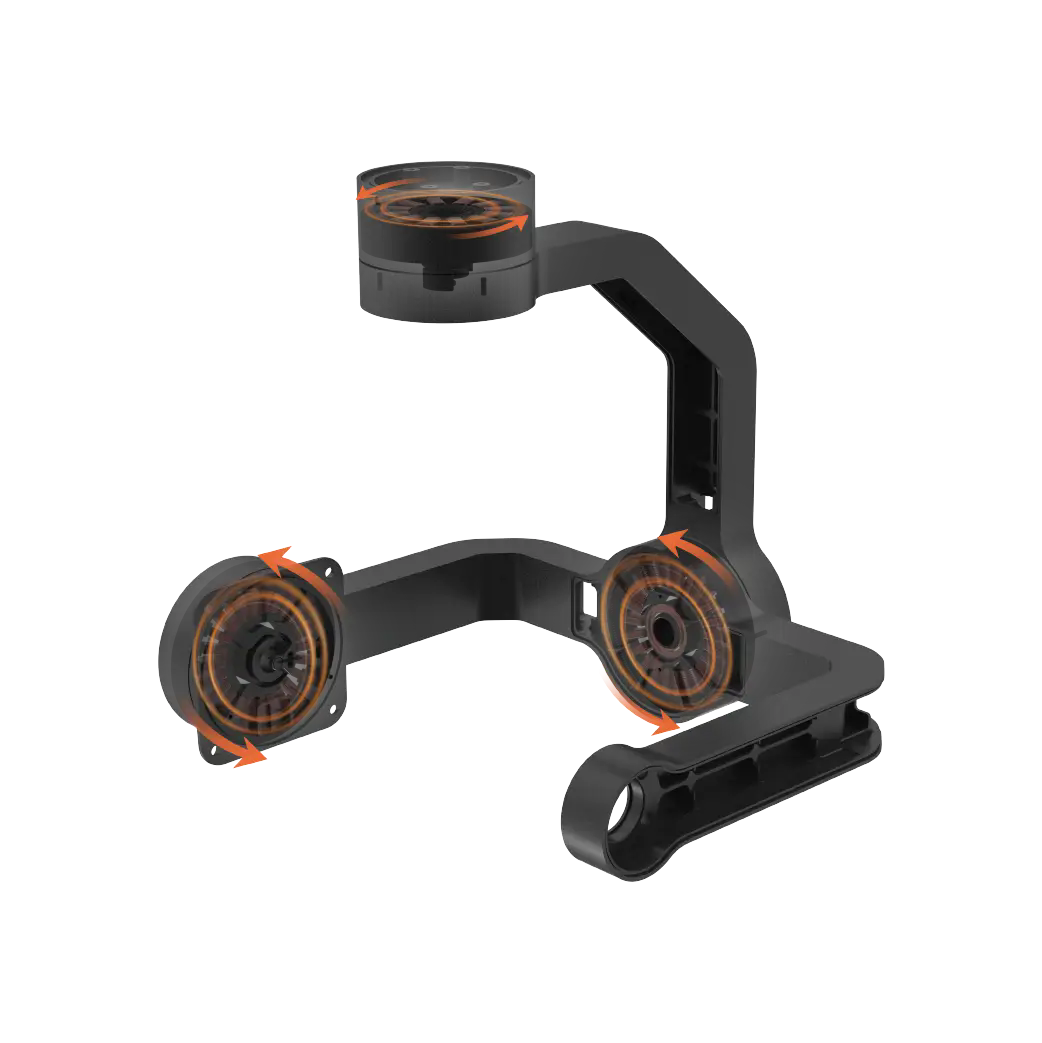
Imagine that in a complex mechanical device, each servo motor or steering gear is no longer just an "executor" that accepts commands, but an "intelligent unit" with certain autonomous decision-making capabilities. They know who they are, what they do, and how to work with their neighbors. For example, for multiple robotic arms on an assembly line, the drive unit of each arm independently controls its own range of motion, strength and speed, and at the same time exchanges data with units in the previous and subsequent processes in real time.
This brings several fascinating benefits:
An engineer once shared: "In the past, debugging a production line was like conducting an unrehearsed symphony. Now every musician knows his or her own score. I am more like a coordinator." This feeling is exactly the projection of microservice architecture in the mechanical field.
Although the concept is good, it needs real support to implement it. How to choose the "microservice units" in these machines? People often pay attention to several core points:
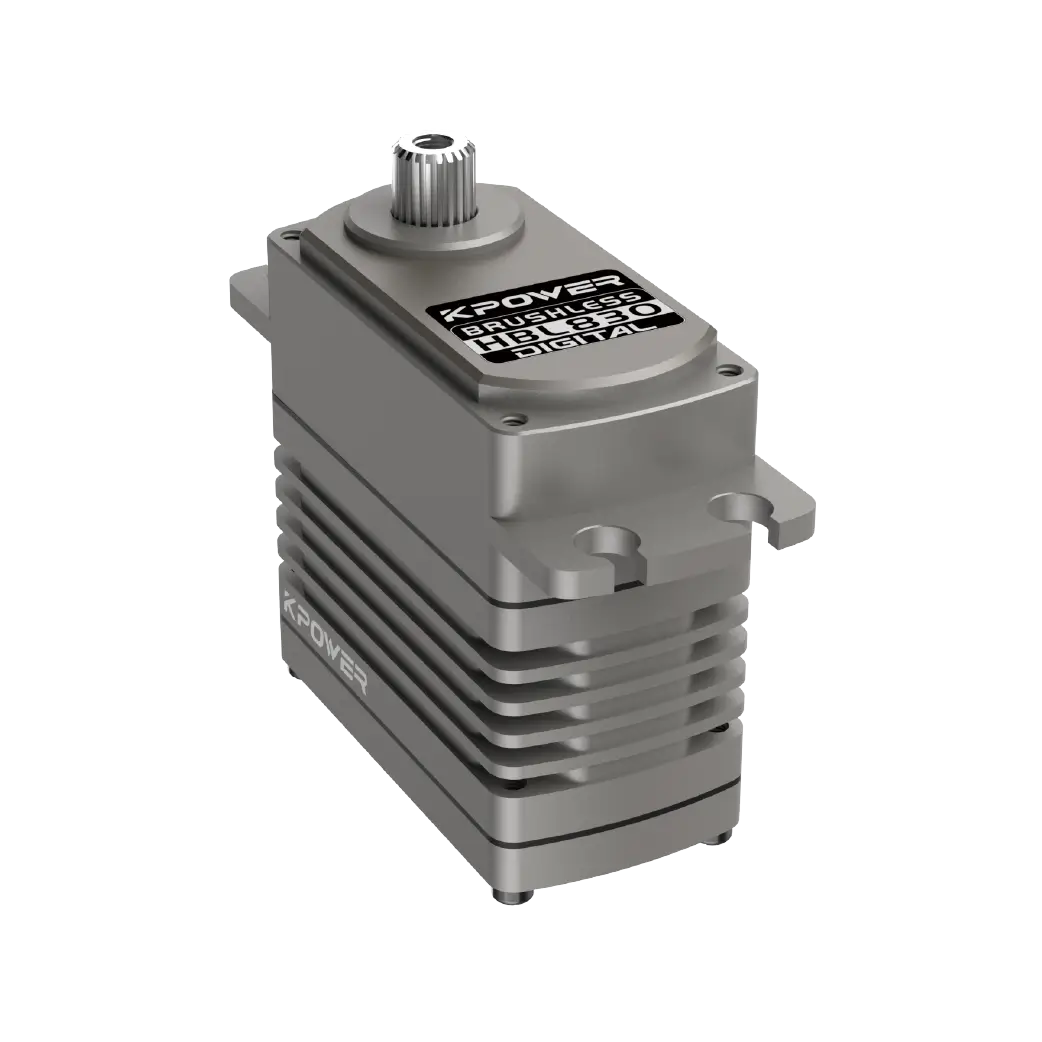
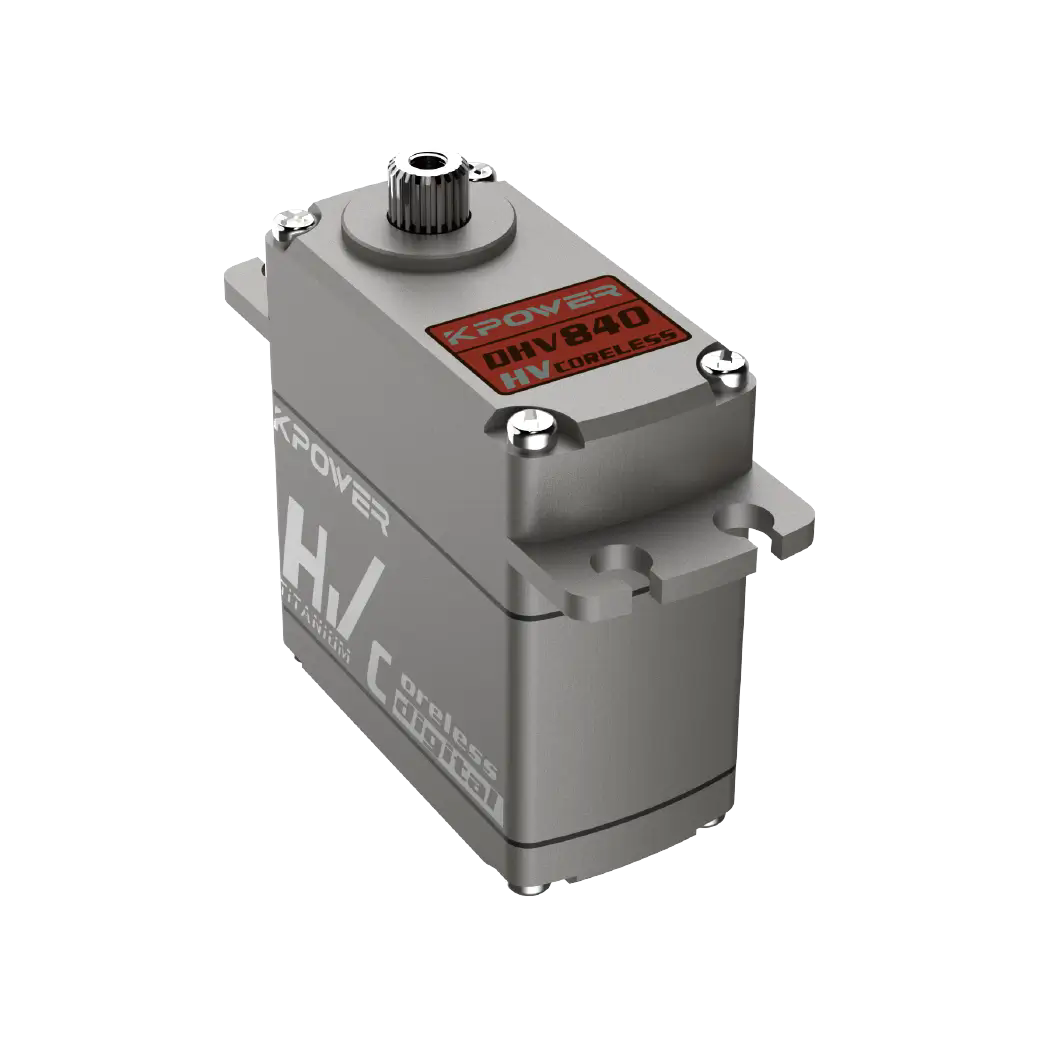
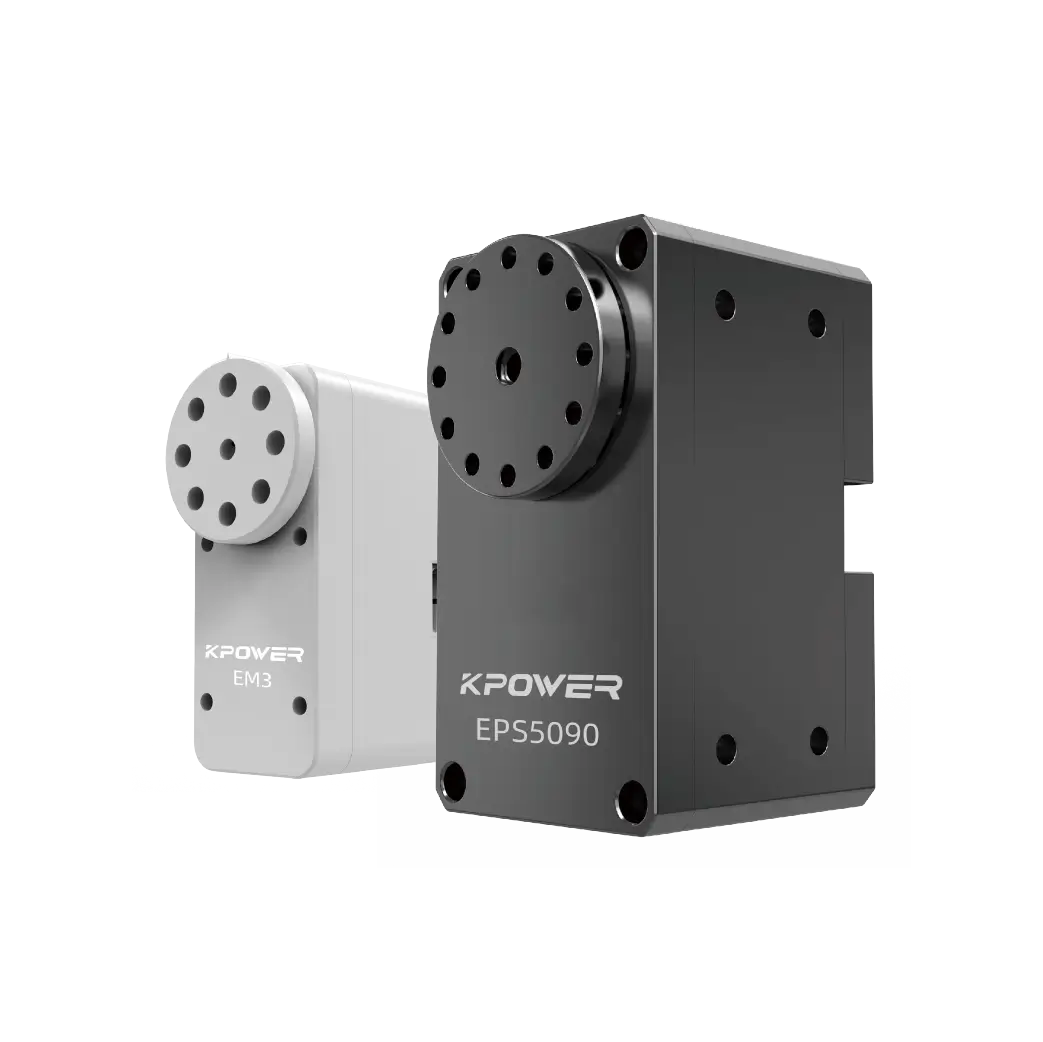
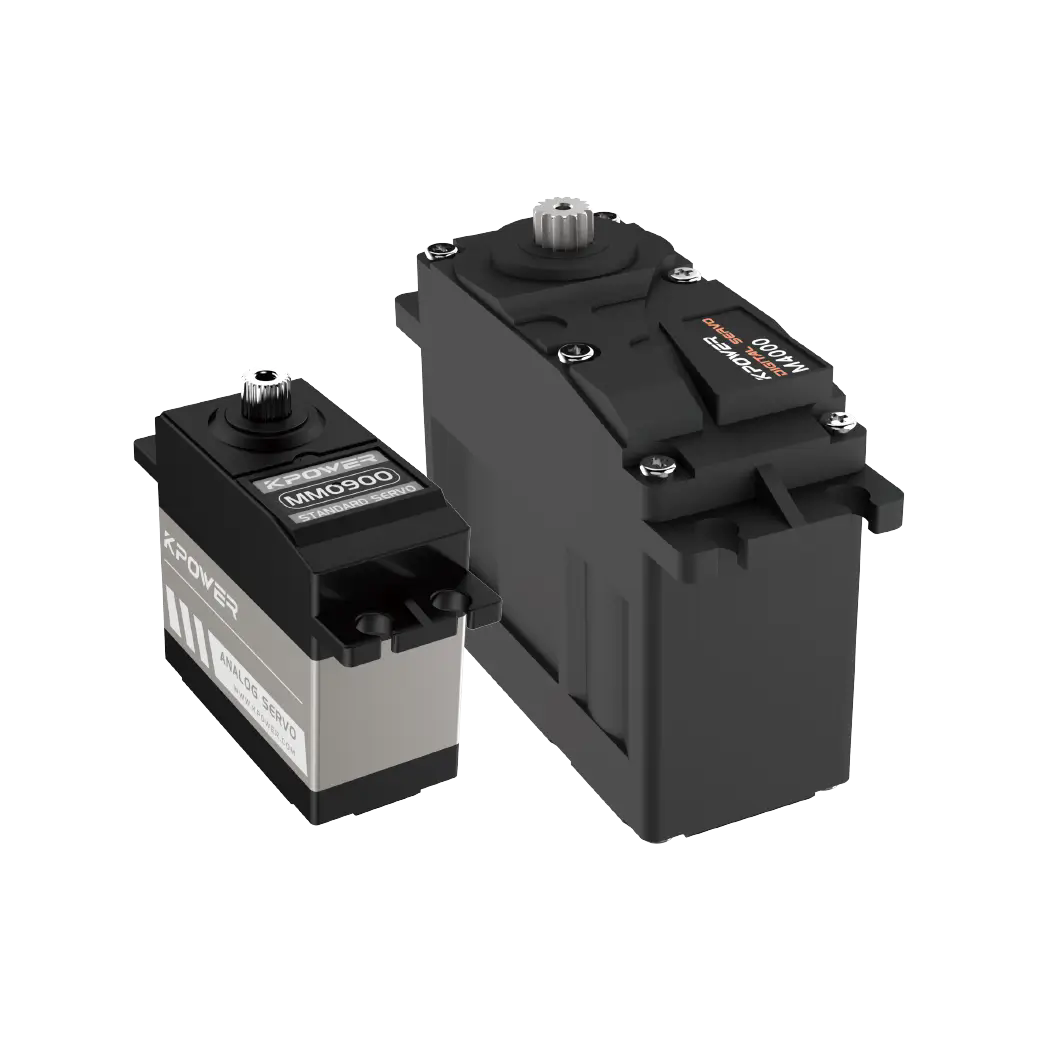
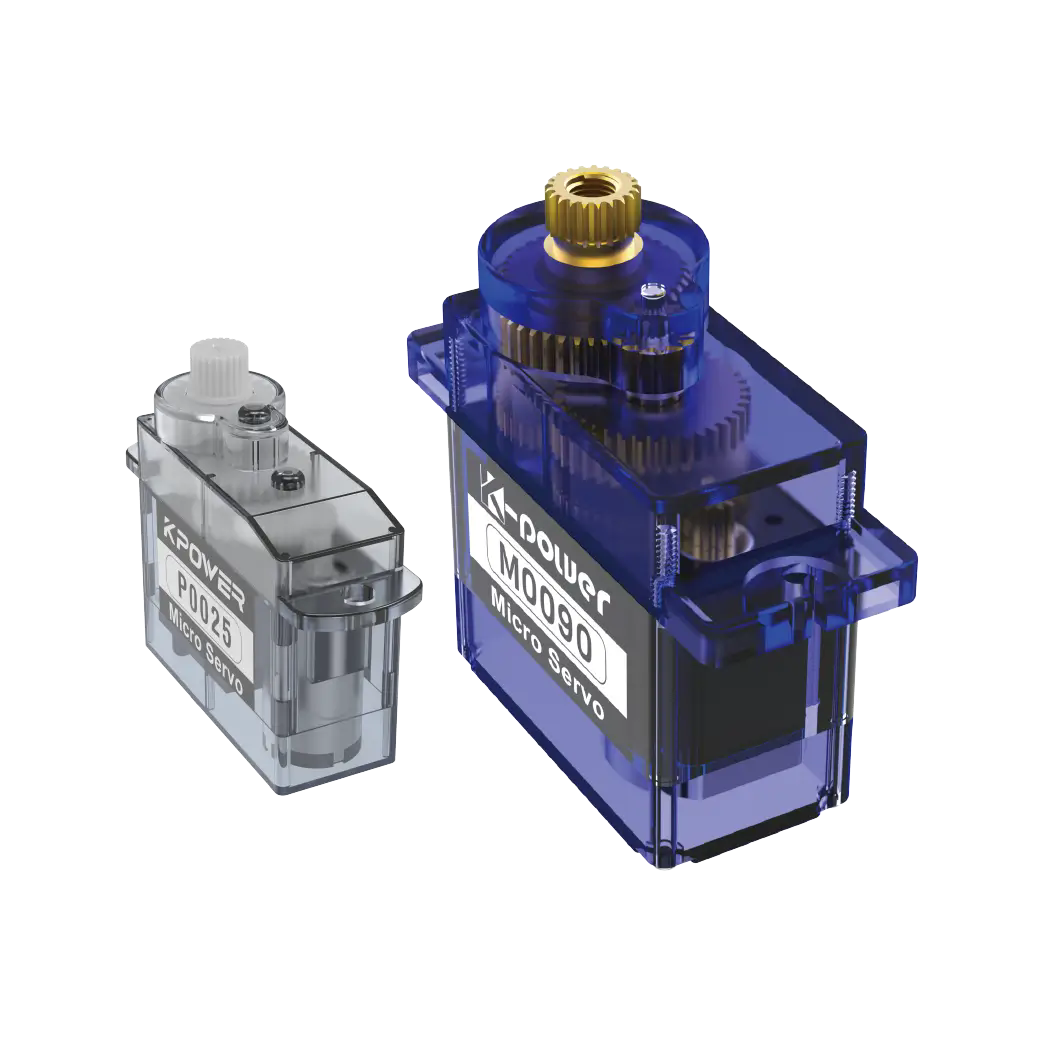
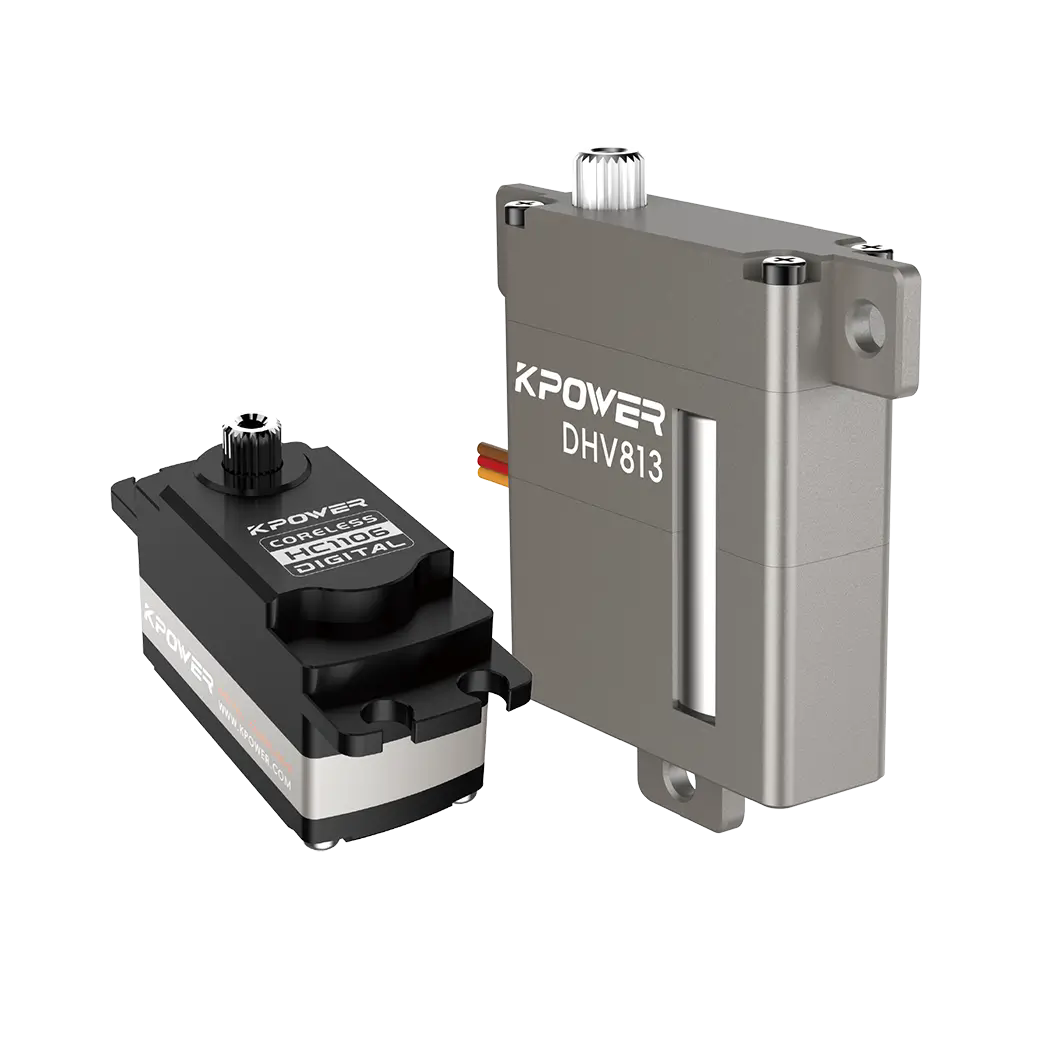
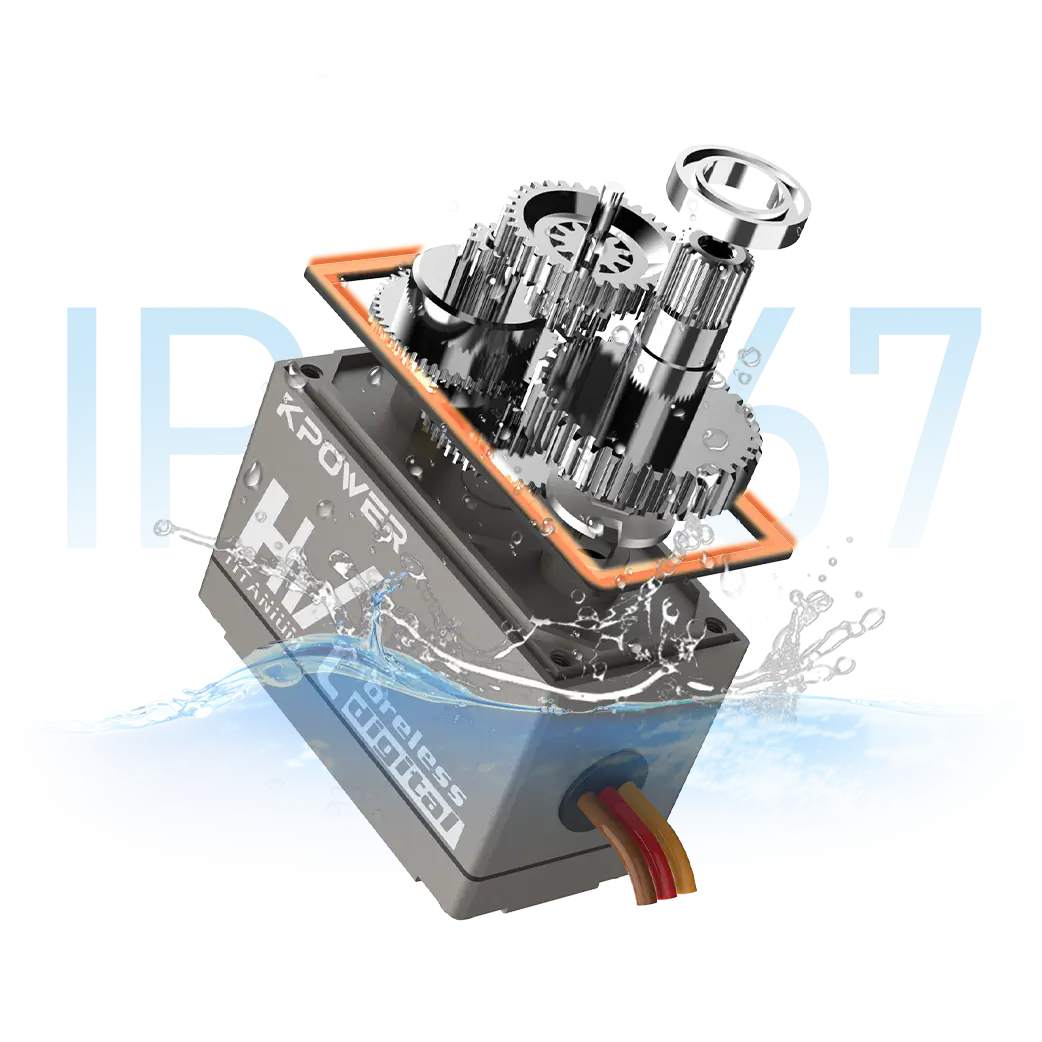
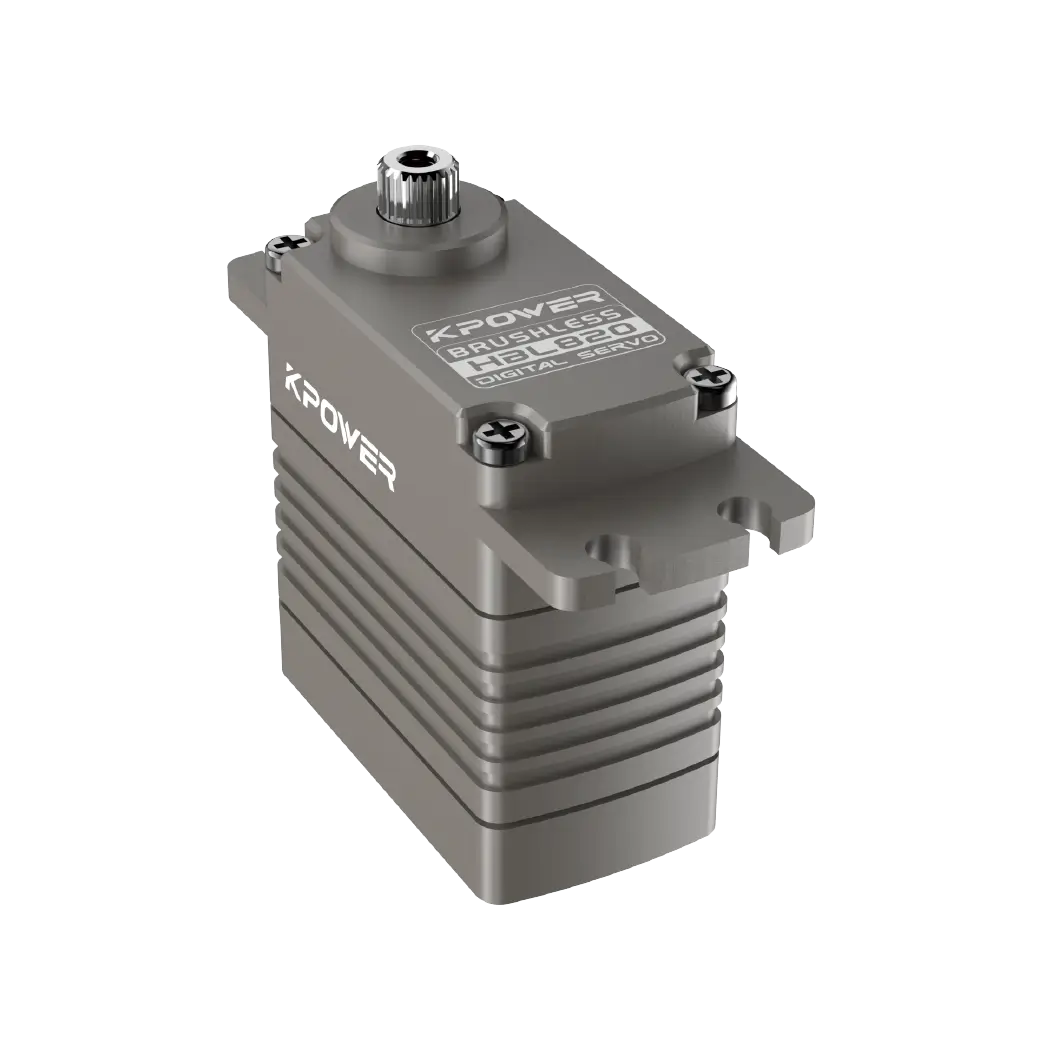
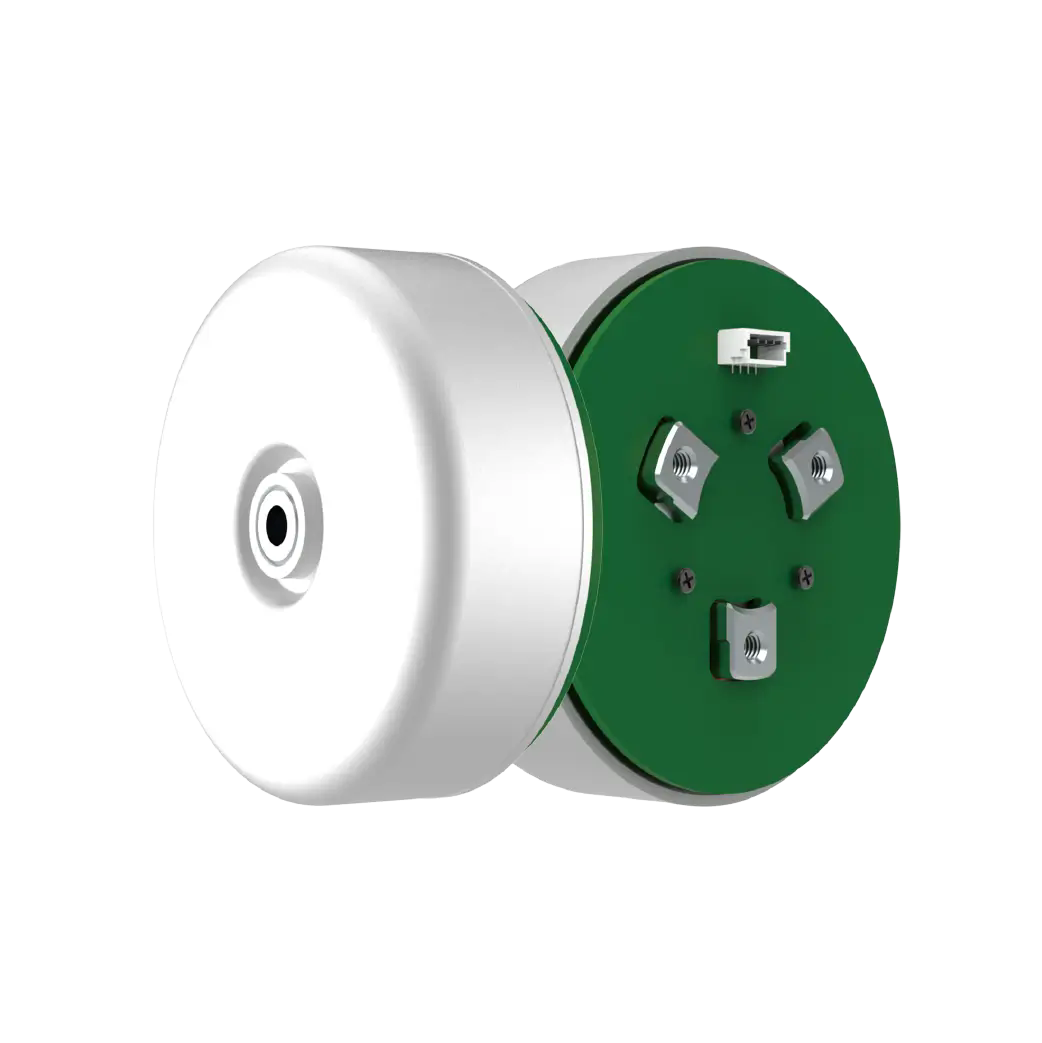
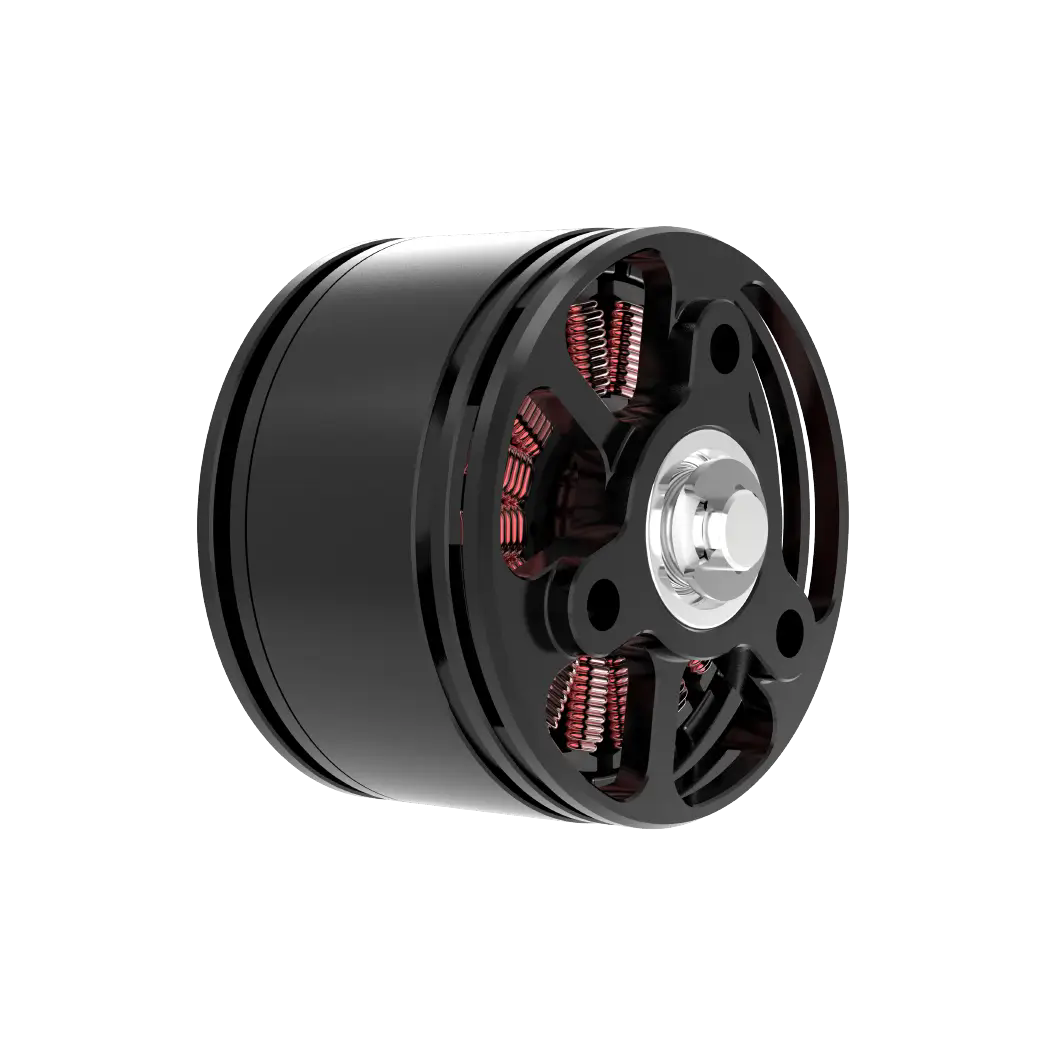
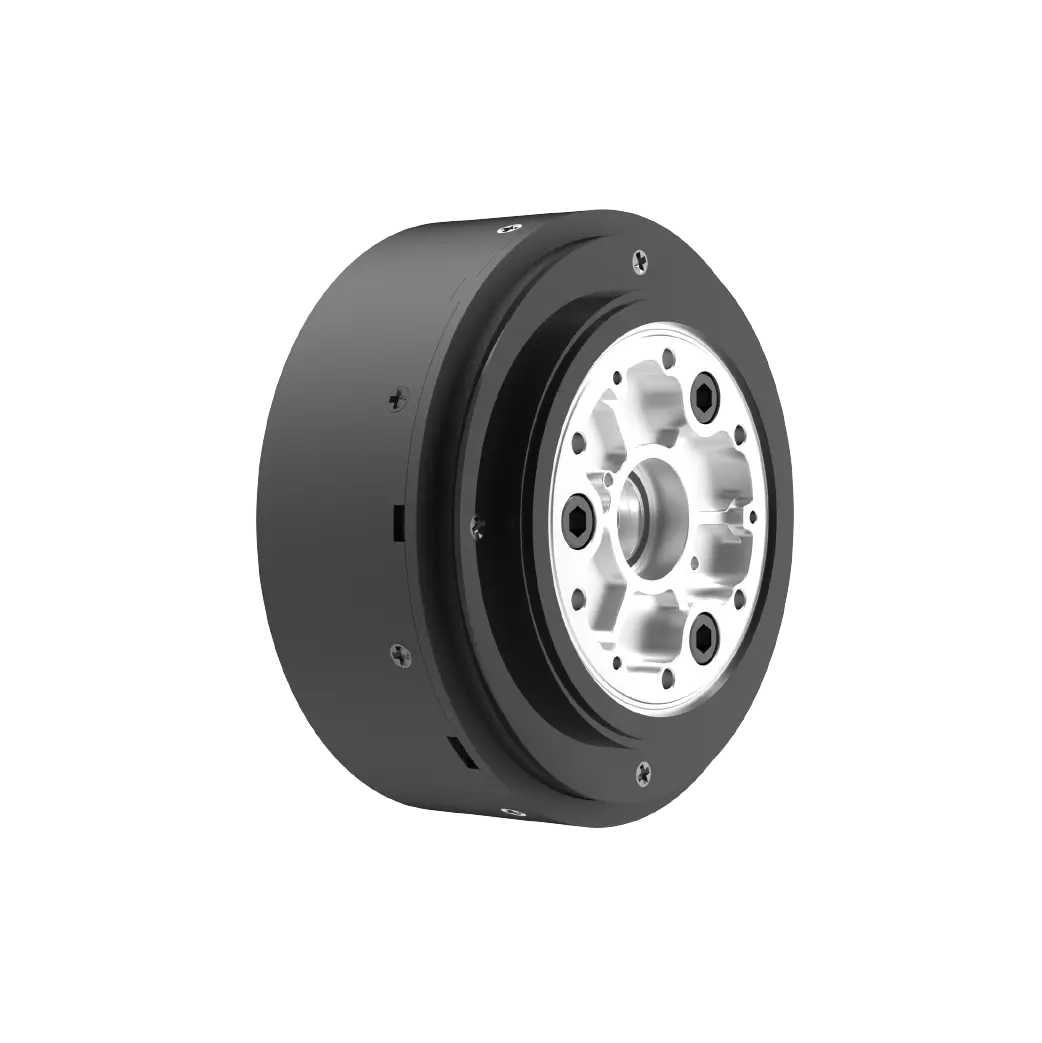
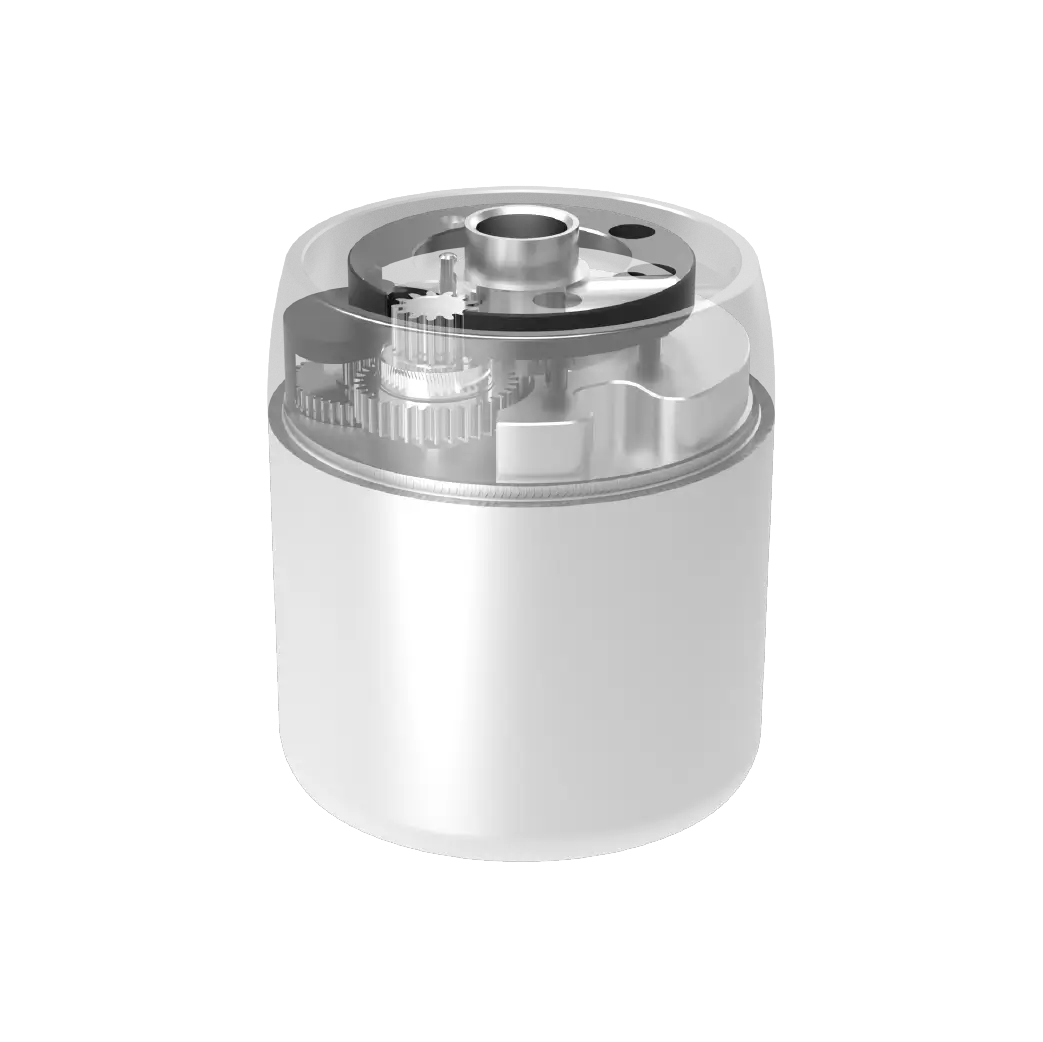
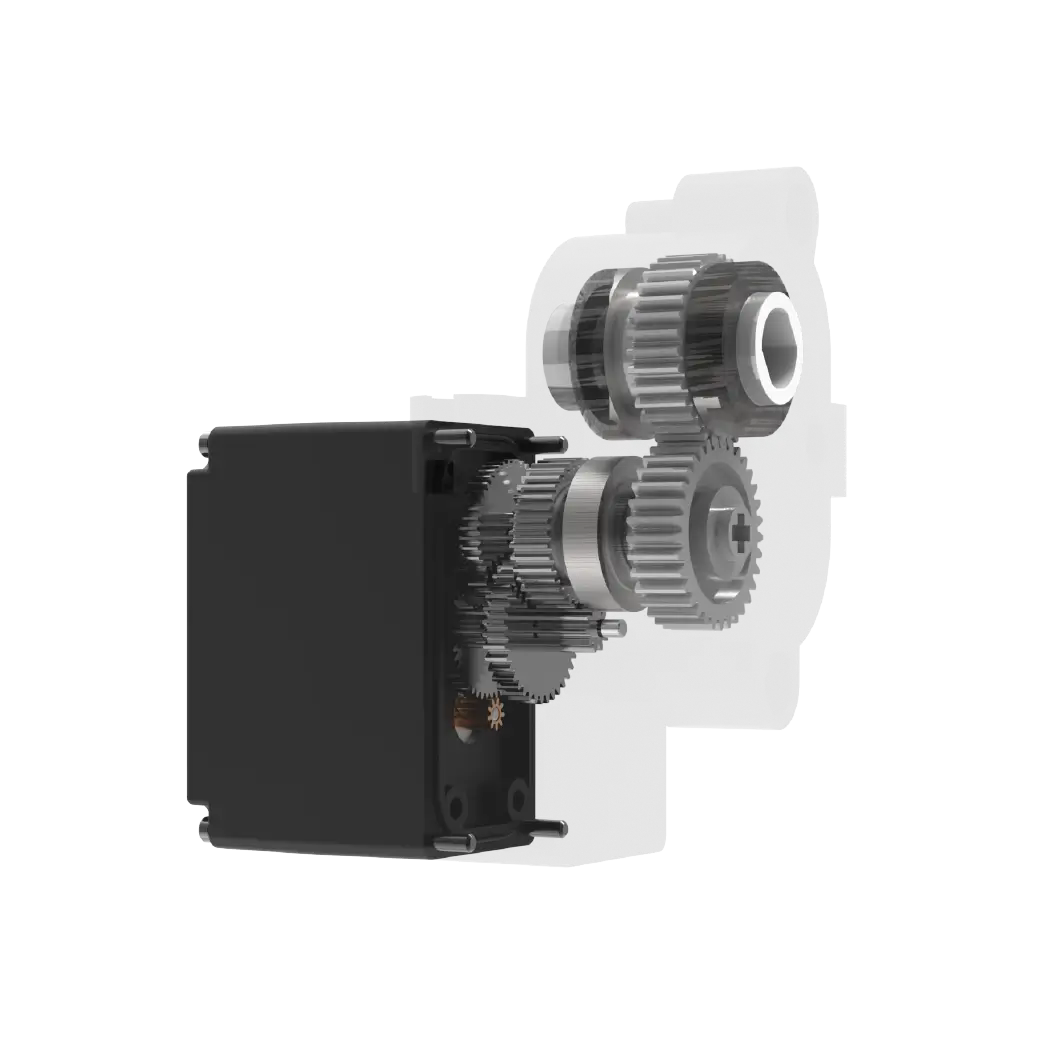
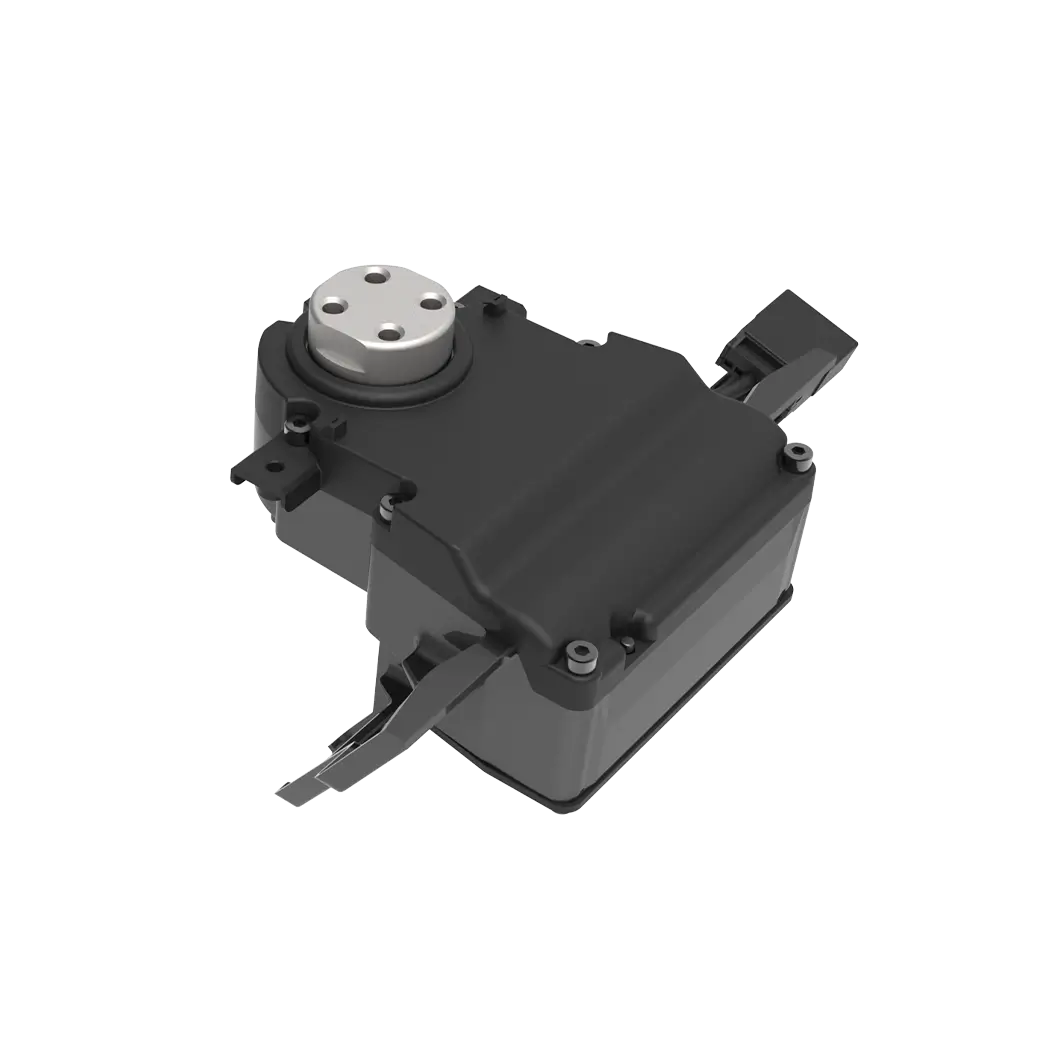
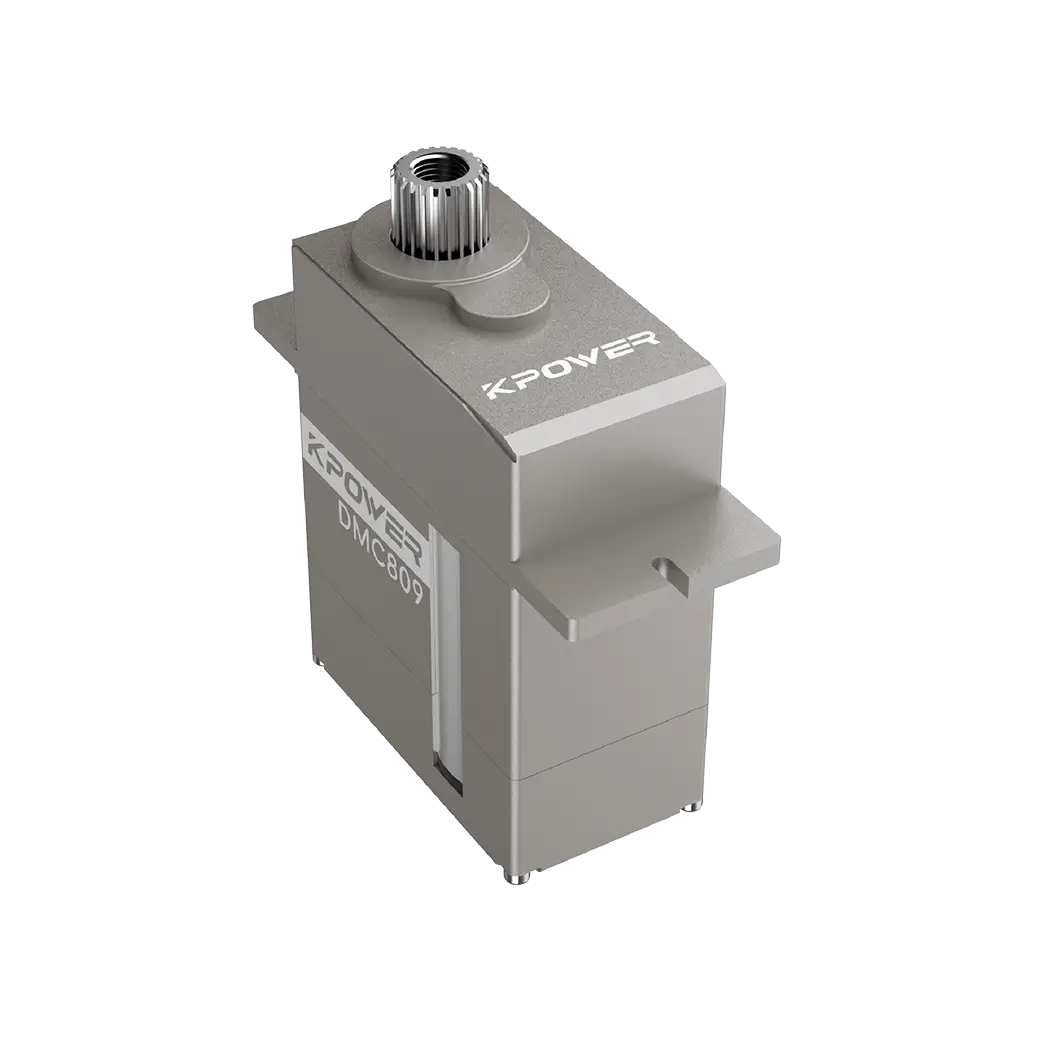
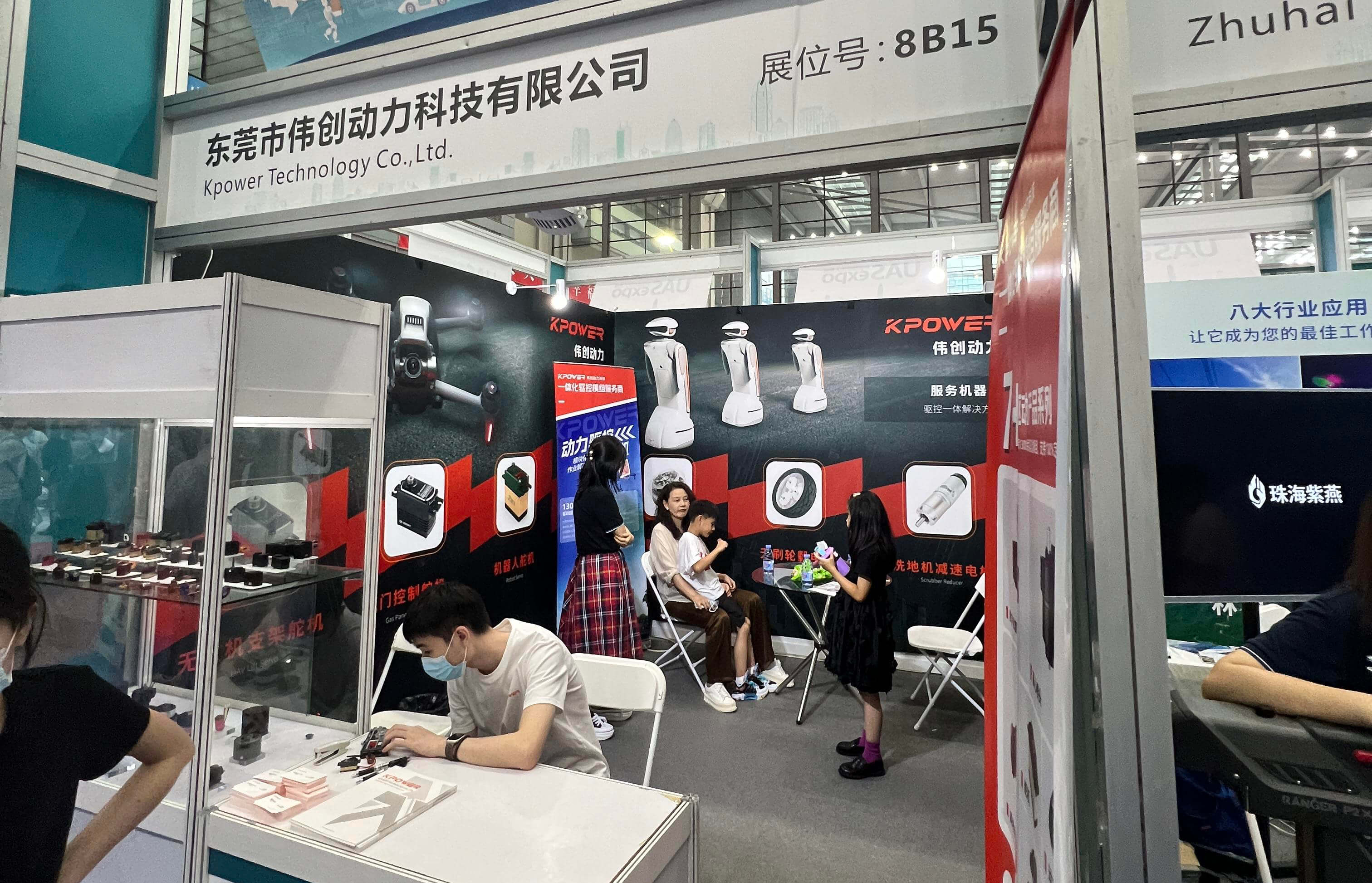
Those who are deeply involved in this fieldkpower, is focused on providing such high-performance servo drives. Their product design concept coincides with this "microservice-oriented" mechanical thinking - modularity, high integration, and intelligent interconnection. This is not a simple parts supply, but a set of basic capabilities that make mechanical systems smarter and more flexible.
Of course, this path is not easy. From centralized control to distributed intelligence, it is not only the hardware that needs to be changed, but also the design ideas and maintenance habits. But the direction is already clear: the mechanical system of the future will become more and more like an agile digital team, with each member (driving unit) being professional, autonomous, and collaborative to jointly respond to complex and ever-changing challenges.
Just as Netflix redefined the video streaming experience with microservices, the "microservicesization" of mechanical systems is redefining efficiency, resilience, and speed of innovation. It is no longer a cold technical concept, but a philosophy that makes machines more adaptable and vital.
Next time, when you see the smooth and flowing automation scene, you may be able to smile knowingly: behind this, there may be a quiet revolution going on. What supports this revolution are the smart units hidden in the details that continue to provide reliable "services".
Established in 2005,kpowerhas been dedicated to a professional compact motion unit manufacturer, headquartered in Dongguan, Guangdong Province, China. Leveraging innovations in modular drive technology,kpowerintegrates high-performance motors, precision reducers, and multi-protocol control systems to provide efficient and customized smart drive system solutions. Kpower has delivered professional drive system solutions to over 500 enterprise clients globally with products covering various fields such as Smart Home Systems, Automatic Electronics, Robotics, Precision Agriculture, Drones, and Industrial Automation.
Update Time:2026-01-19

Contact Kpower's product specialist to recommend suitable motor or gearbox for your product.