







TECHNICAL SUPPORT


Published 2026-01-19
Have you ever had a moment like this? The data on the production line is stuck in a traffic jam, the inventory figures in the warehouse are always inconsistent with the actual situation, and the financial reconciliation at the end of the month is like unraveling a mess. In the office, people from different departments hold their own forms and systems, and communication with each other is like frosted glass - you know where the problem is, but you always feel that you are not working hard.
Does this feel a bit like asking an old machine to execute a complex set of precise instructions? It may still spin, but it's slow, laggy, and error-prone. The traditional ERP systems used by many enterprises are facing this dilemma. They are huge and integrated, and they can affect the whole body if they move one hair. Want to add a new feature to sales? You may have to alert the entire production line and financial module, which is time-consuming and labor-intensive. By the time the changes are completed, the market will have changed.
Here comes the question: In today’s world where everything is pursuing agility and precision, can our “brain” that manages the core operations of an enterprise be as modular, responsive, and seamlessly coordinated as modern machinery?
Imagine what would happen if a huge central control system was decomposed into multiple independent and interconnected intelligent small units? Each unit focuses on one thing and talks to other units through a clear interface. This is the core idea of microservice architecture.
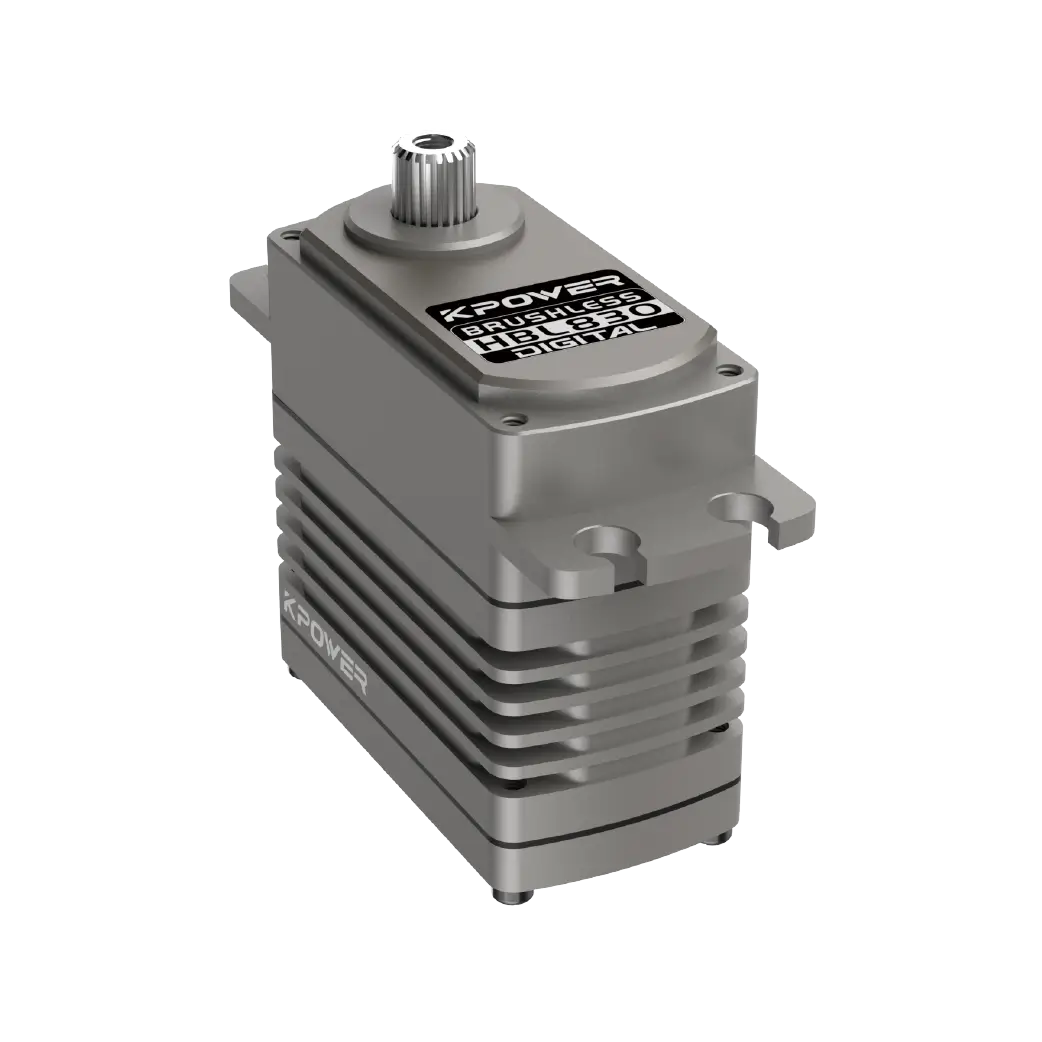
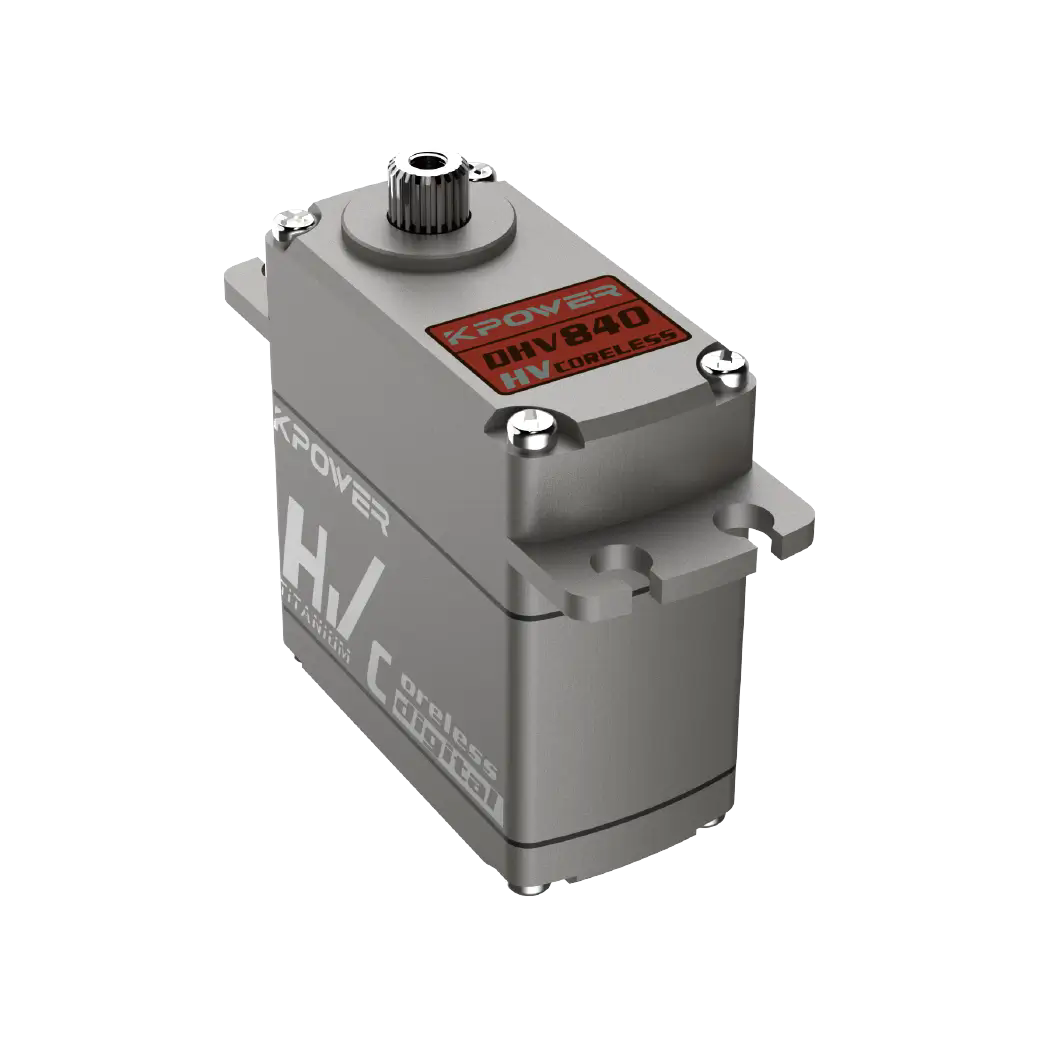
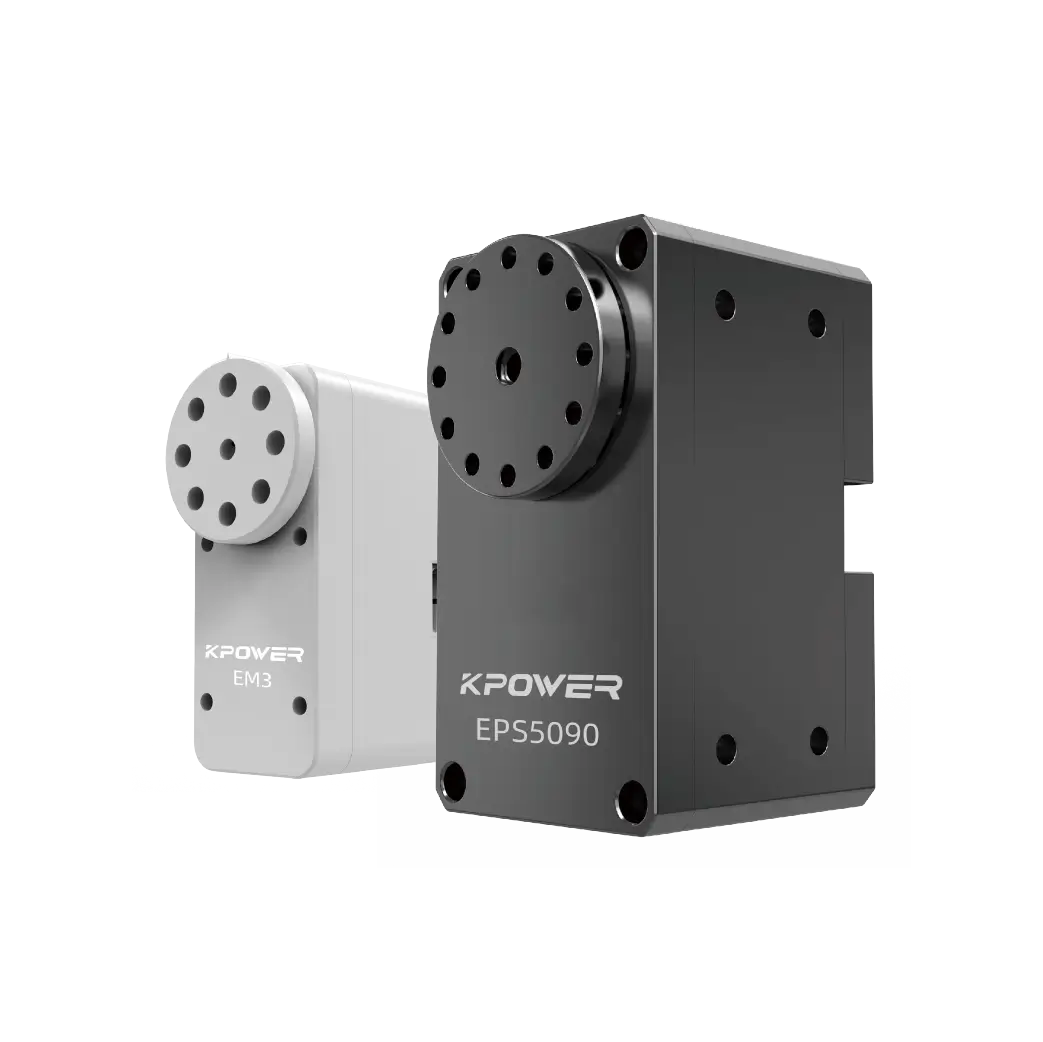
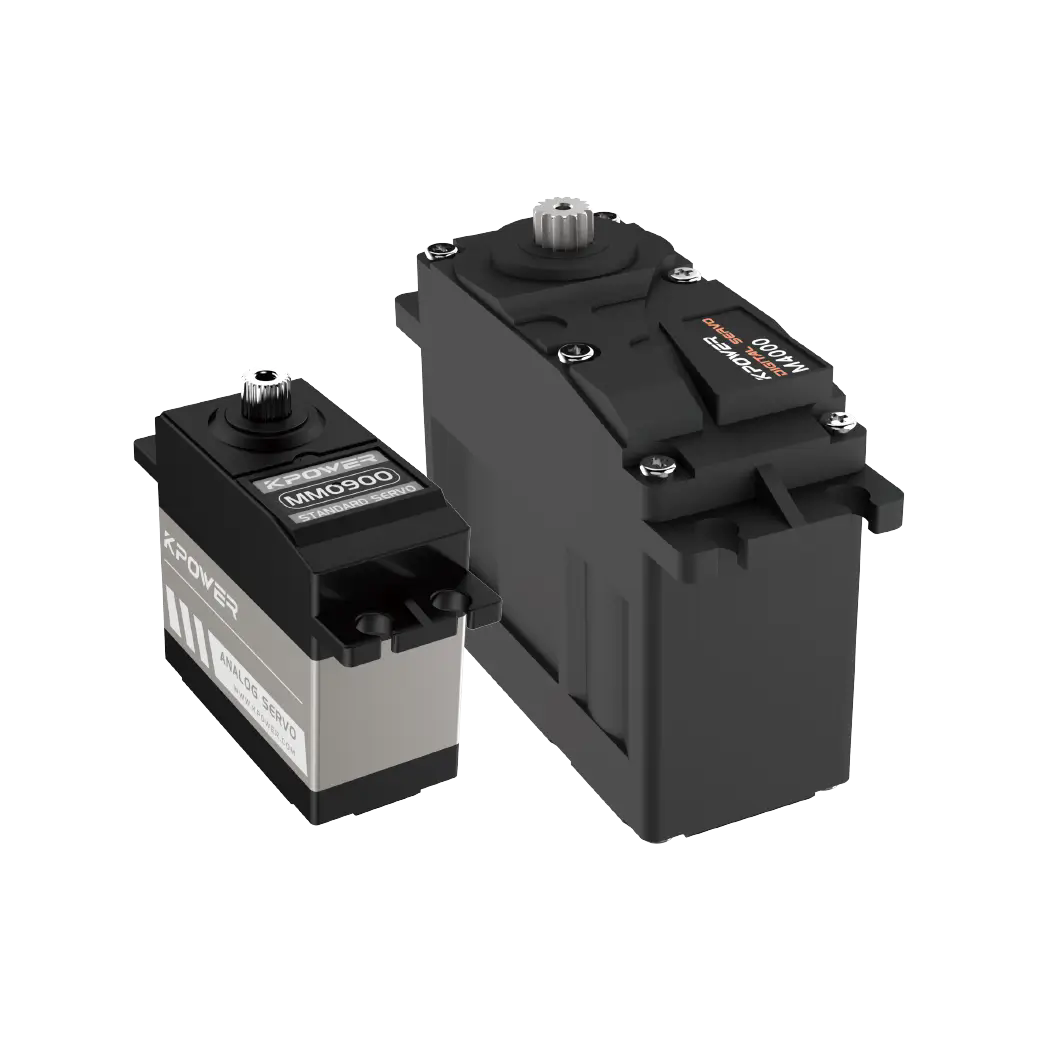
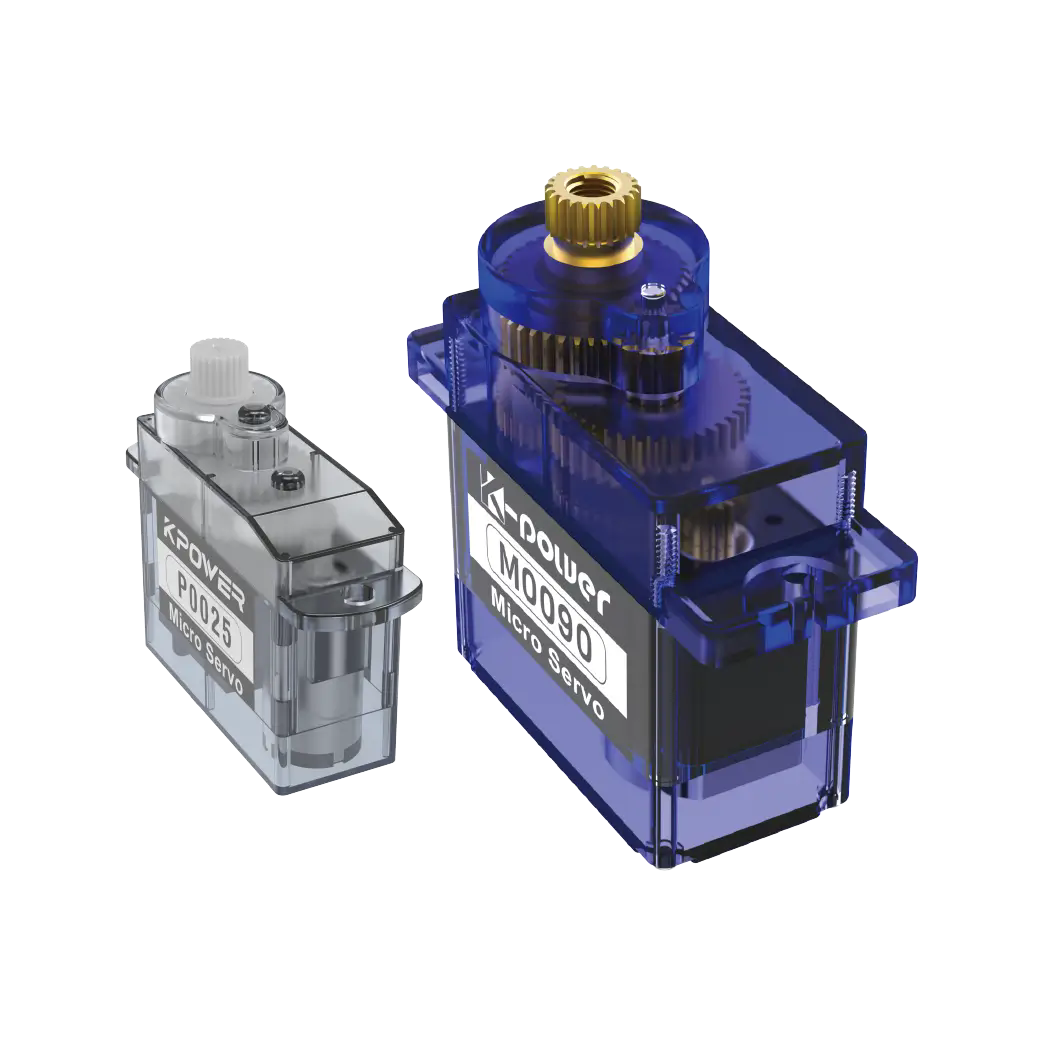
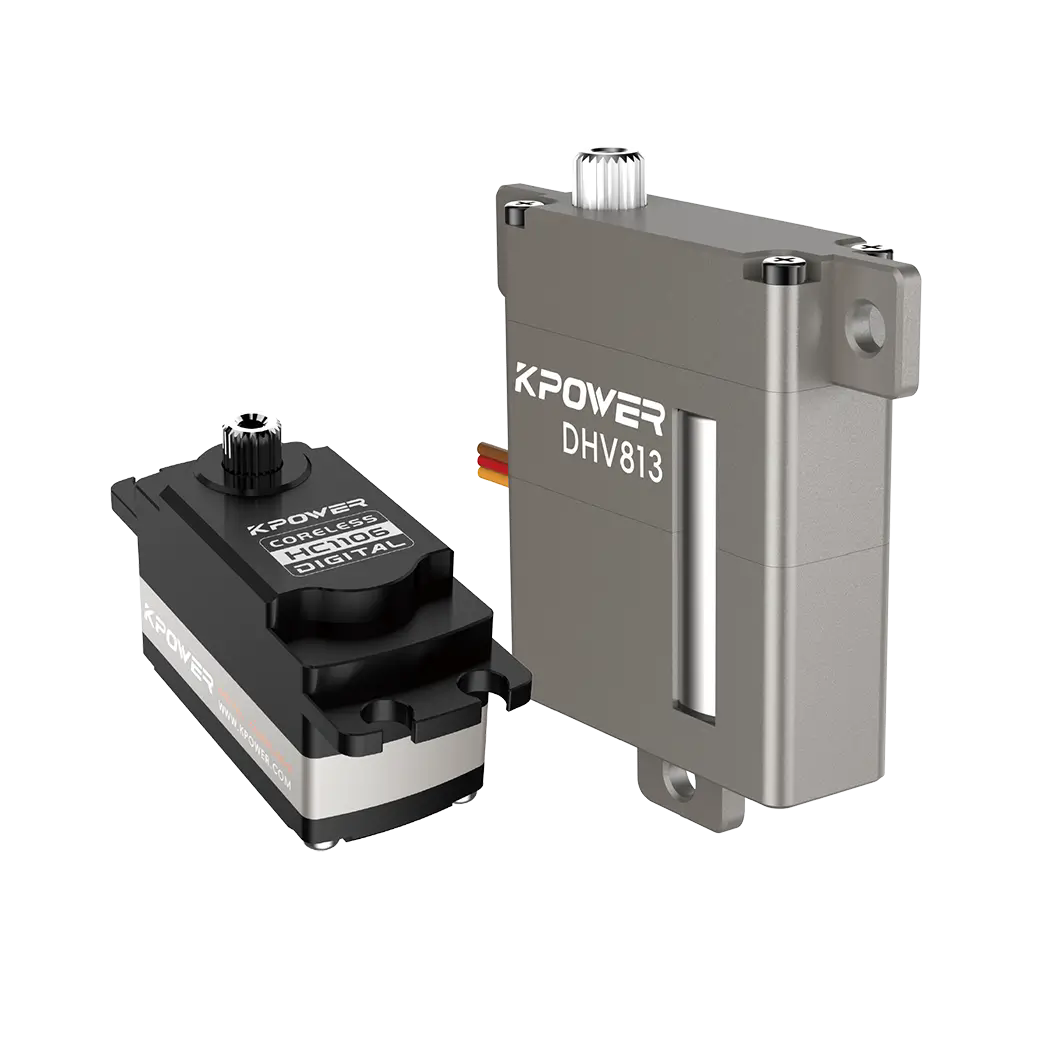
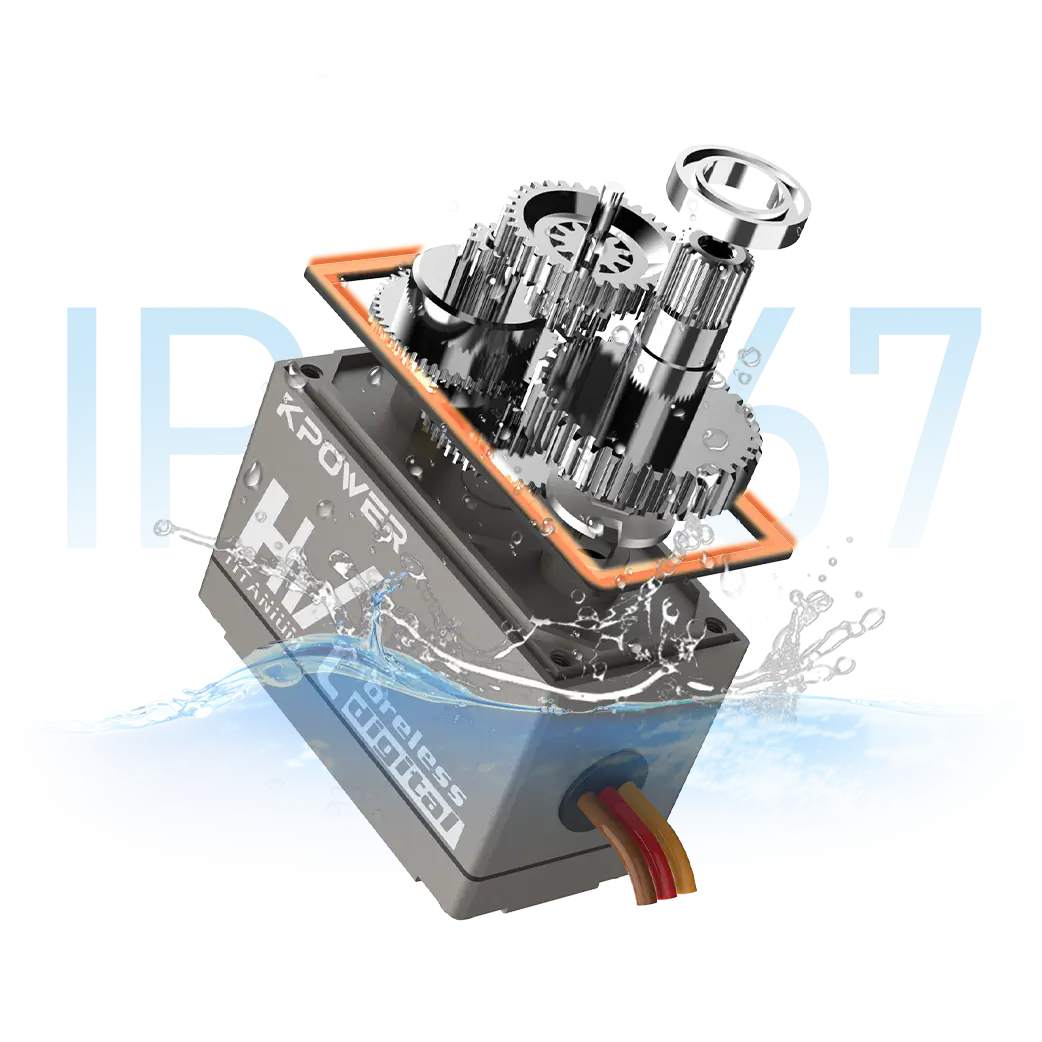
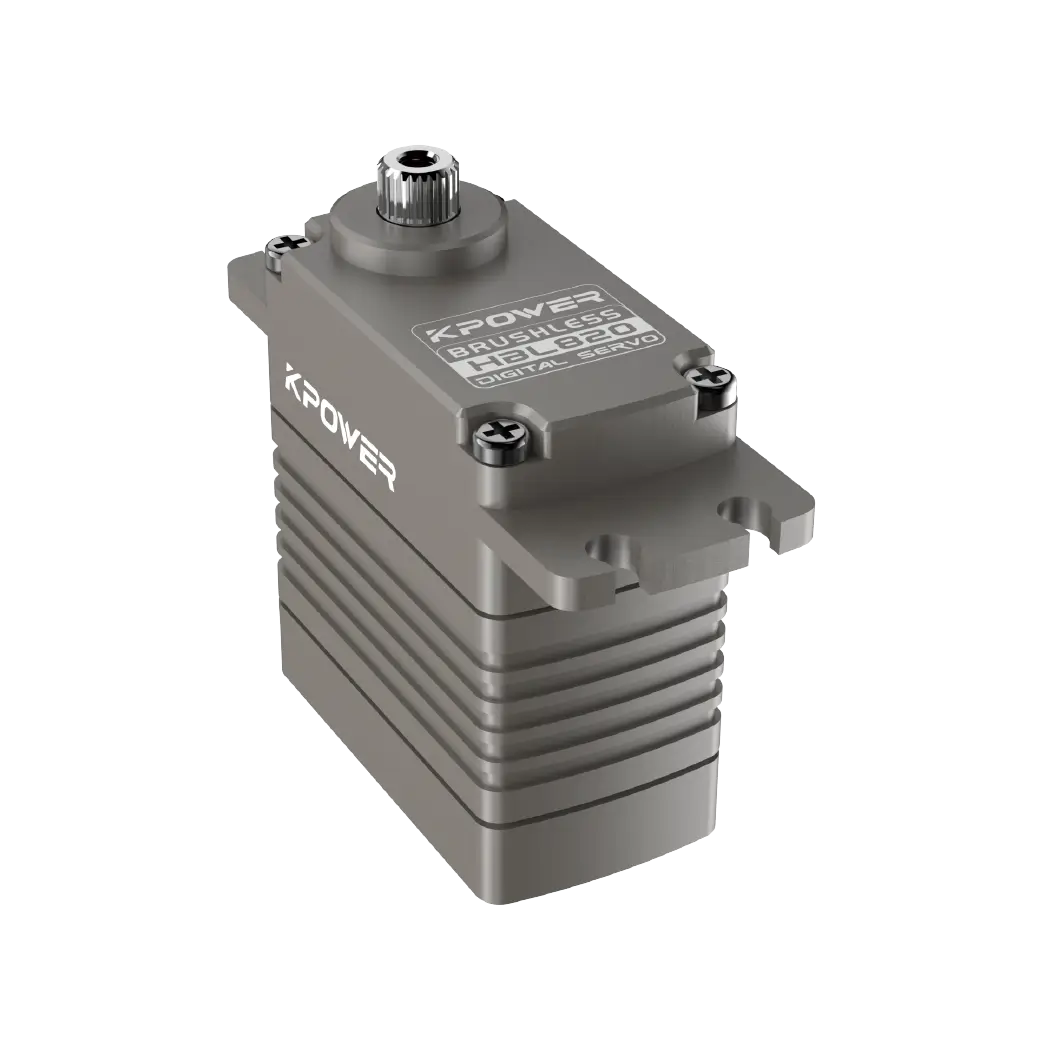
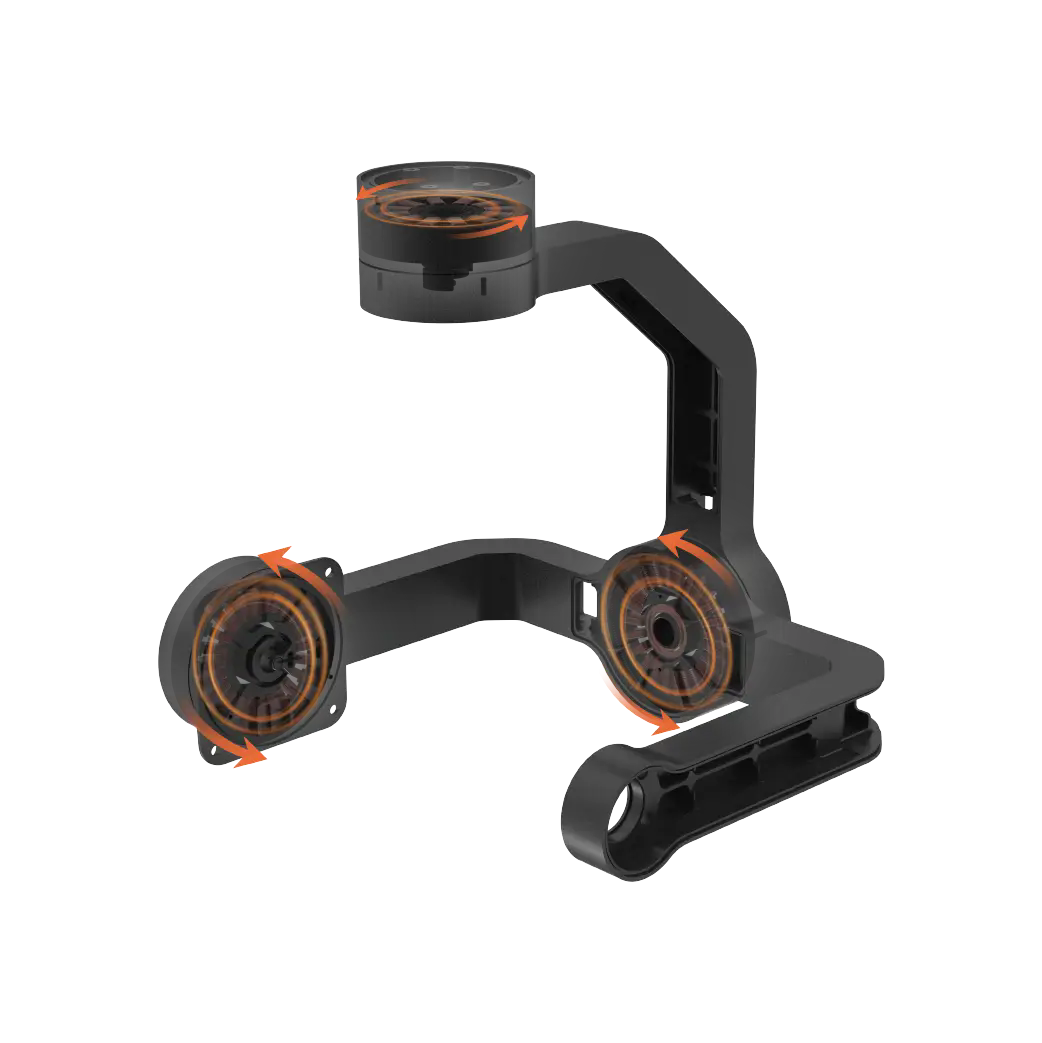
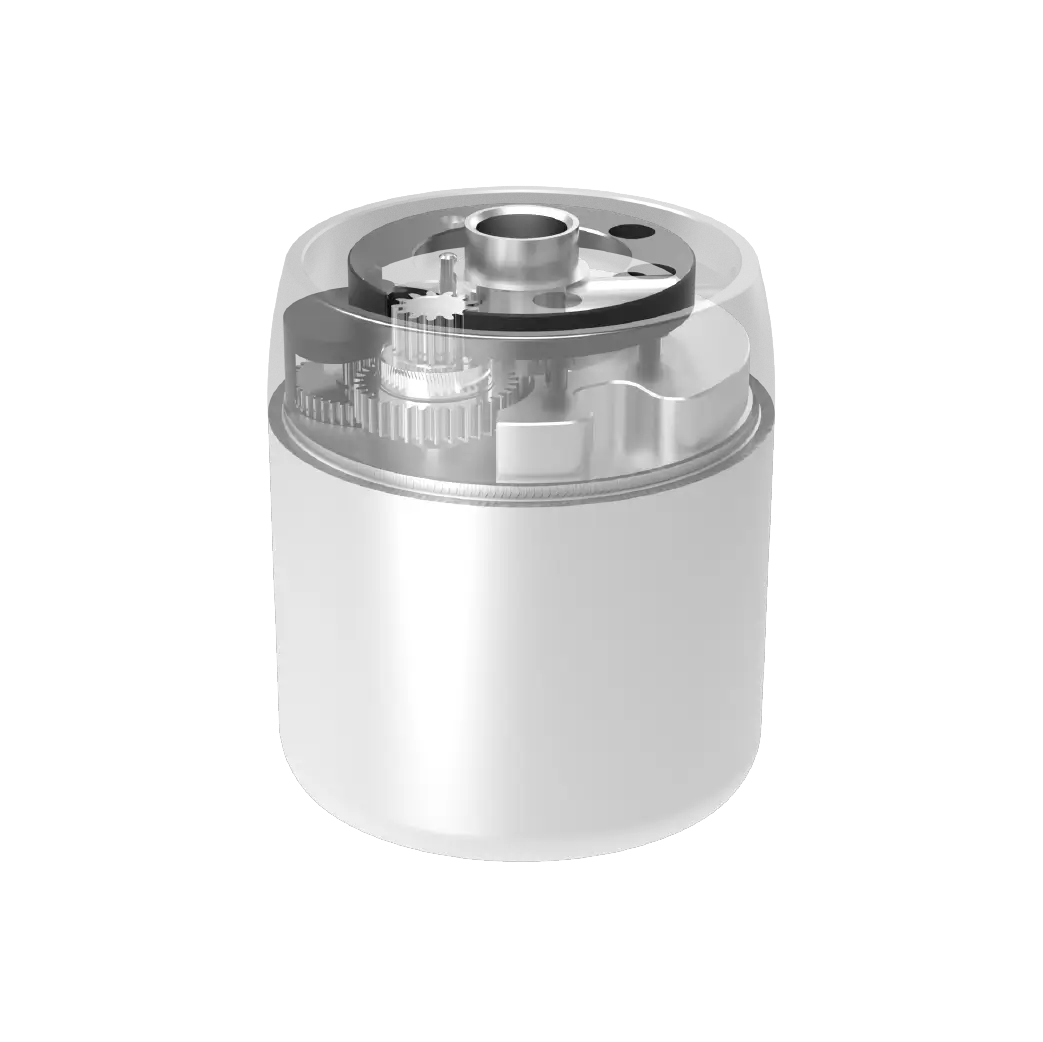
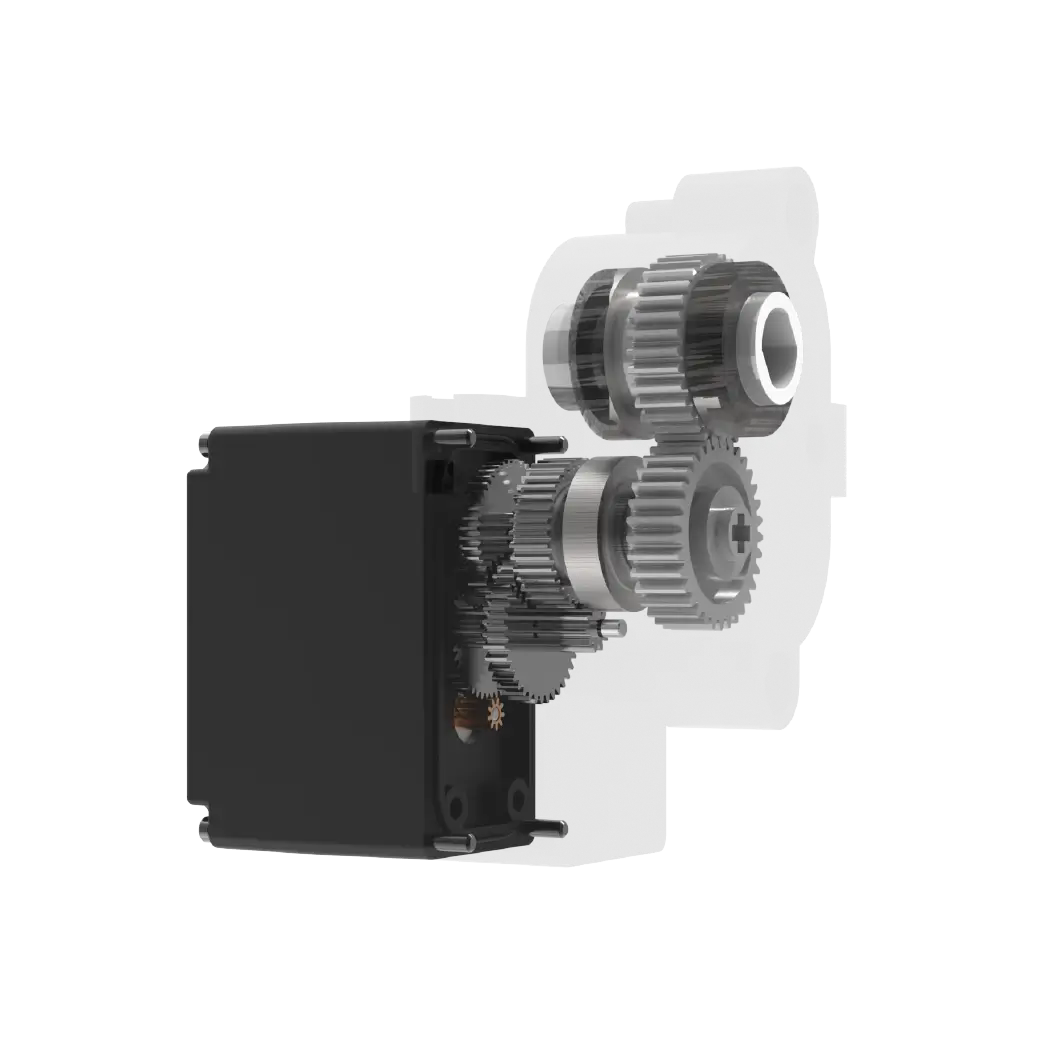
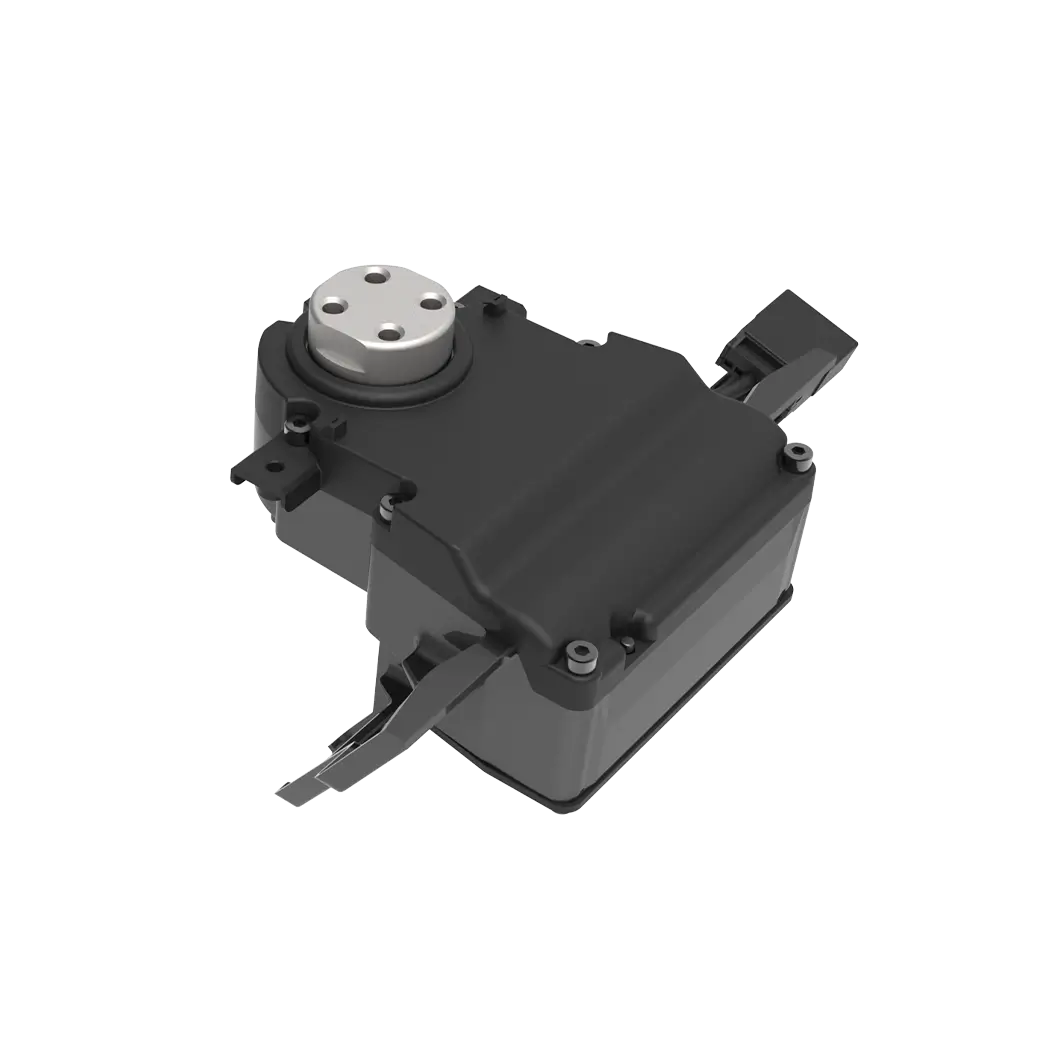
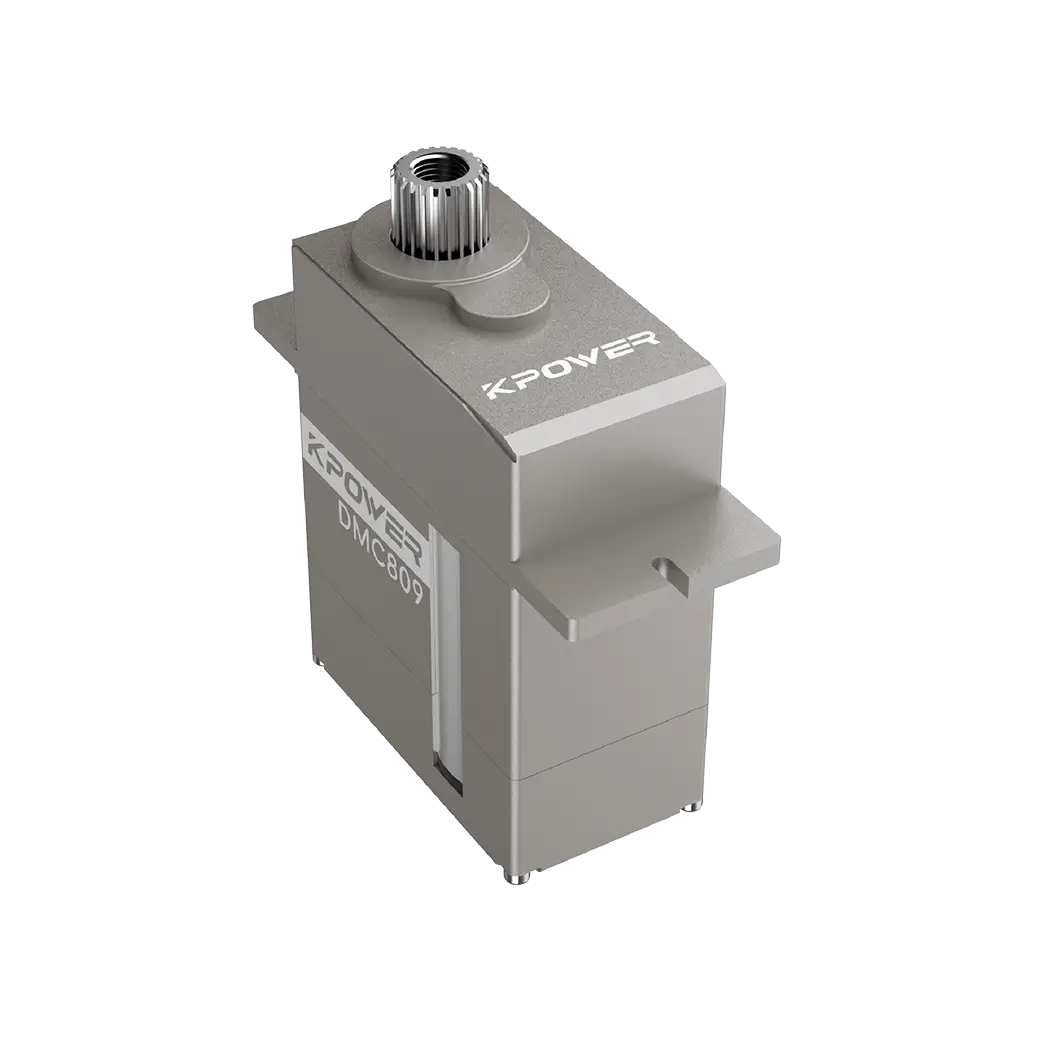
Applying it to ERP is like turning a heavy-duty integrated machine tool into a robotic arm composed of multiple high-precision servo servos working together. Each steering engine (microservice) is responsible for a specific action: one is responsible for order processing, one is responsible for keeping an eye on inventory flow, one is responsible for customer relations, and the other is responsible for human resources. They work independently, and upgrading or maintaining one of them will not affect the normal operation of the other parts at all.
What does this mean for businesses?
It's agile. Market needs a new promotion analysis report? Your development team can quickly adjust or add the "marketing analytics" microservice without having to search for a needle in a haystack of millions of lines of integrated code. Business is like building blocks that can be quickly combined to create new forms.
It's tenacity. The traditional system is like a chain. If there is a problem in one link, the entire chain may come to a standstill. Under the microservice architecture, even if the "payment gateway" service encounters temporary fluctuations, "order generation" and "logistics scheduling" can still work as usual, and the overall usability of the system is greatly enhanced.
It’s precision and transparency. The data and status of each service are clear and controllable, just like you can monitor the torque and position of each joint motor on the robotic arm in real time. Data silos are broken down, and the entire link from sales to production to delivery becomes visible, traceable, and traceable.
Seeing this, you may be thinking, the concept is great, but how should you choose? There are many concepts on the market, but implementation is the key.
A microservice ERP that can truly bring value should at least make you feel the following points:
In fact, the evolution of technology has always been to better meet people's needs. From centralized mainframe computers to personal PCs, from all-in-one mobile phones to today's modular smart devices, history is always developing in a more flexible and people-oriented direction.
The same goes for enterprise software.kpowerWhat we are thinking about and practicing is exactly how to inject this modular and agile engineering thinking into the core software of enterprise management. We believe that ERP should not be a heavy, closed fortress, but a living and growing ecosystem. Each of its "microservices" is like a carefully adjusted precision component, silently and reliably supporting every operation and innovation of the enterprise's business.
When your order management, production scheduling, and logistics tracking work together like a set of flowing automated machinery, you will not only feel an increase in efficiency, but also an unprecedented and calm sense of control over the overall business. This change is not a reinvention, but a precise, future-oriented upgrade.
Perhaps it’s time to replace the “digital core” of your company with a more flexible and powerful power system.
Established in 2005,kpowerhas been dedicated to a professional compact motion unit manufacturer, headquartered in Dongguan, Guangdong Province, China. Leveraging innovations in modular drive technology,kpowerintegrates high-performance motors, precision reducers, and multi-protocol control systems to provide efficient and customized smart drive system solutions. Kpower has delivered professional drive system solutions to over 500 enterprise clients globally with products covering various fields such as Smart Home Systems, Automatic Electronics, Robotics, Precision Agriculture, Drones, and Industrial Automation.
Update Time:2026-01-19

Contact Kpower's product specialist to recommend suitable motor or gearbox for your product.