







TECHNICAL SUPPORT


Published 2026-01-19
Imagine this: you click on a TV show, but the screen keeps buffering. Or worse, the recommendation list suddenly looks the same, as if the system doesn’t understand you anymore. This is not the story of streaming media platforms, but what many companies have quietly experienced in digital services - slow service response, difficulty in expansion, and all losses if a certain module breaks down.
Netflix’s microservices architecture is widely discussed precisely because it is like a well-trained symphony orchestra. Each instrument (service) plays independently, and the magnificent music is synthesized through precise command (coordination). But few people understand that in order for this "digital orchestra" to perform truly smoothly, it is inseparable from the "robotic arms" under the stage that ensure that each musician's movements are precise and timely. Yes, I am talking about the servo systems that execute commands in the physical world.
Microservices break a huge application into independent pieces, each responsible for a defined function. This brings flexibility: updating recommendations does not require touching the payment module. Challenges arise when these services need to interact with the physical world—such as controlling robots that sort packages in smart warehouses, regulate automated production line processes, or drive sophisticated display devices.
The "agility" of digital instructions encounters the "delay" and "error" of mechanical execution. A rapidly expanding order processing service may generate thousands of logistics instructions in an instant. If the underlying execution units—servos or servo motors—are slow to respond, inaccurately positioned, or run erratically, the advantages of the entire agile architecture will collapse in one piece. It's like the orchestra score is perfect, but the violinist's bow is always half a beat too slow.
Q: How does this relate to hardware selection? It's a big deal. Microservice architecture requires components to be highly autonomous and reliable. Correspondingly, the hardware of the execution terminal also has the same characteristics: quick response to instructions (high responsiveness), accurate arrival at the designated position (control accuracy), and the ability to stably respond to frequent starts and stops (durability). This is not just "just do it", but requires deep "understanding" and "tacit understanding".
How to make hardware have this kind of "digital native" tacit understanding? The key is to select components that are built for highly dynamic, distributed control. This is not a simple purchase, but a search for movement partners who “understand” the language of microservices.
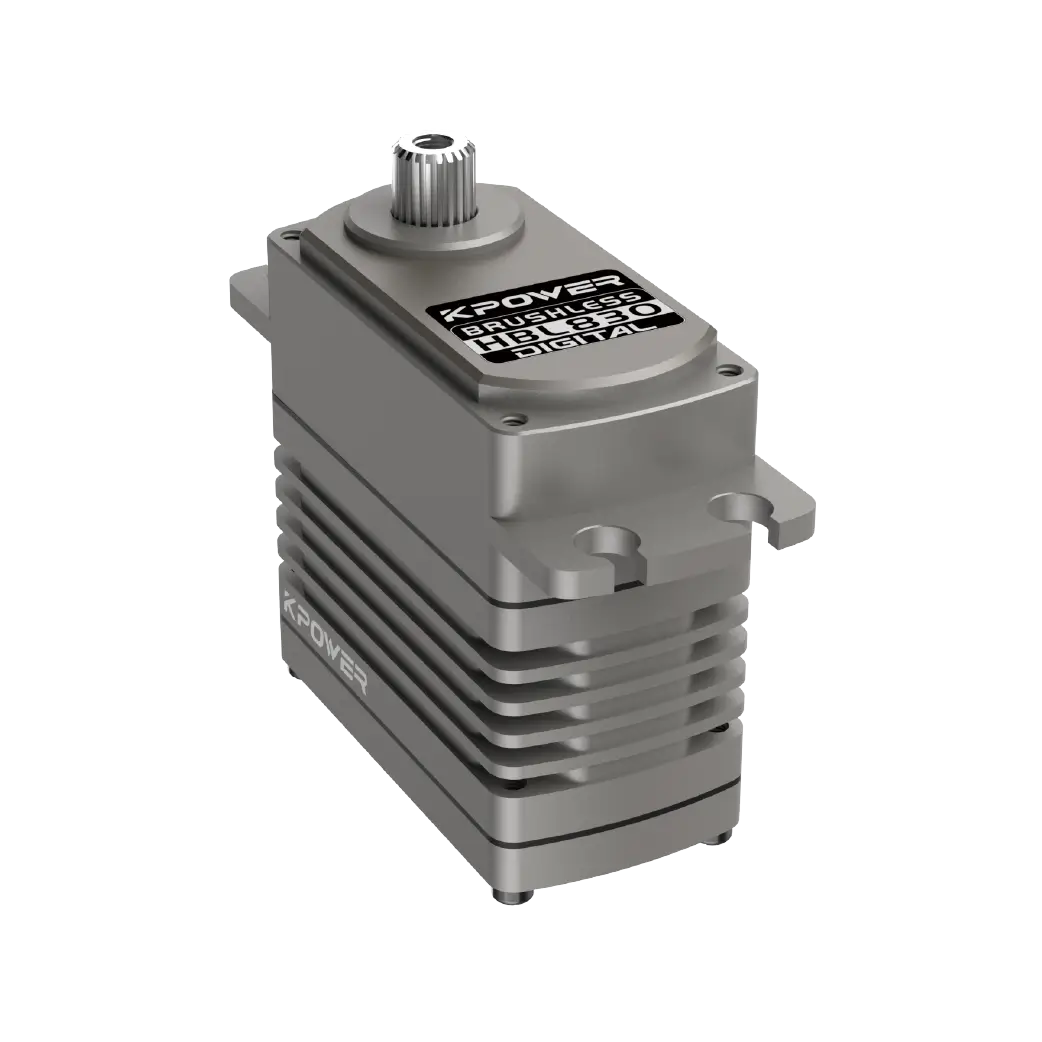
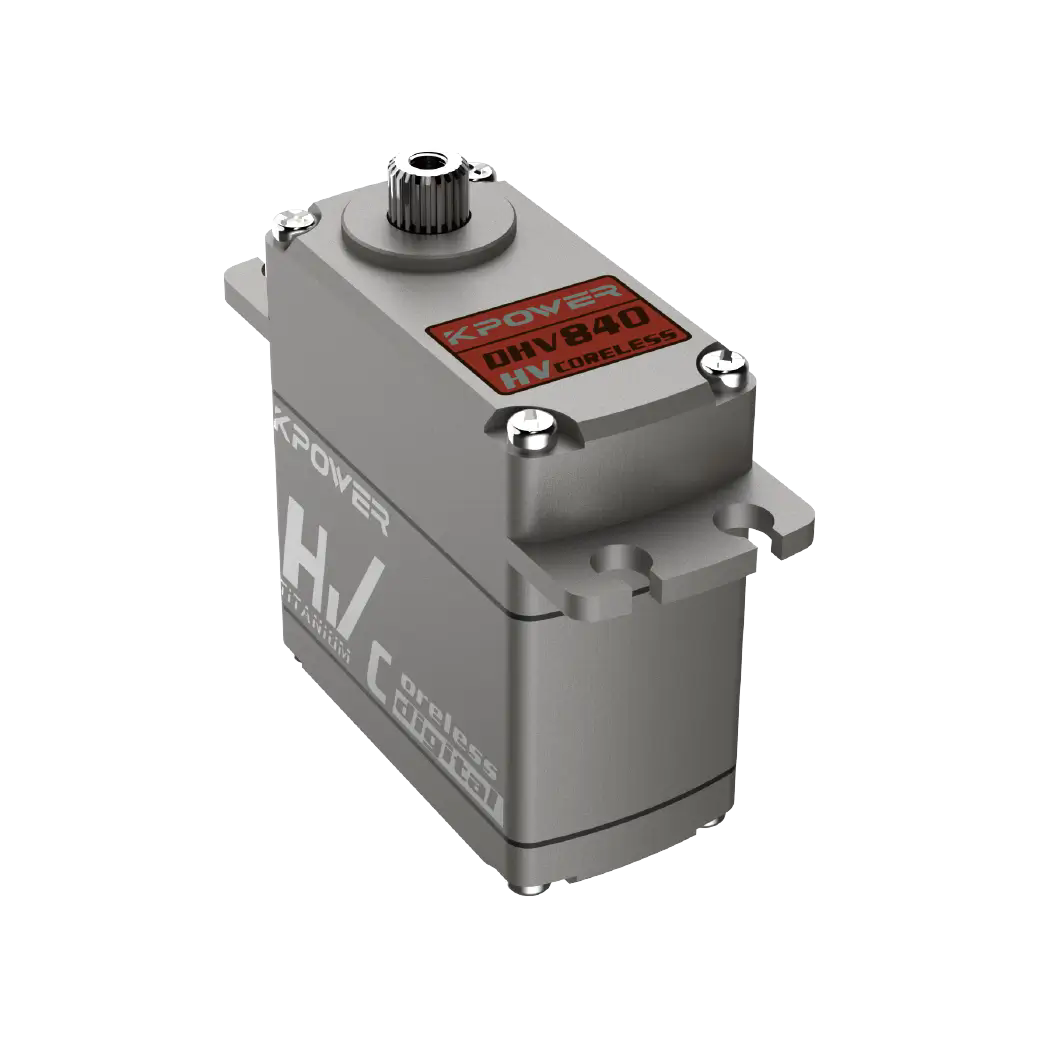
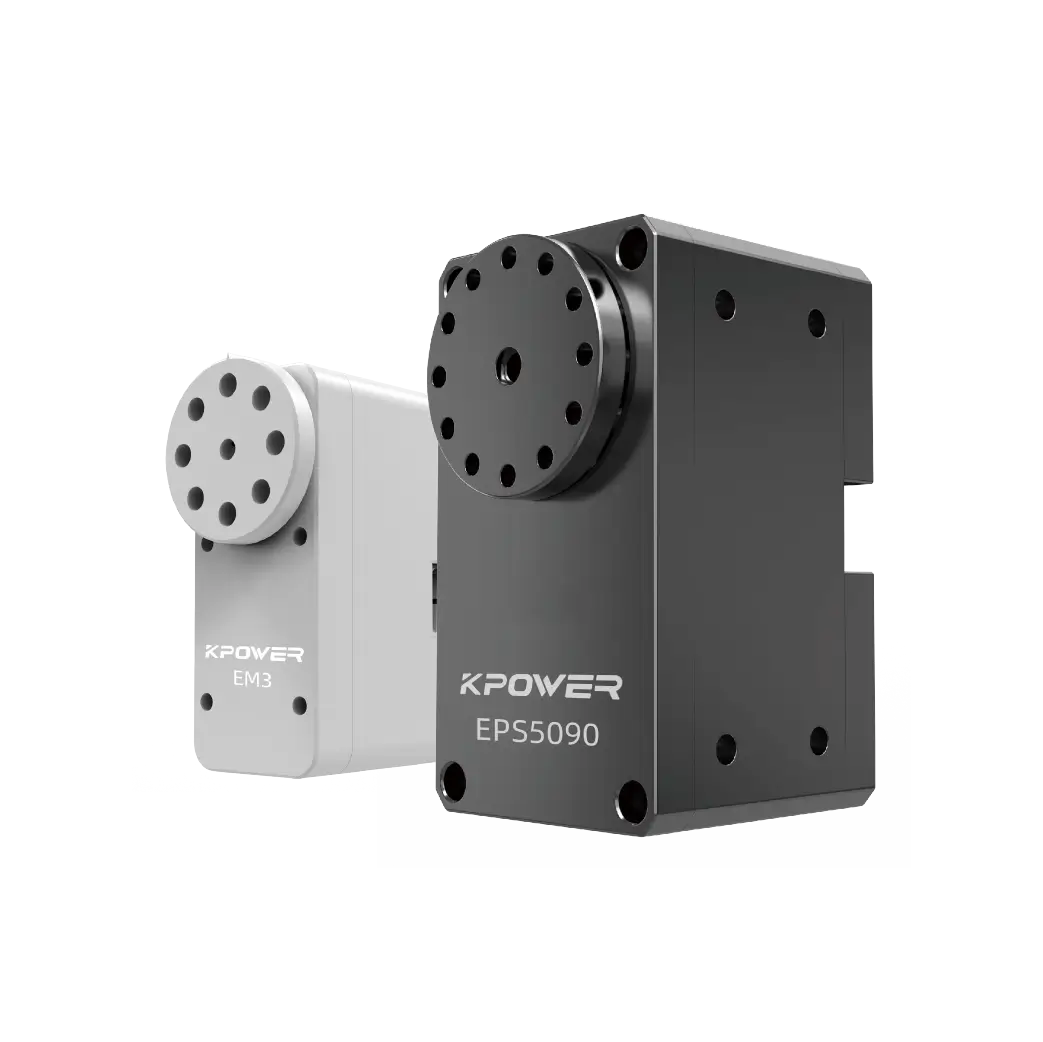
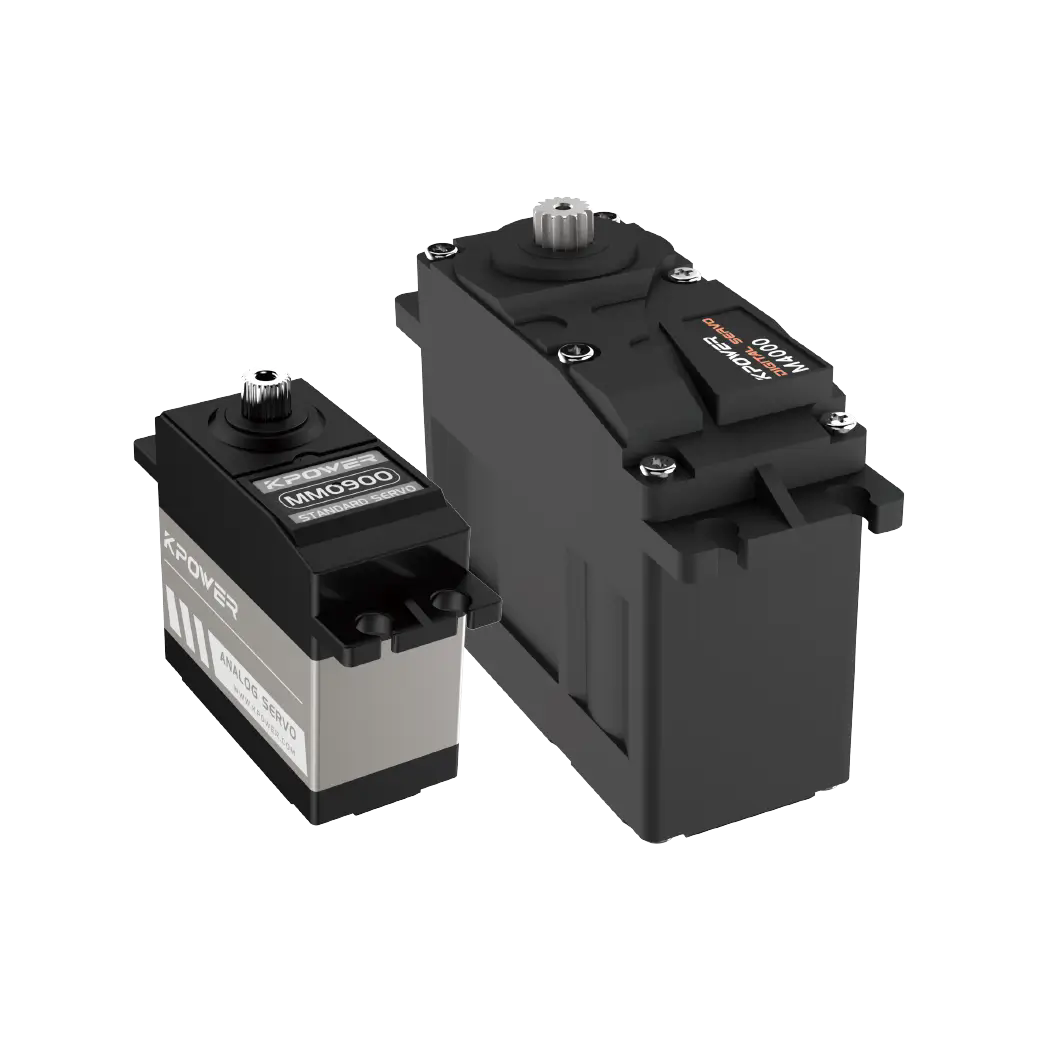
bykpowerTake the servo solution as an example, the core of which lies in predictive collaboration. It doesn't stop at receiving the command "turn to 30 degrees." Through built-in intelligent control, it can predict motion trends and adjust torque in advance when the command flow suddenly intensifies to achieve a smooth transition; when multi-axis collaboration is required to complete complex trajectories, each unit can coordinate autonomously based on real-time bus communication (such as EtherCAT), reducing central dispatching pressure. This is like a musician not only watching the conductor, but also sensing the rhythm of his neighbors and automatically maintaining harmony among his voices.
The benefits are obvious:
This is not a reinvention. You can start with key nodes:
You will find that when the hardware has agile "muscle memory", your microservice architecture can truly achieve a complete extension from the digital world to the physical world. It is no longer just an exquisite dance in the clouds, but an equally smooth physical performance in workshops, warehouses, and showrooms.
Choose something likekpowerSuch a brand that focuses on deep electromechanical synergy introduces a hardware partner to your system that understands the rhythm of software. It allows every digital decision to be transformed into accurate, reliable, and timely real actions. Ultimately, your users won’t see the complexity behind it, they will only experience seamless flow – whether it’s a video that opens in seconds, a package that arrives on time, or an interactive surprise that’s just right at that moment.
Good technology should work without leaving any trace.
Established in 2005,kpowerhas been dedicated to a professional compact motion unit manufacturer, headquartered in Dongguan, Guangdong Province, China. Leveraging innovations in modular drive technology, Kpower integrates high-performance motors, precision reducers, and multi-protocol control systems to provide efficient and customized smart drive system solutions. Kpower has delivered professional drive system solutions to over 500 enterprise clients globally with products covering various fields such as Smart Home Systems, Automatic Electronics, Robotics, Precision Agriculture, Drones, and Industrial Automation.
Update Time:2026-01-19

Contact Kpower's product specialist to recommend suitable motor or gearbox for your product.