







TECHNICAL SUPPORT


Published 2026-01-19
Imagine: you are assembling a sophisticated mechanical device, the servo motor is running, and the steering gear is also turning according to the instructions, but you always feel that something is wrong. The response speed is half a beat slower, the positioning accuracy is a little worse, and it occasionally makes strange noises during operation. These detailed issues may stall the progress of the entire project, making people wonder: "Should we change to a smarter control scheme?"

Yes, the development method of traditional microcontrollers is sometimes like tuning an old-fashioned radio - you have to manually find the frequency slowly, and if the load or environmental conditions change slightly, you have to tune it again. Is there a way to make motor control easier and more "adaptive"? That's what we're going to talk about today.
Maybe you have encountered this situation: when a robotic arm grabs an object, the force is suddenly strong and sometimes weak; the speed of the conveyor belt on the automated production line occasionally drifts; or even a simple rotating platform has a slight deviation in the stopping position every time. Behind these problems, it is often not that the quality of the motor itself is poor, but that the control logic cannot keep up with complex scenarios.
The traditional development model is usually: first write the underlying driver, then adjust the PID parameters, and then repeatedly test and modify... It takes a lot of time, and may only solve the problem under specific working conditions. Once you move to a new environment, you have to start all over again. This is like reinventing the wheel for each new task, which is inefficient and prone to hidden dangers.
How about thinking differently? What if the control logic could be modularized, service-oriented, and flexibly combined like building blocks?
In recent years, the concept of "microservices" that has become popular in the software field can actually bring new ideas to hardware control. To put it simply, complex control tasks are broken down into multiple independent small services - for example, one service is responsible for position closed loop, one service handles torque control, and another service is responsible for communication protocol conversion. They run independently and communicate and collaborate in a lightweight way.
The benefits of this are obvious. First, flexibility has increased. If you want to adjust a certain function, such as speed loop response, you don't need to change the entire system, just change the corresponding service module. Second, reliability is better. If a service fails, the entire system will not be paralyzed, and other modules can continue to work. Third, iteration is faster. You can test and upgrade in modules without having to start over again every time.
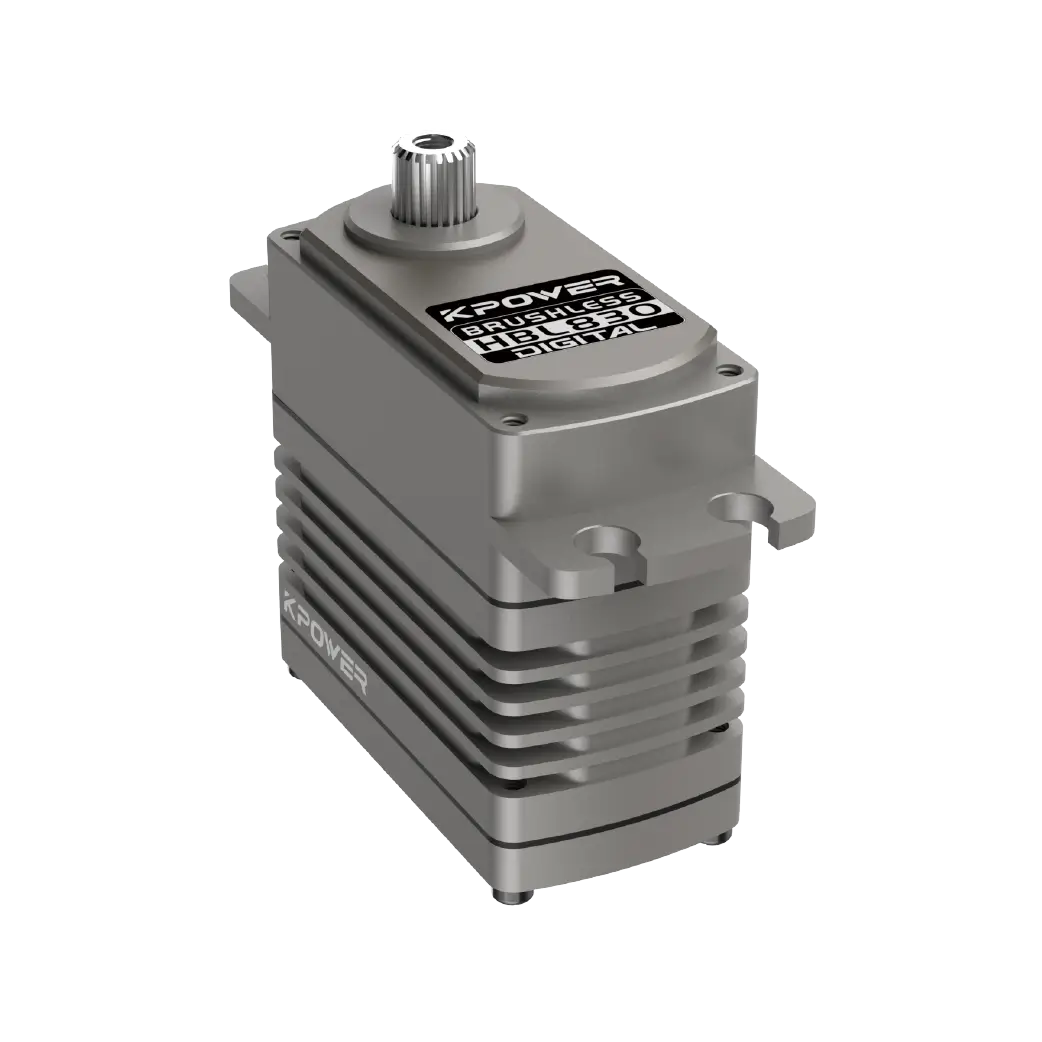
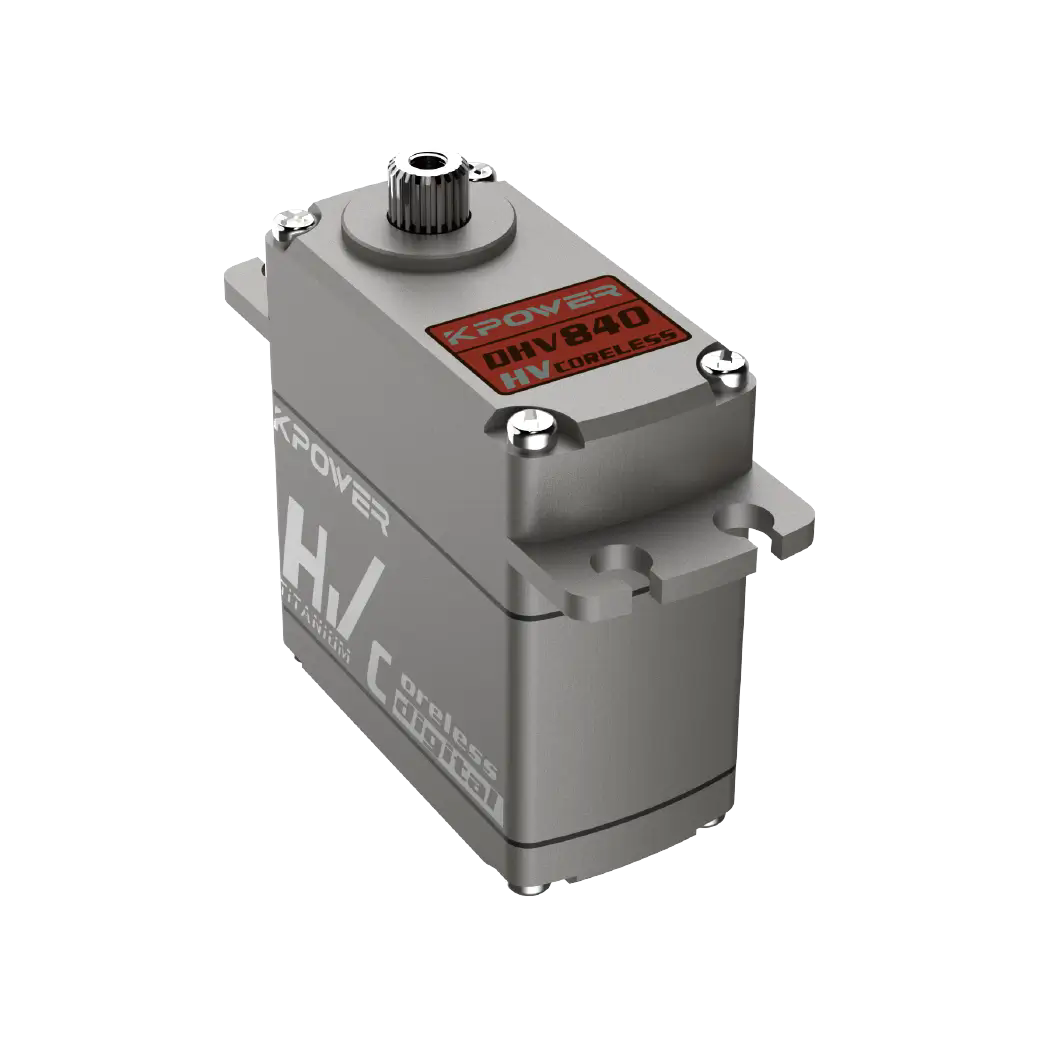
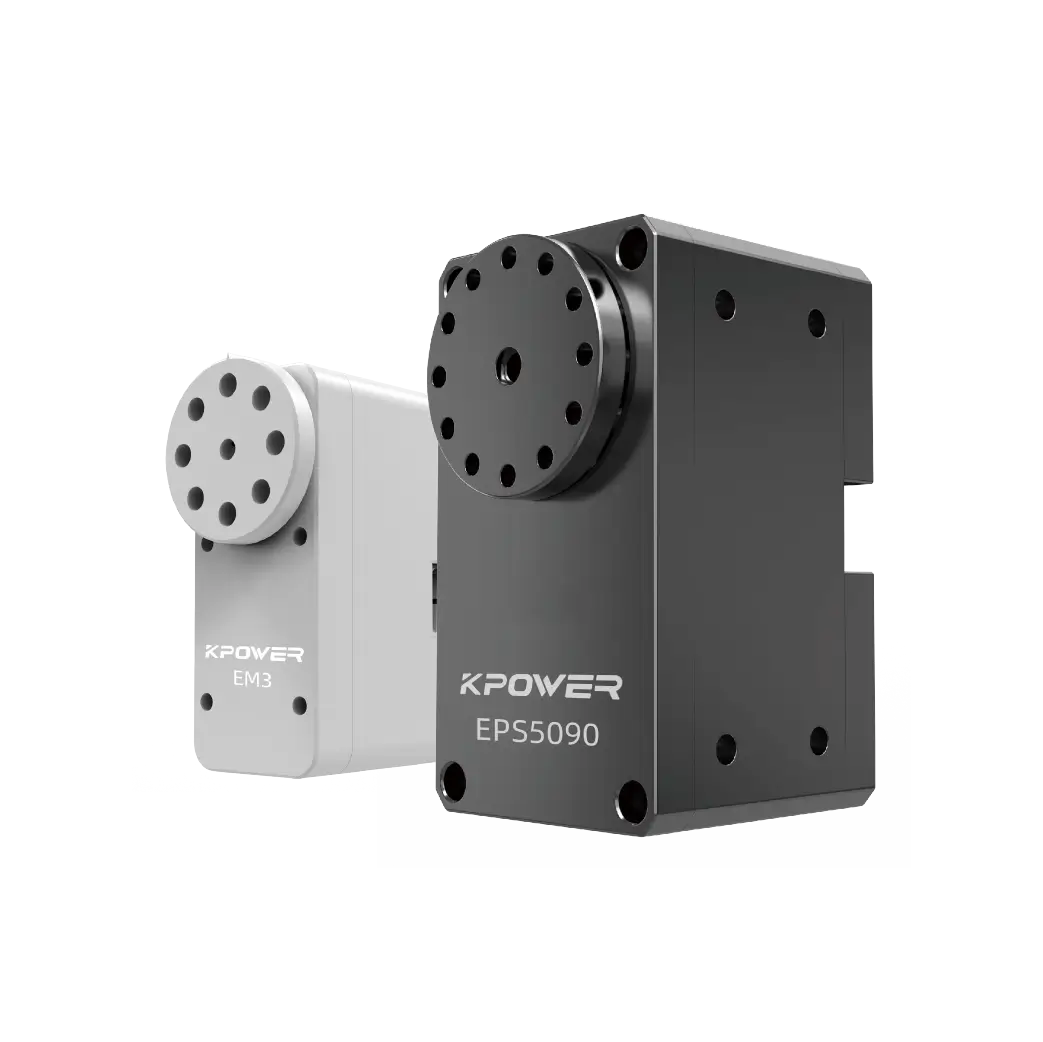
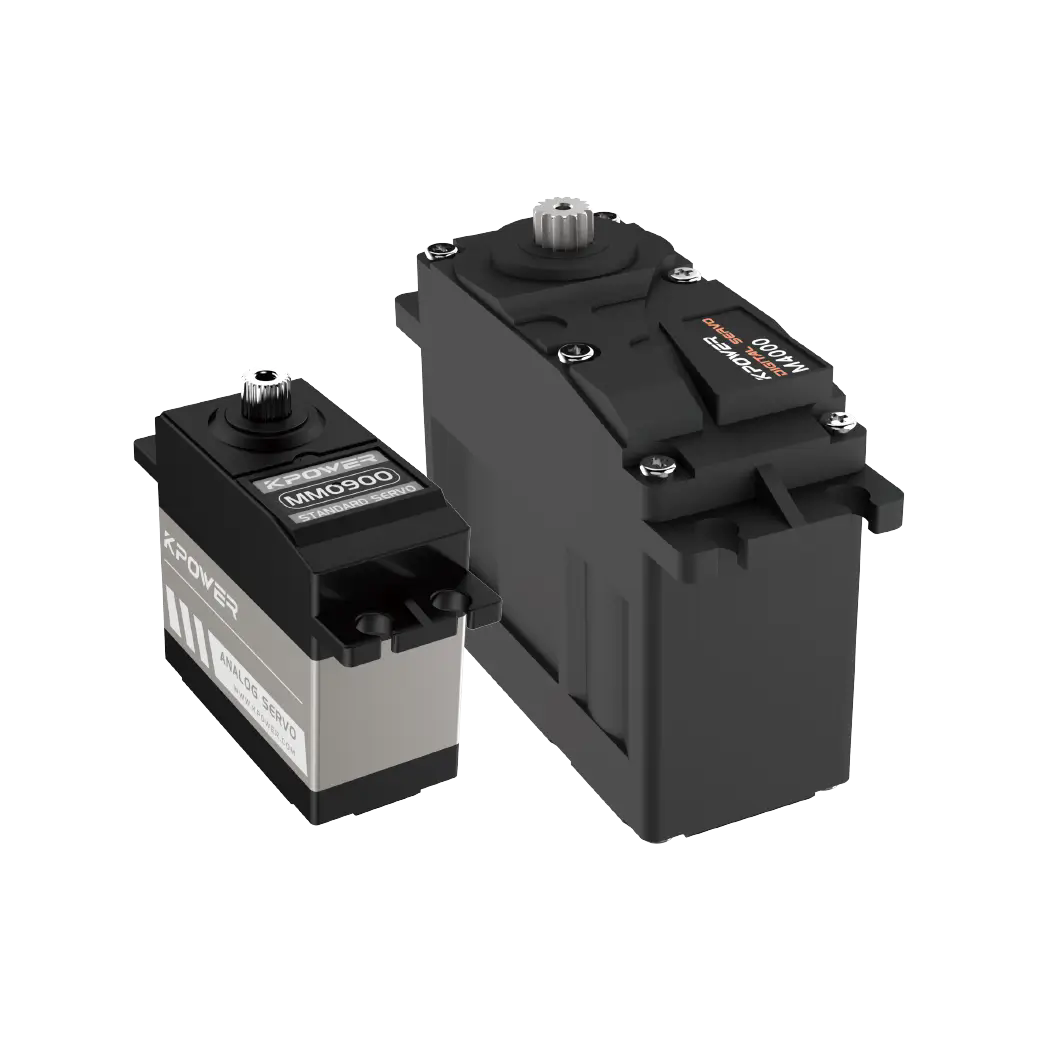
takekpowerTake the sample microservice application as an example, which puts this idea into actual products. It's not just about selling a motor or driver, but it's about providing a set of already built microservice application frameworks to make development as intuitive as an optional function menu.
Debugging time is greatly shortened. In the past, it may have taken several weeks to stabilize multi-axis coordinated motion. Now, through the preset service combination, you can see the effect of smooth operation in a few days. Because many common and communication protocols have been packaged, you only need to focus on your own process logic.
Stronger adaptability: In the face of different load changes or external interference, parameters between microservices can be dynamically adjusted, which is equivalent to adding "adaptive" capabilities to the system. For example, when a robotic arm picks up items of different weights, the torque control service will automatically match, eliminating the need for you to manually switch modes.
Maintenance is easier. Which link needs to be upgraded or troubleshooted, you can locate the specific service module, without affecting the whole system. This means fewer unplanned downtimes for industrial equipment that requires long-term operation.
A friend who has actually used it made an analogy: "In the past, it was like conducting a huge symphony orchestra, and each musician had to be coached individually; now it is like dividing the orchestra into several ensembles, and each group can cooperate tacitly. The conductor only needs to grasp the general direction."
This may be the first reaction of many people. After all, "microservices" sounds quite technical. But in fact, good design should make complex things simple.
The key is whether the product can be used "out of the box". For example, are there any clear examples that tell you how to connect the hardware, how to modify the service parameters, and how to monitor the running status? Have commonly used functional scenarios—such as precise positioning, synchronized movement, and force-controlled interaction—become templates so that you can quickly learn from them?
kpowerThe approach here is to provide a complete sample application, with detailed reference from hardware wiring to software configuration. You don't write code from scratch, but you customize it on an already running framework. It's like giving you a well-decorated house. All you have to do is adjust the furniture layout and decoration style, and you don't have to worry about basic projects such as water, electricity and waterproofing.
Of course, no matter how good the architecture is, it still needs to be verified in practice. The most important things in the field of mechanical control are nothing more than a few points: stability, accuracy and speed. Stable refers to reliable operation for a long time, accurate refers to high positioning accuracy and good repeatability, and fast refers to rapid response and low delay.
These indicators cannot only rely on the data in the brochure, but also depend on its performance in real scenarios. For example, after working continuously for hundreds of hours, is there any performance degradation? Is the control effect still stable when the power supply fluctuates or the temperature changes? In the face of sudden load shock, can the system quickly absorb the disturbance?
So when you're evaluating this type of solution, ask a few "what ifs"—if my operating conditions become more severe, will it still be able to handle it? If I want to add new features in the future, will the modification cost be high? If a problem occurs, is it easy to troubleshoot?
The essence of technological progress is to make tools better match people's needs. From manual adjustment to automatic adaptation, from single firmware to modular services, the field of motor control is also undergoing such an evolution. The core goal has always remained the same: to make machines more obedient, to make development more worry-free, and to make projects smoother.
Sometimes, if you step out of the original thinking framework and try a new way of organizing, you may find that problems that were stuck before suddenly have smooth solutions. This is not only an upgrade of technology, but also a way of working - spending time where value is created rather than solving the same basic problems over and over again.
If your project also encounters challenges such as complex control logic, long debugging cycles, and insufficient adaptability, you might as well take a look at the difference that the microservice architecture can bring. After all, behind making the machine run smoothly is also a persistent pursuit of efficiency and precision.
Established in 2005,kpowerhas been dedicated to a professional compact motion unit manufacturer, headquartered in Dongguan, Guangdong Province, China. Leveraging innovations in modular drive technology, Kpower integrates high-performance motors, precision reducers, and multi-protocol control systems to provide efficient and customized smart drive system solutions. Kpower has delivered professional drive system solutions to over 500 enterprise clients globally with products covering various fields such as Smart Home Systems, Automatic Electronics, Robotics, Precision Agriculture, Drones, and Industrial Automation.
Update Time:2026-01-19

Contact Kpower's product specialist to recommend suitable motor or gearbox for your product.