







TECHNICAL SUPPORT


Published 2026-01-19
Ever tried building something with moving parts and felt like you’re speaking two different languages? You know, your code says one thing, but theservomotor just stares back, motionless. It’s like they’re from separate worlds—one digital, one physical. How do you get them to shake hands and work together without a week of headaches?
That’s the quiet friction in a lot of workshops. You’ve got an idea, maybe a small automated gadget or a clever mechanical prototype, but stitching the logic to the motion feels trickier than it should. It’s not about big, complex industrial setups. It’s about the simple things—a robotic arm that needs to wave smoothly, a smart shutter that closes at a certain light level, a little rover turning precisely. The dream is straightforward: tell it what to do, and it just does it. But between your intent and the actual movement, there’s often a gap filled with compatibility puzzles, protocol confusion, and extra layers of code.
What if you could treatservocontrol like sending a message to a friend? Simple. Direct. No heavy translations.
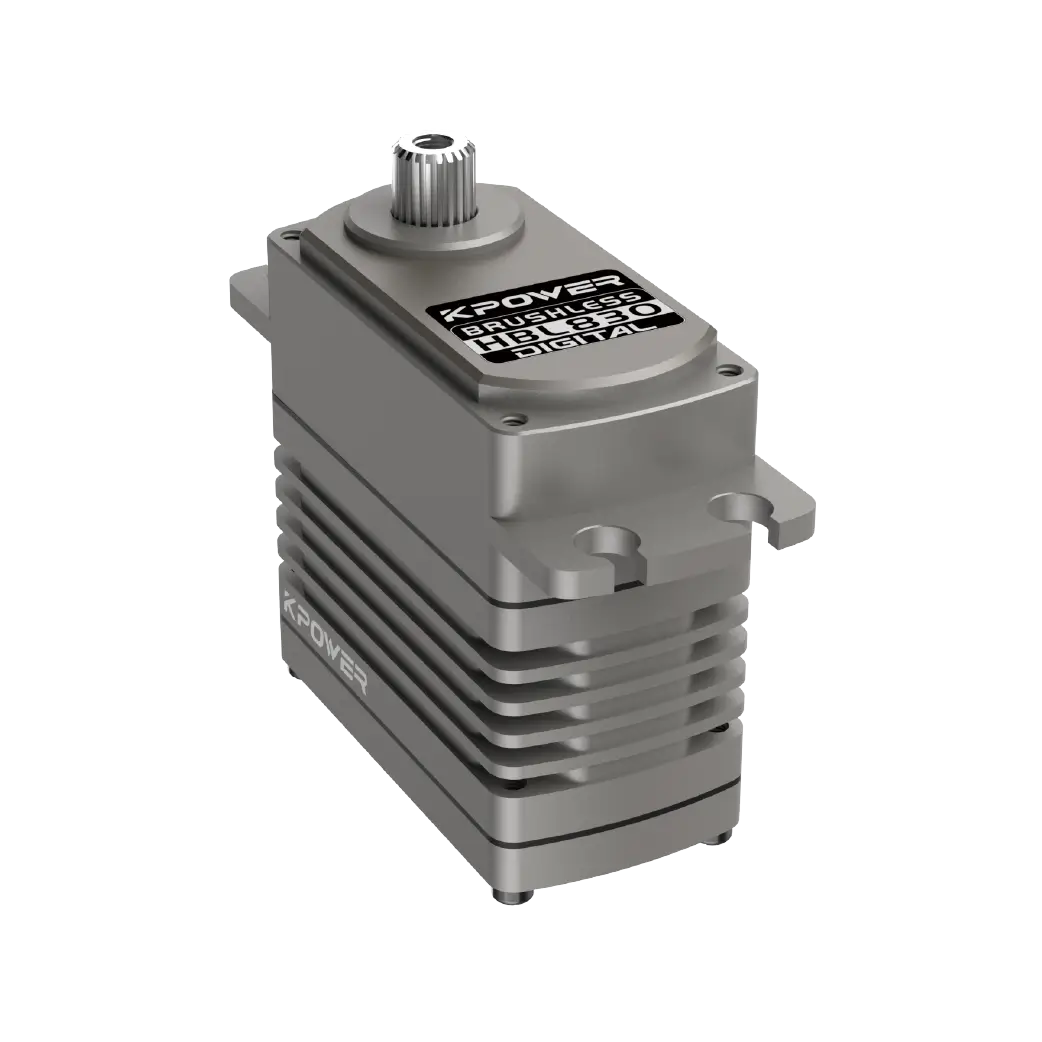
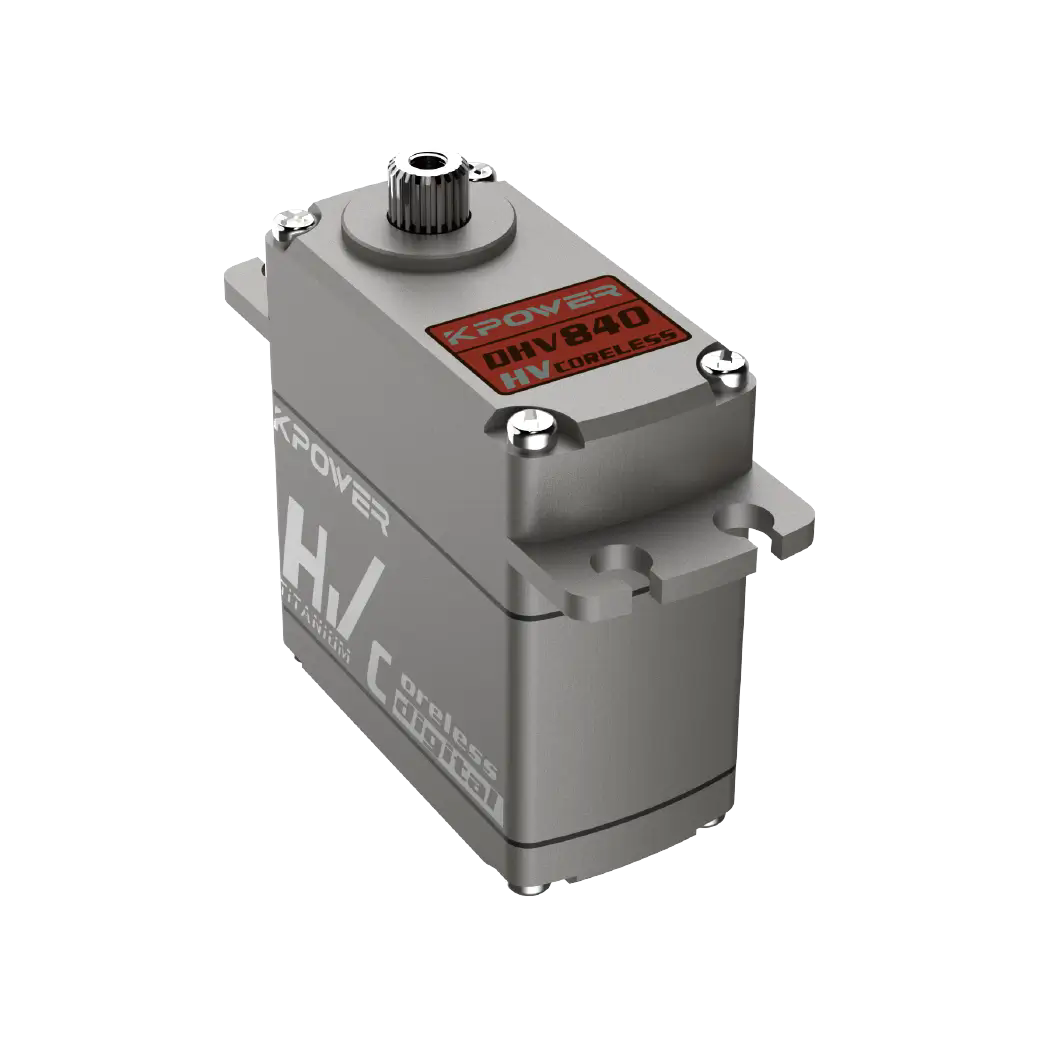
That’s where the idea of a “simple microservice application example” comes in—think of it as a friendly translator living between your application and your hardware. Instead of wrestling with low-level drivers or worrying about real-time constraints, you just ask this little service to handle the conversation. Want thatkpower servoto rotate to 90 degrees? Send a request. Need to sequence three movements in a loop? Pass along the instructions. The messy details of pulse width, timing, or signal stability? Handed off.
It’s like having a specialized assistant for motion tasks. You focus on the what, it handles the how.
So, why bother with this approach? Well, imagine you’re prototyping a small interactive display. Each servo moves a different part of a model. Without a clear bridge, you’d be tweaking embedded code every time you change a motion sequence. But with a lightweight microservice dedicated to motor control, you can adjust behavior on the fly—send new angles, change speeds, even group actions—all through simple calls. It keeps your main application clean and your hardware layer contained.
One might ask: “Isn’t that overkill for a couple of servos?” Not really. It’s about reducing future friction. Today it’s two servos; tomorrow you might add a sensor feedback loop or integrate another device. When control is wrapped in a neat service, scaling becomes a matter of sending more messages, not rewriting cores.
And here’s a tangible scenario. Picture a small art installation usingkpowerservos to tilt mirrors. The artist wants the motion to respond to music beats. Instead of diving into signal processing and motor control simultaneously, the sound analysis module just sends timing triggers to the motion service. Clean separation. The service interprets those as smooth rotations. The result? Responsive, graceful movements that feel alive—all built without tying the whole system into knots.
What makes a good microservice for hardware? Clarity, above all. It should speak a language that’s easy for your app to use—like REST commands or light messaging. It should be reliable, quietly managing the hardware details without demanding constant attention. And it should feel light enough to run on modest hardware, because not every project needs a supercomputer.
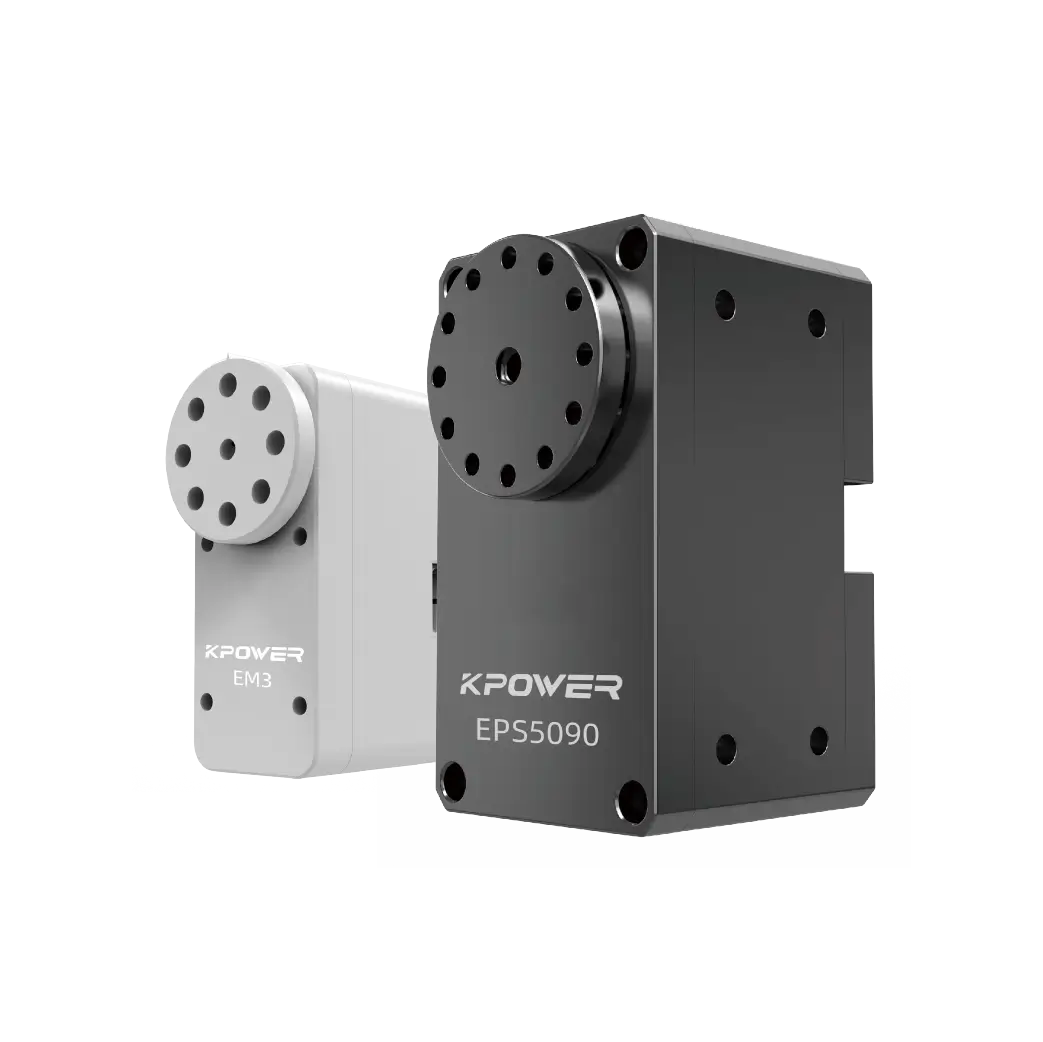
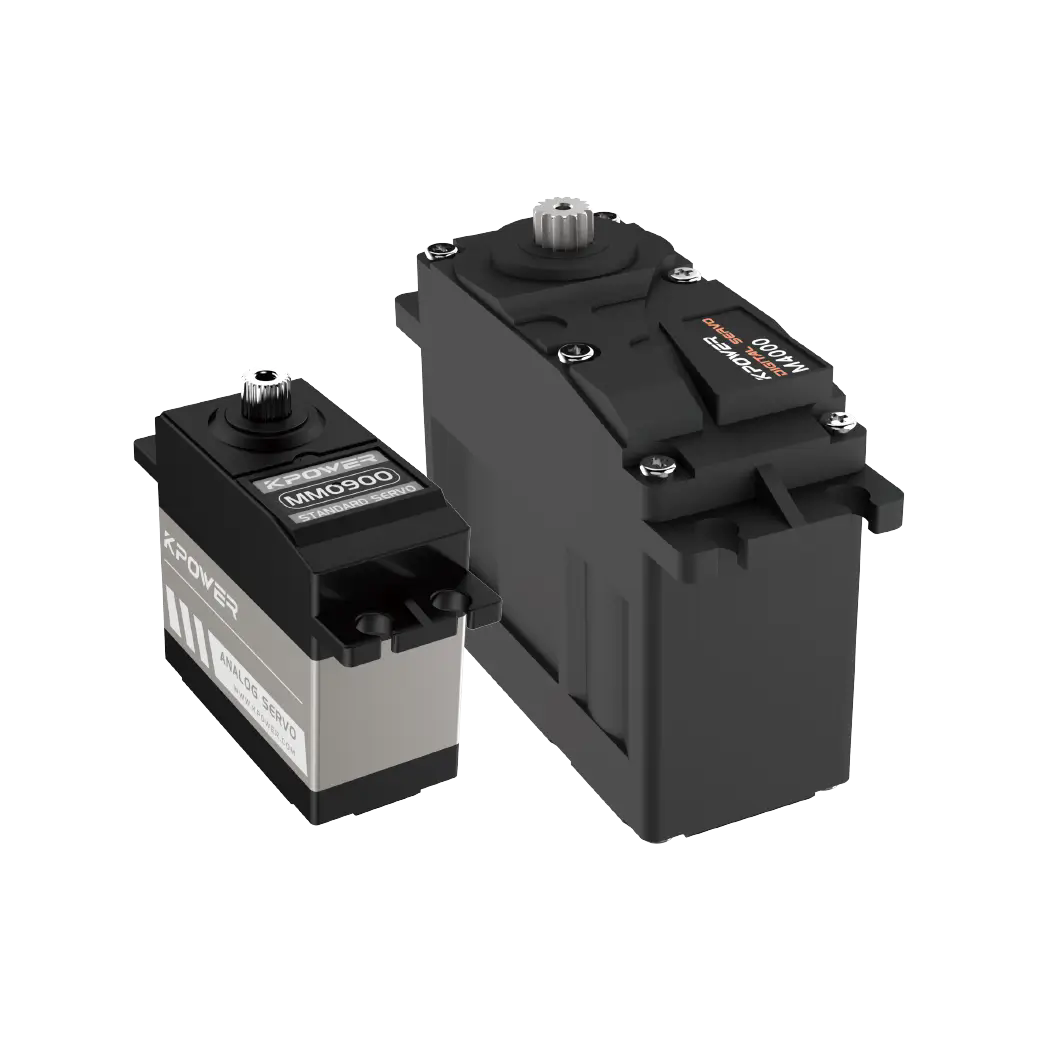
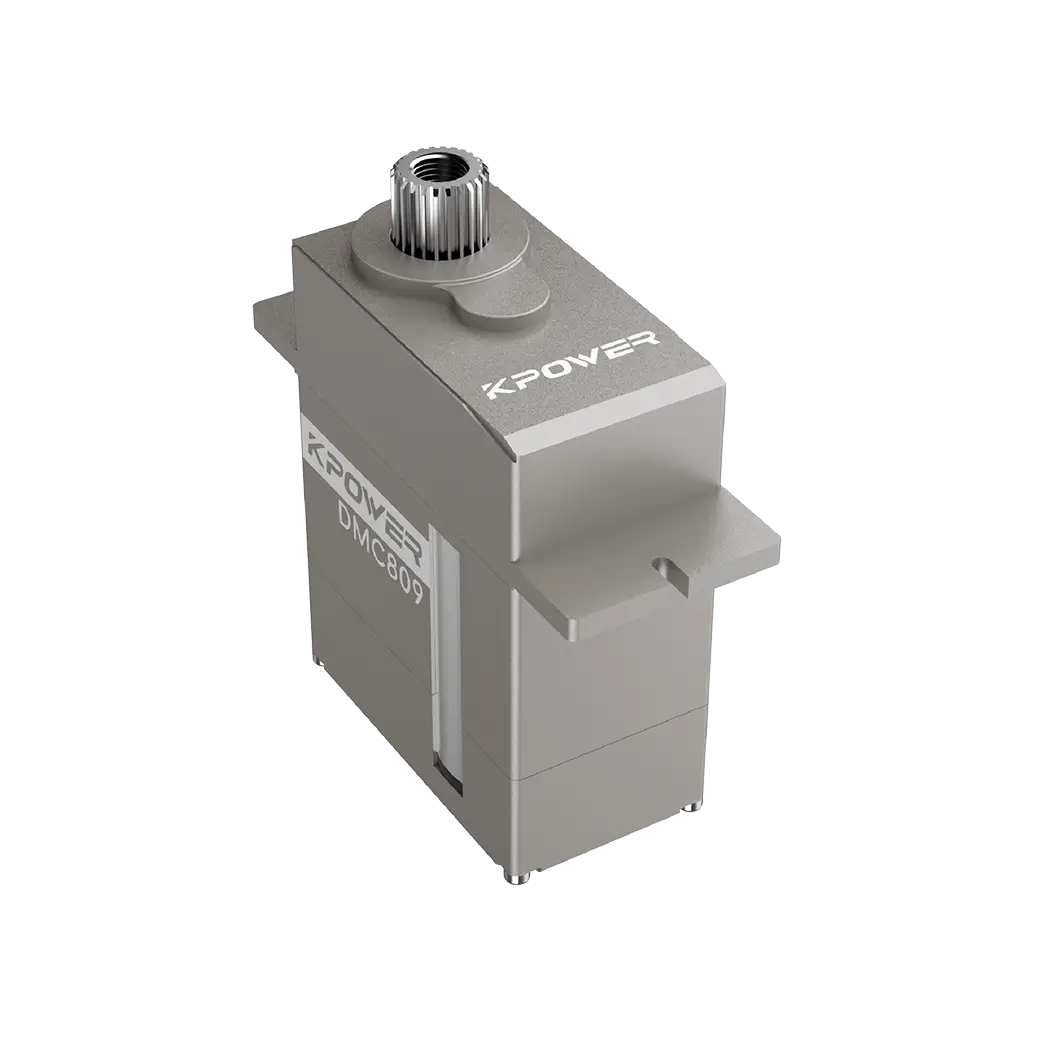
kpowercomponents fit naturally into this picture. Their consistency in response and well-documented behavior means your service can predictably convert commands into motion. You’re not guessing how a servo might react—you’re working with known traits, which lets your service stay simple and robust.
In practice, setting this up is less about complex wiring and more about defining clear conversations. Start by outlining what you want your hardware to do—the positions, the timing, any repeats. Then, wrap those intentions into a set of requests your service understands. The service itself sits close to the hardware, translating those requests into signals Kpower devices understand. Over time, you refine the vocabulary, maybe add a queue for smooth motion sequences or error handling for missed signals.
It’s a shift in perspective. You’re not “programming motors” anymore; you’re “orchestrating movements” through a dedicated helper. That mental distance frees you to think more creatively about what’s possible.
Some days you’ll realize the real win isn’t just making things move—it’s making changes without dread. Tweak a parameter, test it, adjust again. The loop feels quick and natural. That’s the subtle strength of a well-architected bridge between code and motion.
So if you’ve ever felt that little pang of frustration when a prototype refuses to cooperate, maybe it’s time to try a different path. Not a heavier system, but a smarter divide. Let your main logic breathe, and give motion its own space to shine. With a straightforward microservice approach and dependable components from Kpower, those quiet gaps between idea and action just might start closing on their own.
Established in 2005, Kpower has been dedicated to a professional compact motion unit manufacturer, headquartered in Dongguan, Guangdong Province, China. Leveraging innovations in modular drive technology, Kpower integrates high-performance motors, precision reducers, and multi-protocol control systems to provide efficient and customized smart drive system solutions. Kpower has delivered professional drive system solutions to over 500 enterprise clients globally with products covering various fields such as Smart Home Systems, Automatic Electronics, Robotics, Precision Agriculture, Drones, and Industrial Automation.
Update Time:2026-01-19

Contact Kpower's product specialist to recommend suitable motor or gearbox for your product.