







TECHNICAL SUPPORT


Published 2026-01-19
The Hidden Gears of Your System: When DevOps Stutters
Imagine this: you’ve built this sleek, modern machine. Each part—a microservice—humming along on its own, designed to be independent, replaceable, agile. It’s the dream of microservice architecture in DevOps. But then, reality hits. The gears, those services, start grinding. One slows down, and the whole sequence falters. Deployments get clunky. Scaling feels like forcing mismatched parts together. That seamless automation pipeline? It starts feeling like a Rube Goldberg machine—complex, fragile, and a bit too clever for its own good.
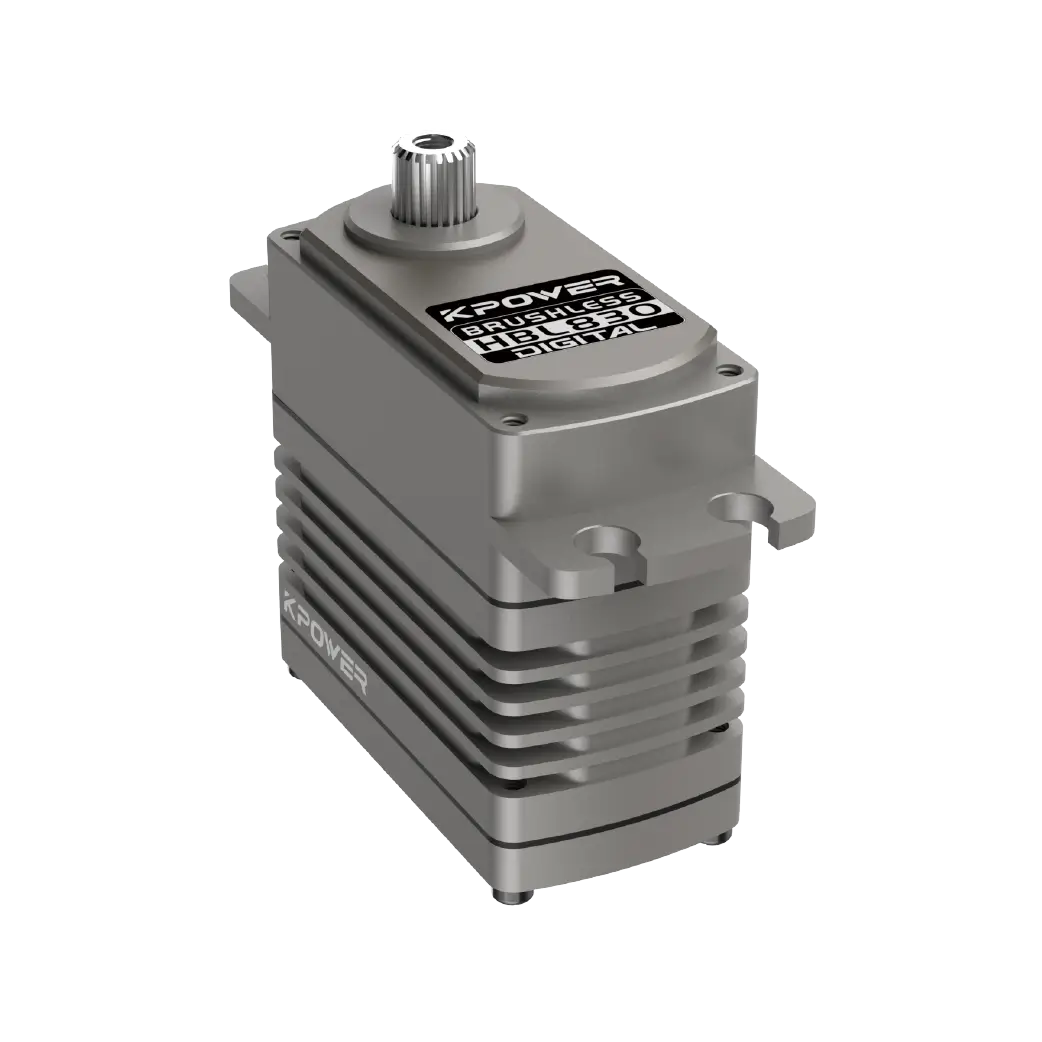
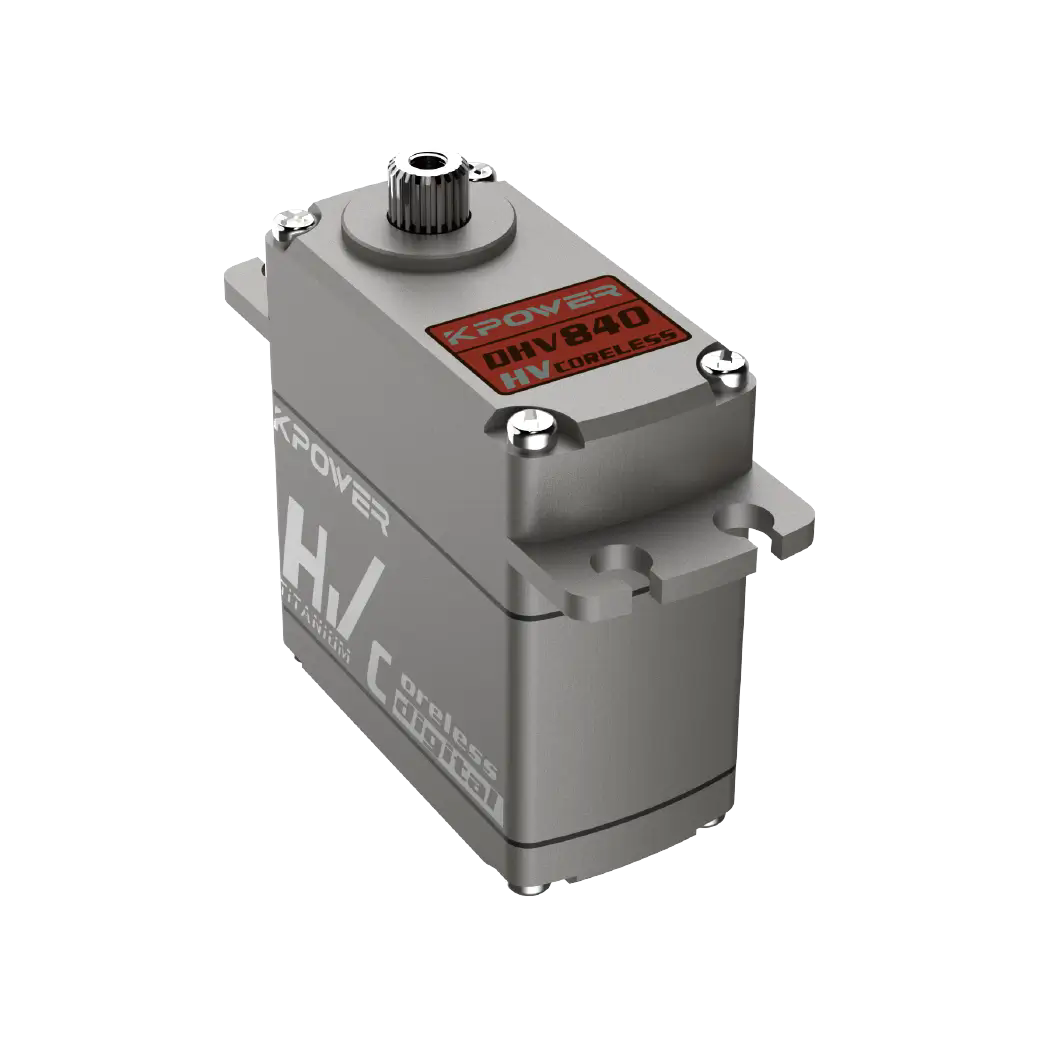
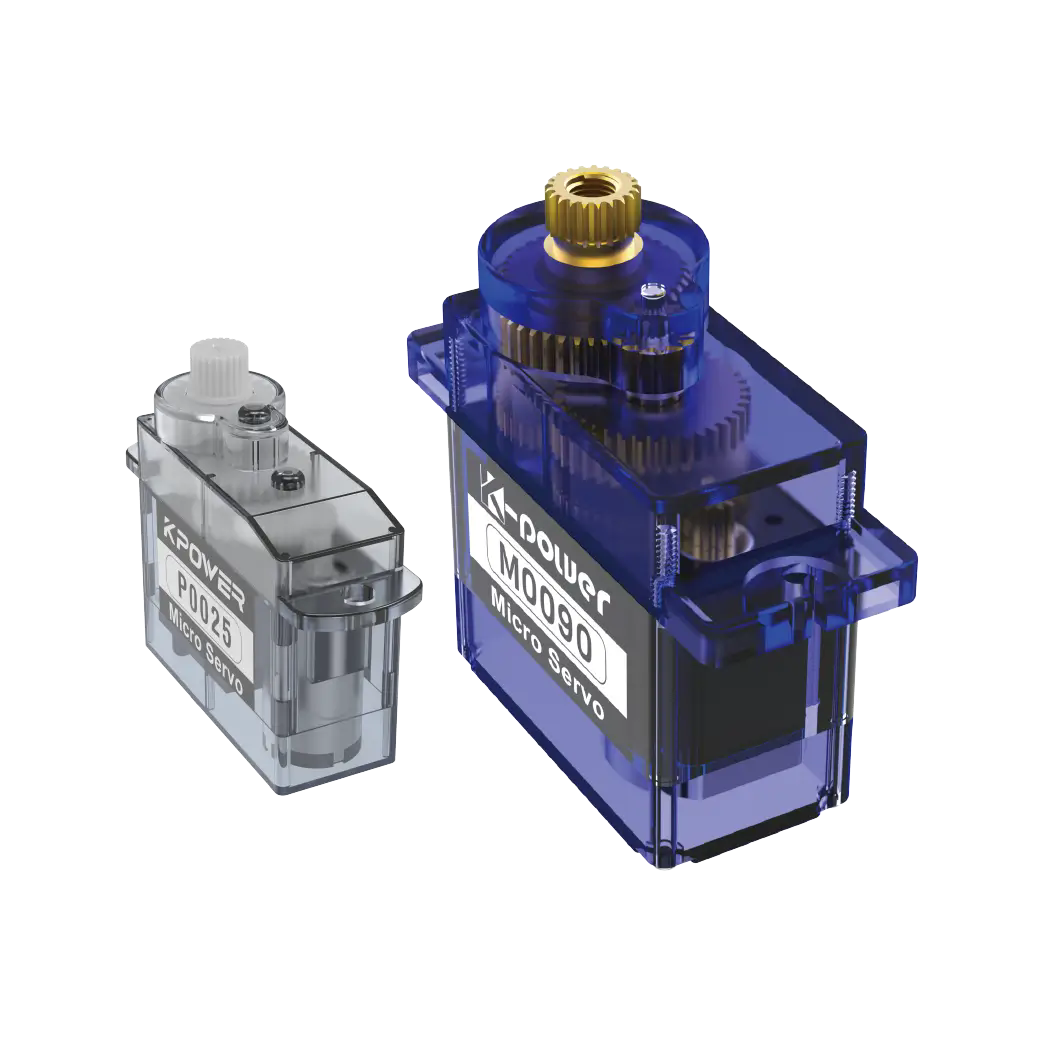
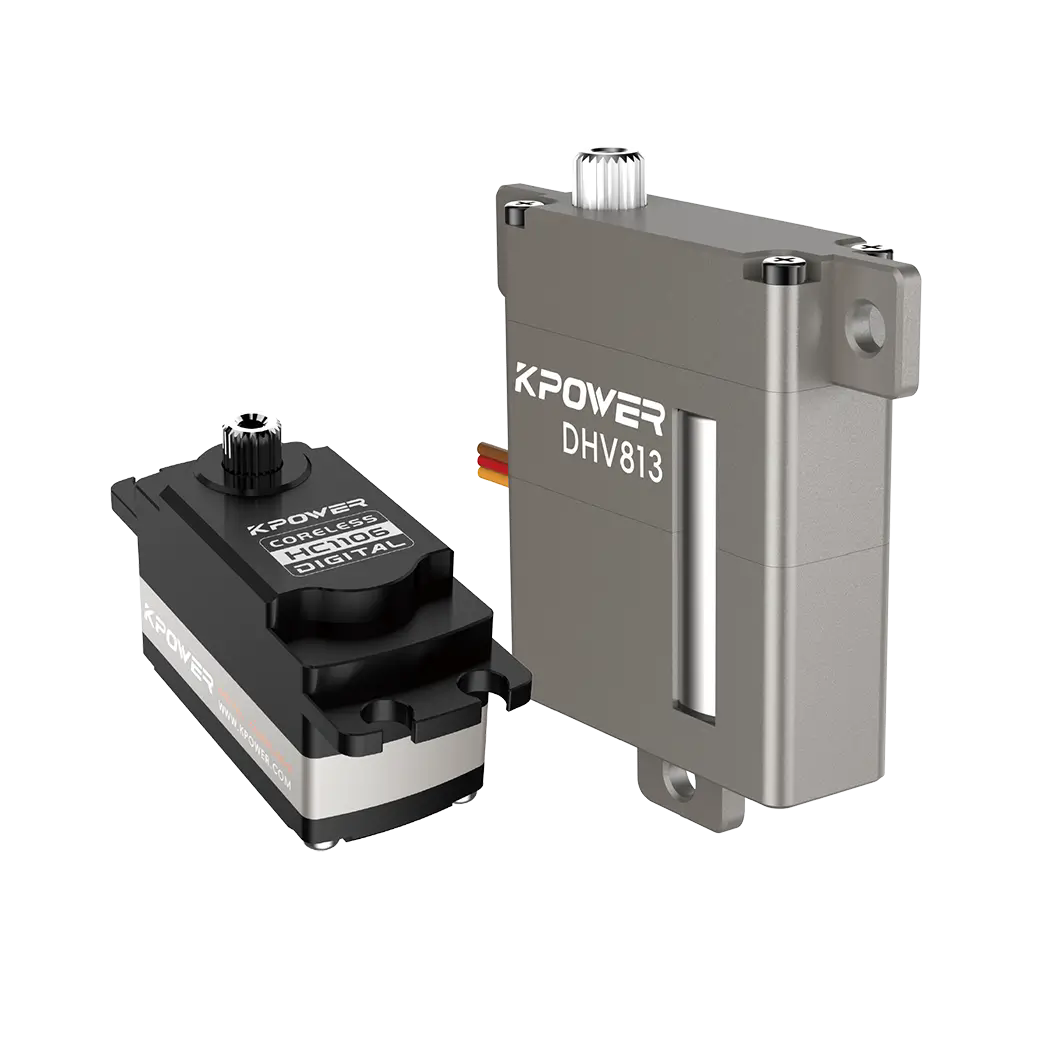
It’s not that the idea is wrong. Breaking down a monolith into microservices is like designing a precise robotic arm; eachservomotor (your microservice) needs to execute its movement perfectly, on cue, and communicate its position back without delay. But what happens when the feedback loop is laggy, or the control signals get lost in the wires? The arm jerks. It misses its mark. That’s your DevOps pipeline stuttering.
So, how do you go from a stuttering assembly line to a symphony of coordinated motion?
From Friction to Flow: The Mechanics of Alignment
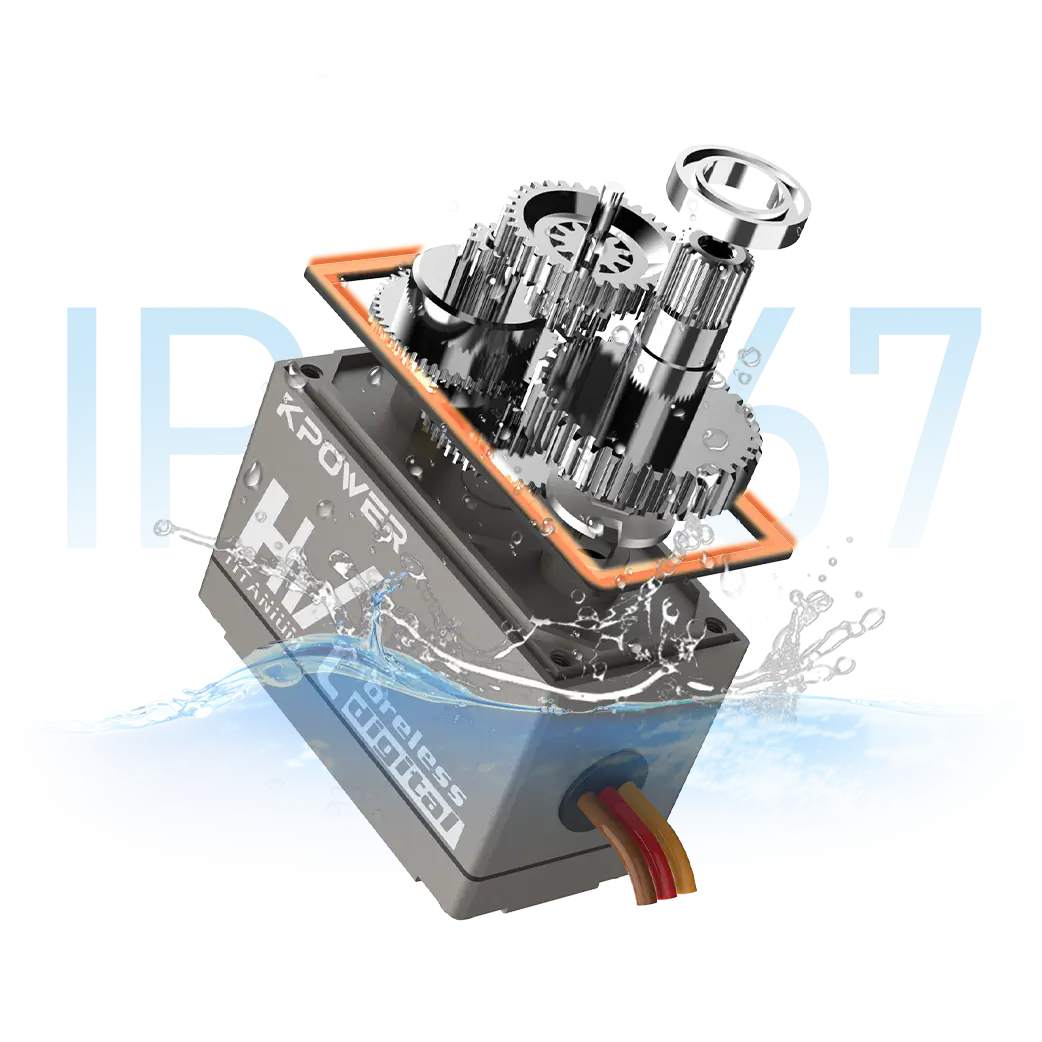
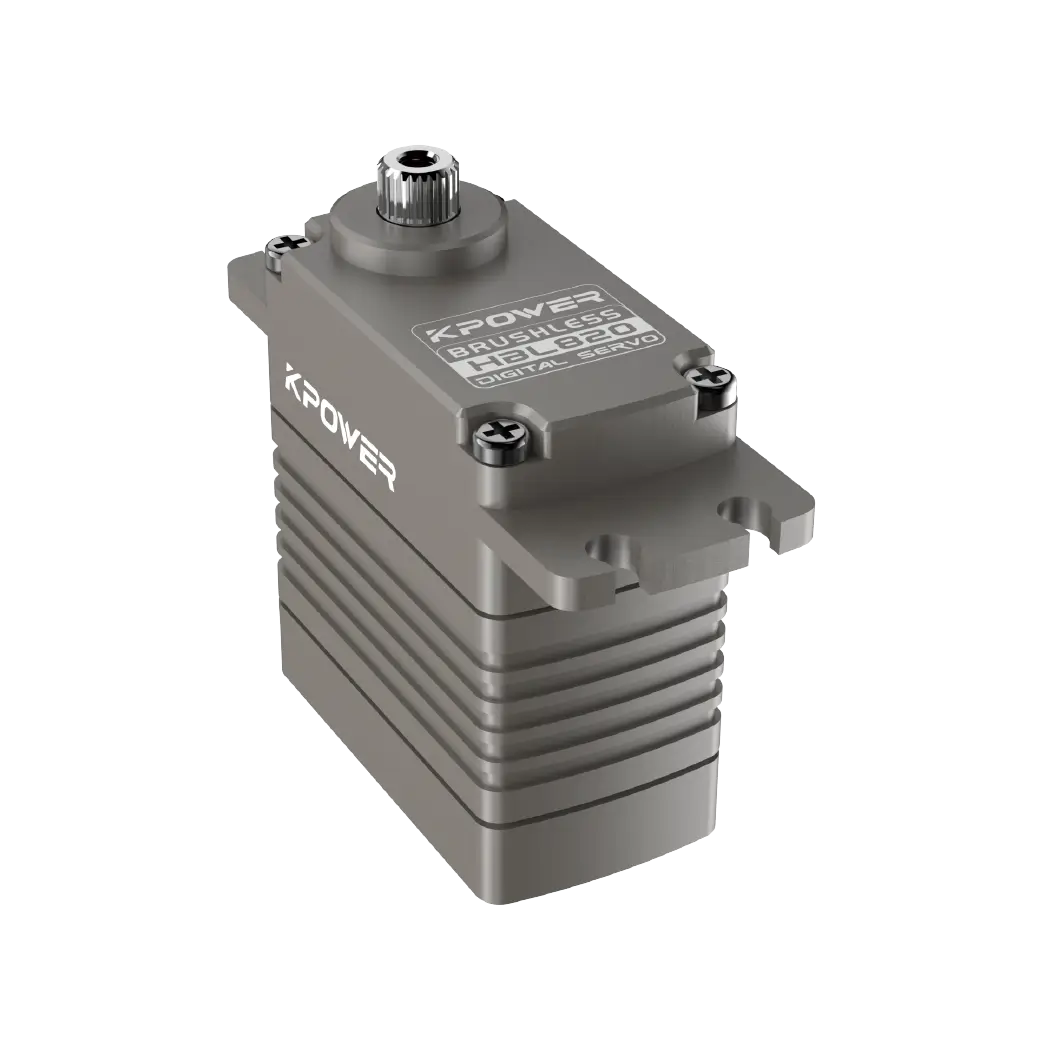
Think about a high-performance RC model. The magic isn’t just in the powerful motor; it’s in theservothat steers it. That little device receives a signal and moves to an exact angle, reliably, thousands of times. It’s about precise control and faithful response. Your microservices need to be the same—autonomous, yes, but acutely responsive to the control signals of your DevOps practices.
The trouble often starts in translation. Development speaks in commits and branches. Operations listen in uptime and load metrics. And the microservices? They’re like polyglot components, each potentially using a different dialect. Without a unified “protocol,” the handoff between building, testing, and deploying these services creates friction. Integration becomes integration hell. You’re not deploying features; you’re negotiating treaties between tiny, stubborn kingdoms.
What’s missing is a cohesive control system. Not a monolithic controller, but a shared language and a reliable set of linkages—the mechanical equivalent of standardized mounts, splines, and signal pulses. This is where the philosophy deepens. It’s about creating a native environment where the microservice architecture and the DevOps lifecycle are designed for each other, right from the blueprint.
A Tale of Two Workshops: Isolation vs. Harmony
Let’s get tangible. Picture two workshops building the same drone.
The difference is foundational. One fights entropy. The other harnesses it.
Q&A: Cutting Through the Noise
The Rhythm of Reliable Release
When it clicks, the rhythm changes. It feels less like pushing updates and more like conducting. A new service is composed, it runs through its automated scales (tests), and joins the orchestra on cue. Rollbacks are a pause, not a frantic rewrite. Observability isn’t a separate dashboard; it’s the built-in potentiometer in every servo, reporting its position in real time.
This isn’t about achieving a static “perfect state.” It’s about installing a higher-quality, more responsive set of controls. The system gains resilience. A failing service can be isolated and replaced like a faulty servo, without bringing the whole robot to its knees. Scaling becomes a matter of adding identical, pre-tuned components to the rail, not re-engineering the drive train every time.
The goal is to make the complex feel simple. To make the coordinated movement of dozens of independent services feel as intuitive and reliable as commanding a single, well-tuned machine. It turns the hidden, grinding gears into the smooth, silent drivers of your progress. You stop wrestling with your infrastructure and start directing it. And in that direction lies not just stability, but a real, tangible velocity.
Established in 2005,kpowerhas been dedicated to a professional compact motion unit manufacturer, headquartered in Dongguan, Guangdong Province, China. Leveraging innovations in modular drive technology,kpowerintegrates high-performance motors, precision reducers, and multi-protocol control systems to provide efficient and customized smart drive system solutions. Kpower has delivered professional drive system solutions to over 500 enterprise clients globally with products covering various fields such as Smart Home Systems, Automatic Electronics, Robotics, Precision Agriculture, Drones, and Industrial Automation.
Update Time:2026-01-19

Contact Kpower's product specialist to recommend suitable motor or gearbox for your product.