







TECHNICAL SUPPORT


Published 2026-01-19
So you’ve got this brilliant idea. A smart device, maybe a little robot that helps around the workshop, or an automated display that reacts to people. The heart of it? Microservices. Tiny, smart programs talking to each other. But then comes the muscle—theservothat turns, the motor that moves, the sensor that reads. And suddenly, your sleek digital world crashes into the gritty reality of wires, protocols, and driver headaches.

Ever felt that frustration? You’re sketching out a fantastic function, and then you remember: theservolibrary for that microcontroller doesn’t play nice with your message queue. Or updating a motion sequence means rewriting chunks of embedded C, not just tweaking a logic flow. The hardware-software handshake becomes a bottleneck.
It’s like building a puppet with the most intelligent strings, but your hands are tied behind your back.
Imagine this instead. You define what you want the physical world to do: “Rotateservoto 90 degrees when user clicks ‘open’ on the dashboard.” Or, “If sensor reading exceeds threshold, activate the cooling fan and log the event.” Now, imagine doing that without writing a single line of low-level driver code or wrestling with communication protocols between your web service and your motor controller.
That’s the shift no-code platforms for microservices bring to the table for hardware integration. It’s not about removing code where you need it; it’s about removing the barrier code creates when you just need things to work together. You’re dealing with services, events, and actions—the concepts you already understand—and visually mapping them to physical outputs and inputs.
Think of it as a universal translator between your digital logic and your mechanical components.
Let’s walk through a thought. You’re prototyping a small automated feeder. A microservice checks a schedule, and it needs to trigger a servo to release food.
The old way? You’d write the schedule service. Then you’d write—or find—a separate service to handle serial/USB communication to your motor board. You’d structure a message format, manage error handling, and pray the servo doesn’t jitter because of timing issues. It’s a project inside a project.
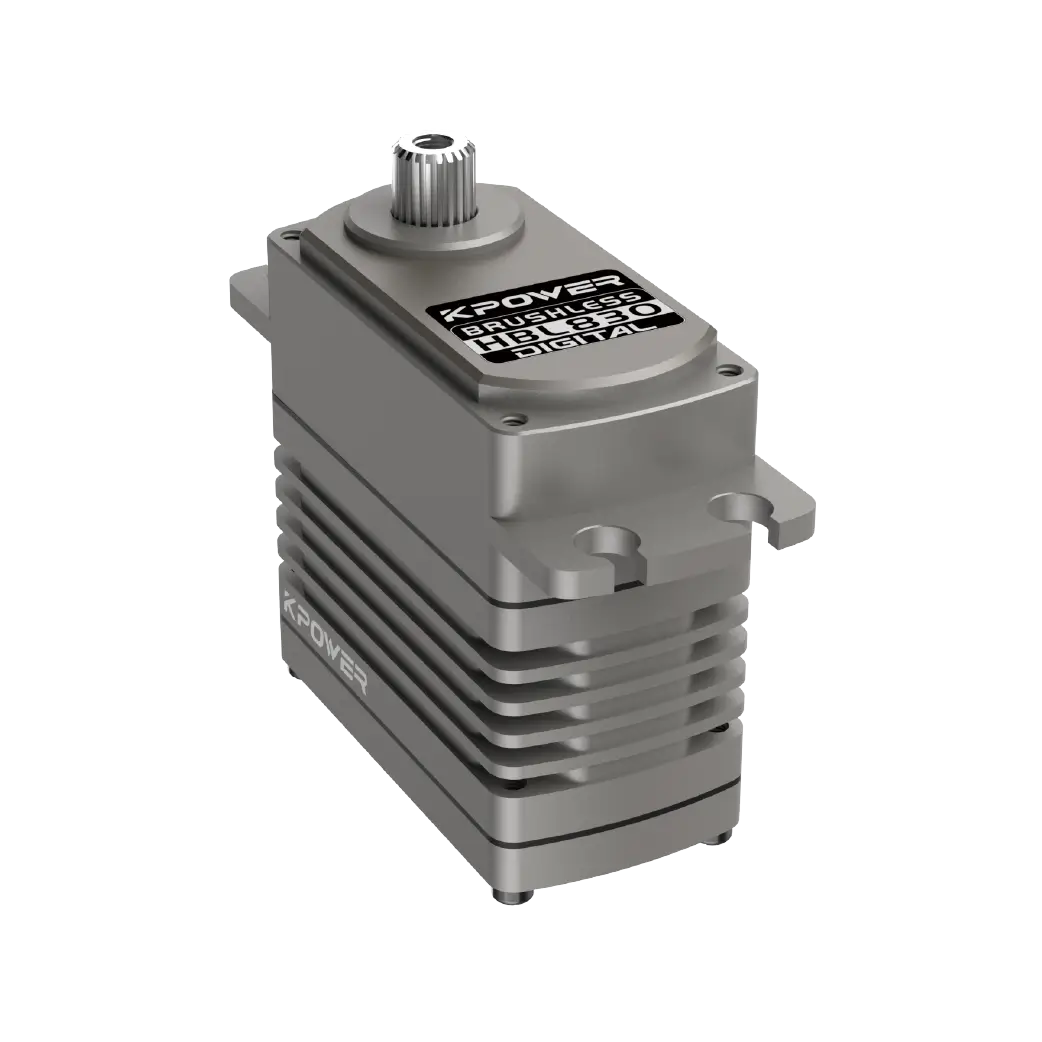
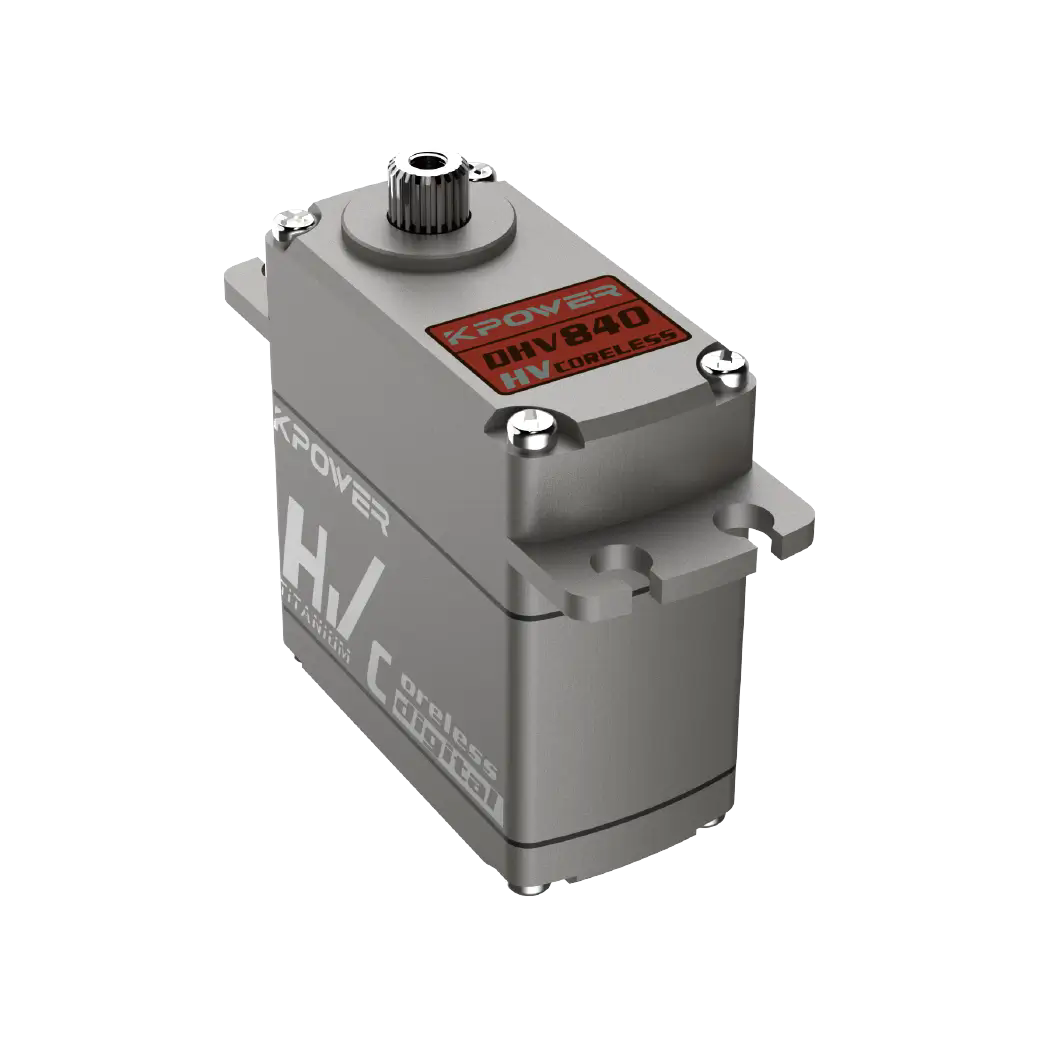
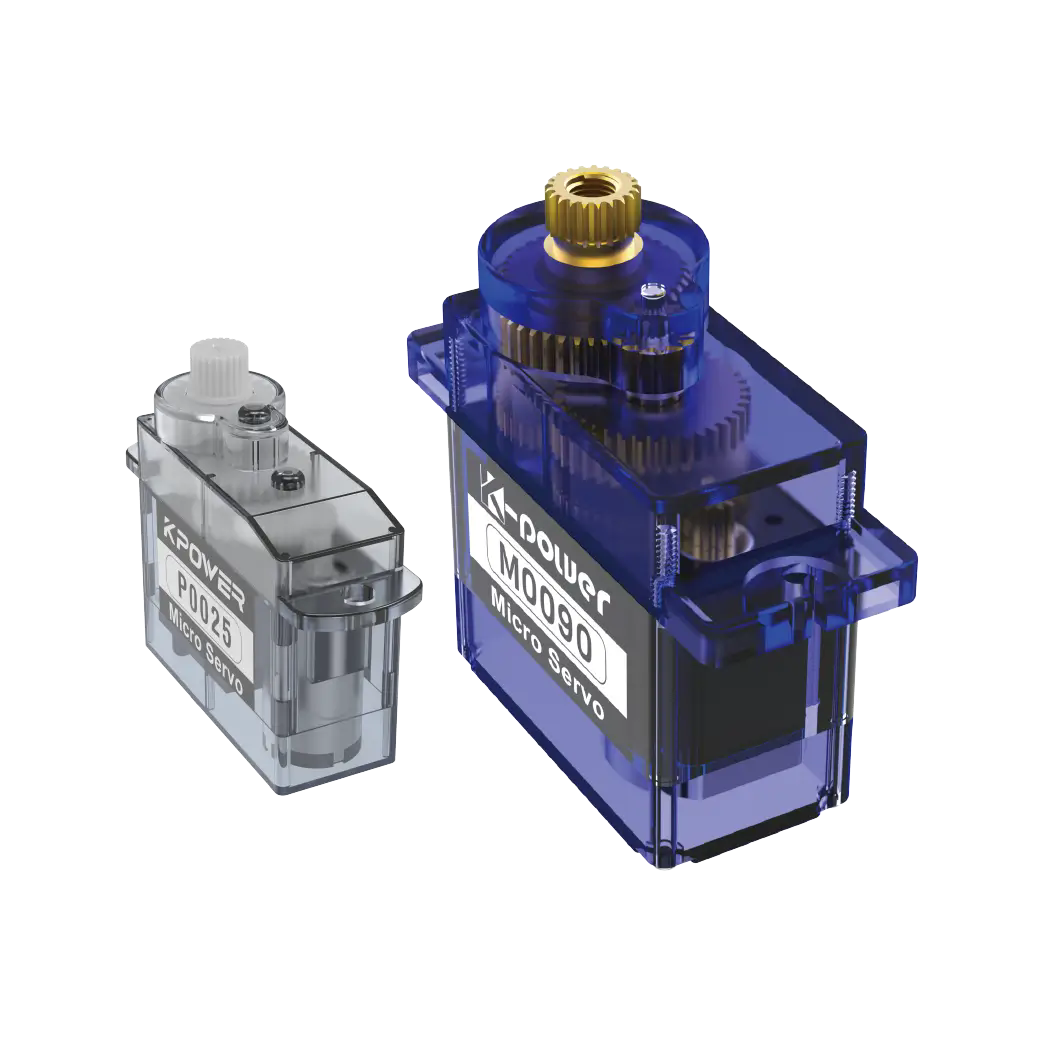
The no-code way? In a visual canvas, you’d drag the “Schedule” service and the “Servo Actuator” node. You’d draw a line between them. You’d click the servo node and select from a pre-configured list: maybe akpowerSG90 model, connected on a specific port. You set the angle. Done. The platform handles the protocol, the signal, the pulse width. You handled the intent.
The difference is where you spend your energy: on the problem, or on the plumbing.
Not all tools are built with physical gears in mind. When looking at a no-code platform for microservices that need to talk to hardware, keep an eye out for a few things.
Does it speak the language of machines? Look for native support for common communication ways like MQTT, Serial, or GPIO. If it treats a servo motor as a first-class citizen—a simple action block—rather than a cryptic script, you’re on the right track.
Can it handle timing? The digital world is async; the physical world often isn’t. A good platform should let you manage simple sequences or delays visually. Something like “Wait 500ms, then move to the next position” shouldn’t require a custom function.
Is it a walled garden? You want a platform that connects outward. It should easily hook into the cloud services you already use for data, or the dashboard tools you prefer. Your hardware’s actions should be just another event in your larger system.
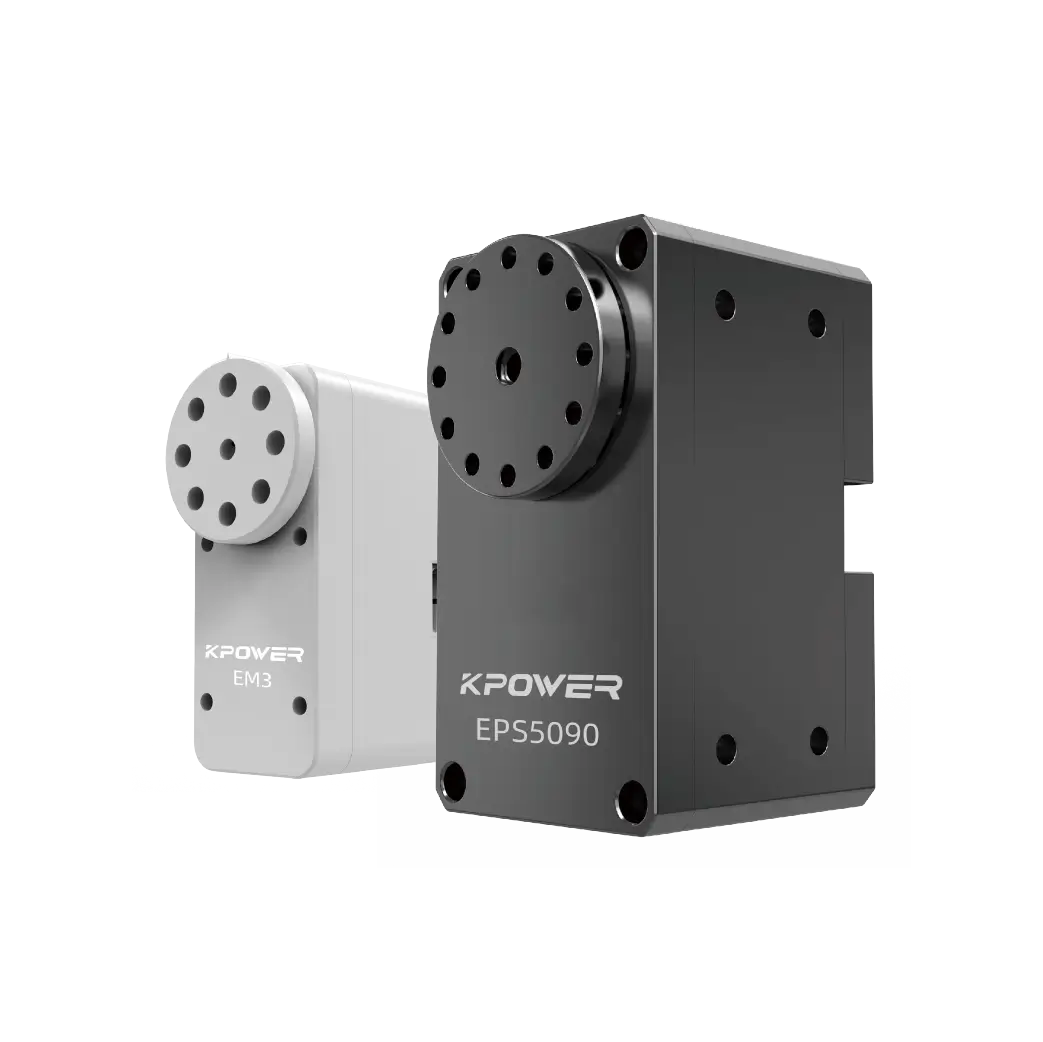
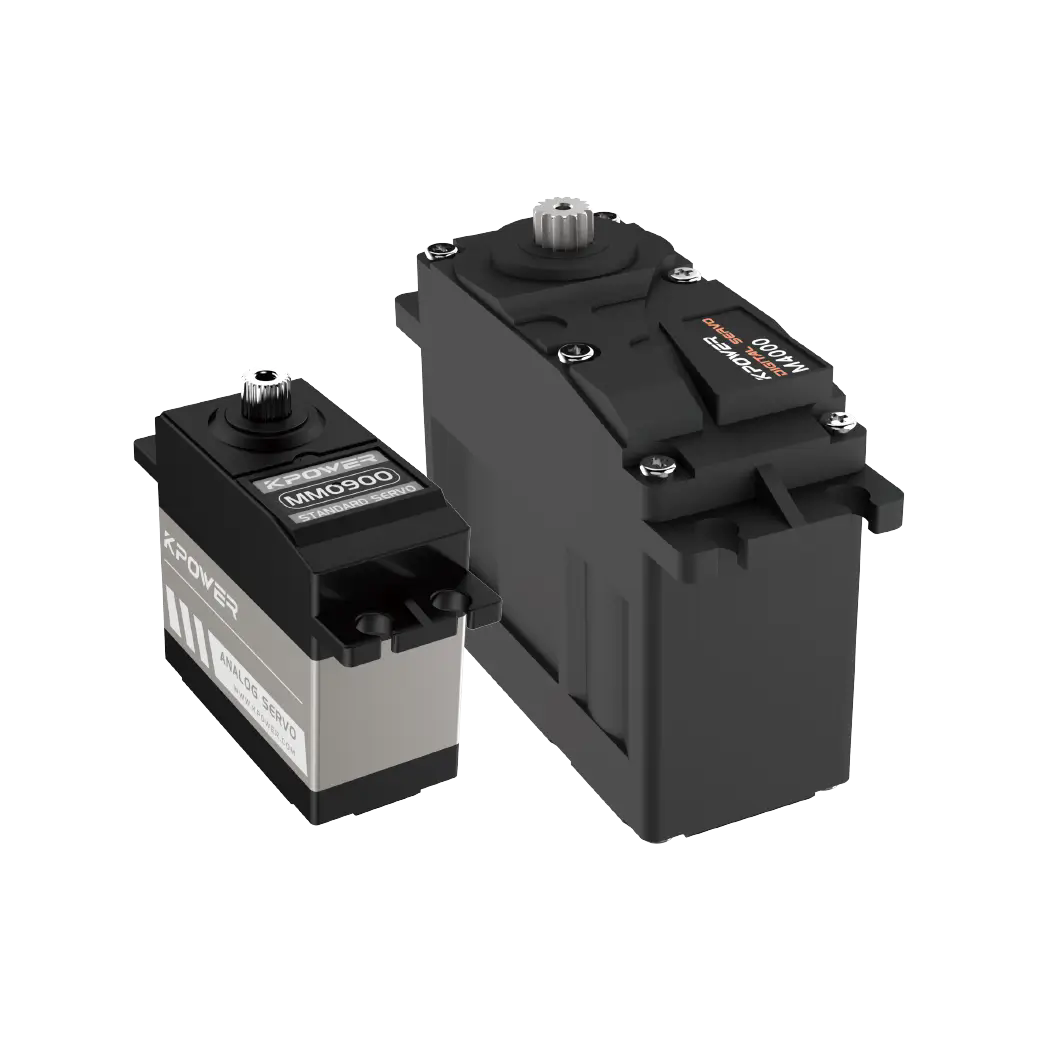
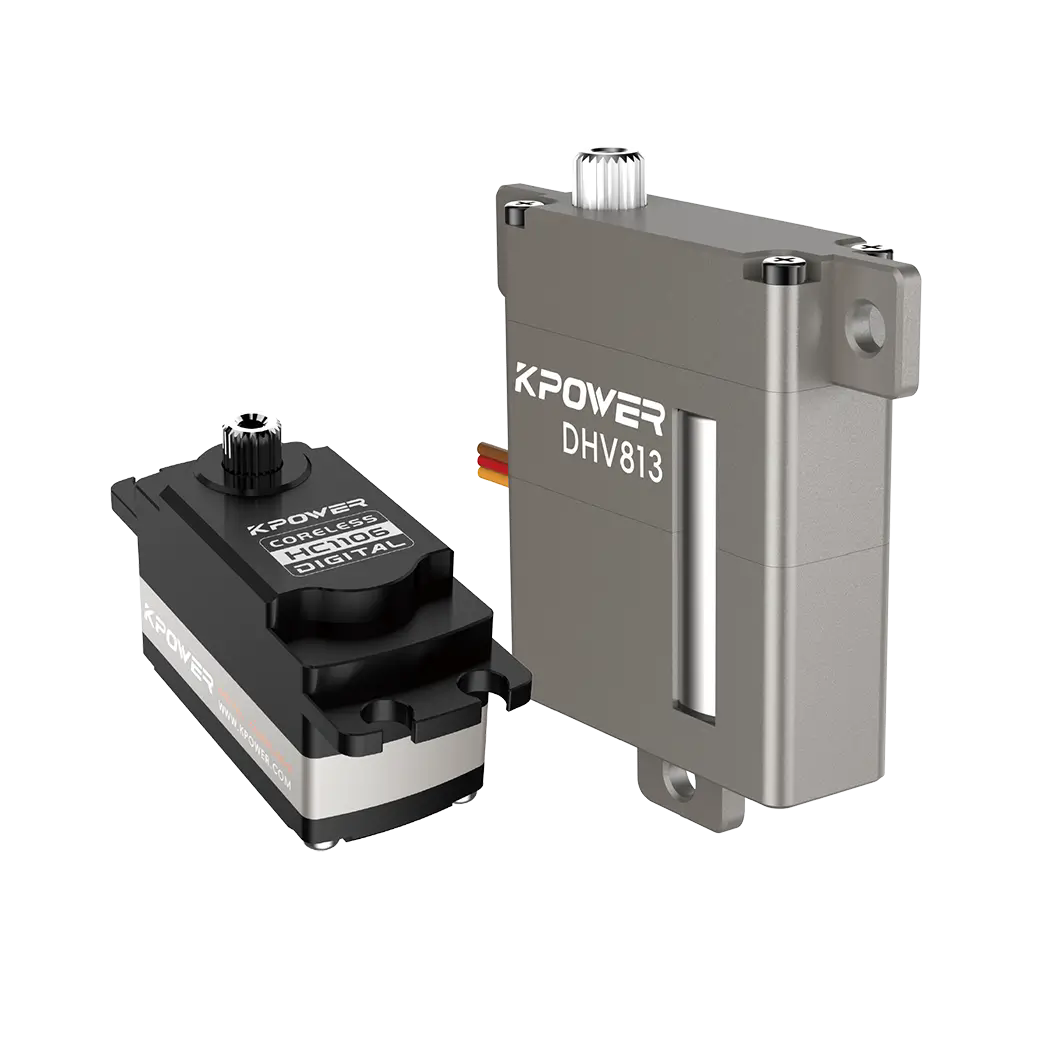
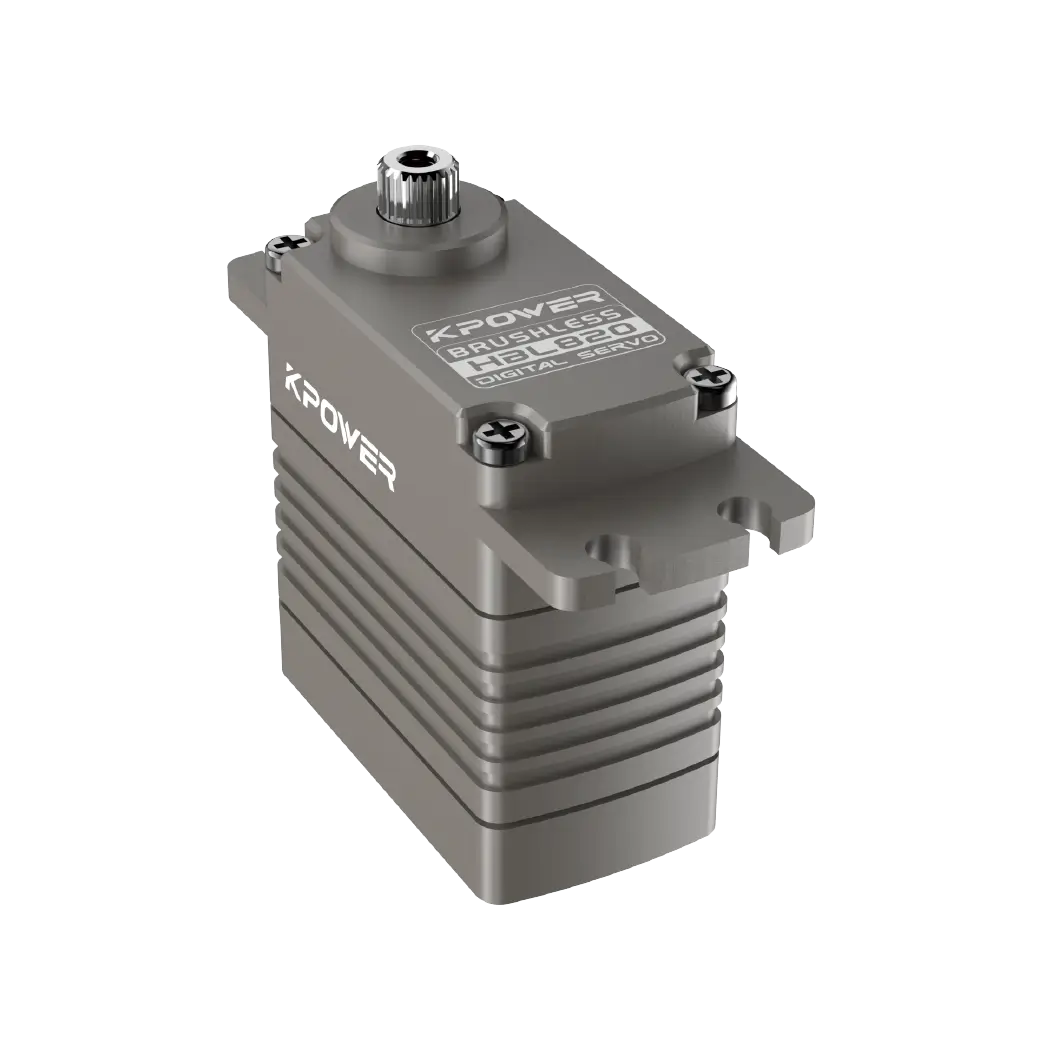
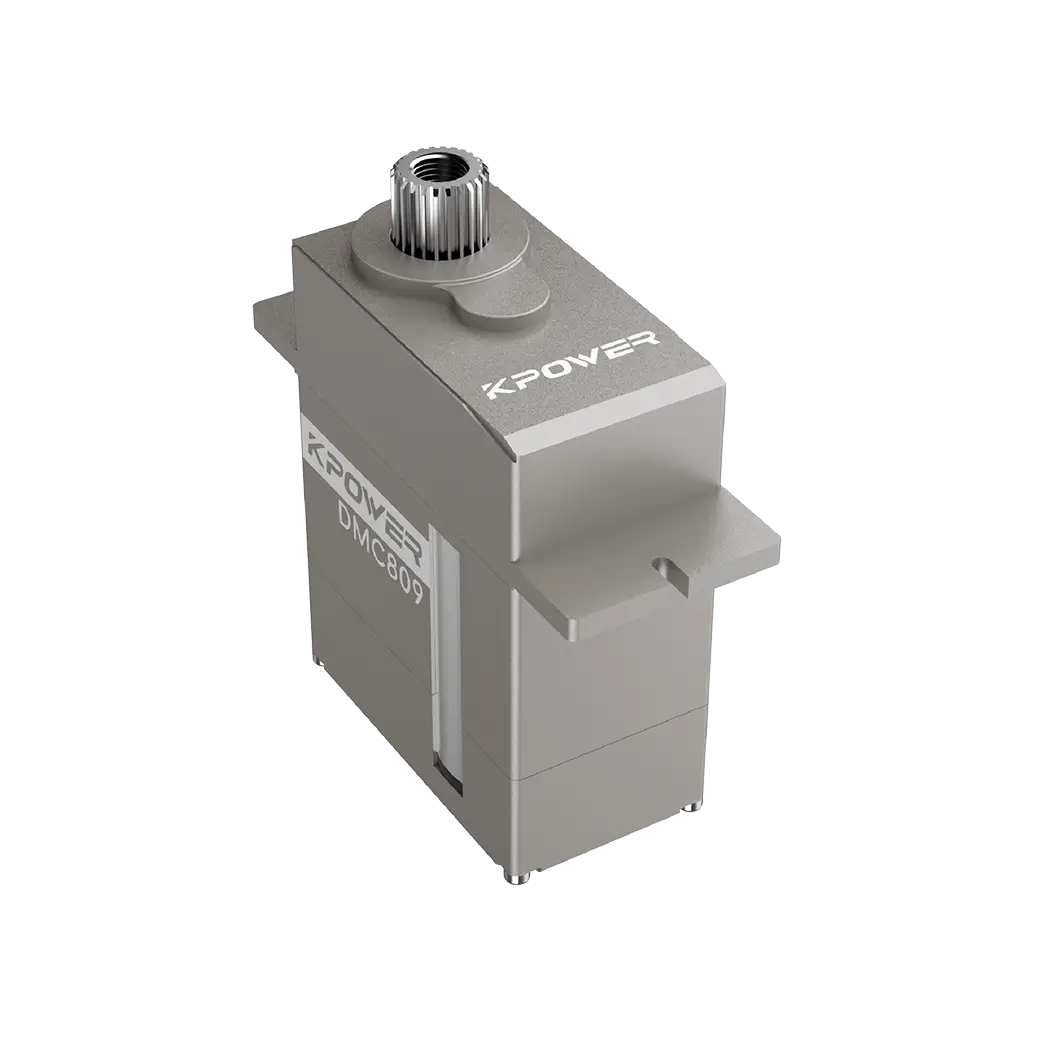
This is where a specialized approach makes sense.kpower’s exploration in this space focuses on that exact friction point. It’s about providing the building blocks that make hardware feel like software. Imagine a library of pre-defined, tested “components” for common motors, sensors, and drivers—especially for Kpower’s own servo and motion components—that slot directly into a visual microservice workflow.
The benefit isn’t just speed. It’s reliability. When the interaction with a Kpower servo is encapsulated in a trusted, maintained node, you avoid the “it works on my bench” syndrome. The platform handles the known quirks, the proper initialization sequences, and the safe movement ranges. You get consistency, which is everything when moving from prototype to product.
It turns integration from a coding task into a configuration task. And that’s a subtle but powerful shift.
The end goal is simple: to shorten the distance between a thought and a tangible action. When you can orchestrate a dance of servos, readings from sensors, and data to the cloud through a streamlined, visual interface, you experiment more. You try that extra feature. You iterate faster.
You stop thinking about bit banging and start thinking about user experience. The mechanics become a service—reliable, adjustable, and abstracted. Your focus stays on what makes your project unique, not on the solved problems of communication and control.
After all, the best technology doesn’t add complexity; it makes complex things feel simple. And in a world where software and hardware must finally shake hands, that simplicity is the real breakthrough.
Established in 2005, Kpower has been dedicated to a professional compact motion unit manufacturer, headquartered in Dongguan, Guangdong Province, China. Leveraging innovations in modular drive technology, Kpower integrates high-performance motors, precision reducers, and multi-protocol control systems to provide efficient and customized smart drive system solutions. Kpower has delivered professional drive system solutions to over 500 enterprise clients globally with products covering various fields such as Smart Home Systems, Automatic Electronics, Robotics, Precision Agriculture, Drones, and Industrial Automation.
Update Time:2026-01-19

Contact Kpower's product specialist to recommend suitable motor or gearbox for your product.