







TECHNICAL SUPPORT


Published 2026-01-19
So You Heard About Microservices. Now What?
Yeah, the term’s everywhere. Maybe your software feels like a tangled ball of yarn, where tweaking one part unravels three others. Or adding a new feature means testing the whole system—again. It gets heavy, slow, and frankly, a bit frustrating. That’s the old way, the monolithic way. Everything bundled together.
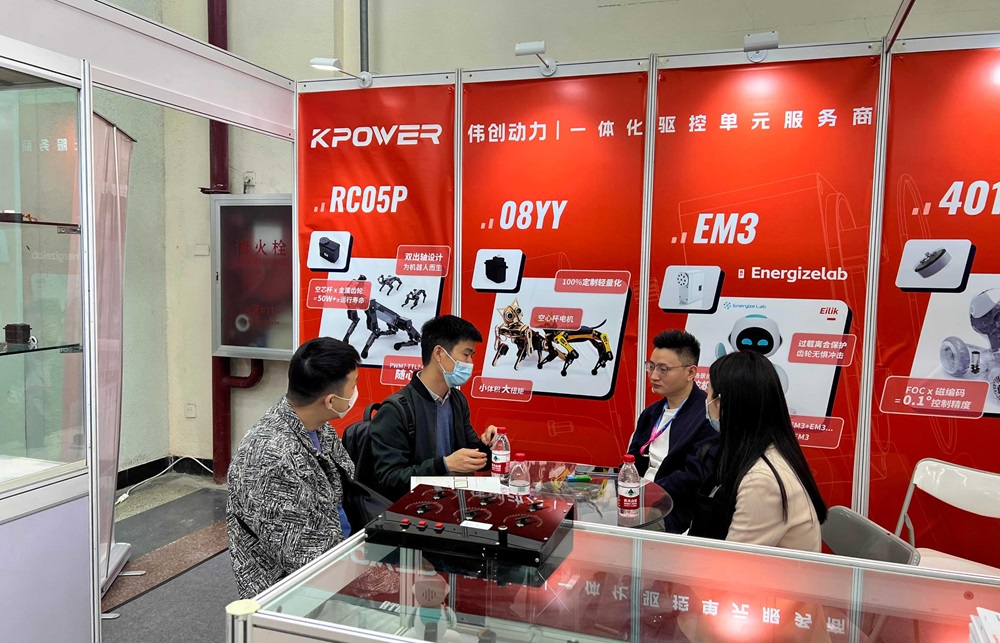
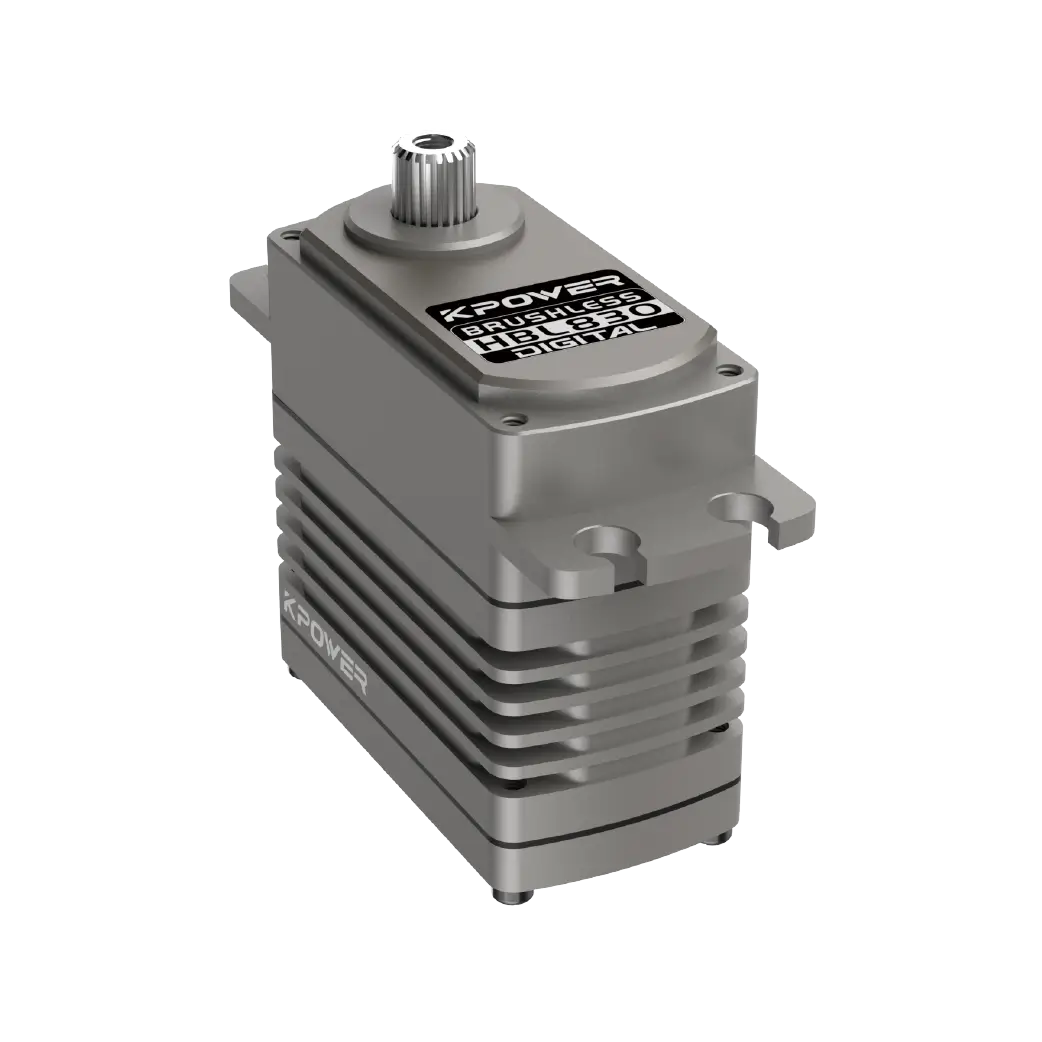
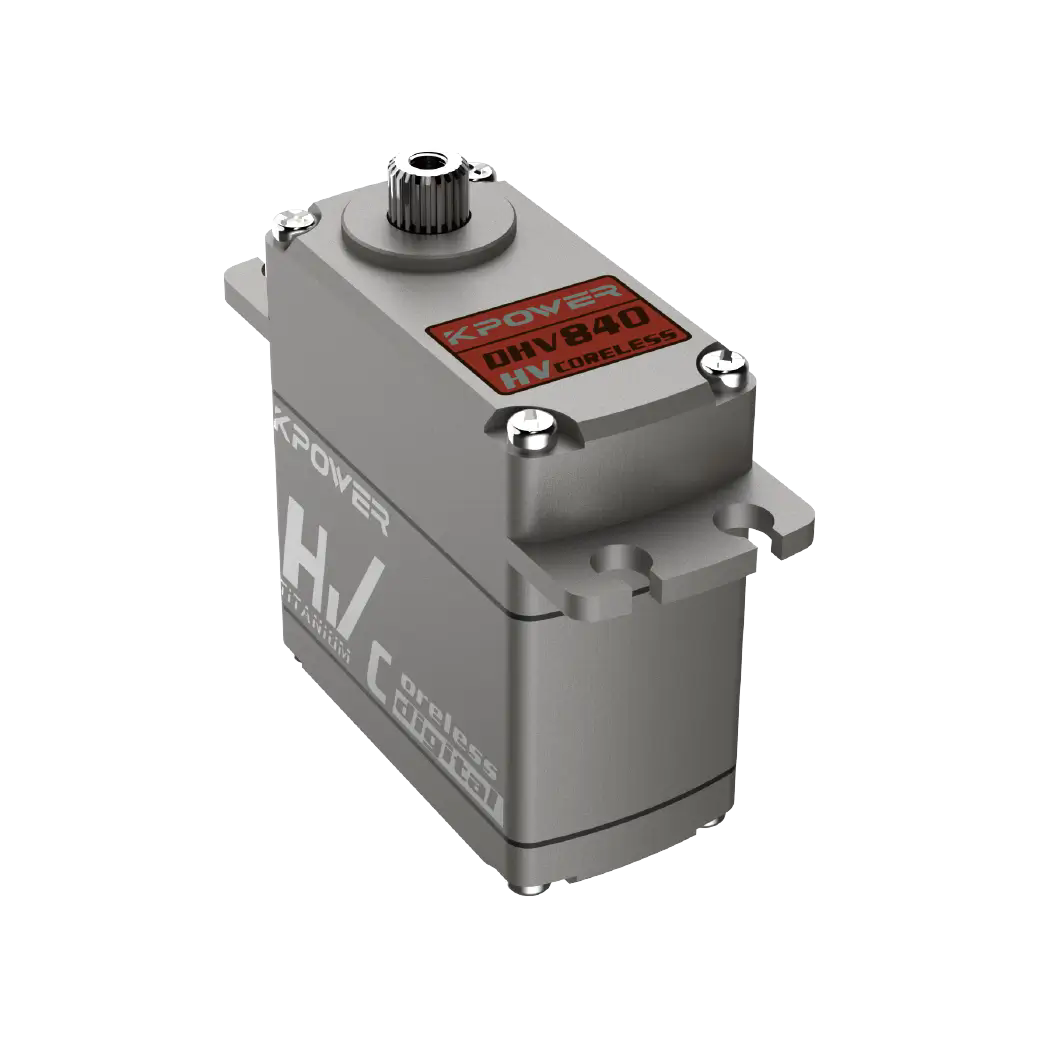
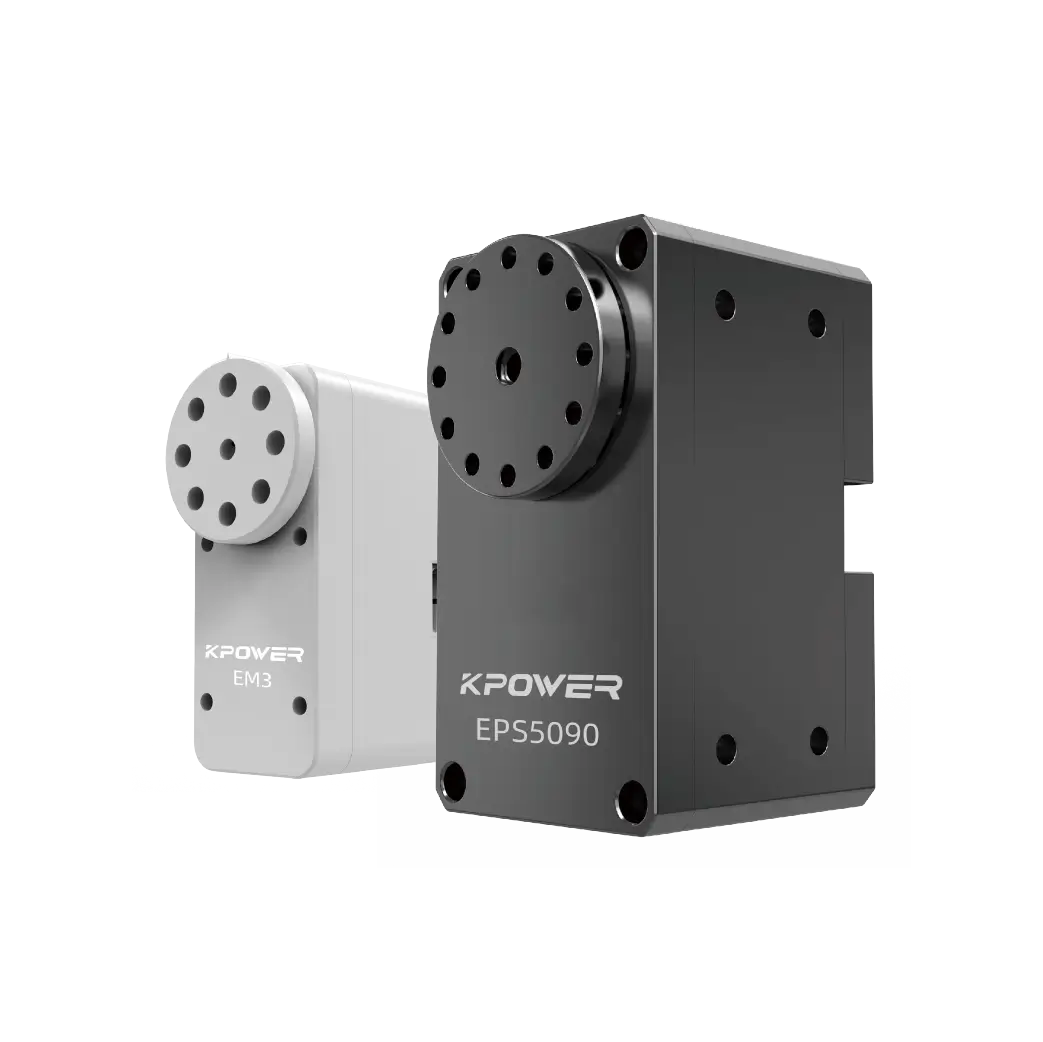
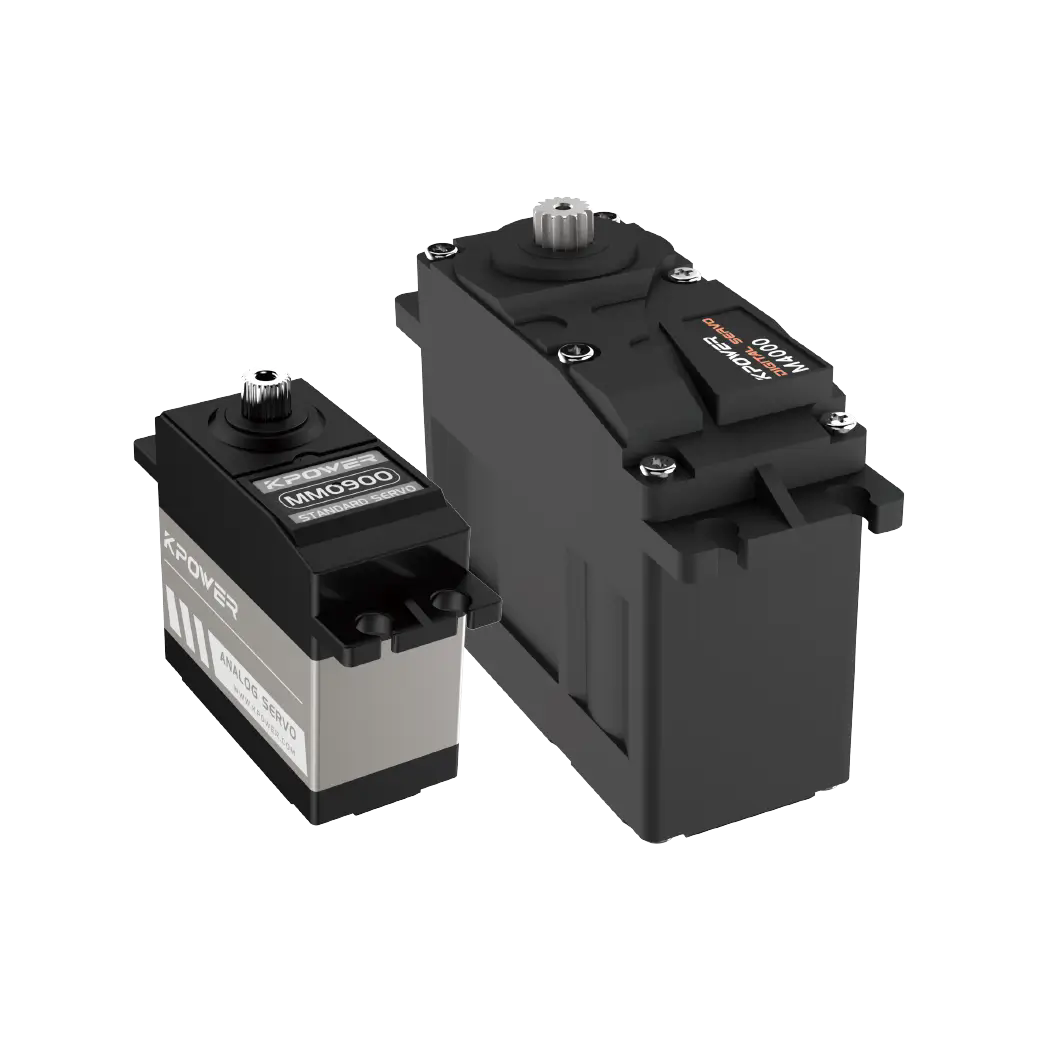
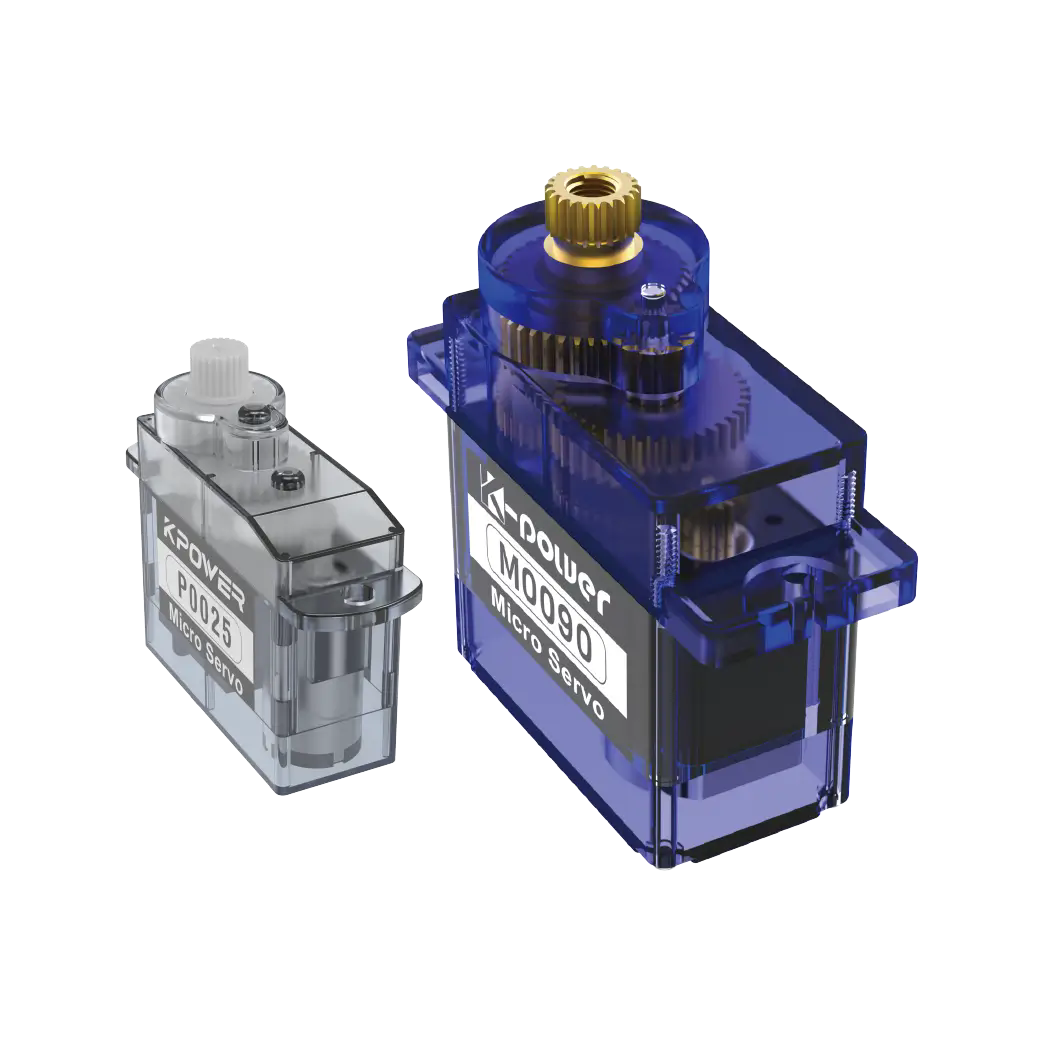
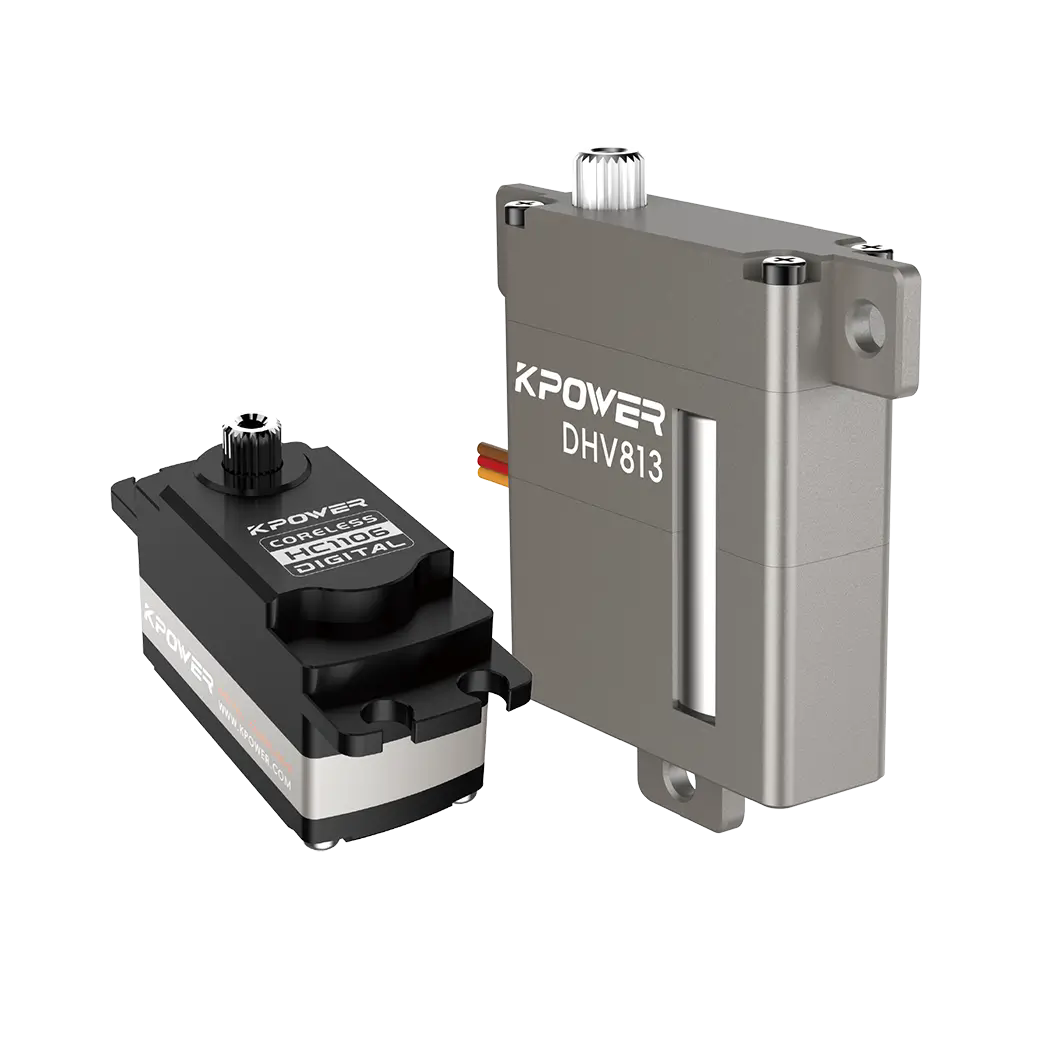
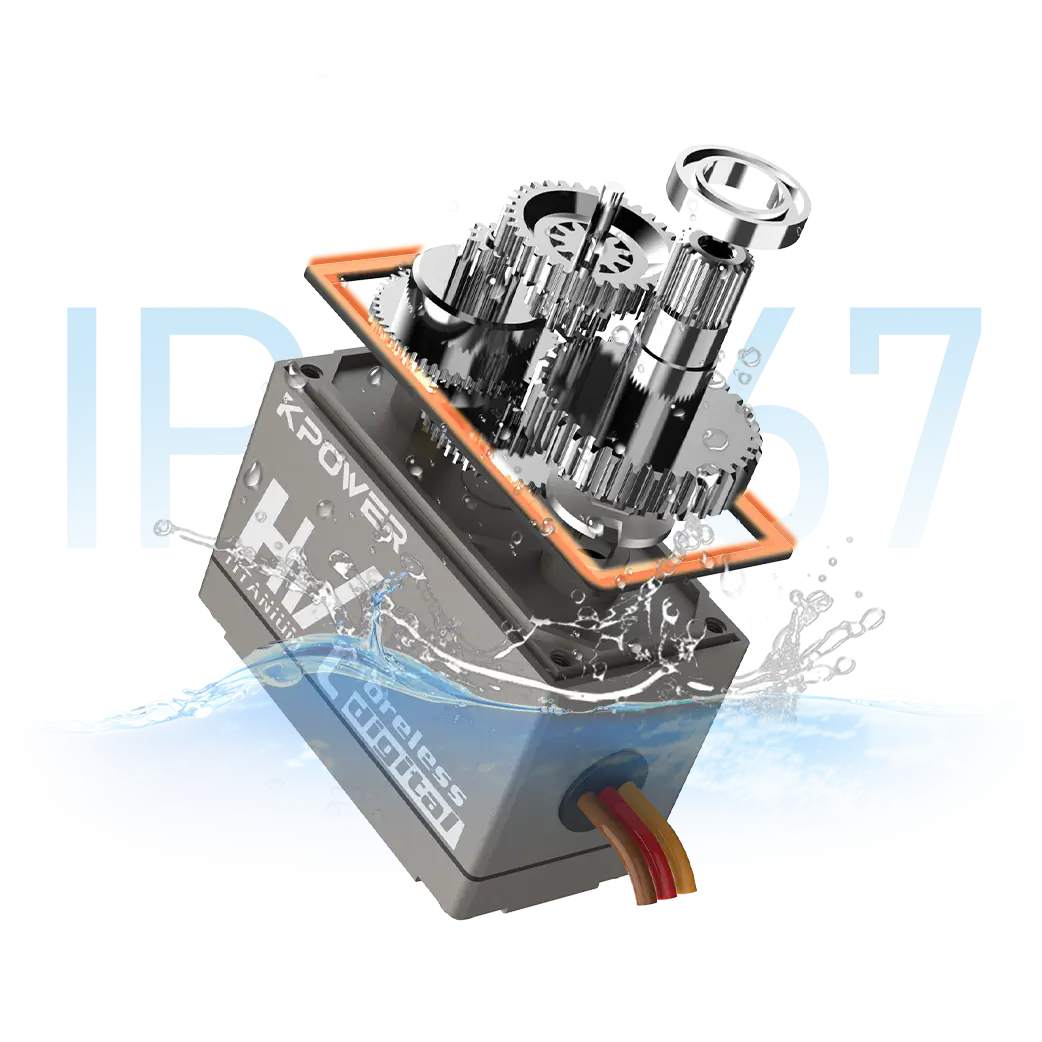
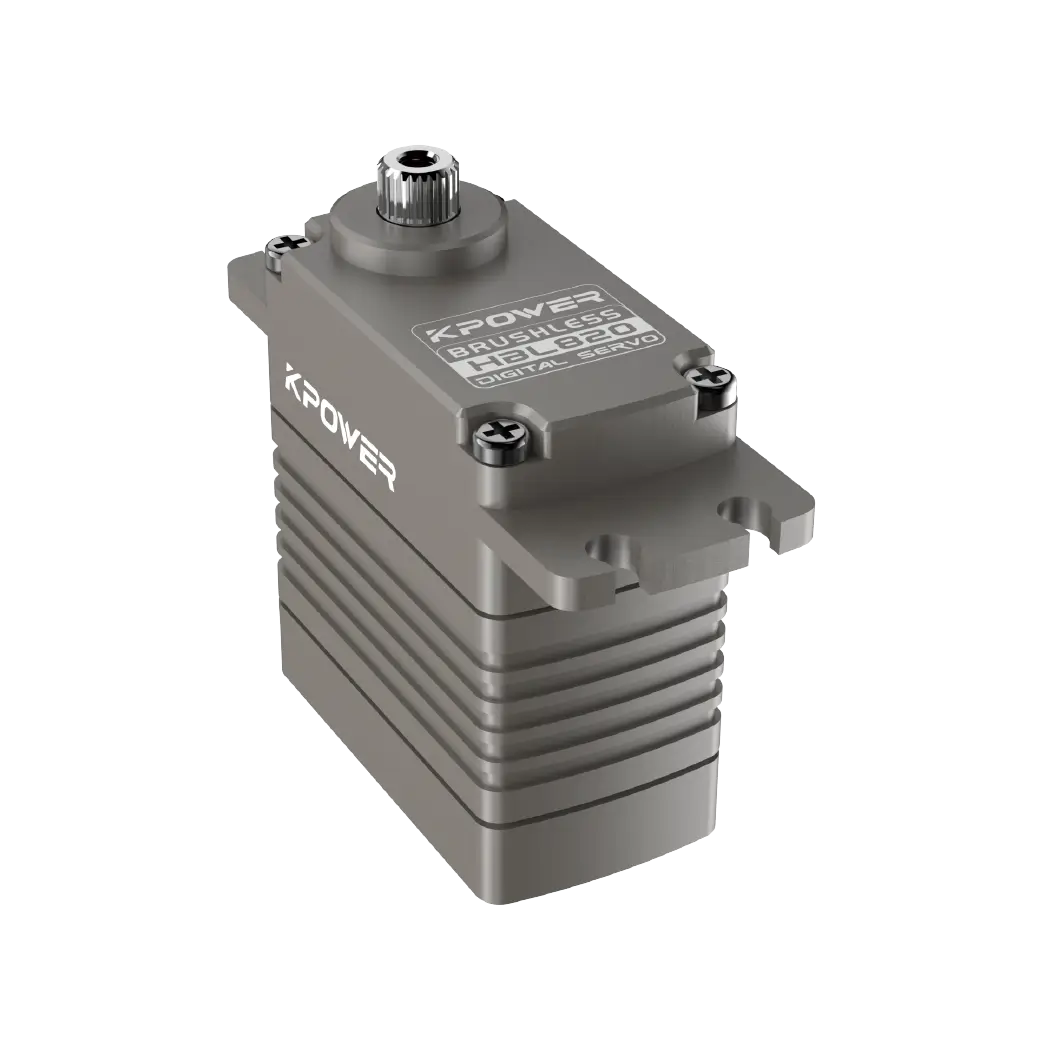
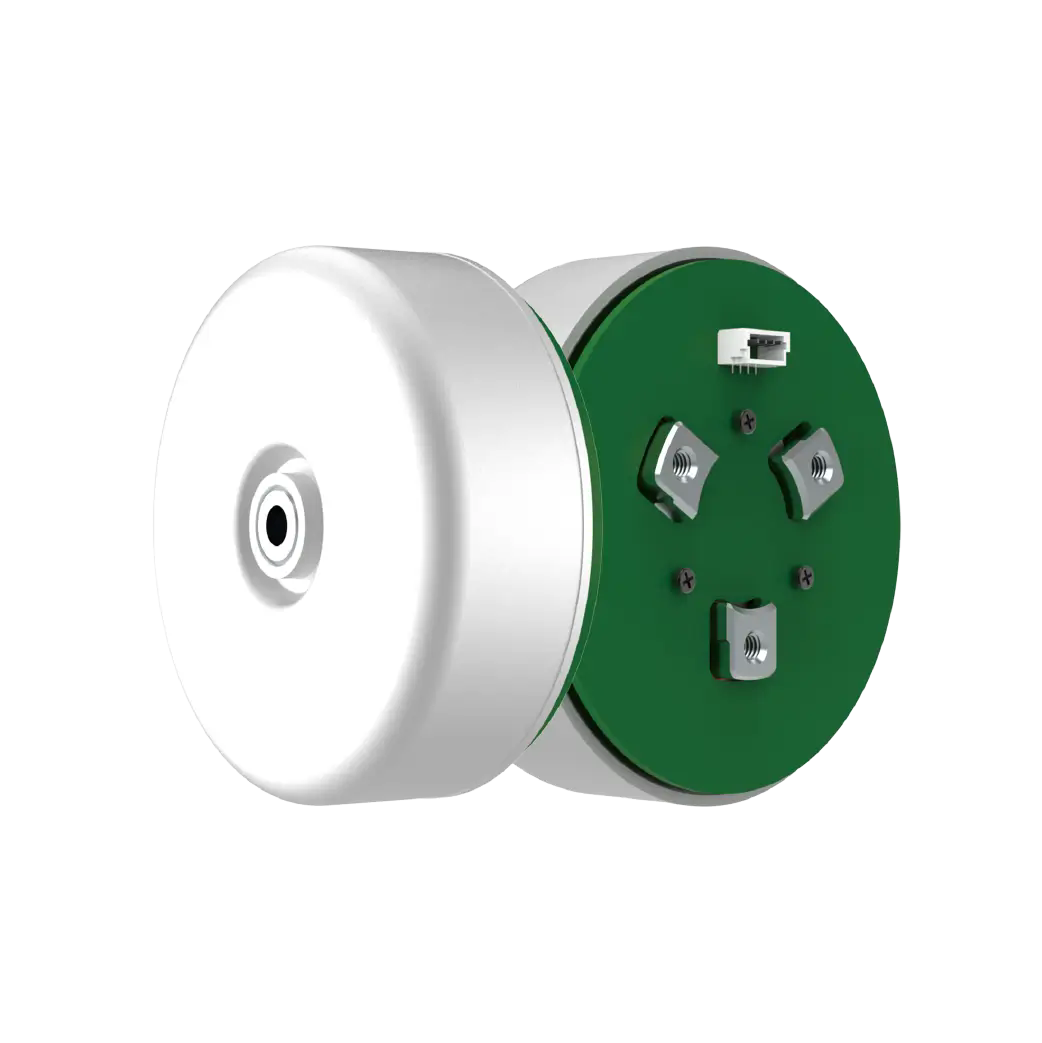
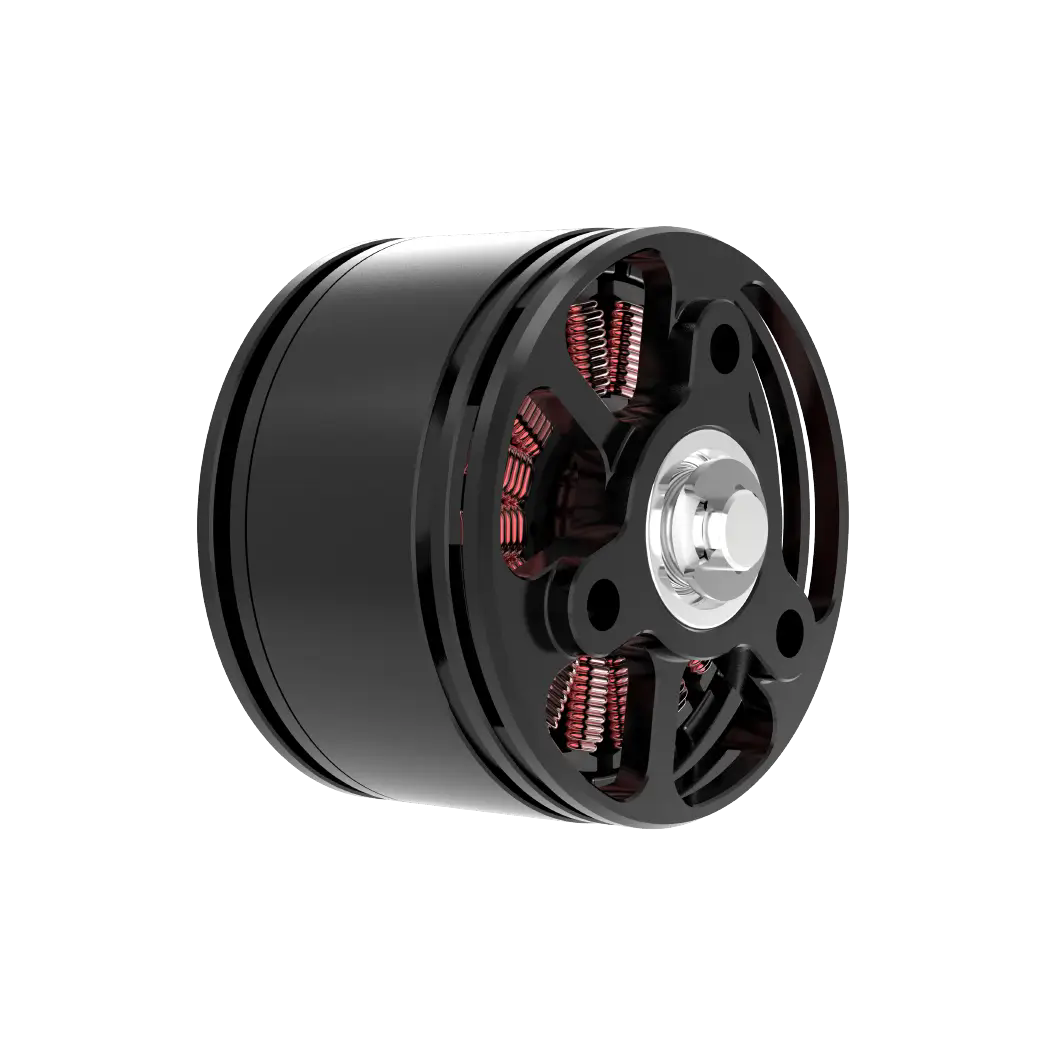
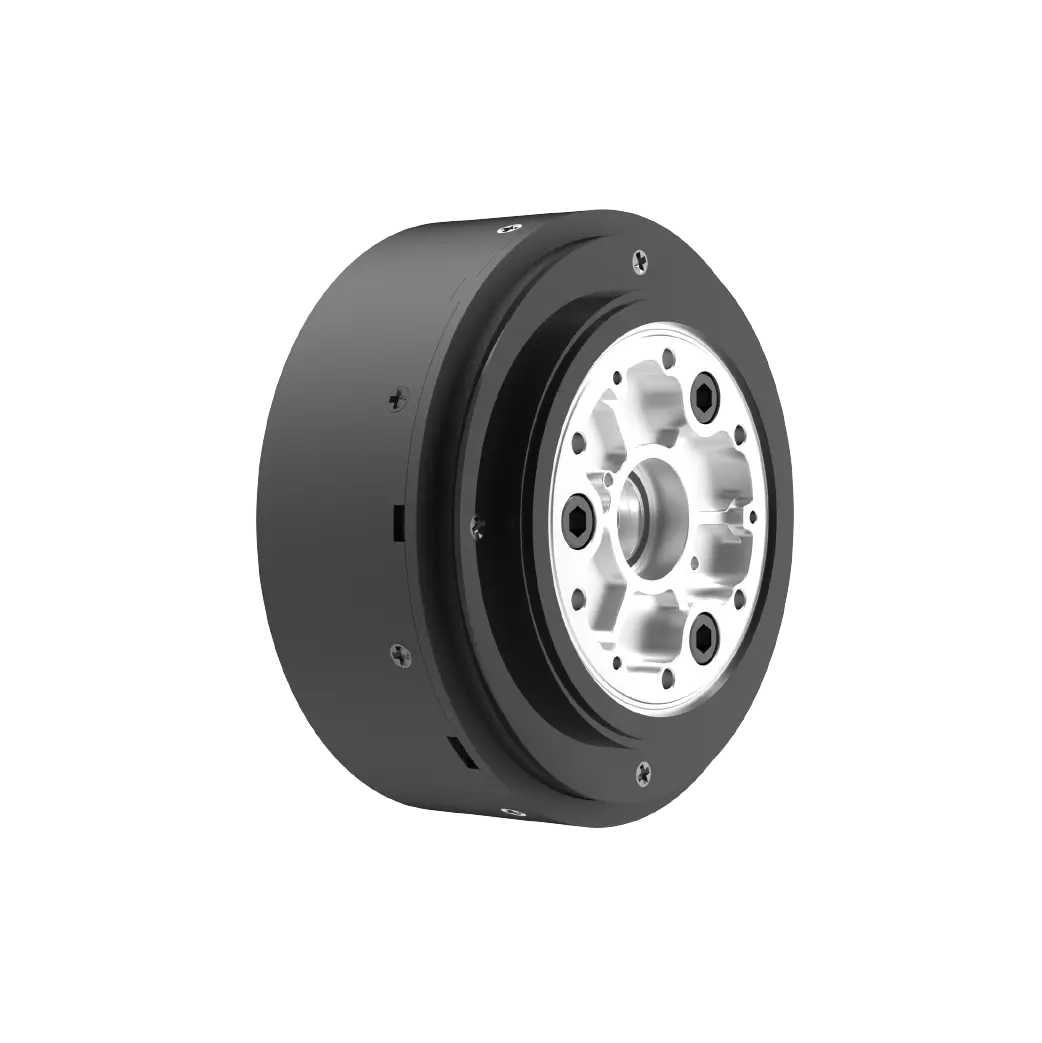
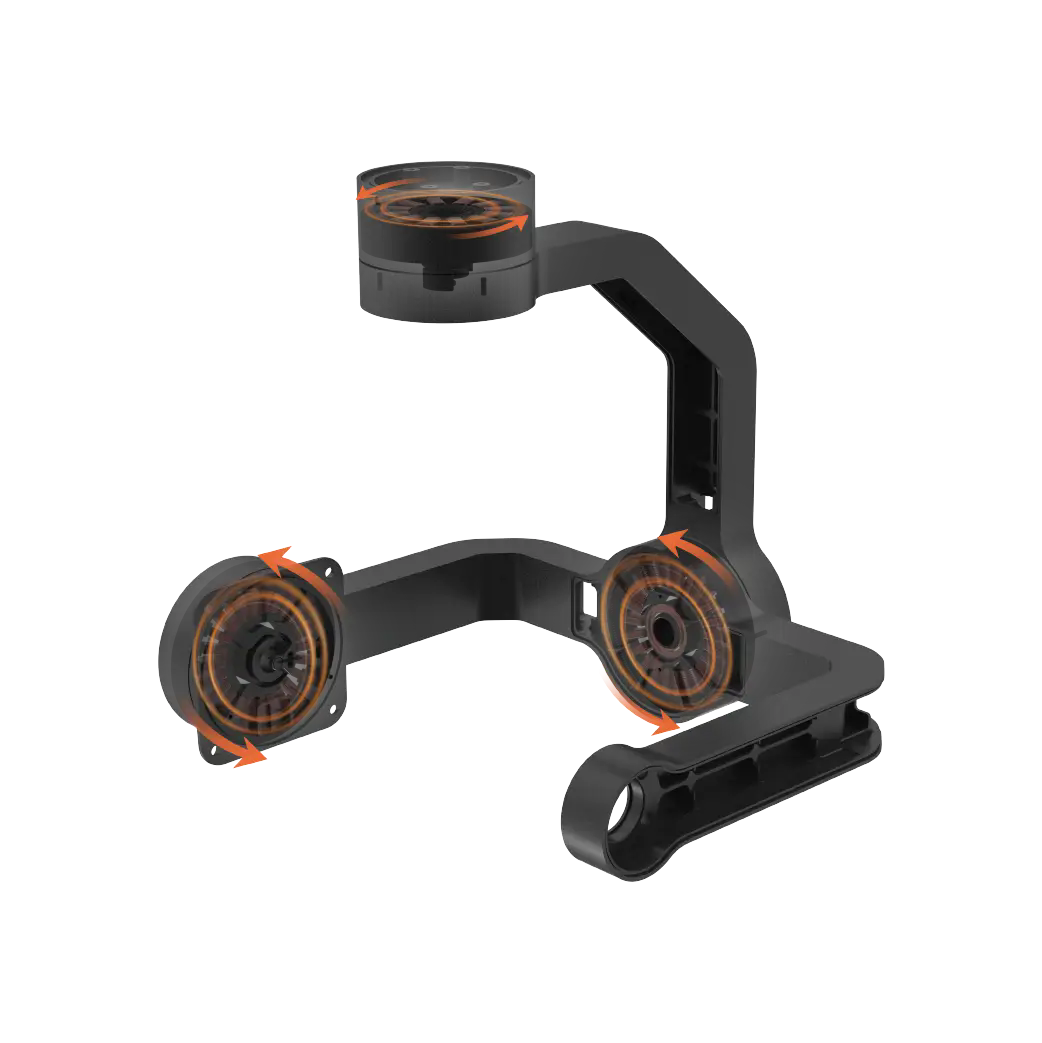
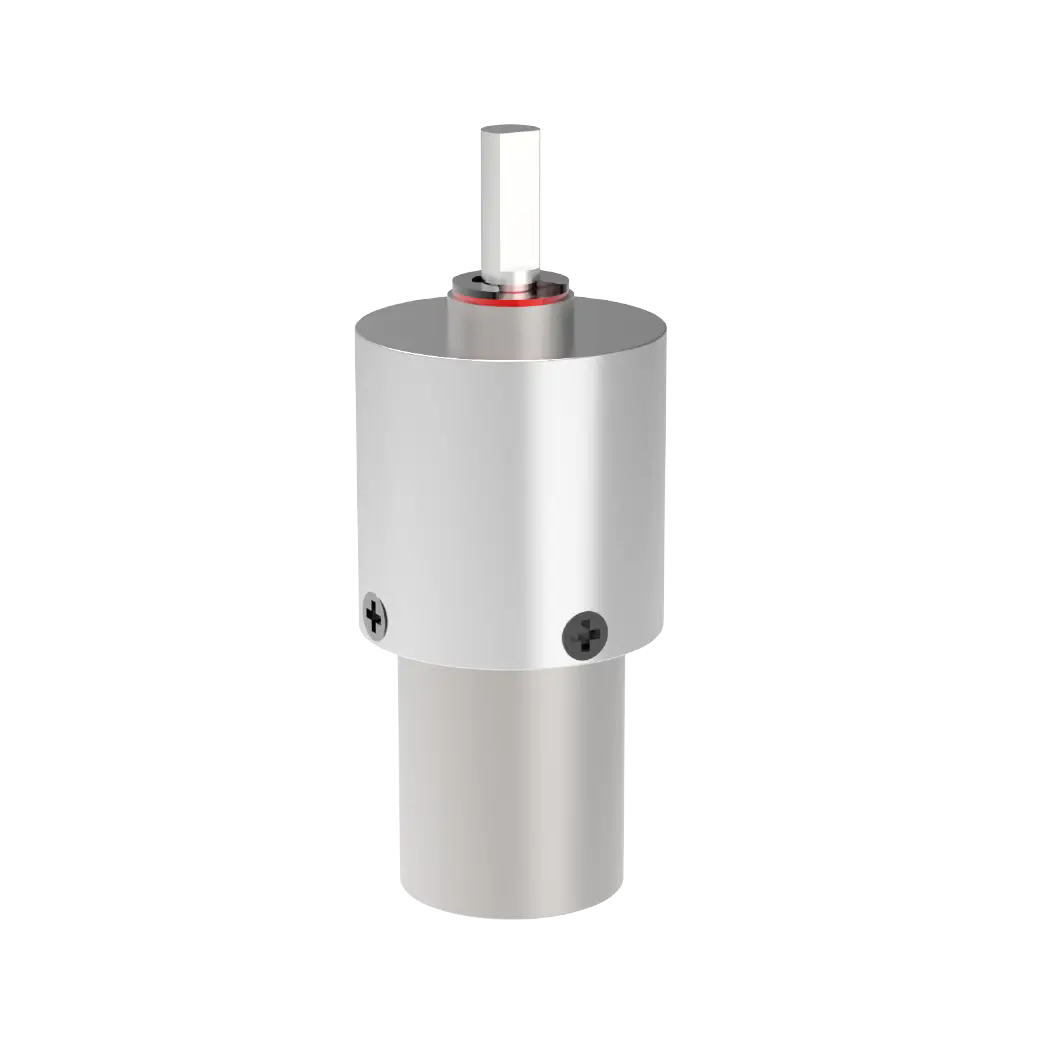
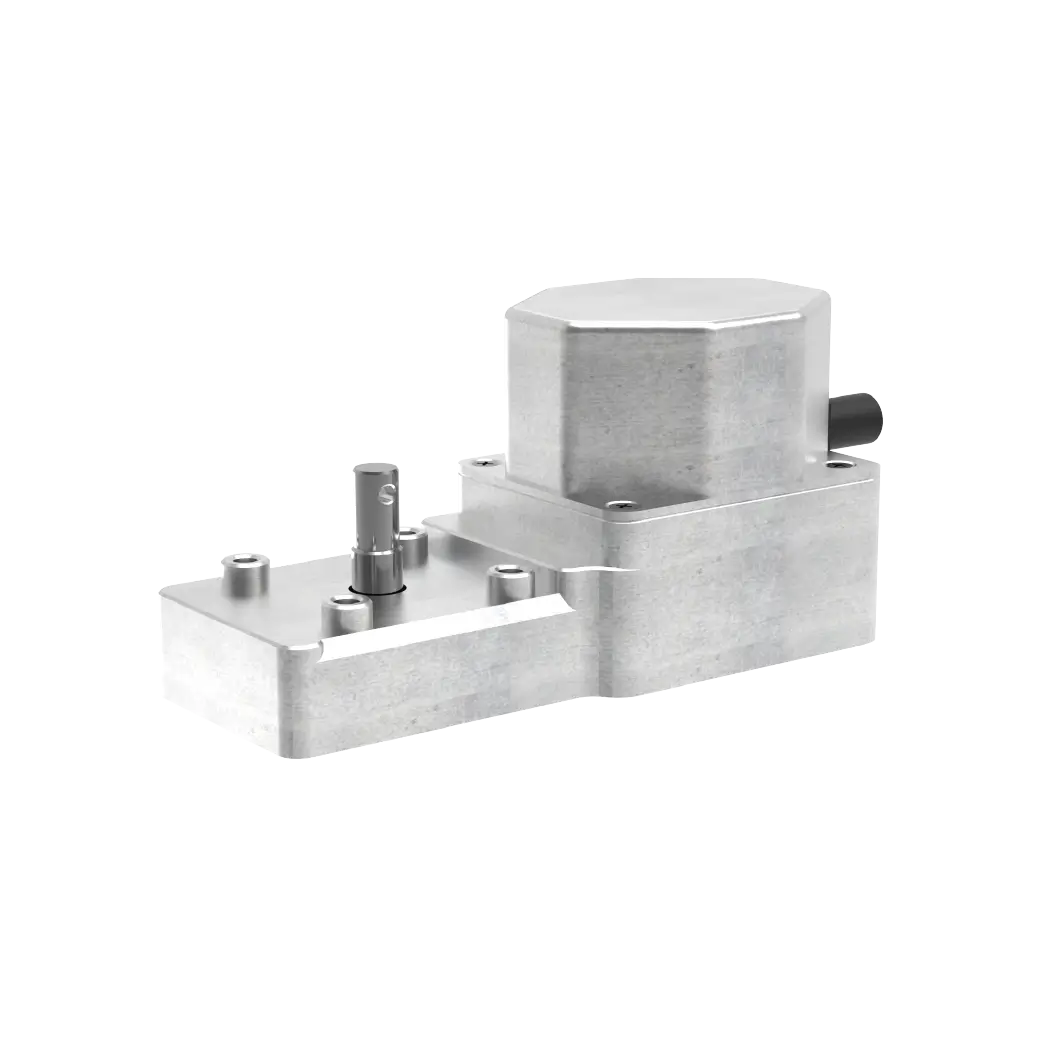
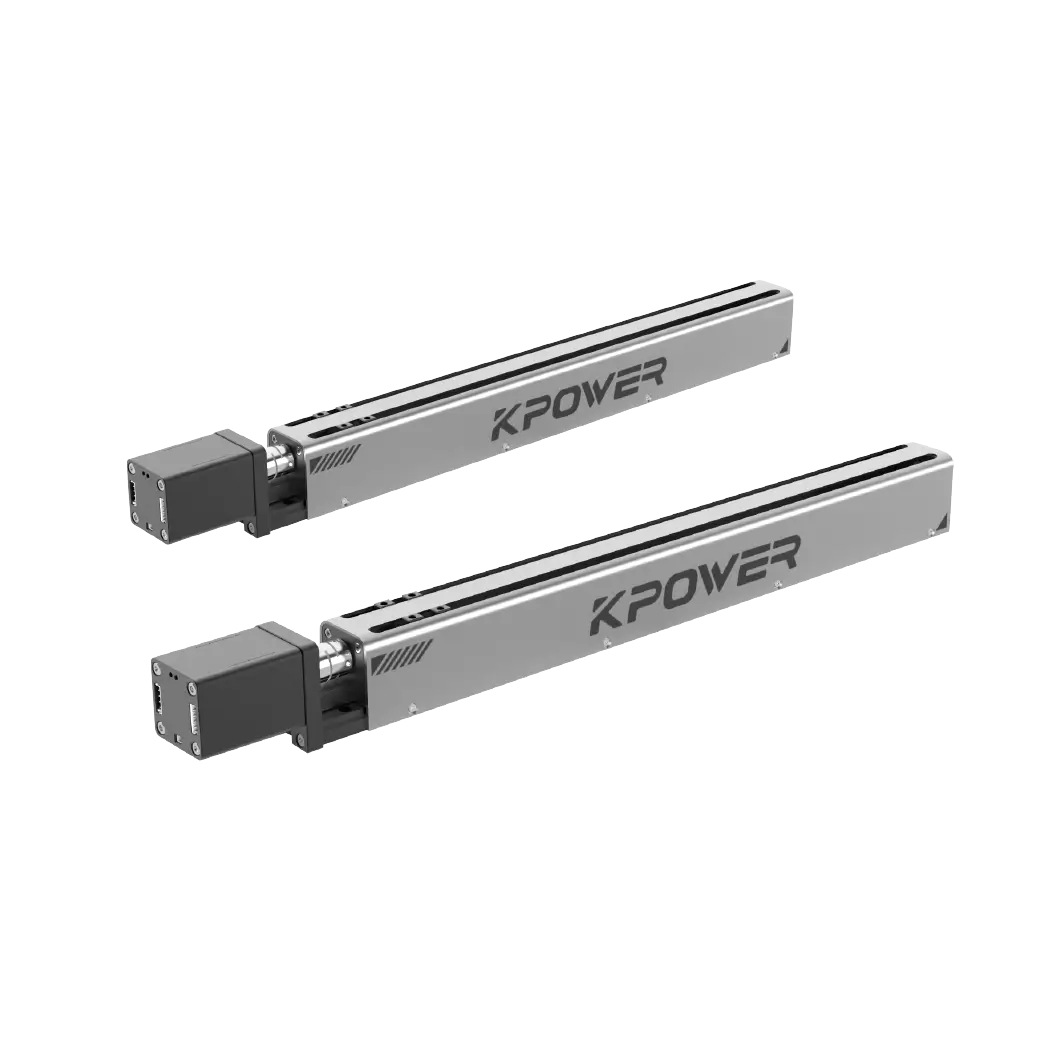
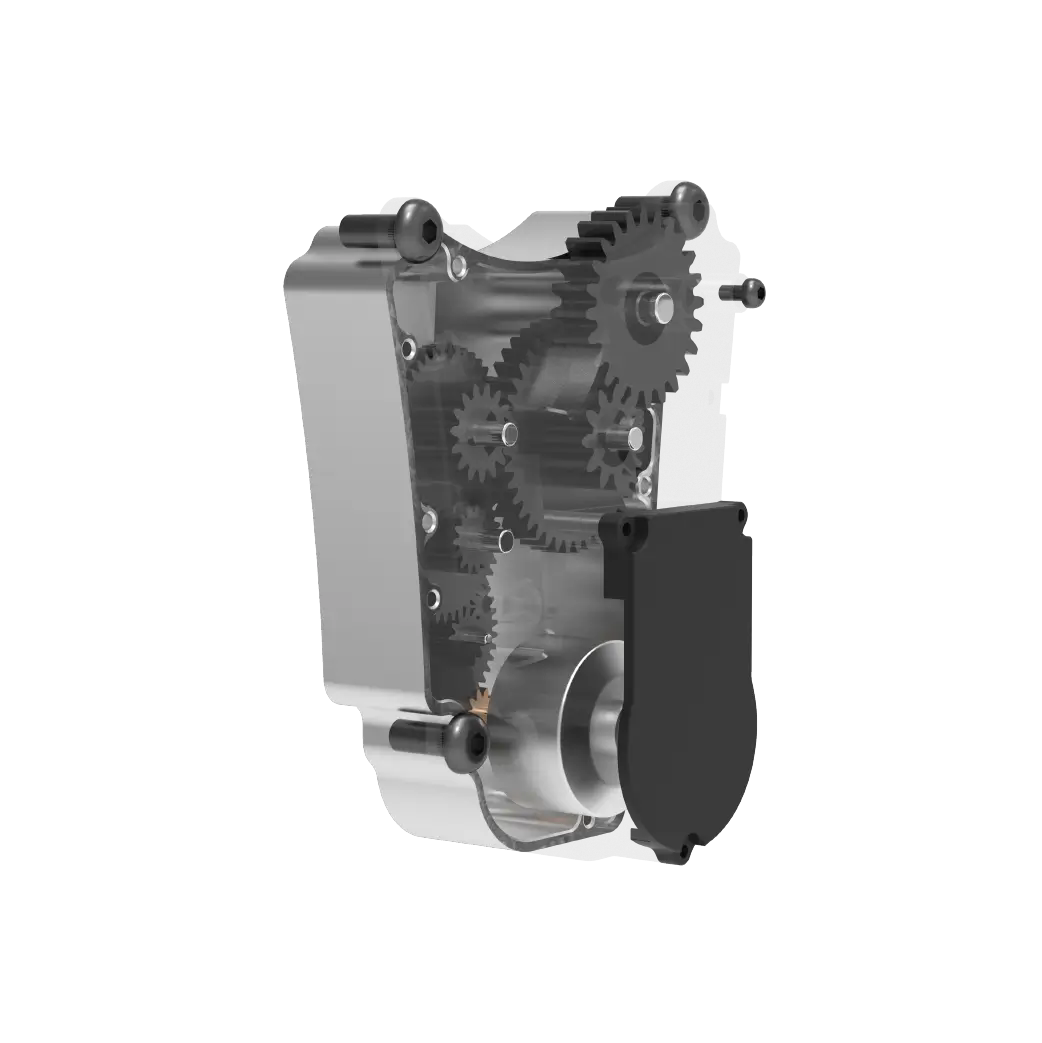
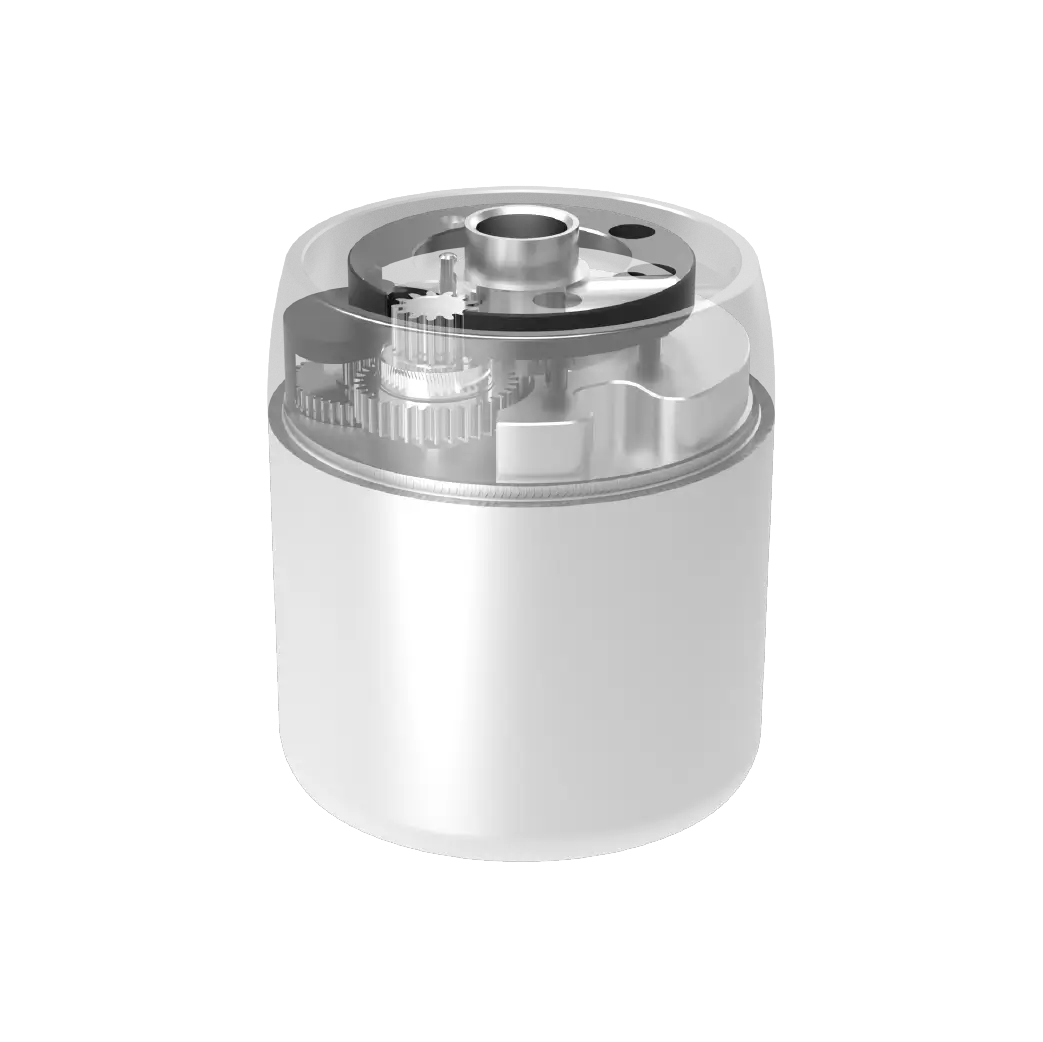
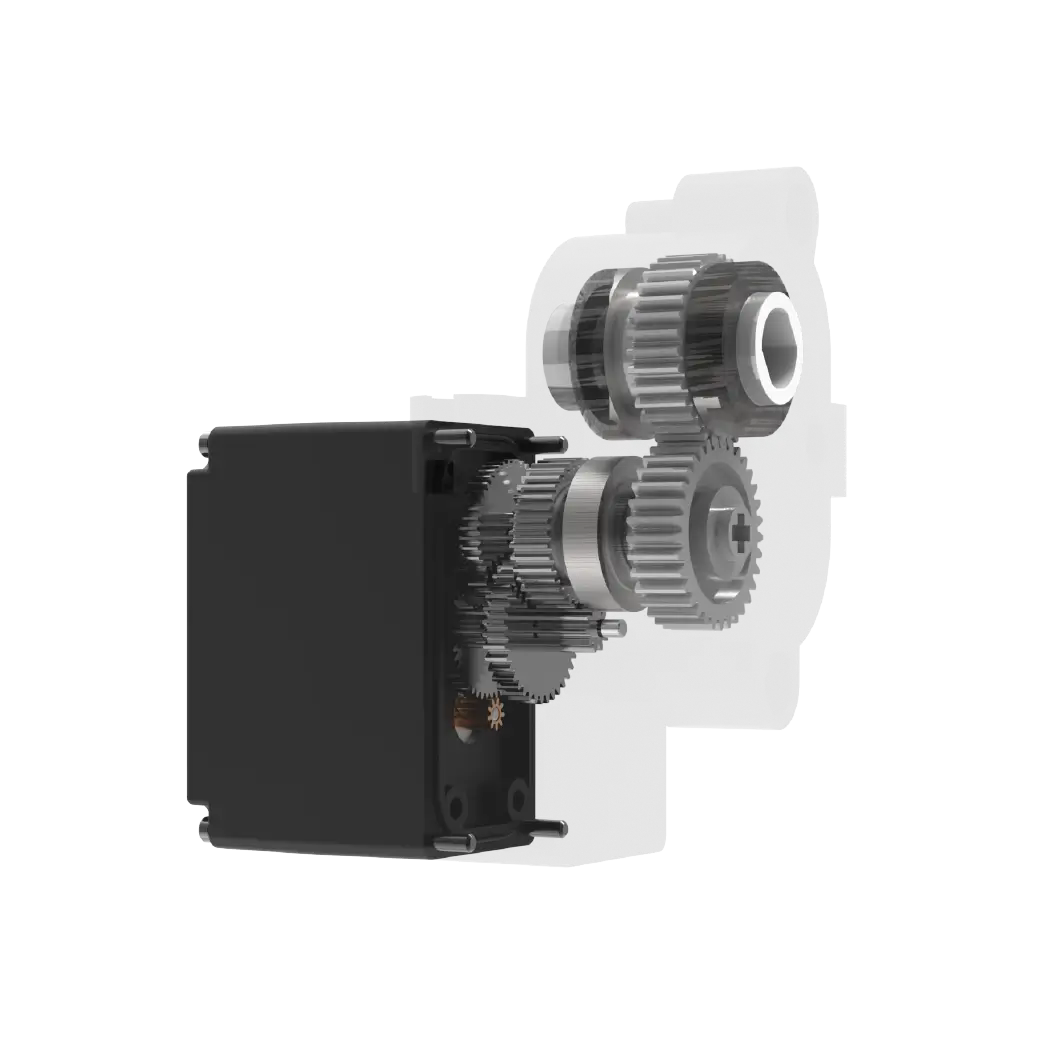
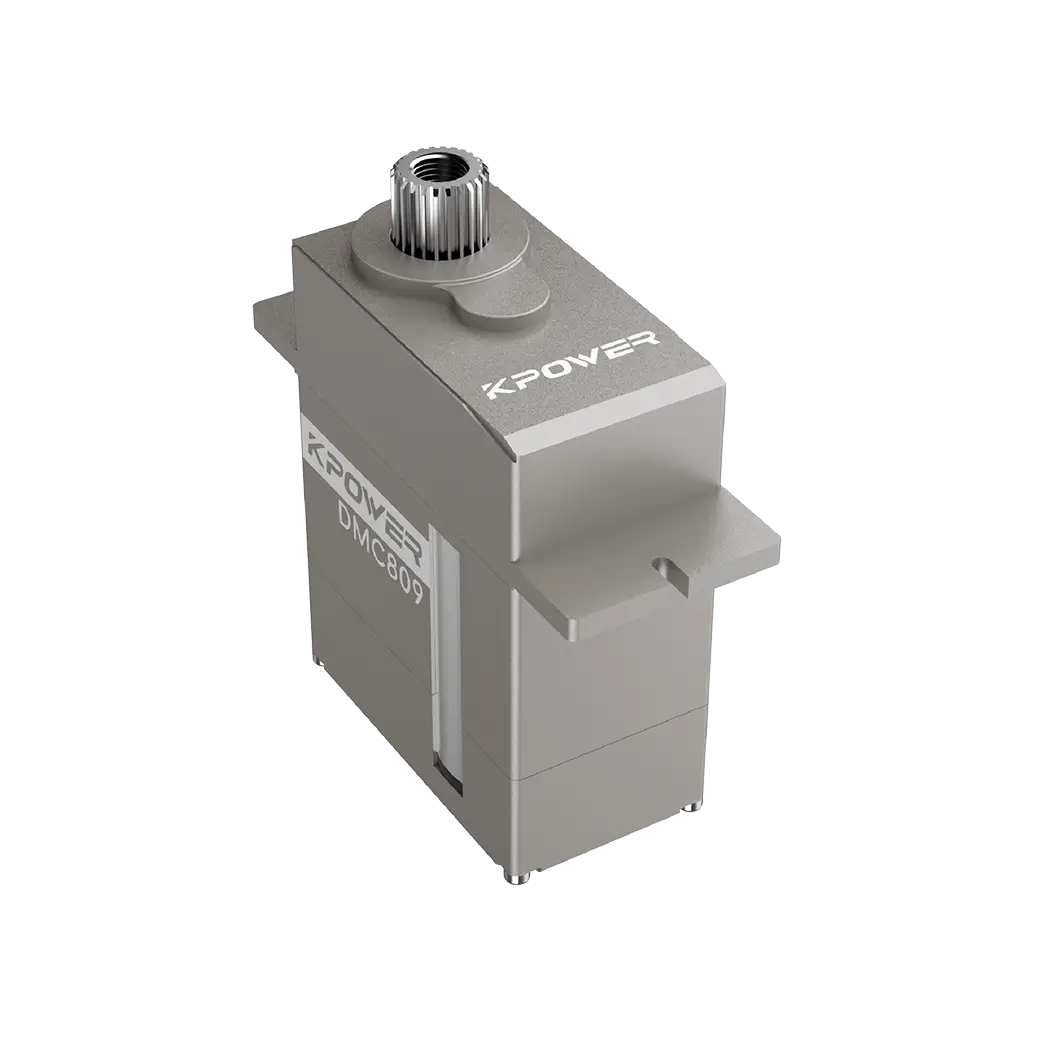
Let’s talk about something different. Imagine, for a second, a well-designed machine—not software, but actual hardware. Think about a precisionservosystem. You’ve got a motor, a controller, a gear set. Each part has a single, clear job. The motor focuses on torque and speed, the controller handles the commands, the gears deliver the motion. They connect, but they’re independent. If you need more speed, you upgrade the motor. Want smarter control? Swap the controller module. You don’t rebuild the entire machine.
That’s the spirit of microservices in software. It’s not one giant program. It’s a collection of small, independent services, each running its own unique process. One service handles user logins. Another manages the shopping cart. A third takes care of payments. They talk to each other through simple, well-defined connections—like those reliable electrical signals in aservosystem.
Why does this matter? Well, remember that tangled yarn? Microservices are like having separate, neat spools. Need to update the payment logic? You work on that one service. Test it, deploy it, without touching the login or cart functions. It’s faster. It’s cleaner. Your development team isn’t stepping on each other’s toes. Different groups can own different services, moving in parallel.
And scaling? Think of a busy day. Your “product search” service is getting hammered, but the “order history” service is calm. With a monolith, you’d scale the entire application, wasting resources. With microservices, you just add more power to the “search” part. It’s efficient, like adding muscle exactly where you need it.
But it’s not magic. These independent services need to be robust. They need to communicate flawlessly, even if one temporarily stumbles. The connections—the APIs—must be crystal clear and stable. This is where the engineering mindset clicks. It’s about designing clear boundaries and reliable contracts between services, ensuring the whole assembly works in harmony.
You might wonder, “Isn’t this more complex?” On one level, yes. Managing many services requires good orchestration, monitoring, and a shift in thinking. It’s not a silver bullet for every tiny project. But for growing systems, the payoff is agility. The ability to adapt, upgrade, and repair without a full shutdown.
This is where a focus on quality components becomes non-negotiable. In our mechanical world, a poorly made gear can grind the whole drive train to a halt. In software, a poorly built microservice can break a critical user journey. The philosophy is similar: invest in well-defined, robust, and maintainable parts. Build them to do their job exceptionally well, with interfaces that are simple and durable.
So, what’s the move? It starts with looking at your application not as a castle, but as a village of specialized workshops. Identify the core functions that can live independently. Design how they’ll hand off work. Choose tools that help you manage this distributed landscape. And always, always prioritize making each service solid and self-sufficient.
It’s a journey from a single, rigid block to a dynamic, collaborative system. It’s about building software that has the resilience and adaptability of a fine-tuned machine. The goal isn’t just to keep up; it’s to build a foundation that lets you evolve, confidently, for whatever comes next.
That’s the shift. It’s less about following a trend and more about embracing a smarter way to structure things. A way that gives you control, speed, and a clear path forward.
Established in 2005,kpowerhas been dedicated to a professional compact motion unit manufacturer, headquartered in Dongguan, Guangdong Province, China. Leveraging innovations in modular drive technology,kpowerintegrates high-performance motors, precision reducers, and multi-protocol control systems to provide efficient and customized smart drive system solutions.kpowerhas delivered professional drive system solutions to over 500 enterprise clients globally with products covering various fields such as Smart Home Systems, Automatic Electronics, Robotics, Precision Agriculture, Drones, and Industrial Automation.
Update Time:2026-01-19

Contact Kpower's product specialist to recommend suitable motor or gearbox for your product.