







TECHNICAL SUPPORT


Published 2026-01-19
Alright, let’s roll up our sleeves and talk about something that sounds technical but actually hits close to home if you run a business. We’re diving into accounting software microservices—yeah, I know, it’s a mouthful. But stick with me for a bit.
So picture this: you’re managing your company’s numbers. Everything from invoices to payroll, tax records to monthly reports. It starts simple, but as you grow, things get… messy. Your old accounting software feels like trying to fit a giant machine into a tiny toolbox. Slow, clunky, and every time you add a new feature, the whole system groans. Sound familiar?
That’s the classic monolithic software trap. One big block of code, one update breaking three other things, and scaling? Forget it.
Why Microservices Feel Like Fresh Air
Think of microservices like building with LEGO blocks instead of carving from a single piece of stone. Instead of one massive program doing everything, you have smaller, independent services—each handling a specific task. One for invoicing, one for expense tracking, another for compliance reporting. They talk to each other but work separately.
So what’s the big deal? Well, when your invoicing module needs an upgrade, you don’t have to shut down the whole system. Fixes roll out faster. Adding a new payment gateway doesn’t mean rewriting the entire software. It’s flexible, it’s resilient, and it grows with you.
But Here’s the Catch
Switching to microservices isn’t just a “plug and play” move. If not done right, you could end up with a different kind of chaos—services that don’t communicate well, security gaps, or inconsistent data. It’s like having a team of experts who speak different languages.
So how do you make it work smoothly?
Choosing Your Building Blocks
You don’t need to be a tech guru to get this. When evaluating a microservices setup for accounting, keep an eye on a few things:
It’s not just about splitting software into pieces—it’s about making those pieces smart and cooperative.
WherekpowerComes Into the Picture
Over the years, I’ve seen how the right architecture can turn accounting from a chore into a strategic advantage. Atkpower, the approach is less about selling you a “product” and more about crafting a tailored system that mirrors how your business actually flows.
Their microservices design feels intuitive. Imagine your expense module updating automatically when a receipt is scanned, while the tax service prepares reports in the background—all without manual triggers. It’s quiet efficiency.
A user once mentioned how switching reduced their month-end closing time from days to hours. No magic, just clean, focused services doing their jobs.
Making the Shift Without the Headache
If you’re considering a move, start small. Don’t overhaul everything at once. Pick one pain point—say, payroll processing or invoice tracking—and migrate that module first. Test it. See how it connects with the rest.
The goal isn’t perfection from day one. It’s progress. A well-built microservice system should feel like upgrading from a manual gearbox to an automatic transmission—smoother, faster, letting you focus on the road ahead.
Wrapping This Up
Accounting software shouldn’t hold you back. It should empower you. Monolithic systems belong to an era of slower growth and static needs. Today’s business is all about adaptability.
Microservices, done right, offer that agility. They turn accounting from a back-office function into a live dashboard that grows and adapts with you.
It’s not just a tech upgrade—it’s an operational mindset. And in a world where every minute counts, that’s not just nice to have. It’s essential.
So next time you feel your software straining at the seams, maybe it’s not about working harder. Maybe it’s about building smarter.
Cheers.
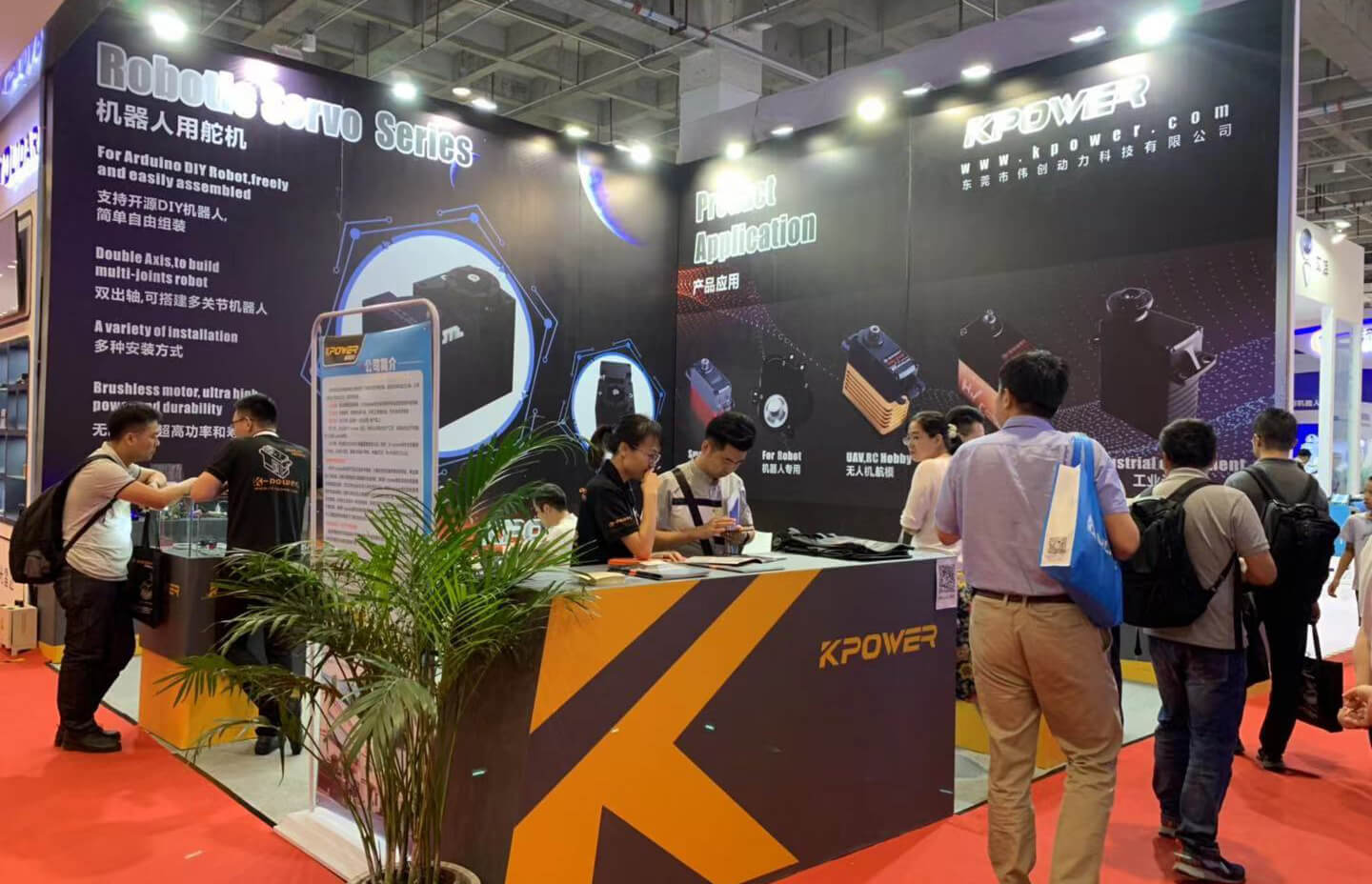
Established in 2005,kpowerhas been dedicated to a professional compact motion unit manufacturer, headquartered in Dongguan, Guangdong Province, China. Leveraging innovations in modular drive technology, Kpower integrates high-performance motors, precision reducers, and multi-protocol control systems to provide efficient and customized smart drive system solutions. Kpower has delivered professional drive system solutions to over 500 enterprise clients globally with products covering various fields such as Smart Home Systems, Automatic Electronics, Robotics, Precision Agriculture, Drones, and Industrial Automation.
Update Time:2026-01-19

Contact Kpower's product specialist to recommend suitable motor or gearbox for your product.