







TECHNICAL SUPPORT


Published 2026-01-19
You are staring at a chaotic control system in a daze, with various signal lines intertwined and intertwined, like a ball of wool that cannot be sorted out. The equipment pulls against each other, and if there is a problem in one link, the entire system must be stopped for maintenance. Time is passing and costs are increasing, but problems are like whack-a-mole, popping up here and there.

Is this scene familiar? Many machinery and automation projects will encounter similar problems - the traditional one-piece architecture is like a bulky old machine. If any gear is stuck, the entire machine will stop.
Is there a way to flexibly assemble the system like building blocks, and replace any broken piece without having to involve the whole body?
This is the transformation that microservices architecture can bring about. Simply put, it splits a large and complex software application into a series of small, independent service units. Each service is built around a specific business function, such as specifically processing motor position data, specifically managing motion trajectory planning, or specifically responsible for equipment status monitoring. They run independently and "talk" through clear interfaces.
Imagine a robotic arm control system in your workshop. If it adopts microservice design, then functions such as trajectory calculation, real-time feedback, and abnormal alerts will become independent service modules. When you need to upgrade the trajectory, you only need to update the corresponding "computing module", and the real-time control and monitoring services of the robotic arm can run as usual, and the entire production line does not have to stop and wait for this.
Why consider this architecture? Because it directly responds to those vexing pain points.
When a service is needed or fails, it doesn't bring down the entire application. You can repair or replace it individually and the rest of the system continues to work smoothly. It's like being a soloist in an orchestra. Even if one of the soloists is temporarily absent, the music continues.
Another benefit is elastic scaling. If orders suddenly increase and the service responsible for scheduling and coordination becomes under greater pressure, you can add computing resources to this service alone instead of blindly upgrading the entire system hardware. This is more efficient and cost-effective.
The technology stack can also be freer. Different services can be developed based on the technology for which they are most suitable. Perhaps it is more convenient to use Python for data processing services, while C++ is more robust for real-time control services. In a microservice architecture, this is completely achievable. They communicate through standard protocols and do not care what language the other party uses internally.
Of course, any method has its suitable scenarios. Microservices are not a panacea. For very small, very simple projects, introducing it may appear complex. But when your system begins to grow, with more and more modules, more and more frequent interactions, and higher and higher requirements for reliability and flexibility, the value of this "divide and conquer" idea will become apparent.
How to judge whether your project needs to move in this direction? You can ask yourself: Do different parts of the system often need to be updated independently? Are the load pressures of some functional modules much greater than others? Are new features or devices expected to be added frequently in the future? If the answer is yes, then the idea of microservices is worthy of your in-depth understanding.
The ideas are similar when choosing specific technology components. Whether it is software services or hardware components, reliability, compatibility, and long-term maintenance support are key considerations. Just like choosing core components for precision machinery, you need a partner that can stand the test of time and work seamlessly together.
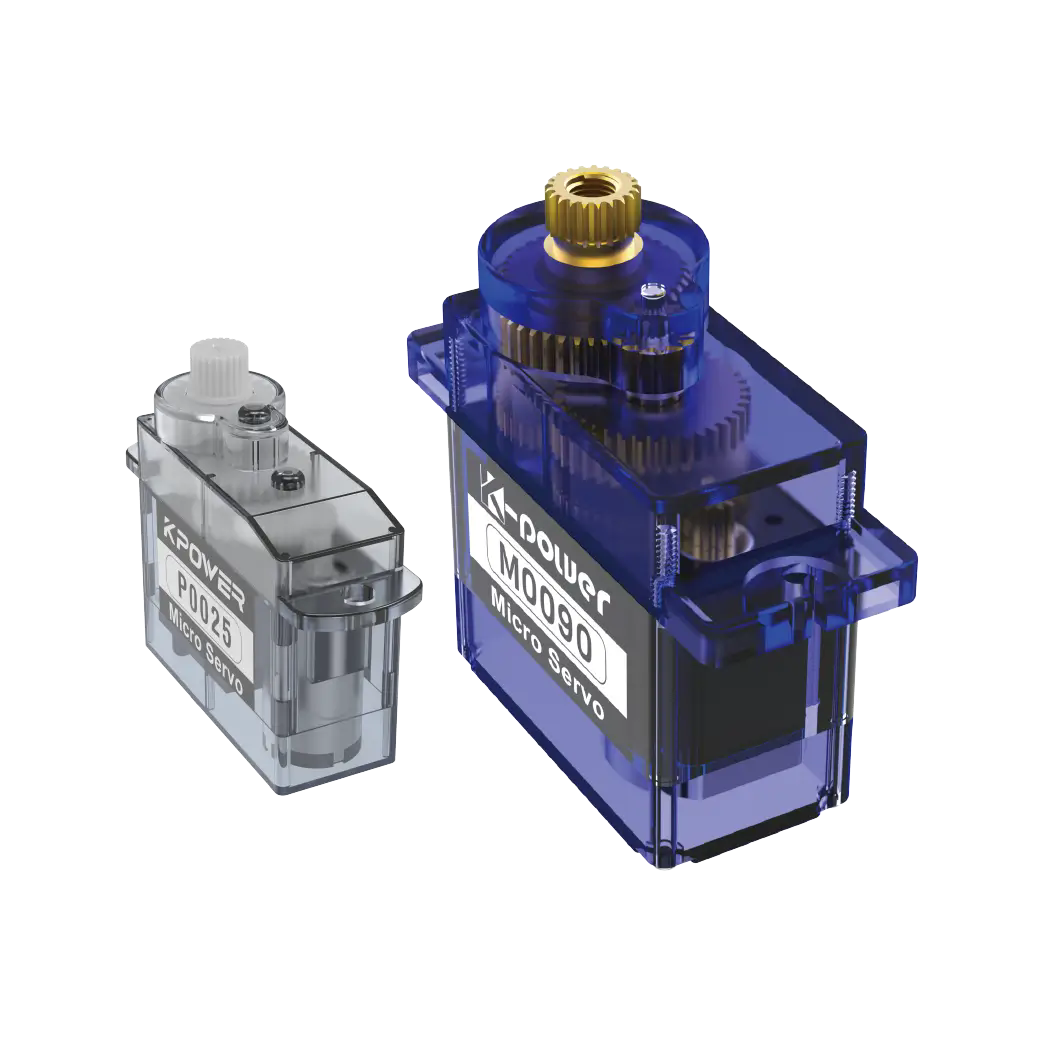
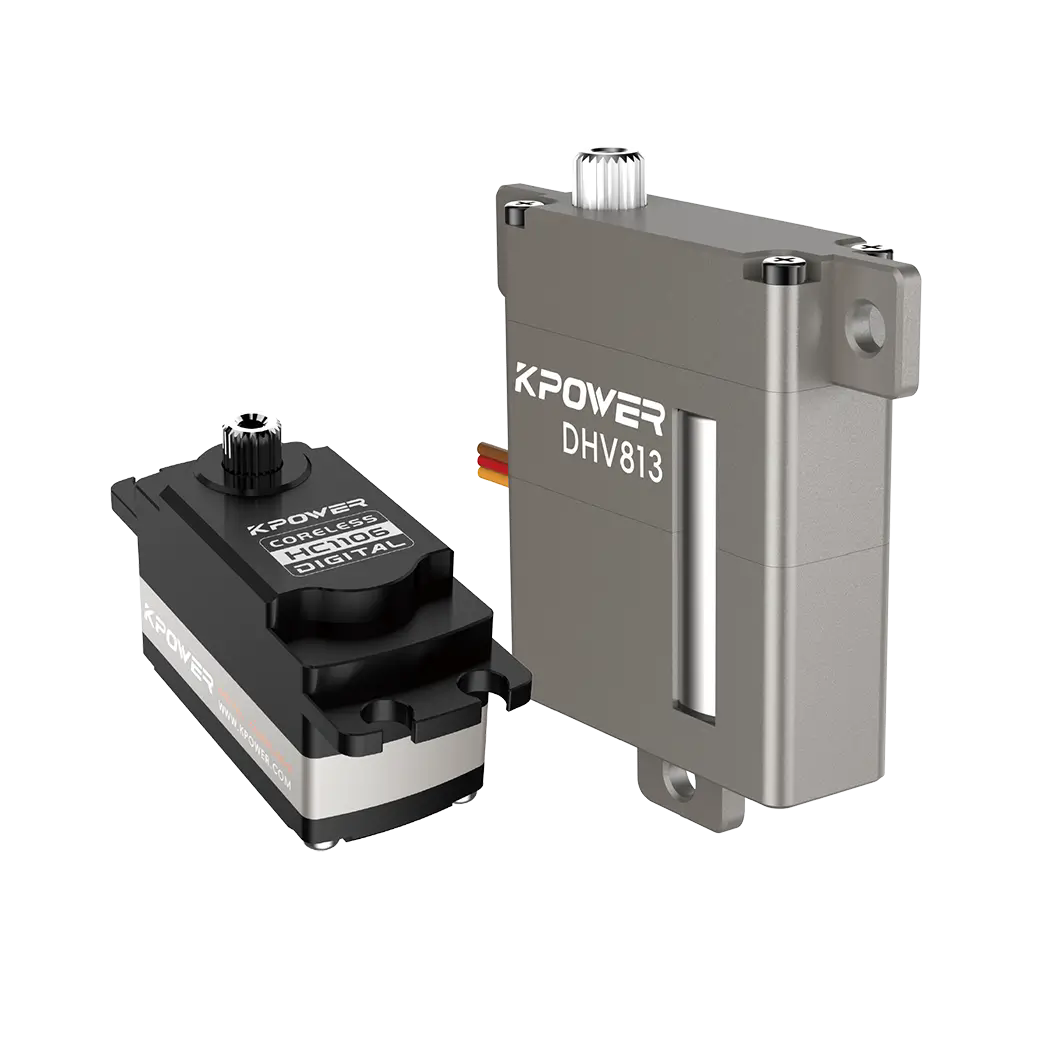
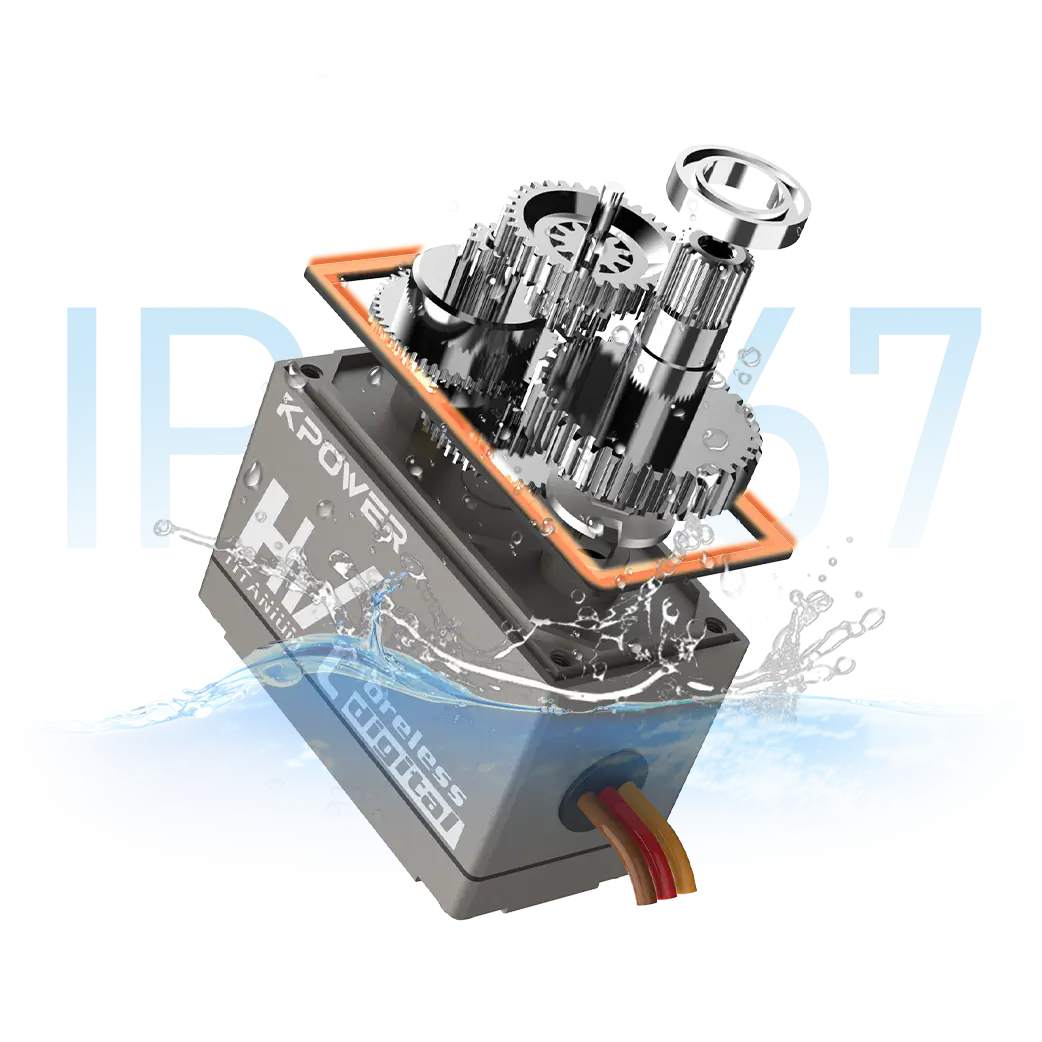
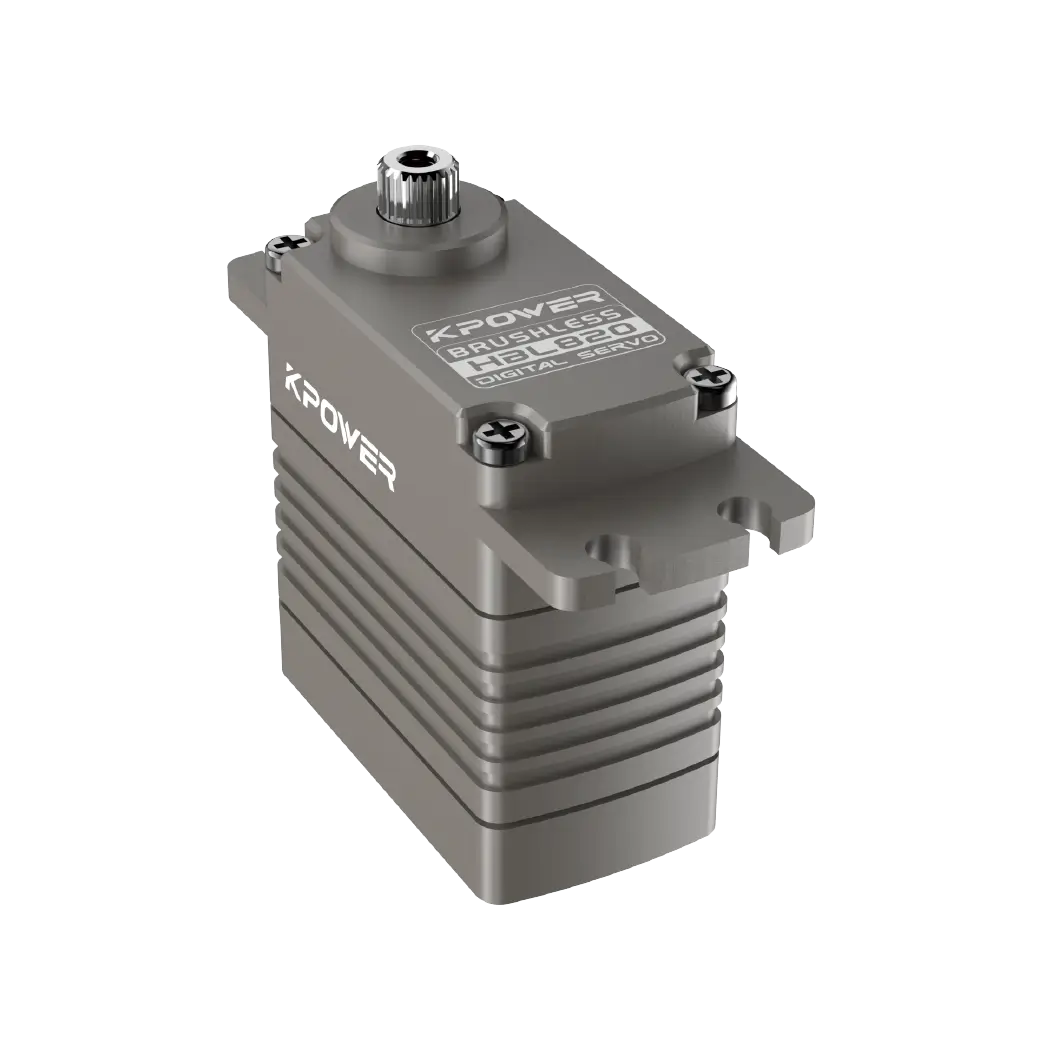
kpowerThe in-depth focus on servo motors, steering gears and related mechanical components is based on this concept of "specialization, specialization and innovation". We understand that each individual unit in a complex system is extremely reliable while fitting elegantly into the whole. This deep understanding of precision, modularity, and collaborative work coincides with the "high cohesion, low coupling" philosophy advocated by the microservice architecture. What we provide is not just components, but also the underlying support that makes complex systems clear, controllable and resilient.
Let the system be like a set of precise mechanical devices, with each gear being independent and precise, driving the magnificent operation together. When each part is strong enough, the whole will have the flexibility and strength to withstand wind and waves. This may be the best way to deal with a complex world.
Established in 2005,kpowerhas been dedicated to a professional compact motion unit manufacturer, headquartered in Dongguan, Guangdong Province, China. Leveraging innovations in modular drive technology,kpowerintegrates high-performance motors, precision reducers, and multi-protocol control systems to provide efficient and customized smart drive system solutions. Kpower has delivered professional drive system solutions to over 500 enterprise clients globally with products covering various fields such as Smart Home Systems, Automatic Electronics, Robotics, Precision Agriculture, Drones, and Industrial Automation.
Update Time:2026-01-19

Contact Kpower's product specialist to recommend suitable motor or gearbox for your product.