









TECHNICAL SUPPORT


Published 2026-01-19
Picture this. It took you several weeks to finally set up the Spring Boot microservice project. Services are online one by one, and functions run smoothly. But one morning, you need to explain the entire system to a new member of the team, or plan the next iteration of functionality. You open the so-called "architecture diagram" - the lines are intertwined like unorganized headphone cables, and the boxes are stacked so that you can't tell who is calling whom. Even you are stunned for three seconds. This is not a blueprint, it is simply abstract art.

We have seen this scenario too many times. Microservices bring flexibility, but they also quietly bring complexity. With more services, communication paths grow exponentially. Behind a confusing picture is often increased communication costs, difficulty in tracing faults, and intimidation in deploying new functions. The problem is never microservices themselves, but how we "see" and manage them.
It shouldn't just be a static snapshot of technology. You need to be able to see the blood flow - where the data is flowing, the request path, the health of the service. It has to be alive.
Someone asked, isn’t this just about drawing tools? Wouldn't it be enough to use drag and drop software? But it's not that simple. The hand-drawn pictures will be out of date in two days as soon as the service is updated. The fragmented information scattered in different documents and different wiki pages cannot be pieced together to create a complete picture. What you need is a view that can breathe with your system.
kpowerI've been thinking about this for a long time. We feel that a good Spring Boot microservice architecture diagram must do a few small things:
Does this sound a bit idealistic? Not really. The core is a tool that transforms architecture visualization from "post-event recording" to "real-time insight".
Just having the right picture is not enough. For example, you see service A calling service B. Then what? How often are calls made? What is the average response time? Have there been any timeouts recently? This dynamic information is the basis for you to make operation and maintenance and architecture decisions.
so,kpowerAs you think about it, pay special attention to "layered visualization." The most basic layer is static components and connections, which is the skeleton. Going up, you can overlay real-time traffic heat, just like an infrared image, and you can see where the busiest areas are at a glance. Further up, alarms and performance indicators can also be associated, making the architecture diagram an intuitive operation and maintenance command panel.
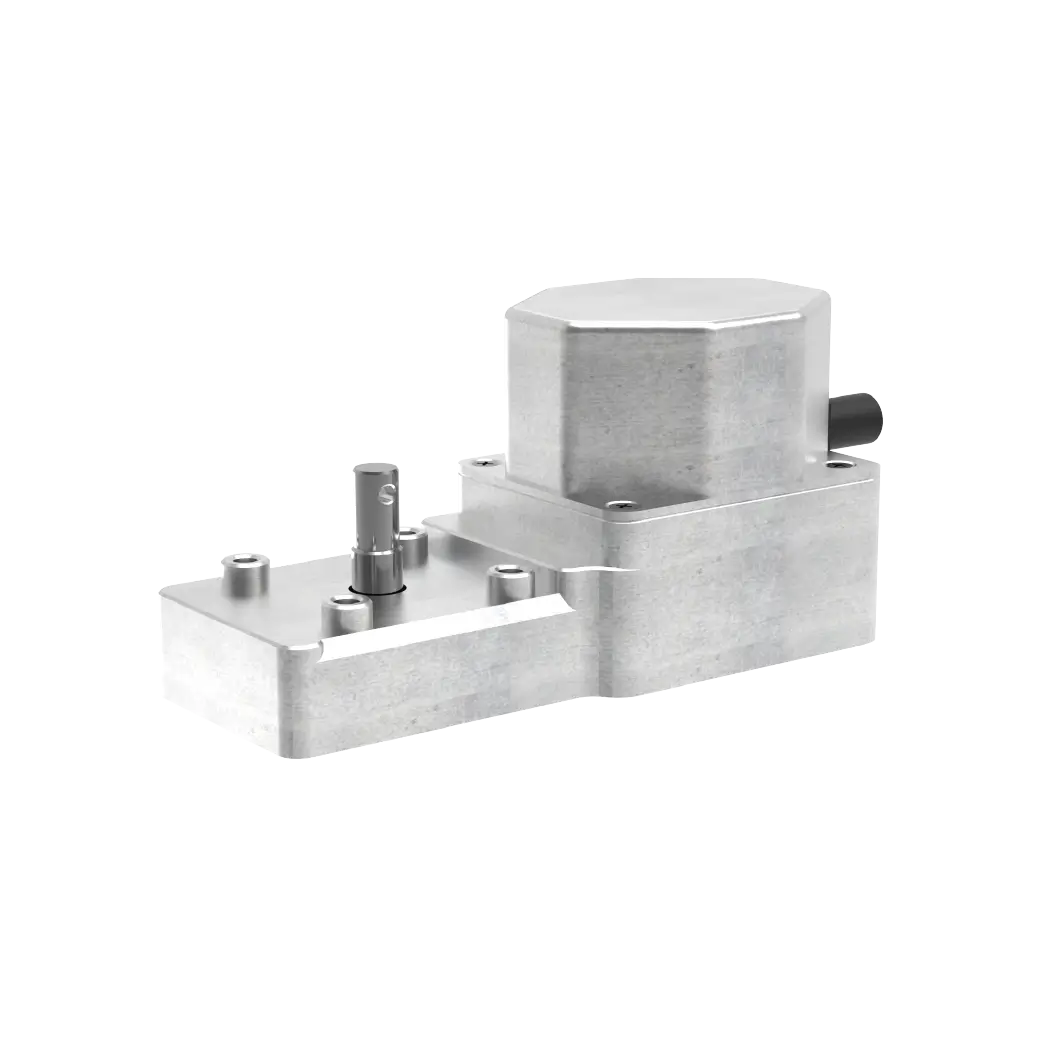
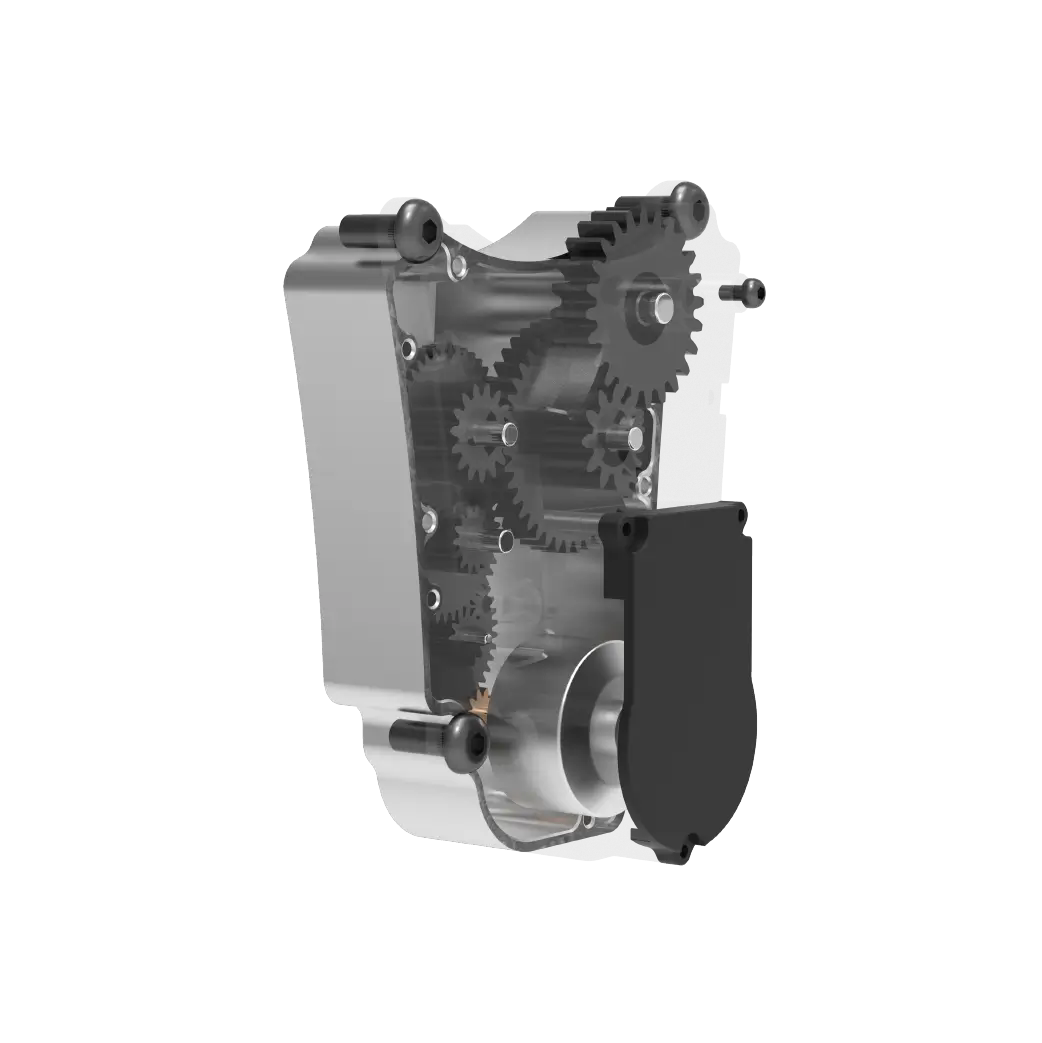
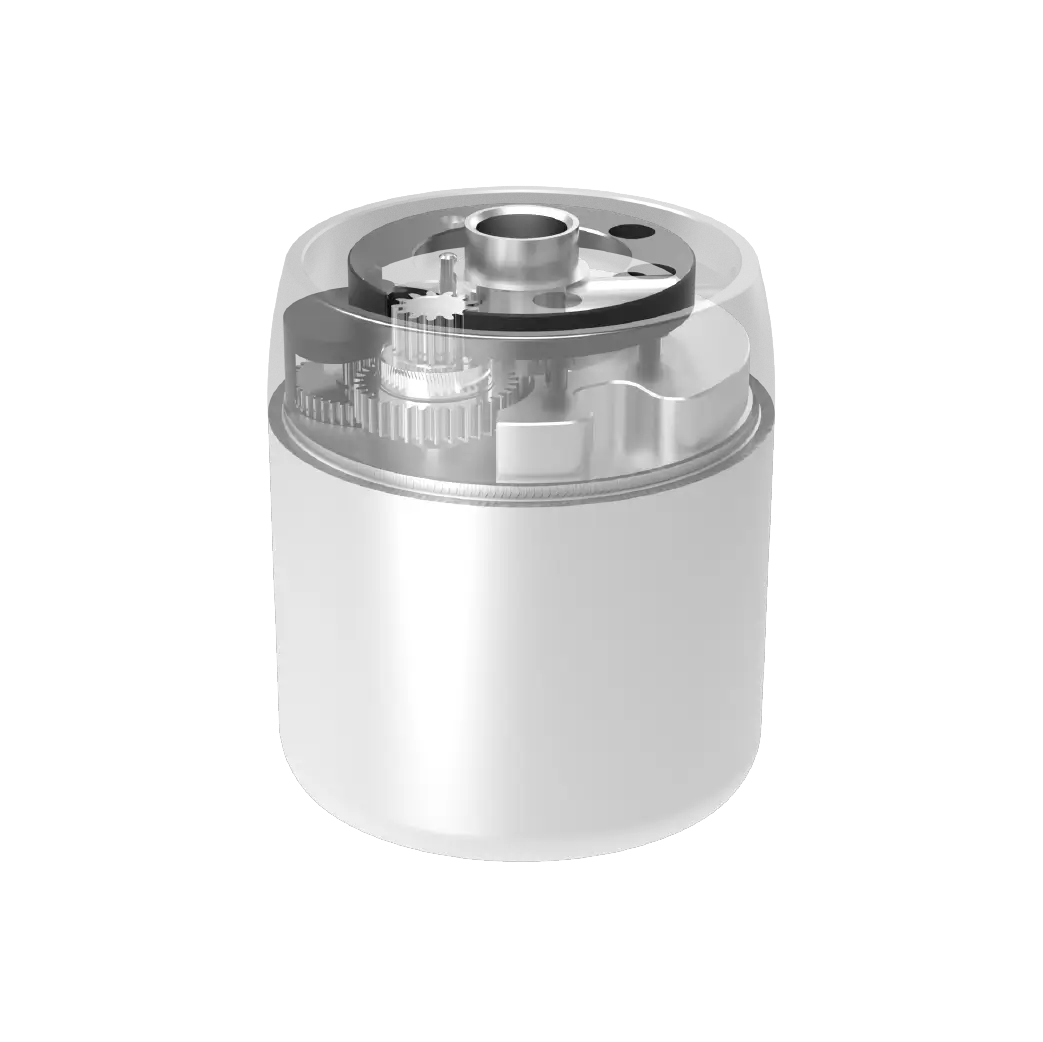
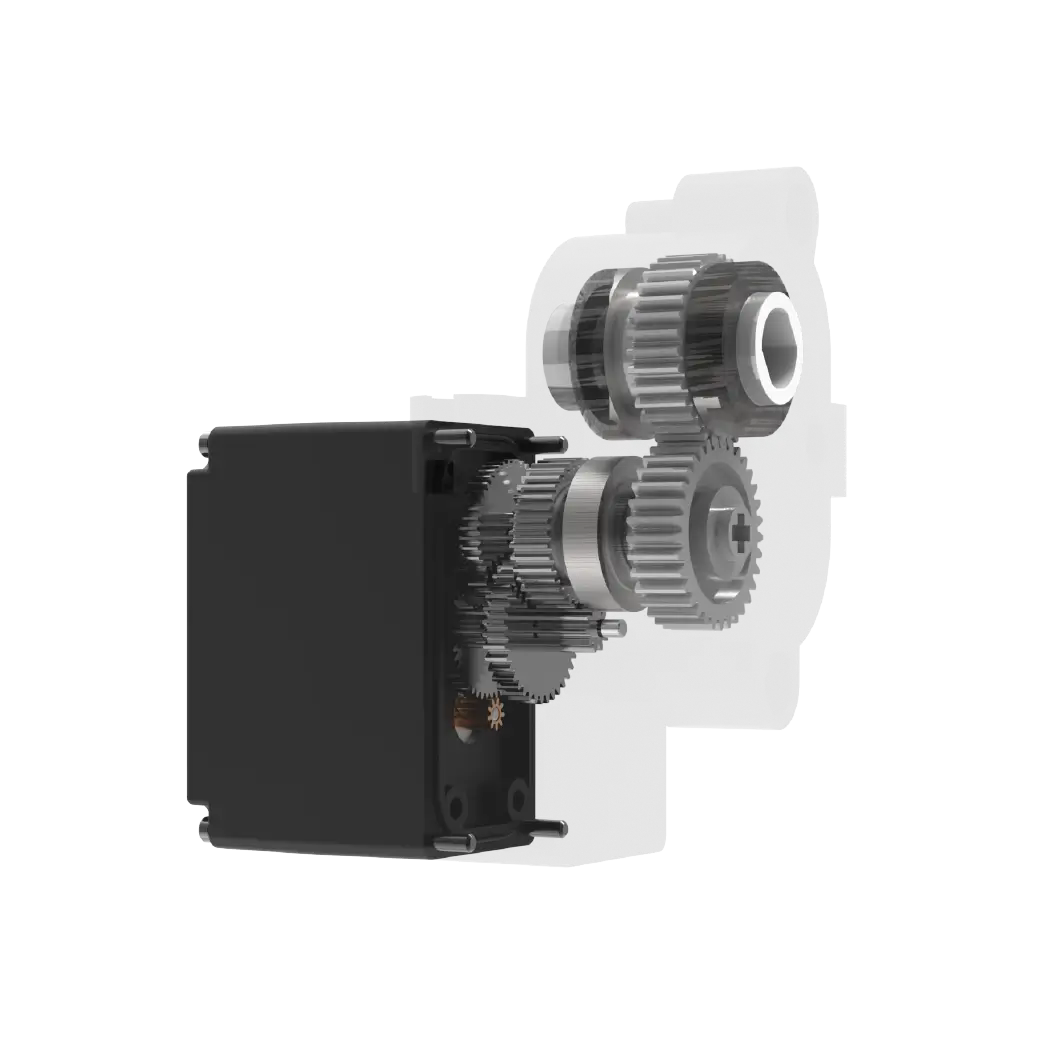
A friend once joked that it was like assembling a set of complex mechanical gears with a transparent housing and sensors. Not only can you see how all the gears (service) mesh, you can also hear in real time which gear is making an abnormal noise when rotating (performance issue), and observe which transmission path the power (flow) mainly flows to. This is of self-evident value in ensuring the smooth and efficient operation of the entire system.
If you feel that the current architecture diagram is a bit "unusable", or you are still relying solely on your brain and dictation to maintain overall understanding, you can try to start with a few simple steps instead of pursuing a big and comprehensive one at the beginning:
This process itself helps the team reach a clearer consensus on the system architecture.kpowerWhat is provided is a practice of systematizing and productizing the above steps. We focus on making the process of architecture visualization smoother, so that the diagram can truly become a common language that can be understood and trusted by development, operation and maintenance, and even product teams.
After all, the purpose of technology is to solve problems, not to create new mazes. A clear Spring Boot microservice architecture diagram is like lighting up street lights and signposts in a maze. It can't eliminate the complexity of the maze itself, but it can ensure that when you walk in it, you feel confident and have a clear direction.
When the location, status, and relationship of each service are clear at a glance, you are no longer faced with a tangled mass of code, but a living map that can be commanded, used, and trusted. This may be the first and most practical step to deal with the complexity of the microservices era.
Established in 2005, Kpower has been dedicated to a professional compact motion unit manufacturer, headquartered in Dongguan, Guangdong Province, China. Leveraging innovations in modular drive technology, Kpower integrates high-performance motors, precision reducers, and multi-protocol control systems to provide efficient and customized smart drive system solutions. Kpower has delivered professional drive system solutions to over 500 enterprise clients globally with products covering various fields such as Smart Home Systems, Automatic Electronics, Robotics, Precision Agriculture, Drones, and Industrial Automation.
Update Time:2026-01-19

Contact Kpower's product specialist to recommend suitable motor or gearbox for your product.