






TECHNICAL SUPPORT


Published 2026-01-19
So your machine feels a bit… off lately? You know the feeling. Everything’s running, but there’s a tiny lag, a little hiccup in response, maybe the movement isn’t as crisp as it used to be. It’s frustrating, isn’t it? Like having a conversation with someone who’s just a step behind.
Maybe you’ve tried tweaking settings, swapping a few parts, even recalibrating the whole system. Sometimes it helps, for a while. But then it creeps back—that slight delay, that hint of uncertainty. You start wondering: Is it the motor? The control signal? Something in the mechanics? It can be a real puzzle.
What if the issue wasn’t just about one single part, but how all the pieces talk to each other?
Let’s take a breath and think about it differently. In a complex setup—whether it’s a robotic arm, an automated stage, or a precision tool—every component has a job. Theservomotors provide the motion, the mechanics translate it into action, and the controller calls the shots. But if the controller is trying to manage everything at once, it’s like a conductor trying to play every instrument. Eventually, timing slips.
That’s where the idea of breaking tasks down comes in. Instead of one central brain doing all the thinking, what if each key function had its own dedicated, focused “mini-brain”? Something that handles just one job, does it perfectly, and communicates smoothly with the others. No overload, no waiting in line.
This approach isn’t about adding more complexity. It’s about creating clarity.
Imagine a small team where each member is an expert in one thing. One handles precision positioning, another manages speed control, a third takes care of feedback and adjustment. They’re specialized, fast, and they only speak up when they need to. Everything runs in parallel. Delays shrink. Movements become predictable, reliable… and honestly, a lot smoother.
You might ask: Won’t that make the system more complicated to set up? It’s a fair concern. But think of it like organizing a workshop. At first, having separate toolboxes for different tasks might seem like extra work. But once they’re set, you always know where everything is. You spend less time searching, more time doing. The system becomes easier to debug, too—if something’s off, you know exactly which “toolbox” to check.
Now, how does this translate into something real? How can a concept become a part you can actually use?
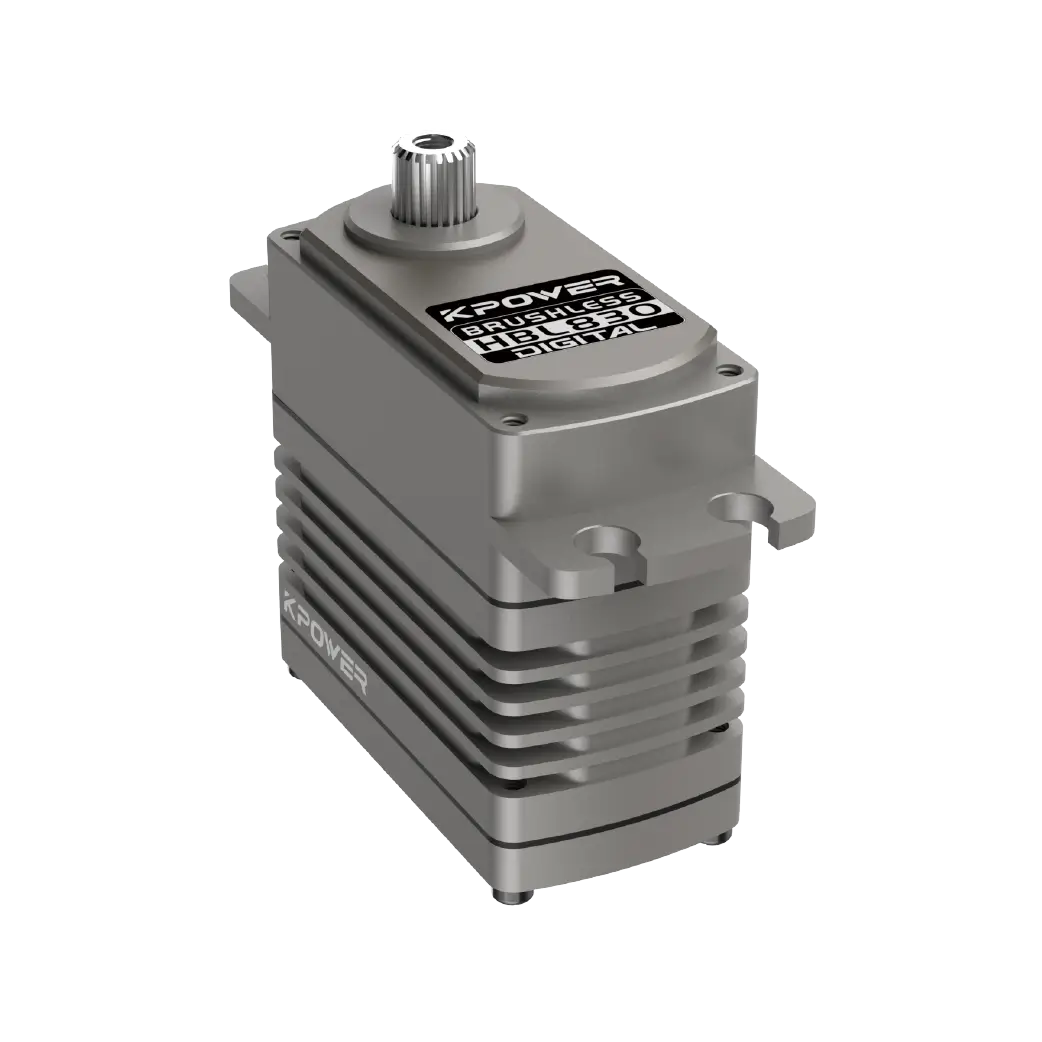
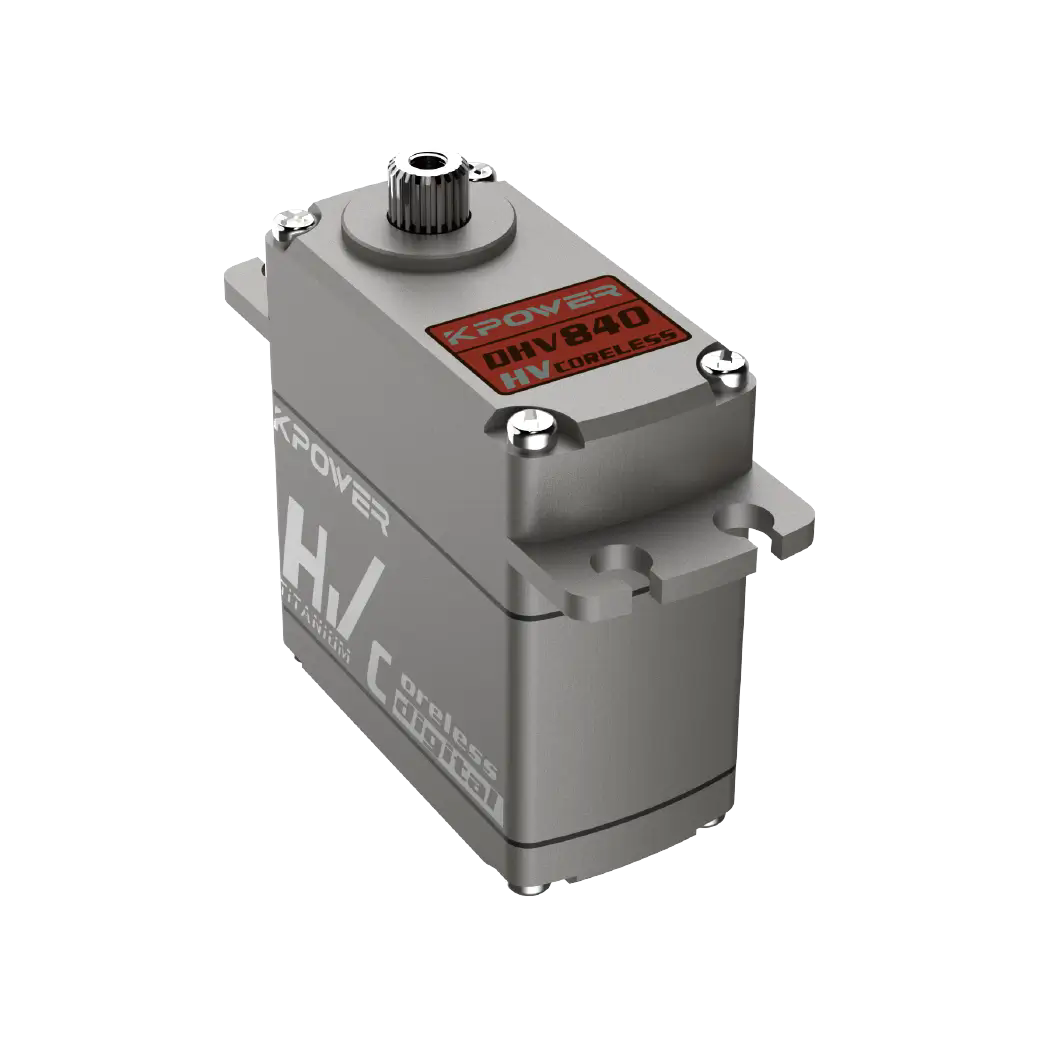
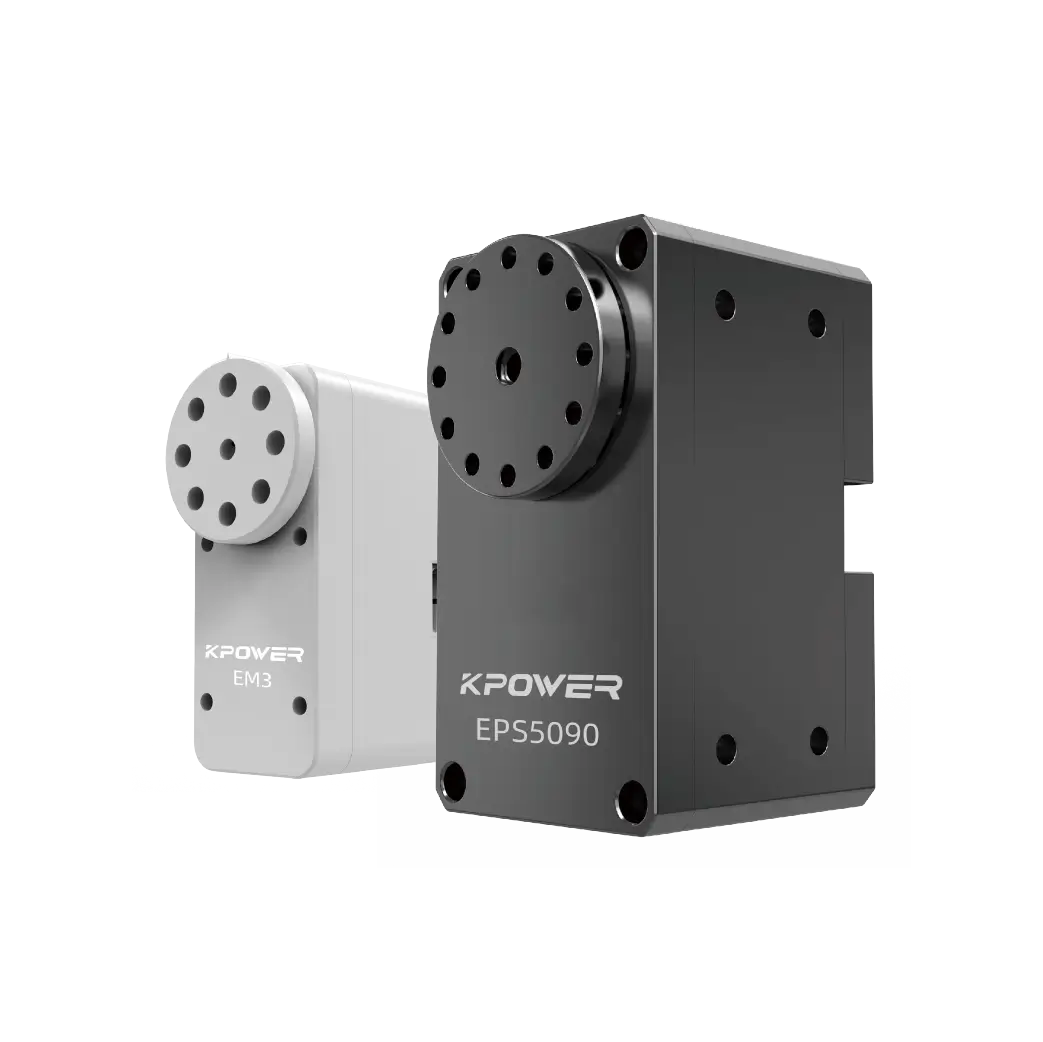
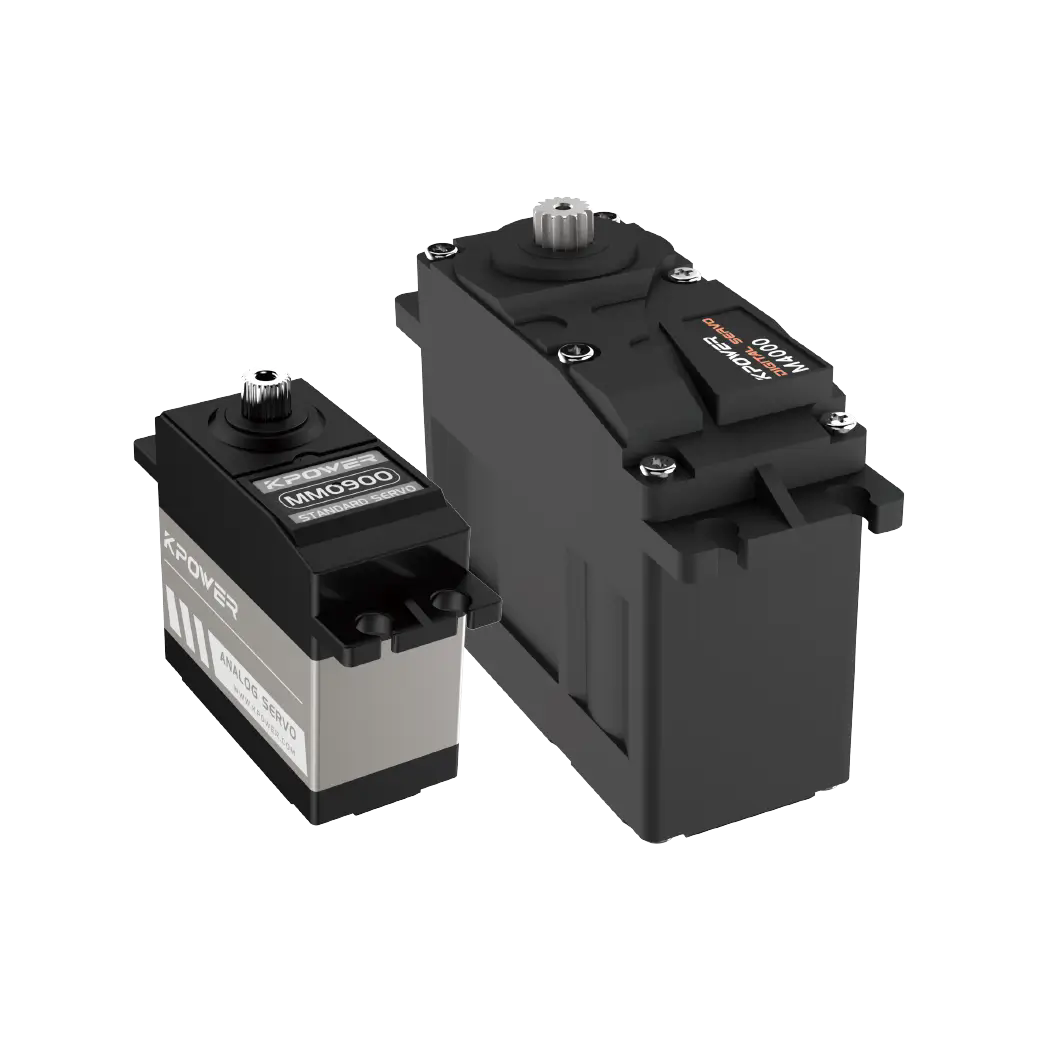
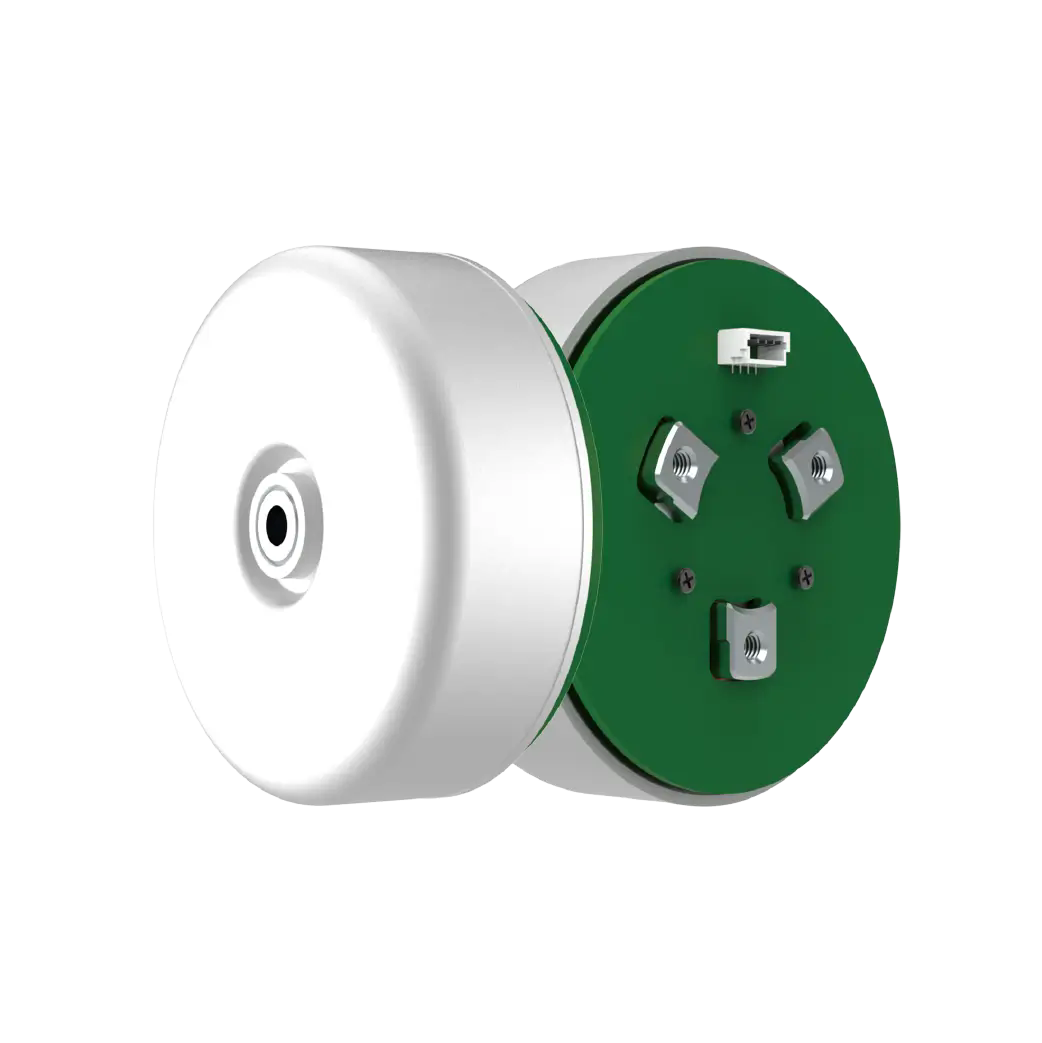
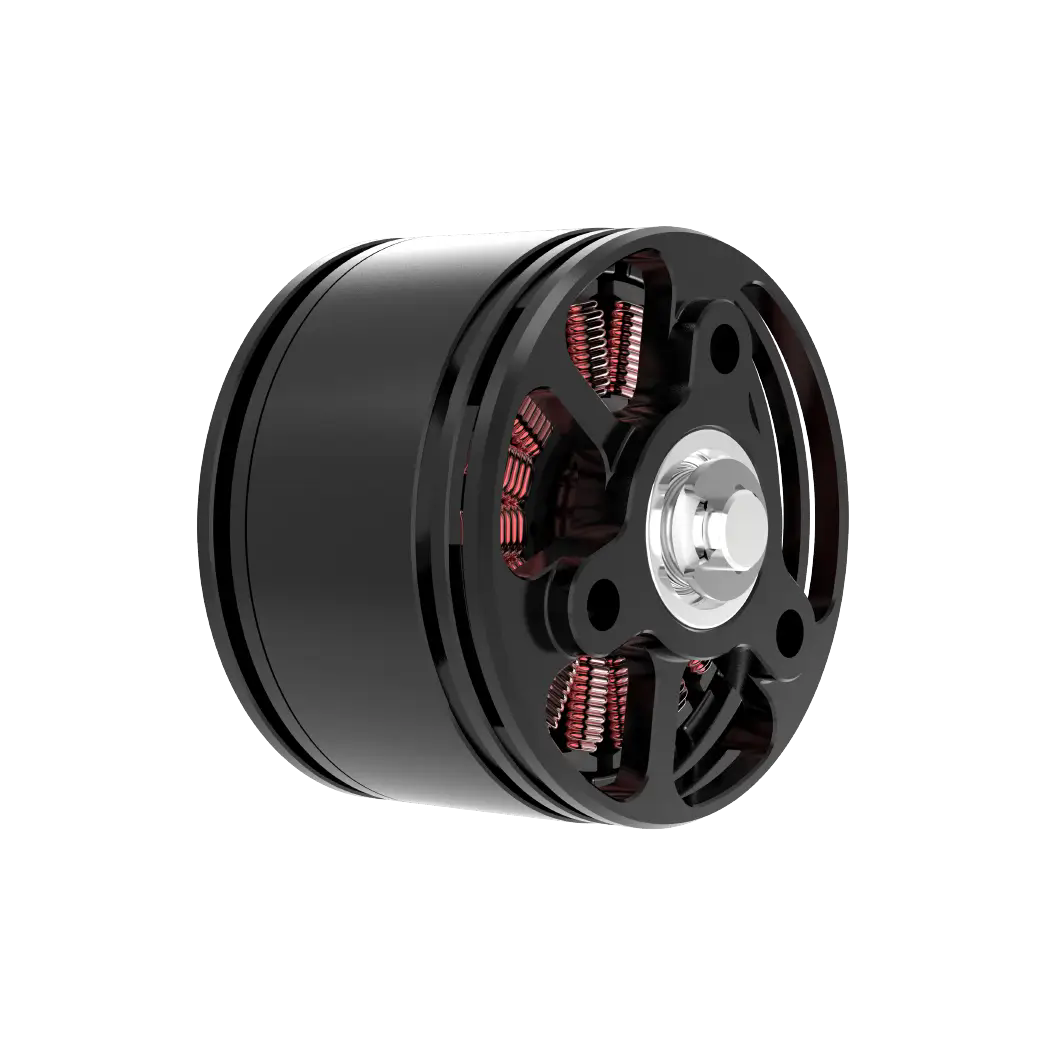
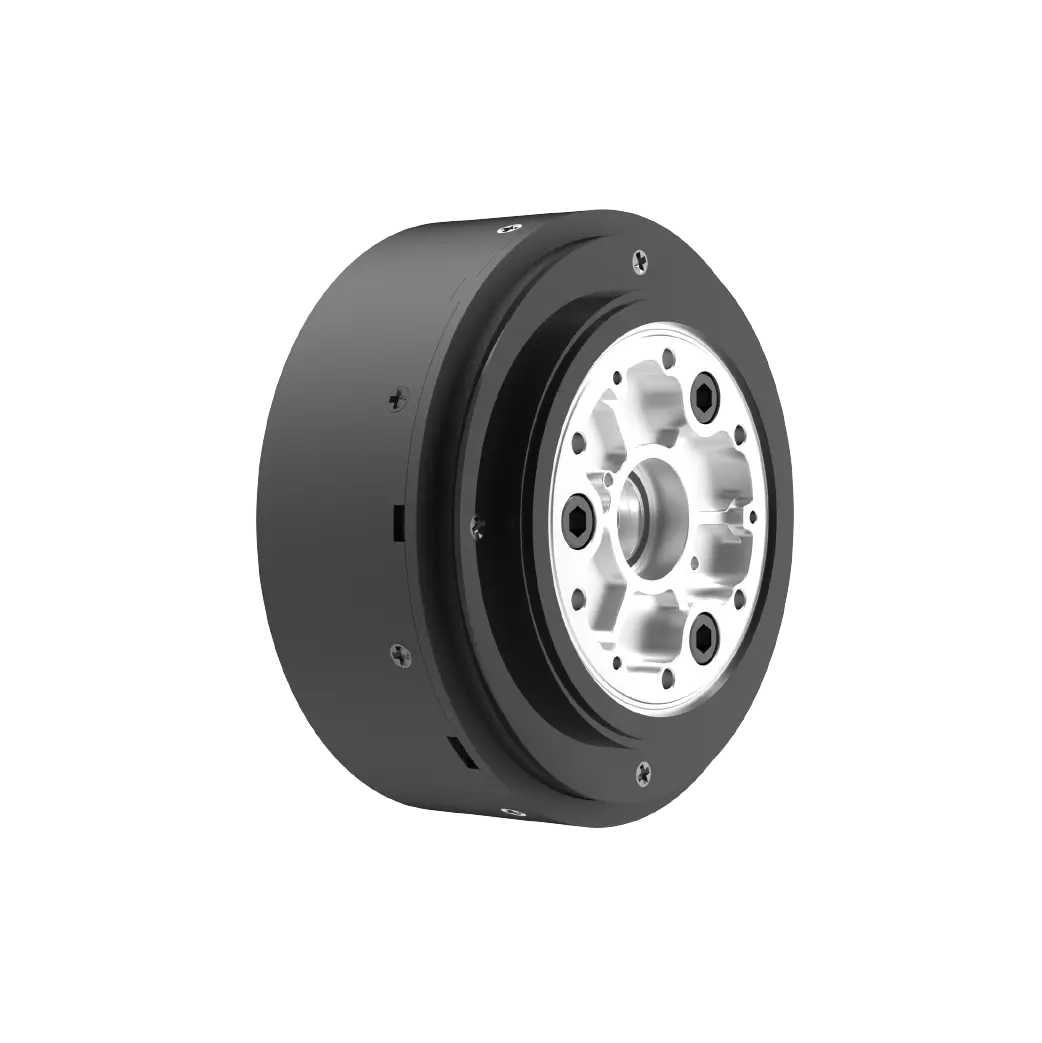
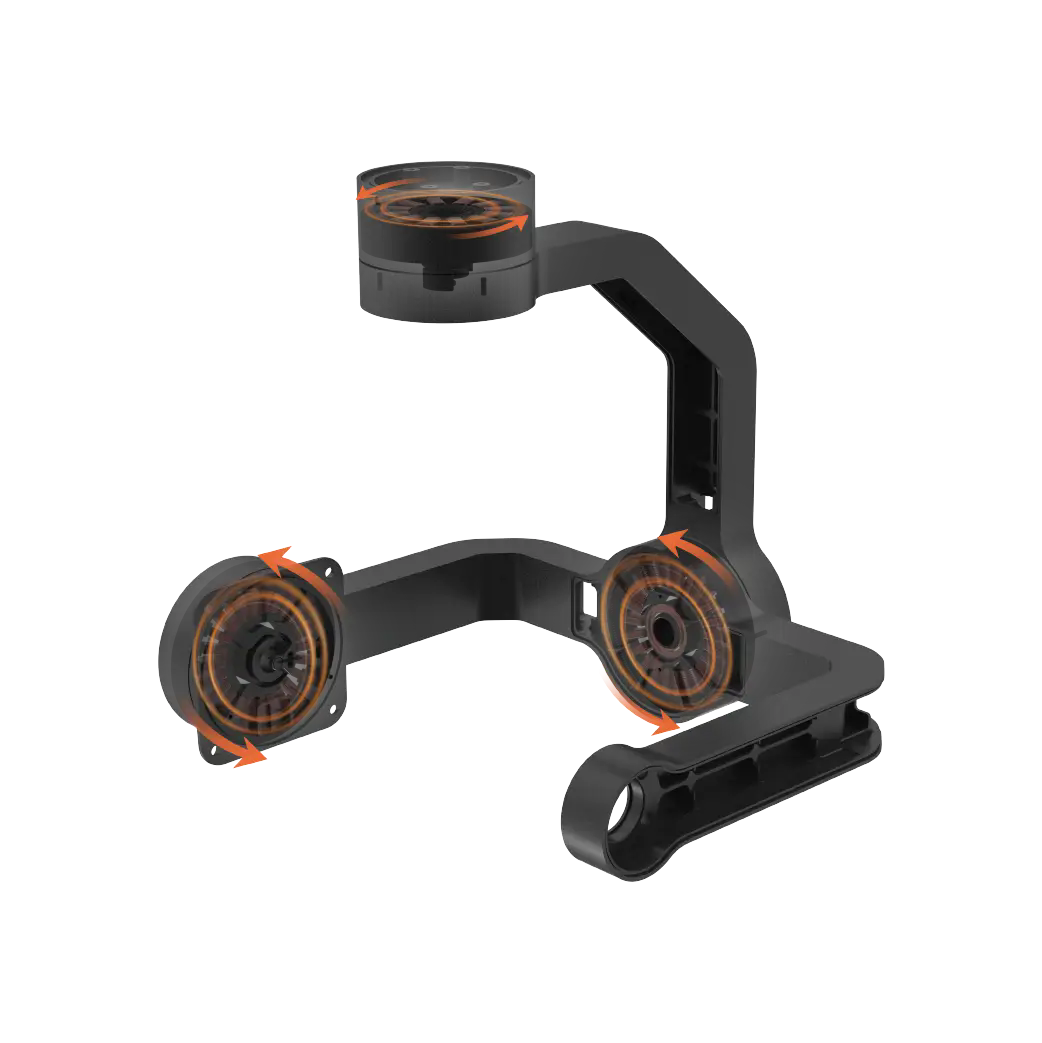
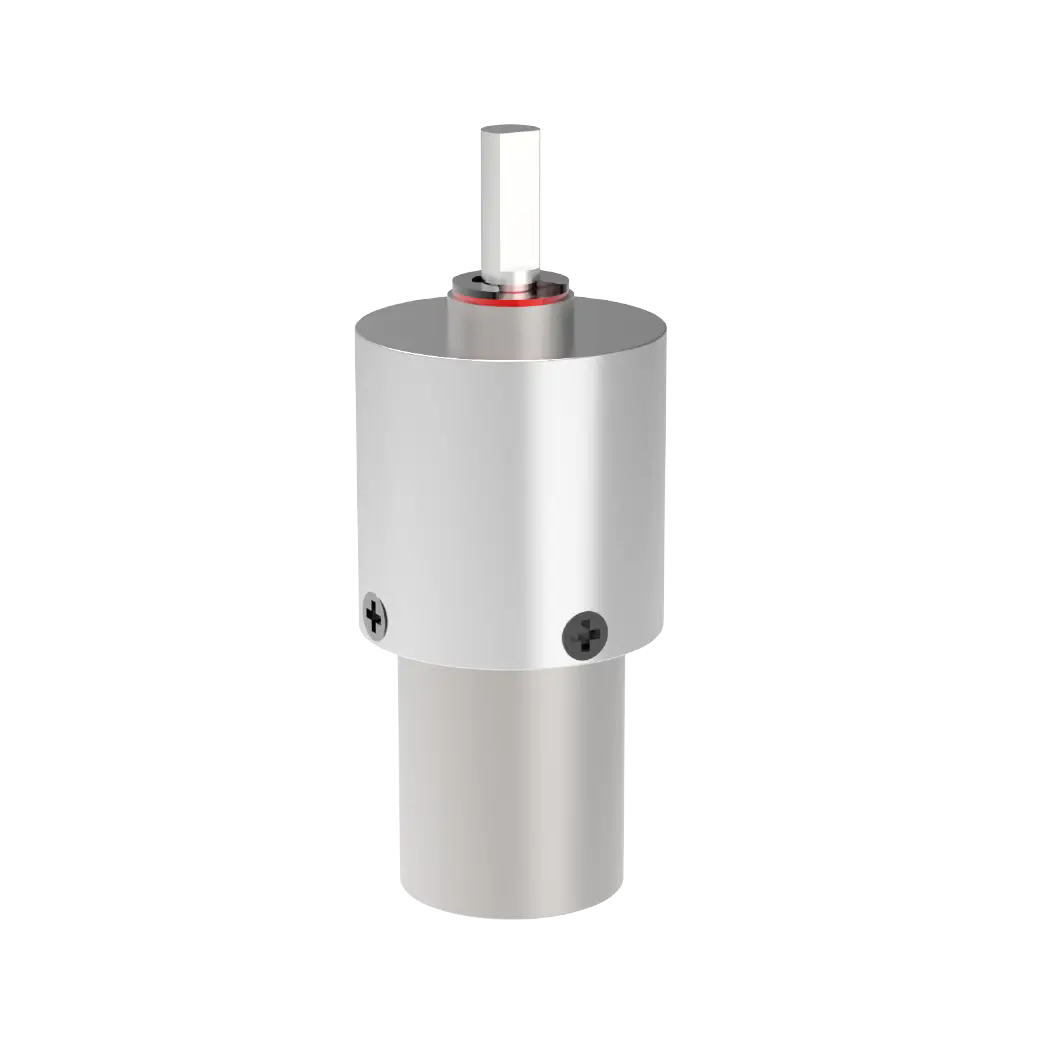
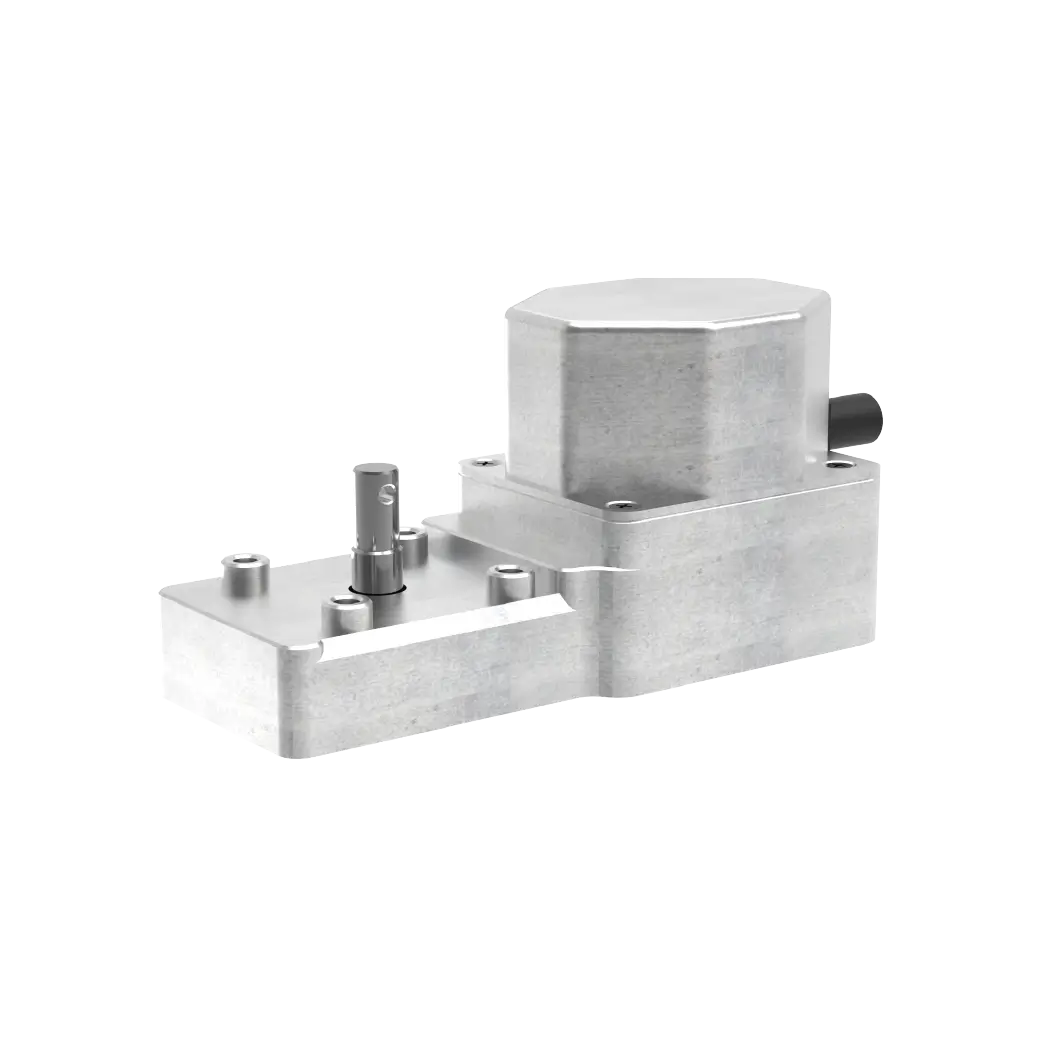
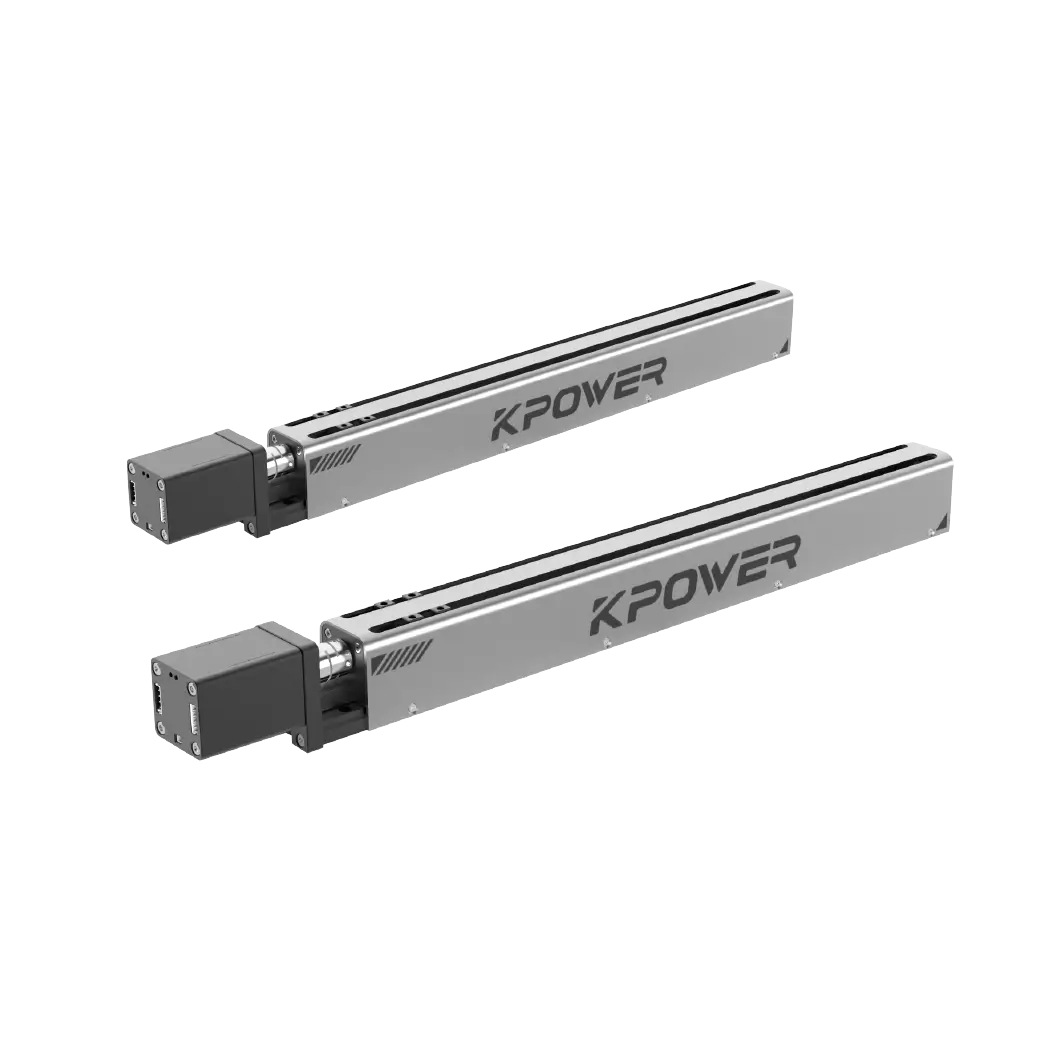
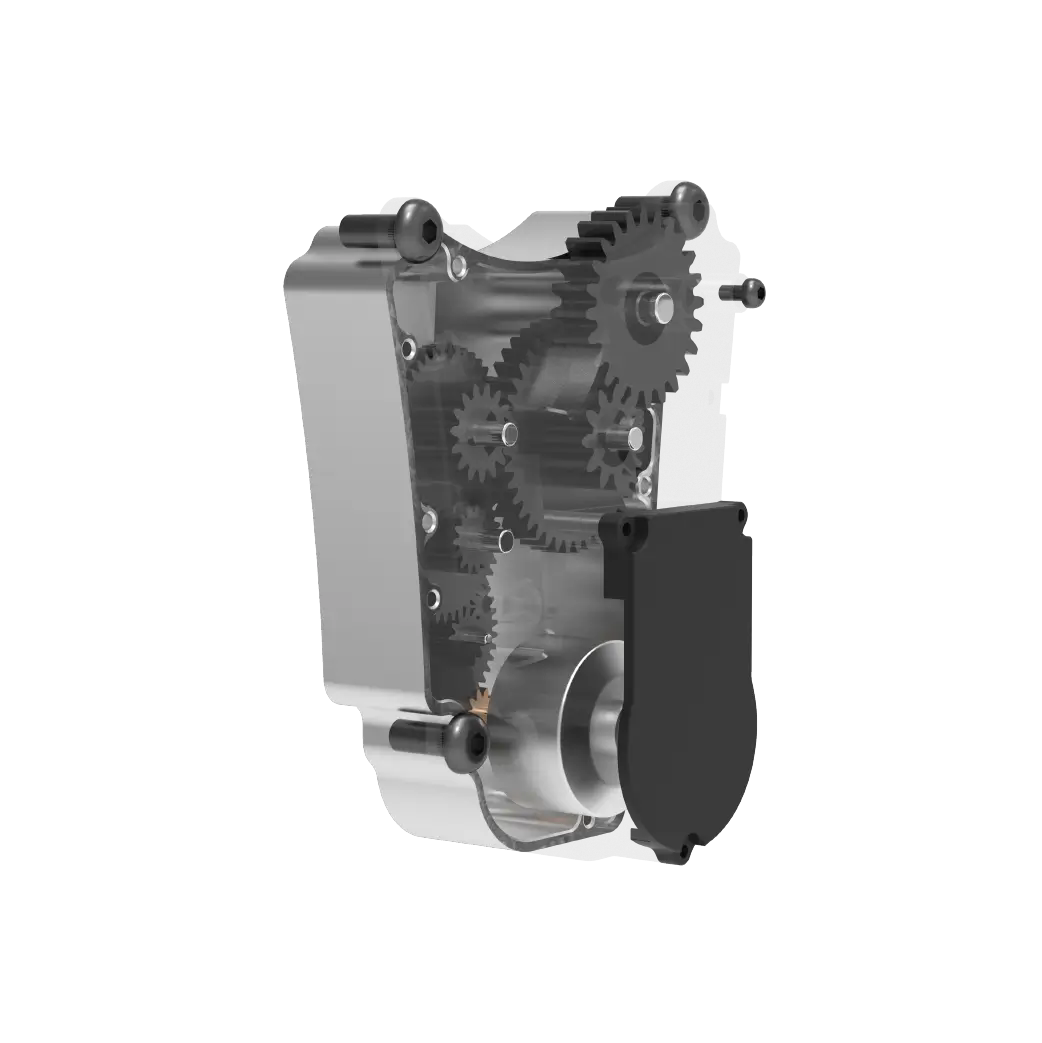
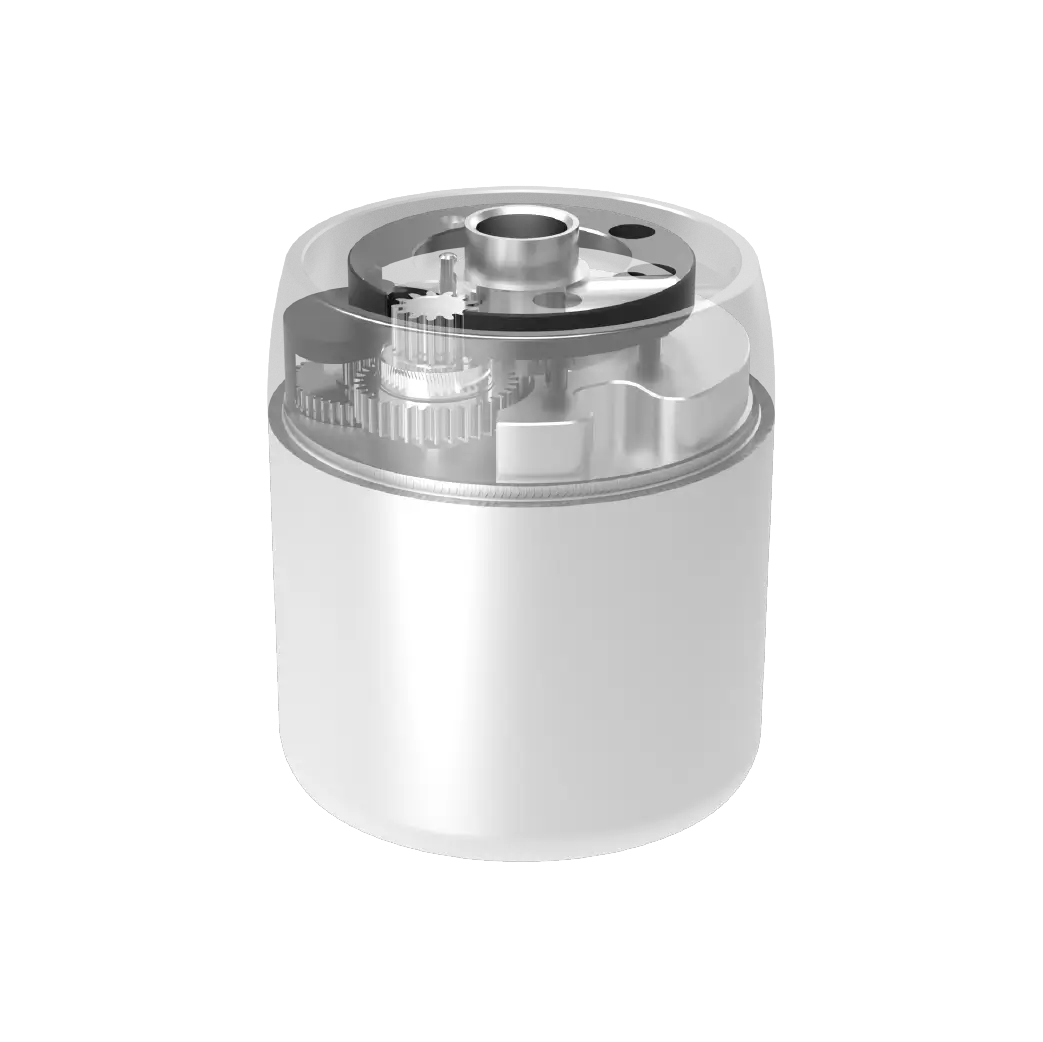
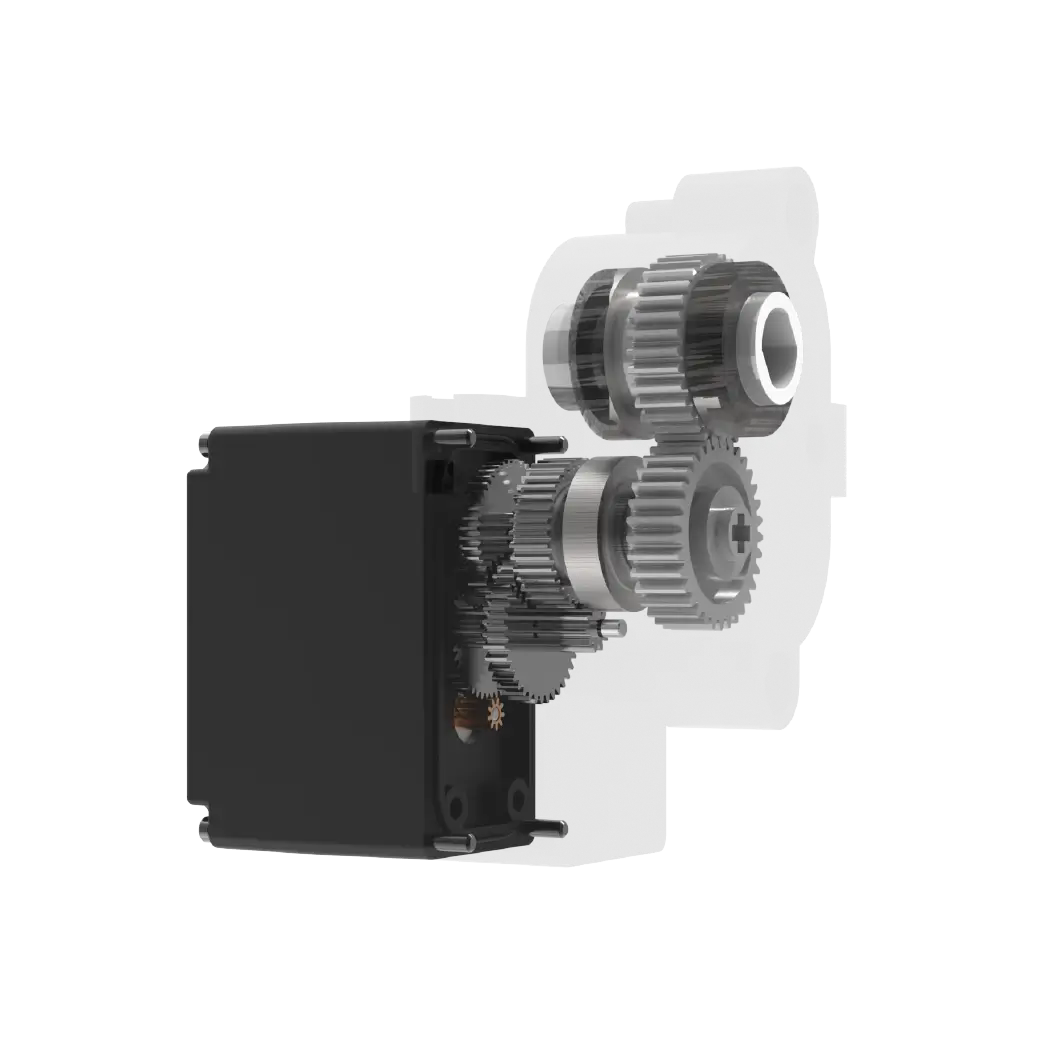
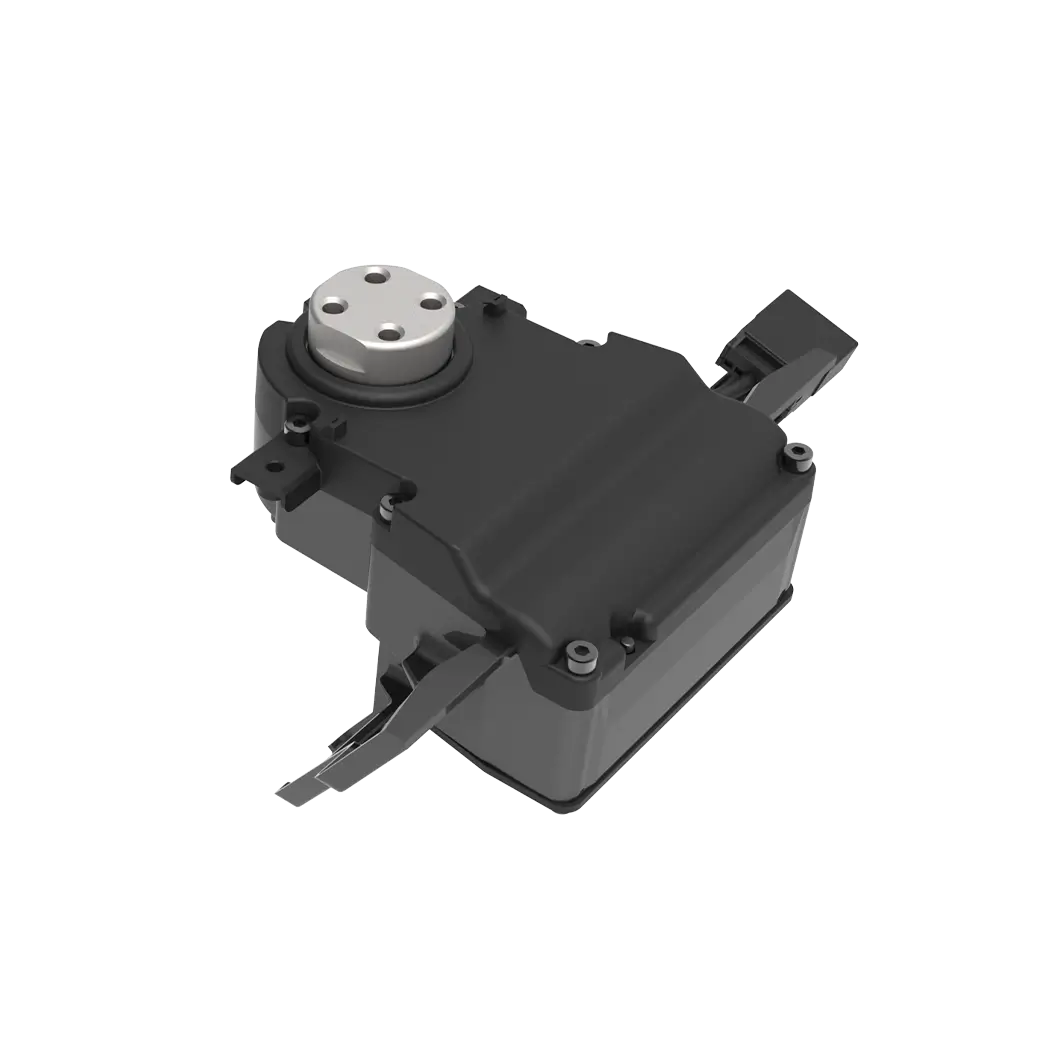
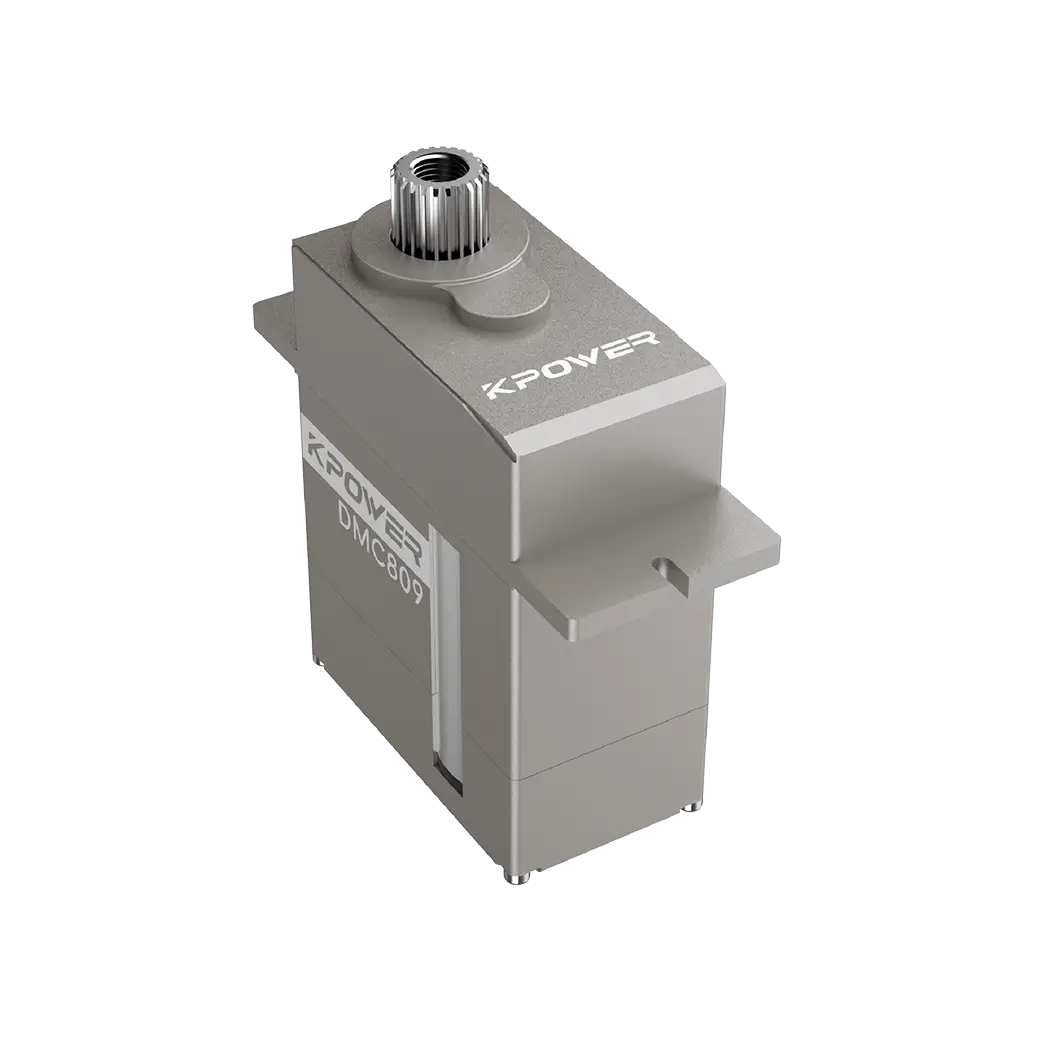
This is where dedicatedservomodules built around this focused philosophy make a tangible difference. Instead of a generic driver trying to be everything, a module is designed from the ground up for a specific motion task. It knows its role intimately. It reacts faster because it’s not distracted. It communicates just the essential data, nothing more. The result? Your main controller isn’t bogged down with micromanaging motion. It’s freed up to handle higher-level strategy.
For the person relying on the machine, the change feels intuitive. The lag disappears. Commands feel instantaneous. The machine responds not just correctly, but with a kind of attentive readiness. It stops feeling like a collection of parts and starts feeling like a coordinated whole.
Is this just for brand new projects? Not at all. Often, it’s about giving an existing system a second wind. Upgrading a key motion axis with a more self-sufficient module can resolve bottlenecks you didn’t even realize were there. It’s like upgrading the nervous system of your machine—making signals cleaner and pathways more direct.
Atkpower, we’ve seen how this shift in architecture changes outcomes. It’s not about selling a component; it’s about offering a piece of a smarter conversation between your machine’s mind and its muscles. The goal is to make the technology so seamless that you forget it’s there—you just enjoy the performance.
So next time your machine feels slightly out of sync, maybe the question isn’t “Which part is broken?” but “How can the parts work together better?” Sometimes, a little more independence on the inside creates a whole new level of harmony on the outside. And that’s something worth feeling for yourself.
Established in 2005,kpowerhas been dedicated to a professional compact motion unit manufacturer, headquartered in Dongguan, Guangdong Province, China. Leveraging innovations in modular drive technology,kpowerintegrates high-performance motors, precision reducers, and multi-protocol control systems to provide efficient and customized smart drive system solutions. Kpower has delivered professional drive system solutions to over 500 enterprise clients globally with products covering various fields such as Smart Home Systems, Automatic Electronics, Robotics, Precision Agriculture, Drones, and Industrial Automation.
Update Time:2026-01-19

Contact Kpower's product specialist to recommend suitable motor or gearbox for your product.