







TECHNICAL SUPPORT


Published 2026-01-19
So, what exactly are microservices?
Simply put, it is to split a large and complex software system into a bunch of independent small services. Each small service only cares about one thing, such as user login, order processing, and data query. They communicate with each other in a lightweight way, and develop, deploy, and scale independently.
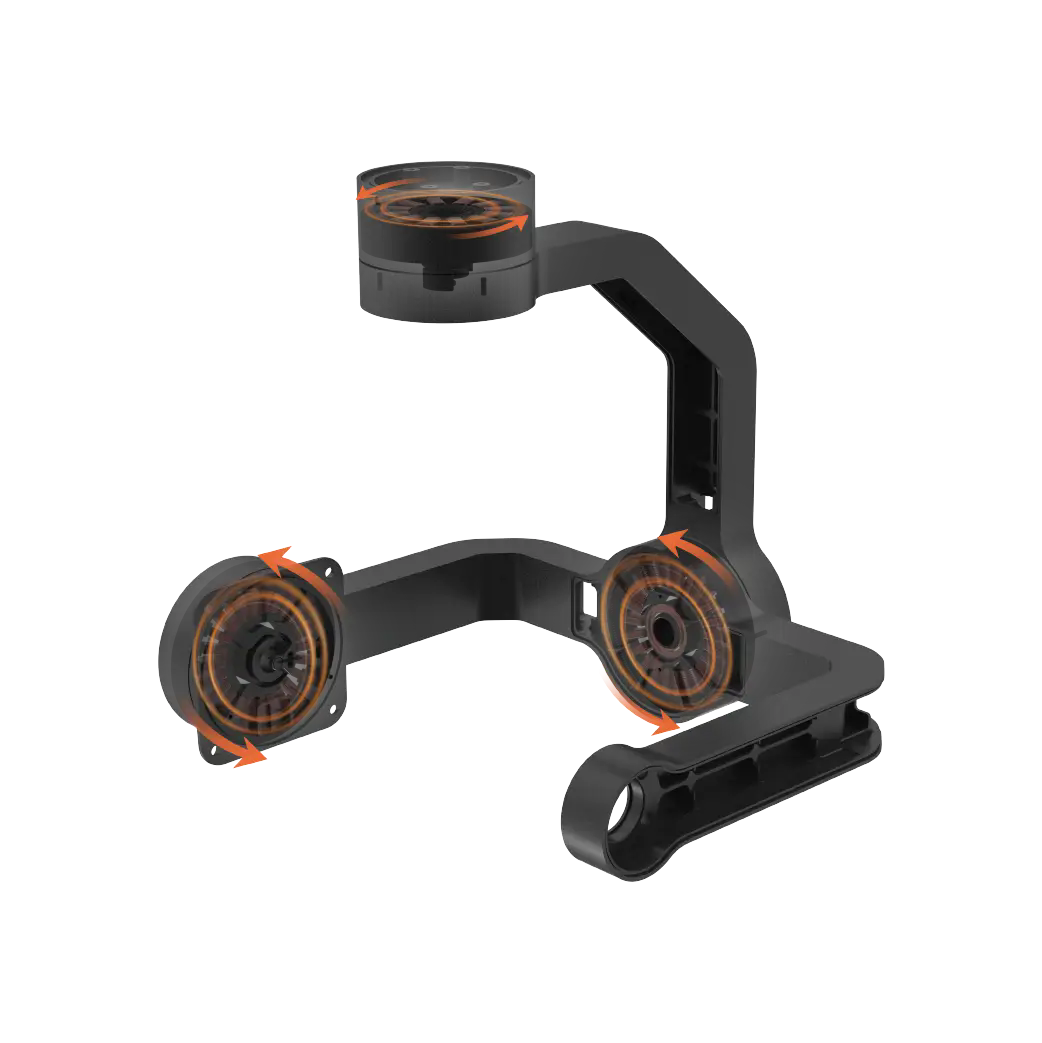
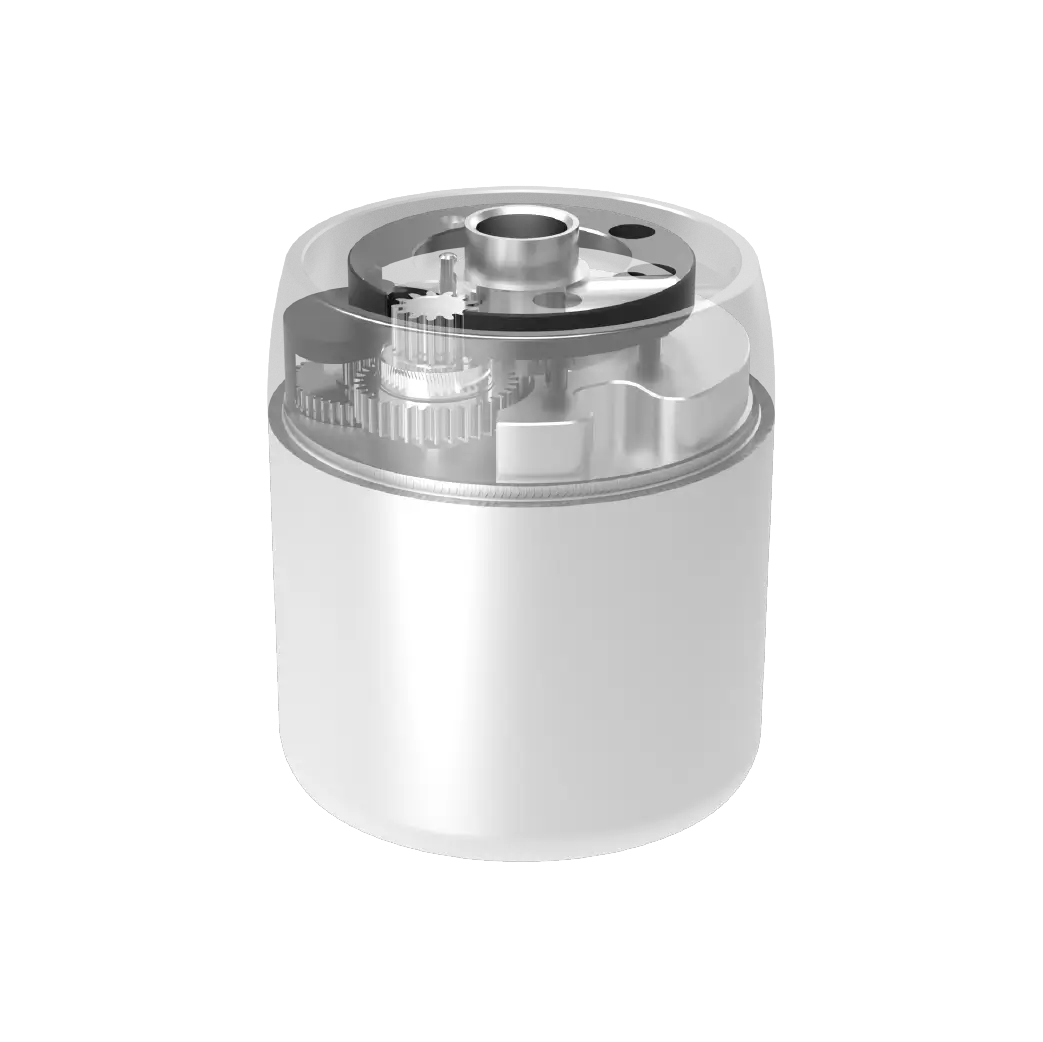
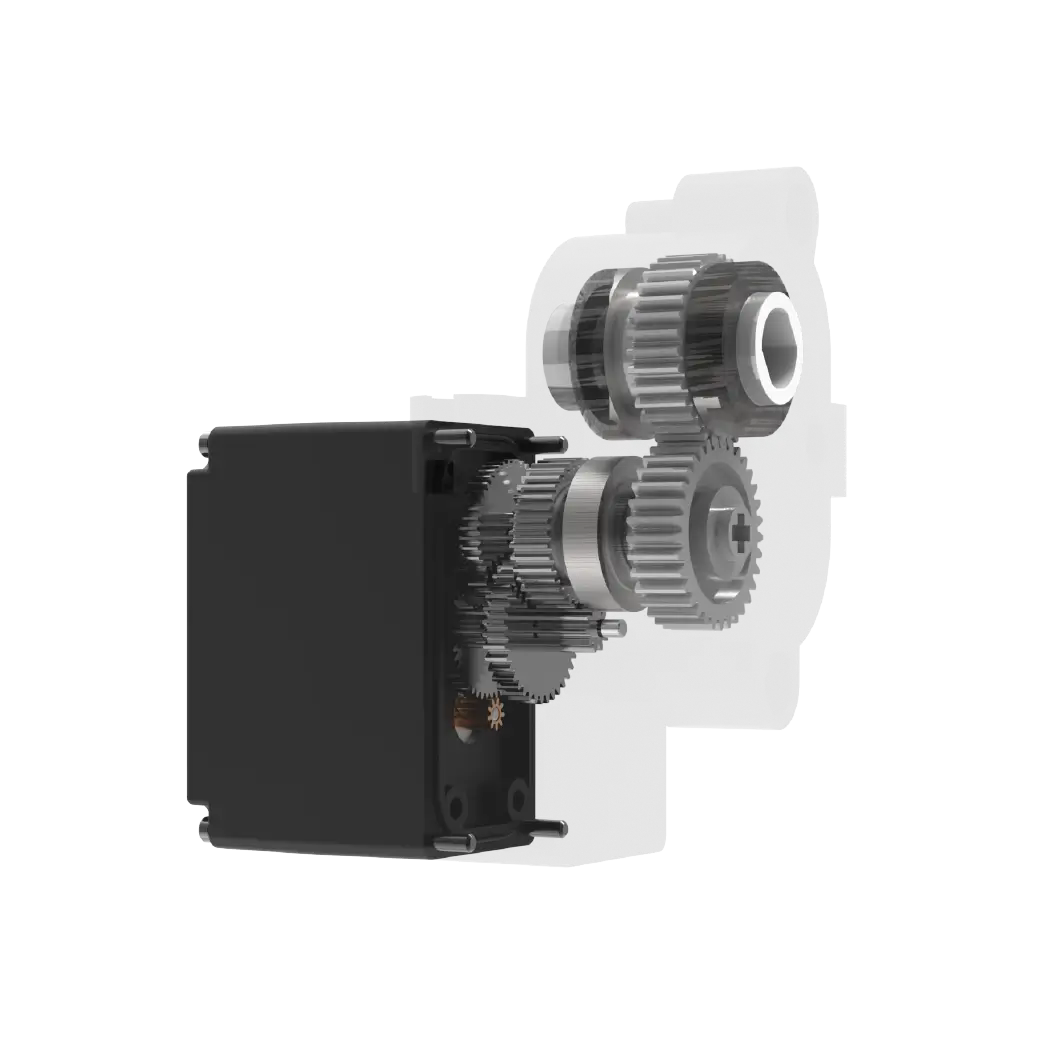
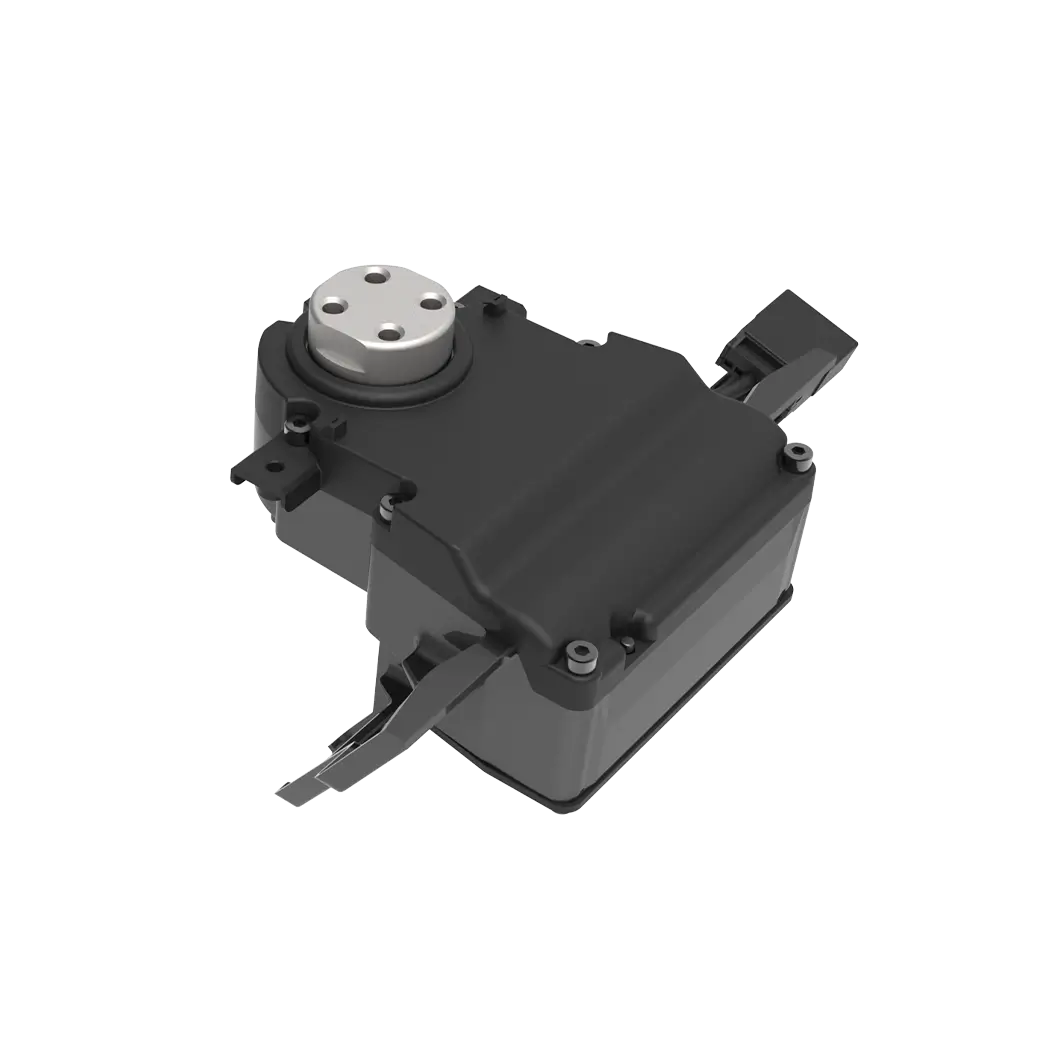
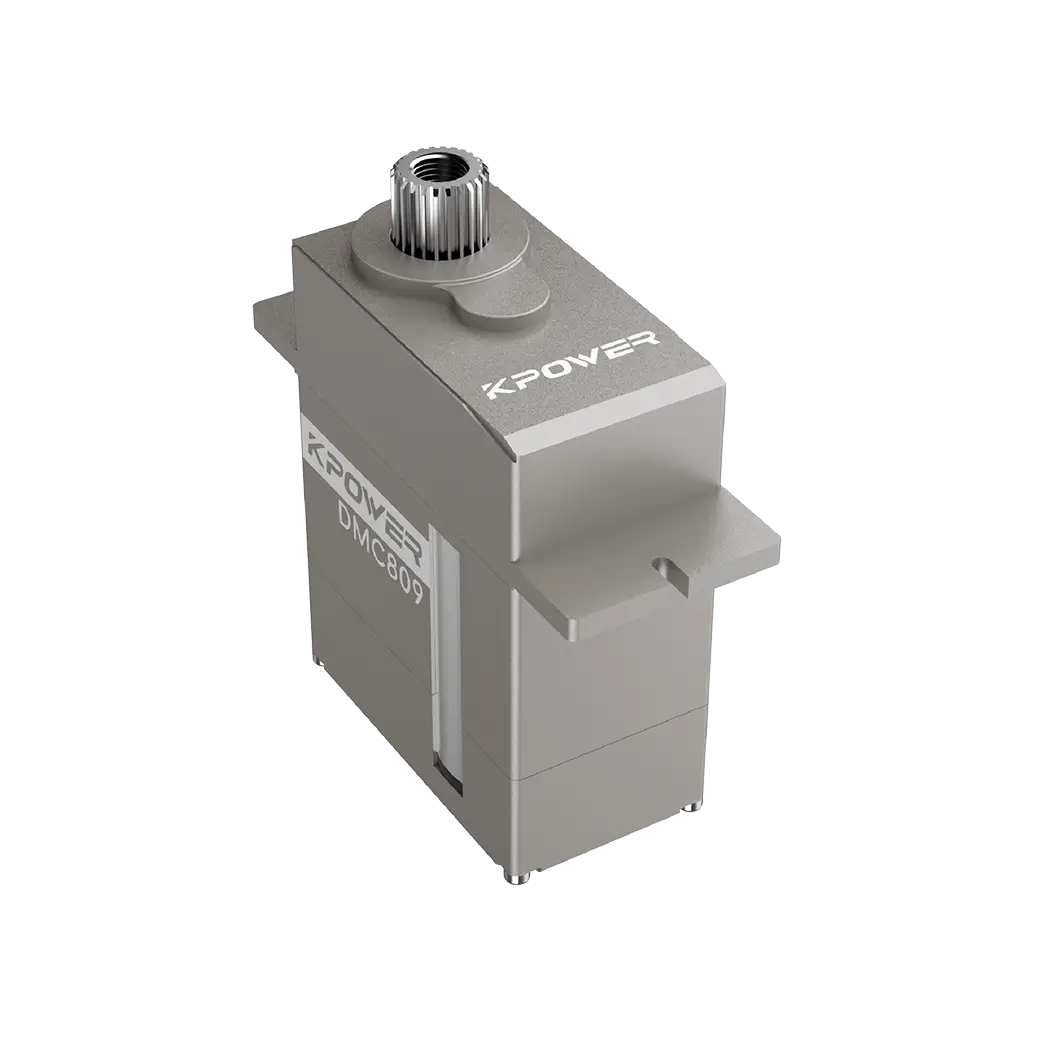
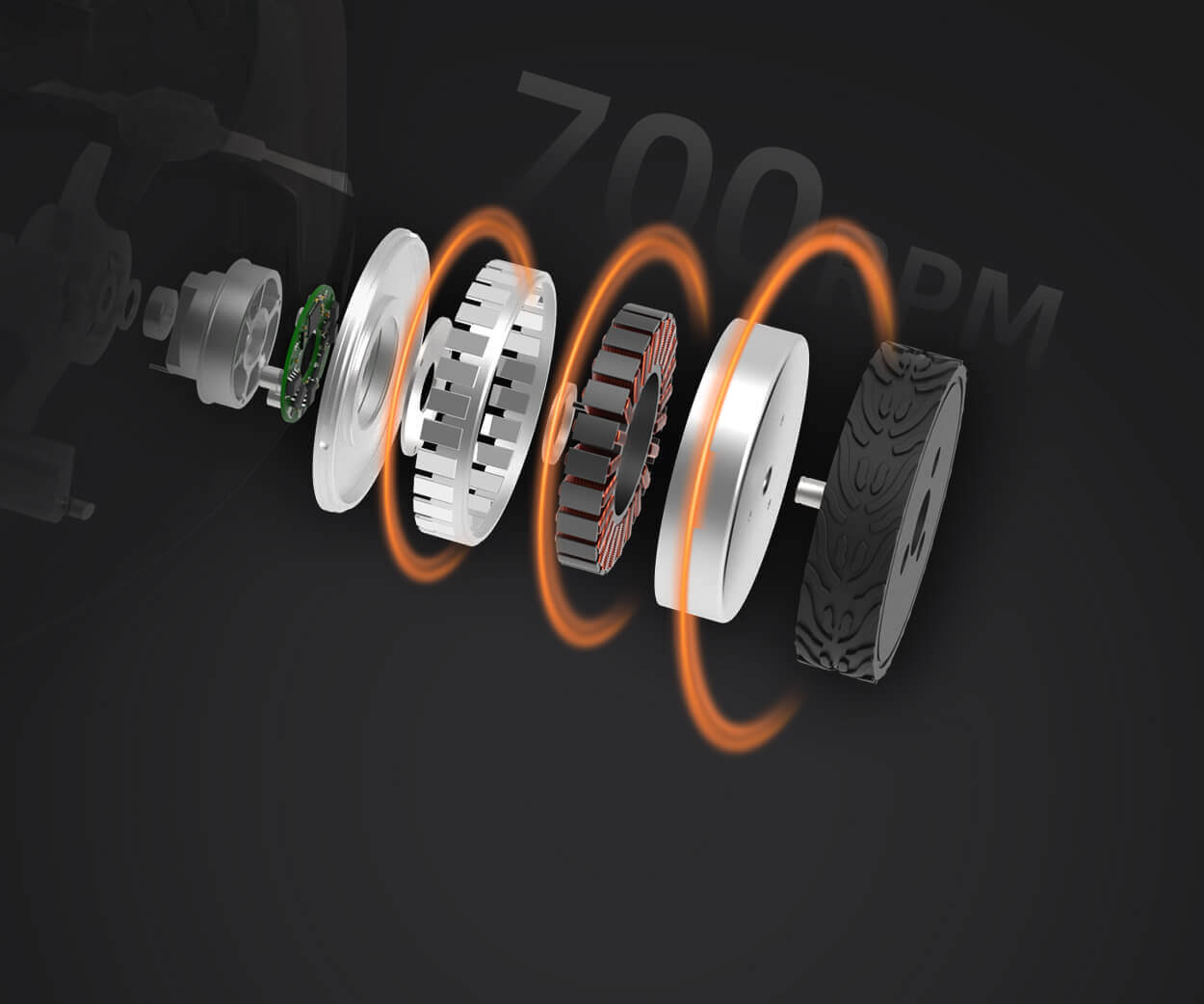
Think about it, isn’t this like modular design for mechanical structures? Instead of using a central motor to drive all joints, you match each key action with a dedicated, more appropriate power unit - a servo where fast response is required, and a servo where stable torque is required. Everyone performs their own duties and collaborates to complete complex tasks.
But after the split, new troubles also came.
With too many services, management and coordination become a nightmare. A problem with one service can trigger a chain reaction like dominoes. Deployment, monitoring, communication, data consistency...every aspect can cause headaches. You need a reliable mechanism to ensure that these "little units" can operate independently and in perfect synchronization.
It's like you design a precise mechanical system, and each joint has an ideal actuator. But if the signal transmission between them is unstable, the power supply is impure, and the movement is not synchronized, the performance of the entire device will not be as good as the original "bulky" integrated solution. The reliability and synergy of the power unit become extremely critical at this time.
What kind of underlying support does a good microservice architecture require?
It's stable. Each service should be like a solid gear. Only when it turns steadily can it drive the whole. This means that the underlying infrastructure—especially hardware and power-related components—is highly reliable. Imagine if your servo motor dropped pulses from time to time, or the servo jammed at a critical moment, the data flow would be interrupted and the service would fail.
It's precise. Calls between services often require millisecond-level response delays. This requires the underlying hardware to have fast response and precise positioning capabilities. There can be no ambiguity and no large accumulation of errors. Just like the requirements of high-precision machinery for actuators, microservices also crave accuracy for the "power" part of computing and communication.
Furthermore, it is easy to manage. When you have hundreds of services running, you can't manually keep an eye on the "health status" of each one. You need them to be able to report their own situation, upgrade smoothly, and quickly locate problems when they occur. It's a bit like equipping complex electromechanical systems with intelligent diagnostic interfaces that allow you to understand the overall situation at a glance.
All this and a family calledkpowerWhat does it have to do with the company?
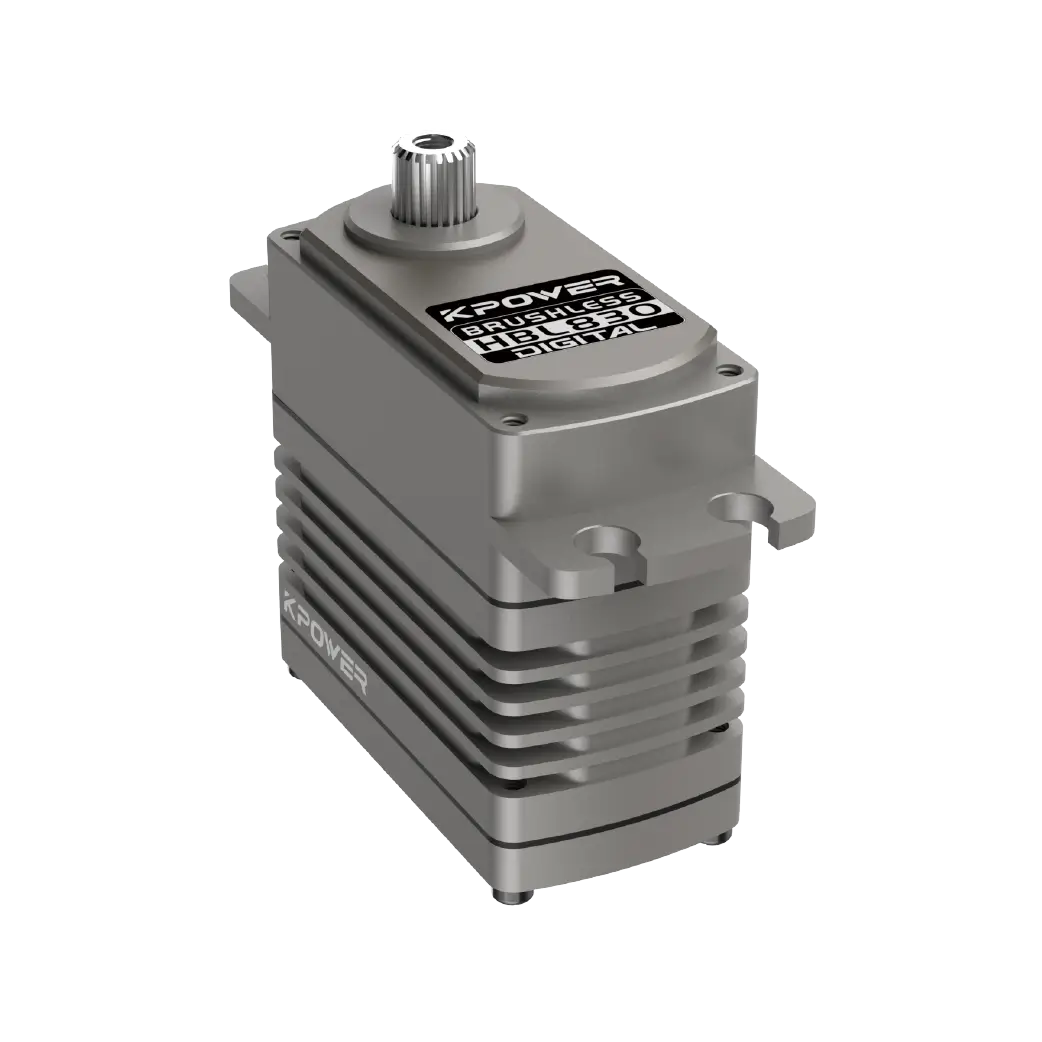
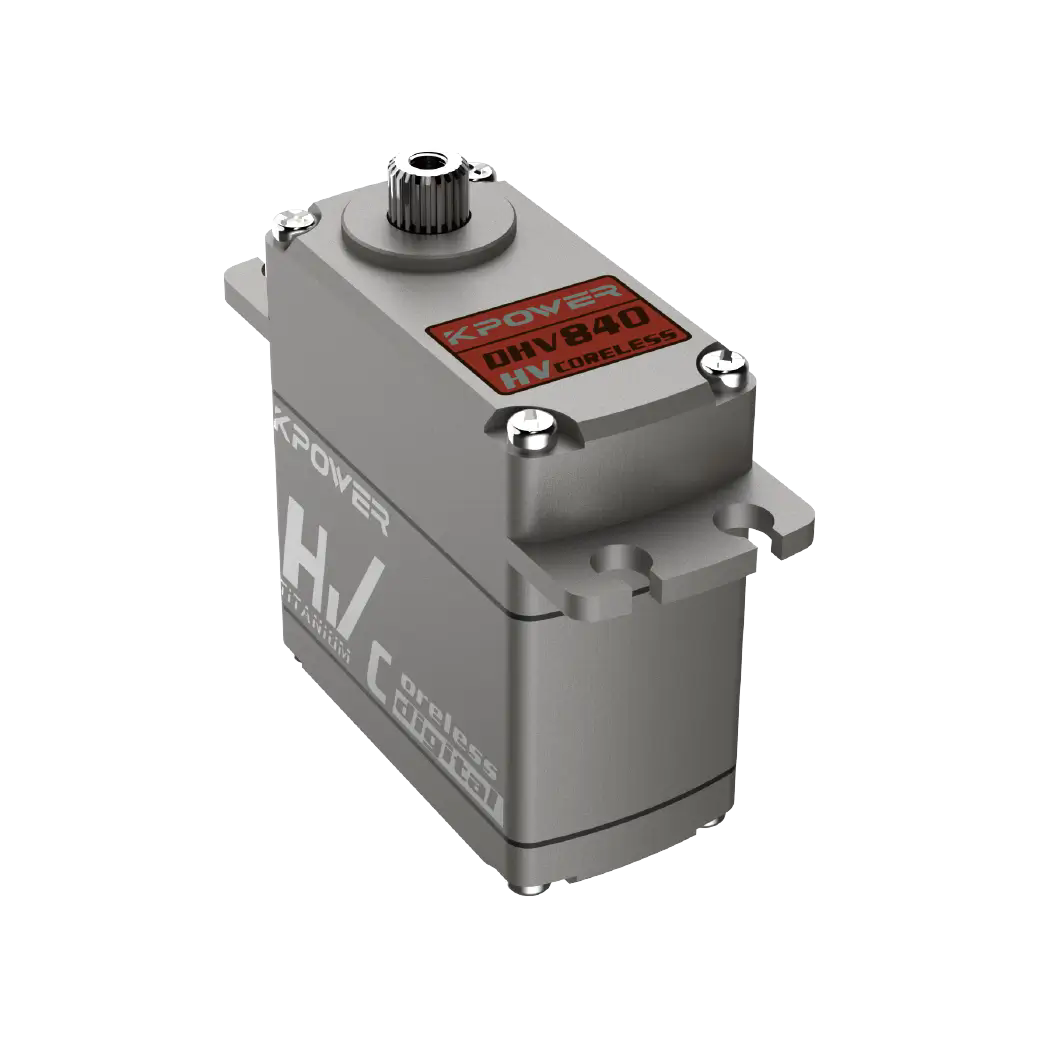
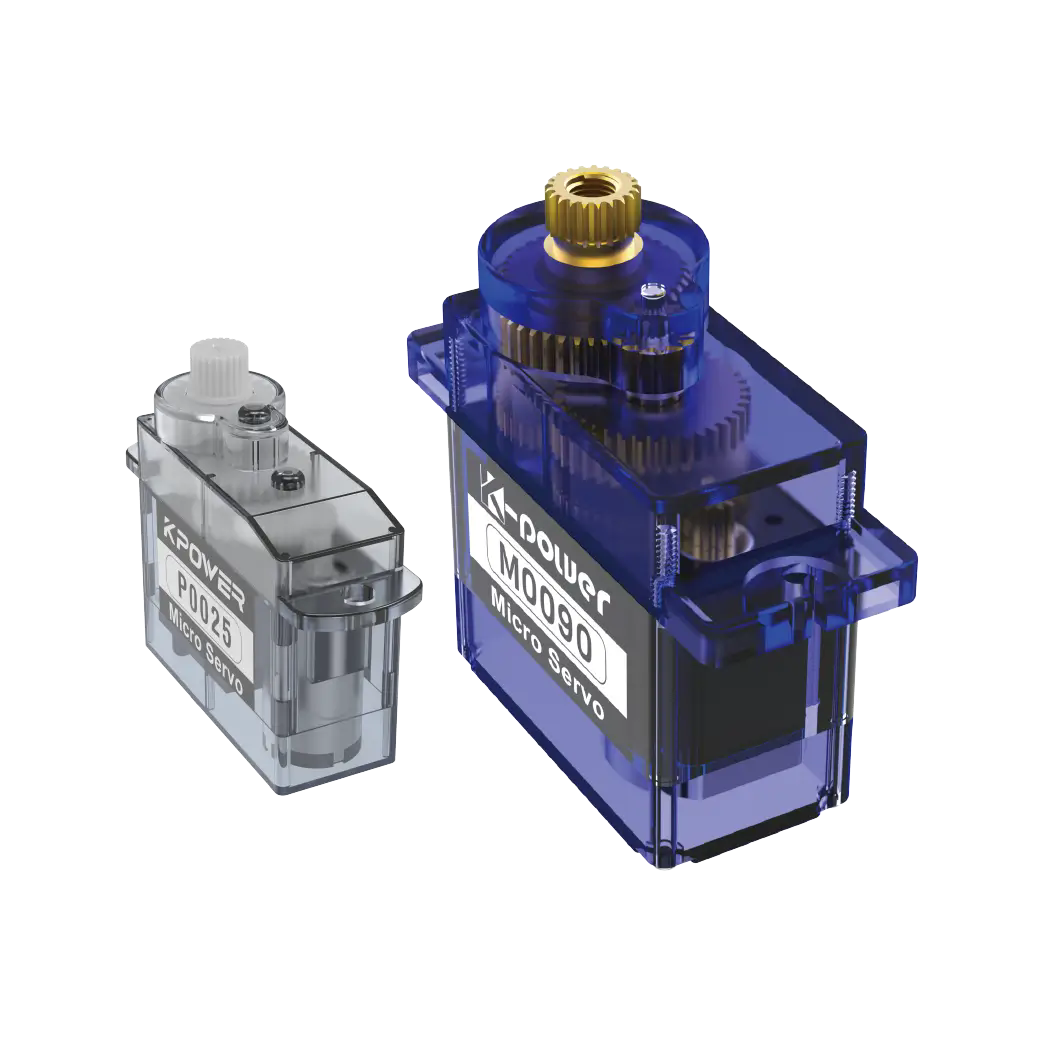
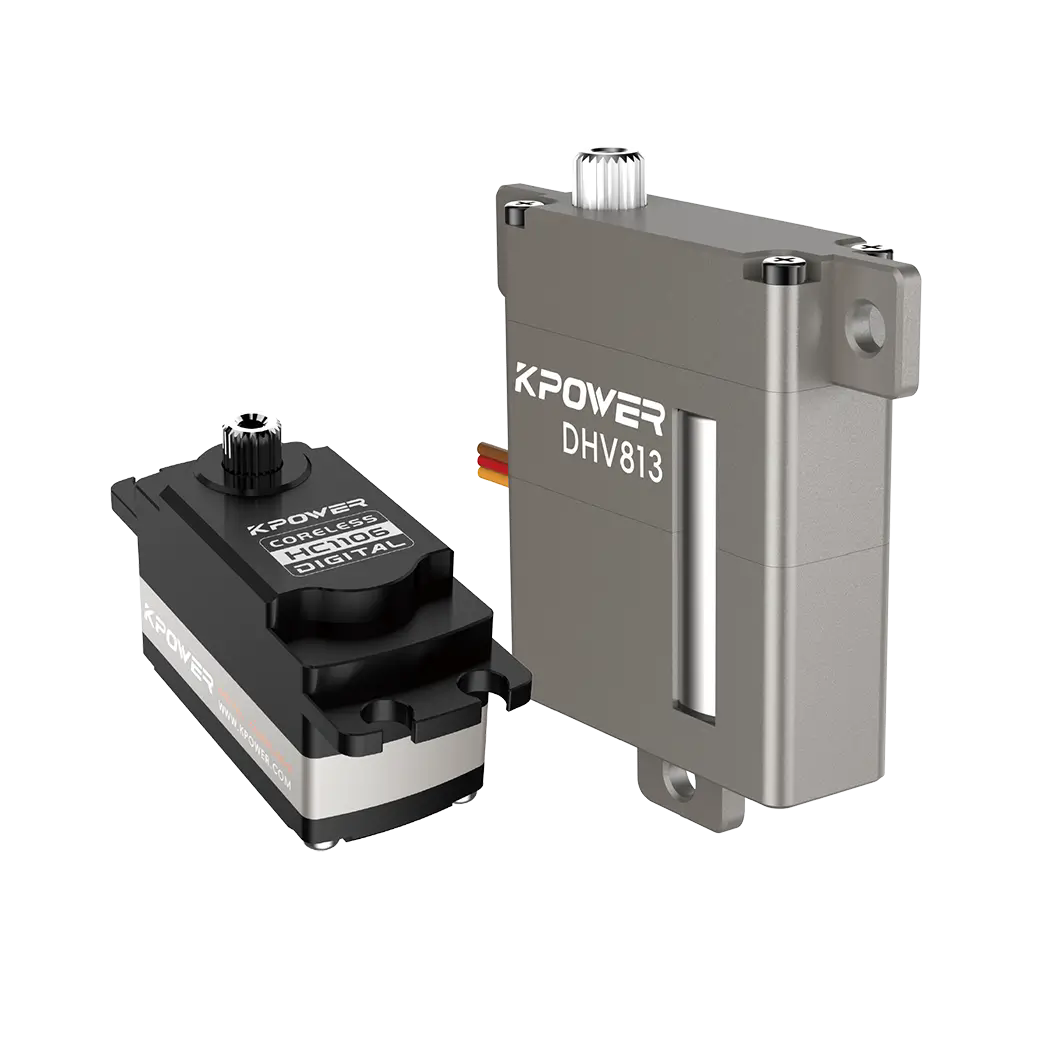
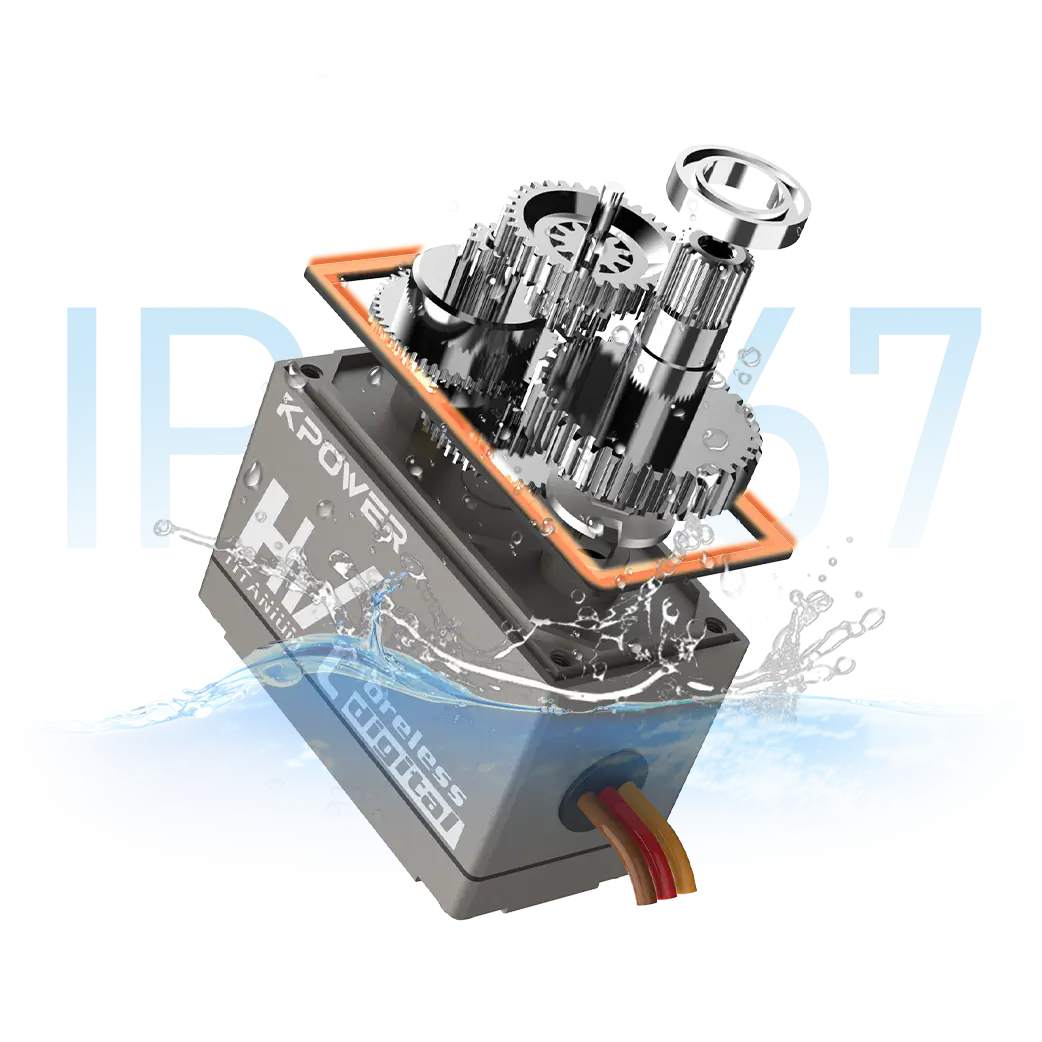
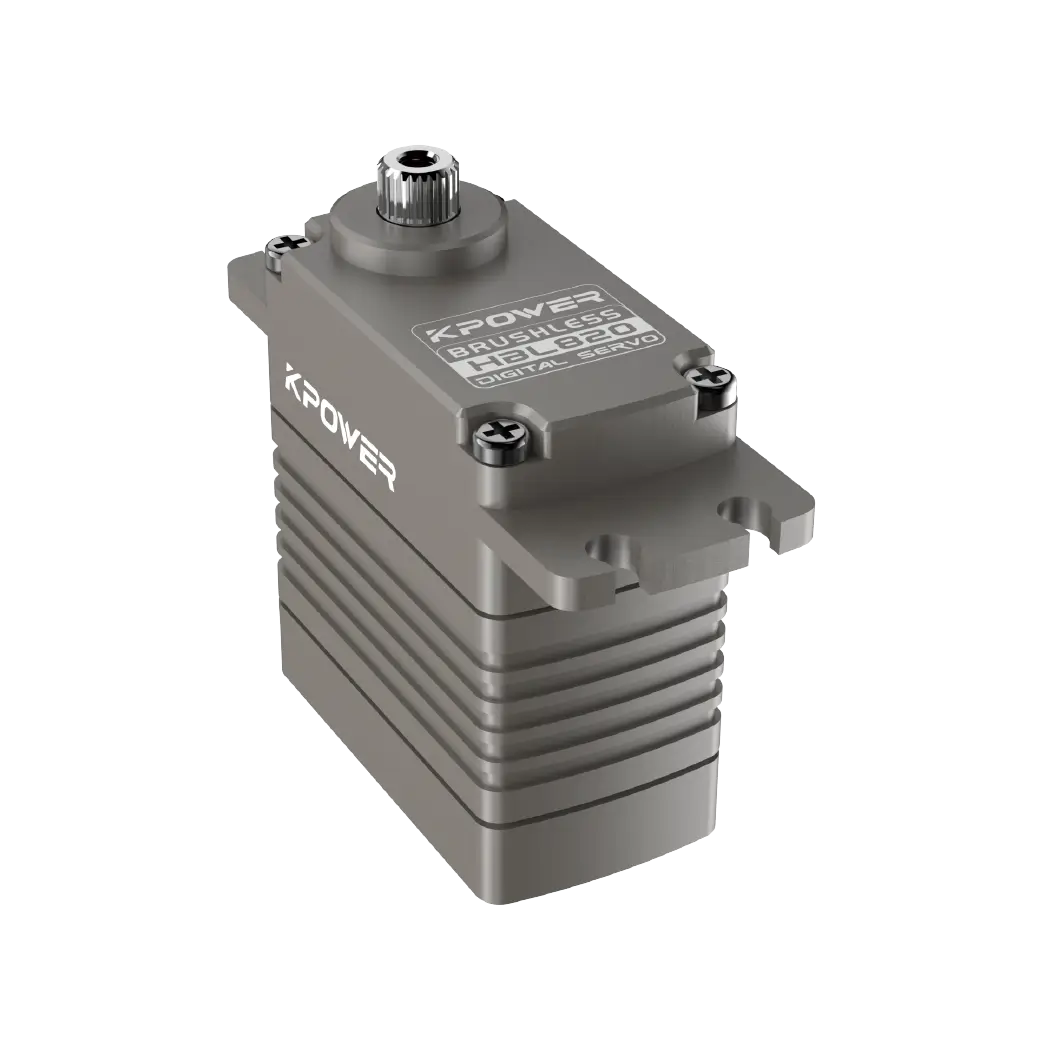
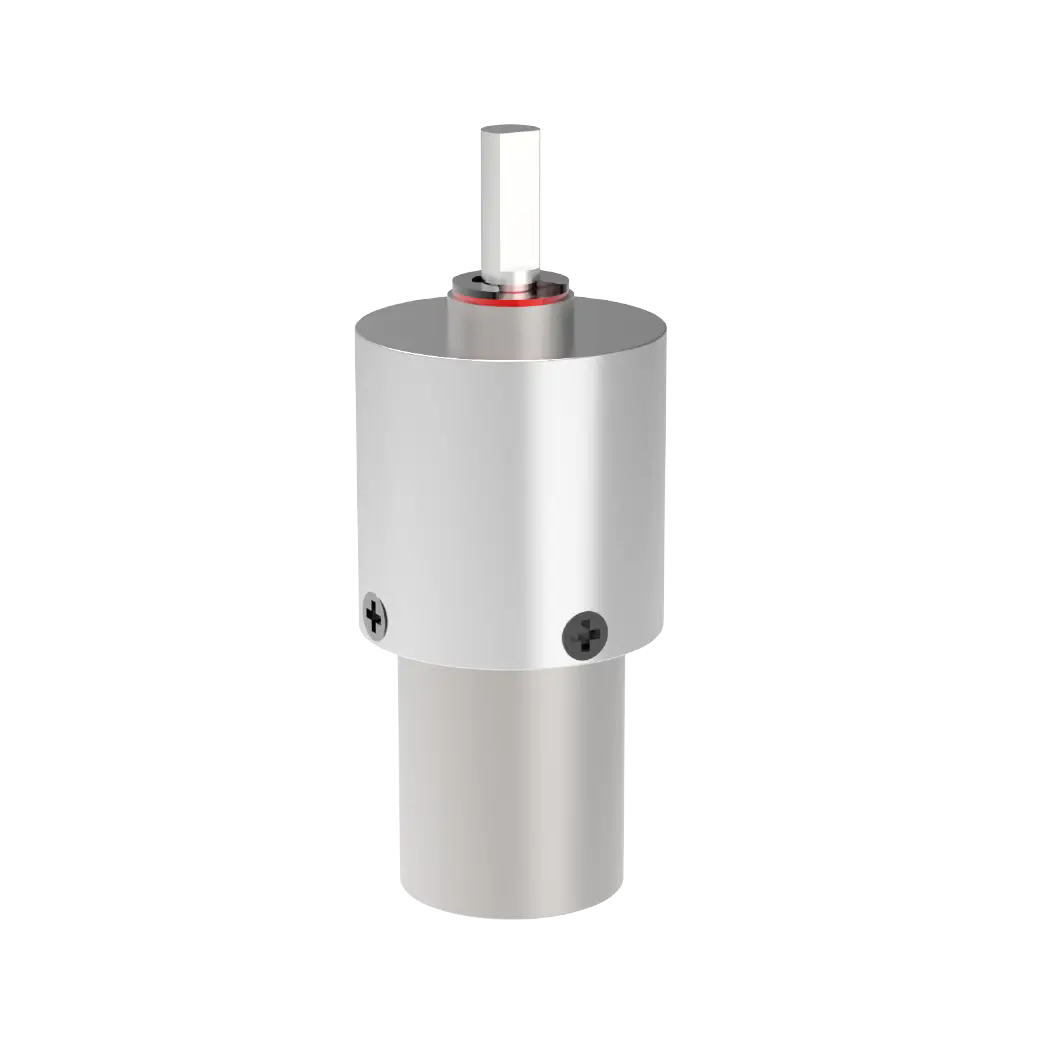
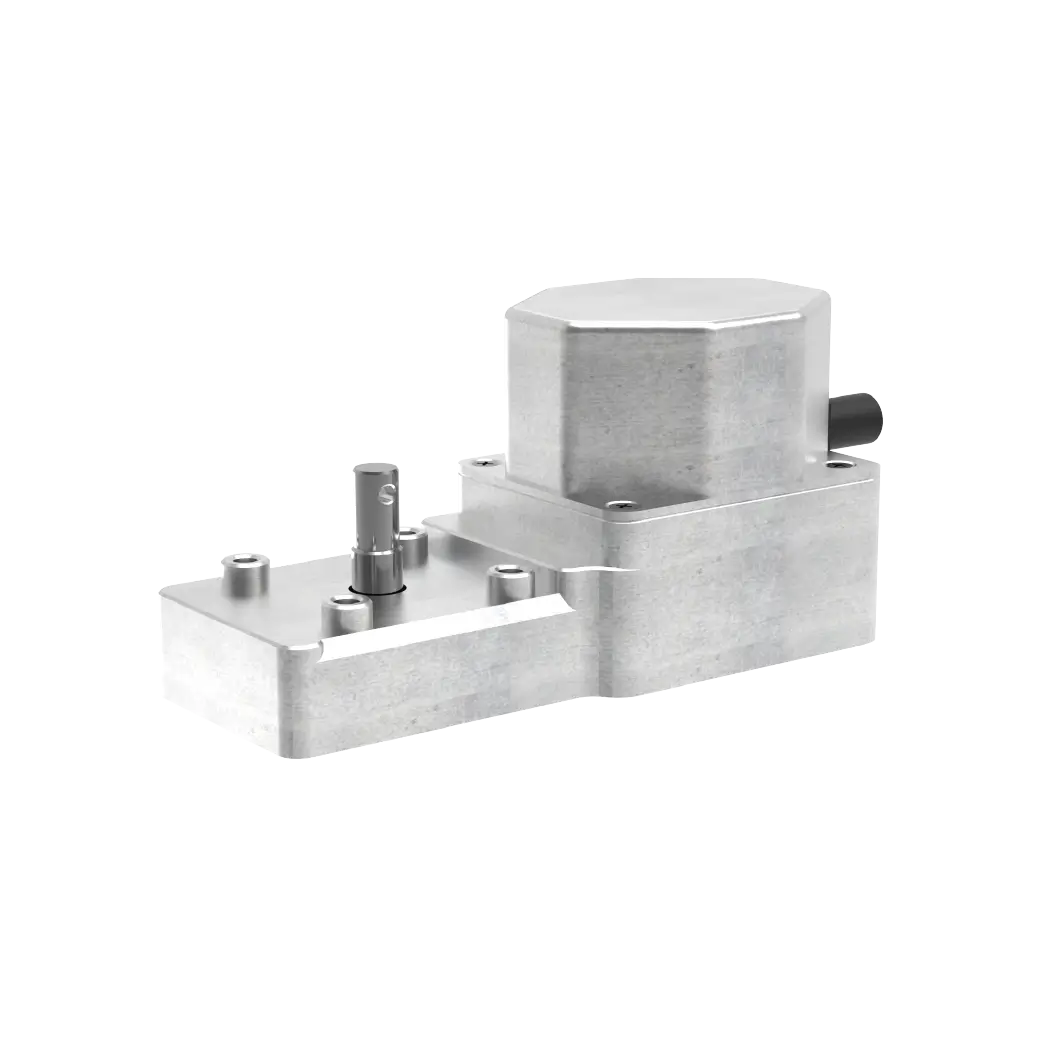
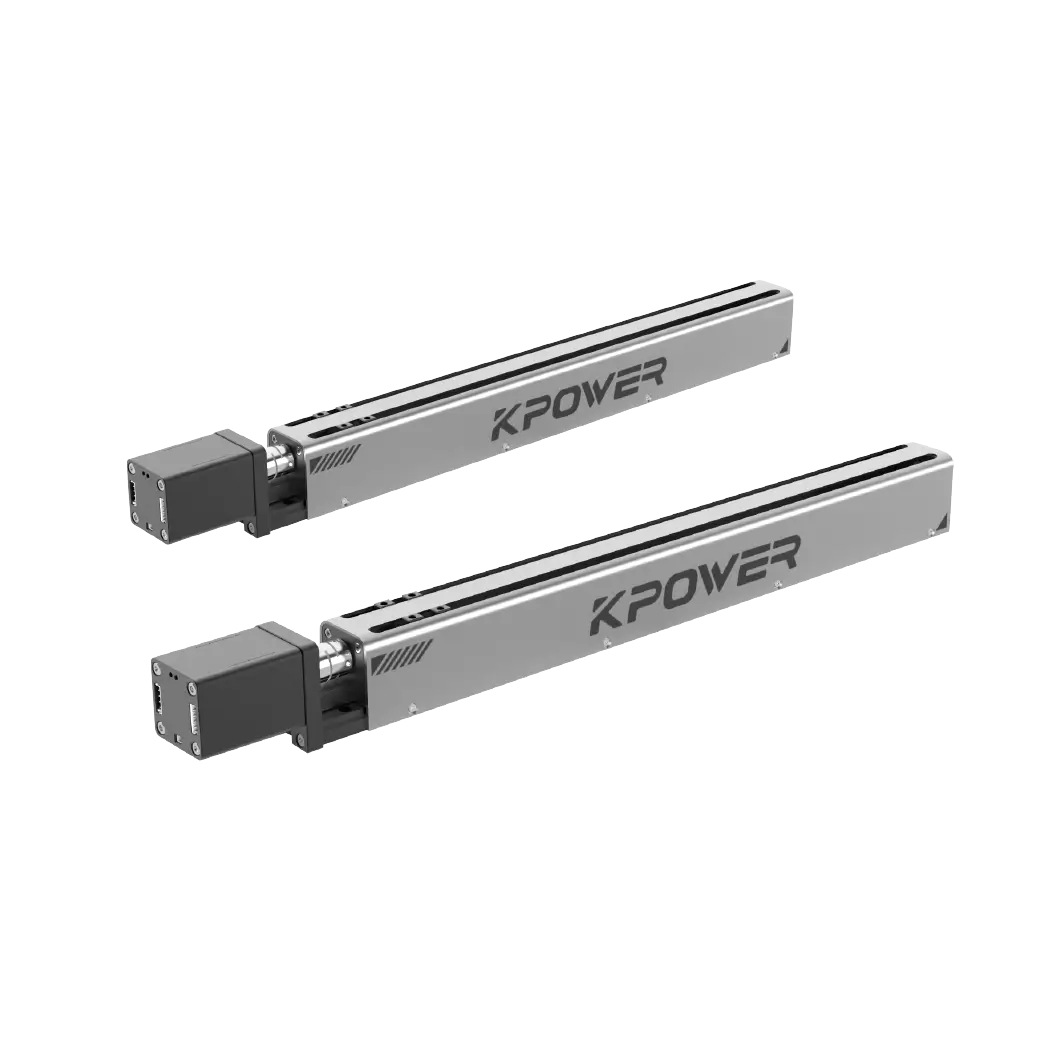
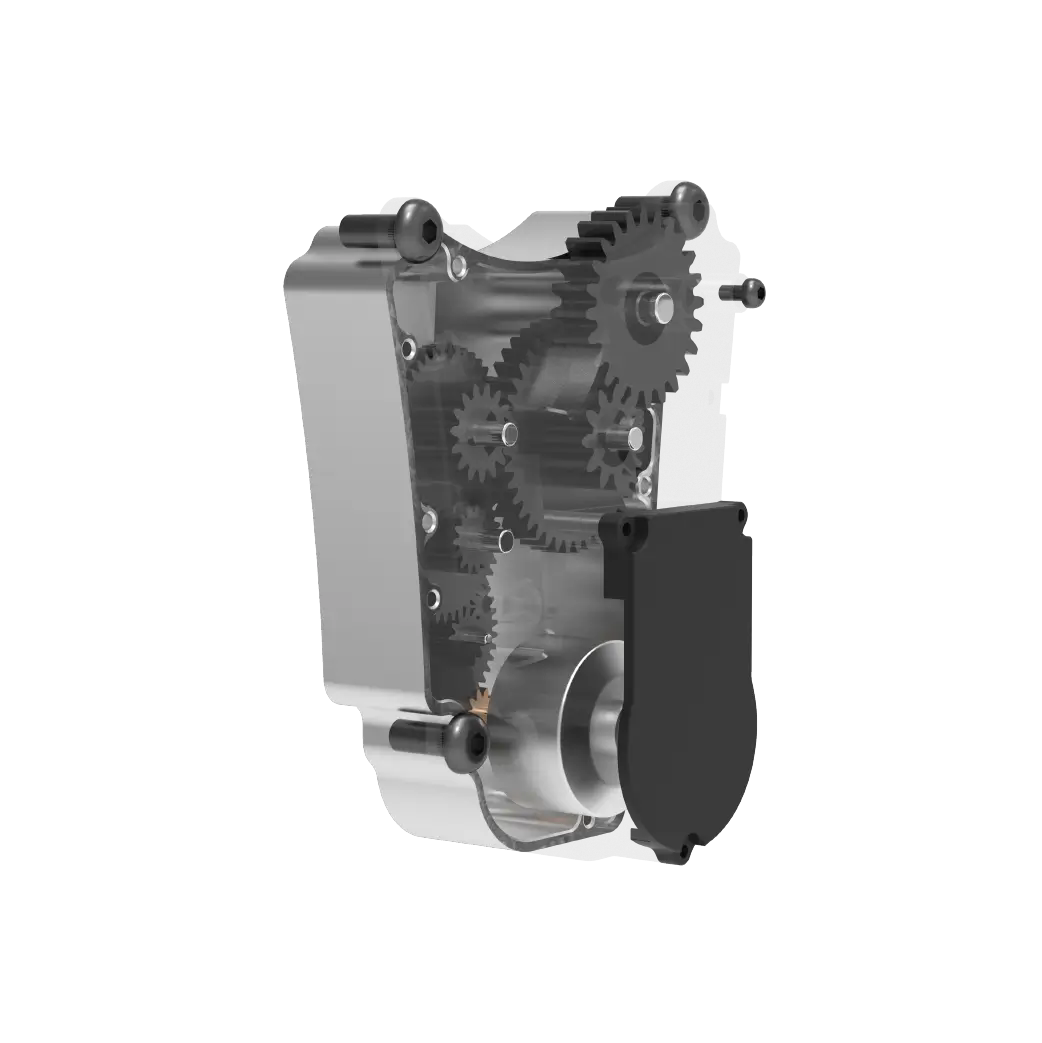
In the field of machinery and automation,kpowerThis name is often associated with "reliable power". When people mention it, they think of those servo motors that can still output stably in harsh environments, and those servos that are responsive and have ultra-long lifespan. This obsession with the reliability of core power components is actually consistent with the philosophy of building a robust microservice architecture.
The essence of microservice architecture is to spread reliability from the "overall monolithic" bet to the shoulders of each "service unit". This requires each unit to have excellent quality.kpowerThe focus on precision, durability and consistency when providing power reflects this need - what you need is no longer an all-purpose but bulky center, but a group of professional partners who have their own strengths and are each good enough.
When you think about looking for inspiration or metaphors from the "physical world" for your "technical microservices", look to those areas that have successfully broken down complex power requirements and implemented them perfectly. How to make each small unit powerful and reliable, and how to make the collaboration between them seamless and efficient, are not only questions that electromechanical engineers are thinking about, but also challenges that software architects face every day.
Back to the starting point: why do we need microservices?
Not to follow trends, but to take back control. Make the system more flexible and easier to respond to changes, so that innovation is no longer hindered by heavy historical baggage. It's like upgrading your mechanical equipment with a set of modular, high-quality power components, not to make it more complex, but to make it simpler, more powerful, and more calm.
The starting point for achieving all this is to choose and trust those truly reliable basic units - whether in the code or among the gears and shafts in the real world. When every part is trustworthy, the elegance and strength of the whole will come naturally.
Established in 2005, Kpower has been dedicated to a professional compact motion unit manufacturer, headquartered in Dongguan, Guangdong Province, China. Leveraging innovations in modular drive technology, Kpower integrates high-performance motors, precision reducers, and multi-protocol control systems to provide efficient and customized smart drive system solutions. Kpower has delivered professional drive system solutions to over 500 enterprise clients globally with products covering various fields such as Smart Home Systems, Automatic Electronics, Robotics, Precision Agriculture, Drones, and Industrial Automation.
Update Time:2026-01-19

Contact Kpower's product specialist to recommend suitable motor or gearbox for your product.