







TECHNICAL SUPPORT


Published 2026-01-19
Ever had one of those days? You're trying to update a feature on your app, but the whole thing needs to come down for maintenance. Or traffic spikes, and suddenly everything slows to a crawl — the checkout, the search, even the login page. It feels like managing a giant, tangled ball of yarn; pull one thread, and the whole thing might unravel.
That's the old way. The monolithic way. Everything bundled together.
So, what's the alternative? Think of it like this: instead of one massive engine powering everything, what if you had a fleet of smaller, specialized engines? Each one independent, each doing its own job perfectly. That's the heart of microservices in the cloud.
Forget the jargon for a minute. Imagine a busy restaurant kitchen. In a monolithic setup, it's one overwhelmed chef doing everything — chopping, cooking, plating, washing dishes. One problem, and the whole service stops.
A microservices architecture is like having a dedicated sauté chef, a grill expert, a pastry station, and a dishwashing team. Each station operates independently. If the grill gets busy, it doesn't slow down the desserts. If the dishwashing team upgrades to a faster machine, the rest of the kitchen doesn't even notice. They communicate, but they aren't glued together.
In tech terms, microservices are small, independent software units. Each one handles a single business function — like user authentication, payment processing, or product search. They run in the cloud, talk to each other through simple APIs, and can be developed, deployed, and scaled all on their own.
You know that frustration when a tiny bug fix requires redeploying the entire application? With microservices, that’s gone. You update only the service that needs it. The rest keep humming along. It’s like fixing a light in one room without having to turn off the electricity to the whole building.
Then there's scaling. During a big sale, your payment service might be under heavy load, but your product review service is fine. With microservices, you can add resources just to the payment service. You're not wasting money and power scaling the entire monolith. It's efficient, it's smart, and it just makes sense.
And innovation gets faster. Teams can work on different services simultaneously, using the best tool for each specific job. Want to try a new database for the recommendation engine? Go ahead. It won't affect the user profile service. This freedom is where real agility comes from.
Running a system like this requires a different kind of muscle. You need things to be reliable, to talk to each other seamlessly, and to be observable. What if one service has a hiccup? A well-designed microservices ecosystem is built to handle that — it isolates the failure so the rest of the system stays robust.
Think of it as building a city with independent, resilient neighborhoods instead of one fragile mega-structure. When built right, the result is a system that feels effortlessly stable, even when things get complex behind the scenes. That stability translates directly to user trust and business continuity.
This approach asks a lot from your underlying infrastructure. The cloud provides the playground, but the components — especially the ones that translate digital commands into precise physical action — need to be exceptionally reliable. Precision, consistency, and seamless integration become non-negotiable.
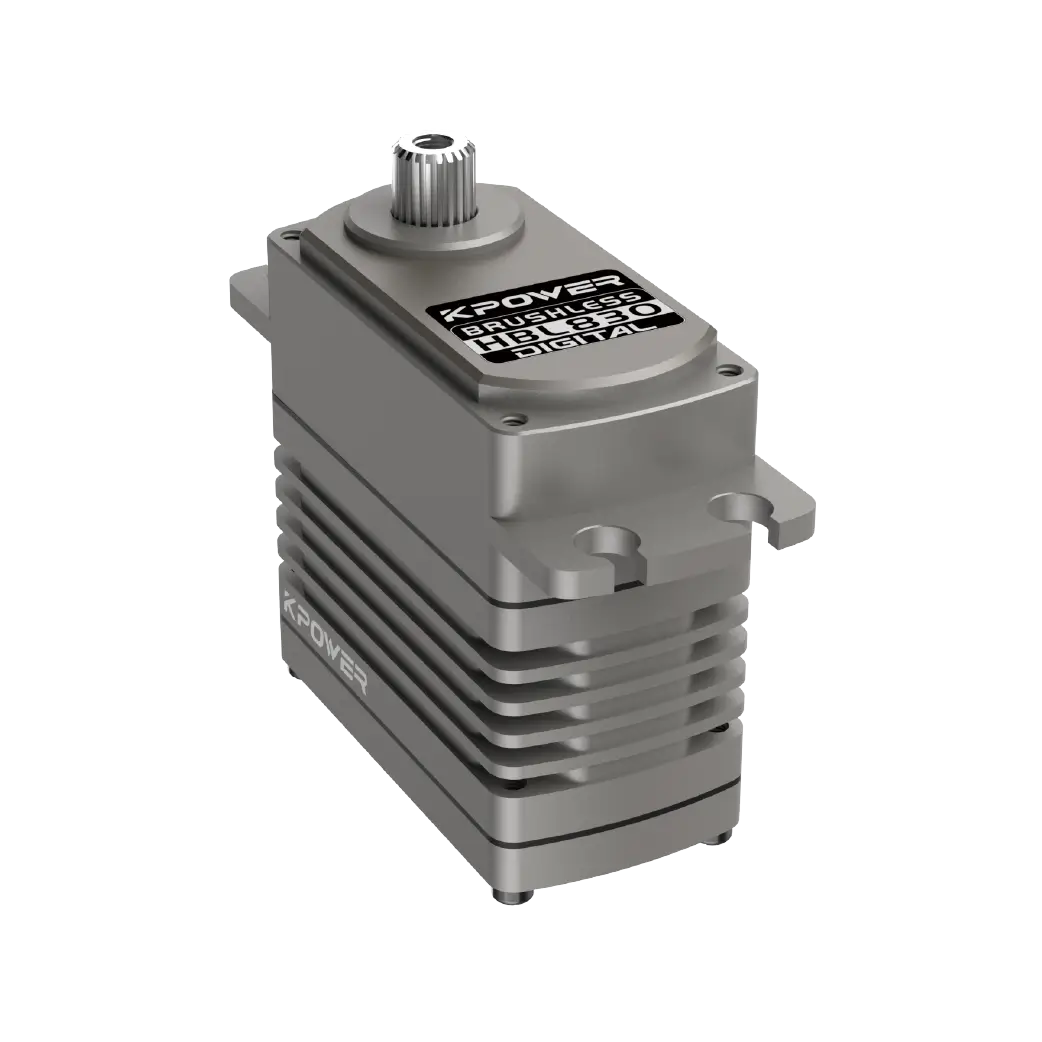
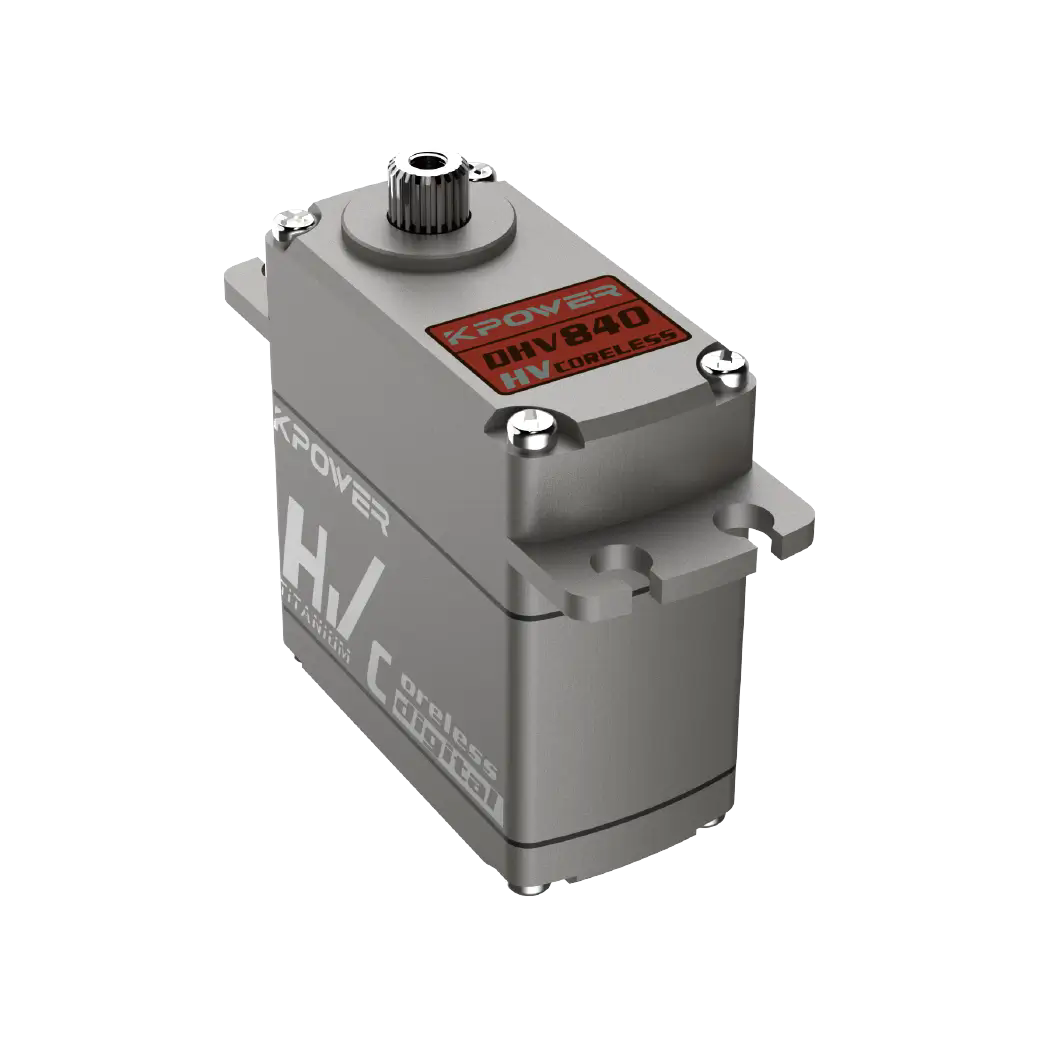
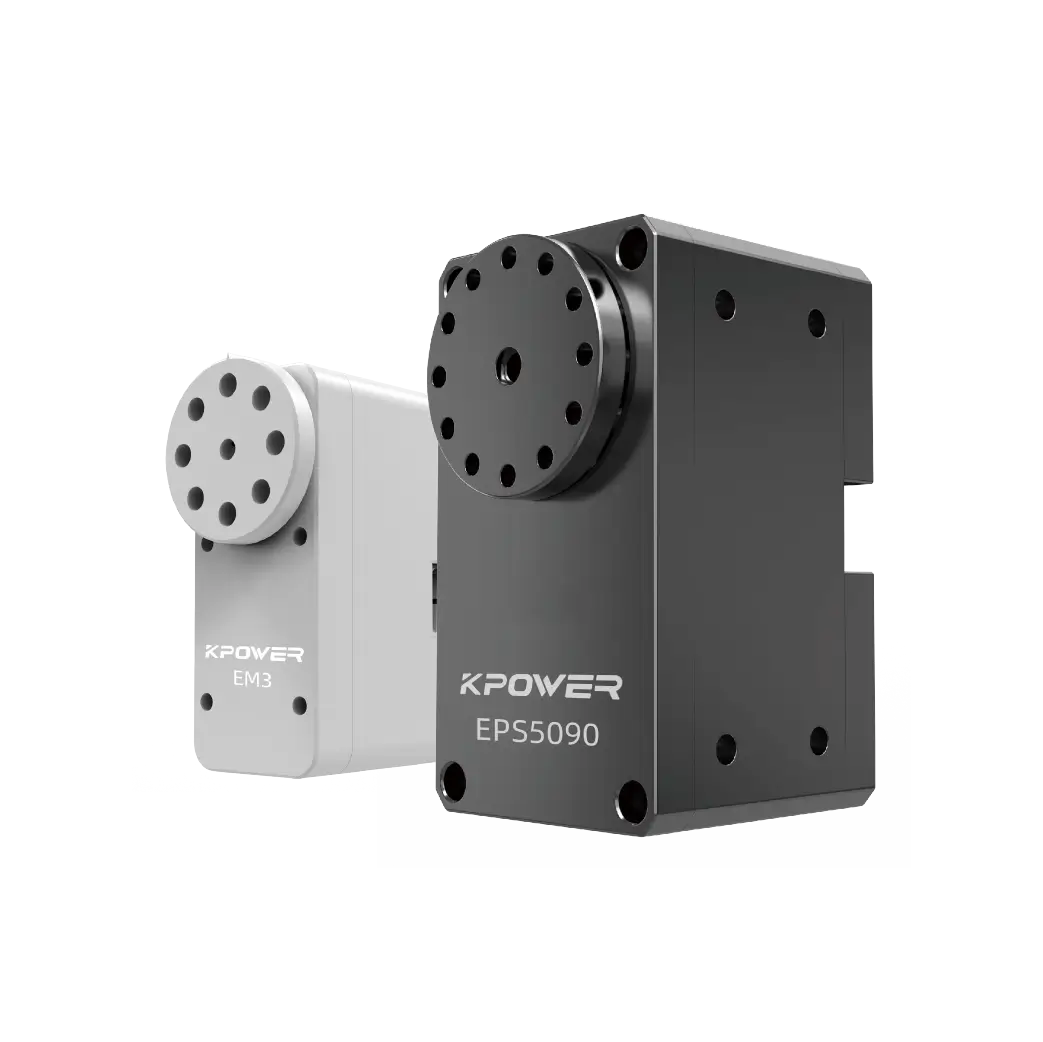
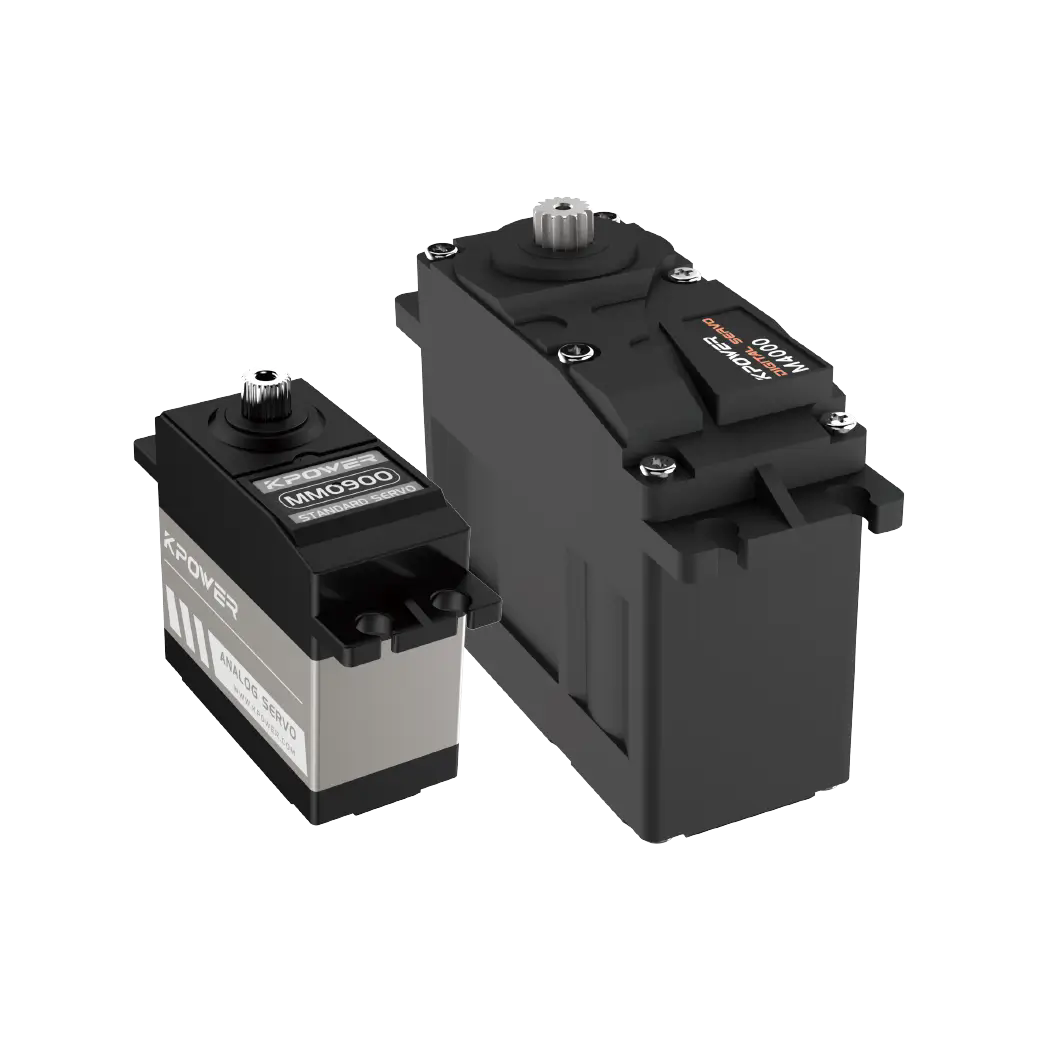
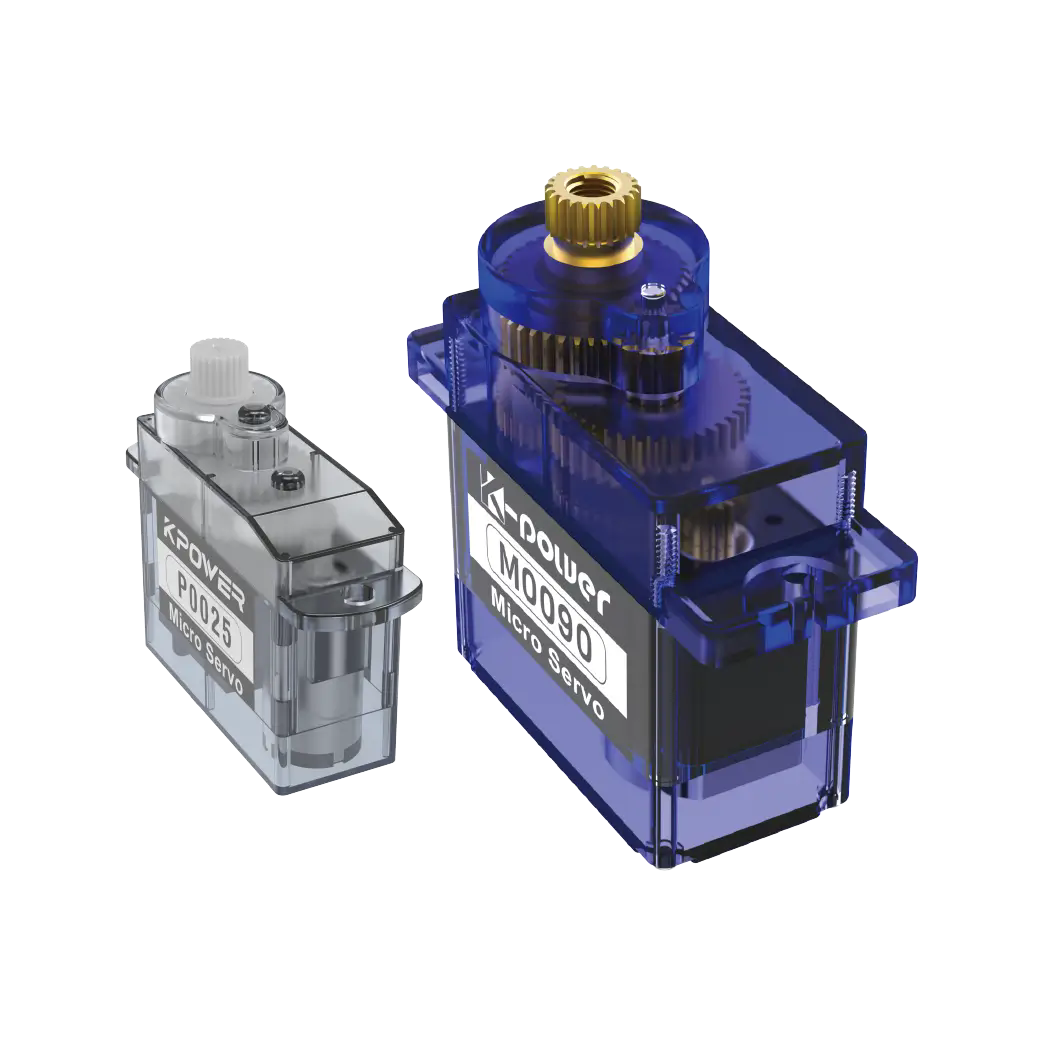
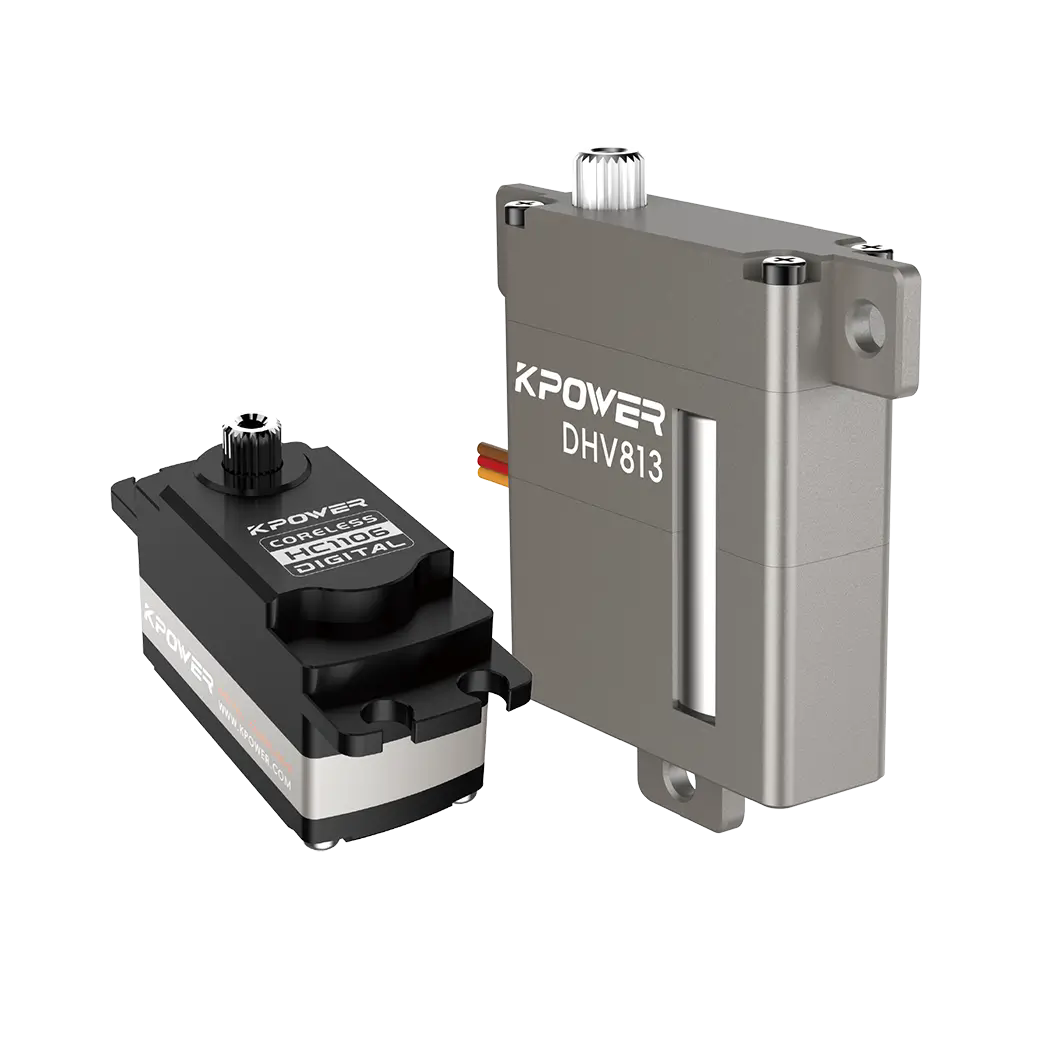
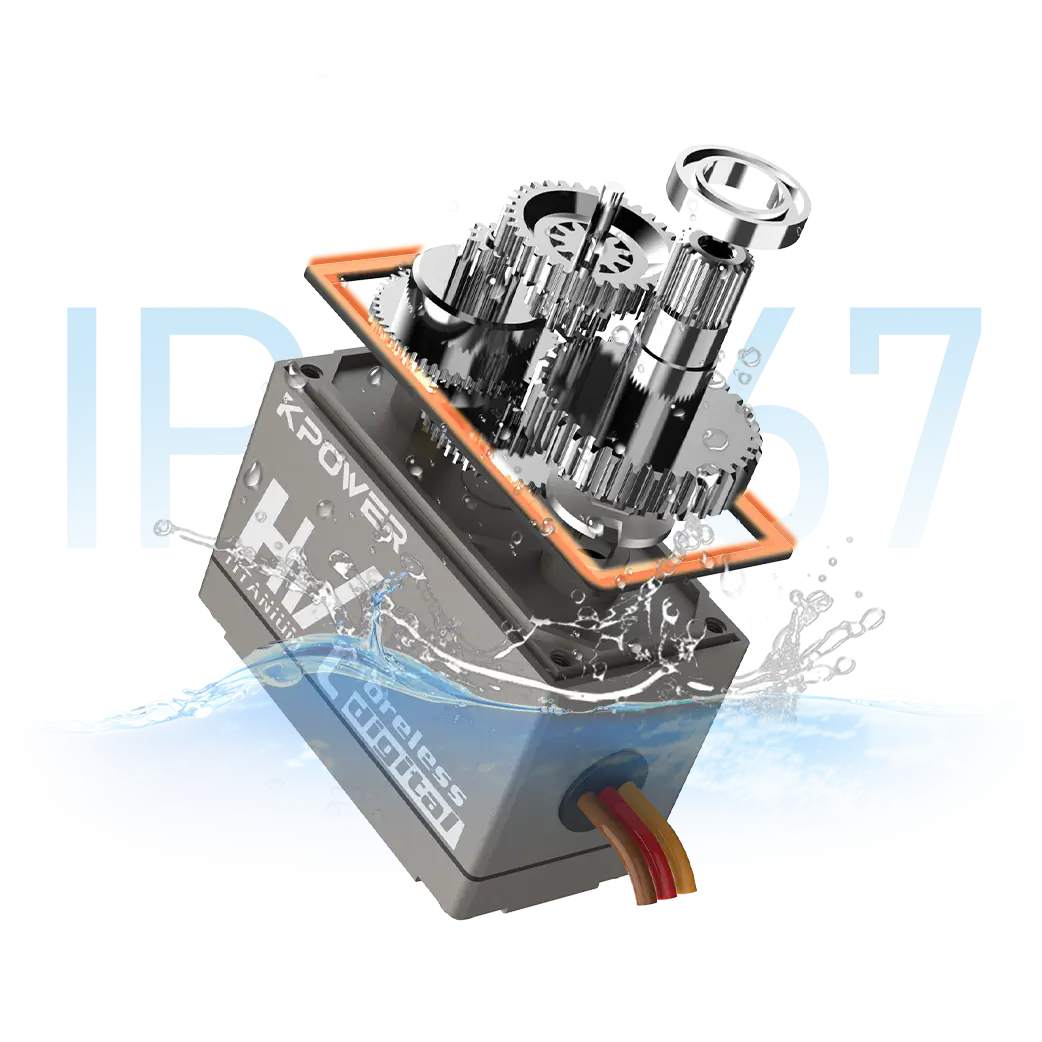
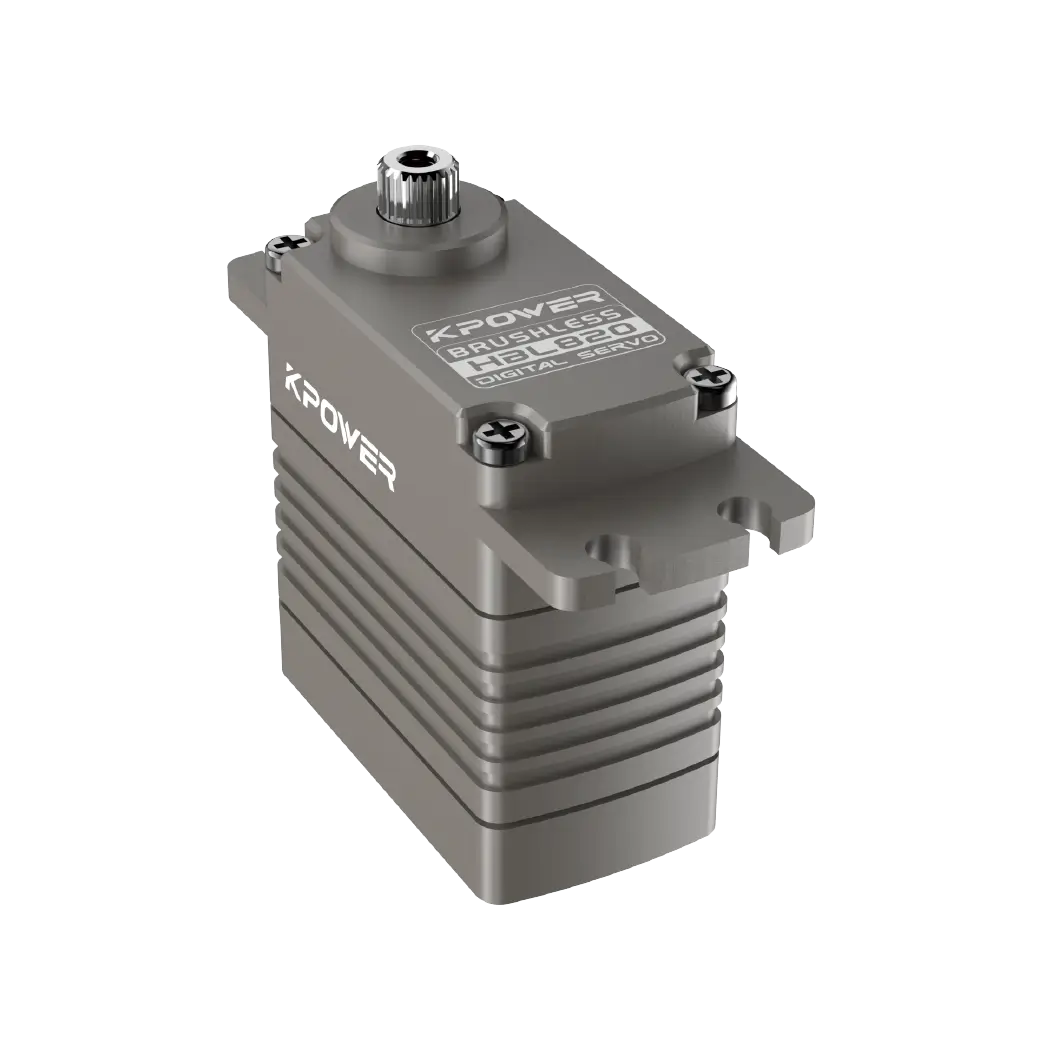
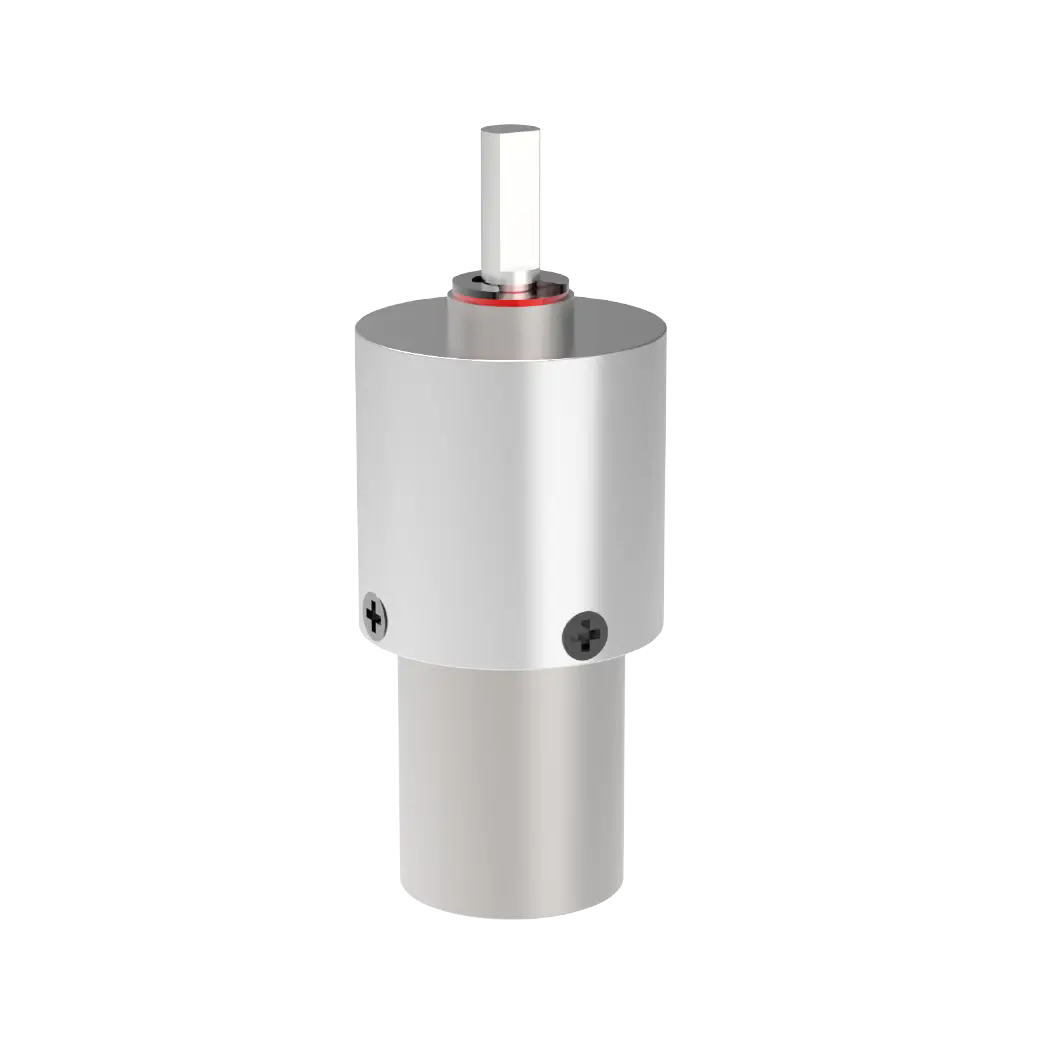
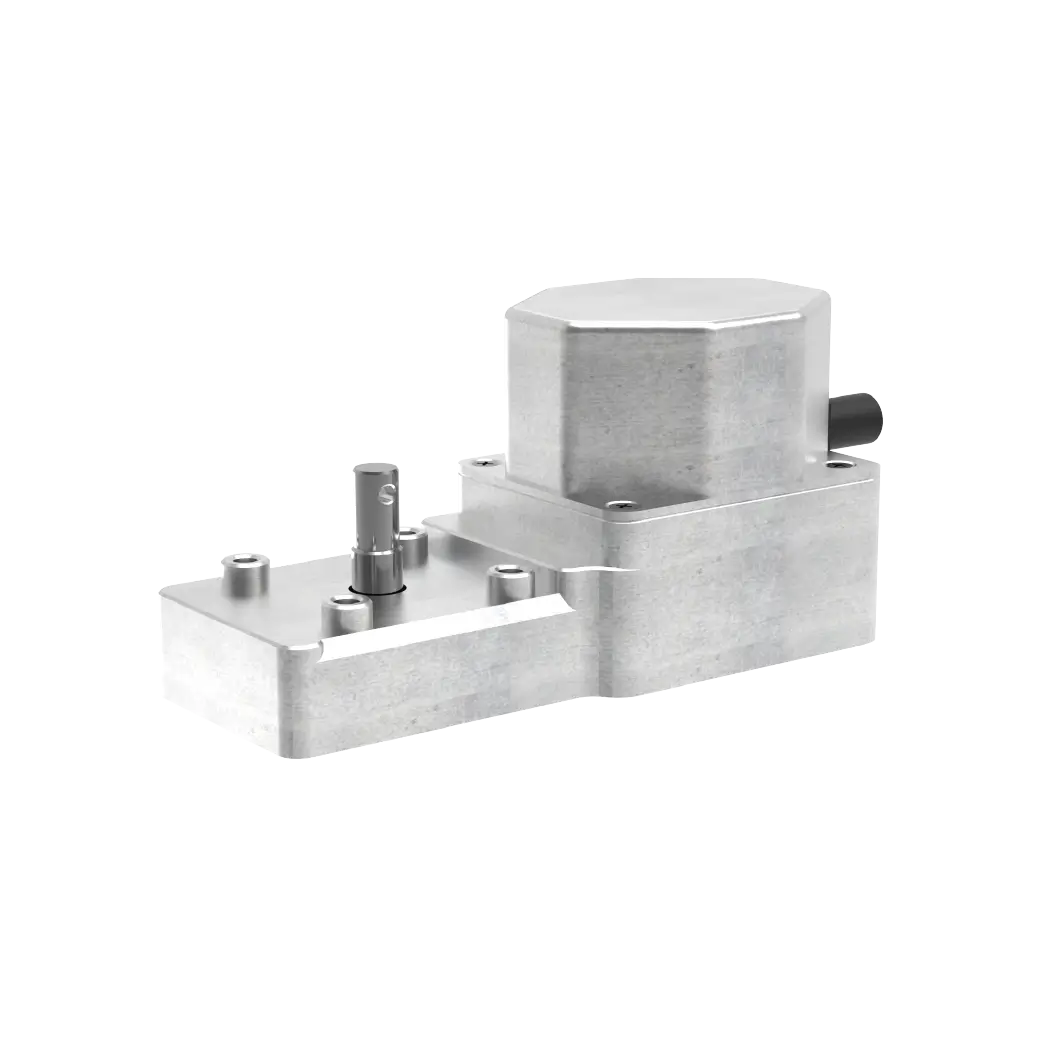
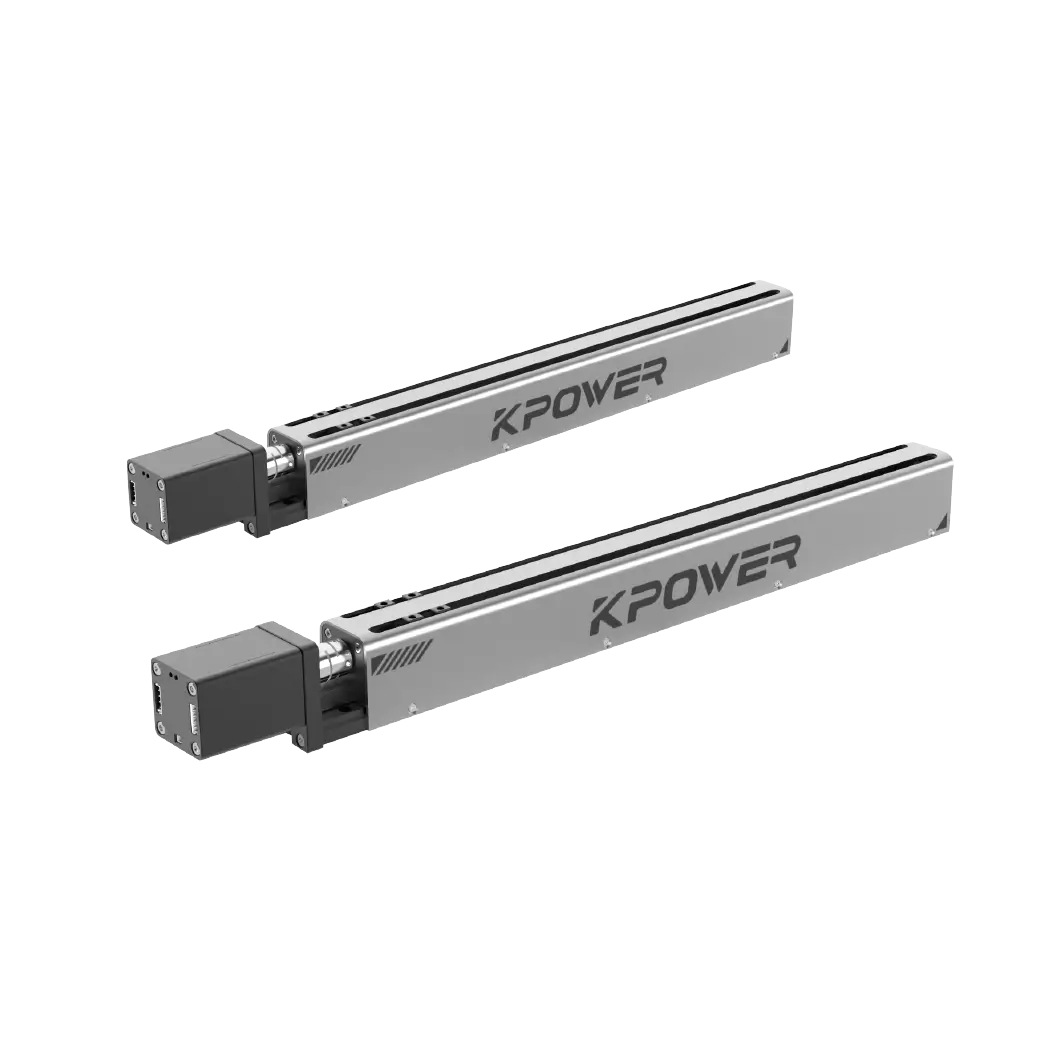
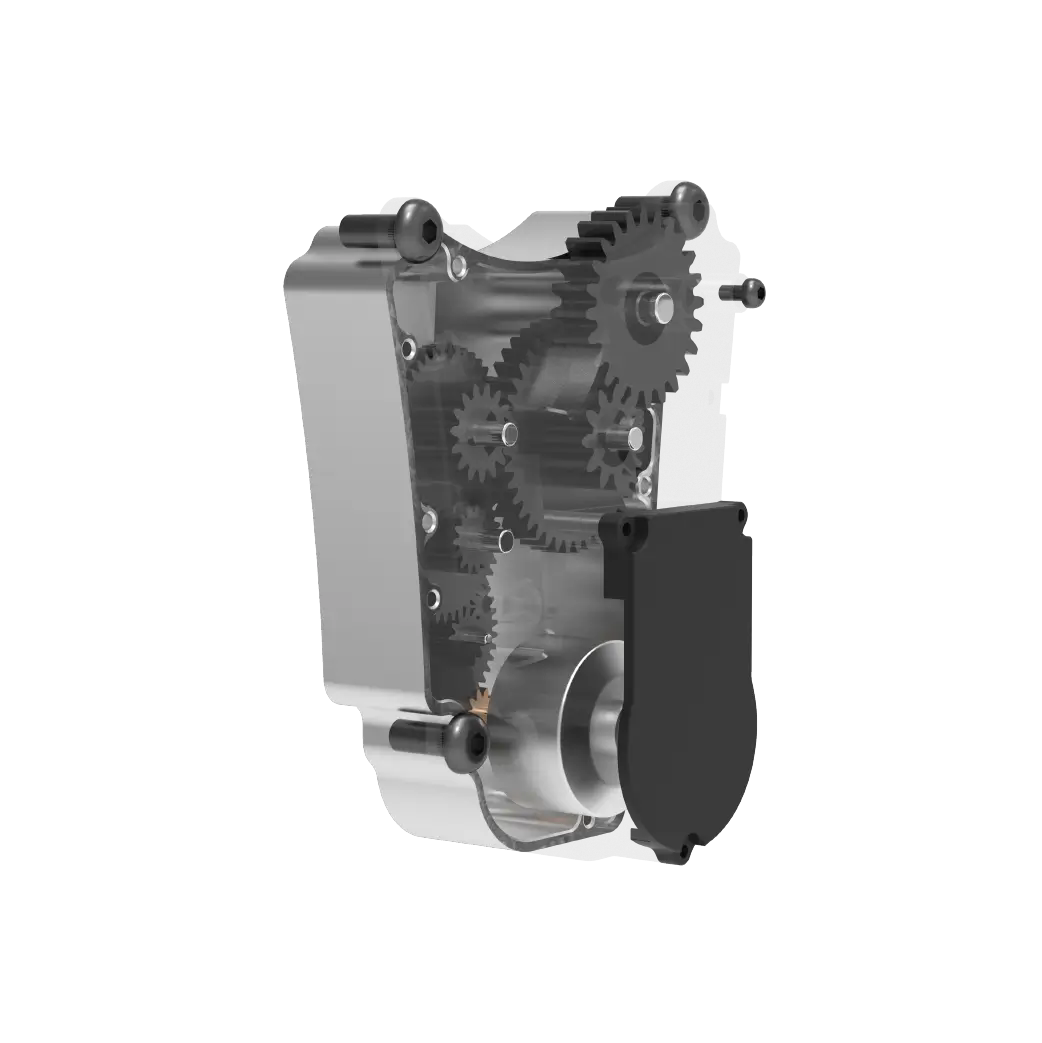
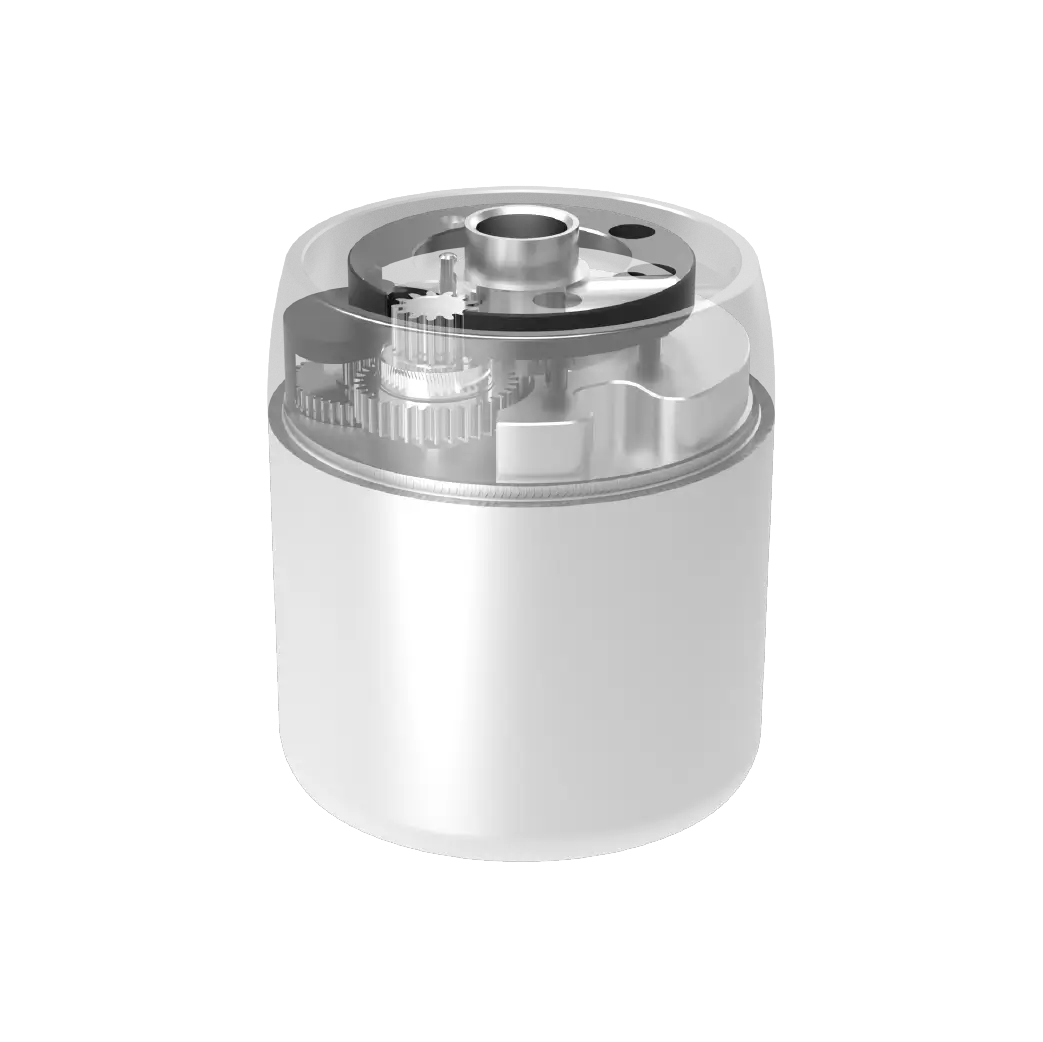
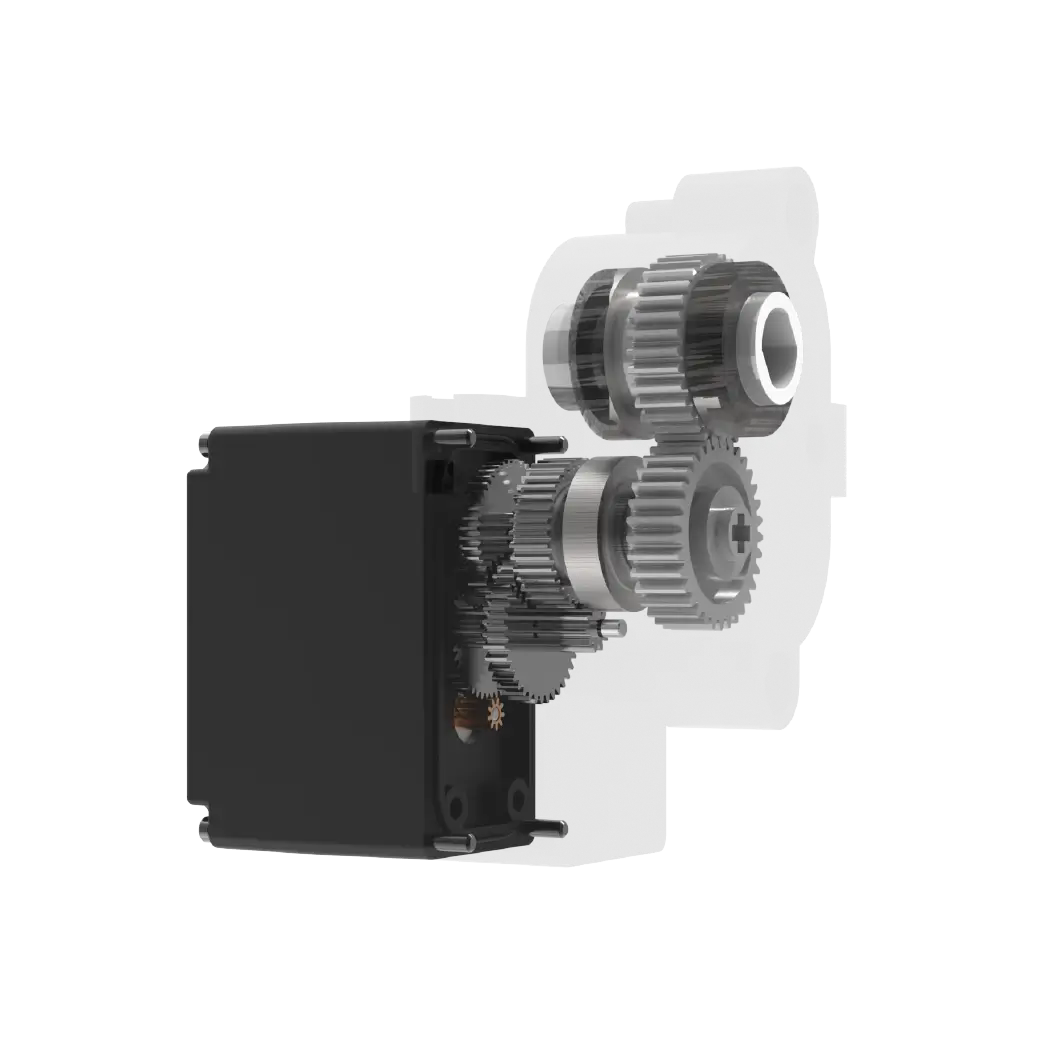
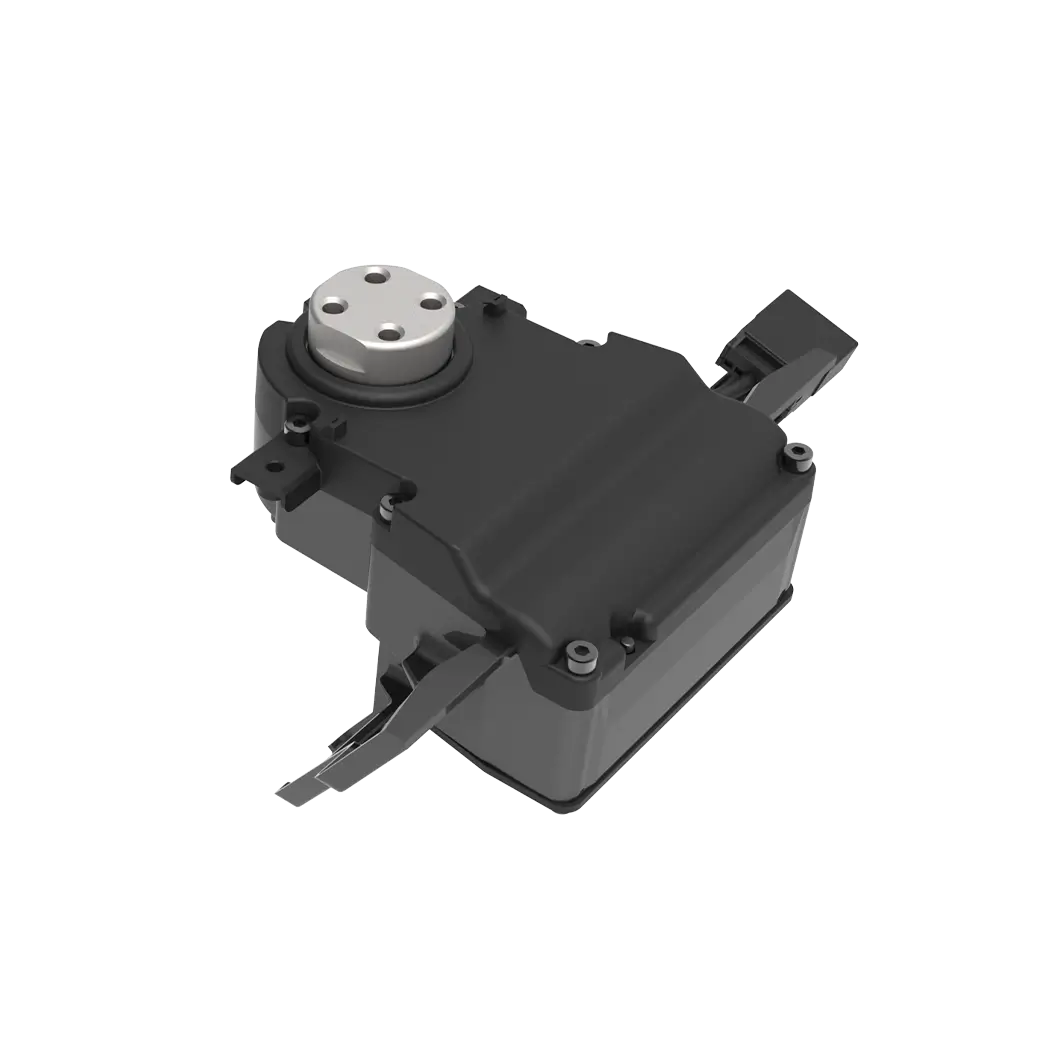
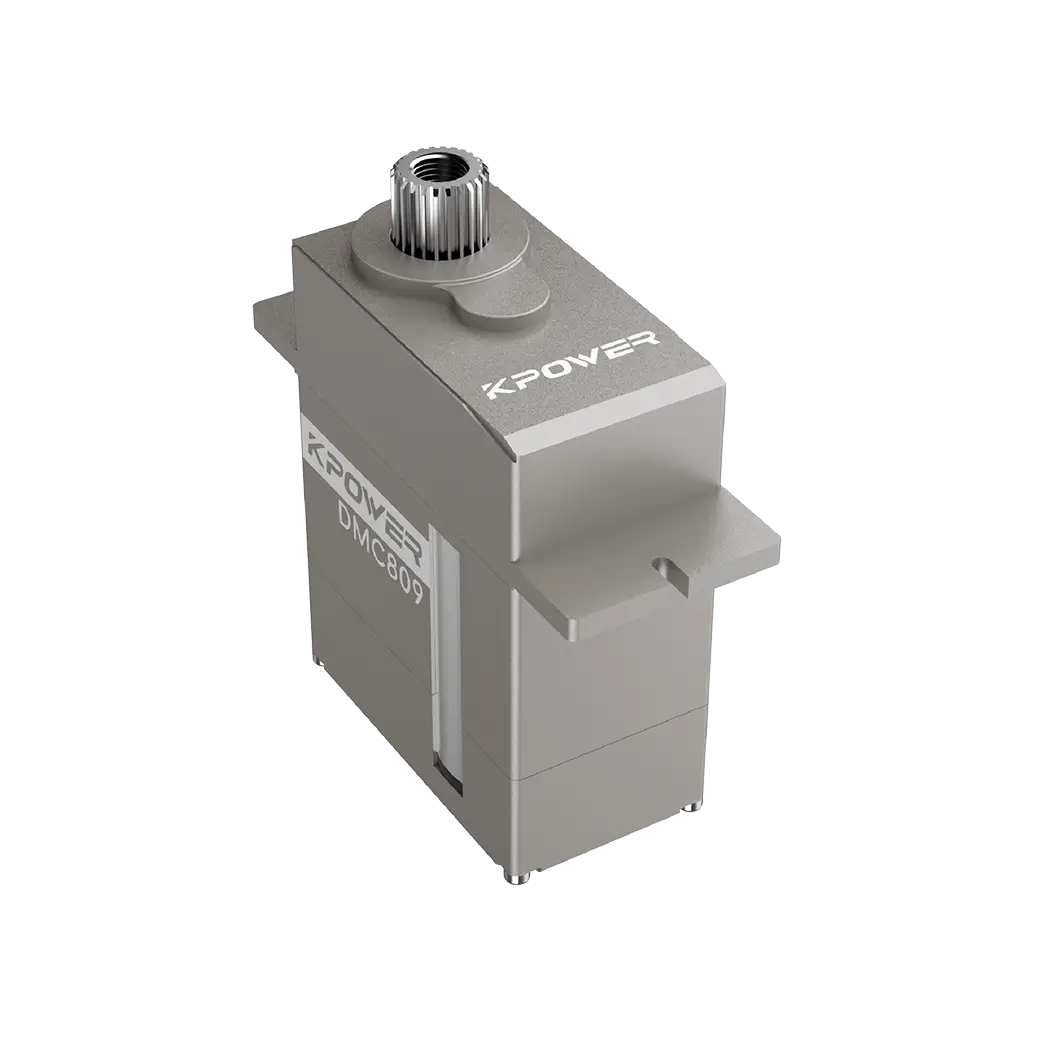
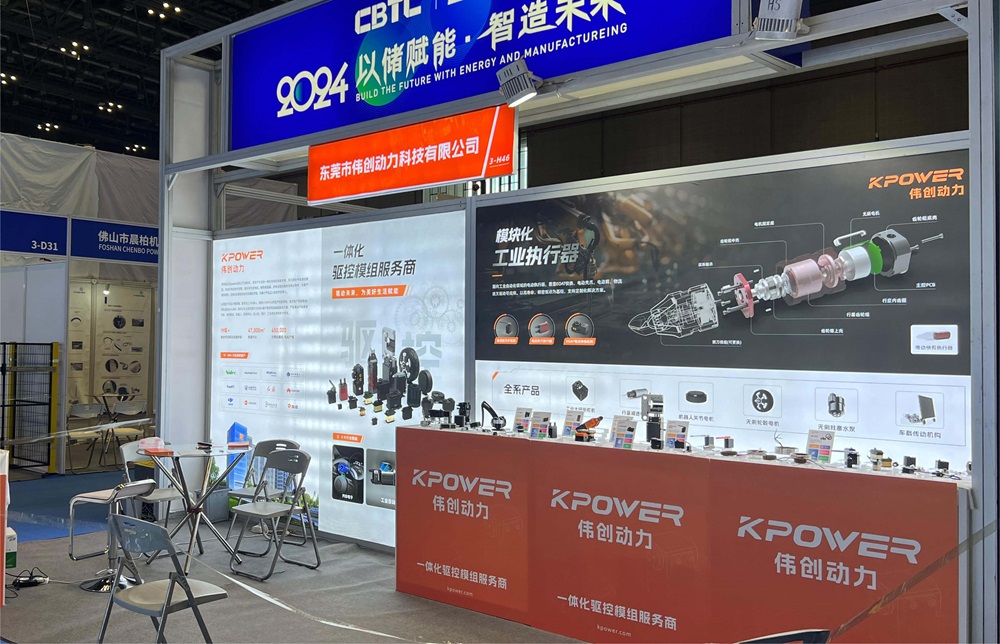
This is where specialized expertise matters. Atkpower, our focus is on providing the core motion control components — likeservosystems and precision gears — that act as the "muscles and nerves" for automated machinery. While seemingly a different world from software, the philosophy is parallel: creating independent, high-performance units that integrate flawlessly into a larger, smarter system. Whether it's ensuring a robotic arm moves with millisecond accuracy or that data flows between cloud services without lag, the principle is the same: reliability through intelligent, decoupled design.
Moving to microservices isn't about a chaotic overhaul. It starts small. Identify one function that's often a bottleneck or changes frequently. Encapsulate it. Build its independent service. Learn from that. Then gradually evolve the rest. It’s a journey, not a single, risky leap.
The goal isn't complexity for its own sake. It's simplicity at a higher level. It's about creating a system that’s easier to manage, scale, and innovate upon over time. A system that doesn't give you those "one of those days" nearly as often.
In the end, it’s about building something that just works — so reliably that you almost forget it's there. And when your technology fades into the background, quietly enabling growth instead of causing headaches, you know you've built it right. That’s the quiet confidence a modern cloud architecture, and the precise components that support the physical world, aim to deliver.
Established in 2005,kpowerhas been dedicated to a professional compact motion unit manufacturer, headquartered in Dongguan, Guangdong Province, China. Leveraging innovations in modular drive technology,kpowerintegrates high-performance motors, precision reducers, and multi-protocol control systems to provide efficient and customized smart drive system solutions. Kpower has delivered professional drive system solutions to over 500 enterprise clients globally with products covering various fields such as Smart Home Systems, Automatic Electronics, Robotics, Precision Agriculture, Drones, and Industrial Automation.
Update Time:2026-01-19

Contact Kpower's product specialist to recommend suitable motor or gearbox for your product.