







TECHNICAL SUPPORT


Published 2026-01-19
Imagine you are assembling a sophisticated robot arm. The steering gear is responsible for dexterous rotation, and the servo motor ensures that every movement is accurate. Everything is connected together like a complex symphony. But one day, a small gear failure caused the entire system to slow down or even come to a standstill. Troubleshooting? You have to check from the top of your head to the bottom of your feet.

Does this feel familiar? In the field of machinery and automation, this kind of dilemma is not uncommon. The larger and more integrated the system becomes, the more maintenance and upgrades become like walking a tightrope. Is there a way that each core component - such as a critical servo control unit - can work independently and efficiently, but also easily talk to the whole?
This leads to an interesting concept we want to talk about today: microservices. But don't worry, we're not talking about complex code, but think of it as a way to solve a problem.
Someone asked me: "Microservices sound very IT, what does it have to do with my mechanical project?" This is a good question. You can think of it as modular design thinking. A traditional monolithic system is like a huge, indivisible black box controller with all functions squeezed together. The microservice architecture is like opening this black box and splitting the position control, speed feedback, communication interface and other functions inside into independent, compact and functional "small modules".
Each small module (or "service") only does what it does best. For example, one service is dedicated to processing the position instructions of the motor, and the other is only responsible for temperature monitoring. They "talk" to each other through clear, simple agreements, rather than being tightly tied together.
What's the point of doing this?
Imagine you only need to upgrade the temperature monitoring logic without having to touch the entire core control system. Alternatively, when the communication module requires maintenance, the precise movement of the motor is not affected at all. What this brings is a kind of flexibility and resilience. You won't feel pressure to "stop everything" if one part needs improvement or repair.
How can this idea be implemented into actual machinery and automation projects? It's not about using a particular programming language, it's about how you plan the components of your system.
It is the decoupling of functions. Look at your system: Which functions are relatively independent? Which ones can stand on their own? For example, in a smart warehousing trolley project, its path planning, obstacle avoidance sensing, lifting arm control and status reporting can be designed into different service units.
Define clearly defined interface contracts. Just like the servo has a standard PWM signal interface, these independent services also need a clear and stable "dialogue method" between them. This ensures that they can collaborate without interfering with each other's internal operations.
It is an independent life cycle. Each service should be able to be developed, tested, deployed, and even replaced independently. This means you can iterate on your project in a more agile way, such as quickly upgrading sensor feedback first, without having to wait for the entire motion control module to be rewritten.
Adopting this modular microservice idea has many ripple effects.
Doesn’t this sound a bit like designing a set of standardized, interchangeable “Lego bricks” for complex mechanical systems?
Of course, no architecture is a silver bullet. The thinking of microservices will introduce new considerations, such as network communication delay between services, deployment complexity, etc. But for those medium and large-scale automation projects that are growing and expected to continue to evolve, this kind of structural thinking in the early stage can often avoid a lot of "replacement and restart" pain in the later stage.
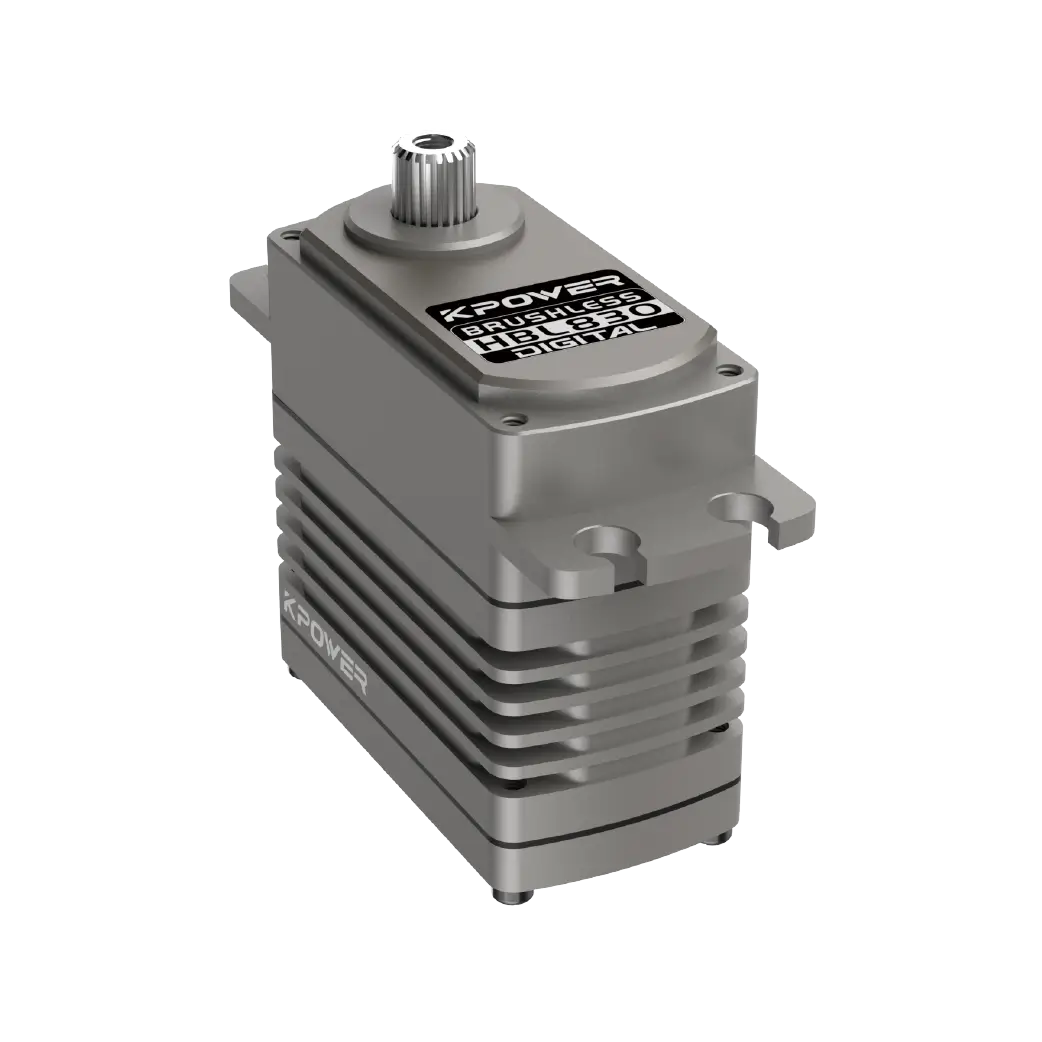
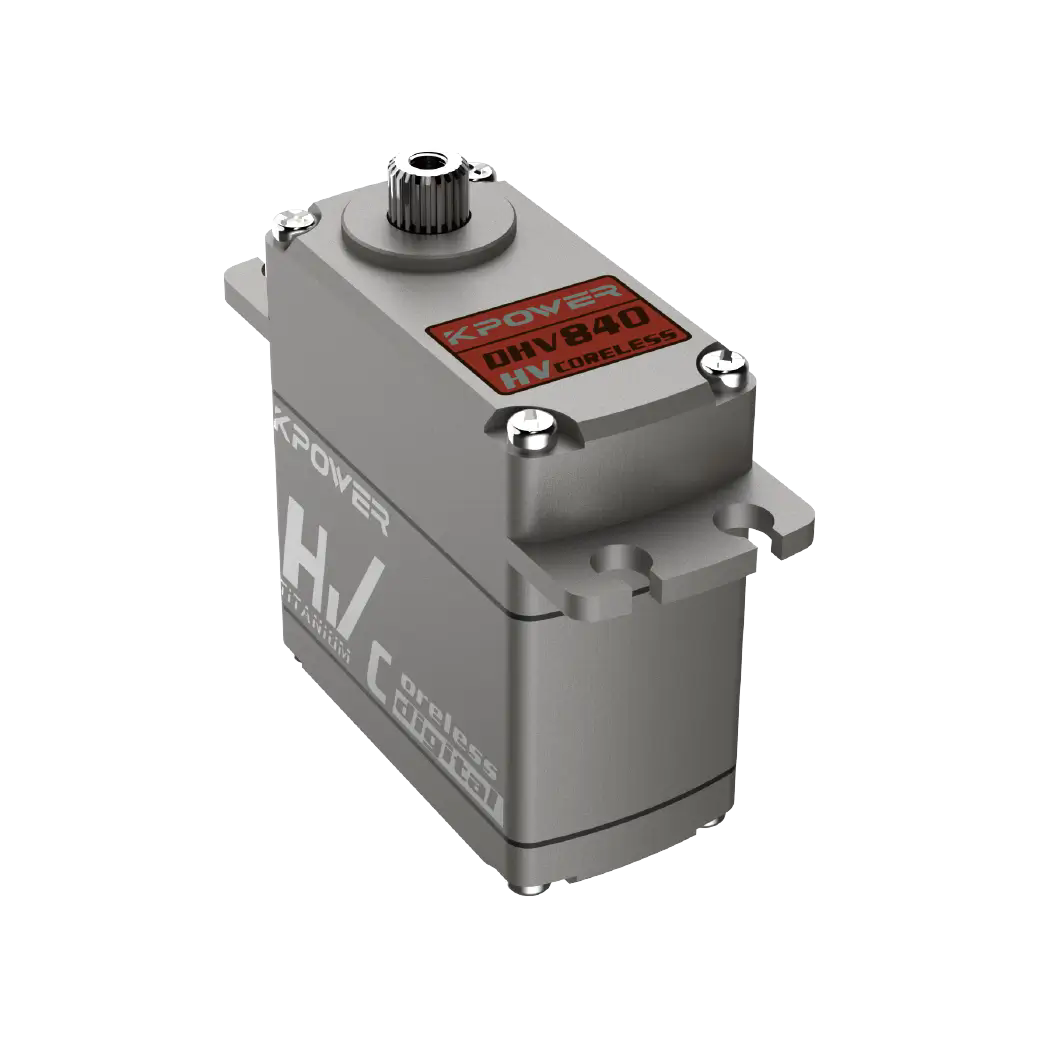
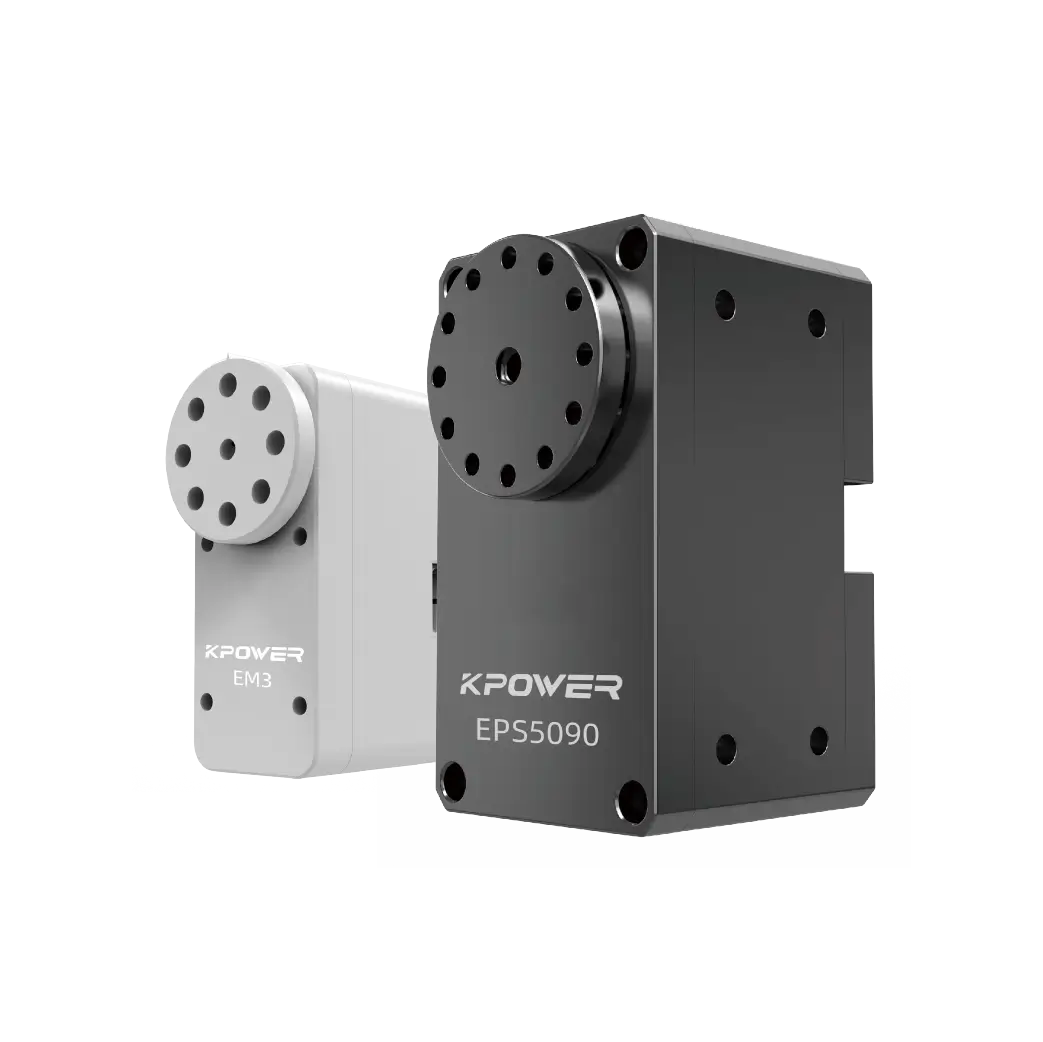
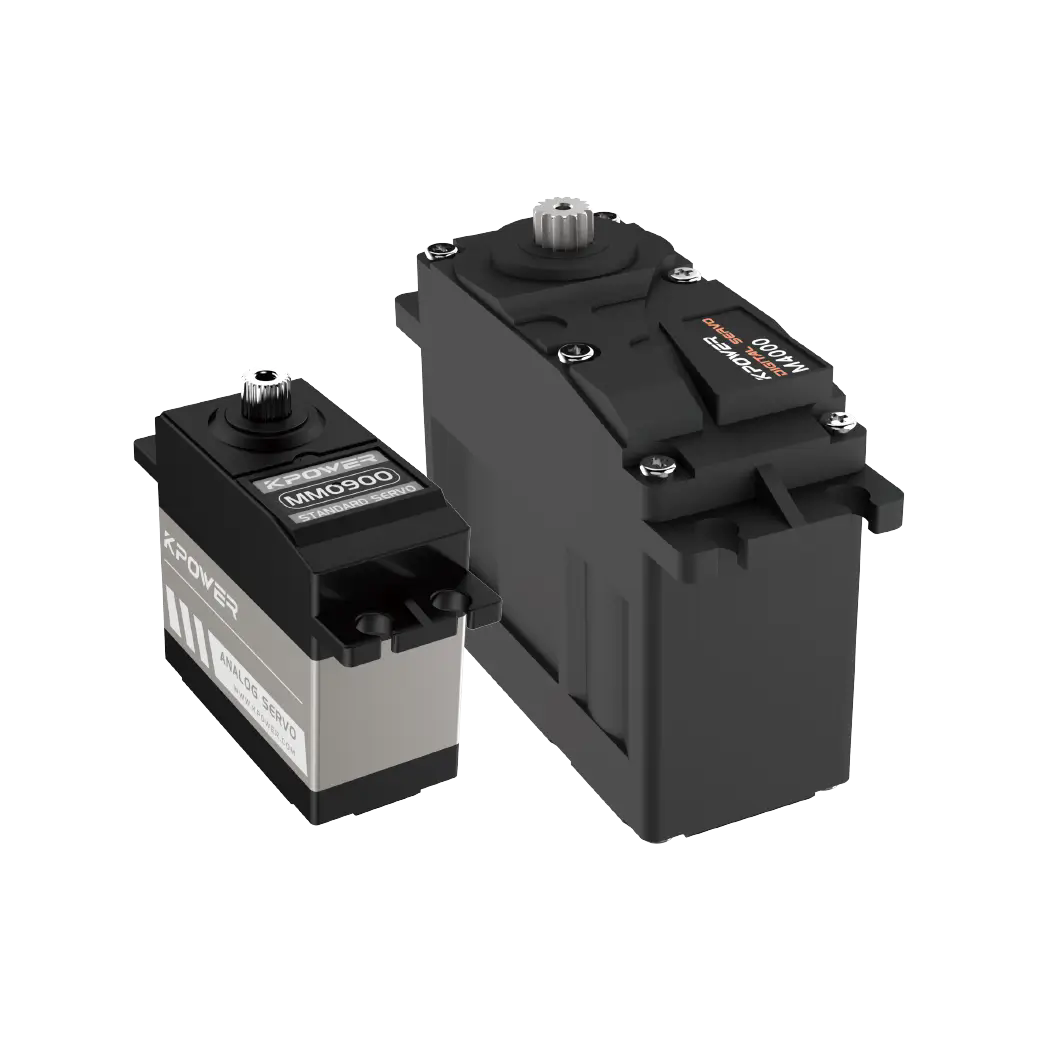
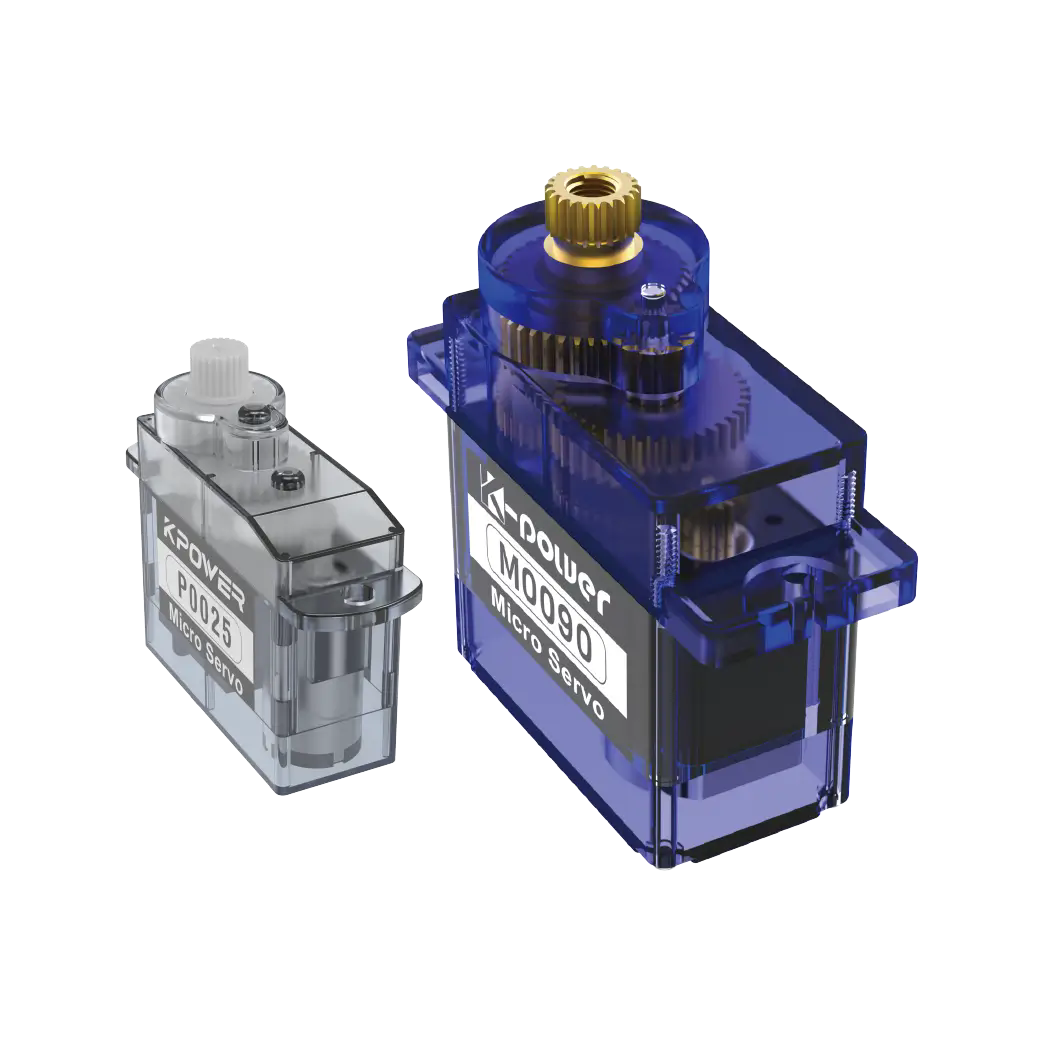
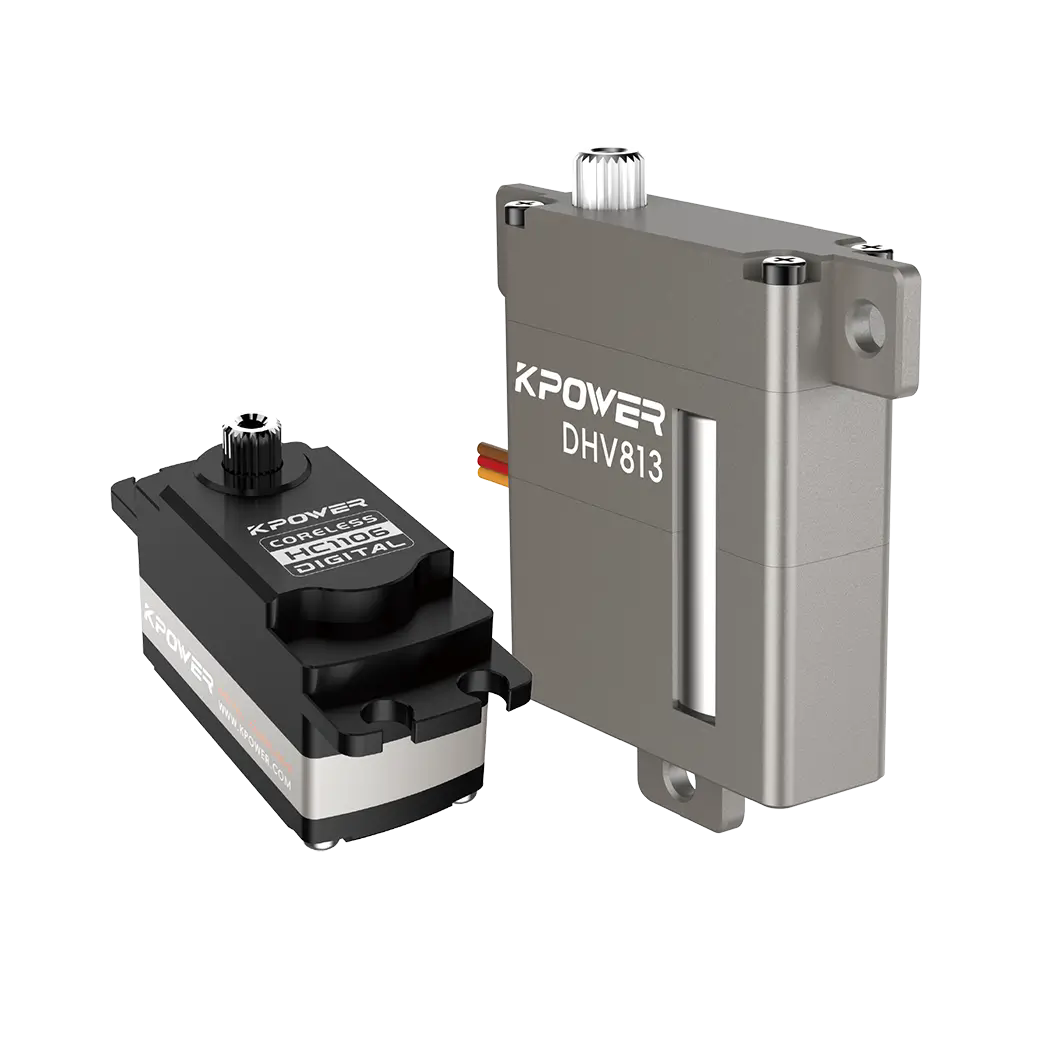
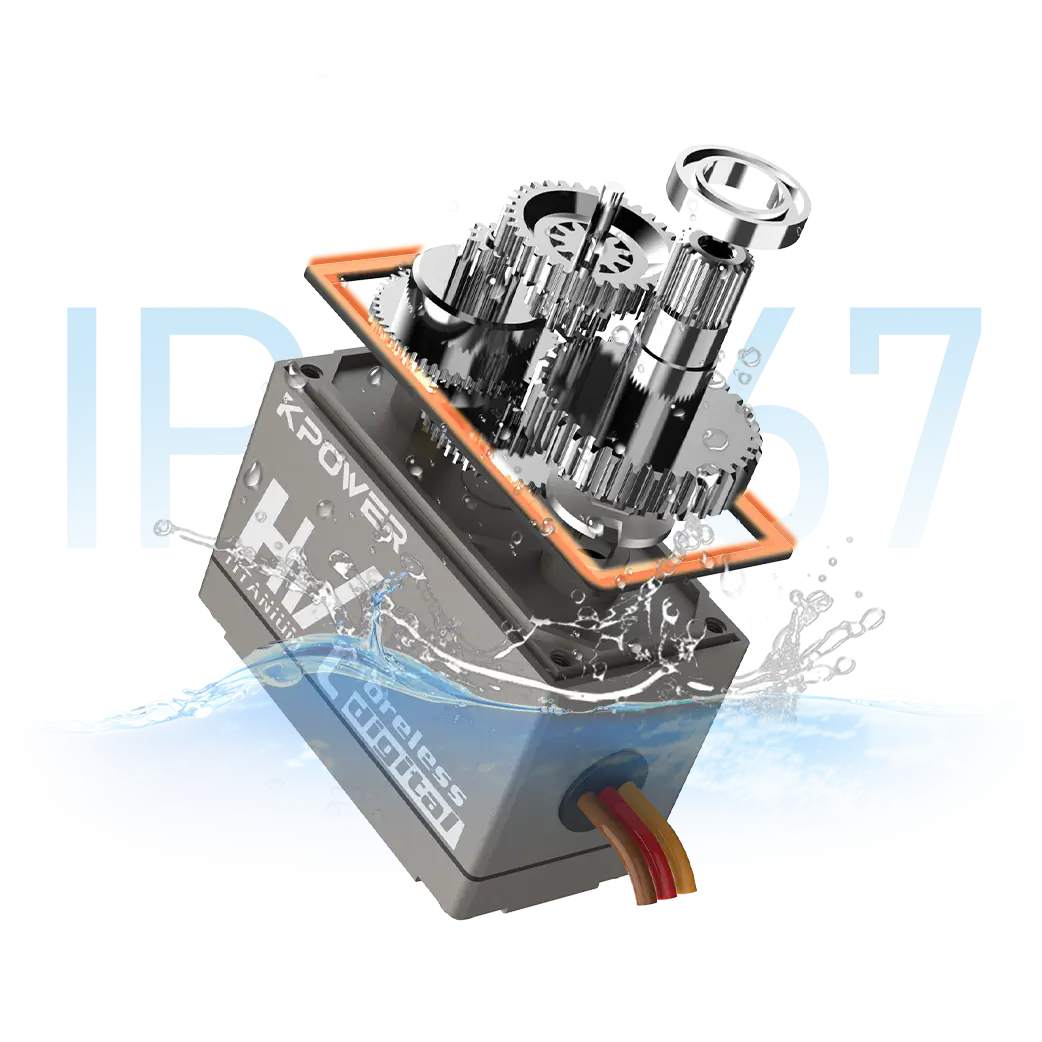
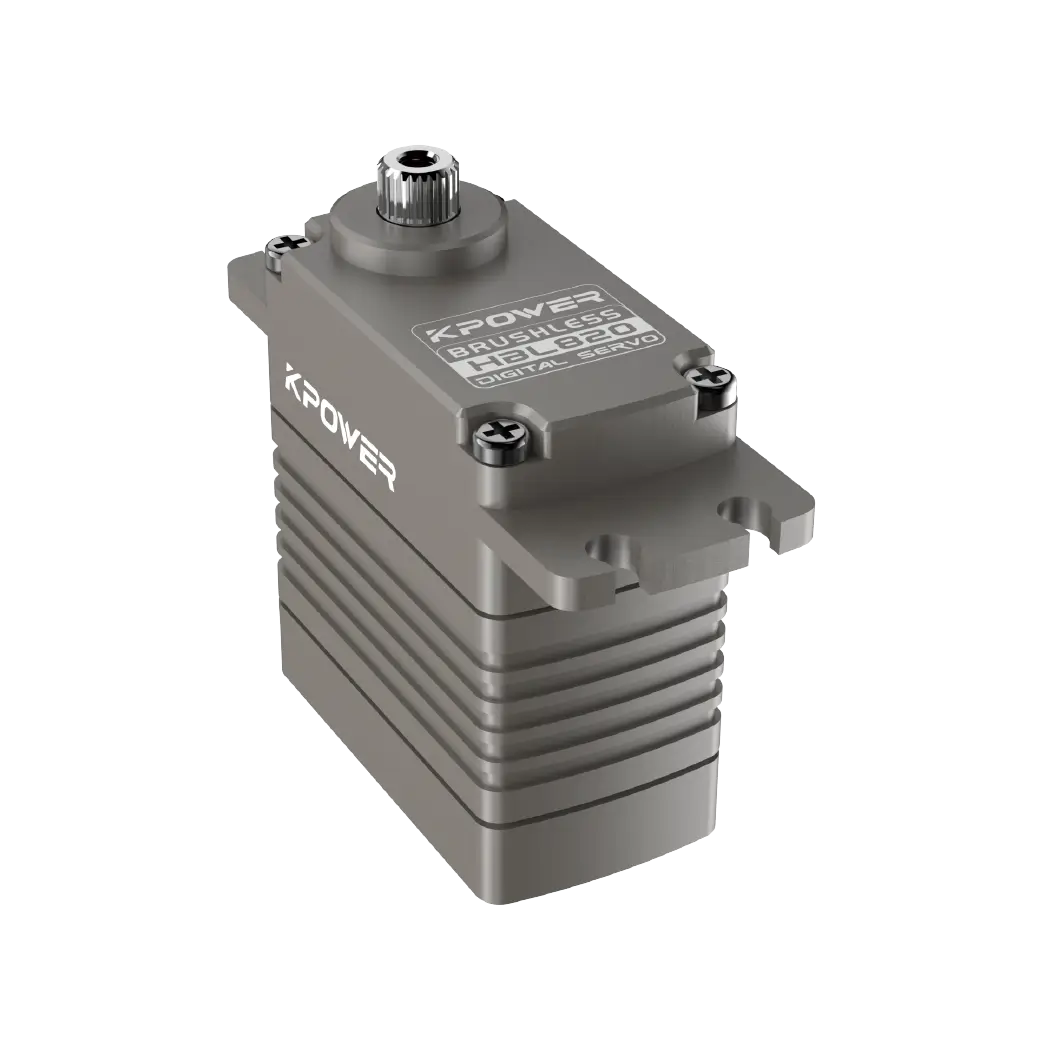
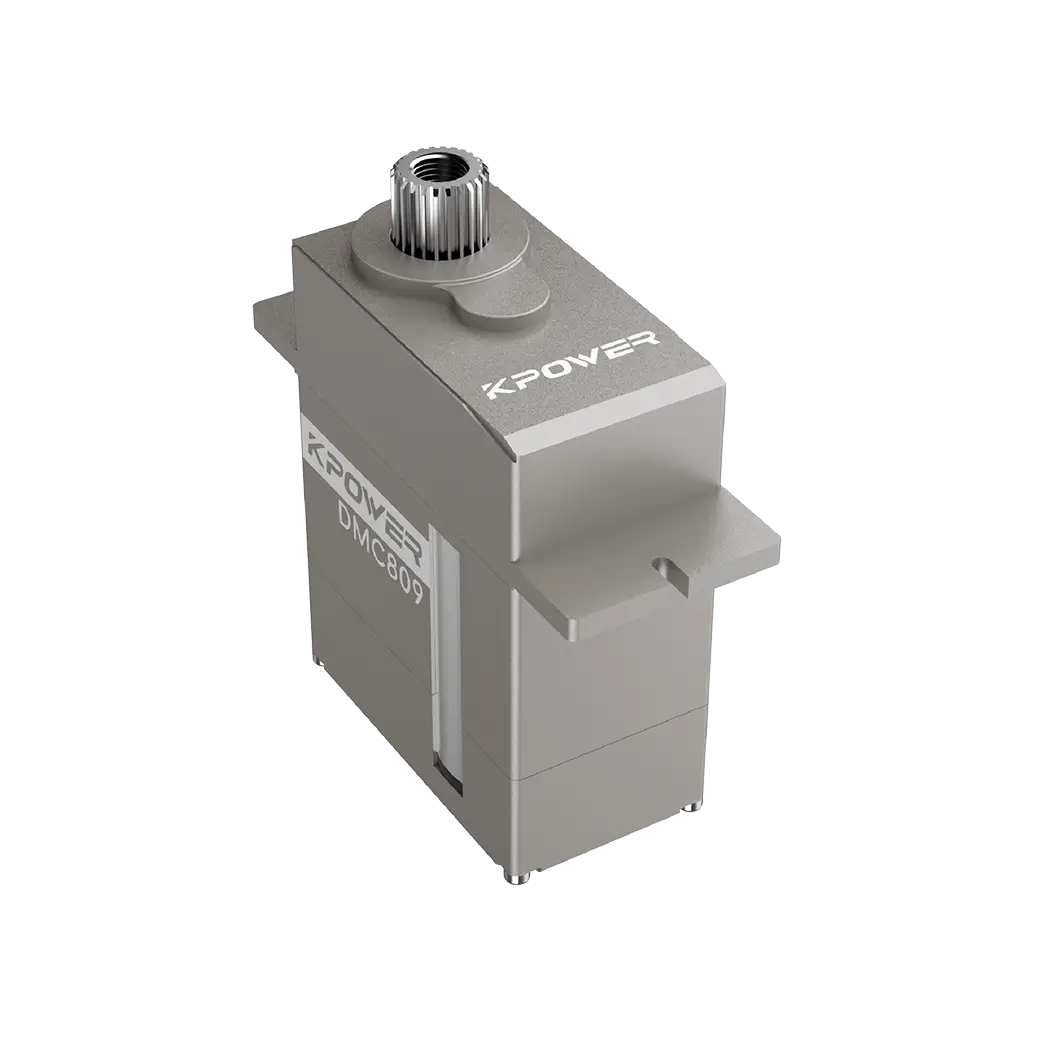
When choosing components or components that support this concept, you can pay attention to products with open interfaces, clear documentation, and support for standardized protocols. They are inherently better suited to fit into this modular ecosystem. For example, Kpower has fully considered the independence of control and communication compatibility in the design of some of its servo drive products, allowing engineers to more flexibly use them as "intelligent service nodes" in the system rather than as a closed black box.
In the final analysis, whether it is microservices in the code world or modular design in mechanical automation, the core is the same: managing complexity by splitting it. It's not about chasing technological fads, but about providing a more leisurely and flexible way to build the sophisticated systems we rely on to drive innovation.
Next time you are faced with a complicated mechatronics project sketch, maybe you can stop and ask yourself: Which of the functions in it can become an independent piece of "Lego"? Starting small and deconstructing the big may be the simple wisdom that makes the road of creation more stable and farther.
Established in 2005, Kpower has been dedicated to a professional compact motion unit manufacturer, headquartered in Dongguan, Guangdong Province, China. Leveraging innovations in modular drive technology, Kpower integrates high-performance motors, precision reducers, and multi-protocol control systems to provide efficient and customized smart drive system solutions. Kpower has delivered professional drive system solutions to over 500 enterprise clients globally with products covering various fields such as Smart Home Systems, Automatic Electronics, Robotics, Precision Agriculture, Drones, and Industrial Automation.
Update Time:2026-01-19

Contact Kpower's product specialist to recommend suitable motor or gearbox for your product.