







TECHNICAL SUPPORT


Published 2026-01-19
The Hidden Puzzle: When Your E-commerce Platform Stumbles
You know that feeling. A new product launch, traffic spikes, and suddenly your site slows to a crawl. Shopping carts abandon themselves. Payment gateways time out. It’s not just a glitch—it’s the architecture groaning under pressure. Many growing online businesses hit this wall. The monolithic system that once served you well now feels like a tangled knot, where every update is a risk and scaling is a guessing game.

So, what’s the exit strategy? Imagine instead a fleet of nimble, specialized units working in harmony. This is where the microservices approach enters the scene—not as a buzzword, but as a practical rebuild. Think of it like upgrading from a single, overloaded workstation to a synchronized workshop. Each core function—user management, inventory checks, order processing, payment handling—becomes an independent module. They communicate through clear protocols but operate separately. One service can be updated, scaled, or fixed without dragging the entire platform offline.
Why does this matter for day-to-day operations? Let’s walk through a scenario. It’s peak season, and your promotion goes viral. Traditionally, the surge might overwhelm your inventory service, causing a domino effect that takes down the entire checkout flow. In a microservices setup, the inventory module might bear the brunt, but the rest—like payment and user login—keep humming along. You can instantly allocate more resources just to that struggling module, while customers elsewhere complete their purchases smoothly. It’s damage control, without the total blackout.
But how do you transition without chaos? It starts with mapping your business flows. Identify the choke points—where do delays usually happen? Which features change most often? Those are your candidates for independent services. The goal isn’t to break everything apart overnight, but to strategically decouple. Start with a non-critical but high-traffic function, like product recommendations or review ratings. Containerize it, set its communication rules, and let it run. Observe. Tune. This iterative shift reduces risk and lets your team adapt gradually.
You might wonder, “Won’t this complicate things?” It’s a fair concern. More services mean more moving parts. Coordination is key—and that’s where robust tooling and a clear design philosophy come in. Each service should own its data and expose only what’s necessary through well-defined APIs. It’s like giving each department in a company its own secure workspace, with controlled access points for collaboration. Done right, it actually simplifies long-term maintenance. Teams can focus on their domain without stepping on each other’s code.
And what about reliability? A well-architected microservices ecosystem embraces failure as a given. Circuits breakers prevent cascading failures. Load balancers distribute traffic intelligently. Monitoring becomes granular—you’re not just checking if the “site is up,” but tracking the health of each service. When an issue arises, you pinpoint it immediately: “Ah, the shipping calculator is responding slowly due to carrier API delays.” The fix is focused, not a frantic site-wide scramble.
Let’s ground this with a tangible example. Consider a midsized retailer using a legacy platform. During flash sales, their checkout would often freeze because inventory validation locked the entire database. After re-architecting with a microservices mindset, they extracted inventory checks into a dedicated service. Now, even if that service gets queued, the cart, user session, and payment services remain responsive. Customers might see a “verifying stock” message briefly, but they can still proceed to payment. Sales recovered, and customer complaints dropped noticeably. The system gained resilience because a single point of strain no longer meant a total collapse.
Choosing the right components for such an architecture is crucial. This isn’t about stacking random tech, but selecting interoperable, resilient pieces. From message queues that handle event-driven communication to container orchestration that manages deployment, each piece must be evaluated for maturity and community support. It’s less about chasing the newest trend and more about proven stability. The foundation should be services that are loosely coupled but tightly aligned with your business goals.
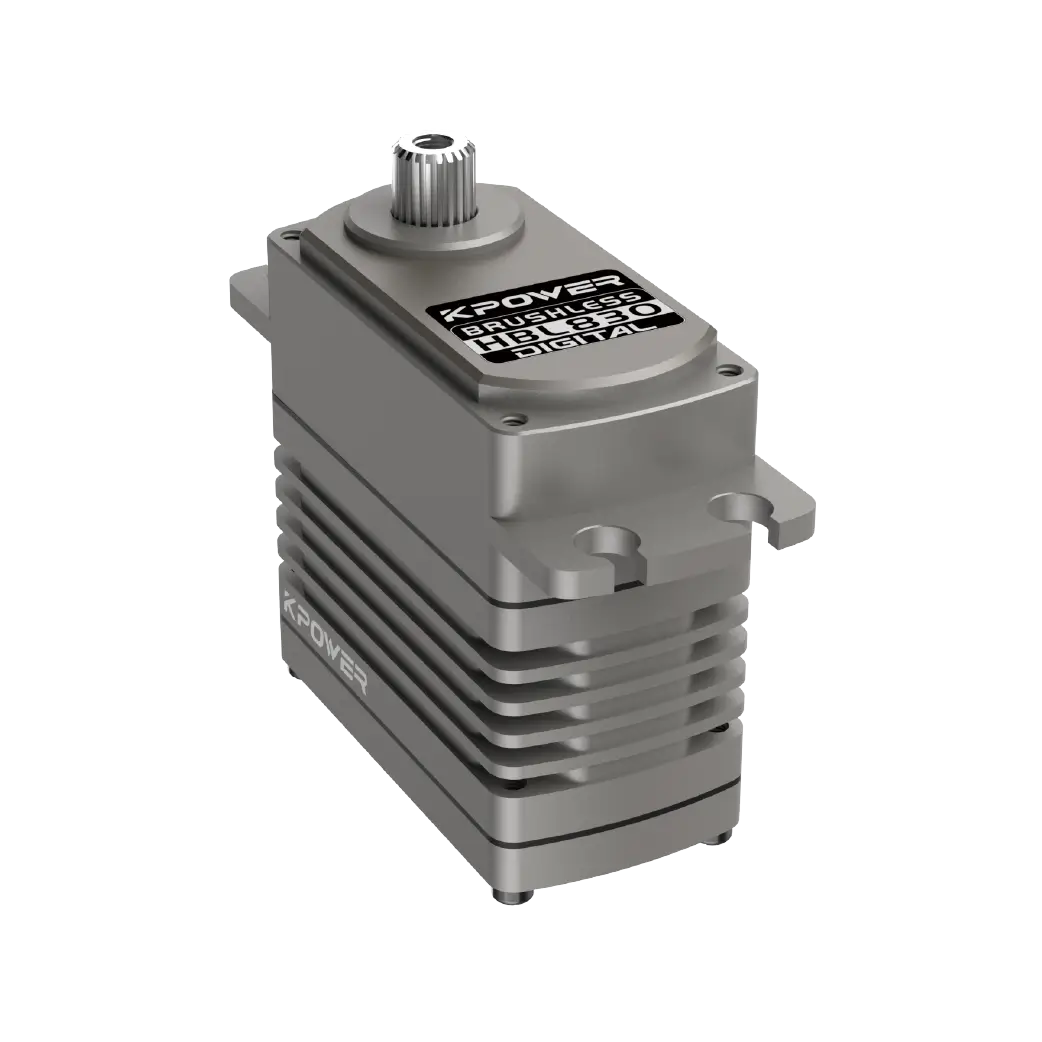
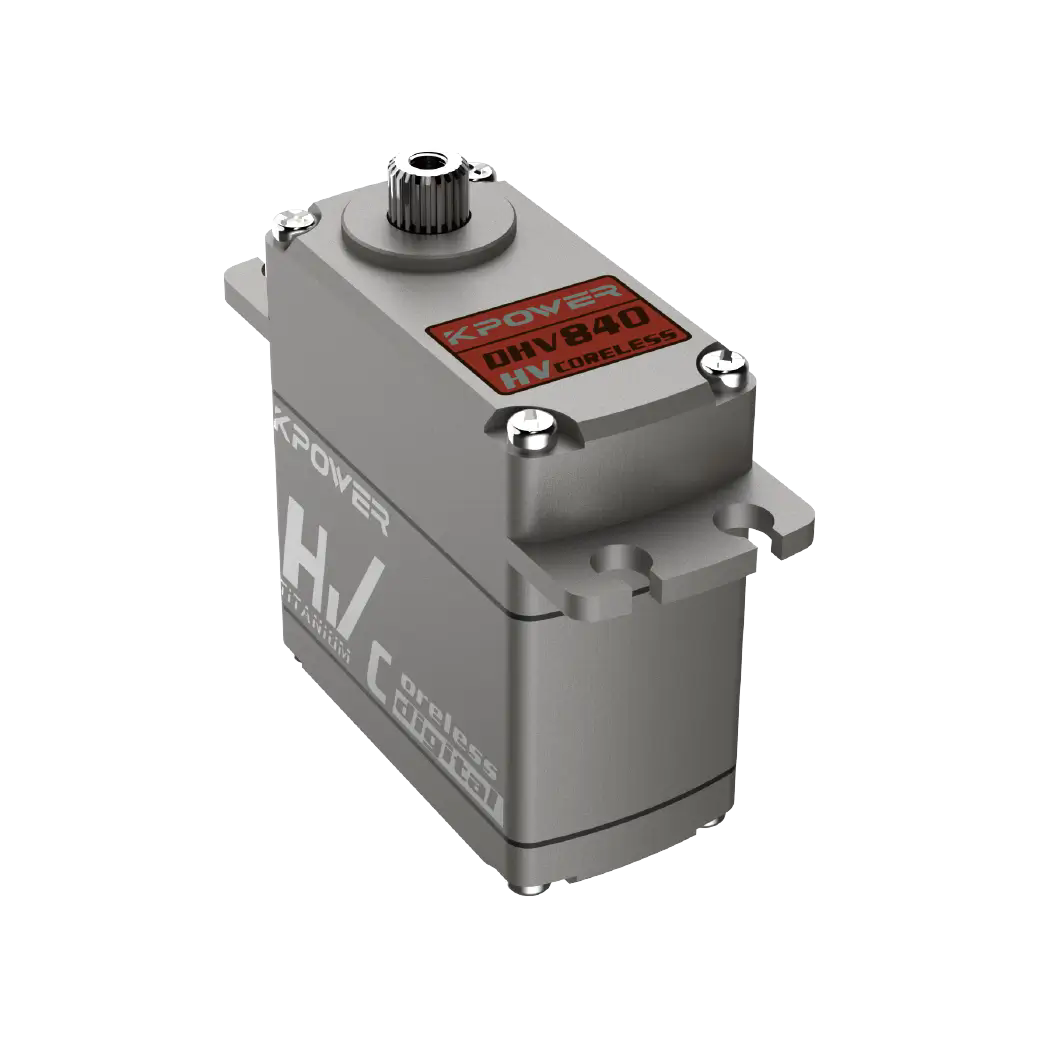
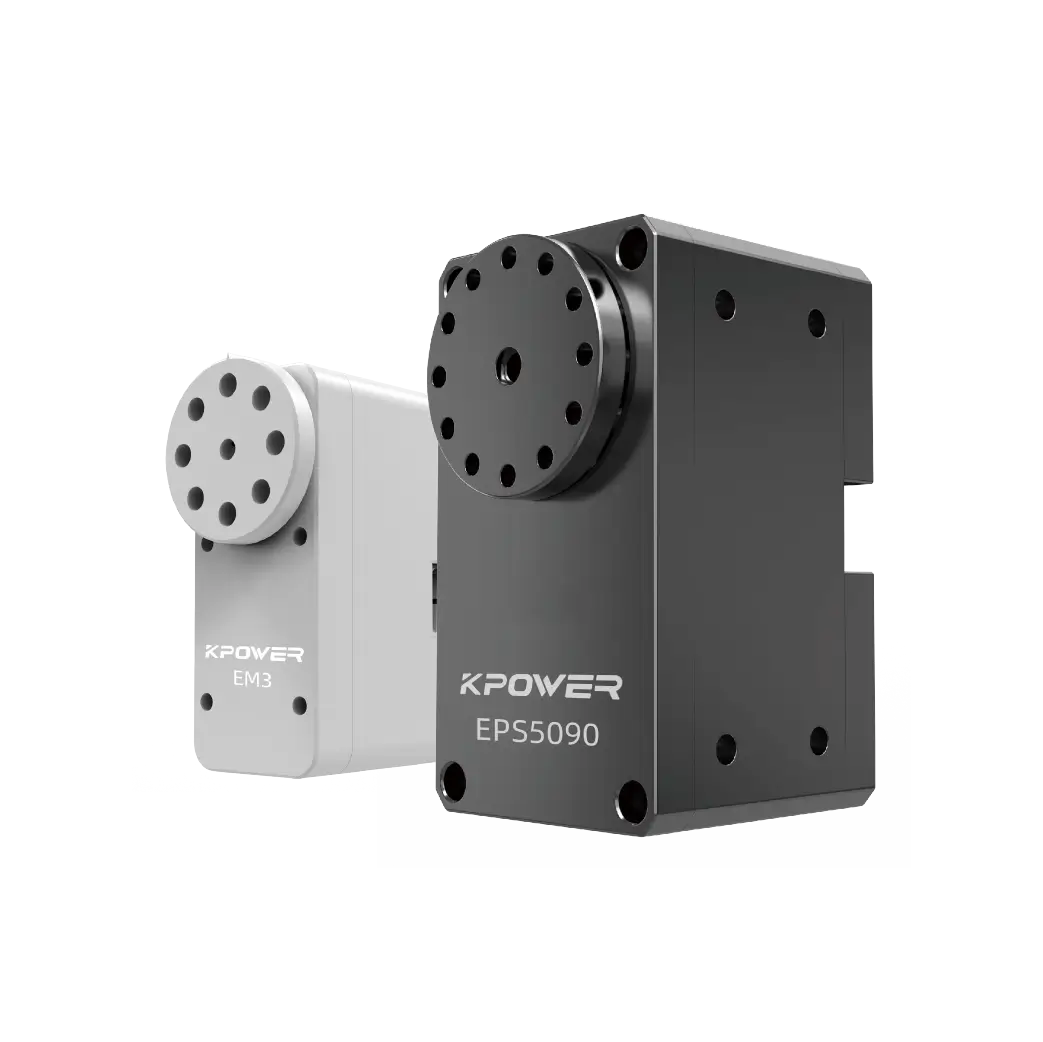
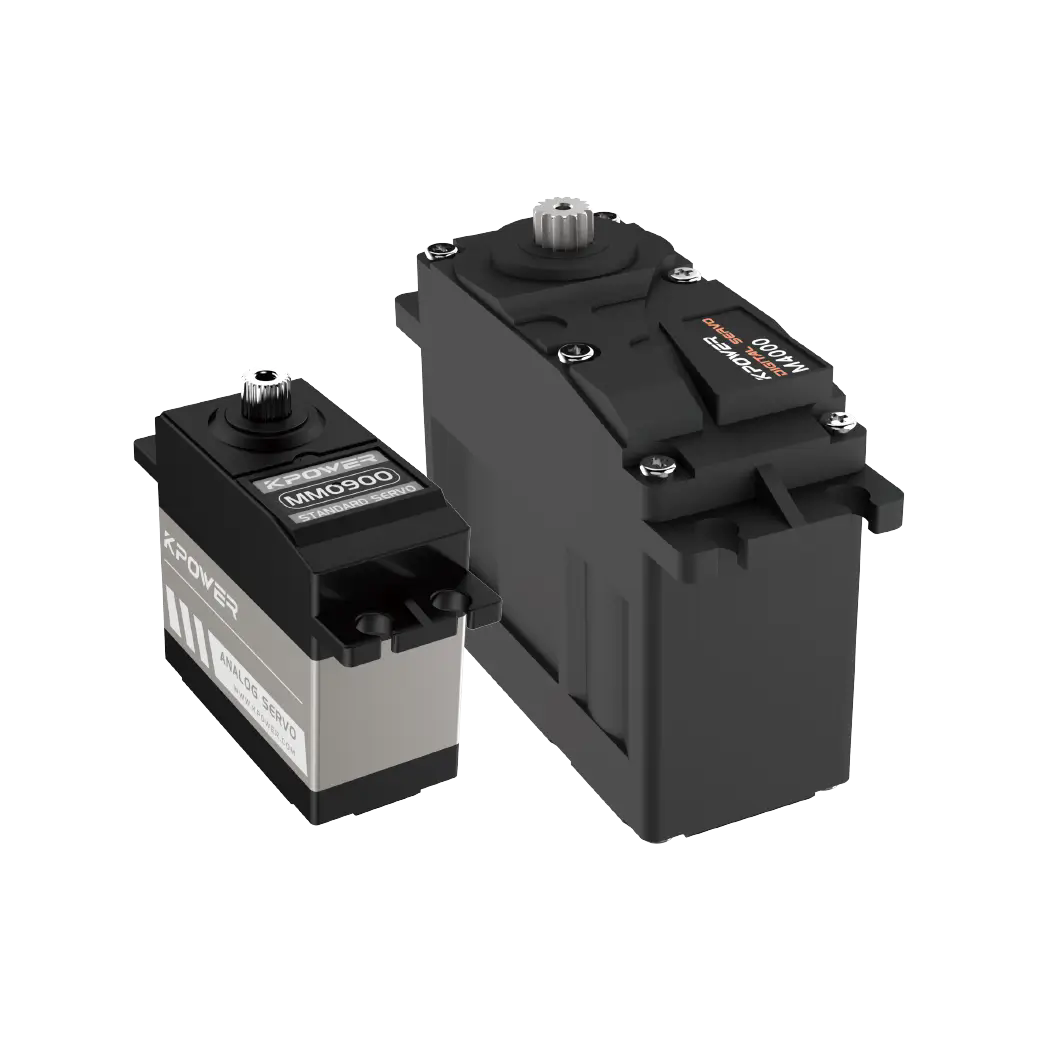
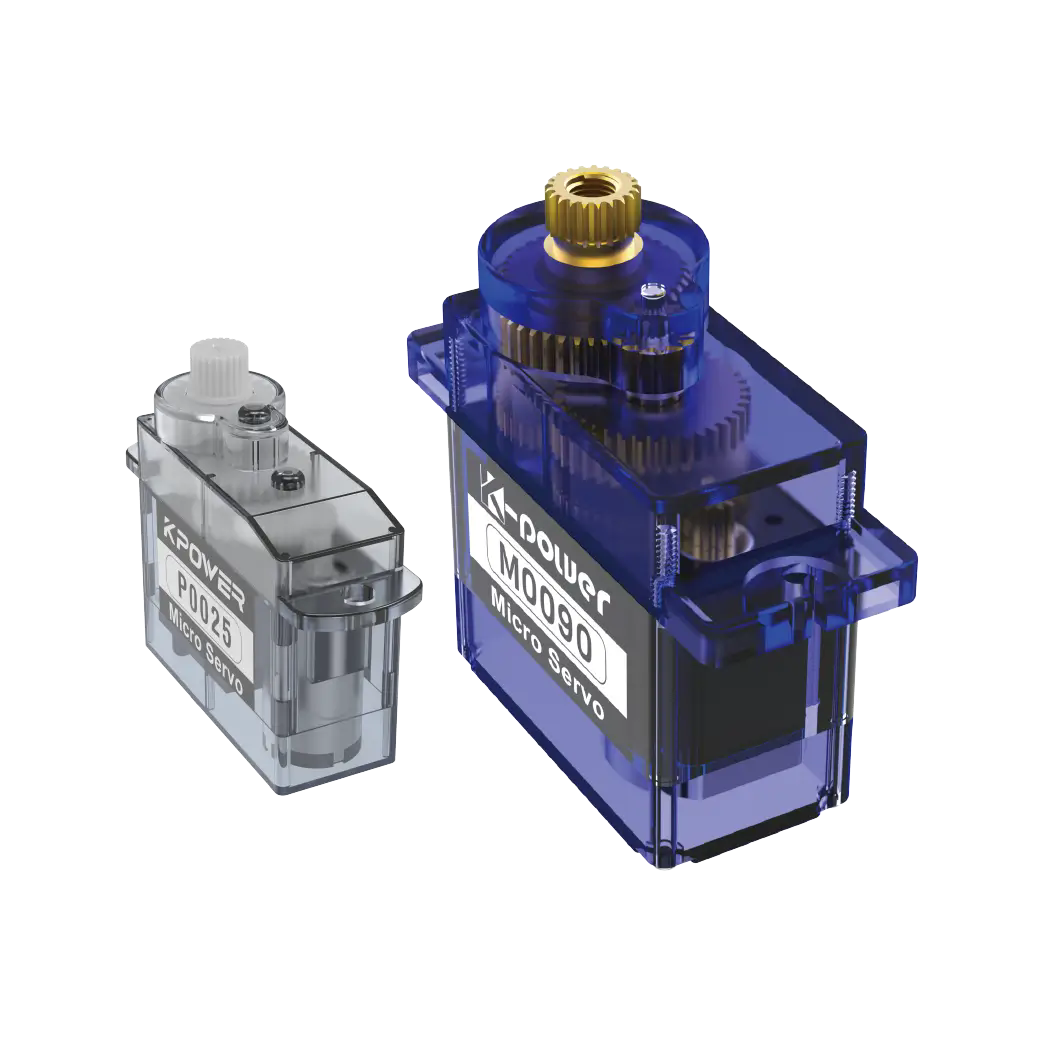
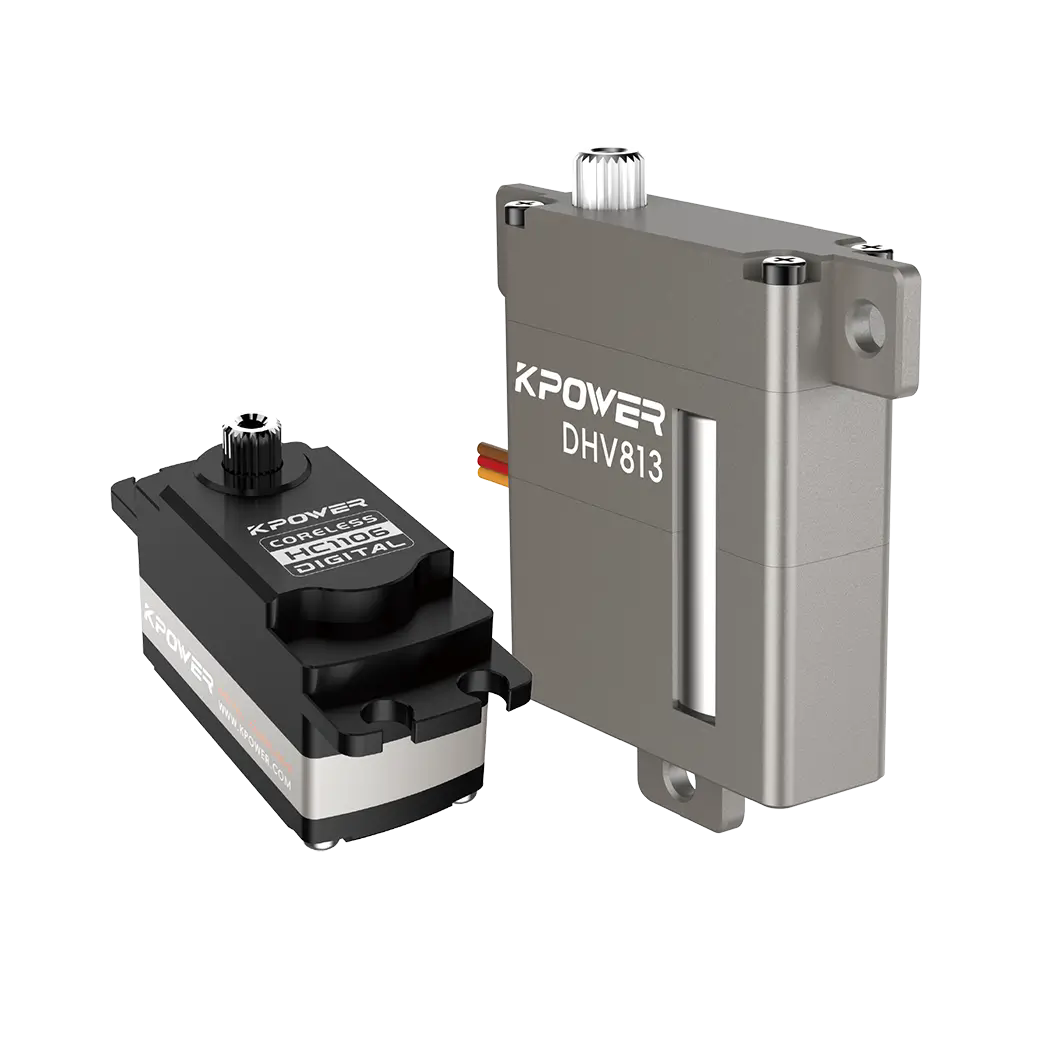
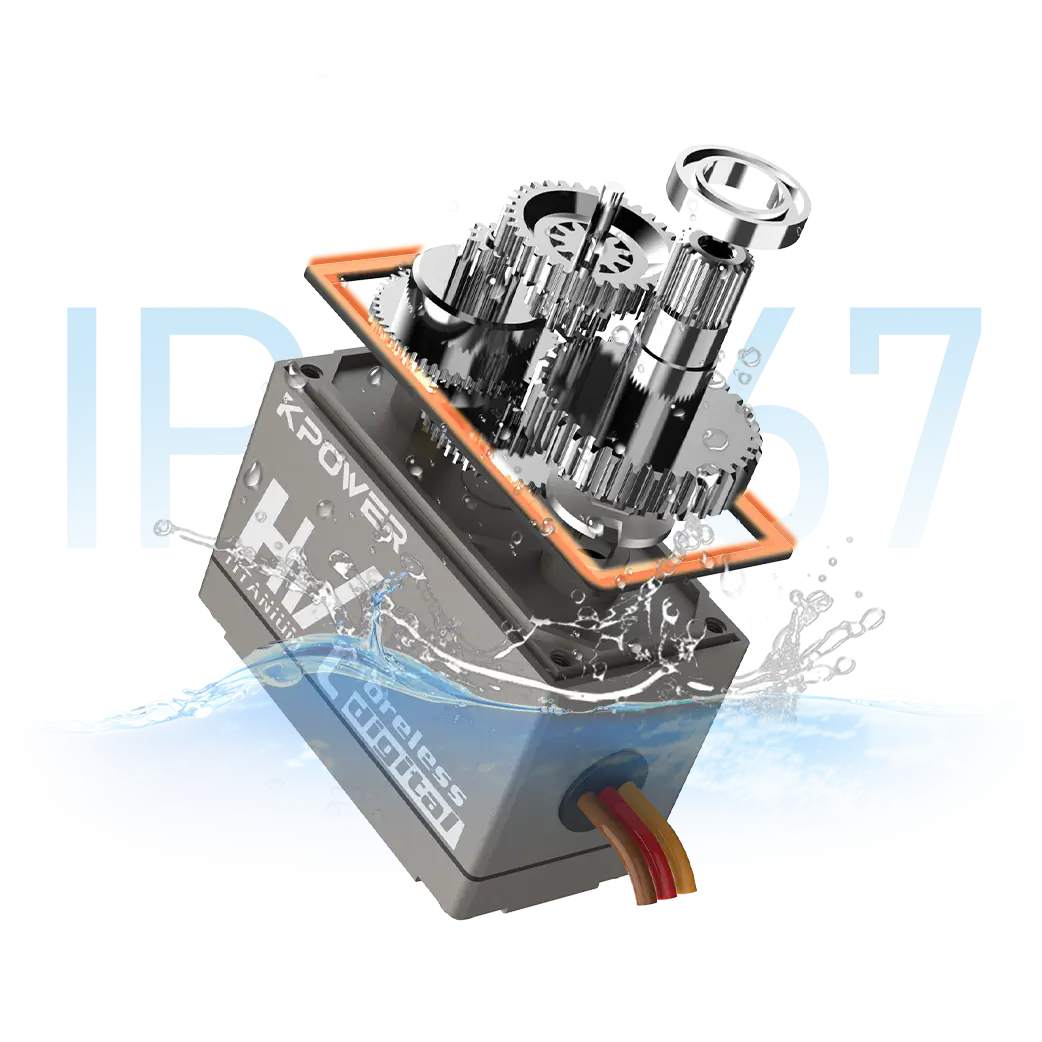
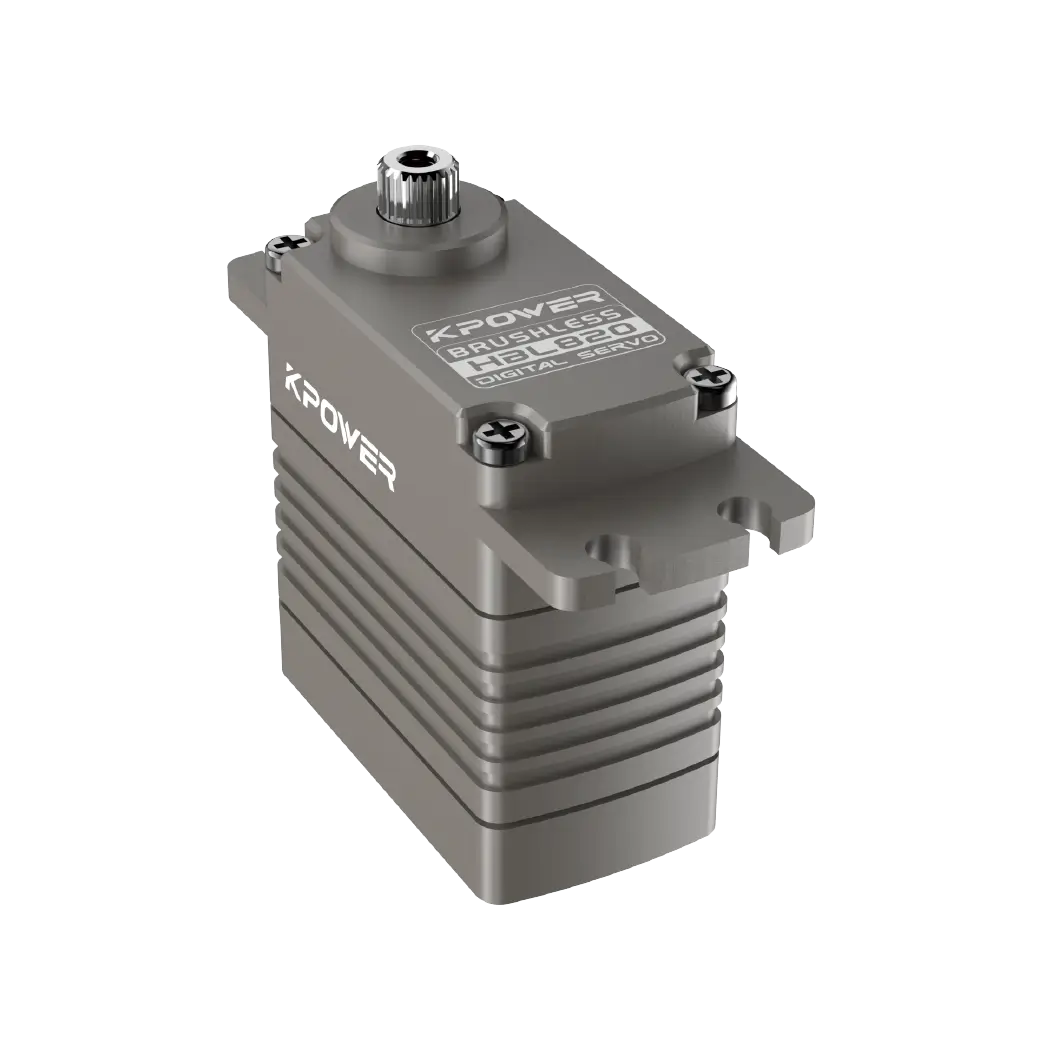
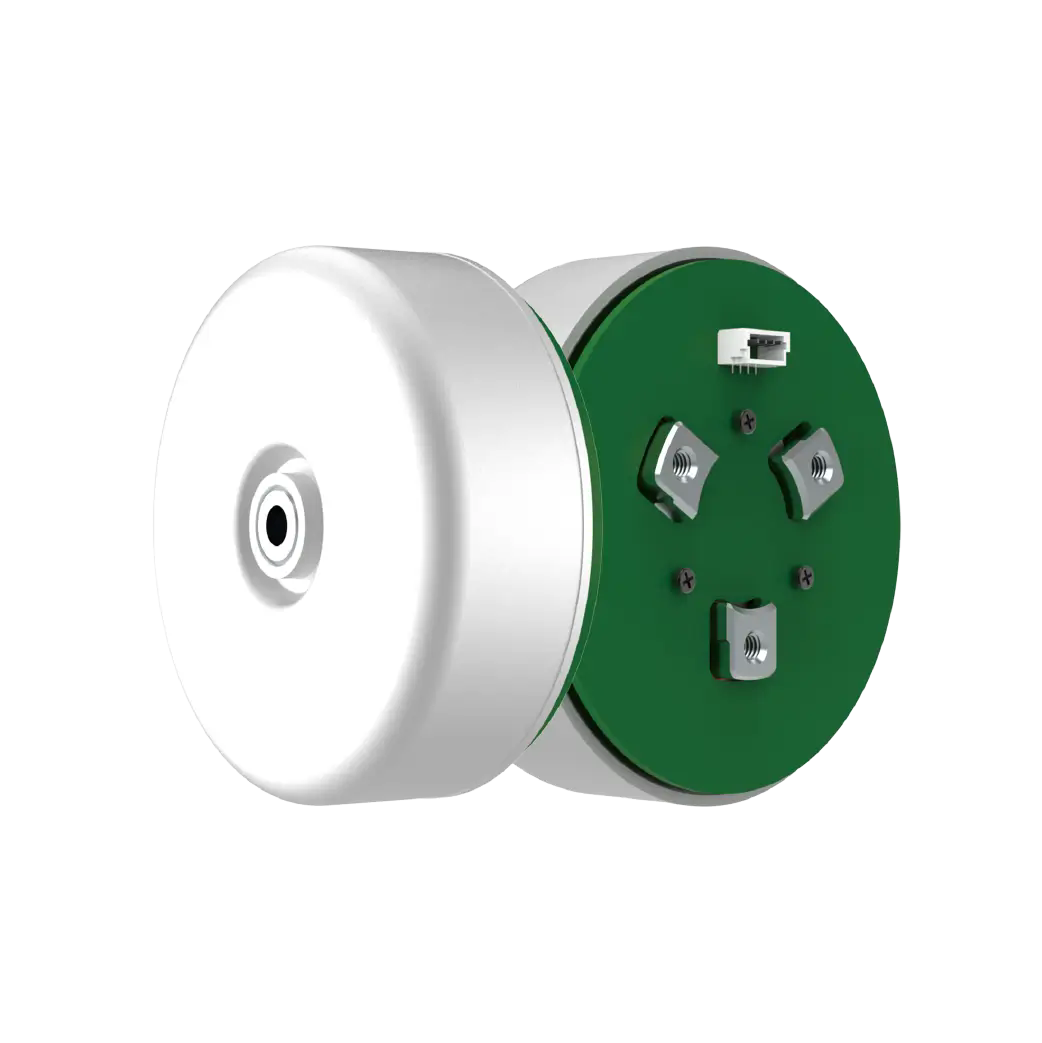
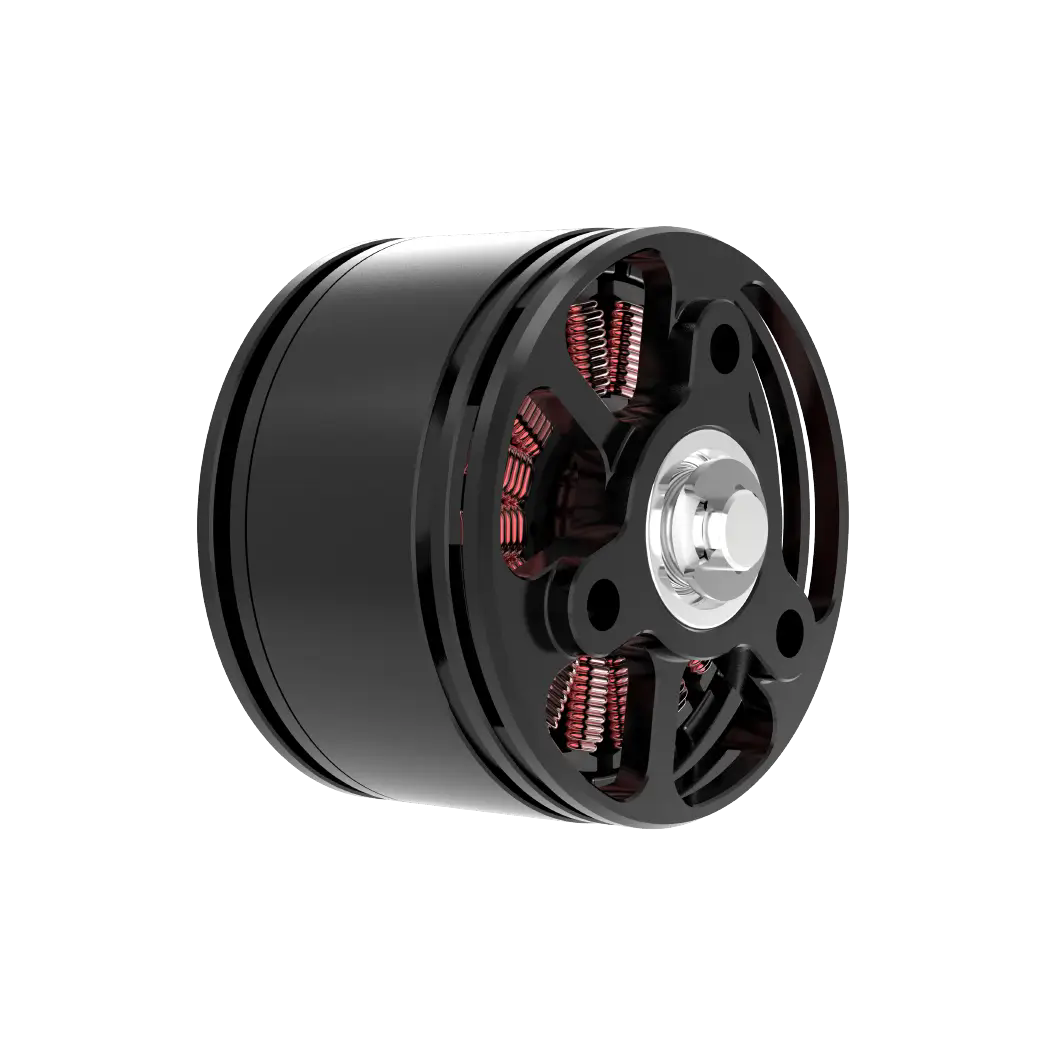
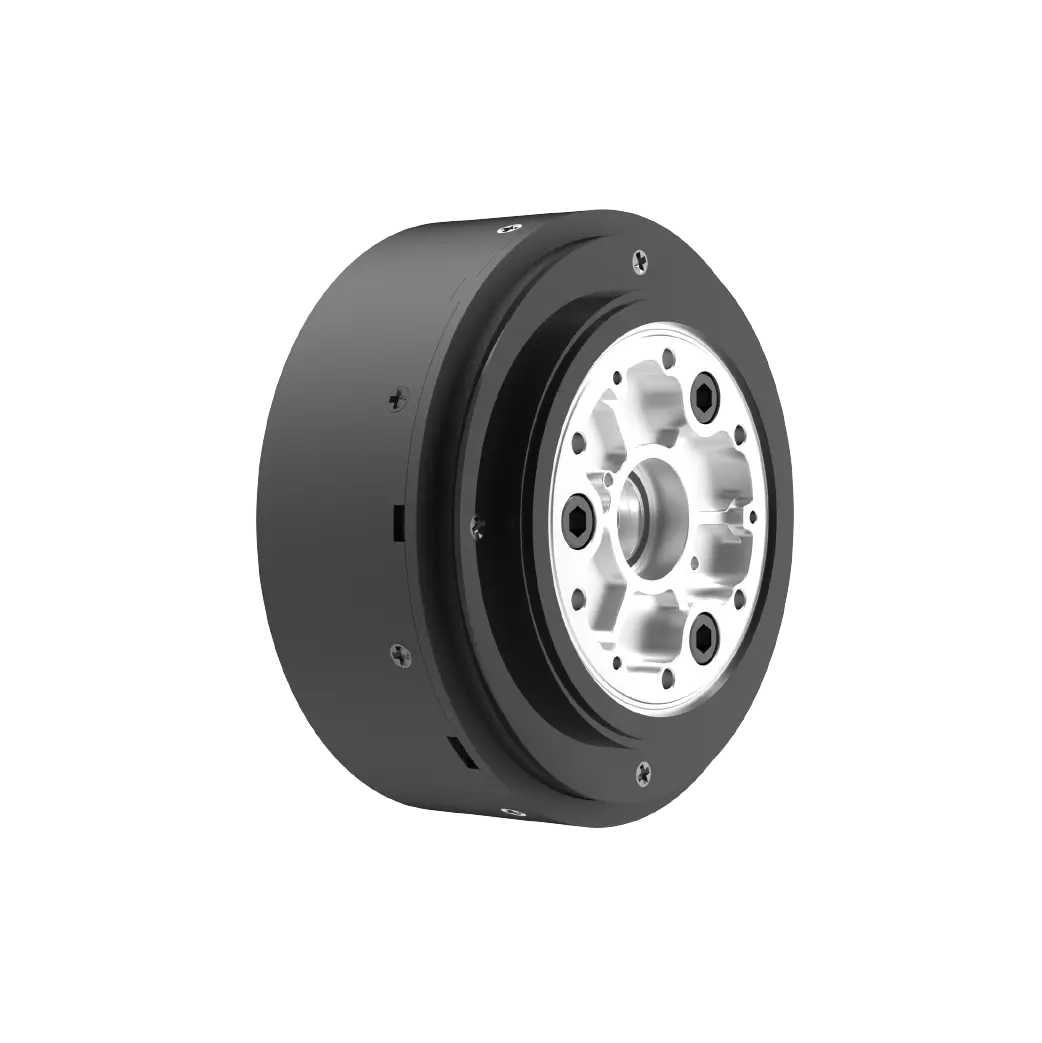
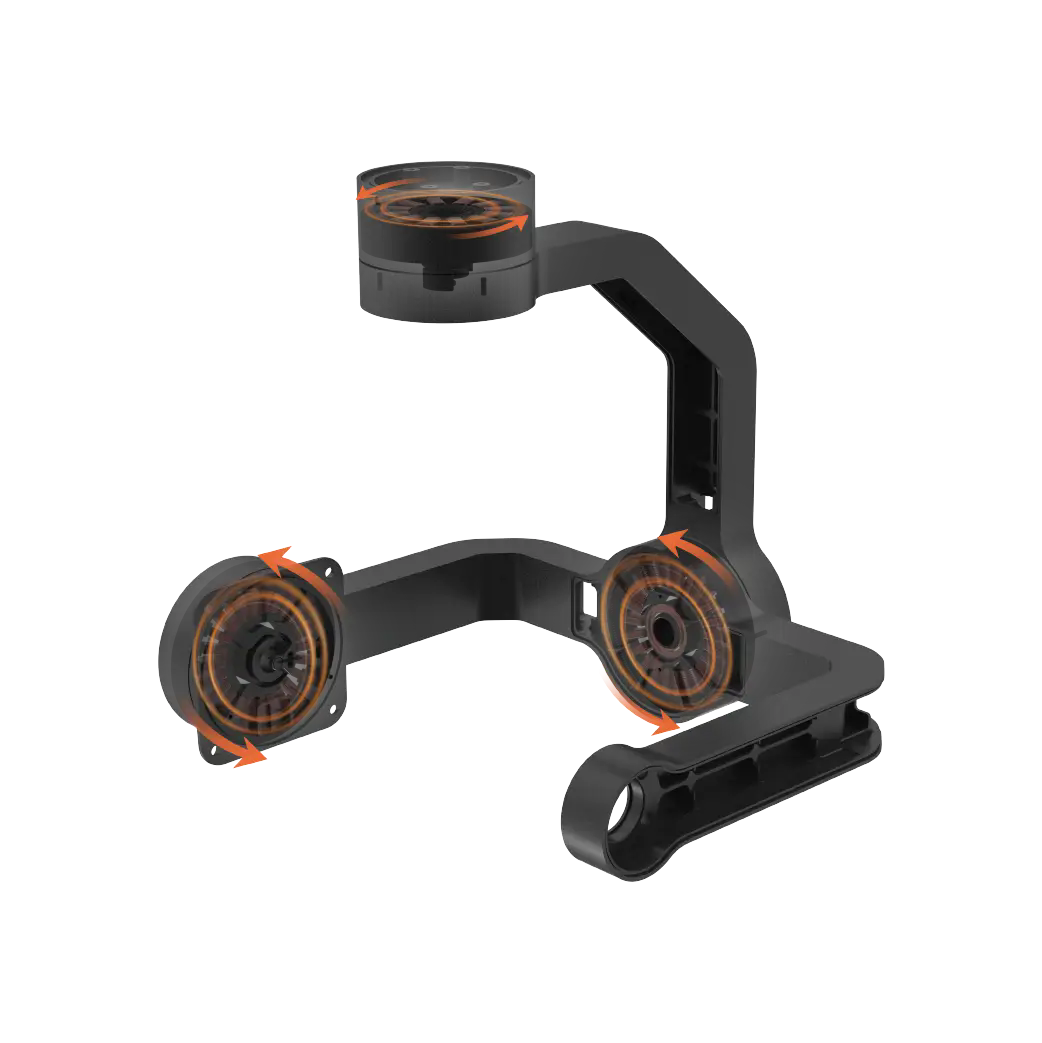
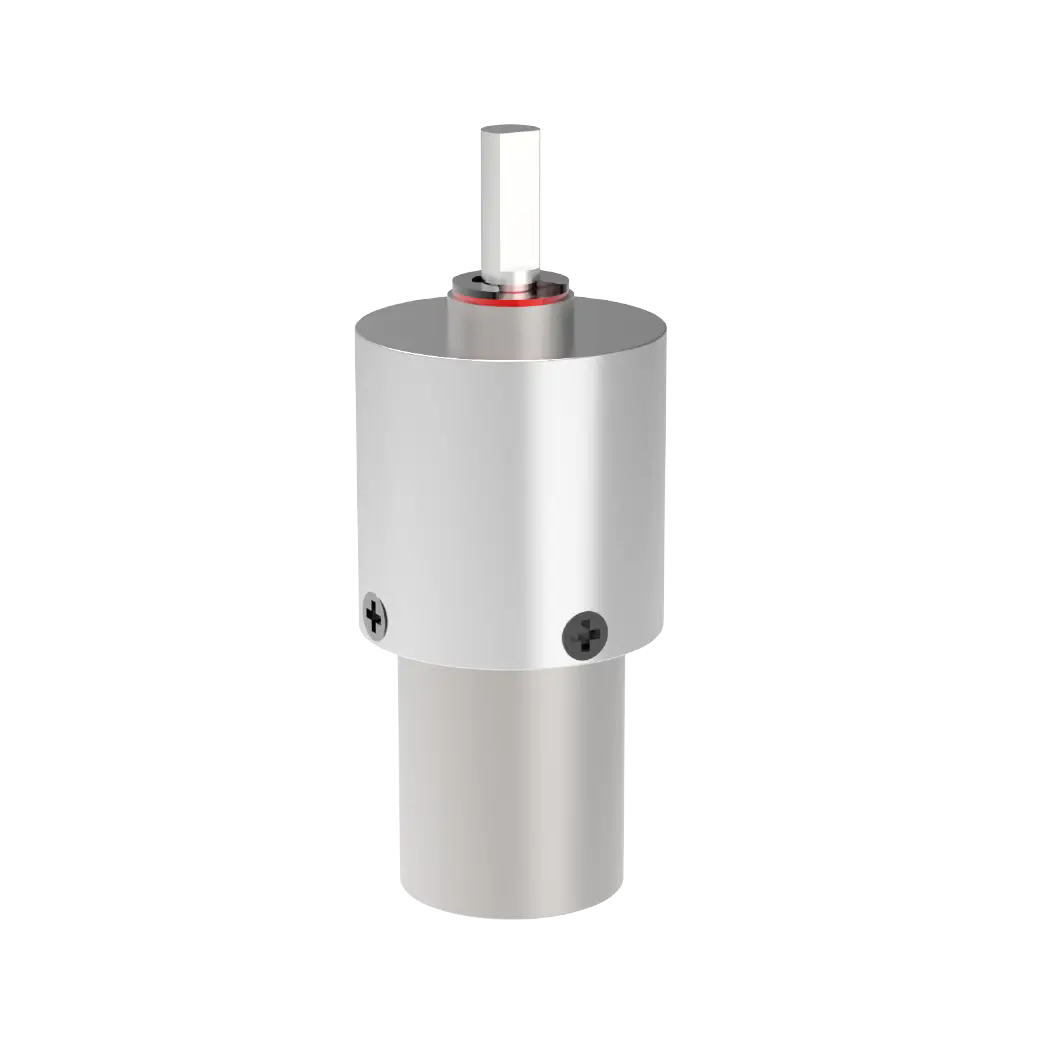
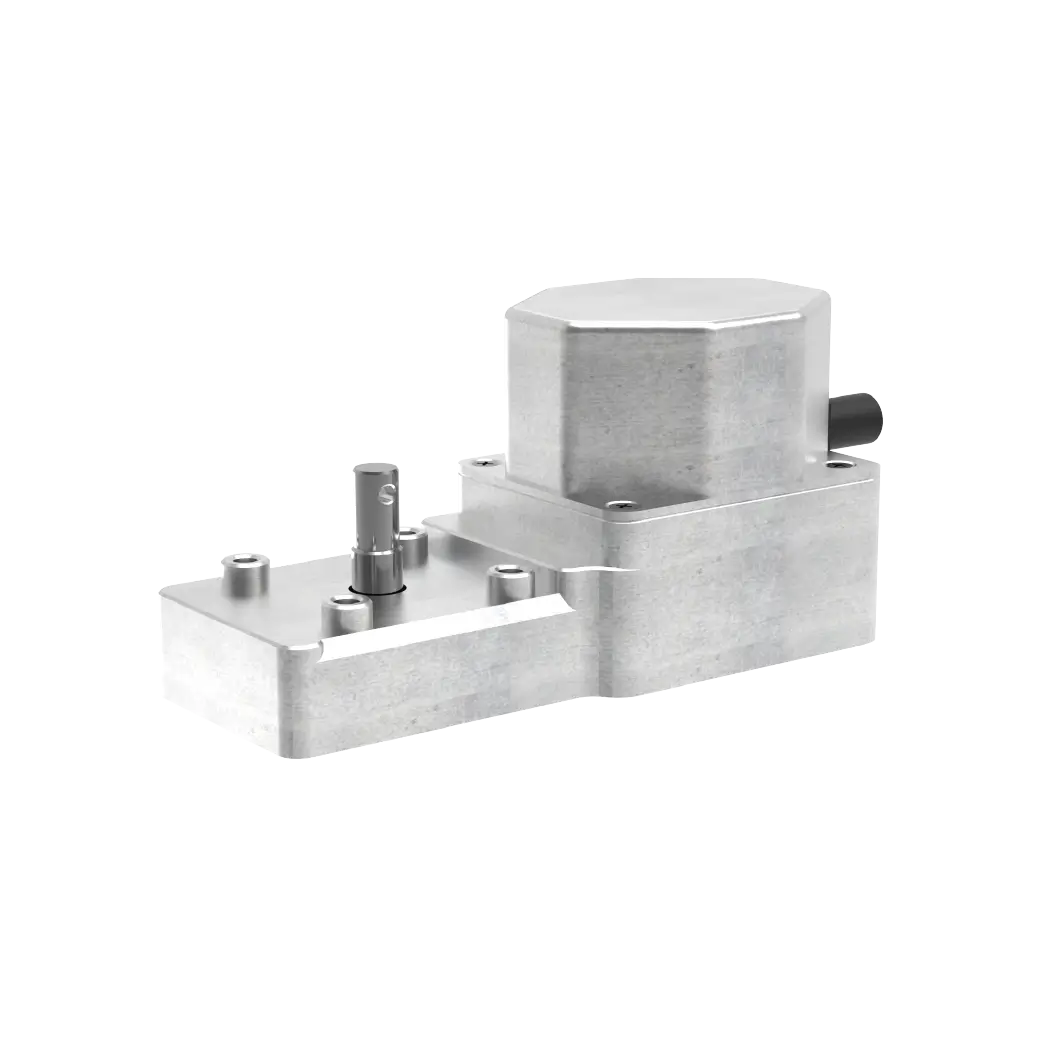
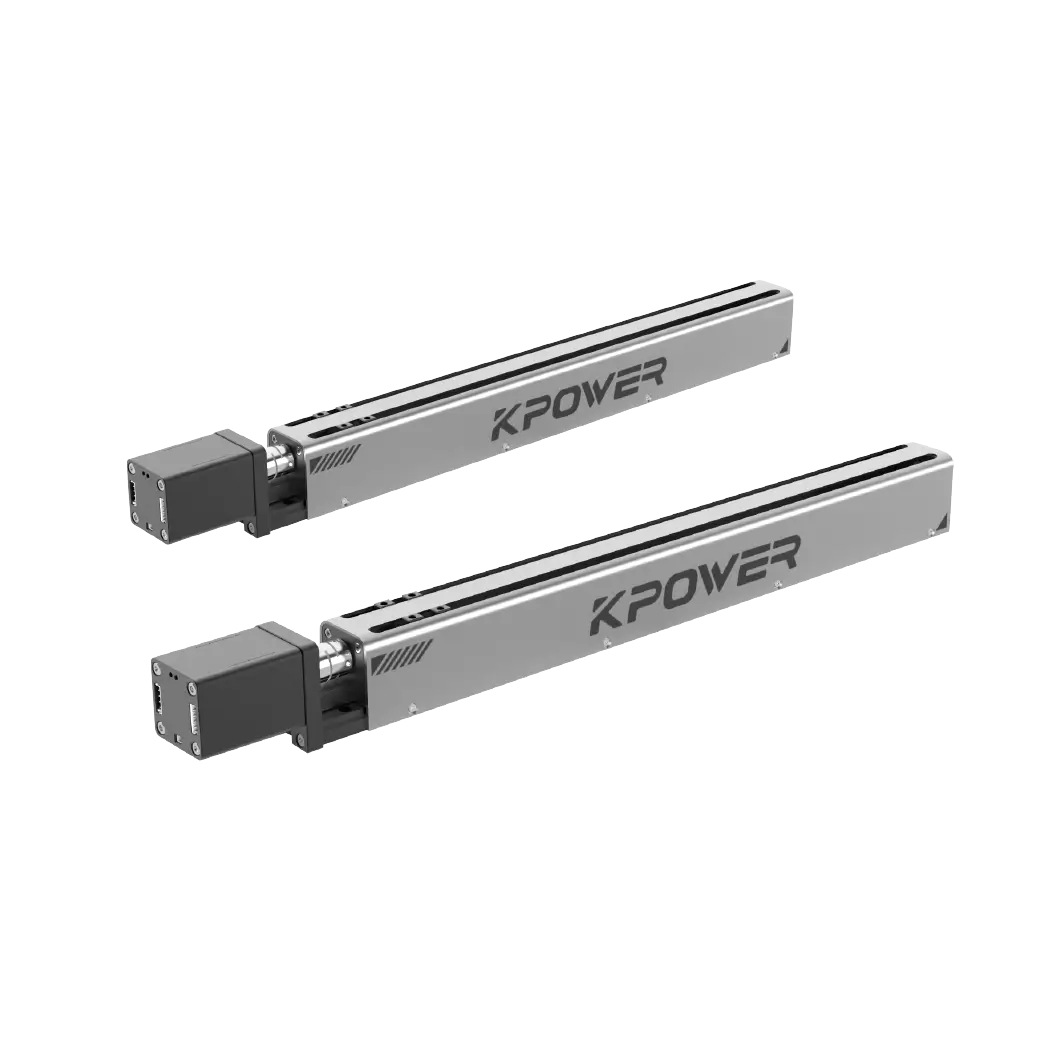
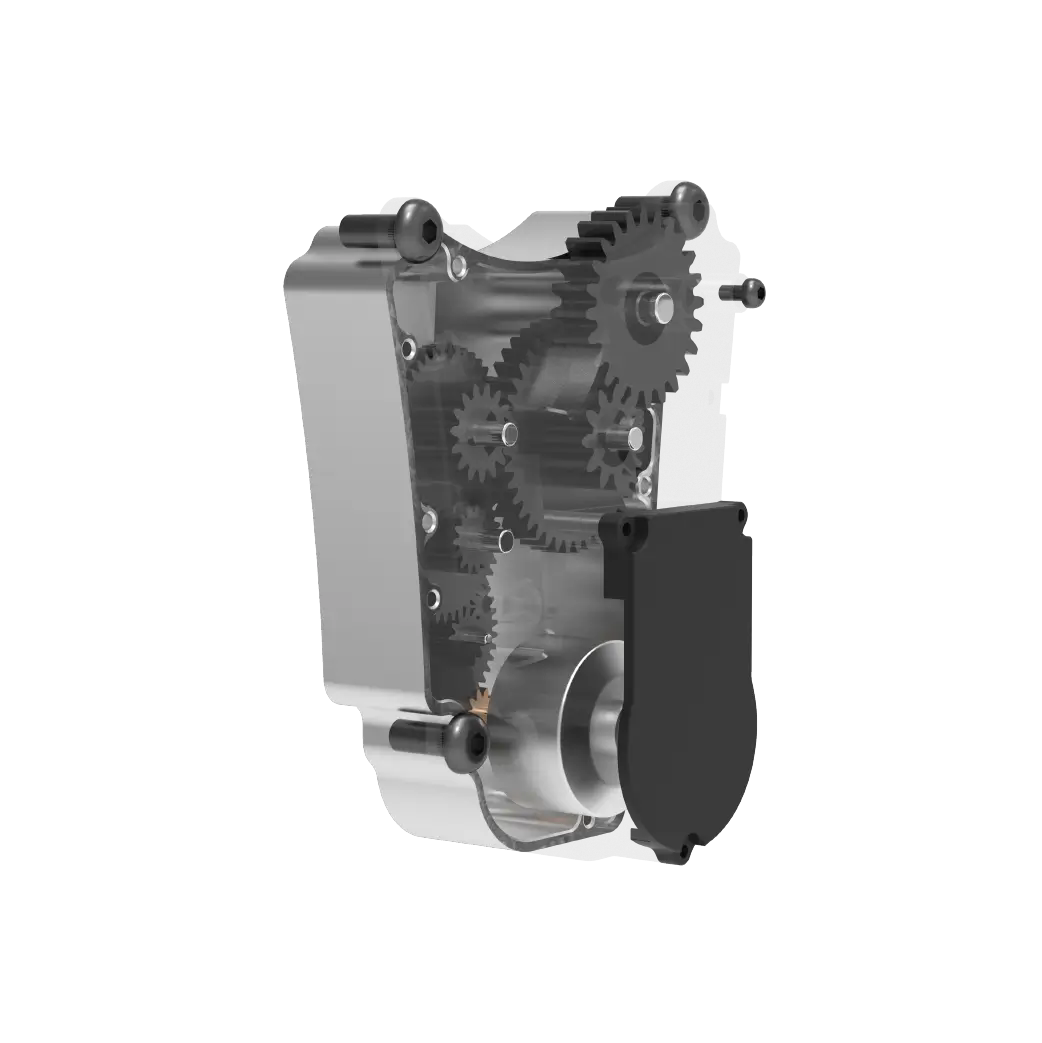
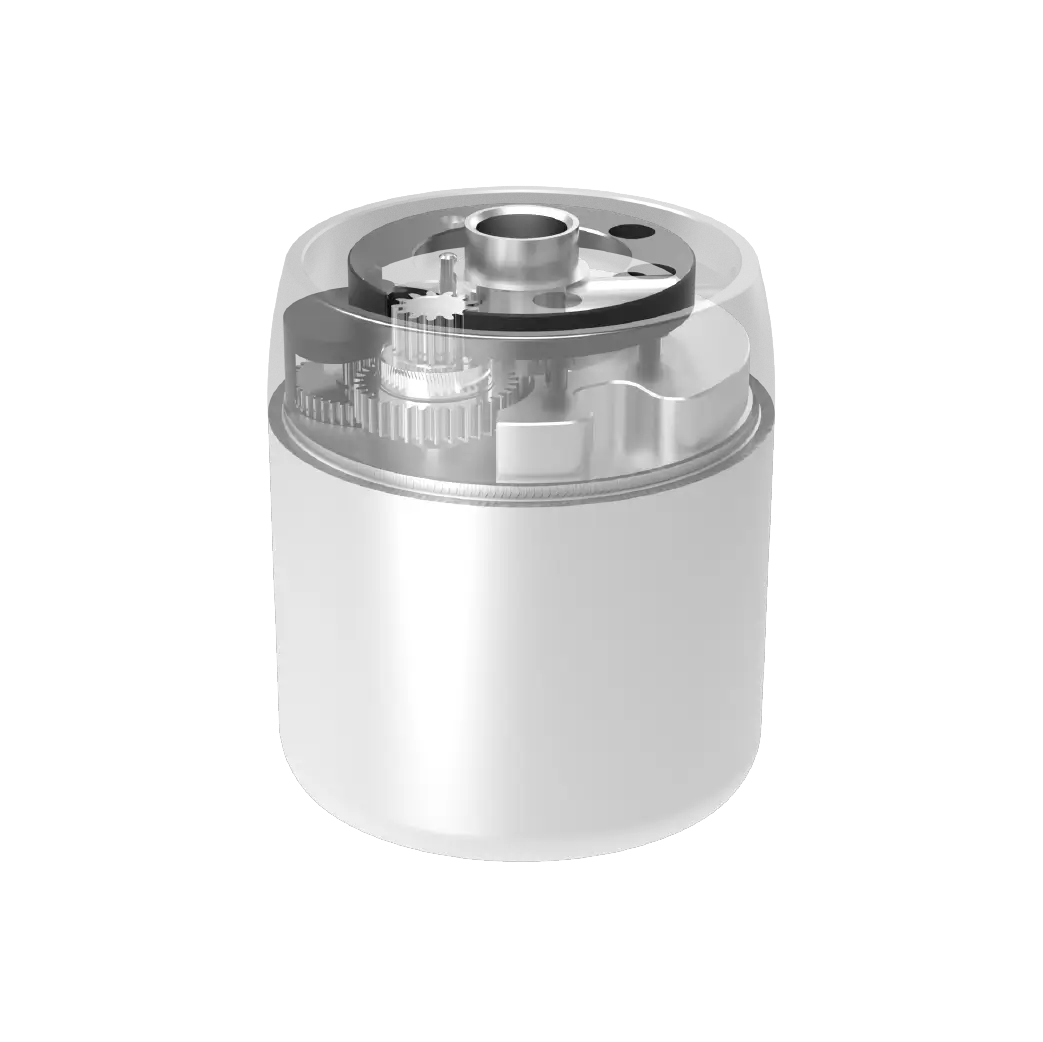
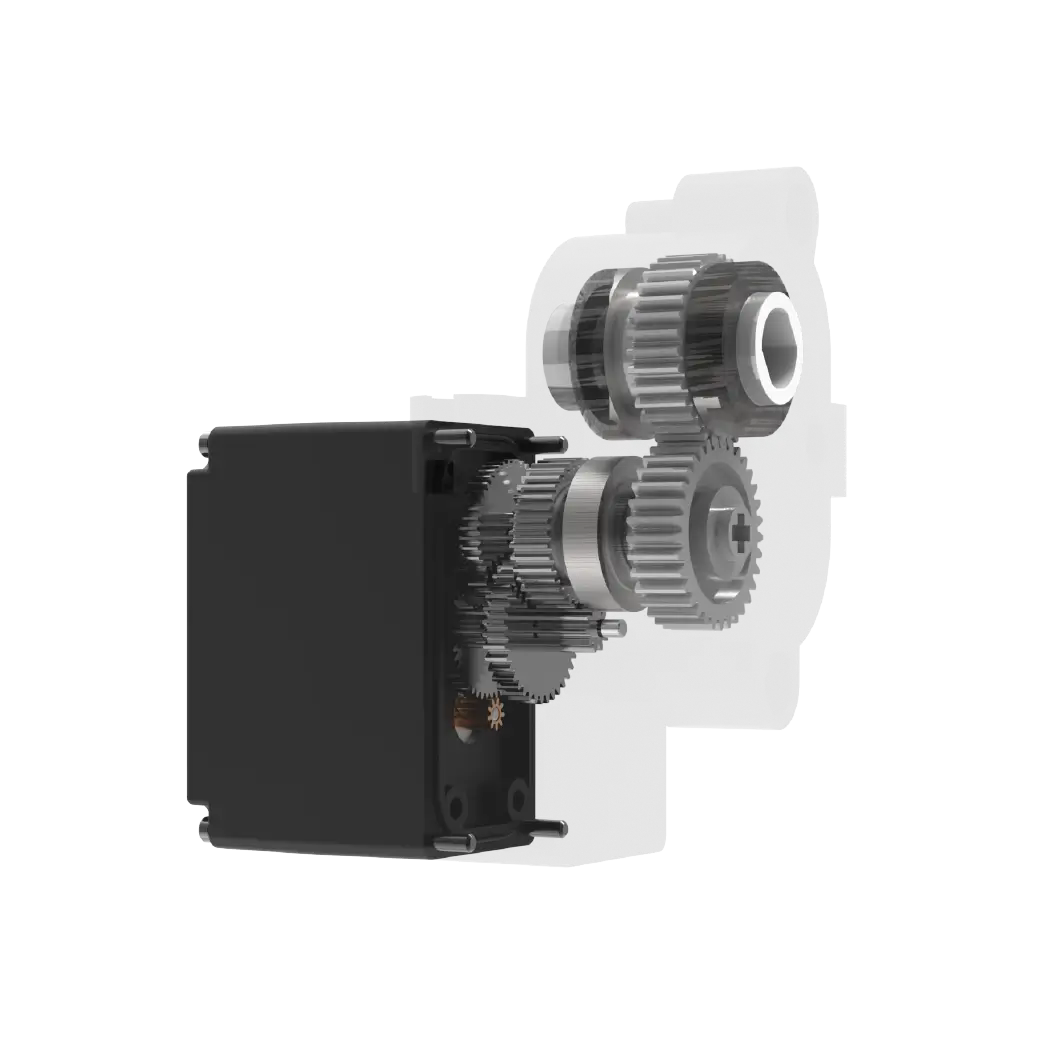
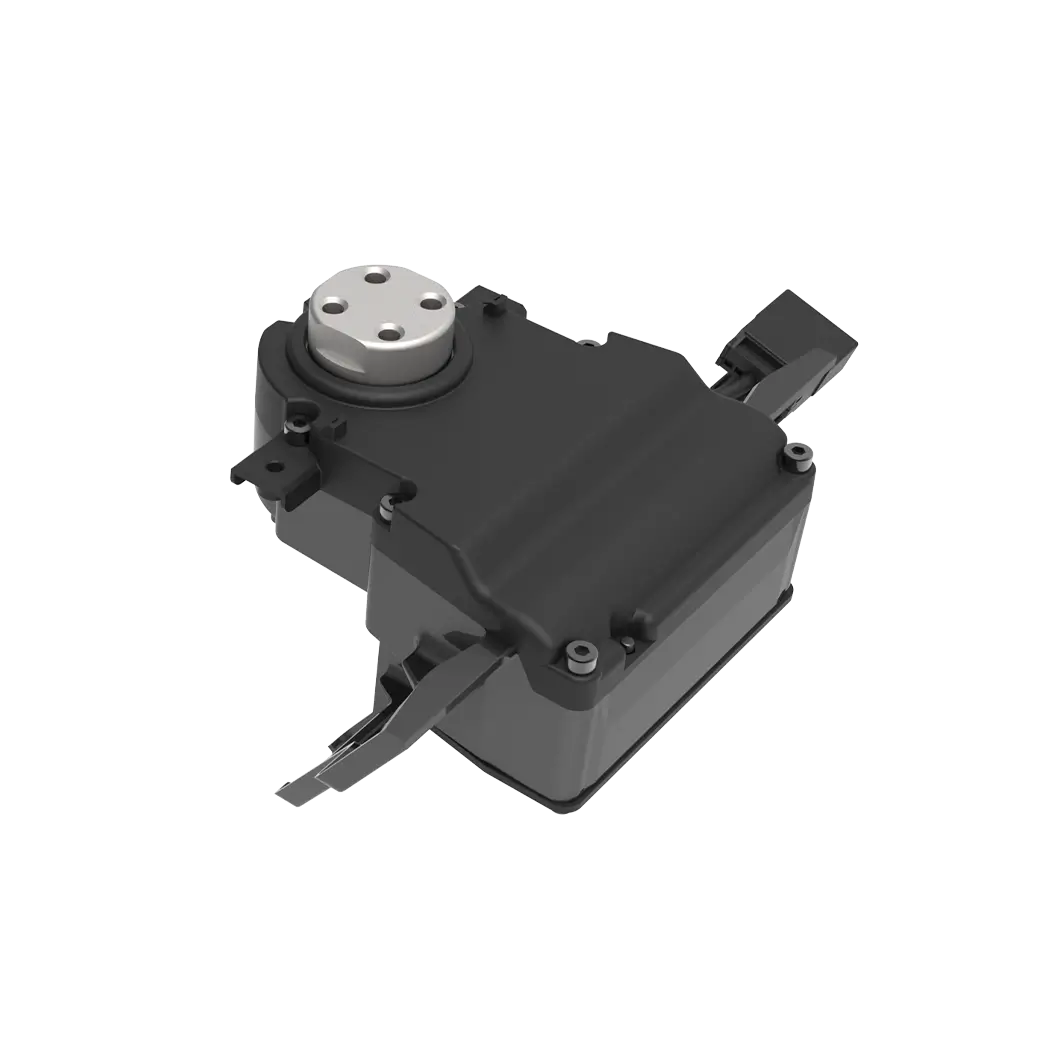
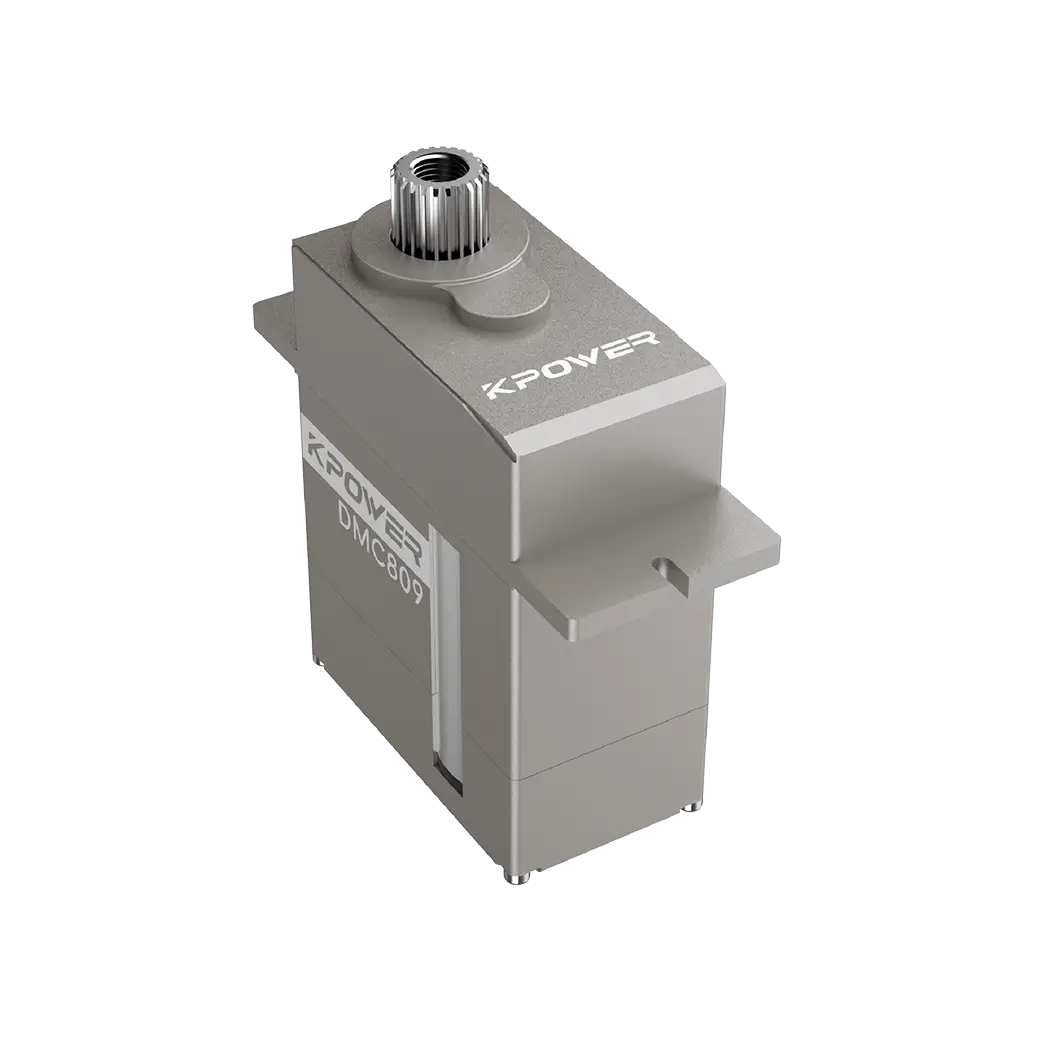
kpowerbrings this philosophy into the physical realm of motion control. Just as a digital microservice needs to perform its specific function reliably, aservomotor or actuator in an automated warehouse must execute precise movements without fail. In an e-commerce fulfillment center, for instance, a sorting arm controlled by a responsiveservosystem acts like a physical microservice—handling its task independently, yet synchronized with the inventory database and order dispatcher. The reliability, precision, and adaptability demanded in software architecture find their parallel in the mechanical components that keep the physical logistics flowing. When digital and mechanical systems are both designed with modularity and resilience in mind, the entire operation—from click to delivery—gains a seamless robustness.
Embracing this model is a shift in perspective. It asks you to view your platform not as a monolithic block, but as a collaborative assembly of specialized functions. The initial effort pays off in agility: faster feature rolls, efficient scaling, and a system that adapts as your business evolves. It turns reactive firefighting into proactive orchestration.
Your platform’s next chapter doesn’t have to be written in stress and downtime. By decomposing the whole into smart, cooperative parts, you build not just for today’s traffic, but for tomorrow’s unknown opportunities. The path forward is clearer when each piece has a purpose, the space to perform, and the means to communicate without chaos. That’s the kind of foundation that lets you focus on growth, while your systems handle the complexity quietly, competently, in the background.
Established in 2005,kpowerhas been dedicated to a professional compact motion unit manufacturer, headquartered in Dongguan, Guangdong Province, China. Leveraging innovations in modular drive technology,kpowerintegrates high-performance motors, precision reducers, and multi-protocol control systems to provide efficient and customized smart drive system solutions. Kpower has delivered professional drive system solutions to over 500 enterprise clients globally with products covering various fields such as Smart Home Systems, Automatic Electronics, Robotics, Precision Agriculture, Drones, and Industrial Automation.
Update Time:2026-01-19

Contact Kpower's product specialist to recommend suitable motor or gearbox for your product.