







TECHNICAL SUPPORT


Published 2026-01-19
You know that feeling, right? You have a project humming along, everything seems fine, then—bam. A tiny motor glitches, a feedback loop stutters, and the whole elegant dance of your machine goes sideways. It’s frustrating. Often, the culprit isn’t the grand vision, but the small, critical parts that make movement possible. That’s where the real story begins.
So, how do you prevent the small things from derailing the big picture? Think about building something not as one monolithic block, but as a team of specialized, talking parts. Each part handles its own job perfectly and whispers clearly to the others. That’s the heart of a smarter approach. It’s less about a single powerful component and more about creating a responsive, conversational ecosystem within your machine.
The Whispering Network: Why Talk Matters
Let’s say you’re orchestrating movement. Aservoneeds to turn to a precise angle, a motor needs to adjust its torque on the fly, and a sensor needs to report back without delay. If every command has to go through a single, overworked brain, delays and bottlenecks are inevitable. Things feel sluggish, uncoordinated.
Now imagine a different scene. Eachservo, each drive unit, is a self-sufficient expert. It knows its role intimately—position, speed, torque control. It doesn’t just wait for shouted orders; it communicates its status and receives instructions in a clean, continuous dialogue. This is what some call a microservice-style architecture, but stripped of the jargon, it’s simply about creating a team of specialized “conversationalists” inside your hardware.
The benefits are pretty tangible. Reliability goes up because if one expert has a hiccup, it doesn’t crash the whole party. The others can often adapt or work around it. Scalability becomes effortless. Need to add another axis of motion or a new sensor module? You just introduce a new conversationalist to the network. It plugs into the existing dialogue without needing to rewire the entire thought process. Updates and tweaks? You can refine one expert’s skills without shutting down the whole operation.
Choosing Your Team Members: The Art of the Specialist
Not all components are built for this kind of chat. It requires a certain intelligence and clarity. When you look for the parts that will form this whispering network, you’re not just buying a motor or a driver. You’re selecting a specialist with a particular way of working.
First, they need a clear “voice”—a well-defined, standard protocol for communication. It should be simple, robust, and something the other specialists on your team can understand without constant translation. Think of it as everyone agreeing to speak the same technical language.
Second, look for self-sufficiency. A good specialist should manage its own core responsibilities with minimal hand-holding. It handles its own error checking, its own basic logic for its specific task. This offloads work from the central controller, letting it focus on higher-level coordination.
Third, consider how they play with others. Interoperability is key. The best components are designed from the ground up to be part of a network, with clean input and output channels. They’re team players by nature.
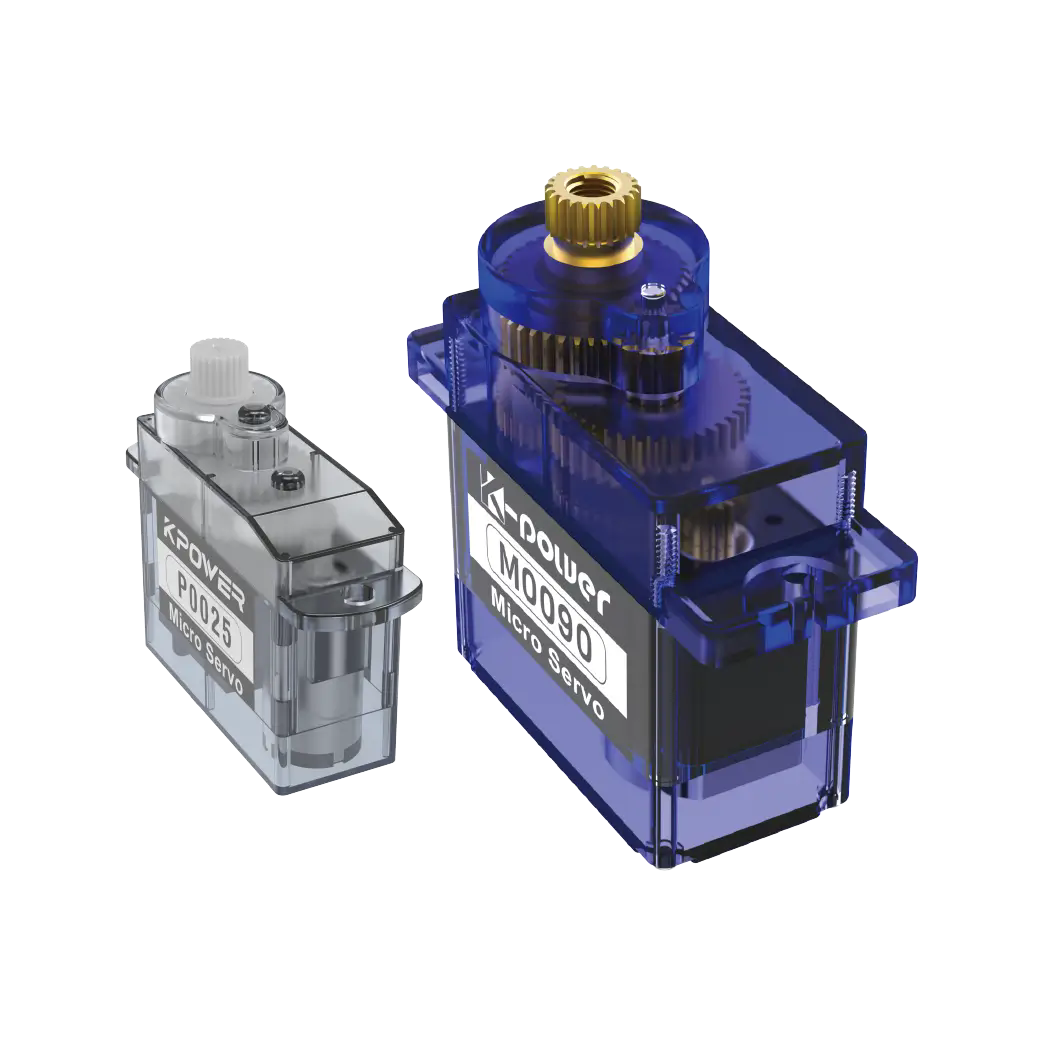
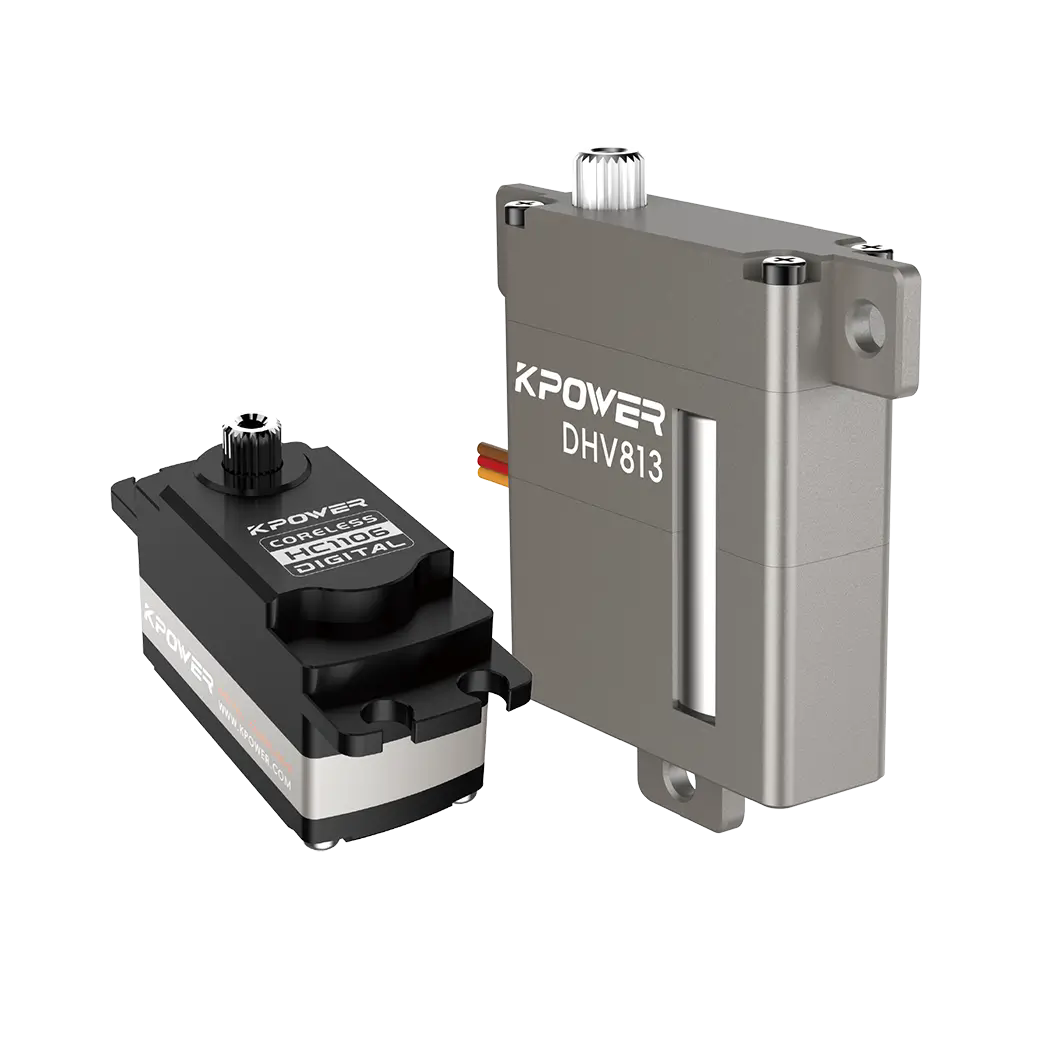
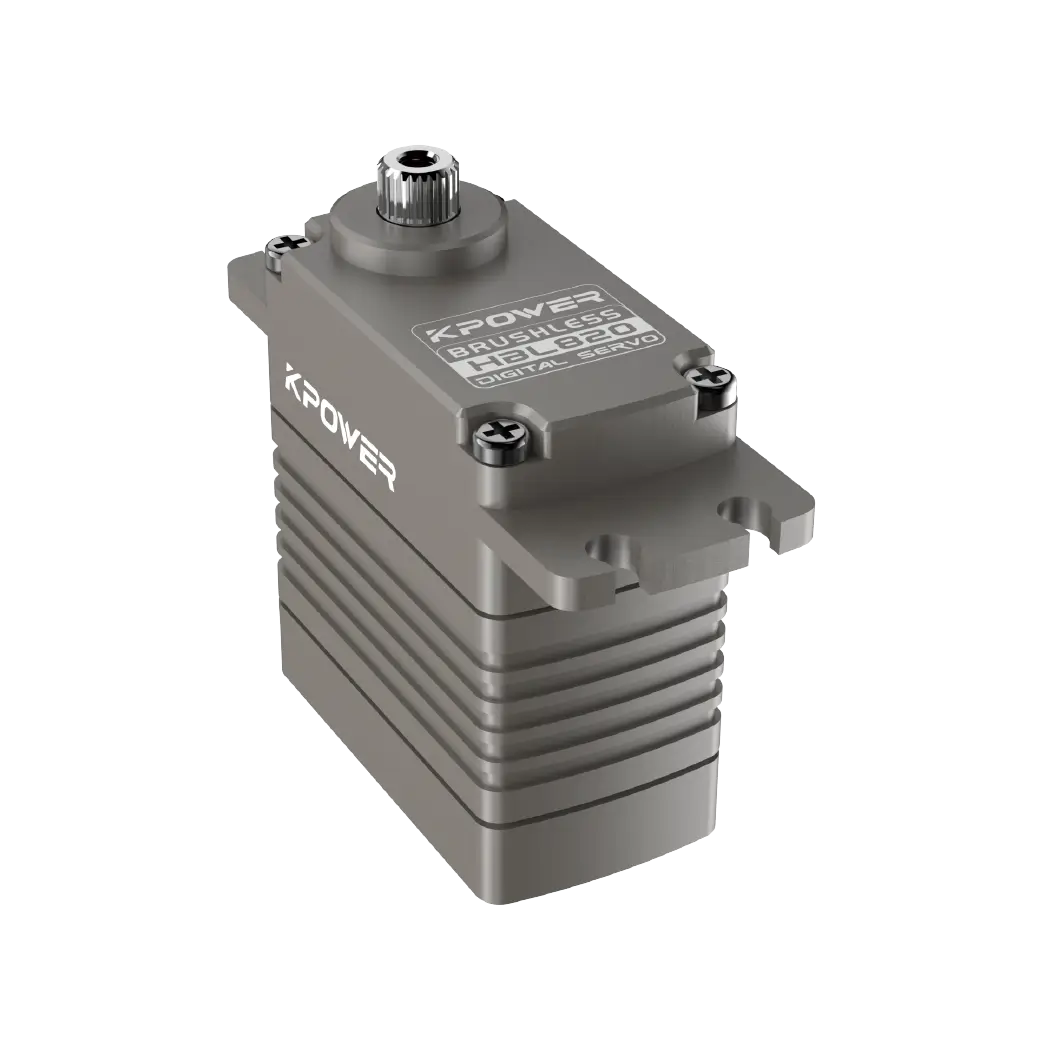
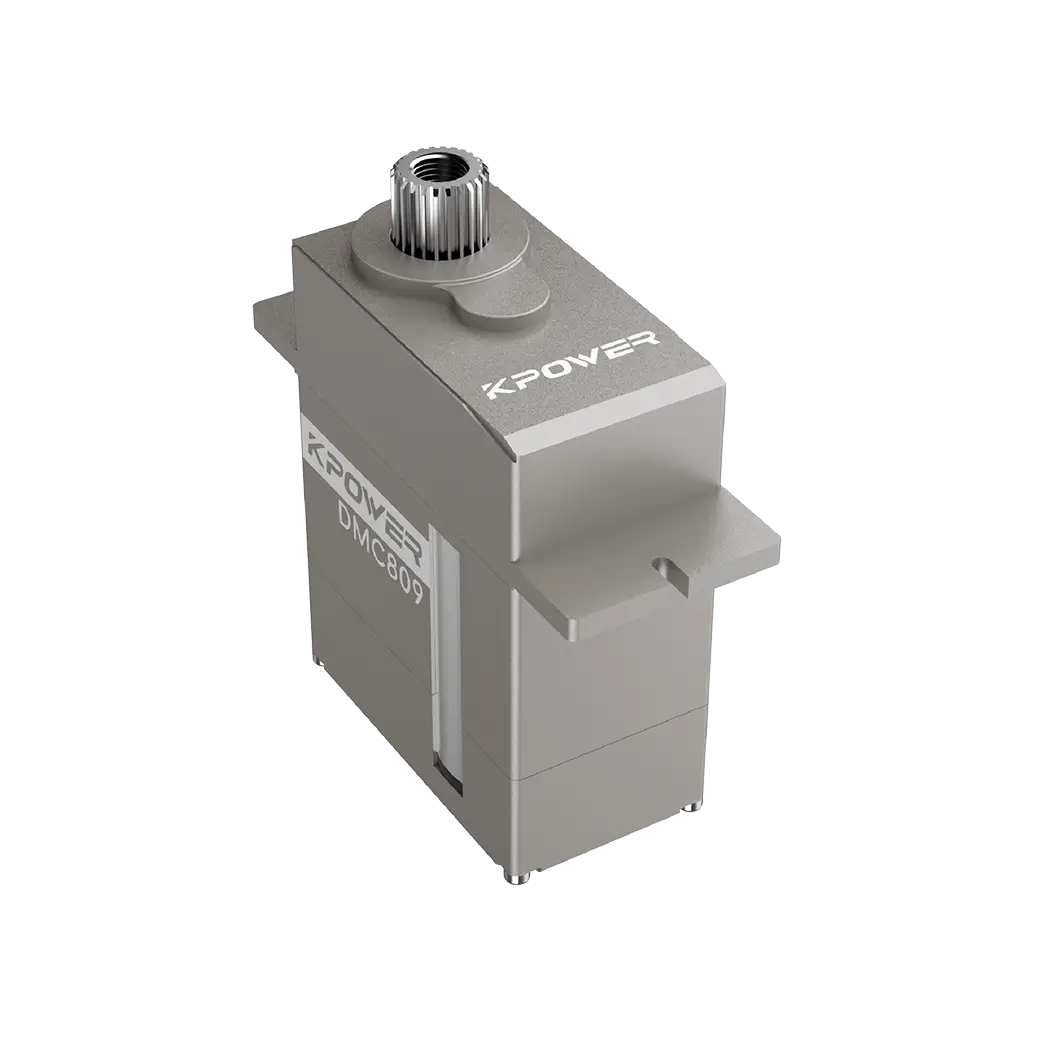
This is where the philosophy behindkpowercomponents often resonates. They’re engineered with this collaborative mindset. It’s not about being the loudest or most powerful unit in the box; it’s about being a precise, reliable, and communicative partner. Whether it’s aservooffering crisp positional feedback or a compact drive module managing torque with efficient silence, the design intent leans towards seamless integration into a larger, talking system. It’s hardware built for conversation.
Weaving the Conversation: A Practical Glimpse
How does this come together? It starts with defining clear roles. Assign one “specialist” to manage precise angular positioning—that’s your high-resolution servo. Assign another to handle continuous rotational force and speed control—that’s your brushless motor and its dedicated driver. Give a third the job of monitoring environmental pressure or proximity.
Next, you establish the rules of the dialogue. You set up a simple, common bus or network where messages can flow. Each specialist gets a unique address and knows how to listen for its name and how to respond clearly. The central controller becomes less of a drill sergeant and more of a conductor, sending high-level cues like “move to sequence A” and listening to the harmony of status reports coming back.
The magic happens in the responsiveness. Because the positioning servo is in charge of its own detailed movement profile, it can execute smoothly the moment it gets the cue. The motor driver can adjust current based on direct feedback without waiting for a central calculation. It feels alive, reactive, and resilient. Troubleshooting transforms, too. Instead of diagnosing a silent monolith, you can listen in on the individual conversations to see where the dialogue breaks down.
Beyond the Blueprint: A Shift in Perspective
Adopting this isn’t just a technical checklist; it’s a slight shift in how you see a machine. You stop looking for one superhero component to solve all problems. Instead, you curate a balanced team of experts. The goal is elegance through distributed clarity, not brute force through centralization.
It makes projects more adaptable. When a new requirement pops up, you don’t start from scratch. You see if you can add a new specialist to the existing network or teach an existing one a new skill. It reduces the fear of change because the system is inherently modular, built on clear conversations between its parts.
This approach, focusing on communicative, specialized components like those fromkpower, turns complexity from a foe into a feature. Your machine isn’t a silent statue; it becomes a symphony of precise, cooperative motion. Every small part knows its job and knows how to talk about it. And when all the small parts work and talk together in harmony, that’s when the big idea truly comes to life, smoothly and reliably, one quiet conversation at a time.
Established in 2005,kpowerhas been dedicated to a professional compact motion unit manufacturer, headquartered in Dongguan, Guangdong Province, China. Leveraging innovations in modular drive technology, Kpower integrates high-performance motors, precision reducers, and multi-protocol control systems to provide efficient and customized smart drive system solutions. Kpower has delivered professional drive system solutions to over 500 enterprise clients globally with products covering various fields such as Smart Home Systems, Automatic Electronics, Robotics, Precision Agriculture, Drones, and Industrial Automation.
Update Time:2026-01-19

Contact Kpower's product specialist to recommend suitable motor or gearbox for your product.