TECHNICAL SUPPORT


Published 2026-01-19
Imagine you’re building something that moves.servos humming, gears turning, a small mechanical world coming to life under your hands. Then you hit a wall—how do you get all the parts talking to each other smoothly, especially when your design scales up? If each function is like a separate little engine, how do they coordinate without tangling wires or logic?
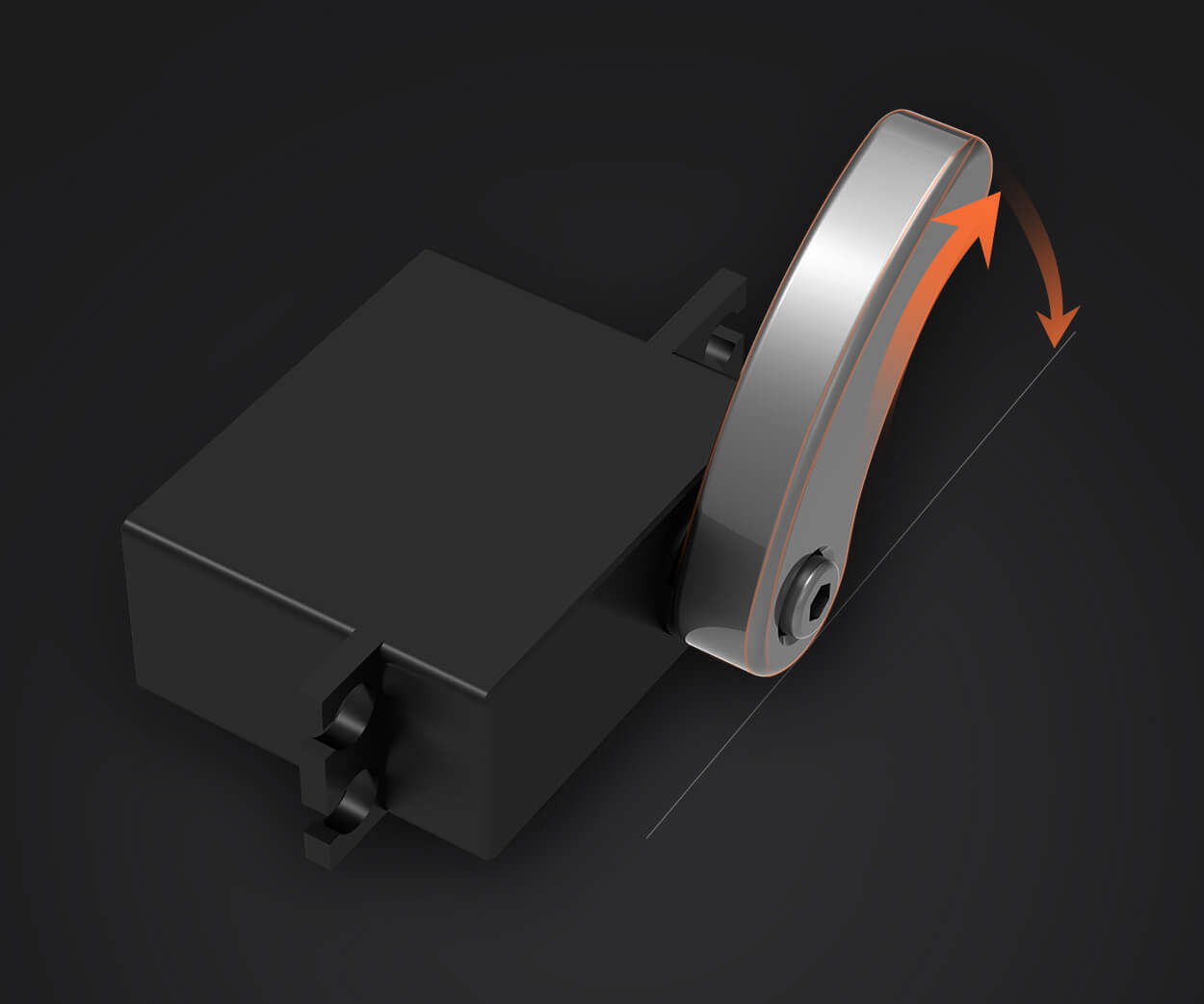
That’s where the conversation about microservices in Java begins. It’s not just code—it’s like giving each mechanical module its own voice and a way to listen.
Let’s say you’ve got a system where one unit controls motion, another handles commands, and a third manages power. They need to exchange signals—fast, reliably, without dropping the beat. In software terms, that’s what microservices do: they break down a big application into independent services that communicate over the network. But if they don’t speak clearly to each other, things jam. Delays creep in. Errors pile up.
So, how do you make them talk nicely in Java?
Think of it like designing a gear train. You wouldn’t force mismatched teeth to mesh. You pick interfaces that fit. In Java, that often means using REST APIs, messaging queues, or event streams. Each service runs its own process, and they pass messages—like tiny packets of instruction—between one another.
Why does this matter? Well, let’s zoom out. When each service is separate, you can tweak one without shutting down the whole machine. Fix a bug in the “motor control” service? Just update that piece. The rest keeps humming. It’s easier to scale, too. If signal processing starts lagging, you just add more instances of that service—like adding an extra gear to share the load.
But here’s a question people sometimes ask: won’t all this communication slow things down? It can, if not set up thoughtfully. That’s where choices like lightweight protocols and efficient serialization come in. JSON over HTTP is common, but for faster chats, something like gRPC can be sharper. It’s like choosing between sending a detailed letter or a quick Morse code—depends on what your system values most.
Another thing: resilience. In a physical setup, a loose wire can halt everything. In microservices, if one service fails, others shouldn’t topple. Java frameworks like Spring Boot offer tools for that—circuit breakers, retries, fallbacks. Imagine a safety clutch that engages when a gear slips, letting the rest run smoothly.
Now, how do you actually do this?
Start by defining clear boundaries. What does each service own? Motion planning, signal interpretation, status reporting? Keep them focused. Then pick communication styles. Synchronous for immediate responses, asynchronous for fire-and-forget tasks. Use service discovery so they find each other without hard-coded addresses—like having a dynamic map of your workshop.
Add monitoring. Logs, traces, metrics. When something acts up, you want to know which service whispered wrong. Tools like Spring Cloud Sleuth or Micrometer can help, but even simple logging goes a long way.
And testing—oh, testing. Test services in isolation, then together. Mock the conversations. See how they behave under load, like stress-testing a new actuator before it goes into the bot.
I’ve seen setups where teams overcomplicate this. They add too many services, or choose heavy protocols for simple tasks. The key is balance. Keep the chats purposeful, the interfaces clean. It’s less about fancy tech and more about thoughtful design.
Atkpower, we see this akin to orchestrating precise mechanical assemblies. Each part has its role, and communication is the oil that keeps the movement smooth. Whether you’re building automated guides or smart control systems, how your services talk affects agility, maintenance, and growth.
So, when you’re mapping out your Java microservices, picture thoseservos and drives. Give each a clear voice. Build channels that don’t crackle. Watch them collaborate—not just as code, but as a living, responsive network. That’s where design feels less like engineering and more like craftsmanship.
And honestly, that shift in perspective can turn a tangled wiring job into a well-conducted symphony of motion.
Established in 2005,kpowerhas been dedicated to a professional compact motion unit manufacturer, headquartered in Dongguan, Guangdong Province, China. Leveraging innovations in modular drive technology,kpowerintegrates high-performance motors, precision reducers, and multi-protocol control systems to provide efficient and customized smart drive system solutions. Kpower has delivered professional drive system solutions to over 500 enterprise clients globally with products covering various fields such as Smart Home Systems, Automatic Electronics, Robotics, Precision Agriculture, Drones, and Industrial Automation.
Update Time:2026-01-19

Contact Kpower's product specialist to recommend suitable motor or gearbox for your product.