







TECHNICAL SUPPORT


Published 2026-01-19
When Your Machines Won't Talk to Each Other
You know that feeling. Everything should be humming along—motors spinning, arms moving, sensors reading. But instead, there’s this… silence. Not the quiet of smooth operation, but the frustrating kind where one part of your setup just doesn’t get what another part is saying. Data gets stuck. Commands go nowhere. What you planned as a seamless dance looks more like everyone’s doing their own thing.

It’s not about one piece failing. It’s about the space between them. That’s where projects stall.
So, what if the parts could just… chat? Not in complex code dialects, but simply. What if telling aservoto move or reading a sensor value was as straightforward as asking for the time?
That’s the shift we’re seeing. Moving from monolithic systems where a single hiccup can stop the whole line, to something more modular and resilient. Imagine your mechanical project not as a single rigid block, but as a team of specialized units, each handling its job, all communicating clearly. If one needs a break, the others keep working. You can upgrade a single member without rebuilding the whole team.
This is where Spring Boot and a microservice approach enters the workshop. Think of it less as “new tech” and more as a new way of thinking. A philosophy for building robust, talking machines.
Why This "Team" Approach Makes Sense for Hardware
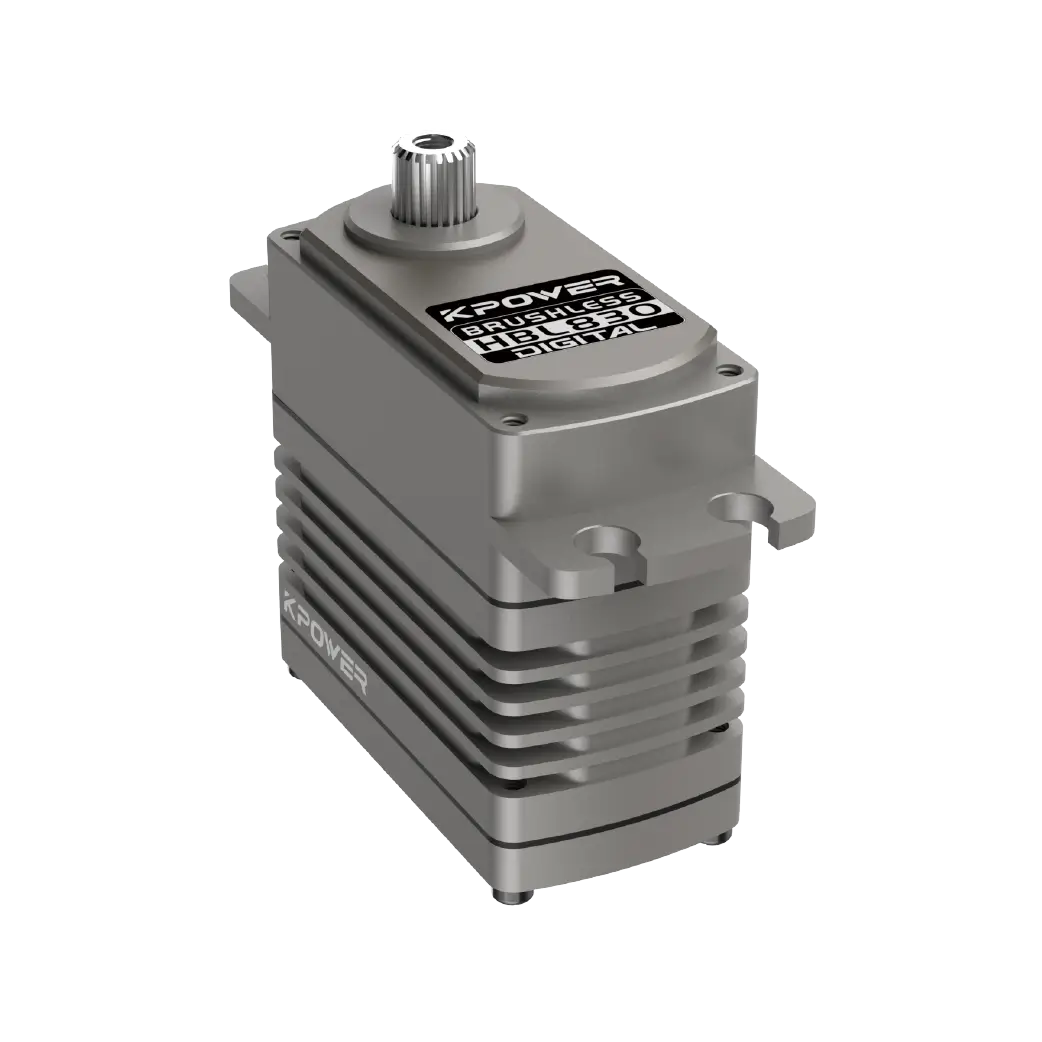
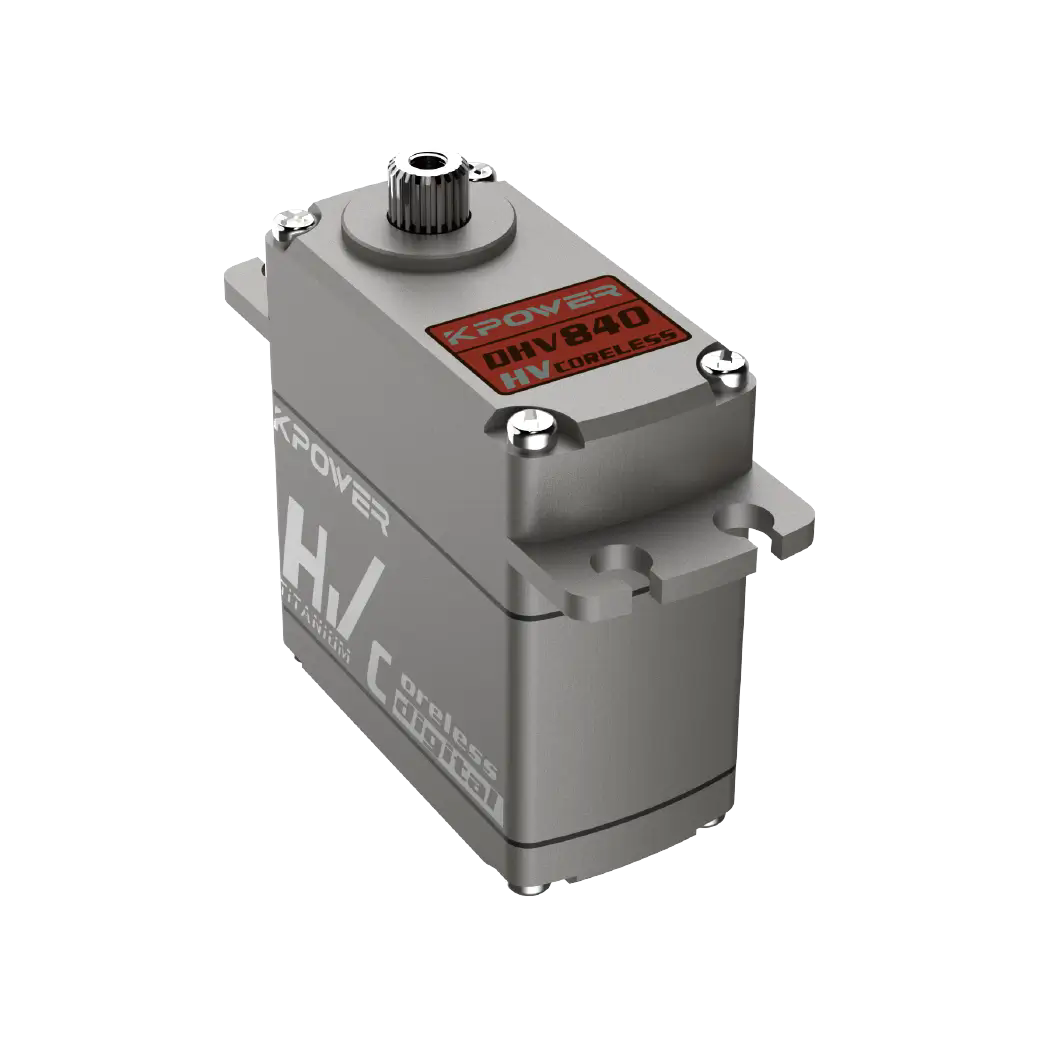
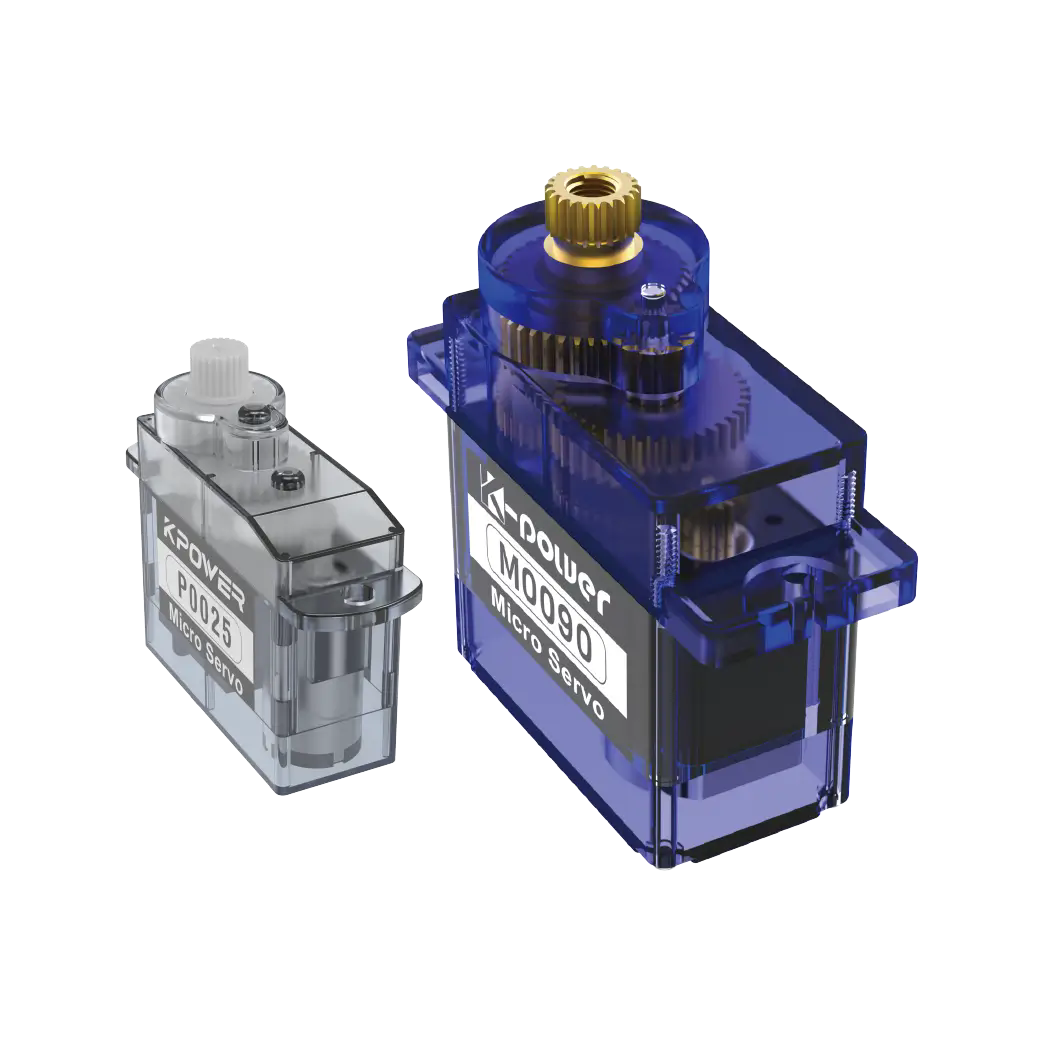
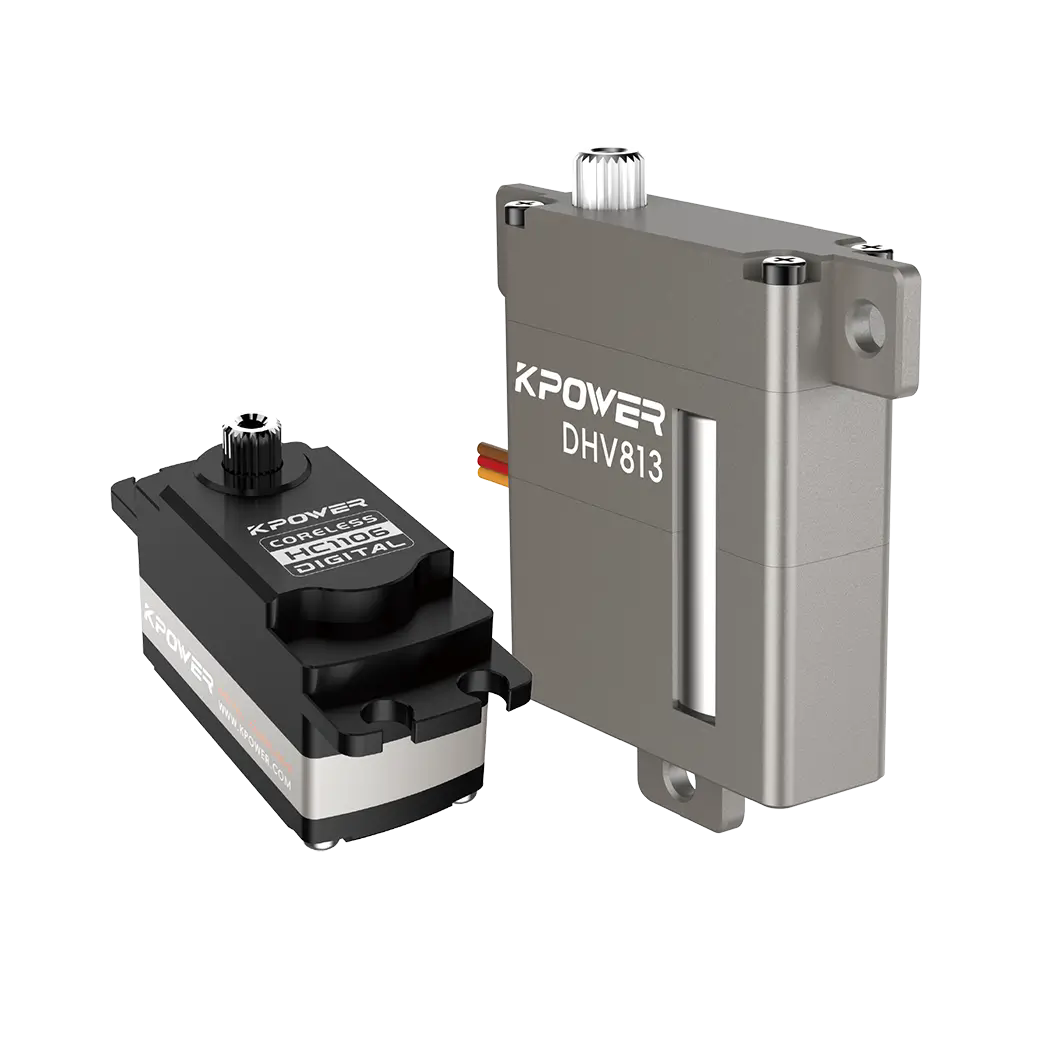
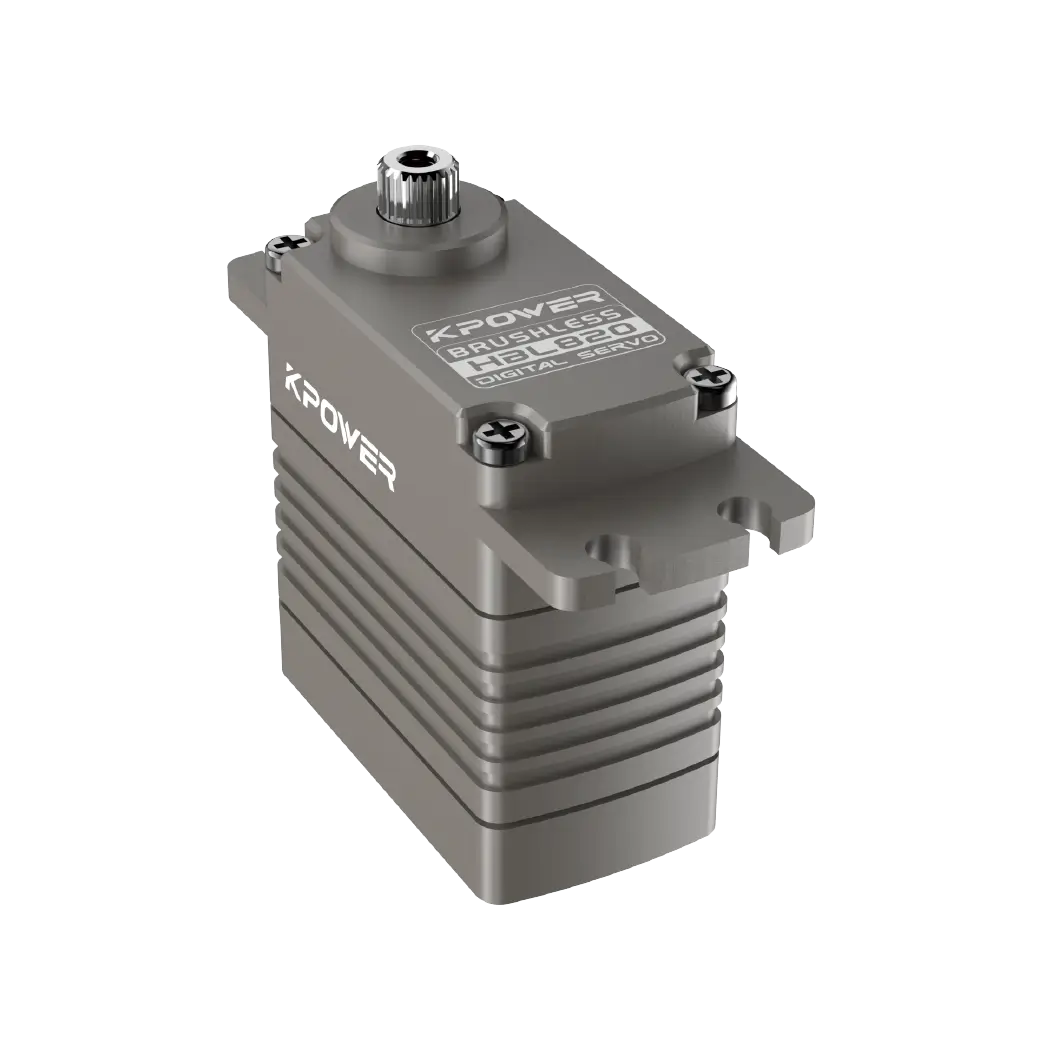
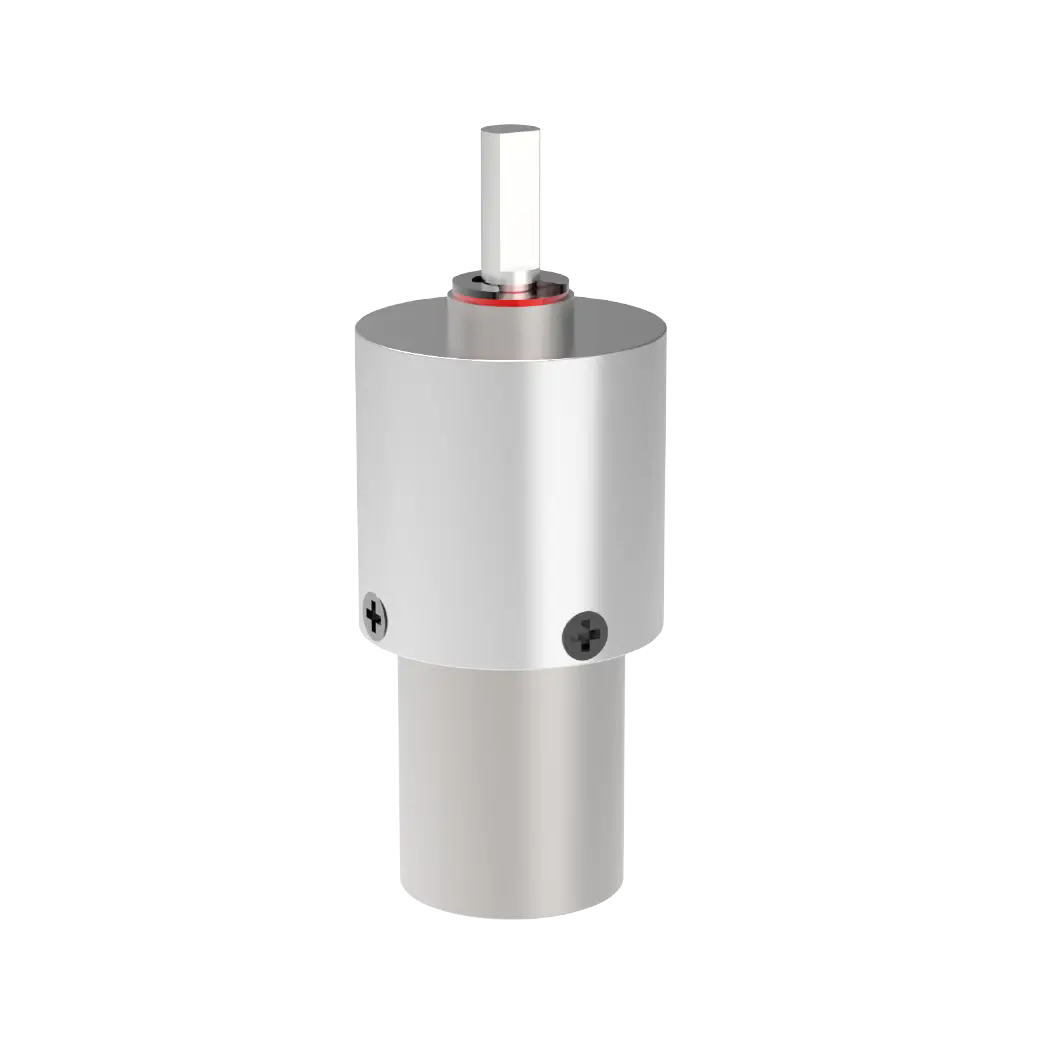
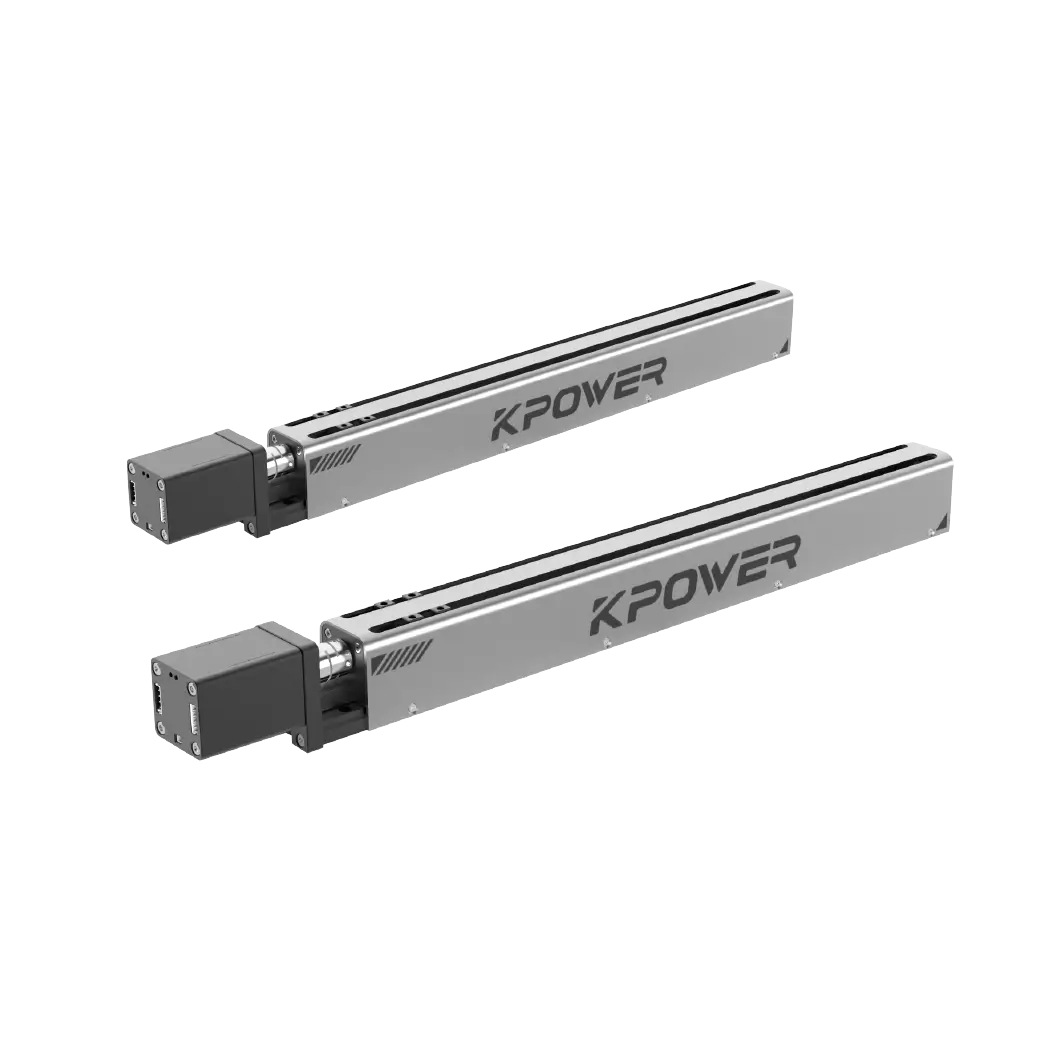
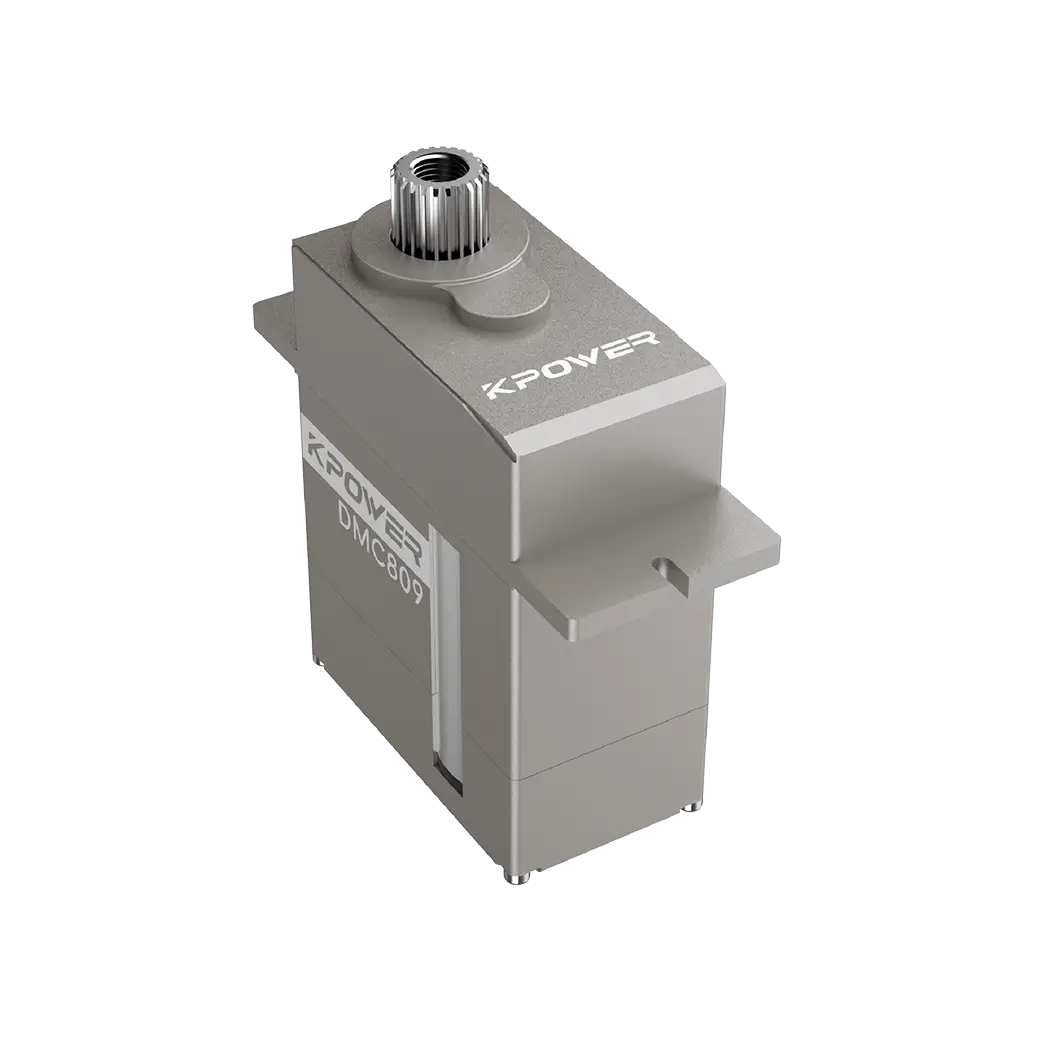
Let’s break it down. Say you have a test rig with akpower servofor precise angular control, a load cell for force feedback, and a data logger. In a traditional setup, they’re all tied to one central brain. Change the logger protocol? You might need to rewire the logic for theservo.
Now picture them as independent services. The servo controller has one simple job: move to position X when asked. The load cell service has another: report force value Y. The logger just listens and records. They publish their status or listen for commands on a common channel—a message broker. They’re decoupled.
It’s like moving from a single-circuit, all-in-one remote control to a smart home setup where you can control lights, locks, and thermostats independently—or together, when you want.
Building the Conversation: Simplicity is Key
“But doesn’t this add complexity?” It’s a fair question. The goal isn’t to add layers for the sake of it. The goal is to use a framework that makes this communication stupidly simple.
Spring Boot acts like a master organizer for these services. It handles the tedious stuff—setting up web servers, configuring message queues, managing dependencies—so you can focus on the core logic: What should this specific piece of hardware do?
For instance, creating a REST endpoint for yourkpowerservo controller becomes a few lines of code. It’s not about writing network protocols from scratch. It’s about saying, “Here’s a function that moves the servo. Now it’s reachable over the network.” Similarly, having that service subscribe to a “move_command” topic on a message broker is straightforward. The framework handles the connection chaos.
The beauty is in the pairing: the microservice idea provides the clear, modular architecture, and Spring Boot provides the toolbox to build it without getting lost in boilerplate code. It lets you think in terms of function and communication, not just wiring and syntax.
From Concept to Your Workbench
How does this start? Often, with a single, manageable piece.
You’re not rebuilding everything overnight. You’re gradually introducing a more resilient way of connecting things, piece by piece.
The real outcome isn’t just a project that works. It’s a project that’s adaptable. When you think about adding a new axis of motion or integrating a new type of sensor, you’re not dreading a system-wide overhaul. You’re just thinking, “I’ll add another team member that knows how to do this.” The rest of the system welcomes it through the existing conversation.
It turns the challenge of integration from a puzzle of incompatible parts into a simpler task of defining clear, single-minded roles. And in the world of gears, motors, and precise movements, that clarity isn’t just convenient—it’s what turns a fragile prototype into something solid, dependable, and ready for what’s next.
Established in 2005, Kpower has been dedicated to a professional compact motion unit manufacturer, headquartered in Dongguan, Guangdong Province, China. Leveraging innovations in modular drive technology, Kpower integrates high-performance motors, precision reducers, and multi-protocol control systems to provide efficient and customized smart drive system solutions. Kpower has delivered professional drive system solutions to over 500 enterprise clients globally with products covering various fields such as Smart Home Systems, Automatic Electronics, Robotics, Precision Agriculture, Drones, and Industrial Automation.
Update Time:2026-01-19

Contact Kpower's product specialist to recommend suitable motor or gearbox for your product.