








TECHNICAL SUPPORT


Published 2026-01-19
So, you’ve built something. Maybe it started as a simple idea—a single moving part, one clear task. But then, things grew. Features piled on, updates became nightmares, and the whole thing felt like a tangled mess of wires. One glitch in a corner could bring the entire operation to a halt. Sounds familiar? It’s not just in mechanics; it happens in software, too. That’s where the idea of microservices comes in. But when exactly does it make sense to take that leap?

Picture a massive, custom-built industrial machine. Everything’s connected. One powerful central motor drives the conveyor, the arm, the welder, and the packaging unit. It’s impressive—until you need to replace a single bearing. Suddenly, you’re shutting down the whole production line. The cost, the downtime, the ripple effect—it’s a manager’s headache.
Traditional software architecture often faces the same issue. We call it a “monolithic” application. All the functions—user login, data processing, payment gateway, notifications—are packed into one giant, interdependent codebase. Changing one small feature requires rebuilding and redeploying the entire application. It’s slow, risky, and increasingly hard to manage as demands scale up.
So, when does the pain point become a breaking point?
When Innovation Needs Speed. You have a brilliant new feature idea for your app, but launching it means waiting for the next major release cycle of the entire monolith. Meanwhile, a competitor moves faster. When Scaling Becomes Uneven. Your user base explodes, but only the search function is buckling under pressure. Yet, you’re forced to scale the entire application server fleet, wasting resources. When Technology Stagnates. You want to use a modern, faster database for one specific service, but you’re locked into the old stack because everything else depends on it.
This is the crossroads. This is when developers start looking at microservices.
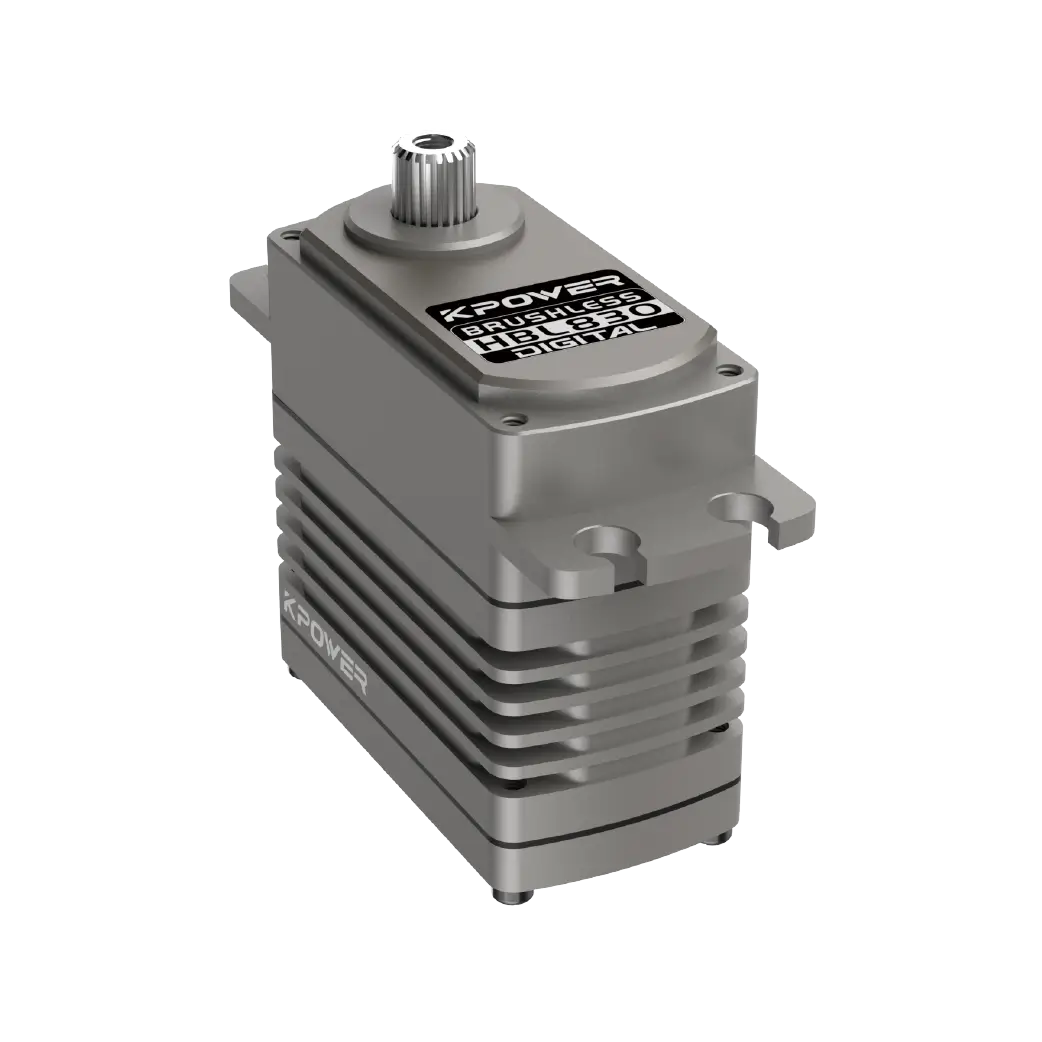
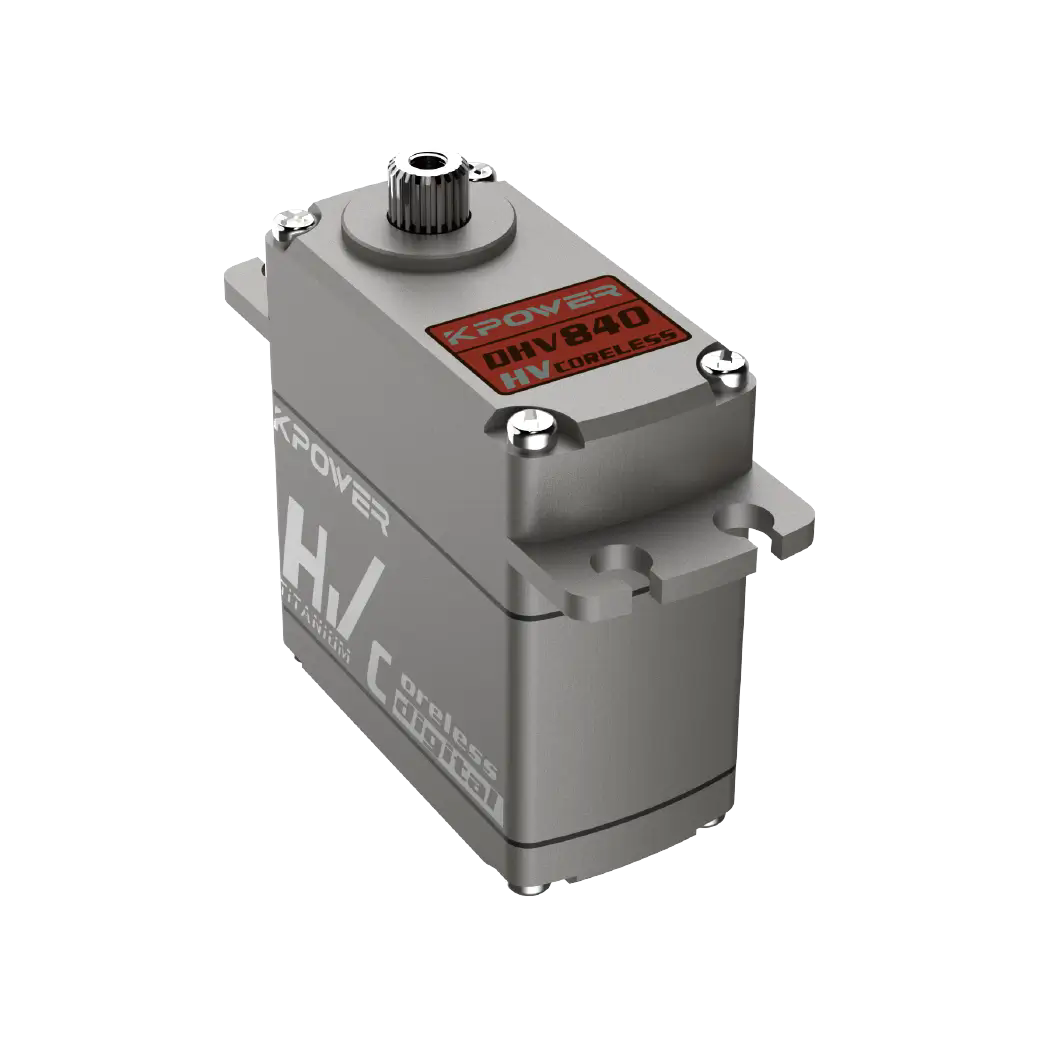
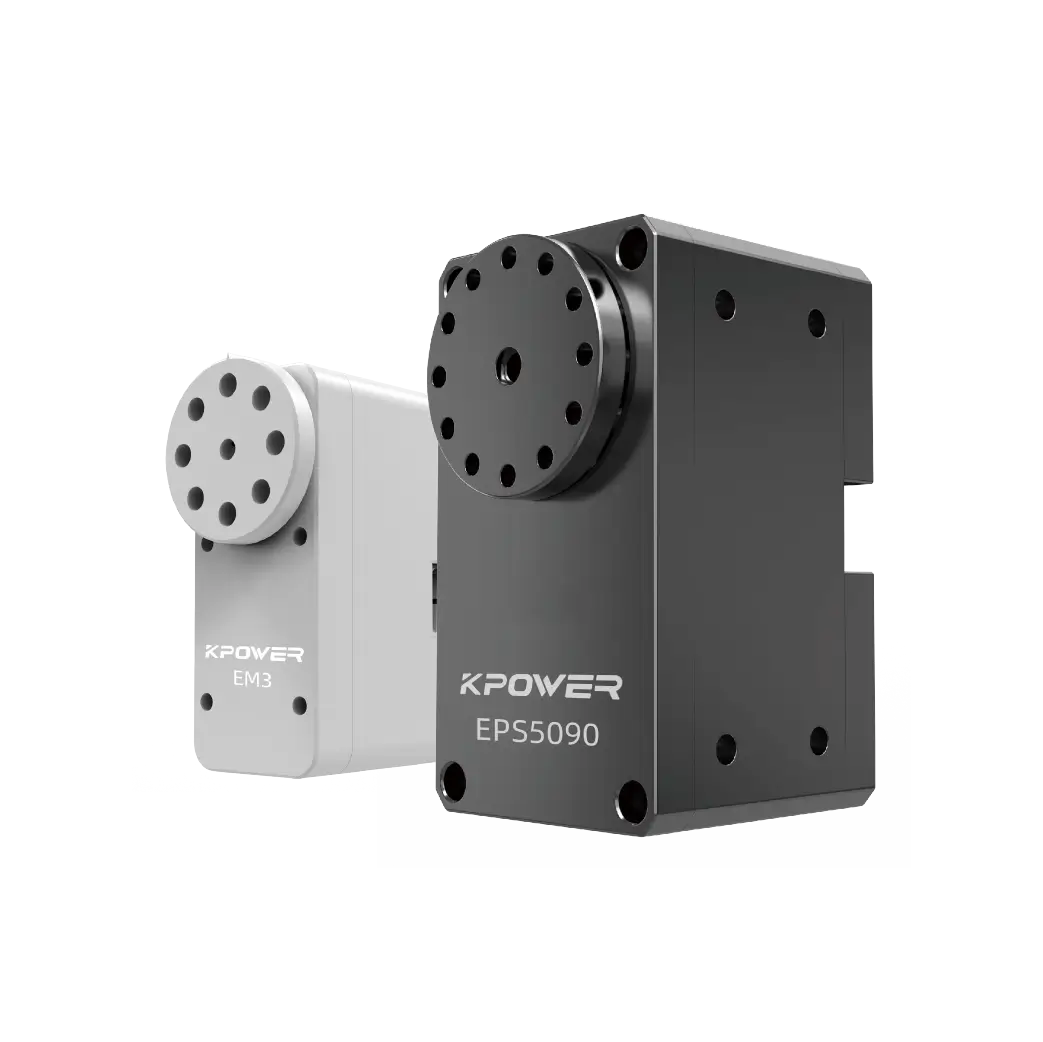
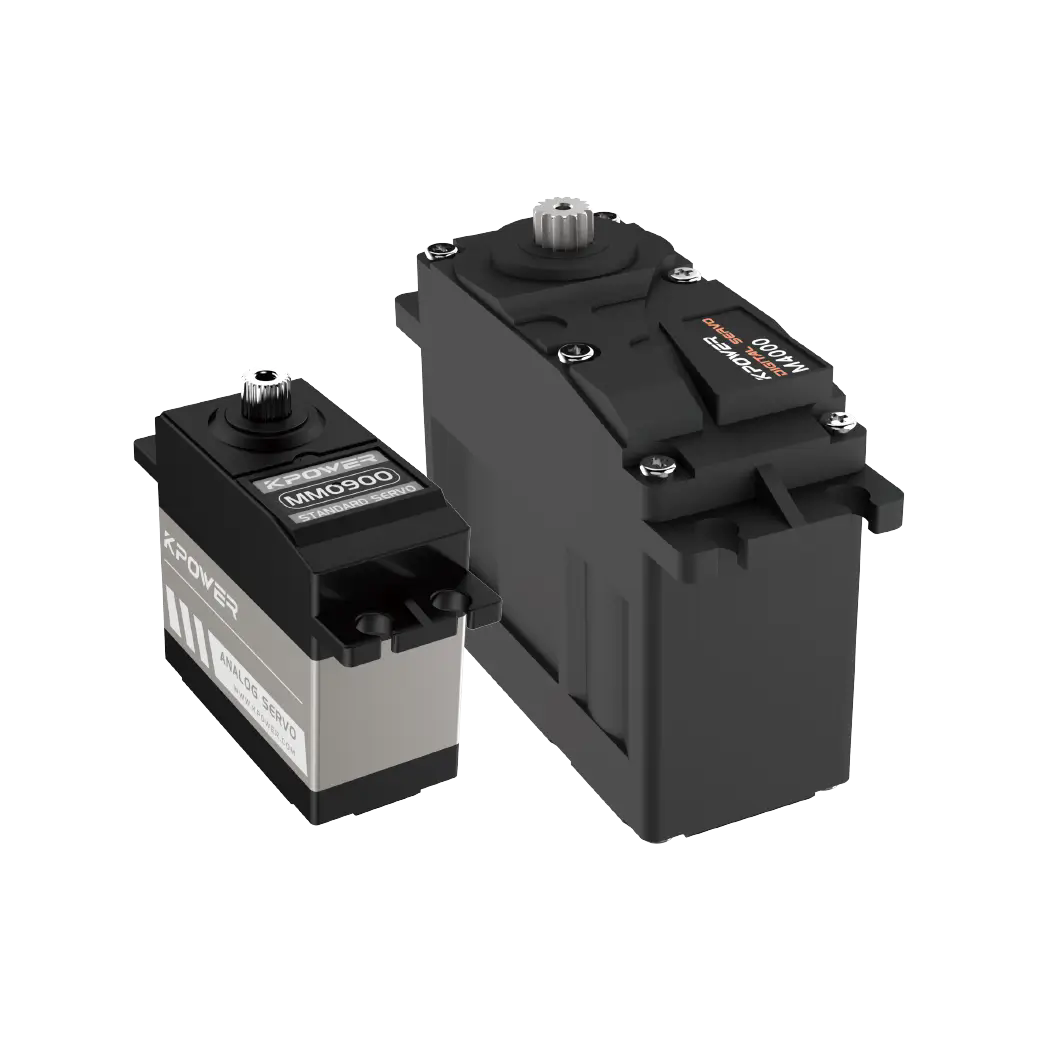
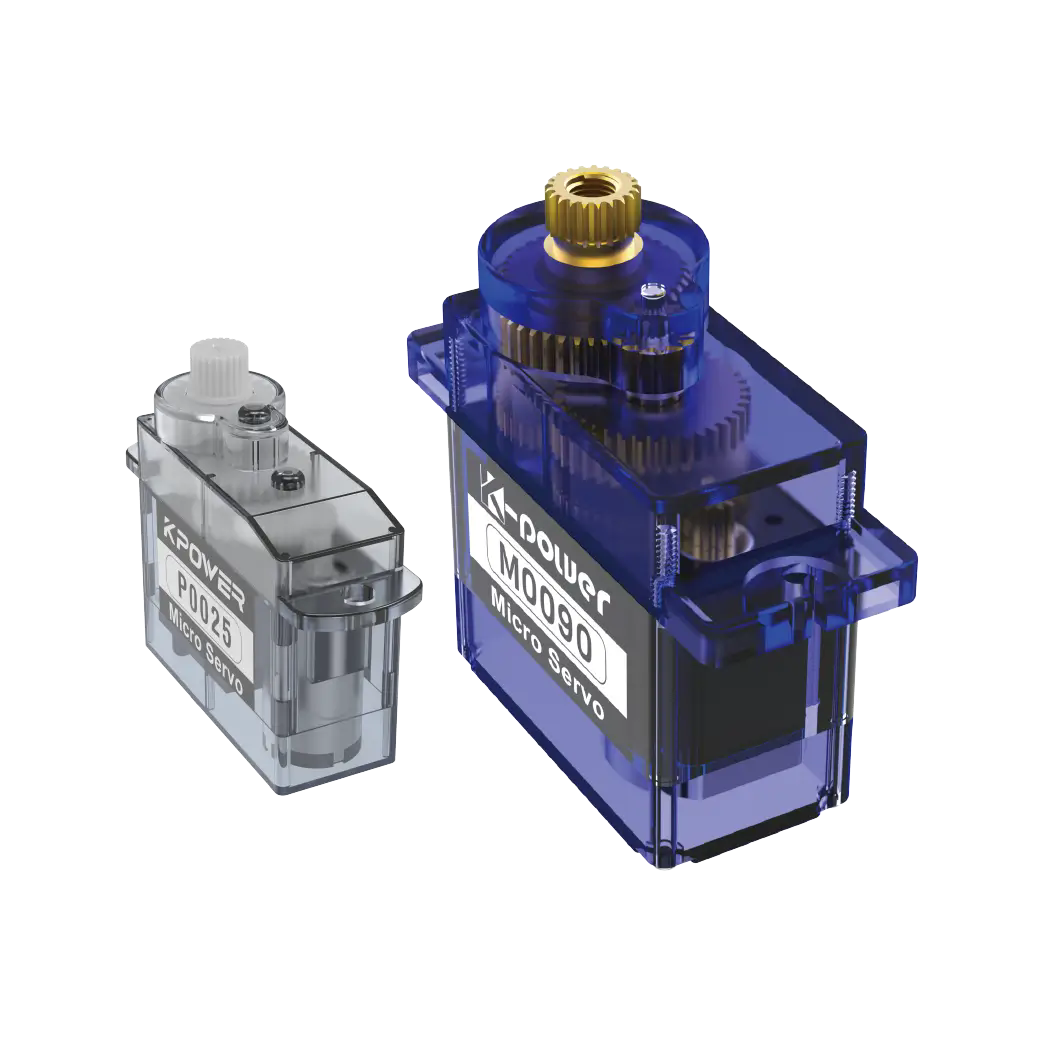
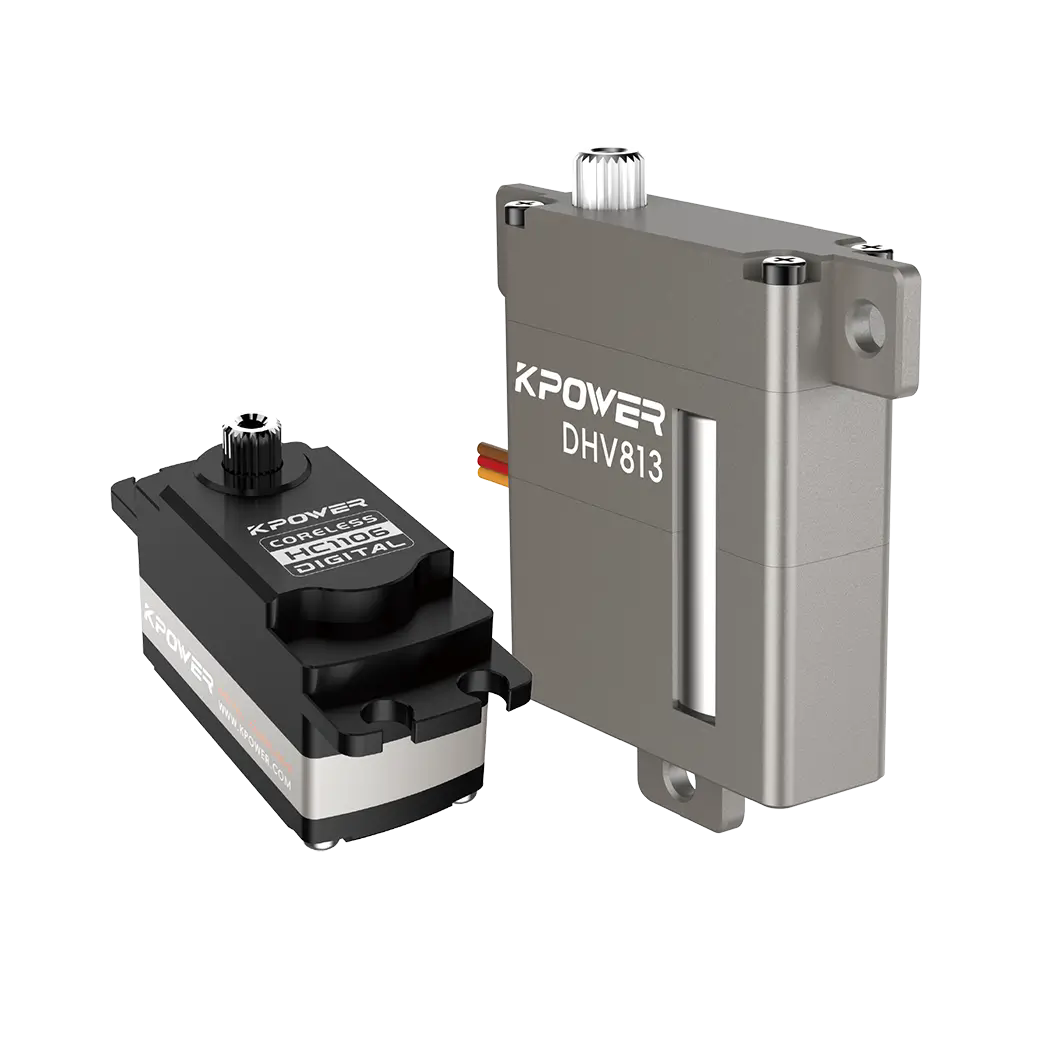
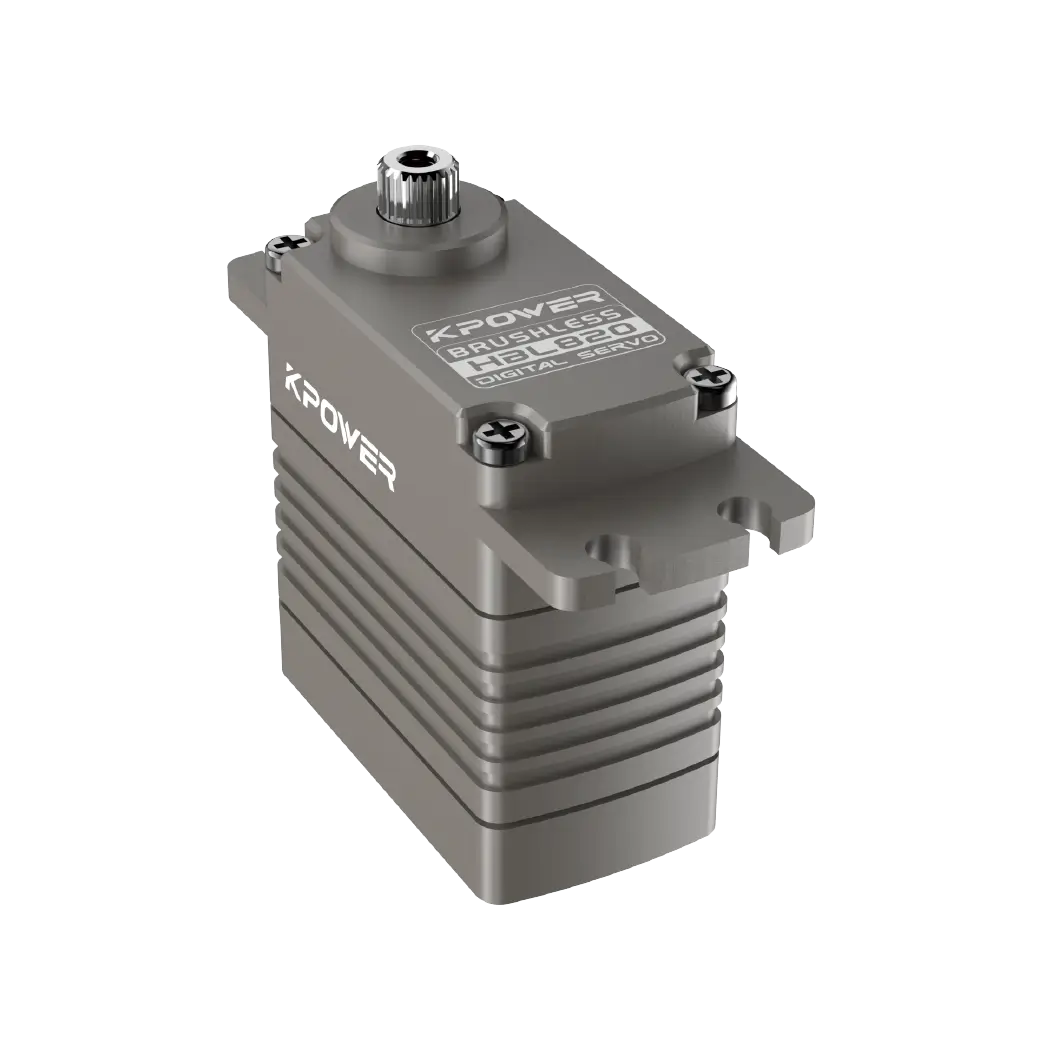
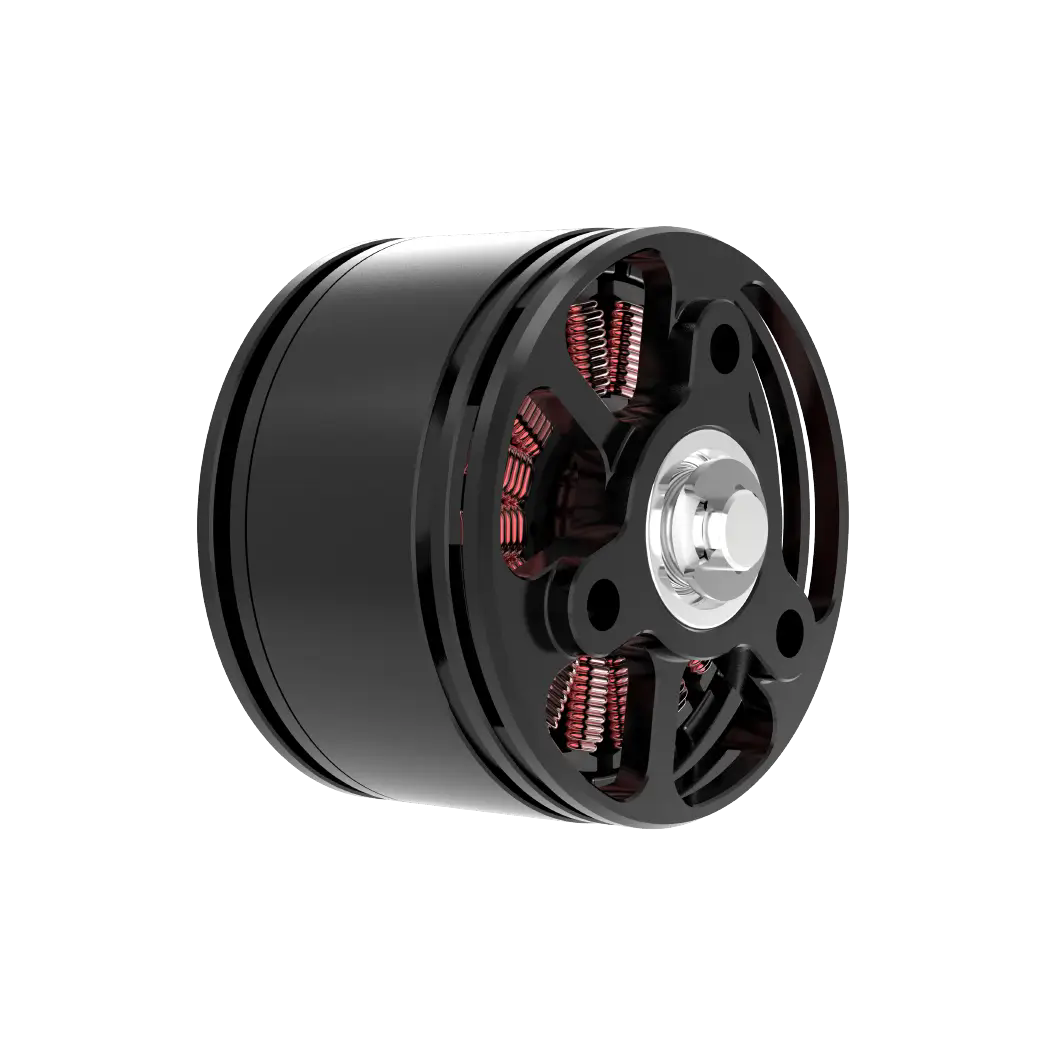
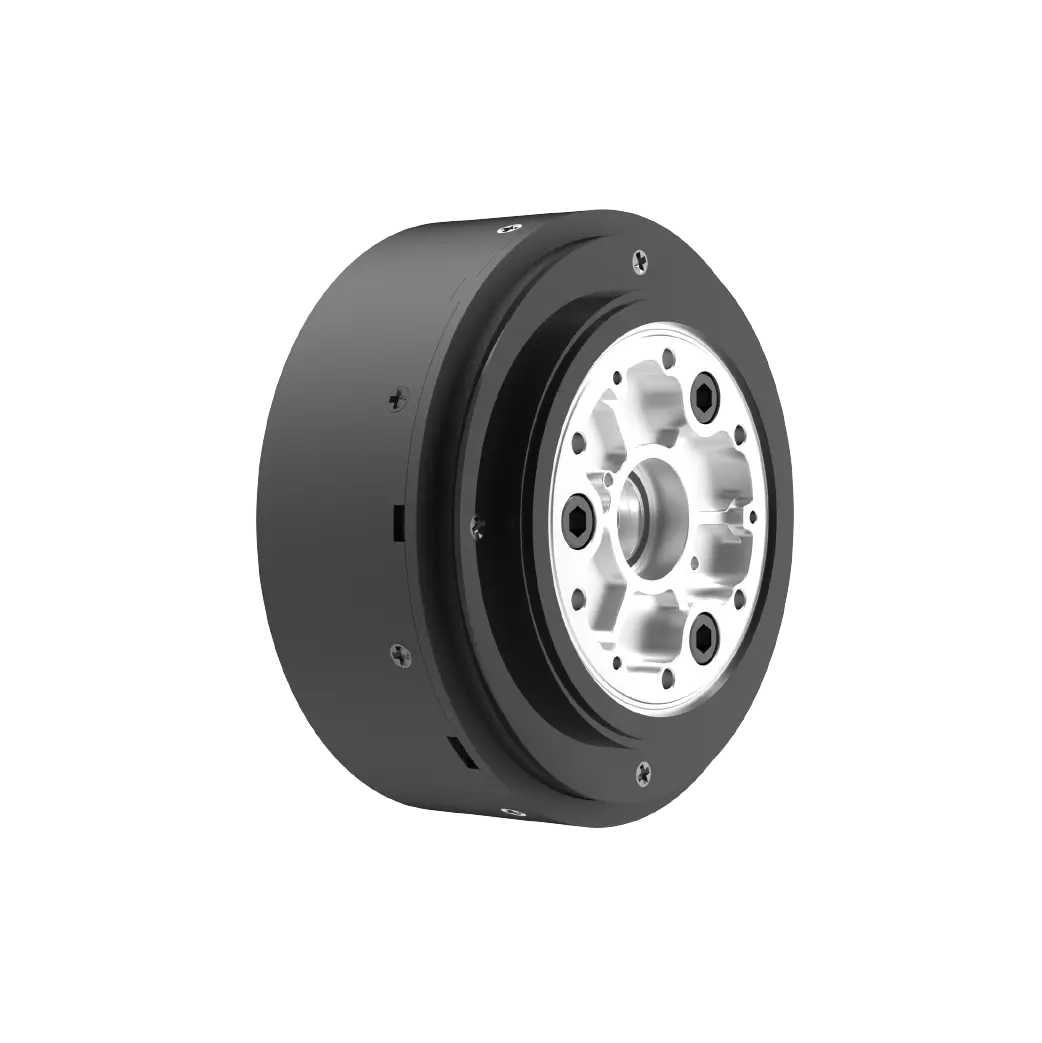
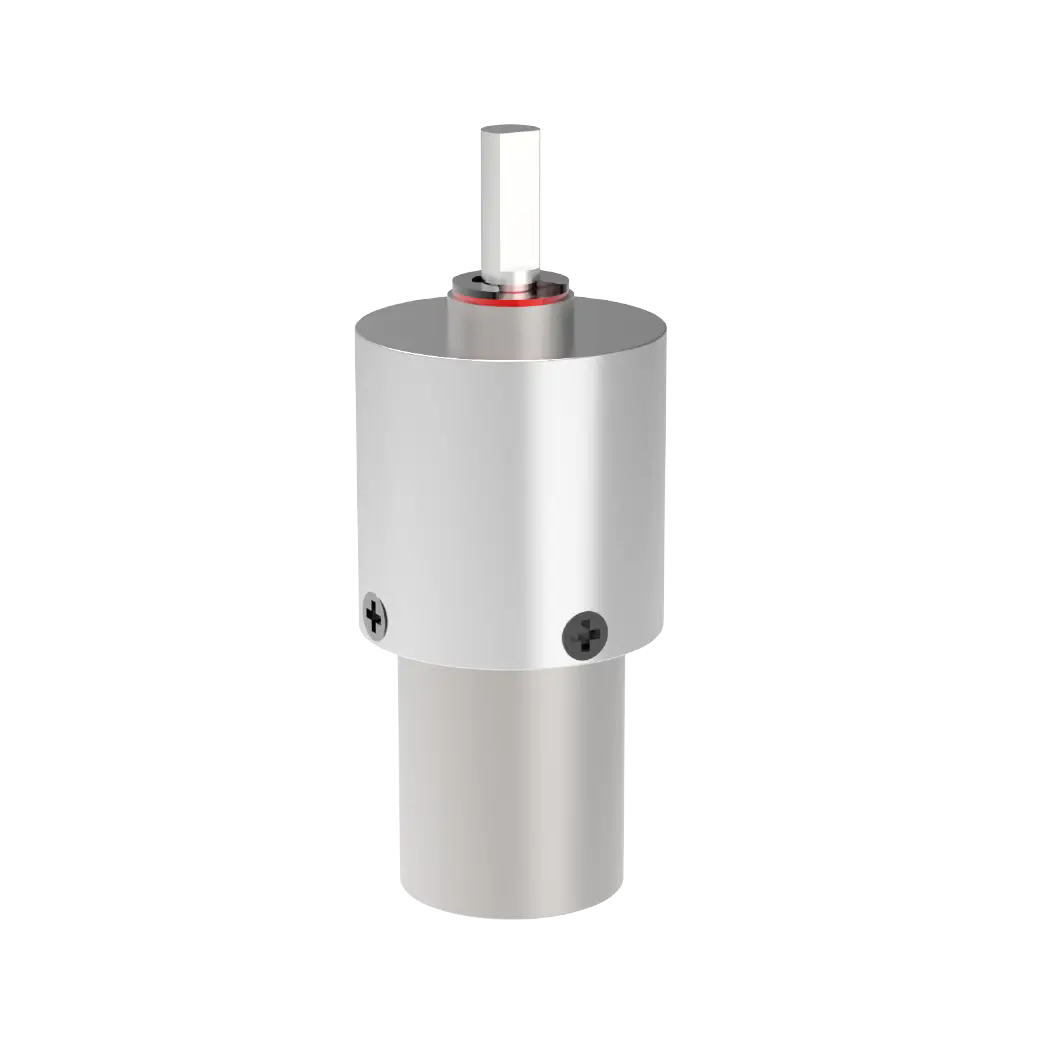
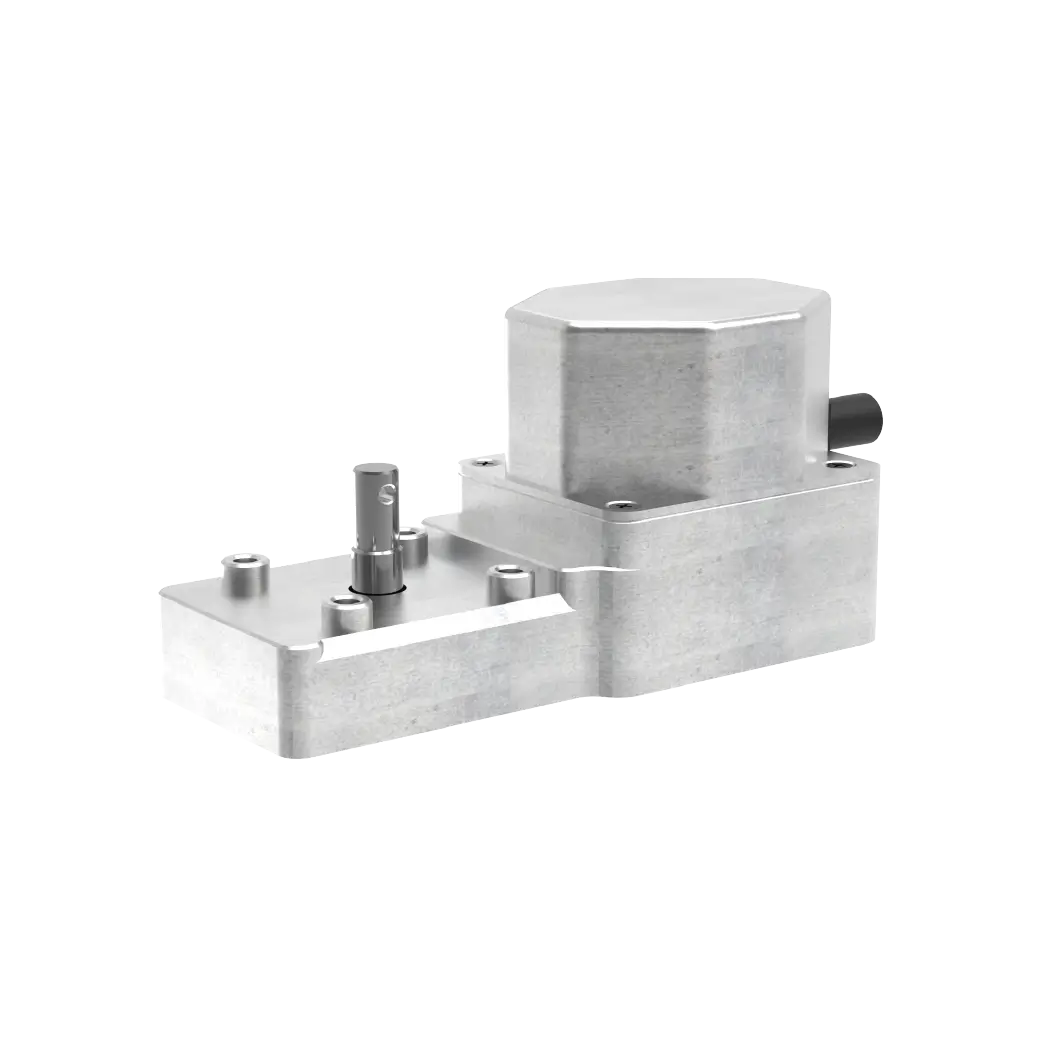
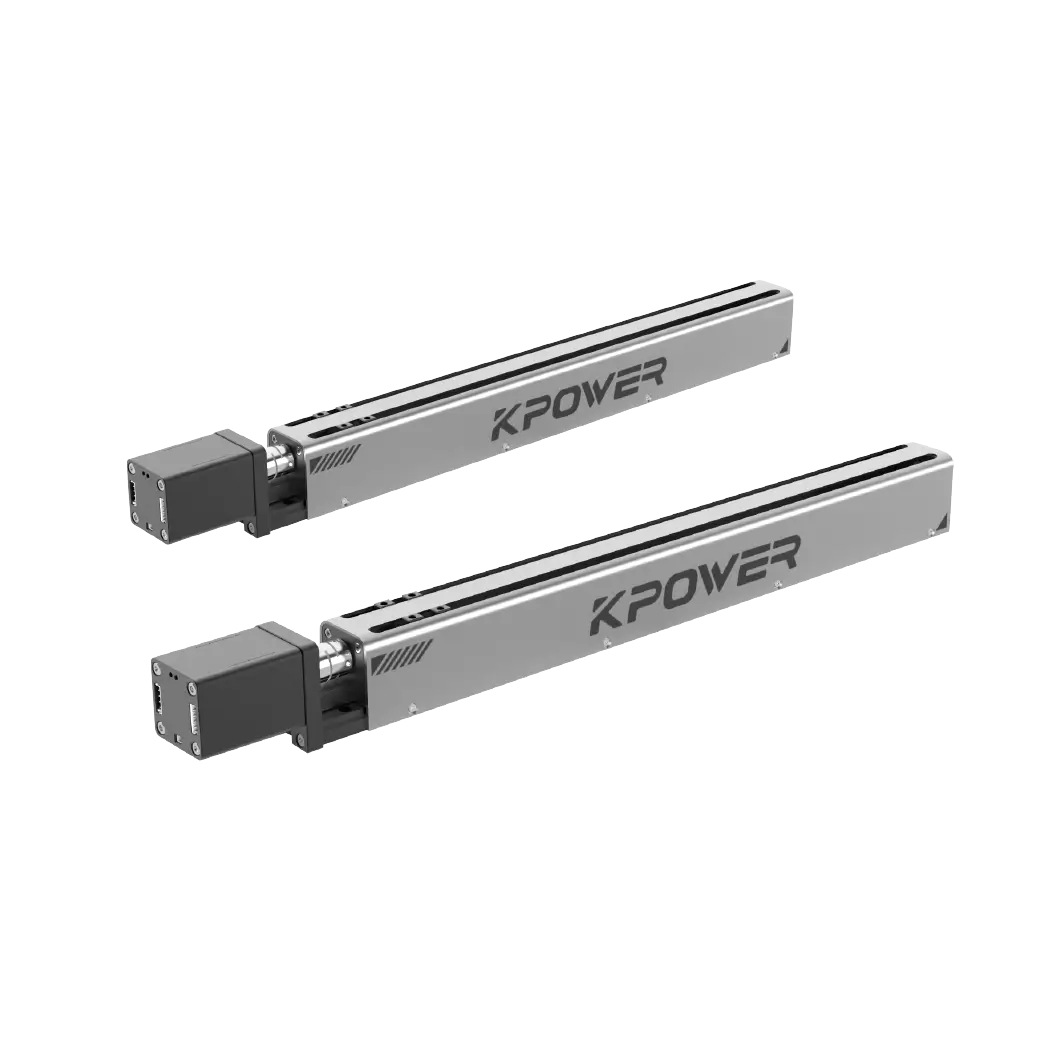
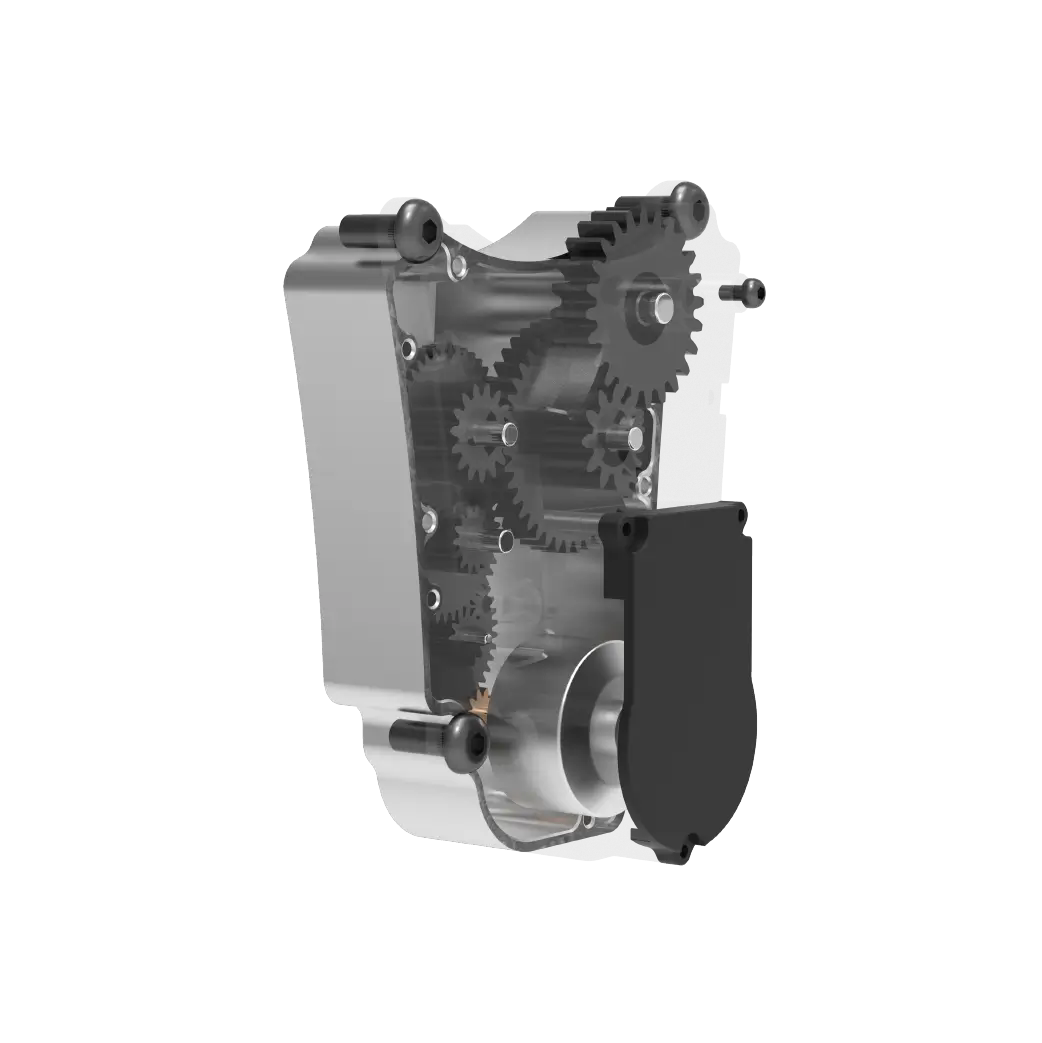
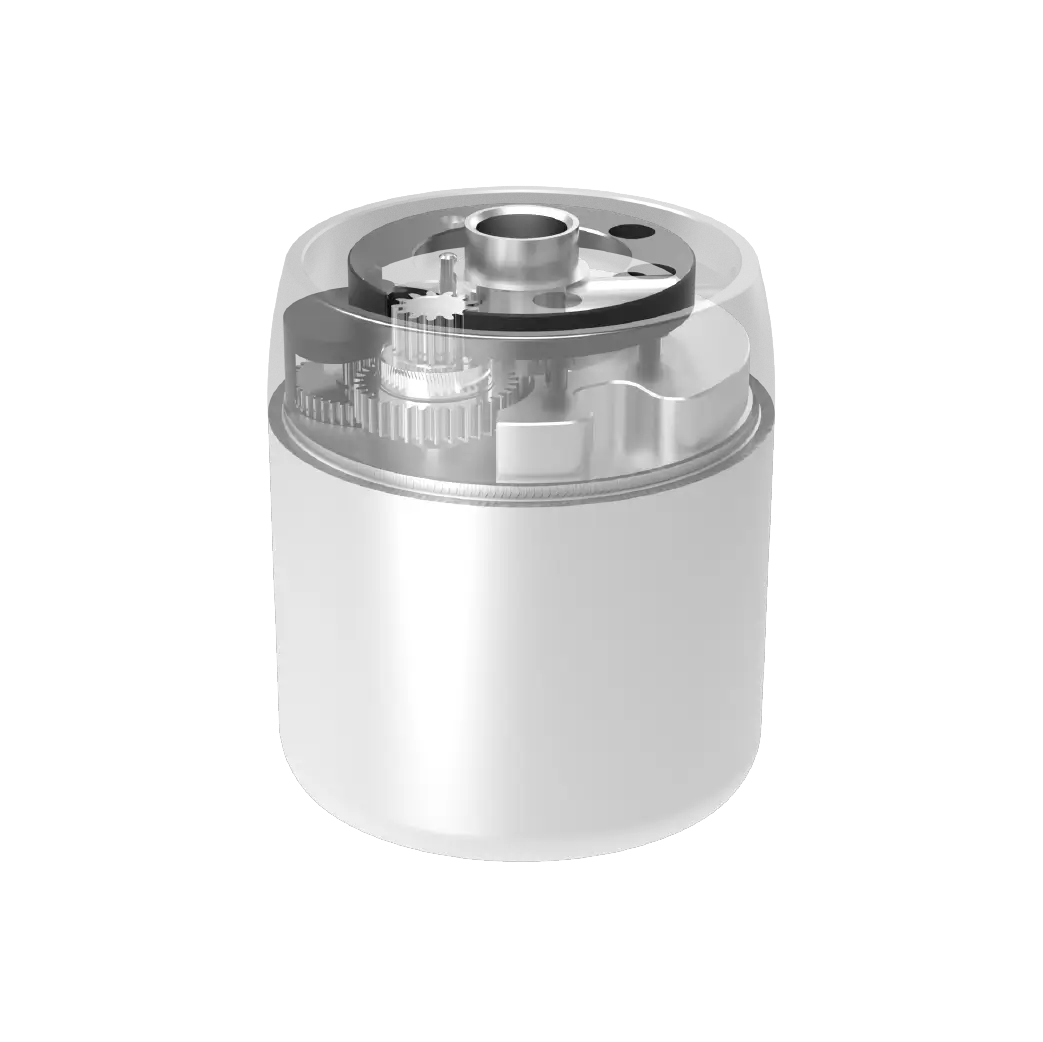
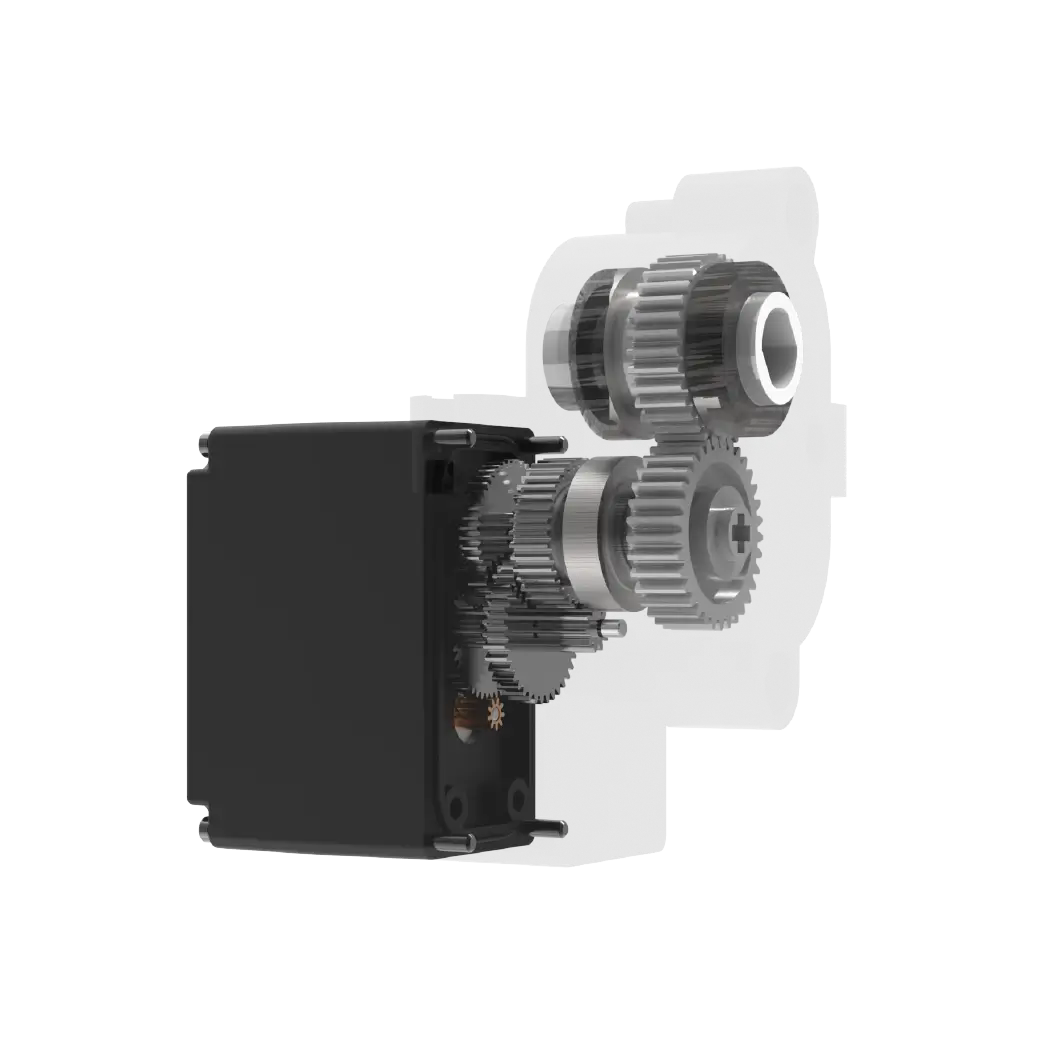
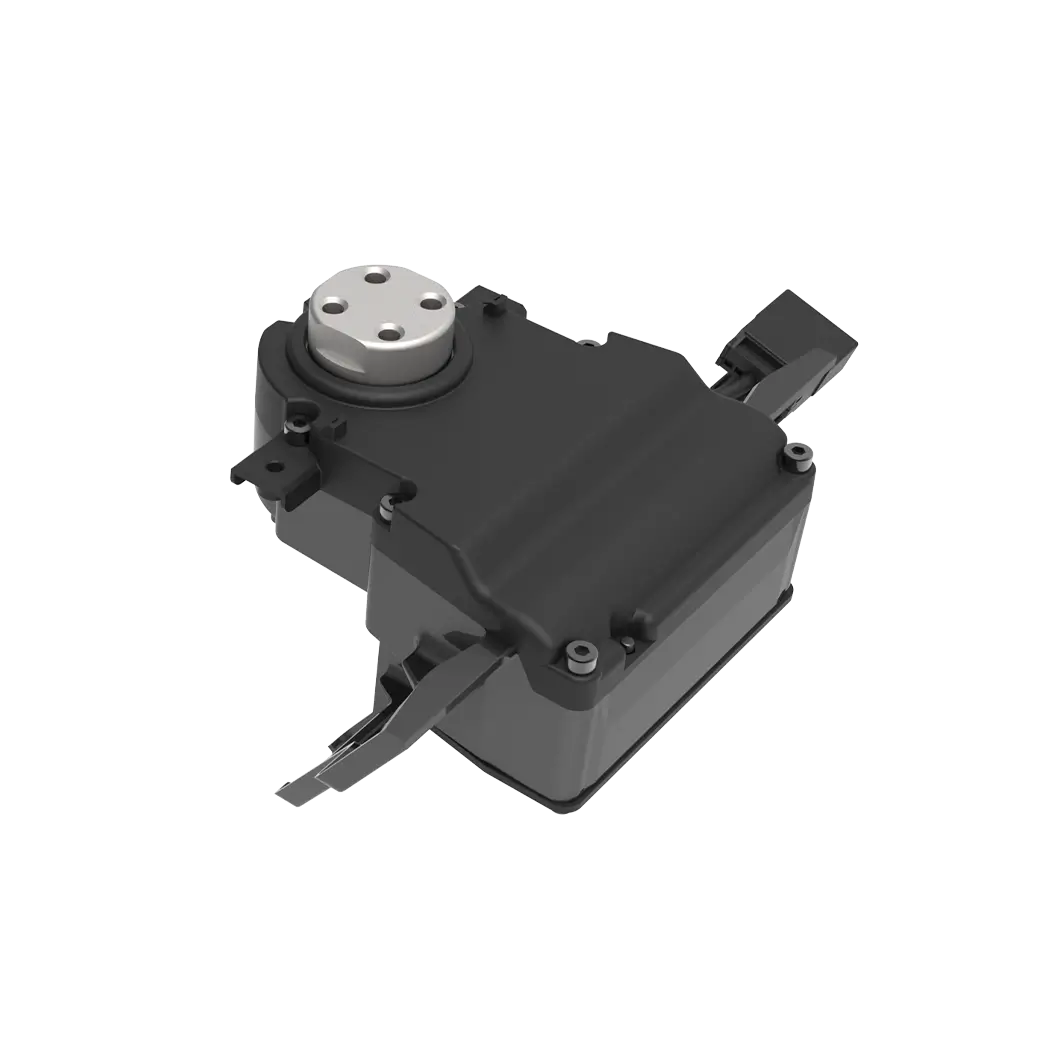
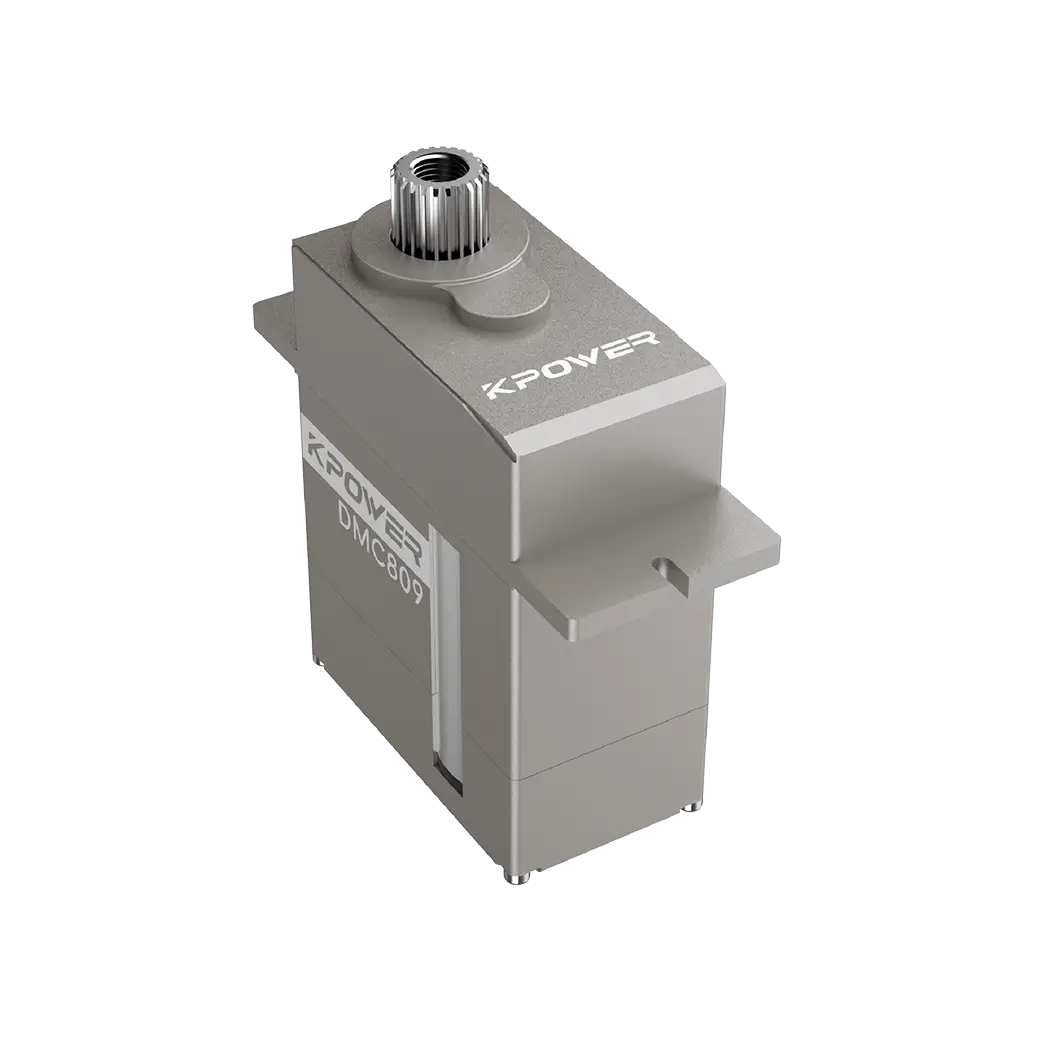
Think of it like redesigning that big machine. Instead of one central motor, you give each functional unit its own dedicated, smartservo. The conveyor has its own compact drive, the robotic arm uses a precisekpower servomotor, and the welder runs on an independent controller. They communicate, but they don’t depend on each other’s internal workings. Need to upgrade the arm’s precision? Just swap in a newerkpower servomodel and recalibrate that unit alone. The rest of the line keeps humming.
Microservices architecture does exactly this for software. It breaks down the monolithic application into a suite of small, independent services. Each service runs its own unique process and communicates with others through lightweight mechanisms, often an API. Each one is responsible for a discrete business capability—like user authentication, order management, or recommendation engines.
They work together to form the complete application, but they are developed, deployed, and scaled independently.
It’s not about following a trend. It’s about solving real, grinding problems. Let’s break it down without the jargon.
Agility and Faster Time-to-Market. Small, cross-functional teams can own a single service. They can develop, test, and deploy it on their own schedule without coordinating with a dozen other teams. It’s like having a specialist workshop for each component of your machine, all working in parallel. Resilience and Isolation of Failures. If the “recommendation service” crashes, it doesn’t bring down the entire website. Users might not see personalized suggestions, but they can still browse and buy. The fault is contained, just like a single servo failing in a machine doesn’t necessarily stop the entire conveyor. Technological Freedom. Teams can choose the best tool for their specific job. One service might use Python for data analysis, while another uses Node.js for real-time updates. No more “one stack to rule them all.” Scalability That Makes Sense. You can scale only the services that need it. If your video streaming service is getting hammered, you allocate more resources just to that, not to the seldom-used comment service.
Microservices aren’t a magic wand. They introduce complexity of a different kind. Now you’re managing a distributed system—a network of services. You need robust monitoring, clever communication protocols, and strategies for data consistency.
So, when wouldn’t you jump in?
If your application is simple, stable, and your team is small, a monolith is simpler and perfectly effective. Don’t dismantle a well-oiled, simple machine just to have more parts to manage. The transition to microservices is often driven by scale and need, not by theory.
Adopting this architecture is a mindset shift. It often starts with identifying a bounded context—a part of the system with clear boundaries that can be separated. You might begin by extracting a single, oft-changed feature into its own service, learning as you go.
Success hinges on a few principles: designing services around business capabilities, ensuring they can be deployed independently, and setting up smart communication channels between them. It’s about building a coordinated ecosystem, not just a collection of parts.
In the end, whether you’re orchestrating the precise movements of a robotic arm with dedicatedkpowerservo motors or designing the flow of a modern digital service, the philosophy is similar. It’s about creating systems that are resilient, adaptable, and built for growth. It’s about replacing the fragile giant with a team of strong, specialized collaborators. The goal isn’t complexity for its own sake, but clarity and control. When change is the only constant, your architecture needs to be ready to move with it.
Established in 2005, Kpower has been dedicated to a professional compact motion unit manufacturer, headquartered in Dongguan, Guangdong Province, China. Leveraging innovations in modular drive technology, Kpower integrates high-performance motors, precision reducers, and multi-protocol control systems to provide efficient and customized smart drive system solutions. Kpower has delivered professional drive system solutions to over 500 enterprise clients globally with products covering various fields such as Smart Home Systems, Automatic Electronics, Robotics, Precision Agriculture, Drones, and Industrial Automation.
Update Time:2026-01-19

Contact Kpower's product specialist to recommend suitable motor or gearbox for your product.