







TECHNICAL SUPPORT


Published 2026-01-19
Picture this: your assembly line grinds to a sudden halt. Aservomotor overheats, a robotic arm loses its precise calibration, and the whole production dance falls out of sync. Diagnosing the issue? It feels like finding a needle in a stack of metal parts. The data is everywhere—temperature logs here, vibration readings there, error codes in another siloed system. You're not running a factory; you're trying to solve a puzzle with half the pieces missing.
This fragmentation is the old way. Everything connected, yet nothing truly communicating. A monolithic block of control where a single fault can ripple into widespread downtime. It’s inefficient, it’s frustrating, and frankly, it’s holding your potential hostage.
So, how do we move from chaotic noise to a harmonious conversation between every component? The answer isn't a bigger, more complex central brain. It’s the opposite.
Think of microservices architecture not as a single, overwhelming solution, but as giving each part of your mechanical ecosystem its own voice and a simple, specific job. Instead of one massive program controlling a hundredservos, conveyors, and sensors, you create dozens of small, independent “services.”
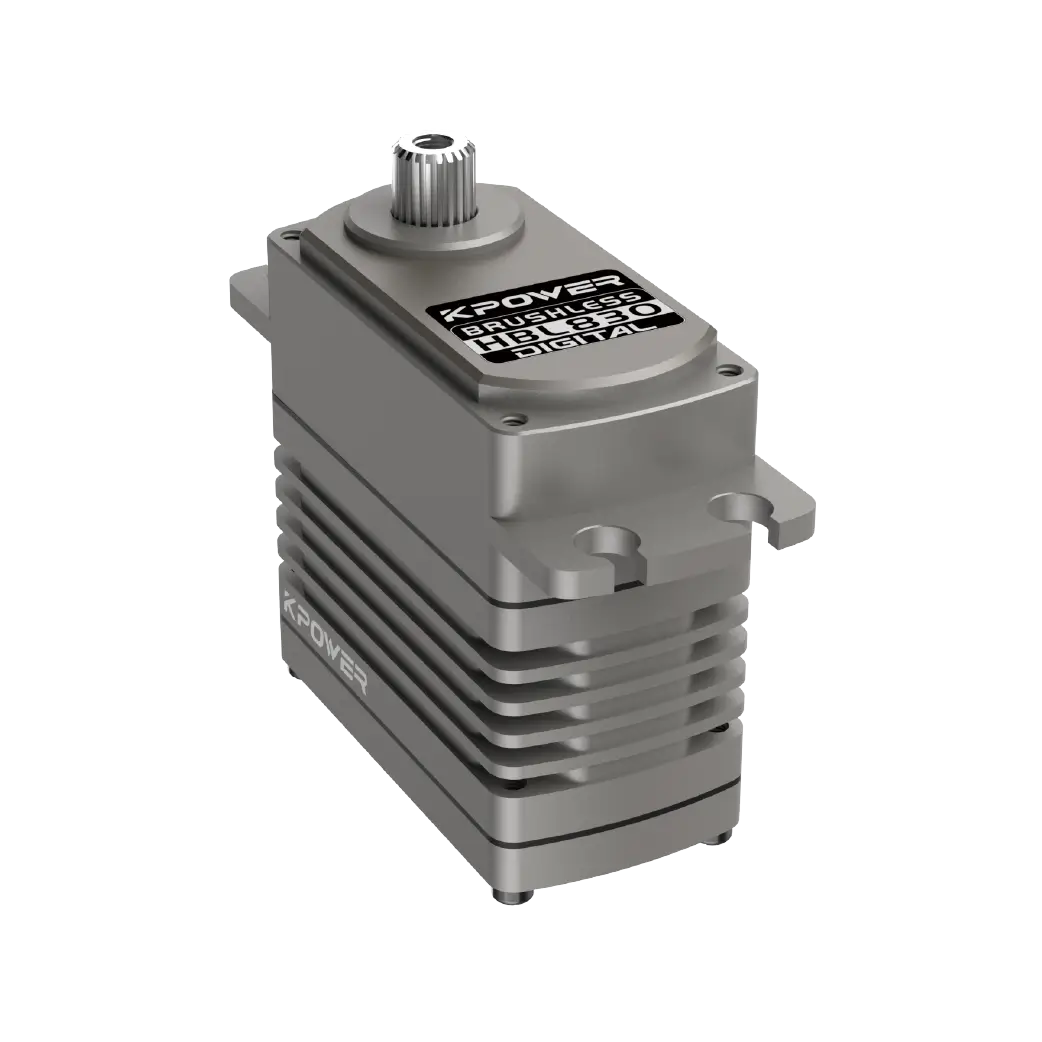
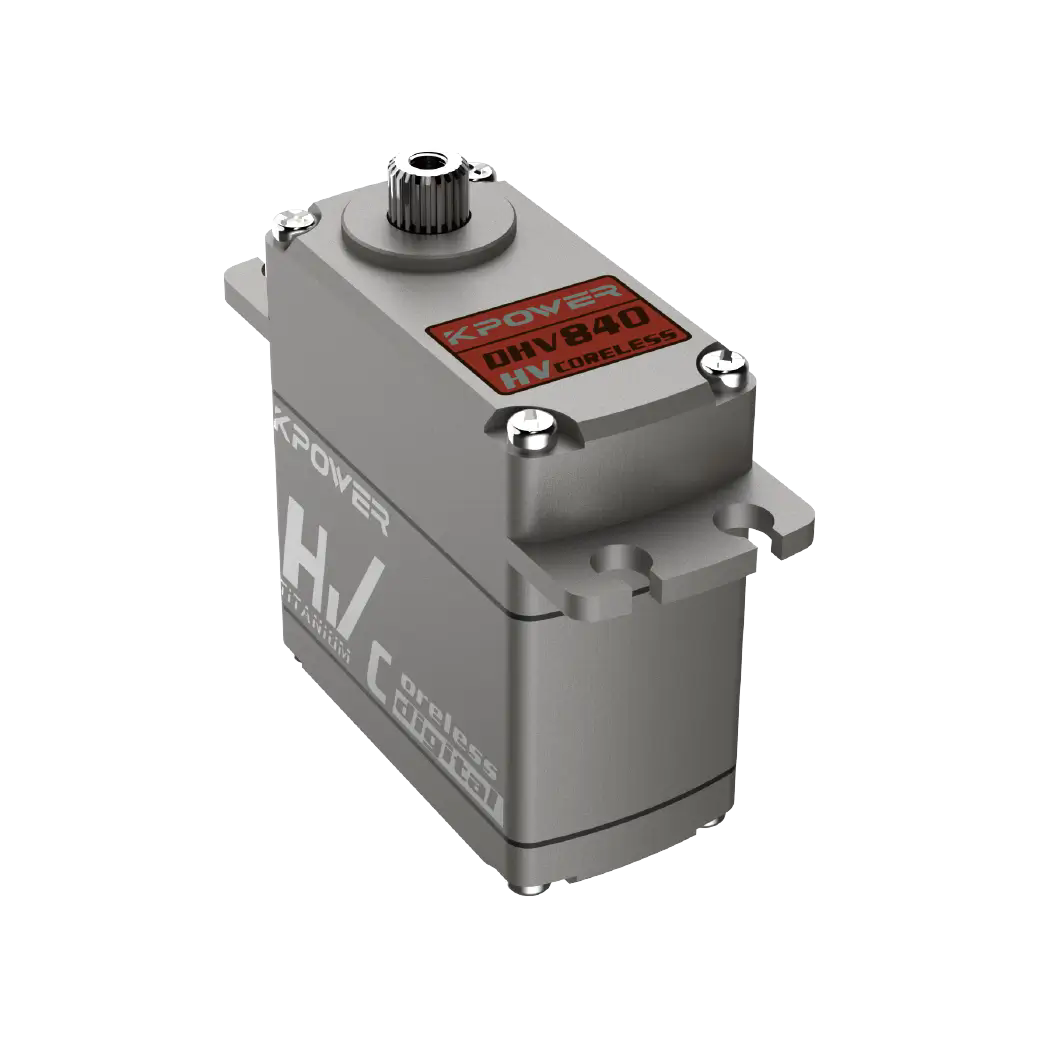
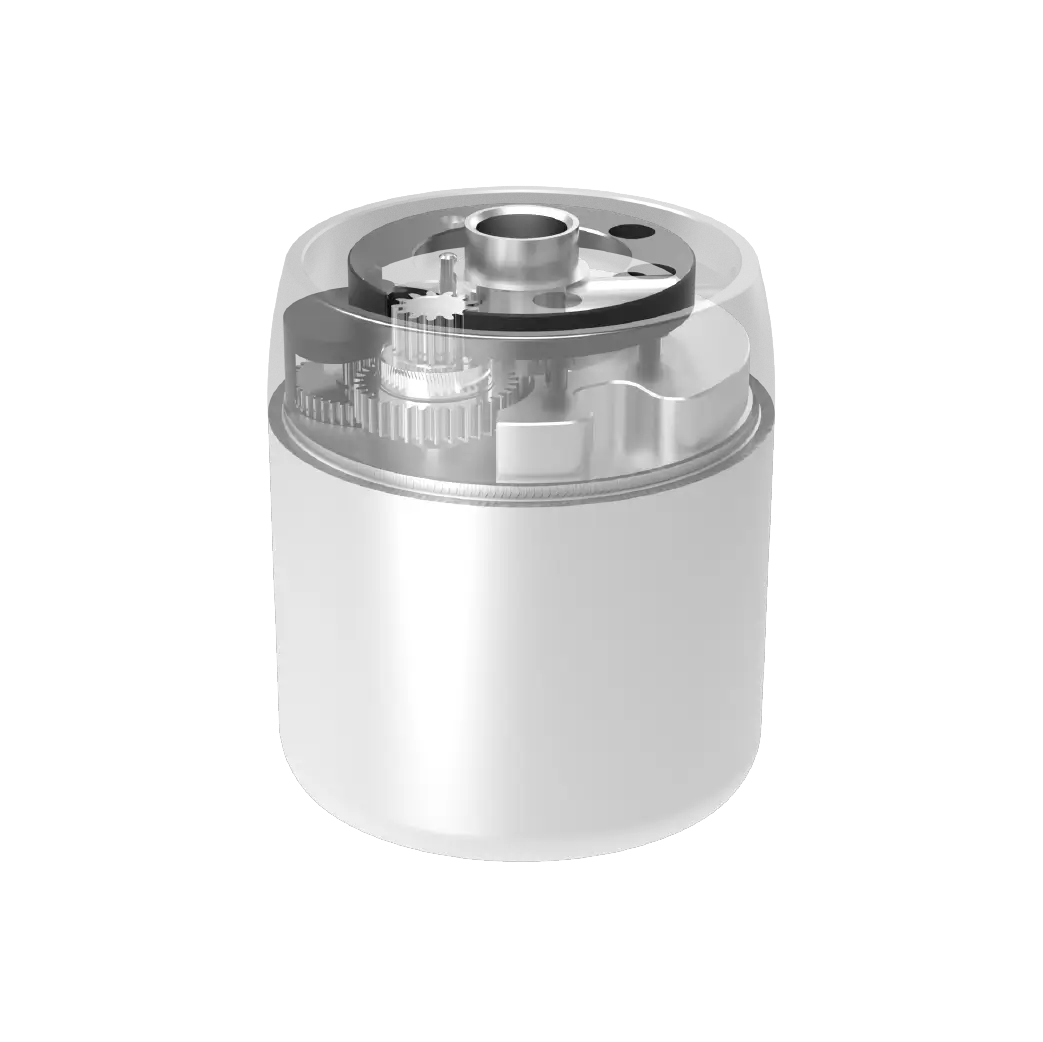
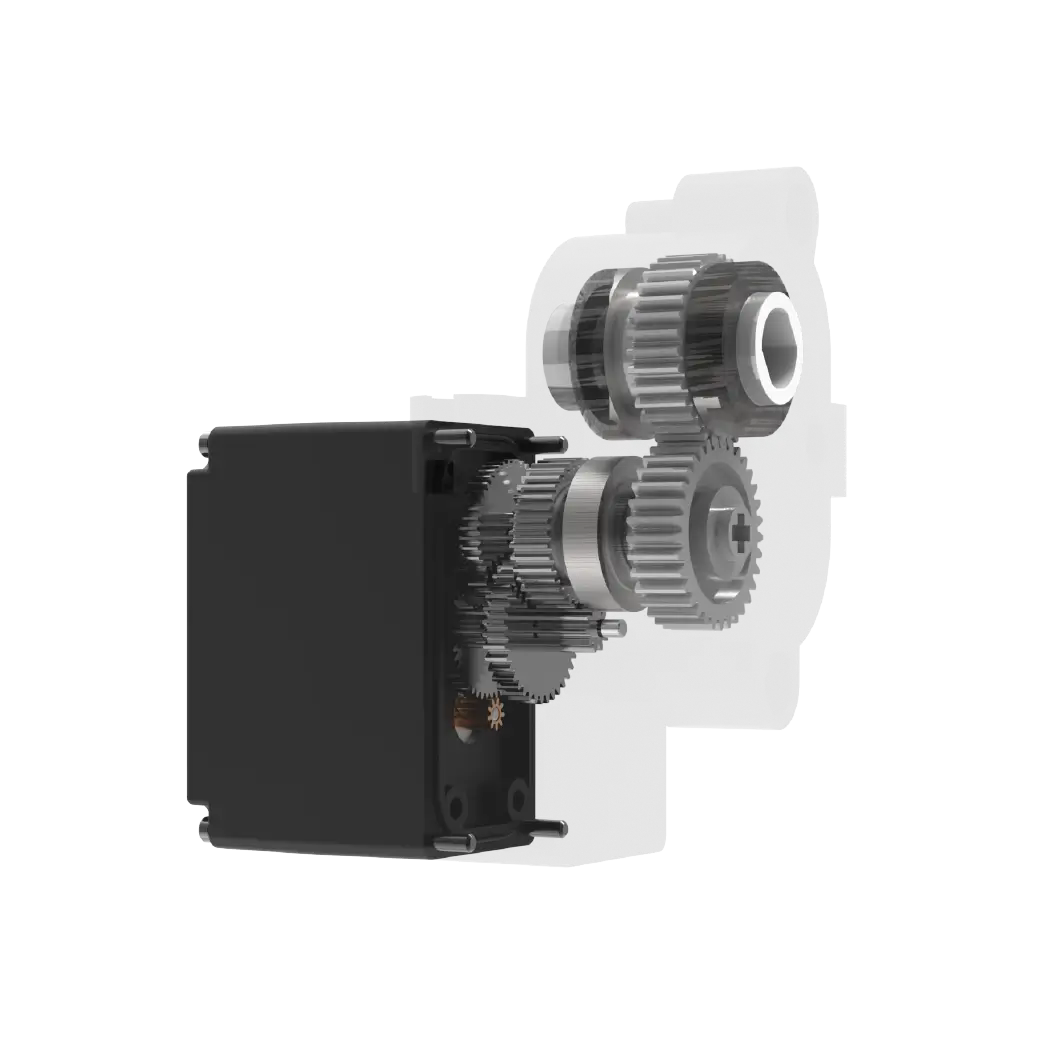
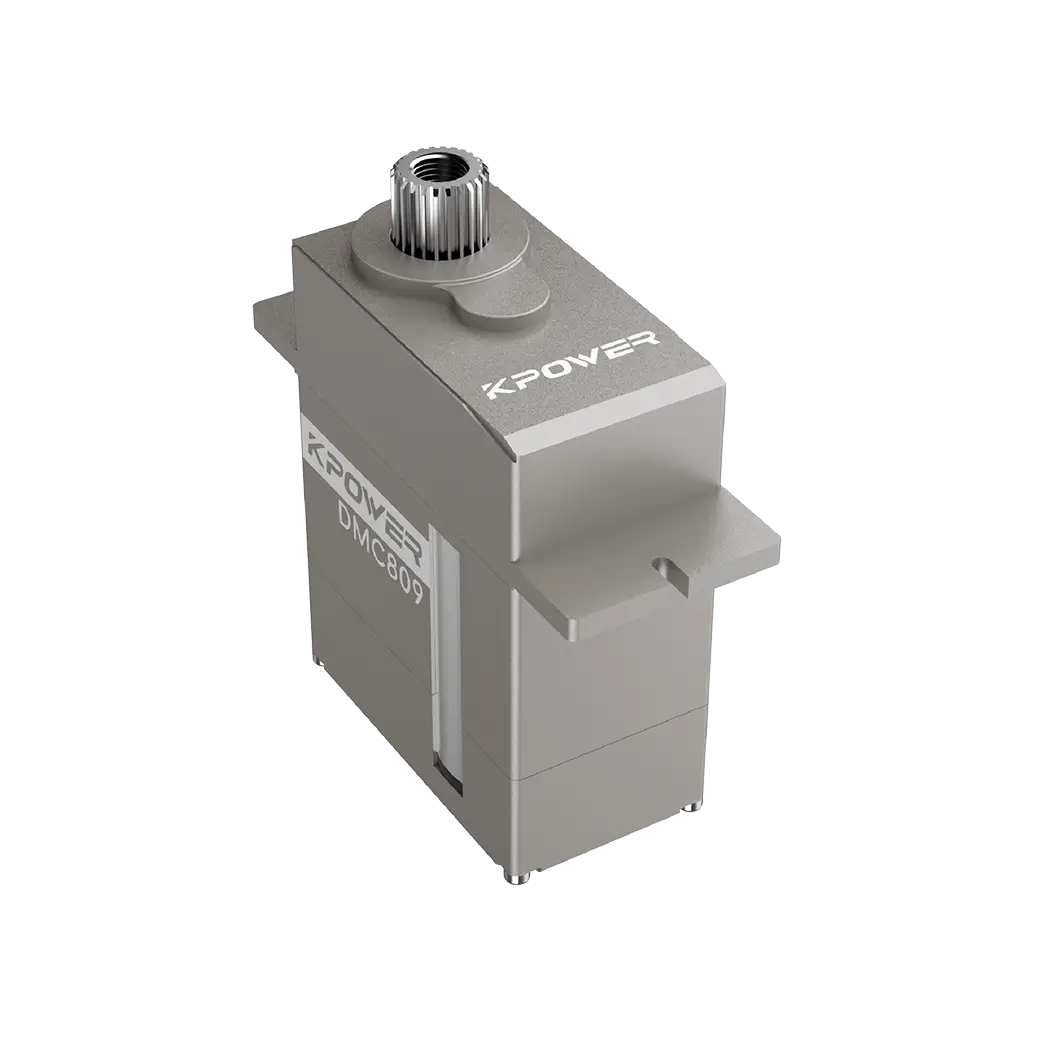
One microservice solely listens to the temperature of yourkpower servodrives. Another is dedicated to monitoring the positional feedback ofkpower舵机 in a robotic joint. Another handles lubrication schedules for gears. Each is a focused expert, running independently, communicating through clear, lightweight channels.
What does this look like on the factory floor? When that servo motor starts to run hot, its dedicated “health-monitor” microservice notices immediately. It doesn’t need to wait for the central system to finish other tasks. It instantly sends a clear alert and can even instruct a neighboring cooling service to activate. The arm’s “calibration-check” service maintains its precision autonomously. One small issue doesn’t have to become everyone’s problem.
The benefits aren't just theoretical; they’re tangible. It’s like switching from a tangled mess of wires to a clean, modular plug-and-play system.
First, resilience. In the old setup, a bug in the lubrication module could crash the entire control system. With microservices, if the “lube-scheduler” service has a hiccup, the “motion-control” and “temperature-monitor” services keep humming along. Your line keeps moving while you fix one small, isolated piece.
Second, scalability. Need to add ten morekpower舵机 to a new workstation? You don’t rewrite the monolithic monster. You simply deploy ten more copies of the proven “舵机-manager” microservice. It’s seamless, fast, and doesn’t risk breaking what already works.
Third, clarity in innovation. Upgrading a vision-inspection algorithm? You only touch the “vision-analysis” service. Your team can experiment, update, and deploy new features to specific areas without triggering a plant-wide shutdown for a full system rollout. Development becomes agile, not agonizing.
But a question often comes up: Isn’t this more complex to manage? It’s a shift in thinking, not an addition of complexity. You trade the complexity of a fragile, intertwined giant for the organized complexity of a well-coordinated team. Each service’s purpose is clear, its boundaries are defined. Troubleshooting transforms from “Where in this million-line codebase did it break?” to “Which specialist service is reporting the anomaly?”
Implementing this isn’t about magic; it’s about method. It starts with a mindset—viewing your mechanical product not as a singular entity, but as a collection of capabilities.
You begin by defining clear “domain boundaries.” What does the “motion” module do independently from the “safety” or “maintenance” module? For a Kpower伺服电机, its domain might include torque management, heat dissipation, and communication protocols. You wrap these related functions into a dedicated microservice.
These services then talk through stable, well-defined APIs—think of them as simple, reliable handshake protocols. They share only necessary data (e.g., “Motor A temperature: 72°C”), not their entire internal state. They are built to be loosely coupled but tightly aligned on the overall goal: smooth, efficient operation.
The infrastructure to support this—containerization, service discovery—acts like the robust nervous system connecting these independent muscles and senses. It ensures the “温度-monitor” service can always find and talk to the “cooling-fan” service, no matter where they are deployed on the network.
This approach turns your product from a static tool into an adaptive partner. Its functions can be updated, scaled, and observed with a precision that was previously unimaginable. The data it generates becomes structured insight, not noise.
In the end, moving to a microservices architecture for your mechanical and motion-control products is about embracing clarity over clutter. It’s designing systems that are as resilient and adaptable as the components they command. It transforms your relationship with your technology from one of constant management to one of confident collaboration. When every part can speak clearly about its job, you’re finally in a position to listen—and to build something truly extraordinary.
Established in 2005, Kpower has been dedicated to a professional compact motion unit manufacturer, headquartered in Dongguan, Guangdong Province, China. Leveraging innovations in modular drive technology, Kpower integrates high-performance motors, precision reducers, and multi-protocol control systems to provide efficient and customized smart drive system solutions. Kpower has delivered professional drive system solutions to over 500 enterprise clients globally with products covering various fields such as Smart Home Systems, Automatic Electronics, Robotics, Precision Agriculture, Drones, and Industrial Automation.
Update Time:2026-01-19

Contact Kpower's product specialist to recommend suitable motor or gearbox for your product.