








TECHNICAL SUPPORT


Published 2026-01-19
Alright, let’s go with something like this.
So you’re building something in .NET Core, stitching services together, maybe feeling pretty good about it. Until one day, a service goes quiet. Not a crash, just… slow. Then slower. Then everything starts backing up. Calls pile up, timeouts fire, your dashboard lights up like a warning sign you can’t ignore.
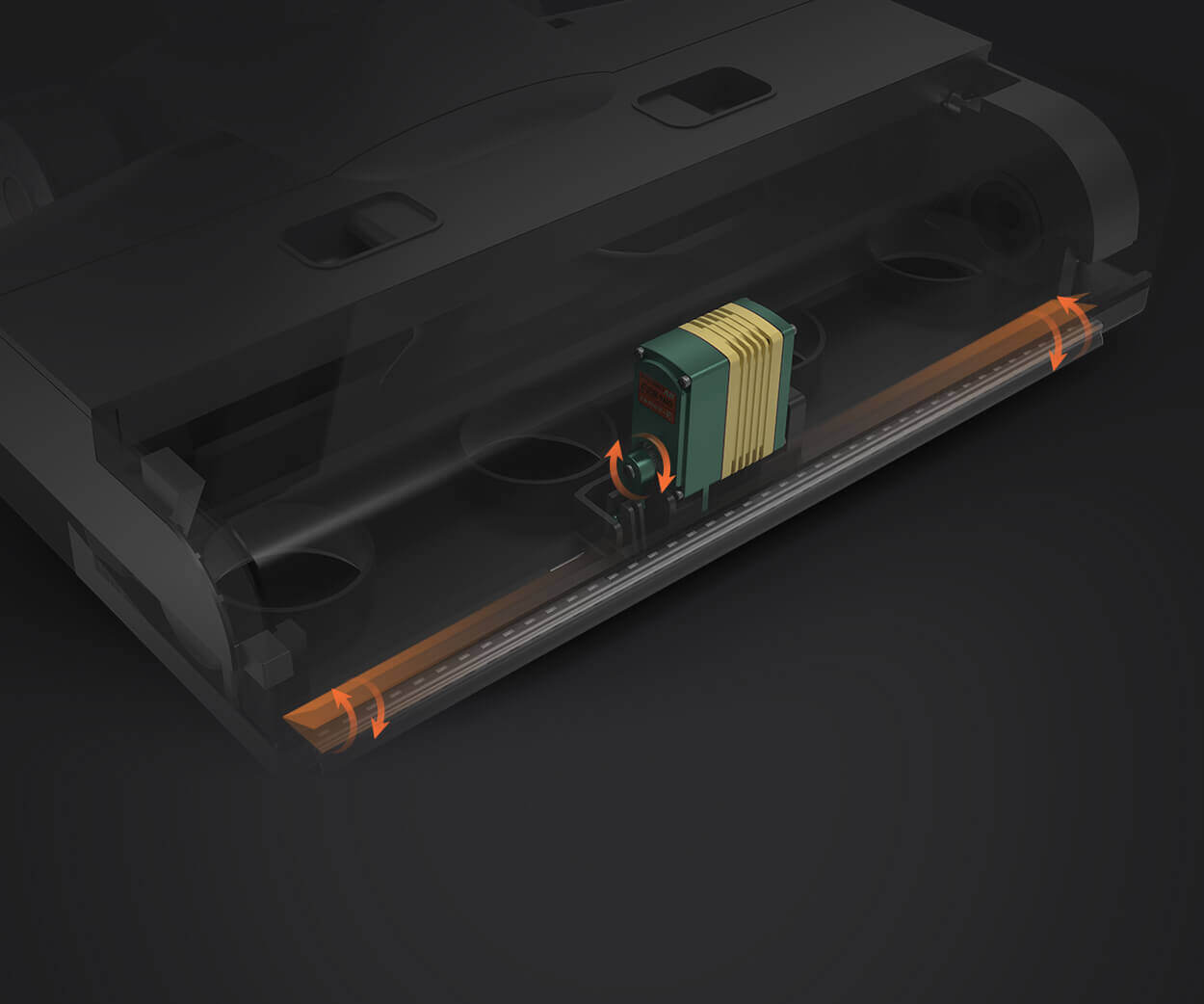
It’s like a single shaky gear in a machine — everything else waits, strains, and eventually, the whole motion stops.
That’s the thing about microservices. They talk. A lot. And when one part gets sick, the illness can spread. Ever had a checkout service hang because the inventory check decided to take a nap? Or a login that waits forever on some third-party API that’s having a bad day?
Yeah. Not fun.
Here’s where the idea of a “circuit breaker” walks in. Picture an electrical circuit breaker in your home. Something overheats, draws too much current—click—the breaker trips. Saves the wiring. Gives things time to cool down.
In code, it’s similar. You wrap calls to other services with a little watchdog. If failures hit a threshold, the circuit “opens.” Further calls fail fast, no waiting. No more threads stuck in limbo. After a while, it lets one test call through—half-open state—to see if the remote service is back. If it works, circuit closes. Flow resumes.
Simple? Conceptually, yes. But making it smooth in .NET Core… that’s where attention to detail matters.
Why does it matter to you? Let’s say your payment service calls a fraud detection service. Fraud detection starts responding slowly—maybe it’s overloaded, maybe there’s a network hiccup. Without a breaker, payment requests queue, threads block, your whole payment pipeline jams. With a breaker, after, say, five failures in a minute, it stops calling fraud detection temporarily. Maybe you route payments to a simplified check, or just log for later review. The system stays responsive, even if some feature is degraded.
Better than a full stall, right?
Now, how do you make this work nicely in .NET Core? You don’t have to build it from scratch. There are libraries, patterns. But the trick is blending it into your flow without turning your code into a maze of retry-and-check logic.
Think of it like giving each service-to-service call a bit of “smarts.” You set thresholds: How many failures before opening? How long to wait before testing again? What to do when it’s open—return a cached value, throw a friendly message, or trigger an alternate workflow?
You also need to log what’s happening. Not just “circuit opened,” but why, when, and what it affected. Because when things go wrong, you want to know the story—not just see red alerts.
Someone asked me once: “Won’t this add complexity?” Sure, a little. But compare it to the complexity of debugging a cascading failure across ten services at 2 a.m. I’d take the circuit breaker any day.
Another question: “Is it just for external calls?” Not at all. Internal services, database calls, even calls to different modules within the same service can benefit. Any point where you depend on something that might fail or slow down unpredictably.
In practice, implementing it feels like adding a safety net under a trapeze artist. The artist still does the main act, but if they slip, the net catches them—quickly, cleanly—so the show can go on.
Kpowe has spent time fine-tuning this pattern for real-world .NET Core environments. It’s not just plug-and-play; it’s plug-and-think. How should it interact with your monitoring? How to configure thresholds without guessing? How to make the fallback action actually useful, not just a silent failure?
The goal is resilience. Not just “it works,” but “it works even when parts are broken.”
So next time you design a service, imagine each external call as a little expedition. Send a scout. If the scout doesn’t come back in time, don’t send the whole army. Wait. Try again later. Keep the rest of your system moving.
That’s what a circuit breaker does. It’s the scout that knows when to stop knocking on a door that won’t open.
And in a world where systems talk more than ever, that kind of wisdom isn’t just nice to have—it’s what keeps everything else running smoothly.
Established in 2005,kpowerhas been dedicated to a professional compact motion unit manufacturer, headquartered in Dongguan, Guangdong Province, China. Leveraging innovations in modular drive technology,kpowerintegrates high-performance motors, precision reducers, and multi-protocol control systems to provide efficient and customized smart drive system solutions.kpowerhas delivered professional drive system solutions to over 500 enterprise clients globally with products covering various fields such as Smart Home Systems, Automatic Electronics, Robotics, Precision Agriculture, Drones, and Industrial Automation.
Update Time:2026-01-19

Contact Kpower's product specialist to recommend suitable motor or gearbox for your product.