







TECHNICAL SUPPORT


Published 2026-01-19
Ever felt like your machines are talking in different languages? You’ve got aservohere, a motor there, sensors chattering away—but somehow, they just don’t sync up. It’s like each part is doing its own thing, and you’re left untangling wires, delays, and missed signals. Sound familiar?
In mechanical setups, especially withservosystems and automation projects, communication hiccups aren’t just annoying—they slow everything down. Data gets stuck, commands arrive late, and before you know it, efficiency drops. But what if there was a way to let every component speak smoothly, like a well-rehearsed team?
That’s where a microservice service mesh comes in. Think of it as a smart translator and traffic manager for your machine’s internal conversations. Instead of letting data bump around randomly, it organizes how services talk, secures the chats, and keeps an eye on performance—all without you rewriting code or adding extra hardware.
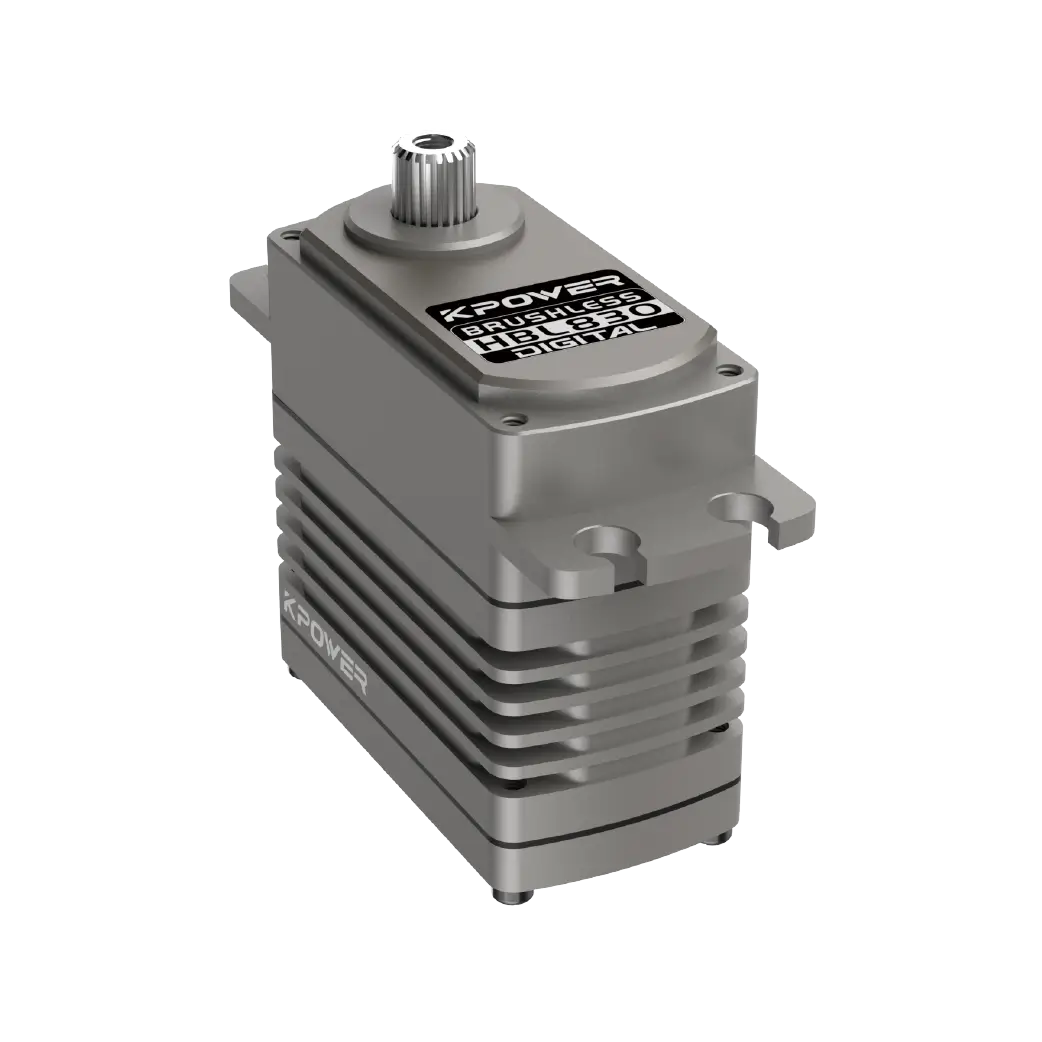
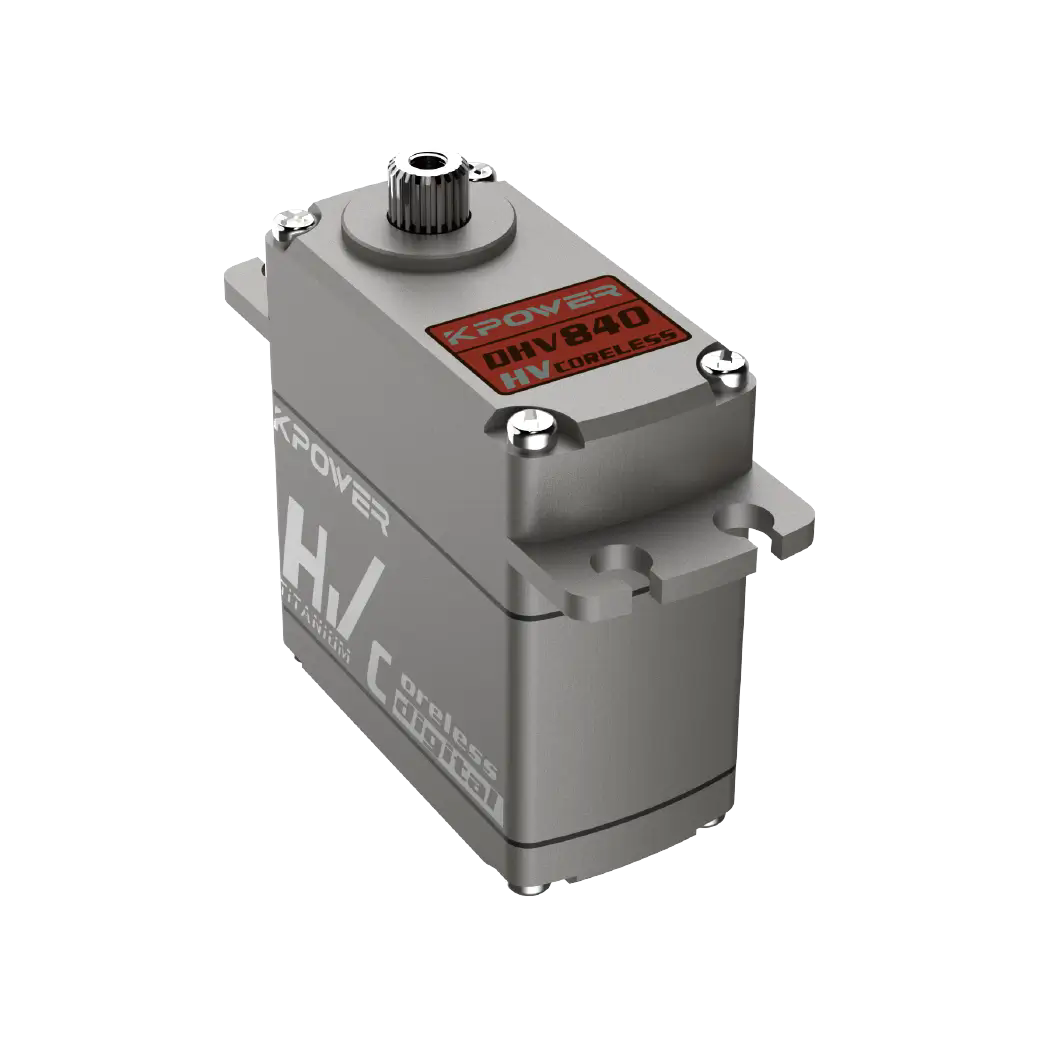
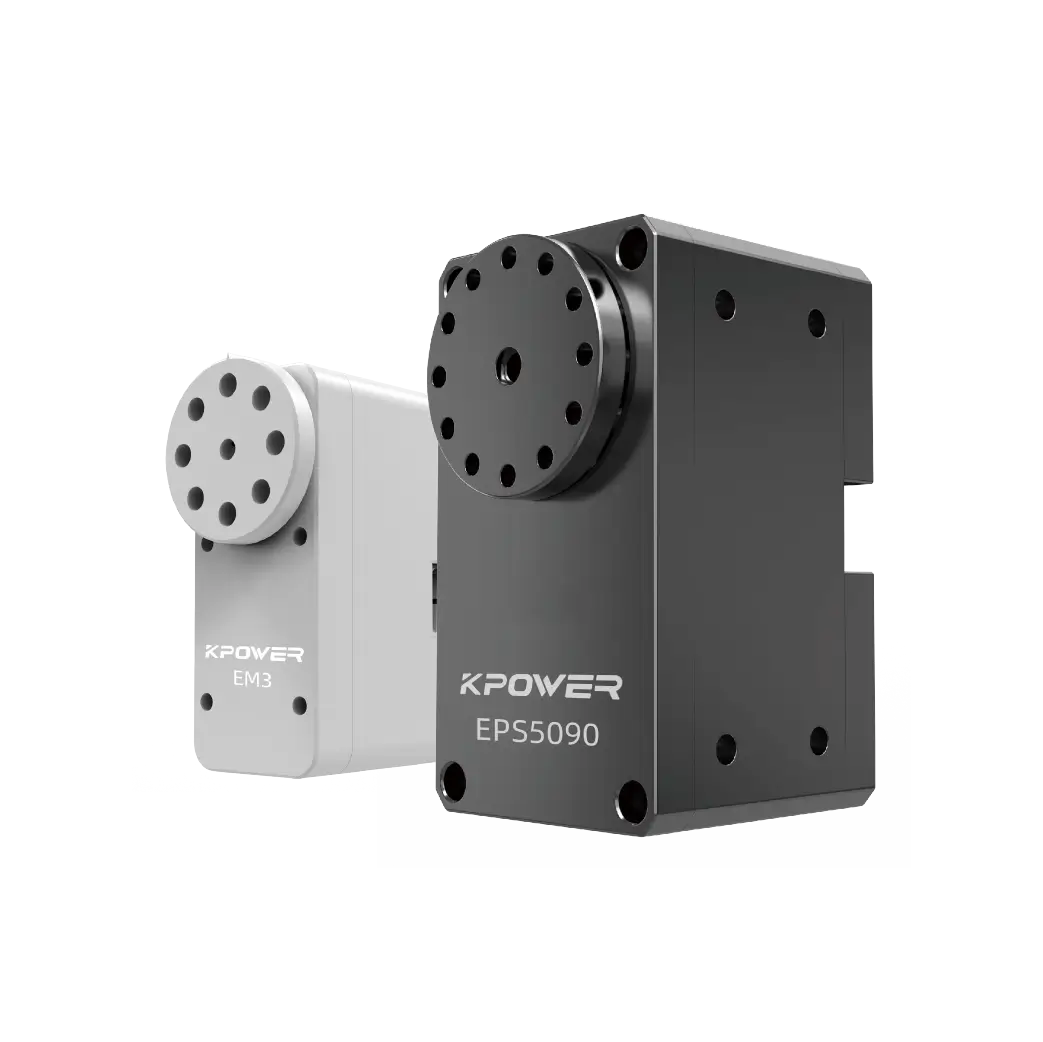
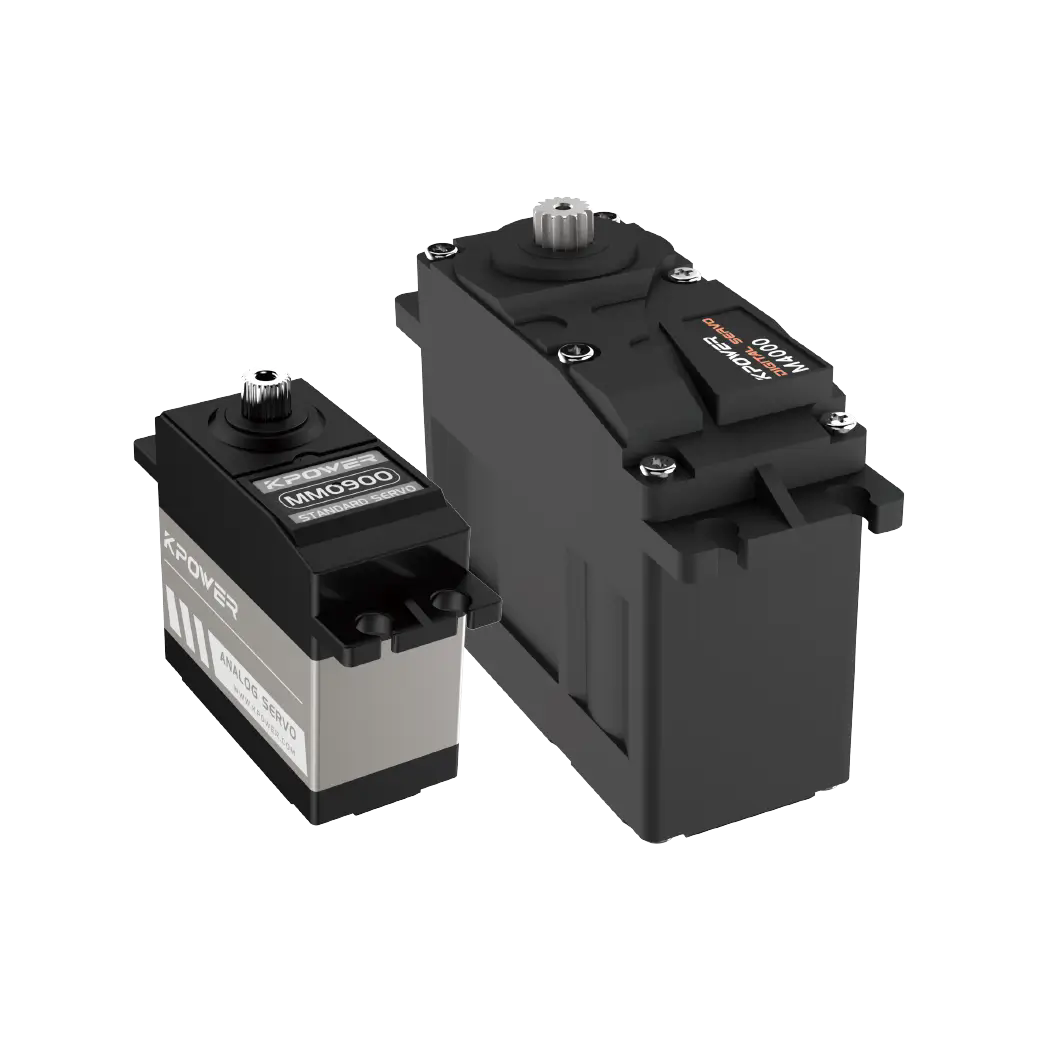
So, how does this actually help in real projects? Picture a robotic arm controlled by multipleservos. Without coordinated communication, movements can become jerky or unresponsive. With a service mesh layered in, each servo’s instructions flow in clear, timed sequences. Delays shrink. Precision improves. It’s less about adding something new, and more about making what you already have work better together.
Some might ask—isn’t this just more complexity? Actually, it simplifies. By handling communication behind the scenes, you focus on the mechanical design itself, not the data wires getting crossed. You get reliability without the extra headaches.
Why considerkpower’s approach? Because it’s built to mesh with real-world mechanics. Not as an abstract IT tool, but as a practical layer that understands timing, feedback loops, and device interoperability. It doesn’t demand you become a networking expert—it just quietly makes connections smarter.
Imagine upgrading a conveyor system. Sensors, drives, controllers all need to exchange information instantly. Without a clear communication layer, a small lag can ripple into operational delays. Implementing a service mesh here means data takes predefined, optimized paths. Monitoring becomes intuitive, issues show up before they escalate, and the whole system feels… calmer.
There’s a relatable pattern here: good mechanics isn’t just about strong parts, but how they interact. A service mesh ensures those interactions are clean, quick, and controlled. It’s like giving your project a nervous system that’s both resilient and responsive.
In daily work, the difference often shows in reduced downtime, simpler troubleshooting, and a smoother scaling path when you add more devices. It turns fragmented setups into cohesive units. And cohesion, in engineering, often translates to durability and trust.
So where does this leave someone looking to refine their mechanical or servo-driven projects? It points toward a layer of intelligence that’s subtle but significant—a way to ensure every piece not only fits but communicates with intent. Withkpower’s microservice service mesh, that intelligence is woven into the fabric of your design, helping machines talk less like strangers and more like partners.
After all, isn’t the goal to build things that work—and work together—seamlessly?
Established in 2005,kpowerhas been dedicated to a professional compact motion unit manufacturer, headquartered in Dongguan, Guangdong Province, China. Leveraging innovations in modular drive technology, Kpower integrates high-performance motors, precision reducers, and multi-protocol control systems to provide efficient and customized smart drive system solutions. Kpower has delivered professional drive system solutions to over 500 enterprise clients globally with products covering various fields such as Smart Home Systems, Automatic Electronics, Robotics, Precision Agriculture, Drones, and Industrial Automation.
Update Time:2026-01-19

Contact Kpower's product specialist to recommend suitable motor or gearbox for your product.