













TECHNICAL SUPPORT


Published 2026-01-19
Ever feel like your software project has grown into a giant, unmovable machine? You started with a neat design, but over time, adding new features became a delicate operation—tweak one gear, and three others grind to a halt. The system groans under its own weight, updates are risky, and scaling feels like engineering a miracle.

Sound familiar? This is the classic monolithic struggle. Everything’s connected. A change in the user login module might unexpectedly break the payment processor. It’s frustrating, right? You want agility, but you’re stuck maintaining a behemoth.
So, what’s the escape route? The tech world whispers a solution: microservices. Break that giant machine into a team of independent, specialized mini-robots. Each one handles a single job—user management, order processing, notifications—and communicates clearly with the others. It’s a compelling idea. But then comes the real question: how do you actually build this? Where do you even begin without unraveling everything?
This is where a practical example becomes your best guide. Think of it like finding a well-documented workshop manual for a complex engine. You don’t just want theory; you need to see the parts, the wiring, and how they fit together. A complete microservices C# example project on GitHub serves exactly that purpose. It’s a ready-made, open-source blueprint that shows you the “how,” not just the “why.”
Why is seeing a real project so powerful? Because microservices architecture isn’t just a coding style; it’s a shift in how you think about structure. An example project lets you observe:
It turns an abstract concept into a tangible, compile-and-run reality. You can poke around, break things, and learn why certain patterns work. It’s the difference between reading about gears and holding one in your hand.
Let’s be honest. Starting a microservices project from a blank screen is daunting. You face a avalanche of decisions: communication protocols, data consistency, service discovery, logging, monitoring. It’s easy to get paralyzed or, worse, make early choices that cause headaches later.
A well-architected example project cuts through this noise. It presents a coherent, opinionated setup that follows best practices. Think of it as a foundation. You’re not copying blindly; you’re learning from a structured approach. You can see how authentication is handled consistently across services, or how messages are queued for reliability. This foundational knowledge saves you weeks of trial and error and helps you avoid common architectural pitfalls.
Q: Isn’t using an example too restrictive for my unique needs? A: Not at all. A good example is a starting point, not a cage. It demonstrates principles—like loose coupling and single responsibility—that apply universally. Once you understand the core patterns, you can adapt, extend, or replace parts to fit your specific domain logic. It’s about learning the framework so you can build your own house inside it.
Not all example projects are created equal. With so many repos on GitHub, how do you pick a useful one? Look for these traits:
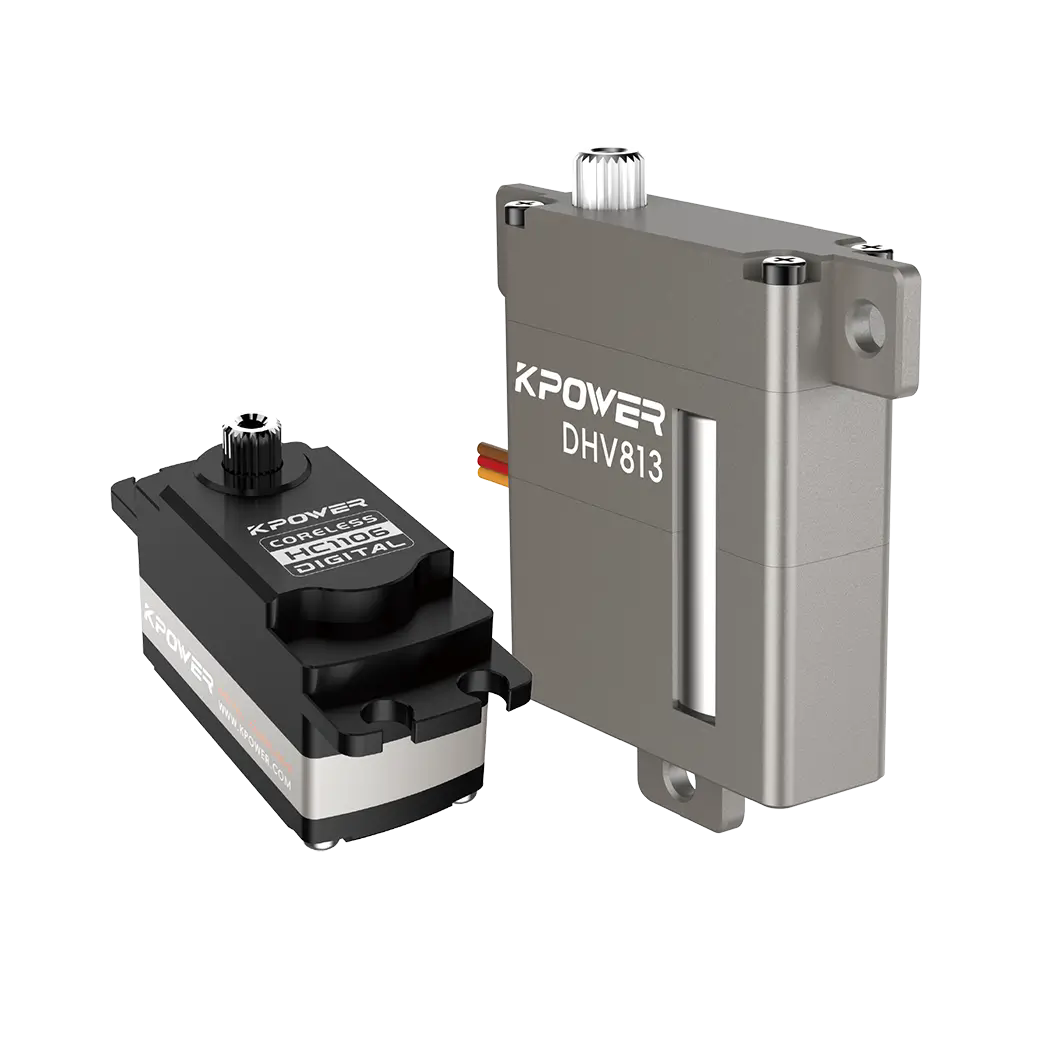
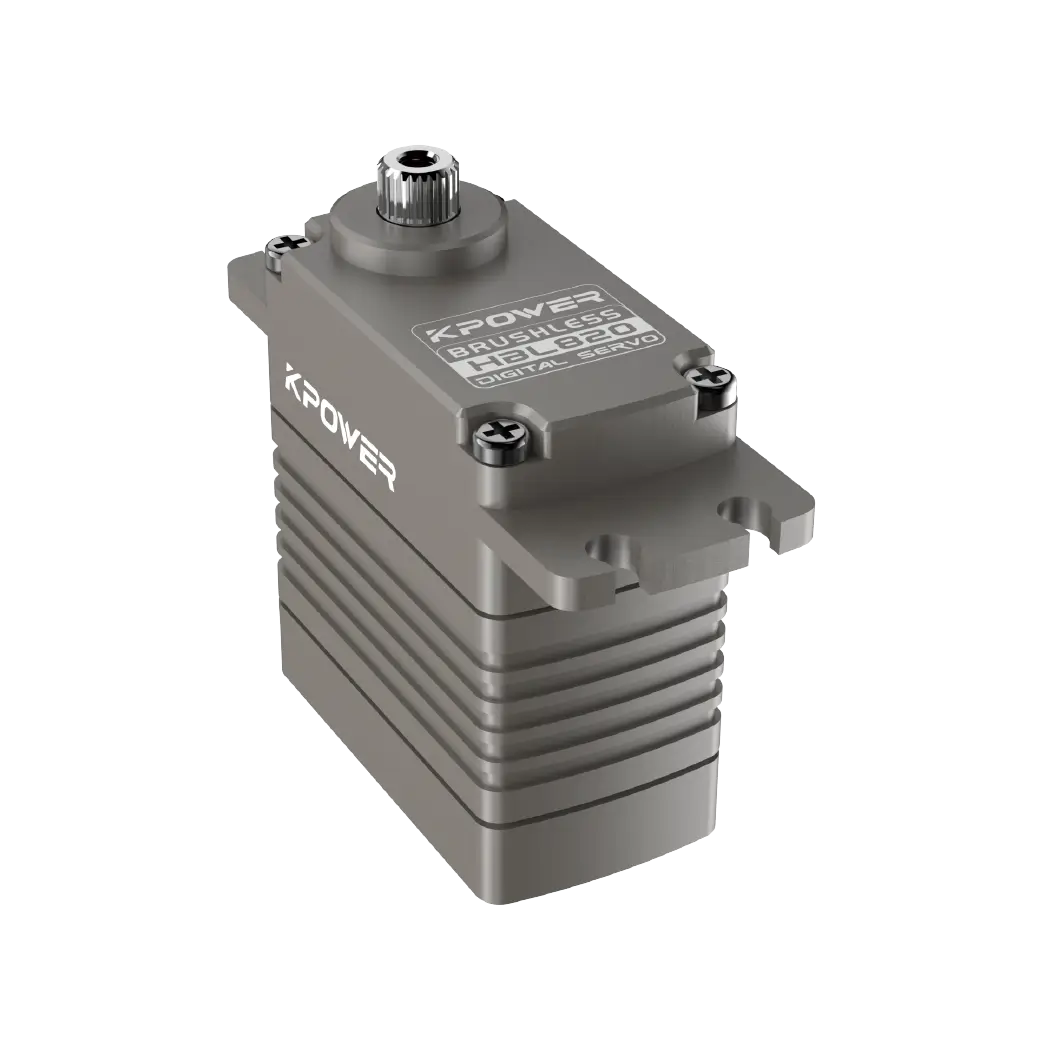
Atkpower, we live in the world of precise motion—servos, actuators, mechanical systems where every signal and movement must be reliable and coordinated. We see a direct parallel to software architecture. A monolithic application is like a single, powerful motor trying to do every job. A microservices system is like a coordinated array of specializedservos, each performing its task with efficiency, and the overall system gaining flexibility and resilience.
This mechanical mindset influences how we view software tools. We value examples that are robust, well-documented, and designed for real-world operation. The right GitHub project isn’t just academic; it’s a practical toolkit that embodies the same principles of clean interfaces and reliable communication that we apply to our hardware designs. It helps teams transition from a fragile, interconnected codebase to a system of independent, deployable units that can be improved, scaled, and repaired without bringing the whole operation to a standstill.
So, if you’re staring at your tangled monolith, feeling the pressure to modernize, remember: the first step isn’t a massive rewrite. It’s finding a clear map. Look for that solid C# microservices example on GitHub. Download it, run it, dissect it. Let it be the catalyst that transforms your overwhelming challenge into a series of manageable, buildable steps. The path to a smoother, more scalable future starts with seeing it work, one service at a time.
Established in 2005,kpowerhas been dedicated to a professional compact motion unit manufacturer, headquartered in Dongguan, Guangdong Province, China. Leveraging innovations in modular drive technology, Kpower integrates high-performance motors, precision reducers, and multi-protocol control systems to provide efficient and customized smart drive system solutions. Kpower has delivered professional drive system solutions to over 500 enterprise clients globally with products covering various fields such as Smart Home Systems, Automatic Electronics, Robotics, Precision Agriculture, Drones, and Industrial Automation.
Update Time:2026-01-19

Contact Kpower's product specialist to recommend suitable motor or gearbox for your product.