








TECHNICAL SUPPORT


Published 2026-01-19
Have you ever worked on microservices? That kind of list of interview questions is available everywhere on the Internet, but when I actually use it, I always feel that something is missing - it's either too general, or too old, or it's just a bunch of code snippets piled up there, which makes people have a headache. Not to mention finding a reliable place where you can look at the problem and have some shadows of actual projects for reference.

So someone started searching on GitHub. Searching "microservices interview questions github" results in a bunch of repos, some of which have a lot of stars, but when you click on them, you will find that the framework version was updated last year and has long since changed; some are fresh, but the questions are scattered and unsystematic. As you scroll through it slowly, you are already thinking: It would be much easier if someone could put together high-frequency issues, actual scenarios, and even architecture diagrams, and update them with technology trends.
In fact, this matter is not that mysterious. The key is continuous maintenance and scene focus.
For example, we have talked about a practice before - divide the microservices interview questions into several parts according to "Design → Deployment → Operation and Maintenance → Troubleshooting", and then break them into small questions under each block: how to deal with service discovery, how to do circuit breaker, what are the common solutions for data consistency... Under each question, do not write a standard answer, but put a code snippet, a configuration example, or even a short record of architectural decisions.
Why do this? Because in interviews, what the interviewer often wants to hear is not "what should be used", but "why you chose this, what problems you have encountered, and how you solved them." If the projects on GitHub can reflect this idea, their value will increase immediately.
At this point, someone may ask: "How do you judge whether a GitHub project is worthy of reference?"
Just look at a few points:
You can even fork a copy yourself, try applying the problems in it to a technology stack you are familiar with, change a few configurations, and run a demo to feel whether the problems are really close to actual work.
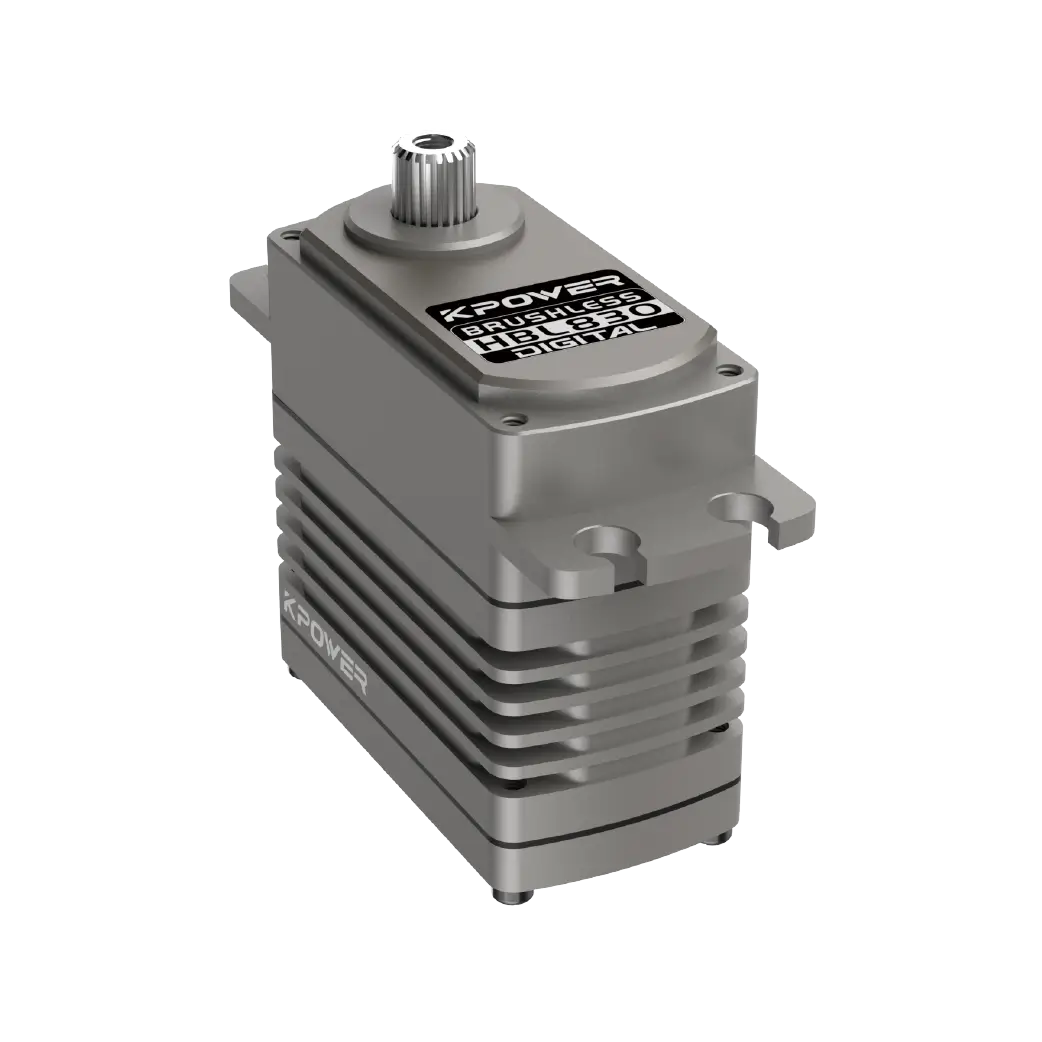
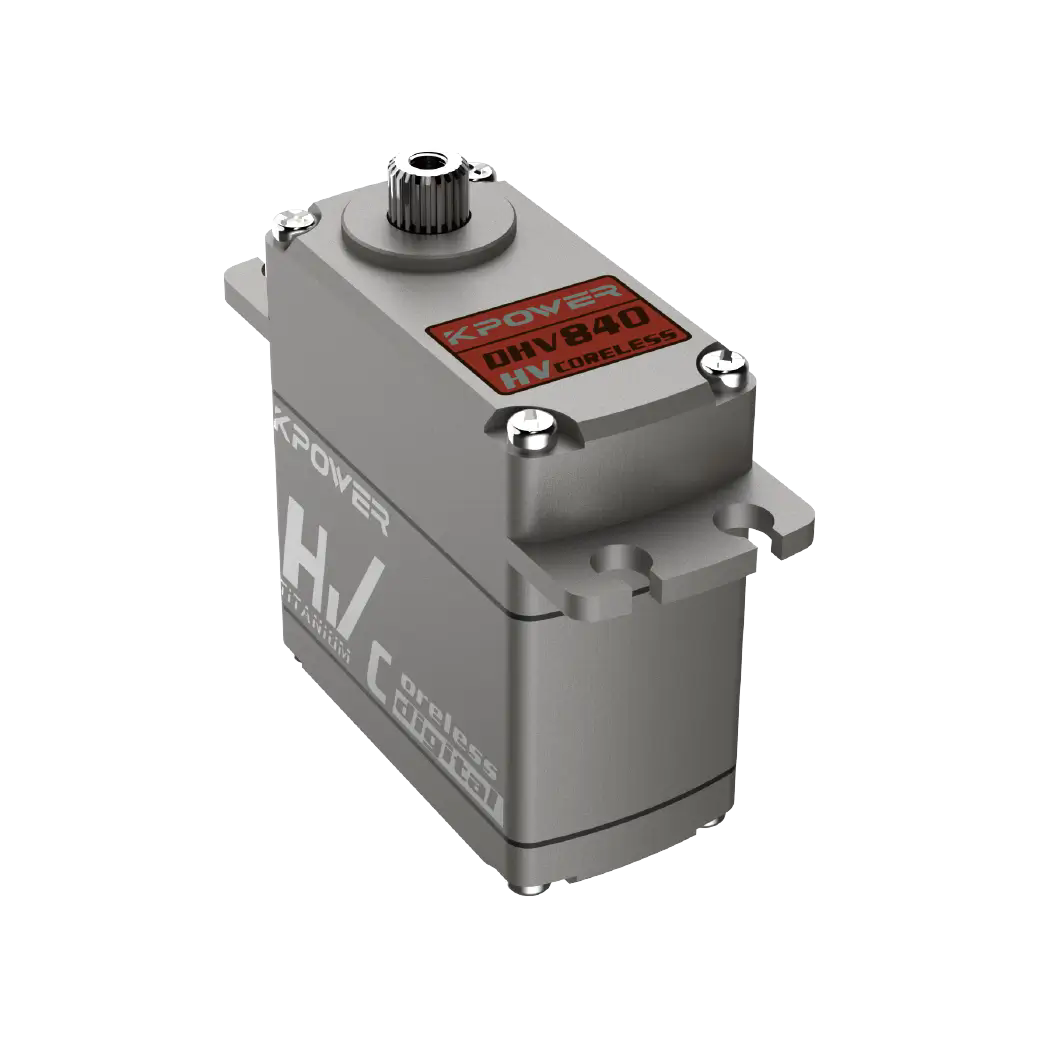
Of course, those who organize these must continue to use microservices in projects to know which problems are really common and which ones are outdated. Just like when you repair a robotic arm, you can't just read the manual. You have to manually adjust the servo motor and know how the feedback signal fluctuates when the load changes. Only then can you be confident.
So, back to the original search term - "microservices interview questions github". Behind it is not a static question bank, but a living project that requires someone to continue to fill in content, fix errors, and follow the technology. If you just pile up excerpts, you will soon be buried in the search results; if you can make it into a knowledge base with scenarios, examples, and even a bit of "storytelling" style, then it may become the treasure page that many people secretly turn to before the interview.
A nagging saying: Don’t be afraid of small things, but be afraid of being impractical. A few well-organized questions are more useful than a hundred general lists. Next time you search for similar content, maybe pay more attention to repos that look like they were "just picked out of the project" - they often hide things that are really worth your time.
Established in 2005,kpowerhas been dedicated to a professional compact motion unit manufacturer, headquartered in Dongguan, Guangdong Province, China. Leveraging innovations in modular drive technology,kpowerintegrates high-performance motors, precision reducers, and multi-protocol control systems to provide efficient and customized smart drive system solutions.kpowerhas delivered professional drive system solutions to over 500 enterprise clients globally with products covering various fields such as Smart Home Systems, Automatic Electronics, Robotics, Precision Agriculture, Drones, and Industrial Automation.
Update Time:2026-01-19

Contact Kpower's product specialist to recommend suitable motor or gearbox for your product.