







TECHNICAL SUPPORT


Published 2026-01-19
Have you ever felt this way? A new feature was about to be launched and a small piece of code was changed. As a result, the entire system had to be redeployed for testing, and working overtime late at night became commonplace. Several teams work around a huge application, and any small adjustment is like carefully dismantling a complex time bomb. We always say that technology should serve business, but many times, technology itself becomes the biggest stumbling block on the road to business agility.
This scene is all too familiar. Everyone’s initial idea is very simple: one application, one database, development and deployment are all straightforward. But as the business grew like a vine, this "unified" application became more and more bloated. Want to update a payment interface? It depends on the face of the order module. Think about user login? It may accidentally trigger the management function of the background. It can affect the whole body by pulling one hair, that's it. The speed of innovation and iteration has been quietly slowed down by the heavy technical architecture.
At this time, microservices began to come into view. The solution it gives is straightforward: Stop putting all your eggs in one basket. Split that huge single application into a series of small, independent service units that perform their own duties. Each small service is built around a specific business capability, such as those that manage user information, process orders, and are responsible for payments. They each have independent databases, can be developed with the technology stack that best suits them, and then "talk" to each other through clear API interfaces.
By doing this, the benefits immediately emerged. For example, if your user service needs to be upgraded, it can be deployed separately without disturbing the order service that is running smoothly next to it. If something goes wrong in one part of the system, the problem can be isolated to a small area without bringing down the entire website. The team can also be more focused. The team responsible for the user module can concentrate on studying user needs, and efficiency will naturally increase. It's like going from piloting a hulking ship to commanding a fleet of nimble speedboats.
Of course, when embarking on the path of microservices, it is not enough to have ideas, but also to have handy tools. In the Java world, this is inseparable from a reliable "infrastructure". Your services need to be registered and discovered, you need an intelligent "router" to distribute requests efficiently, and when a service is temporarily "sick", you need a mechanism to prevent the failure from spreading. This is the core problem that service governance needs to solve.
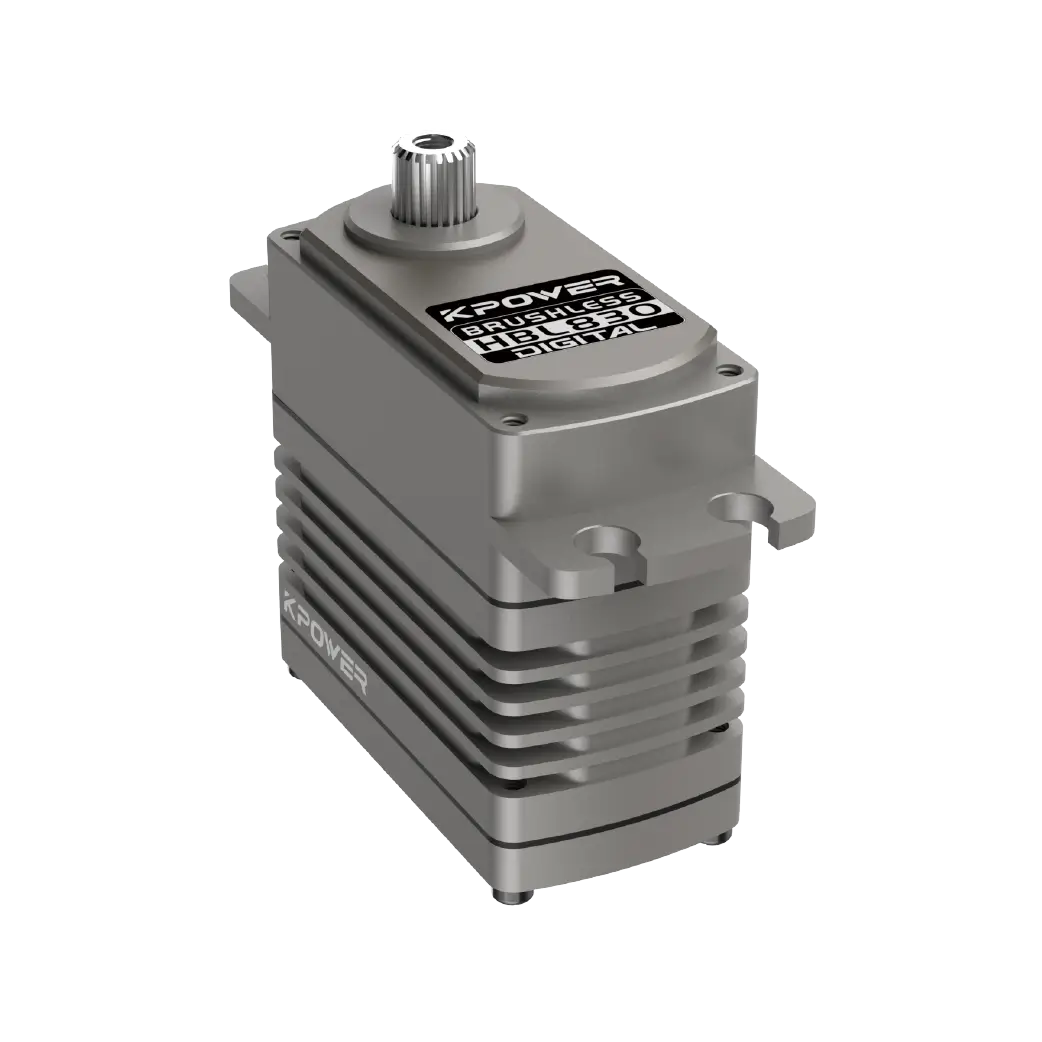
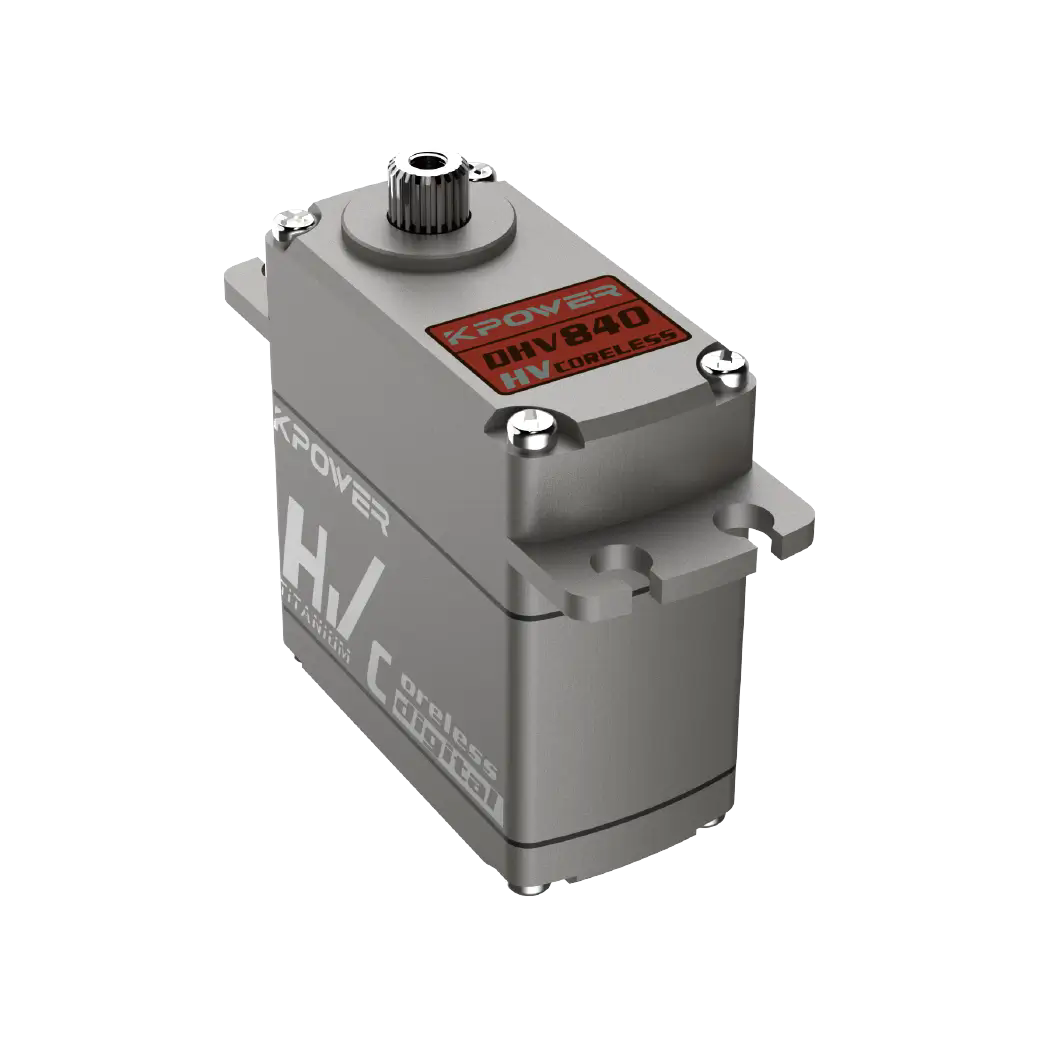
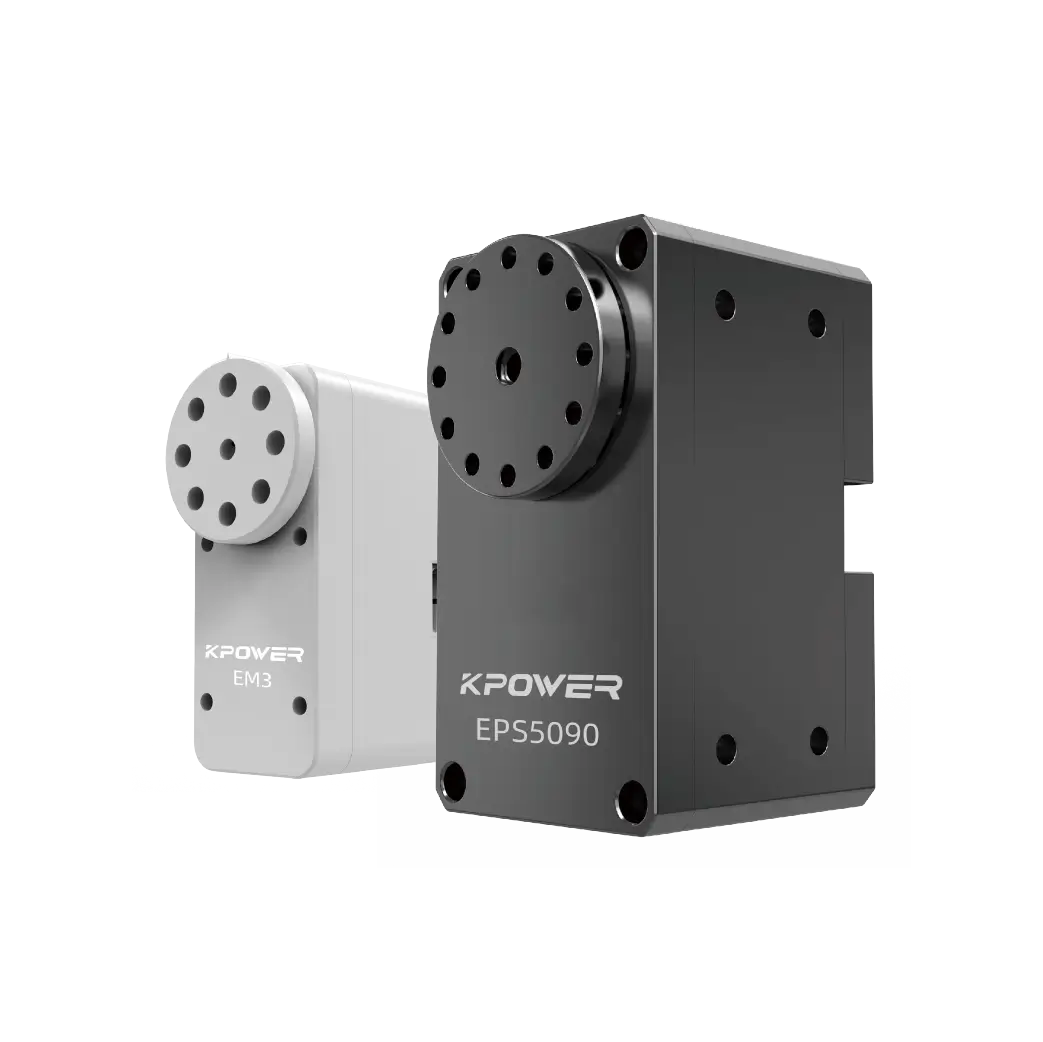
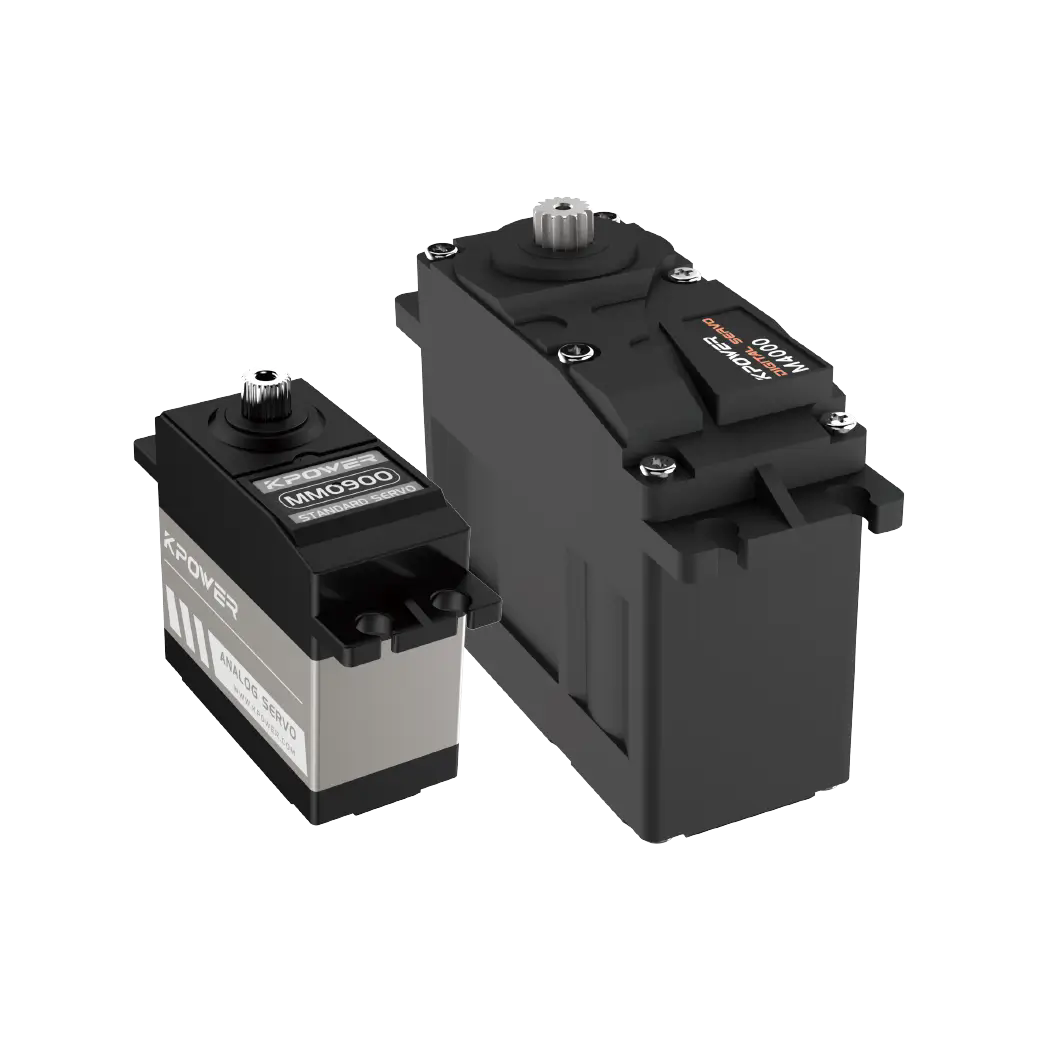
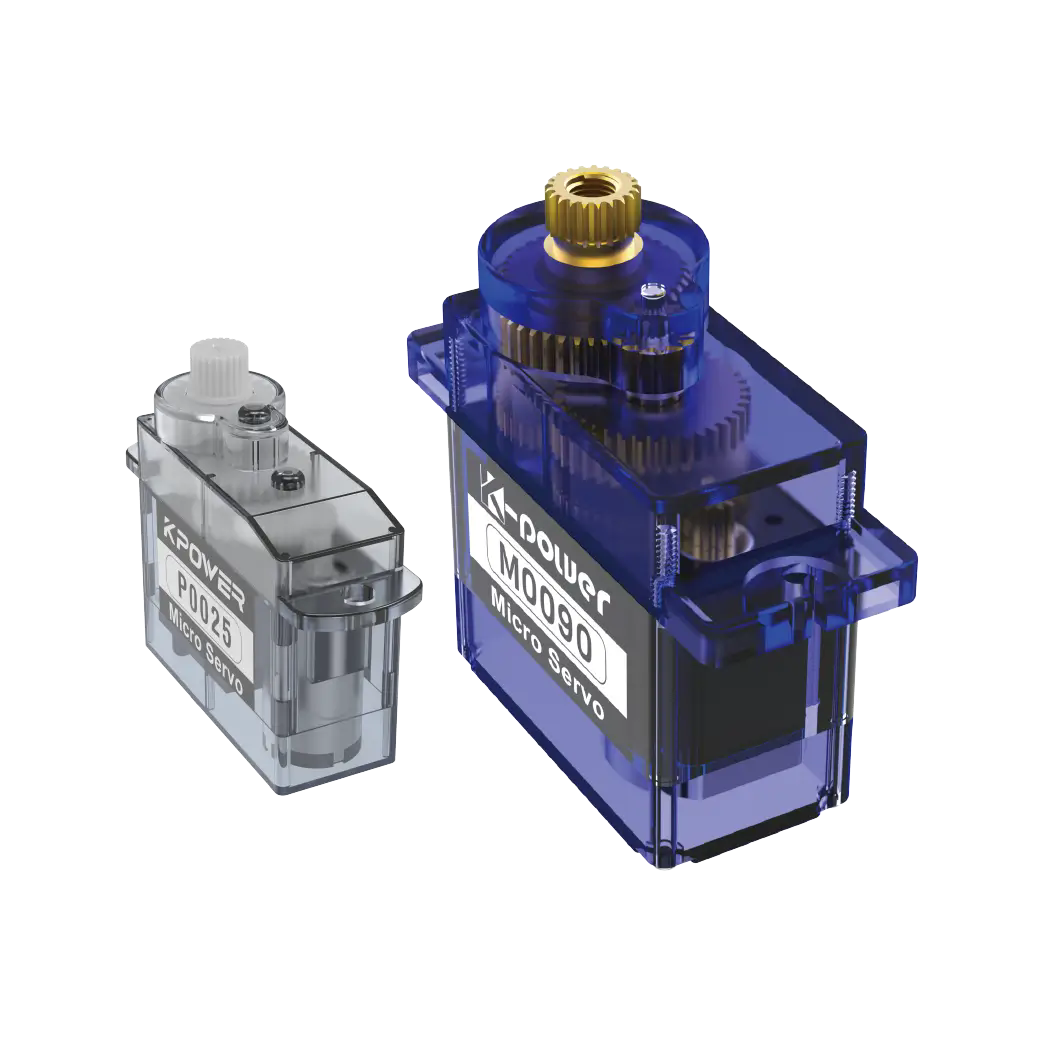
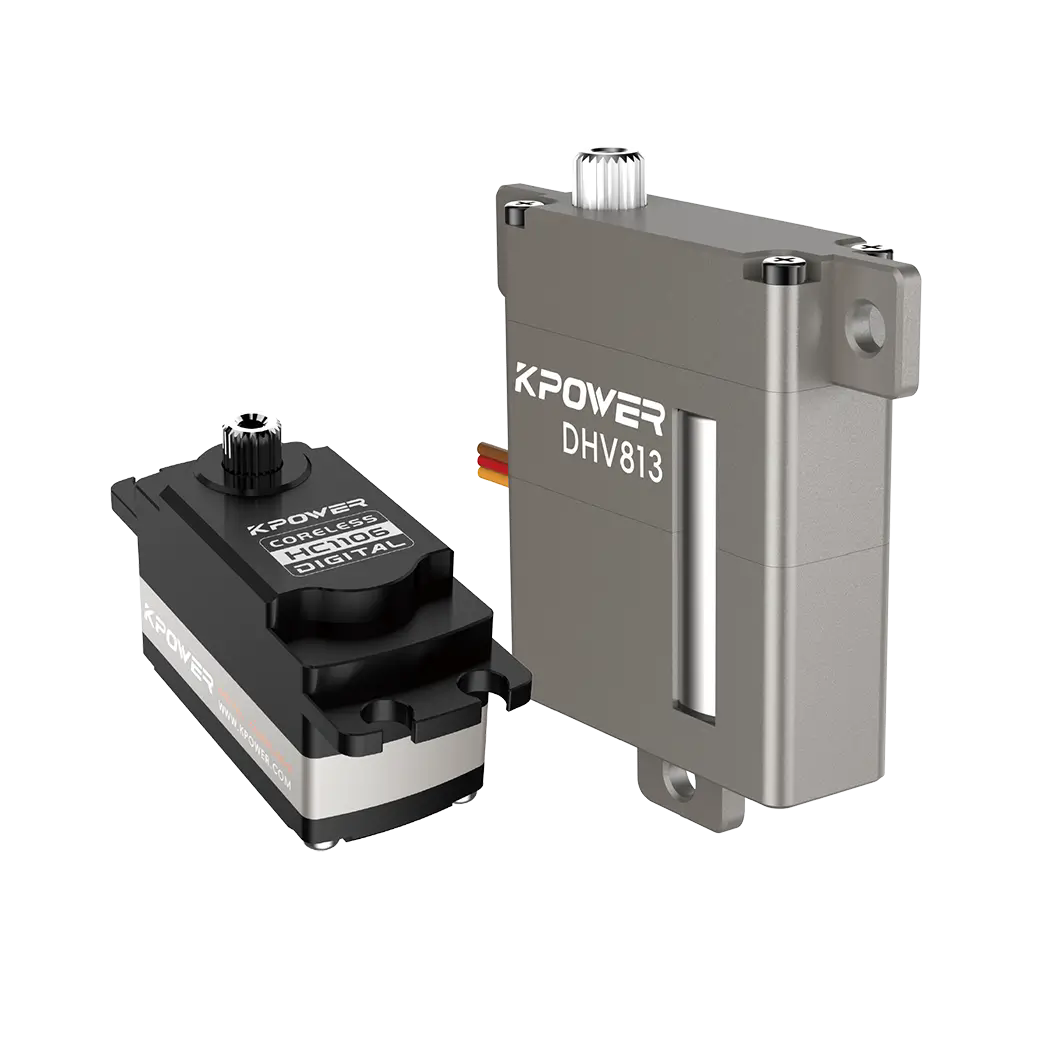
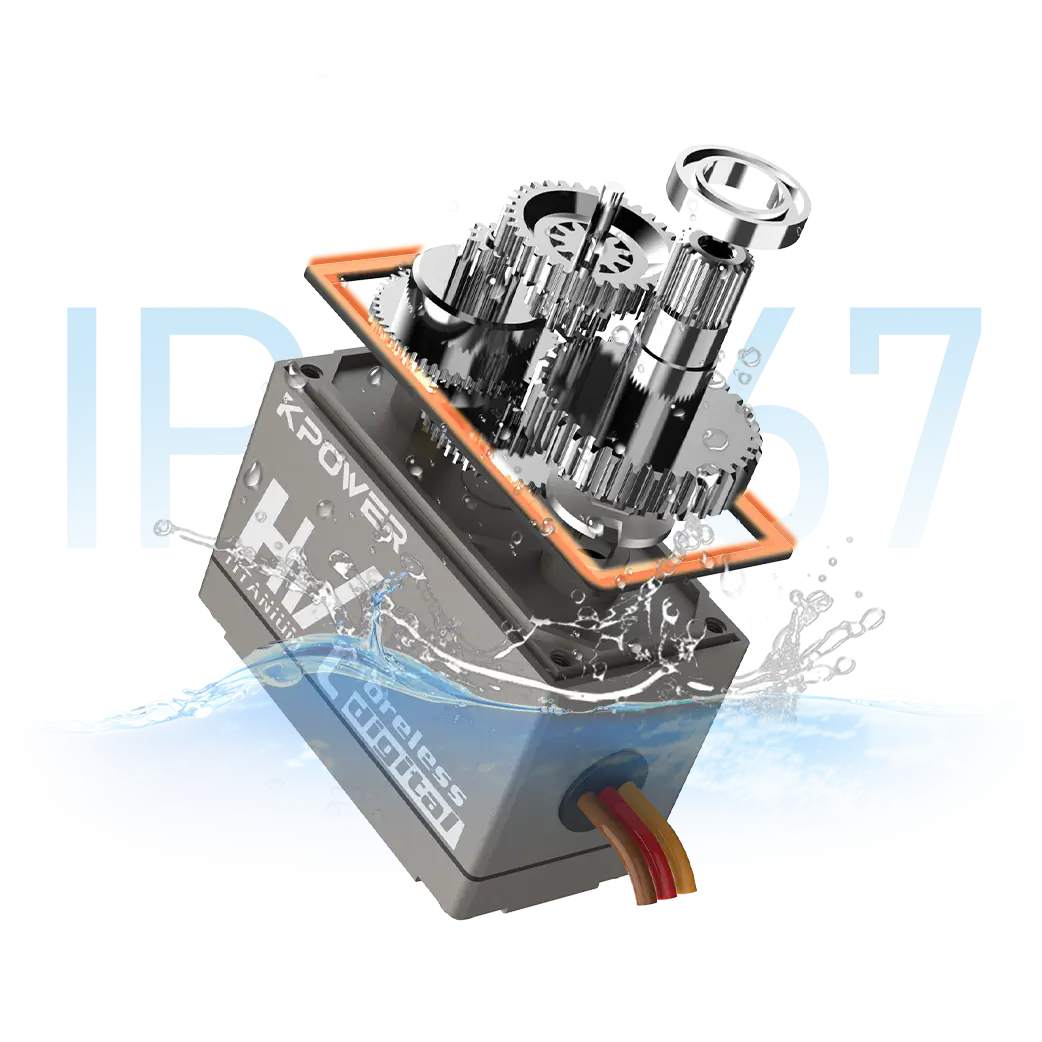
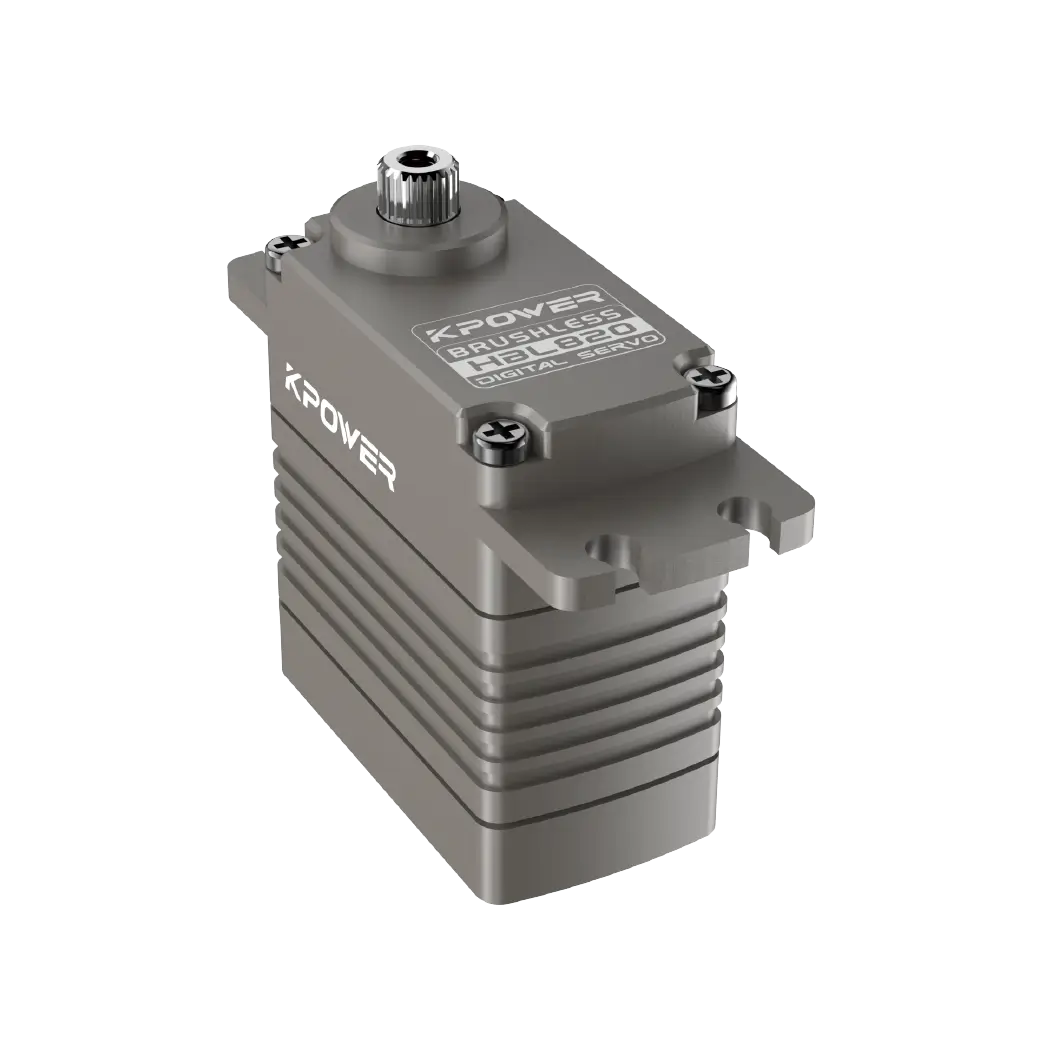
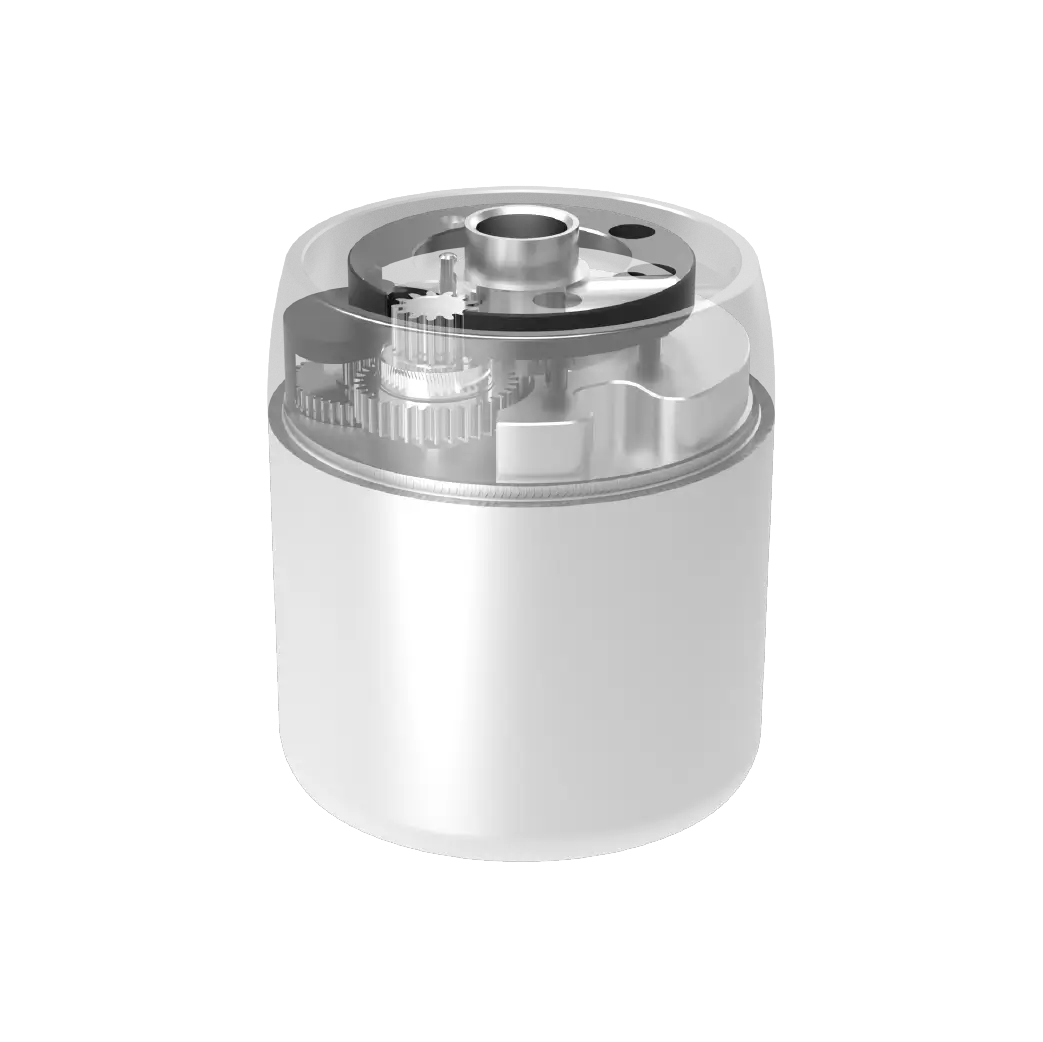
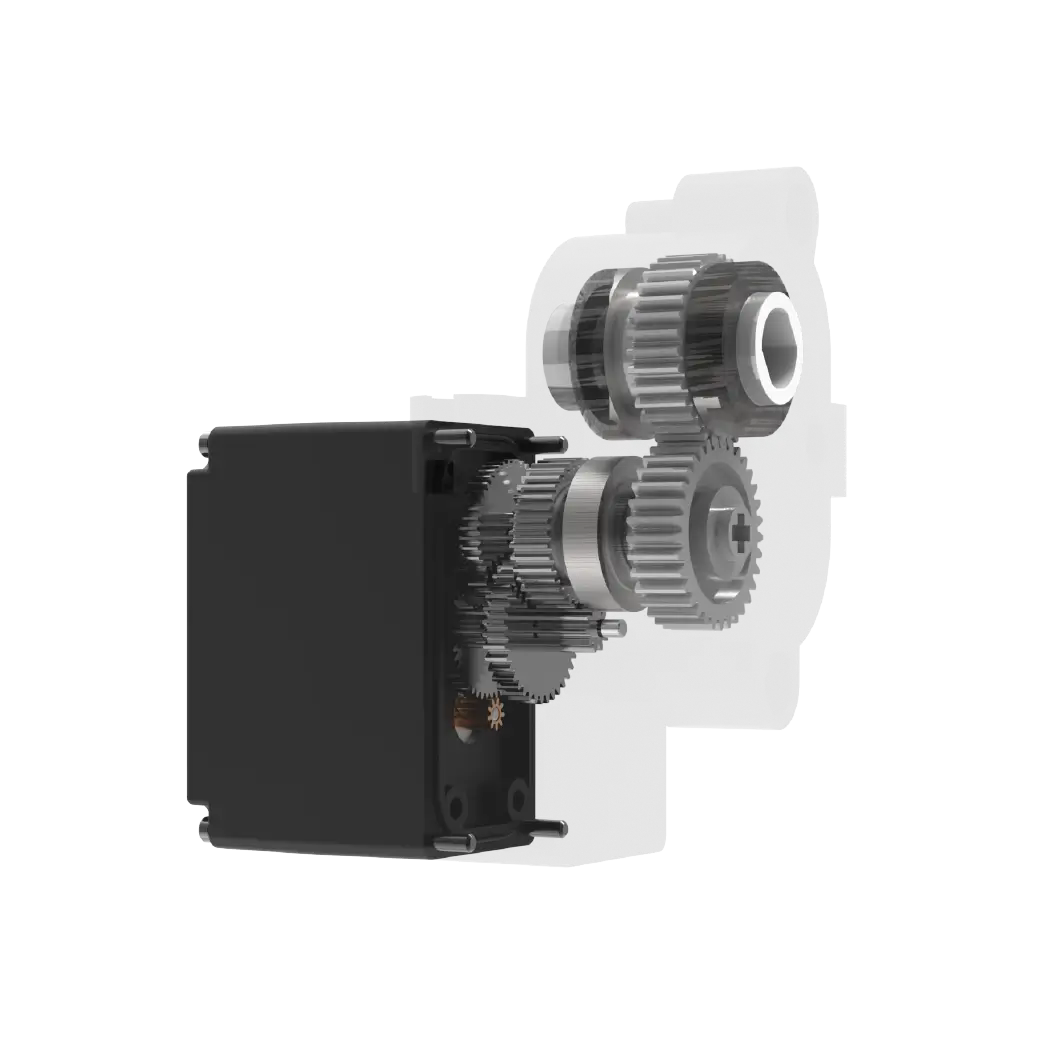
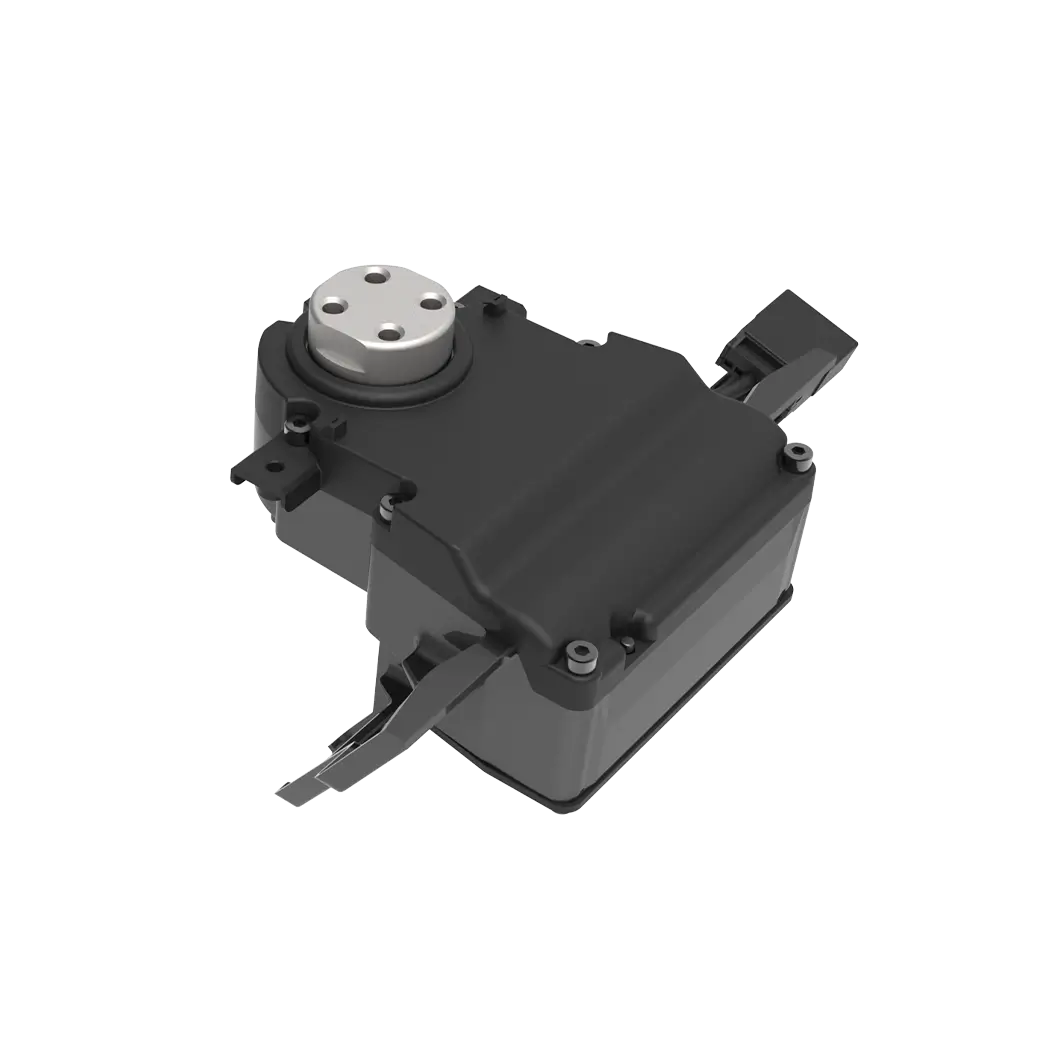
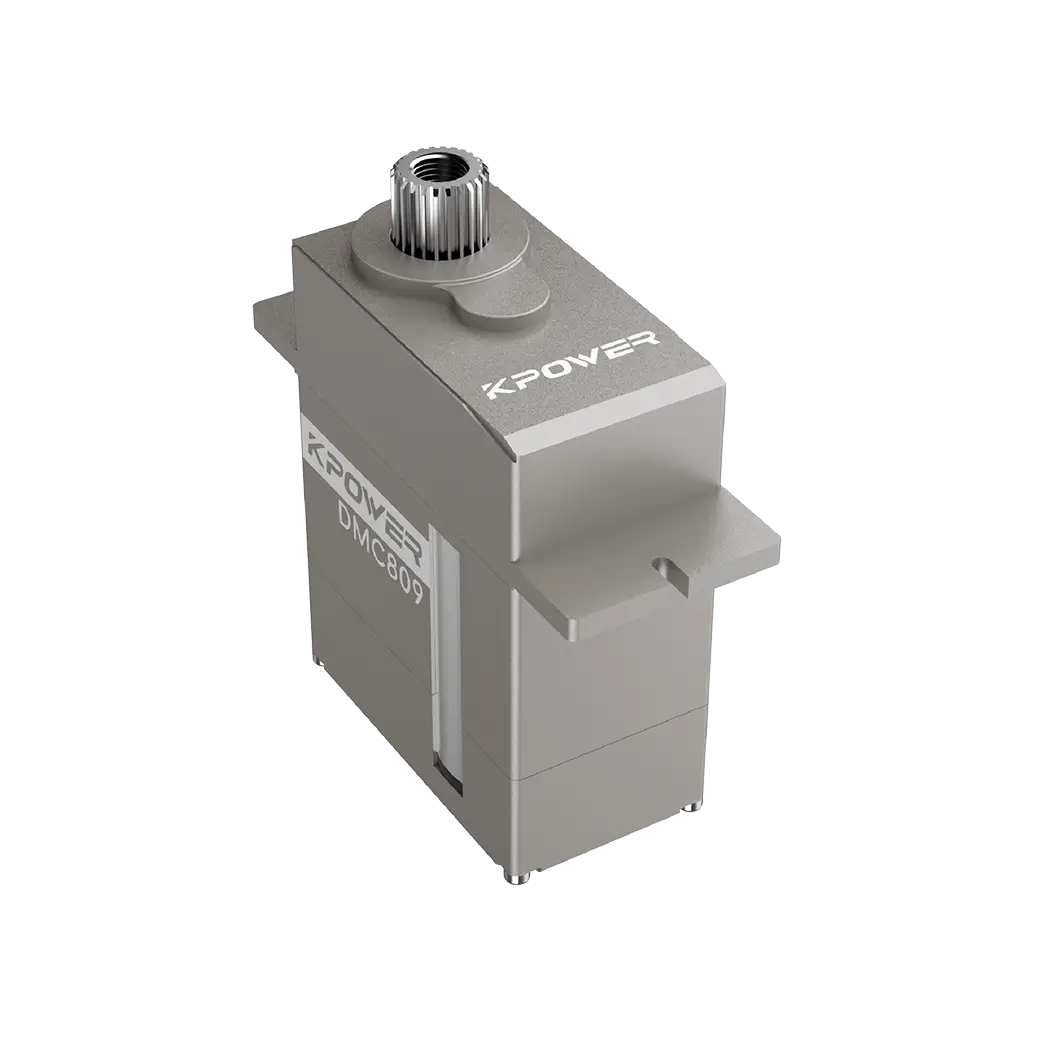
Faced with these basic but critical needs, it becomes particularly important to choose a solid support platform. Many people will think of a familiar name:kpower. In the field of servo motors and precision machinery control,kpowerThe name is often associated with stability, precision and reliability. This persistence in the stability of core components is precisely the temperament most needed when building a microservice architecture. A good microservice technology solution should be like a sophisticated servo system. Each service unit can respond accurately and operate smoothly and efficiently in collaboration. What it provides is not a single cool feature, but a set of proven underlying capabilities that allow you to build and expand with peace of mind. When your services need to discover each other, need load balancing, and need fault-tolerant protection, a mature and stable technology selection is the "servo system" that allows you to have no worries and silently supports the rapid development of upper-level business.
You'll find that things start to flow smoothly. Developing new features is no longer a huge project, but more like easily adding a new functional module next to an existing Lego castle. Deployments become frequent and easy, and the system's resilience increases with independent releases and iterations.
How to judge whether your architecture is on the road to health? You can ask yourself a few simple questions: Does the development and launch of a new feature require multiple teams to coordinate and hold repeated meetings? Will a daily deployment put the entire system into a tense "wartime state"? When an abnormality occurs in a non-core function, can the core transaction process remain intact? If your answer is changing for the better, congratulations, your "fleet" is gradually taking shape.
Ultimately, the value of technology always returns to the business itself. Adopt microservices, or choose something likekpowerSuch a technical concept that focuses on the stability of the underlying layer as a support is not the end in itself. They are to enable the team to respond to market changes faster, to allow the system to remain calm as users grow, and to free developers' time from tedious coordination and repairs to create more direct user value.
This road is not always smooth sailing, and new challenges will arise, such as data consistency in a distributed environment and more complex monitoring requirements. But when you have a system with high cohesion, low coupling, and each component can operate independently and robustly, you will have the confidence to cope with changes. It's like having a strong body, allowing you to run forward more focused to meet the next business peak, instead of always worrying about whether the foundation under your feet is solid.
A good architecture should be invisible. It doesn't overwhelm you, it just holds all your business imagination firmly. It often works best when you barely feel it's there.
Established in 2005, Kpower has been dedicated to a professional compact motion unit manufacturer, headquartered in Dongguan, Guangdong Province, China. Leveraging innovations in modular drive technology, Kpower integrates high-performance motors, precision reducers, and multi-protocol control systems to provide efficient and customized smart drive system solutions. Kpower has delivered professional drive system solutions to over 500 enterprise clients globally with products covering various fields such as Smart Home Systems, Automatic Electronics, Robotics, Precision Agriculture, Drones, and Industrial Automation.
Update Time:2026-01-19

Contact Kpower's product specialist to recommend suitable motor or gearbox for your product.