







TECHNICAL SUPPORT


Published 2026-01-19
Did you know? Sometimes the biggest troubles come from the most inconspicuous places. Imagine that when your carefully designed mechanical system becomes unresponsive because of a small part, the entire movement becomes stuck and uncoordinated. It feels like a certain key is always half a beat slow when playing the piano. It's not a major glitch, but it's enough to ruin all smoothness.

This is probably why some people start paying attention to those "tiny" but crucial parts.
What are microservices?
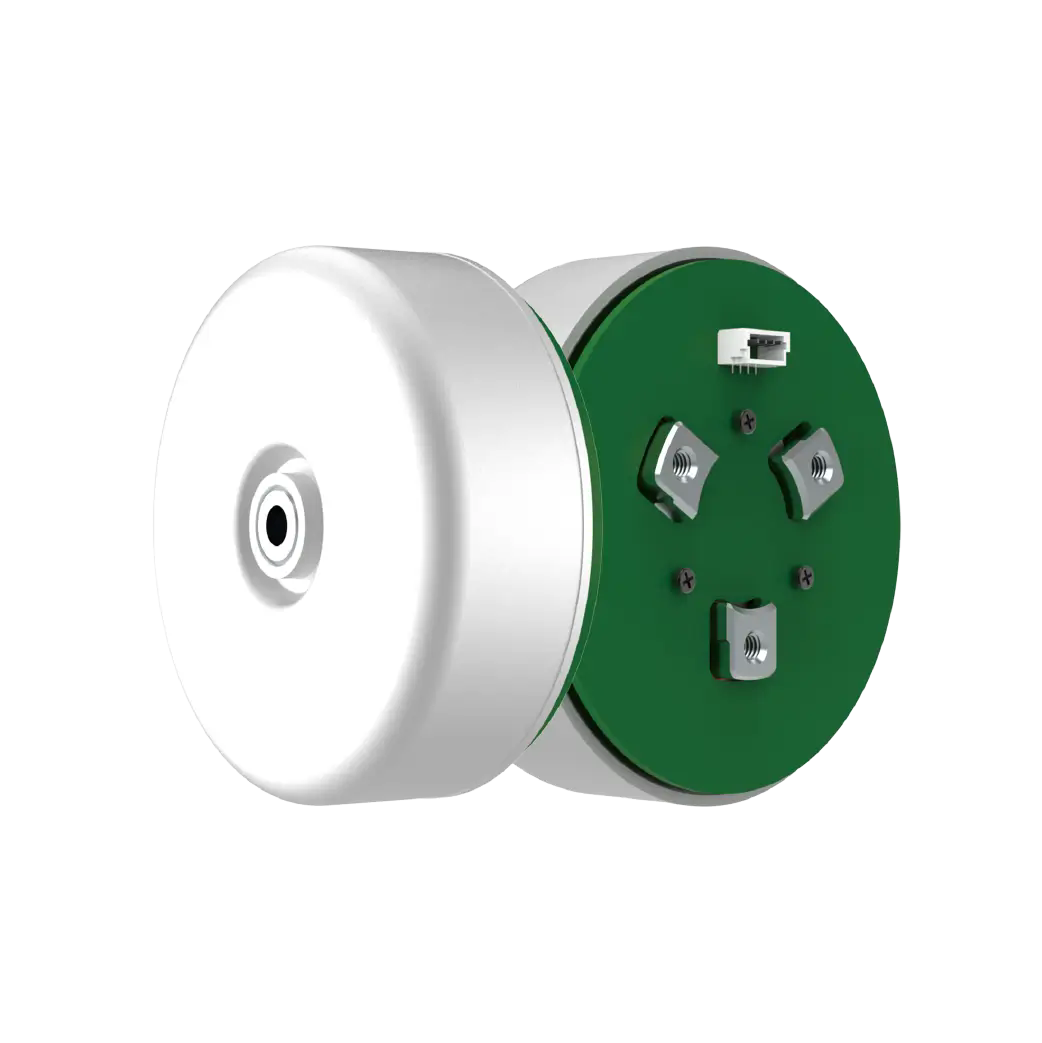
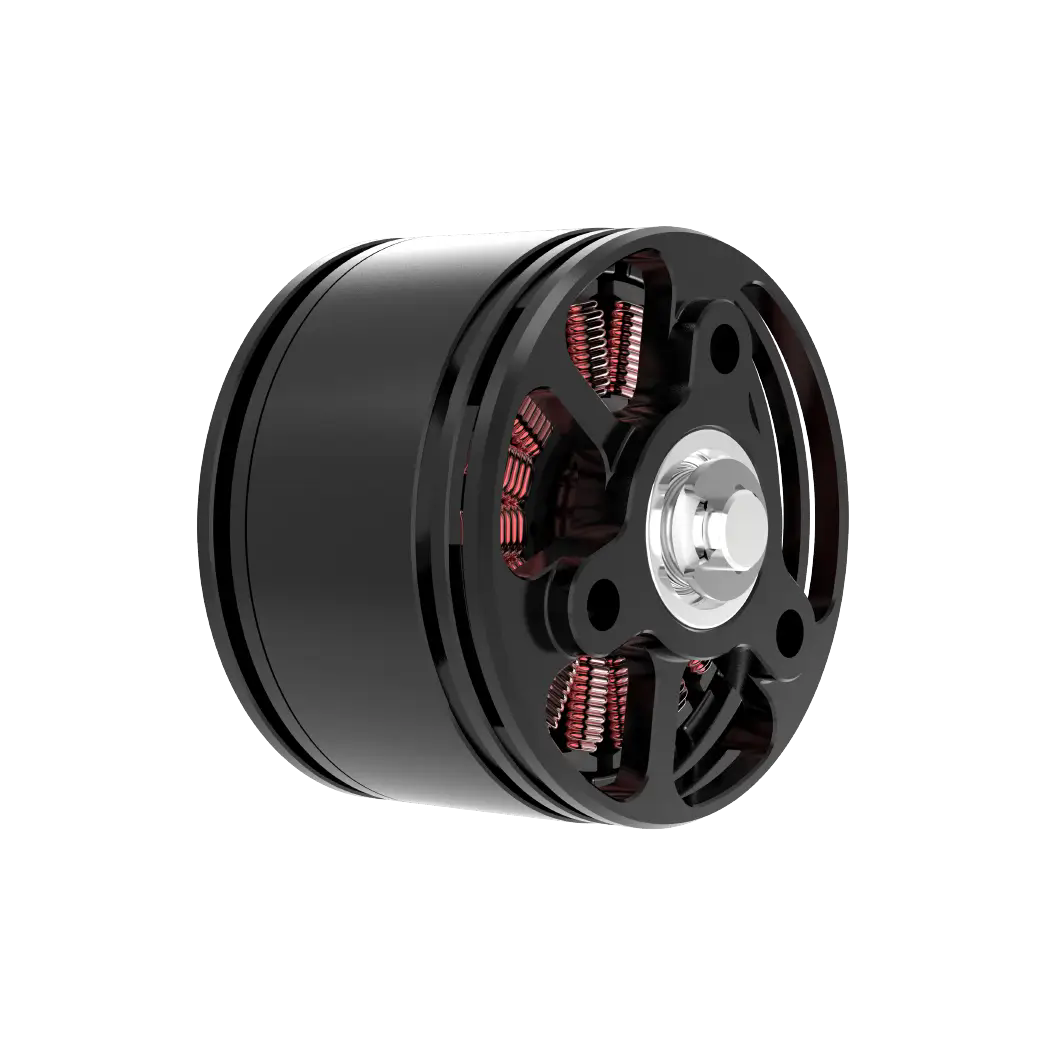
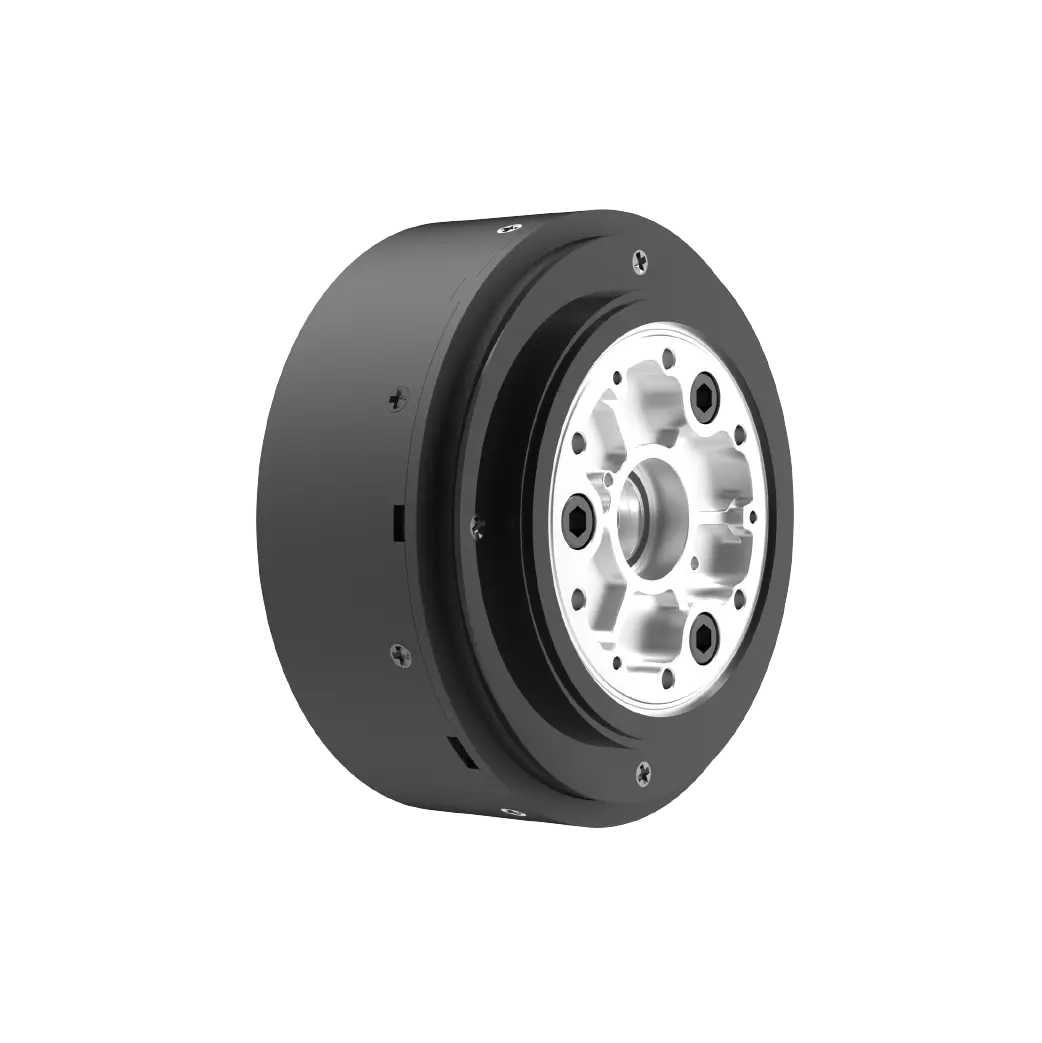
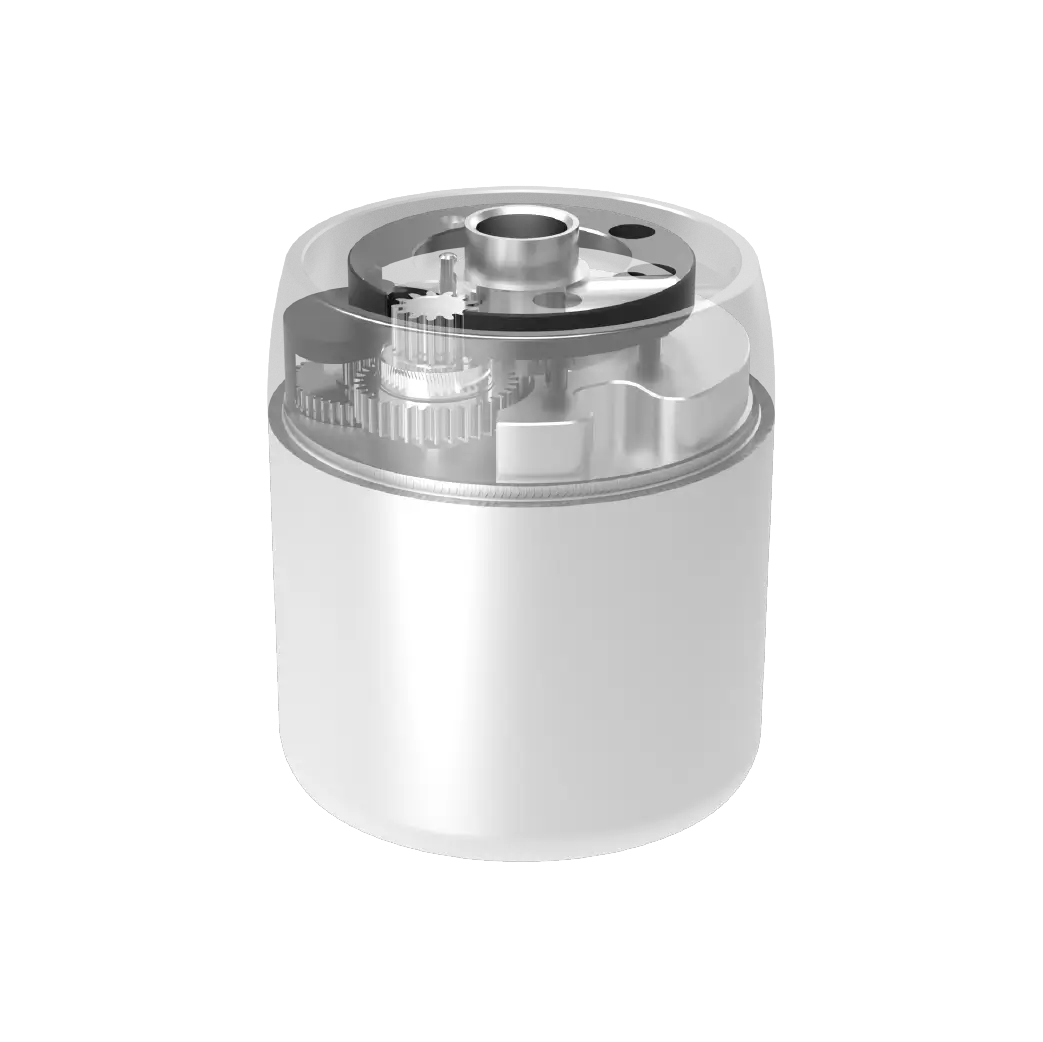
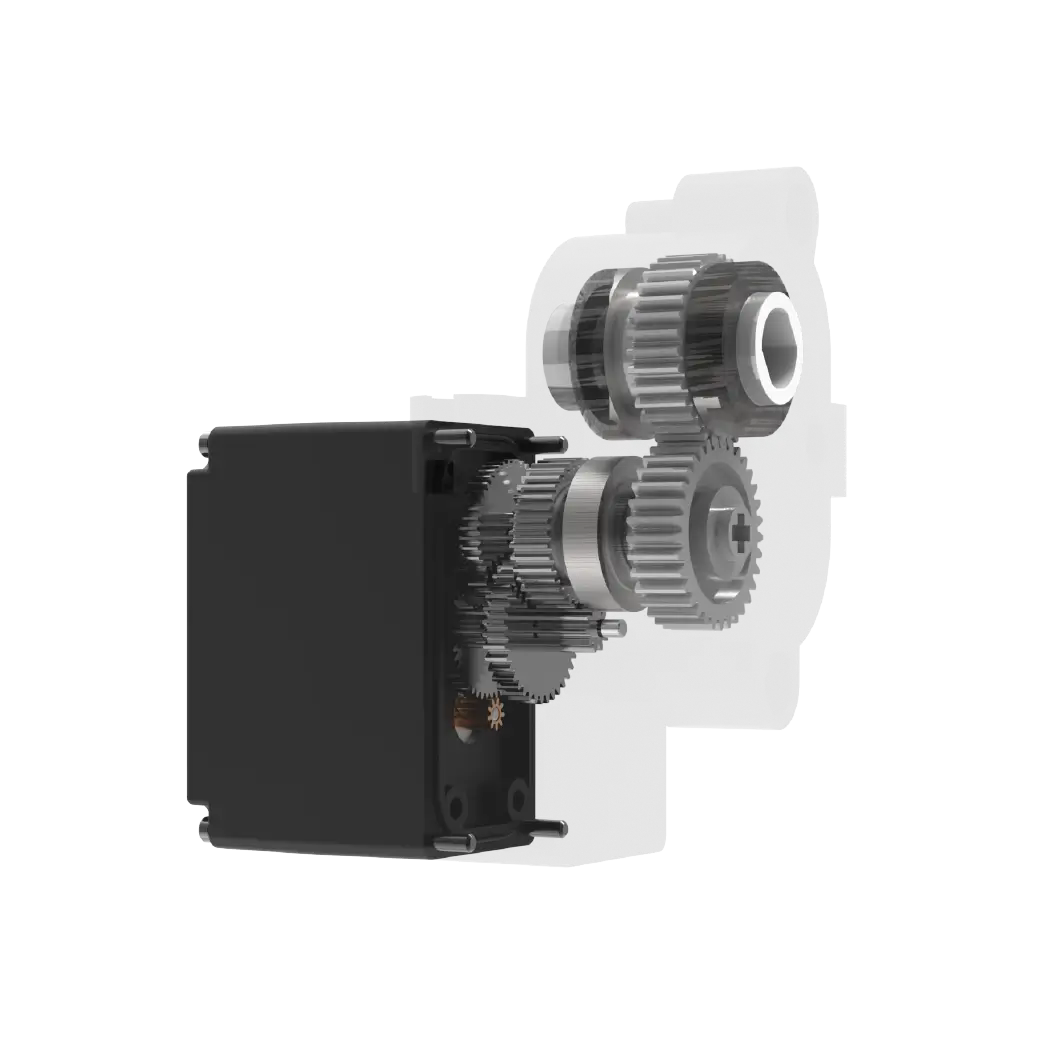
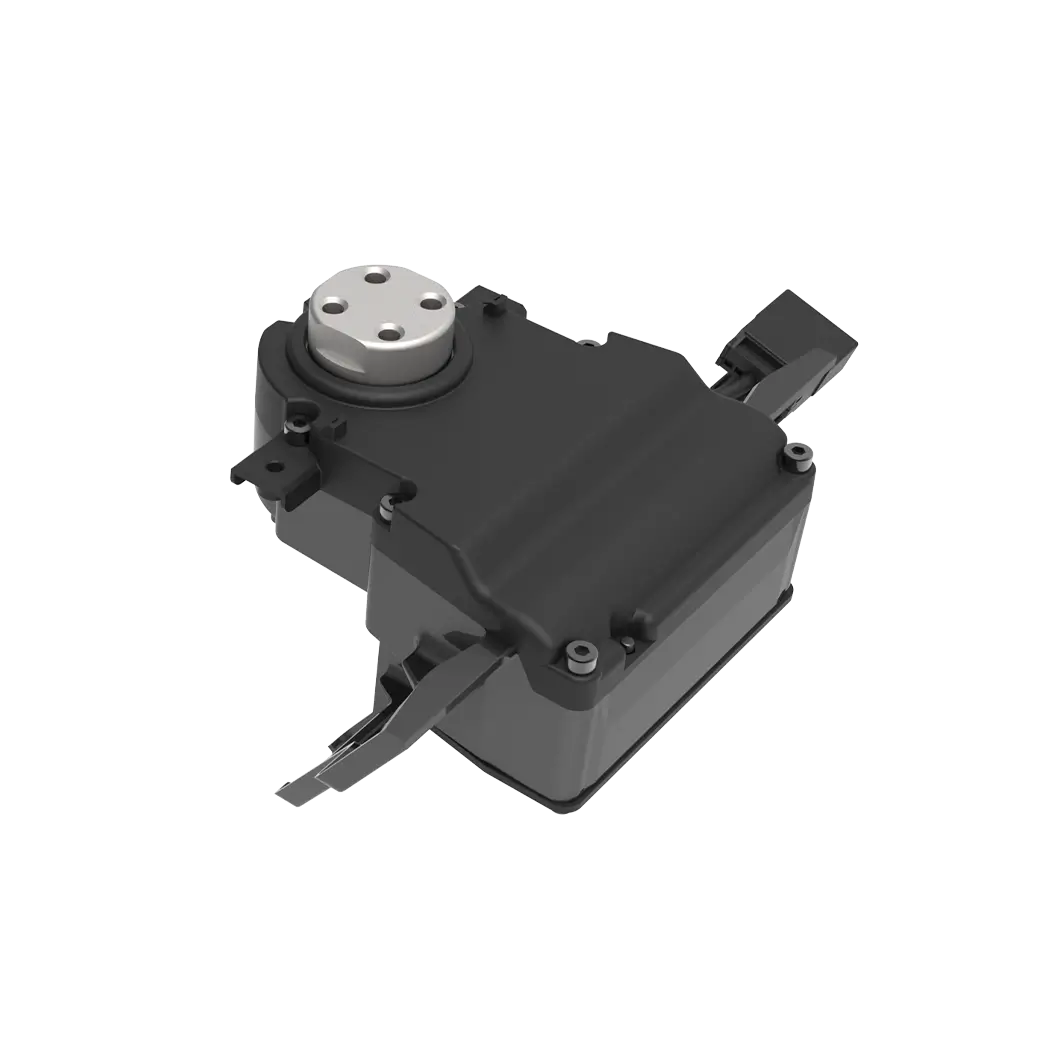
Simply put, it doesn’t pack everything together like traditional large motors. Instead, it breaks the task of motor control into smaller, more focused modules. For example, one handles position feedback, another accurately manages rotational speed, and another is responsible for temperature monitoring. They are independent and communicate and collaborate with each other in an efficient way.
Some people ask, what's the point of doing this? Wouldn't it be simpler to have all the functionality in one place?
Let’s make an analogy: In the past, if you needed to repair an old radio, moving one part would involve the entire circuit board. Now, it's more like a set of Lego modules - whichever part needs to be upgraded or replaced, you just deal with that part without having to dismantle the entire machine. This means you don’t have to bring the entire system down when a specific feature needs adjusting.
Flexibility is probably the most direct feeling. Have your project requirements changed? Only one of the microservice units needs to be replaced or upgraded, and the others will continue to run as usual. This makes it much easier to adapt to new tasks or existing processes.
Speaking of reliability, because each module is independent of each other, an accident in one unit will not cause the entire line to be paralyzed. Its built-in fault tolerance allows the system to maintain stable operation in the face of certain challenges. It's like a well-trained team. Even if someone is temporarily absent, others can fill in and ensure that the show goes on.
Then in terms of maintenance and expansion, things are also simple. You don't have to buy a whole new, massive system just because you want to enhance a feature. Add or adjust as much as you need. This on-demand growth method reduces waste and makes long-term operations more worry-free.
Of course, when choosing, what do you look at?
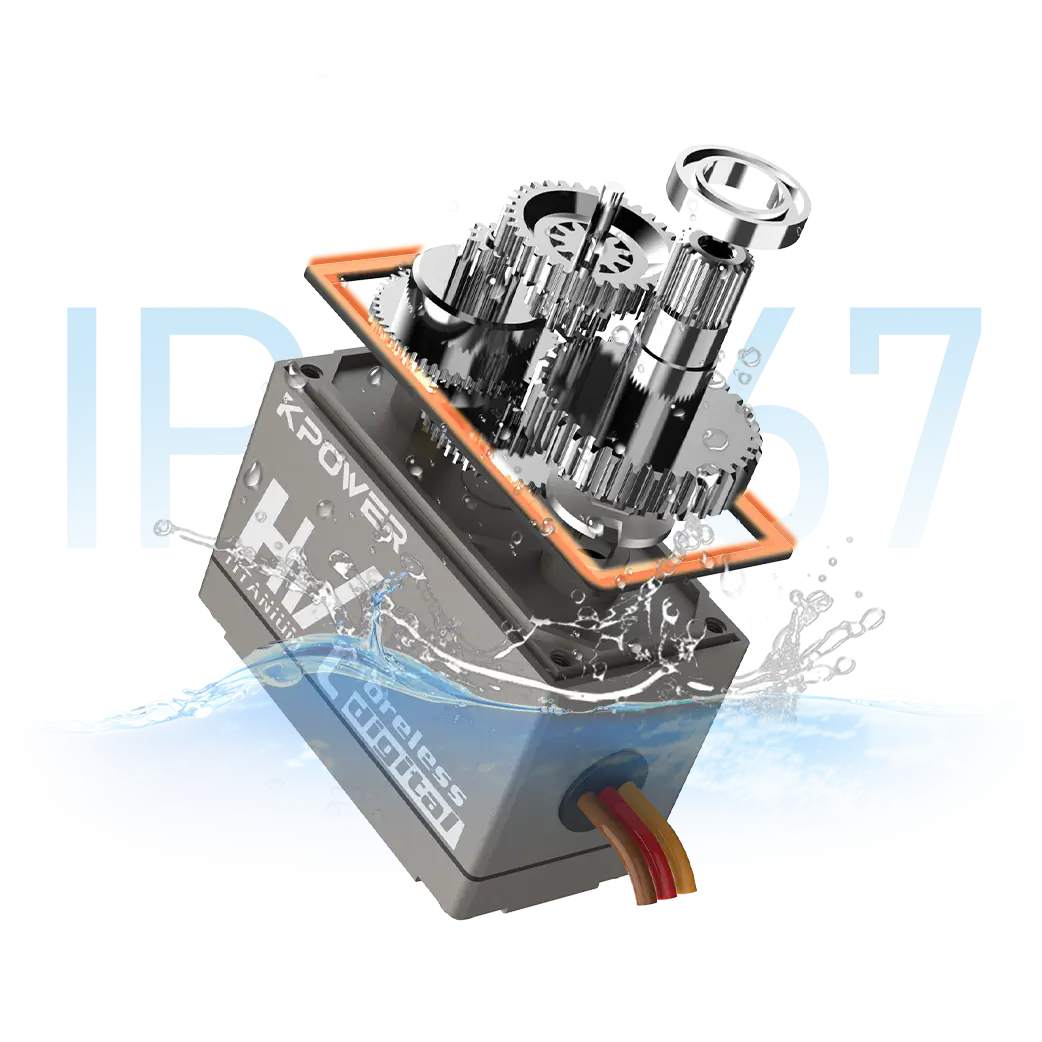
Some people care about accuracy and response speed - after all, no matter how small the delay is, it will be amplified in high-speed repetitive actions. Some people care about durability because some environments are filled with vibration, dust, or temperature fluctuations. Others want it to fit easily into existing settings without having to go to great lengths to adapt.
These seemingly trivial standards actually point to the same core: what you need is not a standard answer, but one that fits your unique scenario.
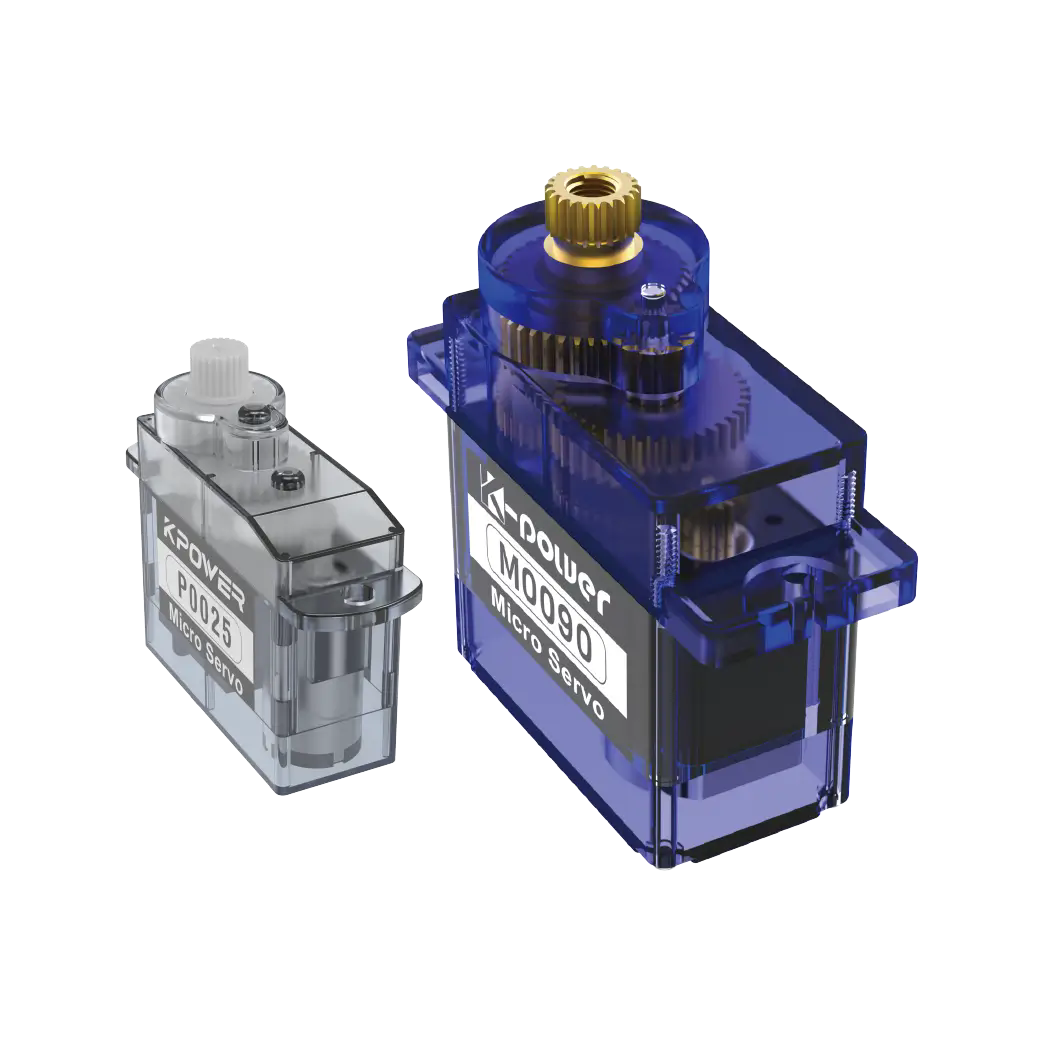
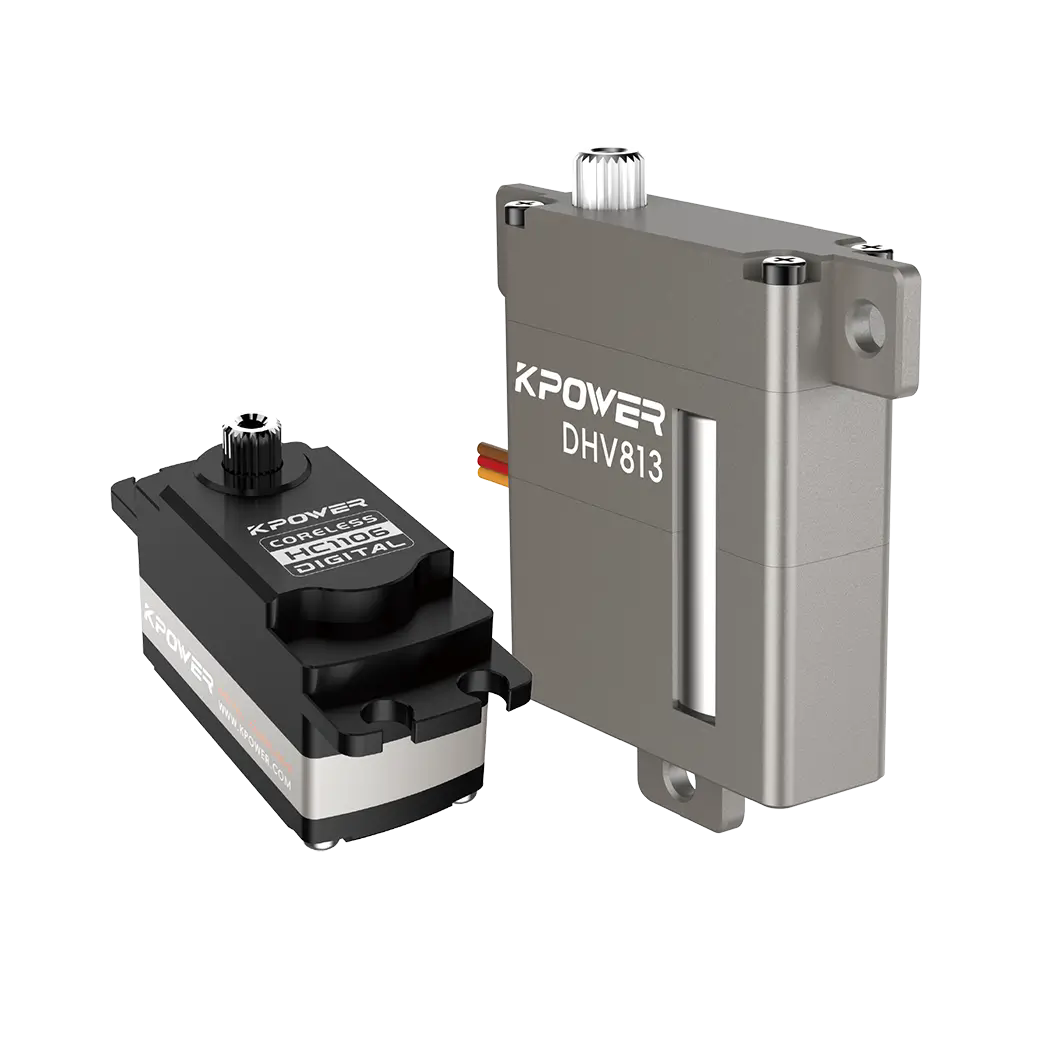
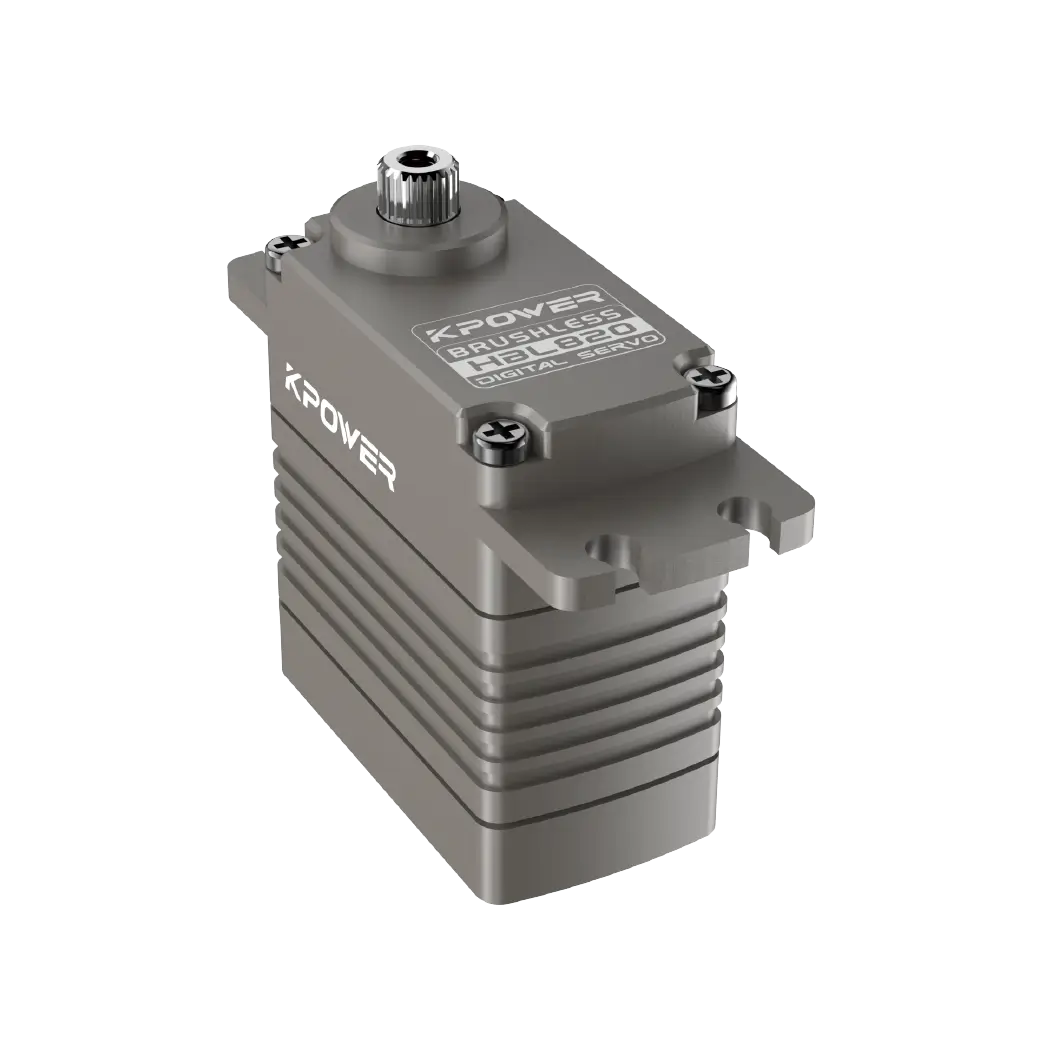
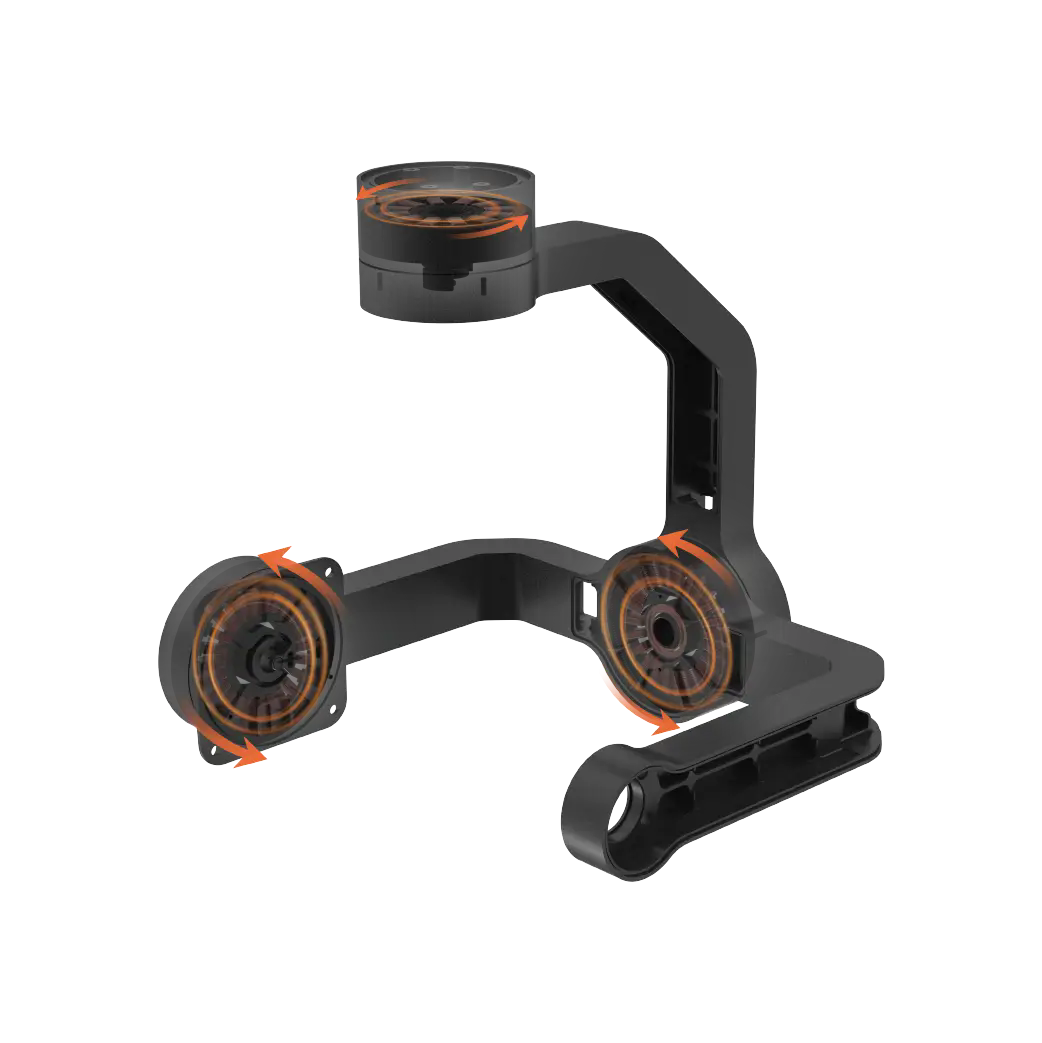
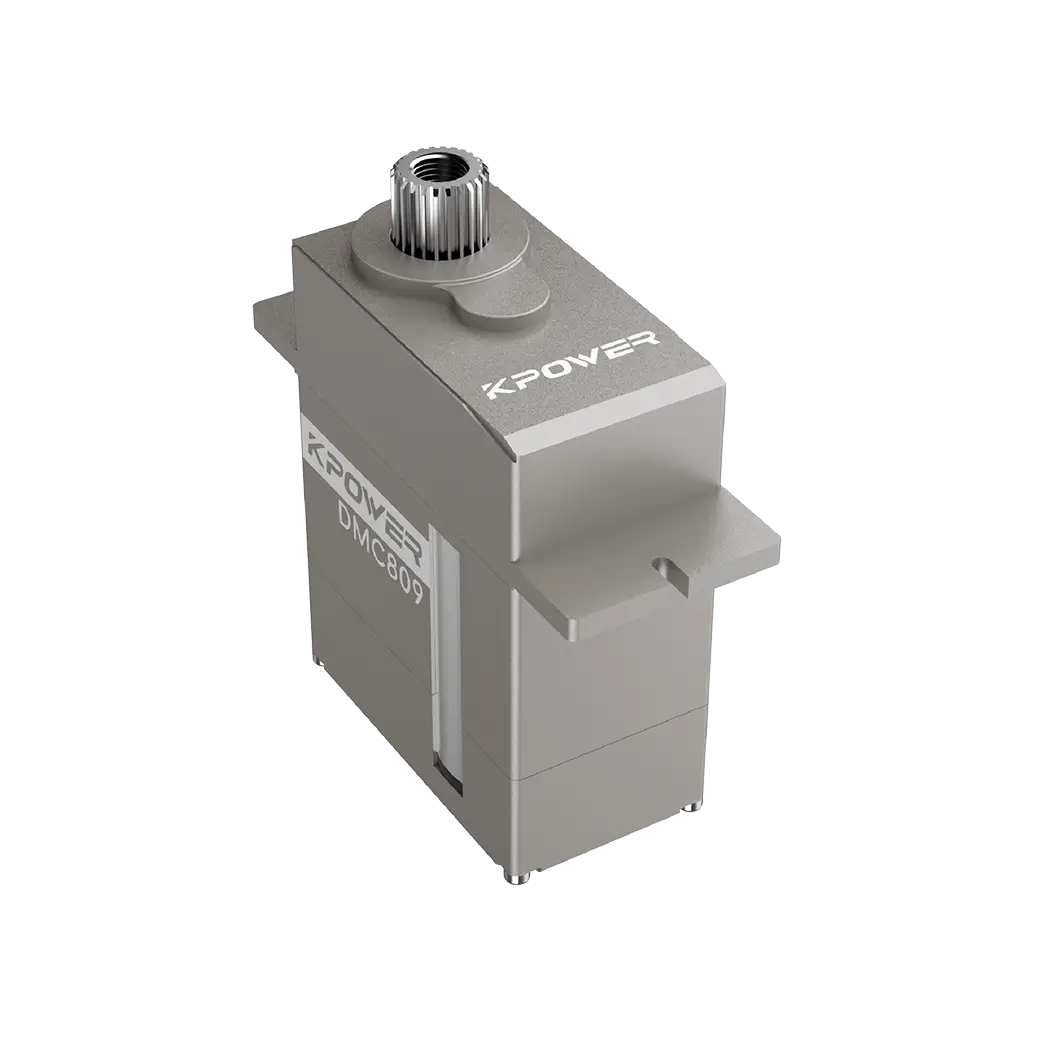
Speaking of which, I have to mentionkpowerConcentration on these tiny units. They did not regard microservices as a gimmick, but went deep into specific applications and figured out how to make each small module both solid and smart. For example, how to make the control more delicate when quick start and stop are required; or how to ensure correct dialogue between multiple microservices in a complex robotic arm. This kind of persistence in details often determines whether the actual experience is "ok" or "excellent".
Microservices are not a master key, but they do open a door that gives you more freedom in permutations and combinations in your design and system. It reduces the cost of trial and error and makes iteration more agile. Sometimes, progress doesn't always come from huge breakthroughs; it's these small, continuous improvements that silently push the whole thing forward.
Therefore, if you have ever been troubled by a certain local lag, or desire a more flexible control architecture, you might as well start thinking about these small units. They might just be the piece of the puzzle you've been looking for.
Established in 2005,kpowerhas been dedicated to a professional compact motion unit manufacturer, headquartered in Dongguan, Guangdong Province, China. Leveraging innovations in modular drive technology,kpowerintegrates high-performance motors, precision reducers, and multi-protocol control systems to provide efficient and customized smart drive system solutions. Kpower has delivered professional drive system solutions to over 500 enterprise clients globally with products covering various fields such as Smart Home Systems, Automatic Electronics, Robotics, Precision Agriculture, Drones, and Industrial Automation.
Update Time:2026-01-19

Contact Kpower's product specialist to recommend suitable motor or gearbox for your product.