







TECHNICAL SUPPORT


Published 2026-01-19
Taming the Chaos: When Your Spring Boot Microservices Need Muscle
Ever felt like your microservices are…flimsy? You’ve built this elegant Spring Boot system—clean, modular, theoretically perfect. Then real-world data hits. A payment processing service spikes, a notification engine grinds under load, and suddenly, your beautiful digital orchestra sounds more like a middle school band practice. The logic is sound, but the physical heartbeat—the part that moves things—is weak.
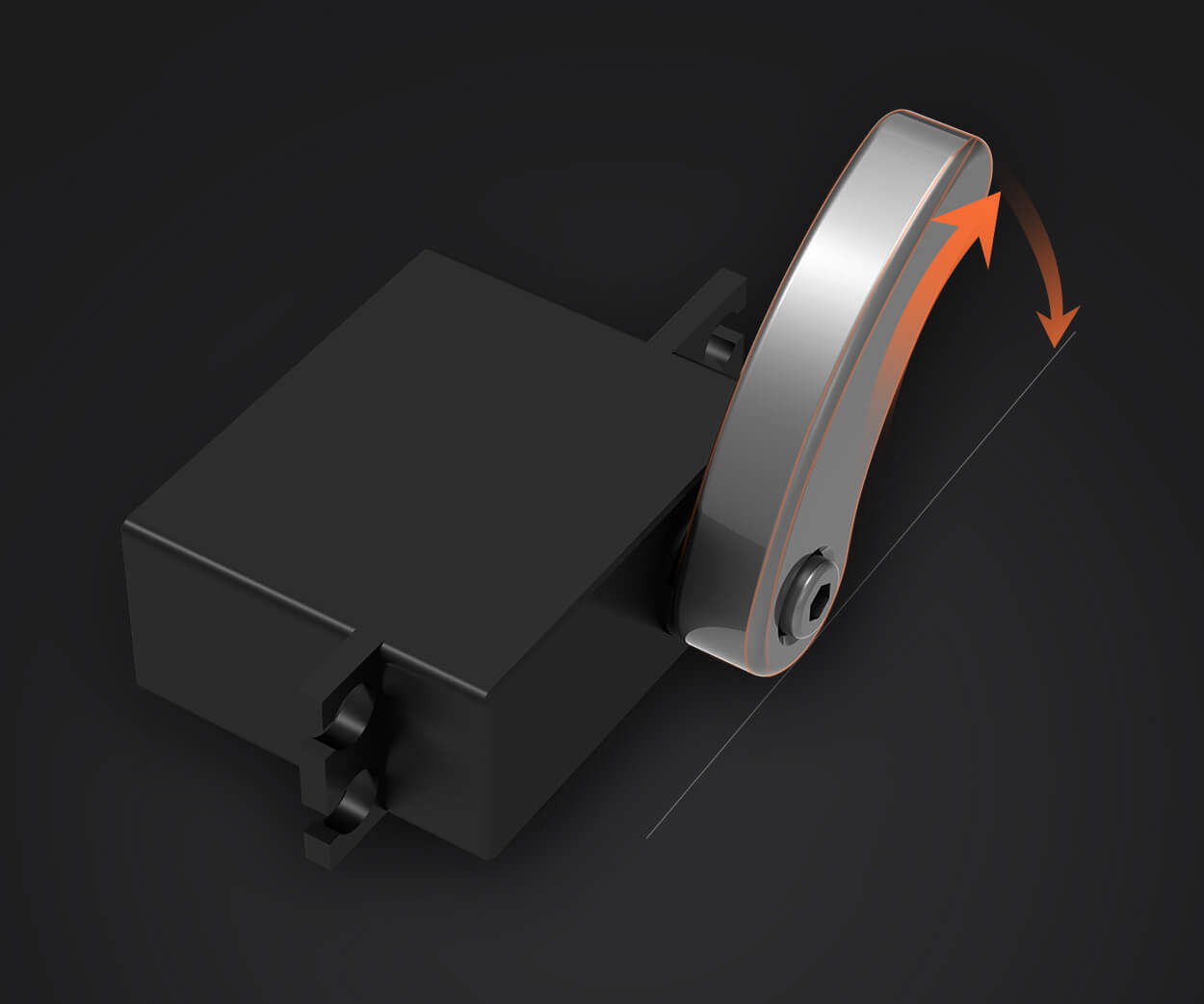
That’s where the real world intrudes. It’s not just about code. It’s about the silent conversation between your software commands and the hardware that executes them. A motor that stutters on a high-precision task, aservothat can’t hold its position under stress, or a mechanical assembly that jams—these aren’t software bugs. They’re physical disconnects. Your microservice sends a command, but the mechanical limb doesn’t dance as intended.
So, how do you bridge that gap? How do you give your Spring Boot services the reliable, powerful "body" they deserve?
From Digital Pulse to Physical Motion: The Unseen Link
Think of it this way. Your @RestController is the conductor. It signals for a robotic arm to assemble a component, a CNC machine to carve a path, or an automated conveyor to sort items. But if the motor receiving that signal is sluggish, imprecise, or unreliable, the entire service fails. The user-facing API might return a 200 OK, while in the physical realm, the operation is a mess.
This is the hidden complexity in IoT, automation, and smart devices. The microservice isn’t done when the JSON is returned. It’s done when the physical action is completed faithfully. This requires components that translate digital intent into flawless physical motion with zero ambiguity.
What Does "Good" Look Like in This Silent Partnership?
You don’t need just any component. You need a partner in motion. What should you listen for?
I’ve seen projects get this wrong. Teams spend months polishing their service mesh and database layers, only to be derailed by a $50 motor that couldn’t keep up. The choice of physical hardware isn’t an afterthought; it’s a core architectural decision.
A Conversation on the Bench
“But how do you even start vetting this?” a colleague once asked me during a late-night lab session, surrounded by prototypes. “The datasheets all look similar.”
I pointed to a test rig. “Stop reading for a minute. Just watch. Does it move when you say ‘now’? Does it stop exactly where you want it? Does it get hot or make a sad noise when asked to repeat itself a hundred times?” The specs give you a baseline, but the behavior tells the truth. Look for components designed with this integration in mind—where the electrical characteristics and control protocols are documented not just for electrical engineers, but for developers building the logic layer above them.
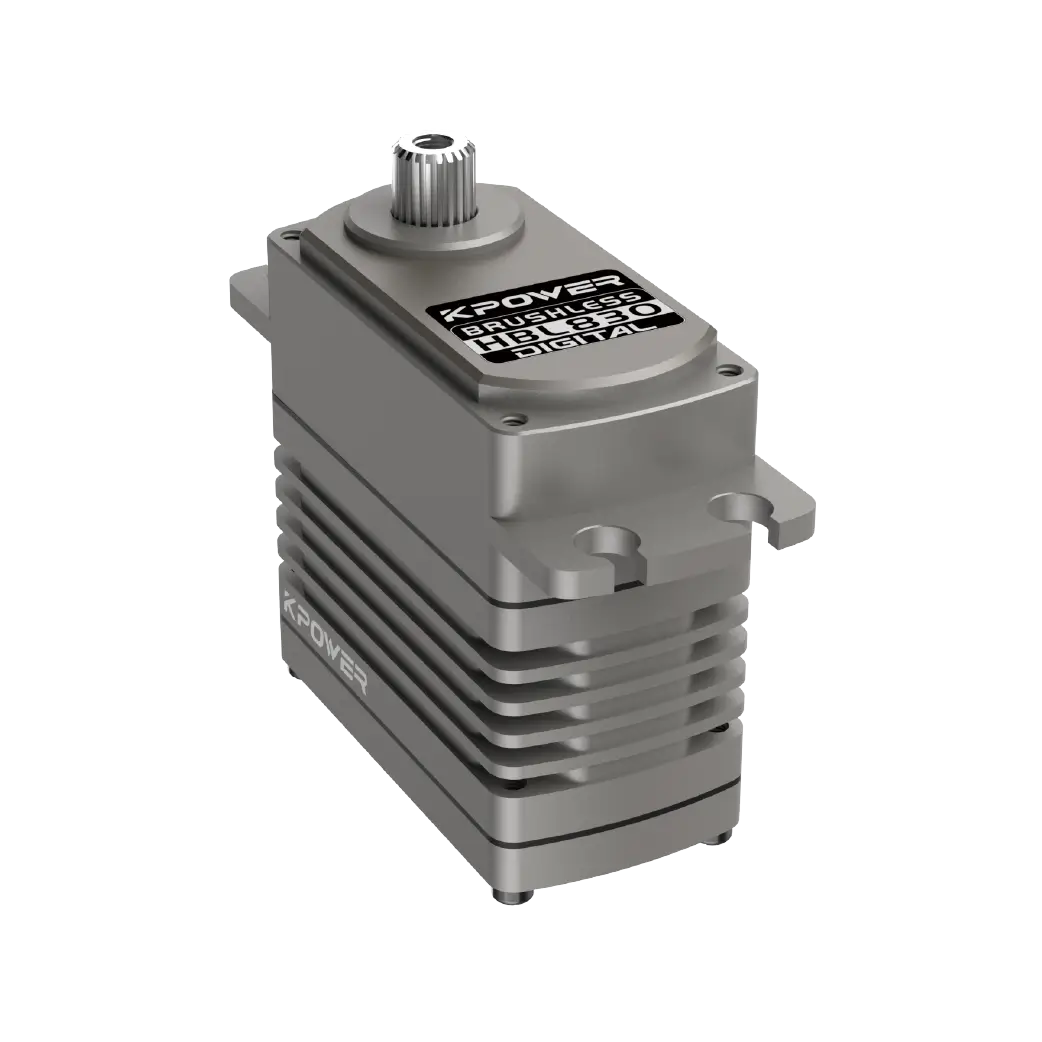
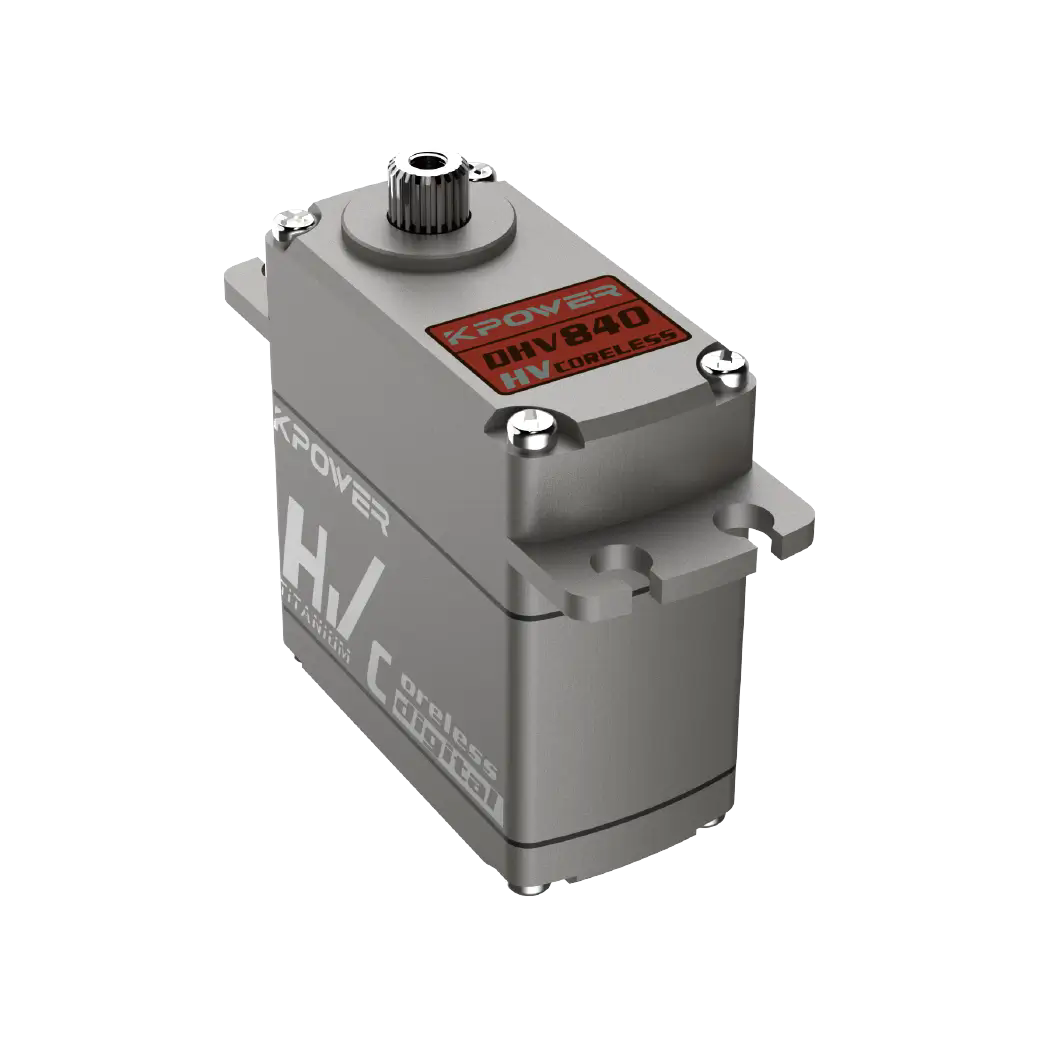
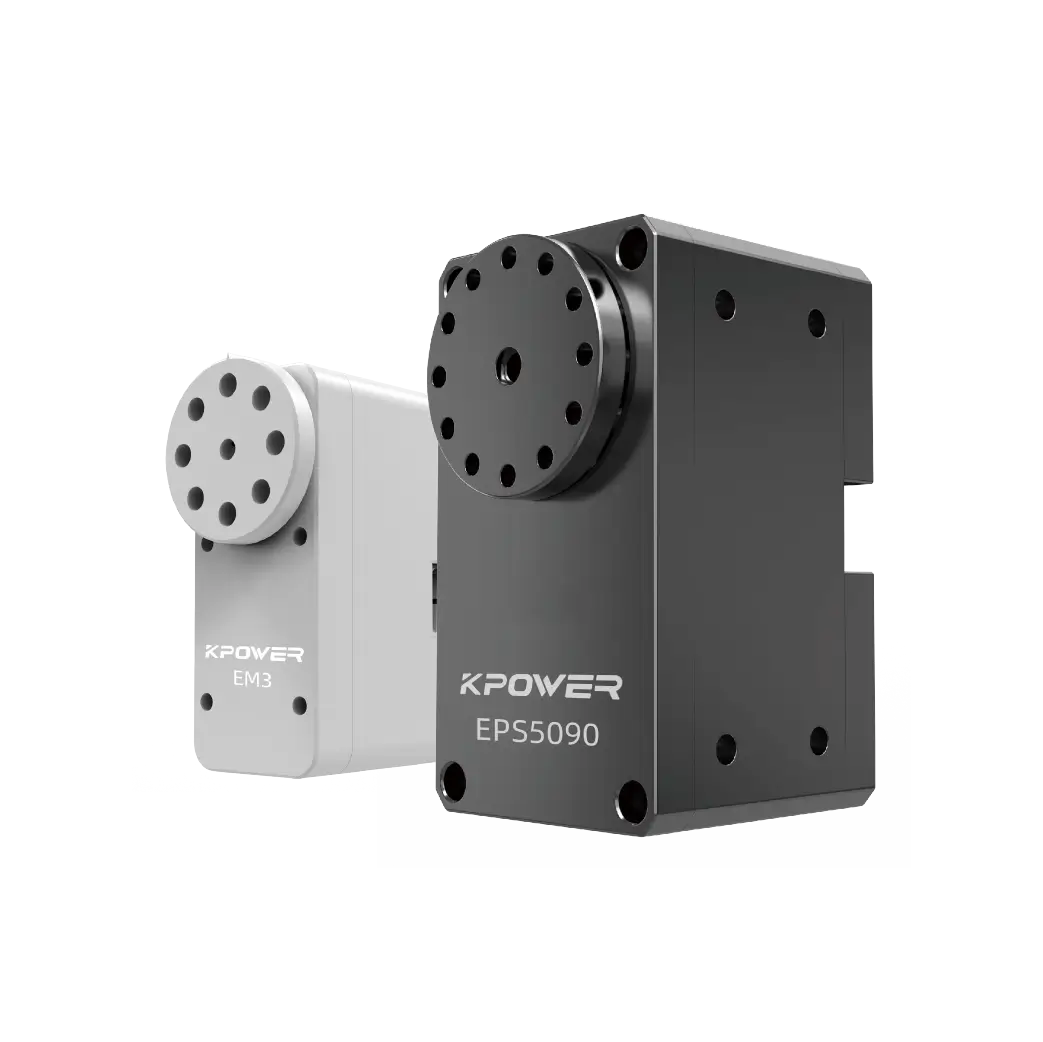
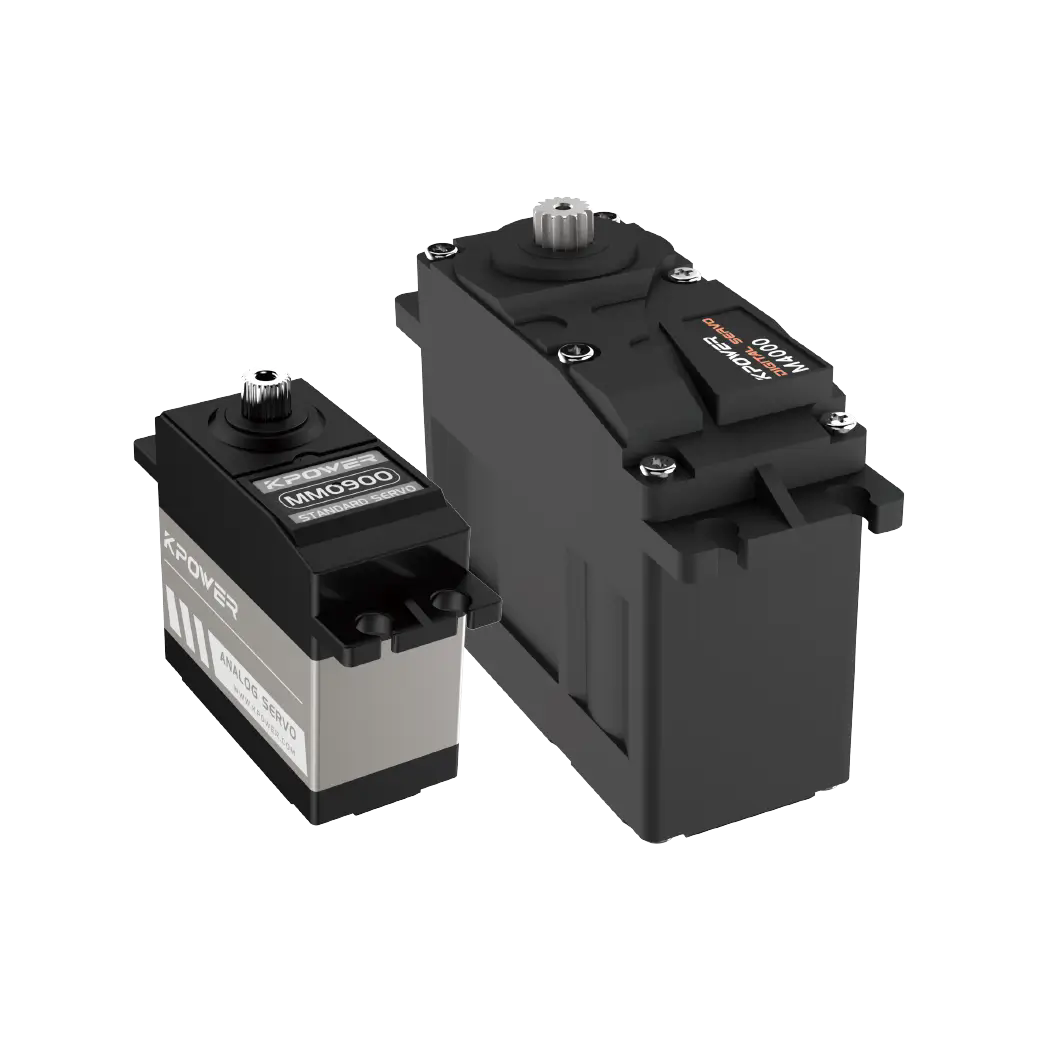
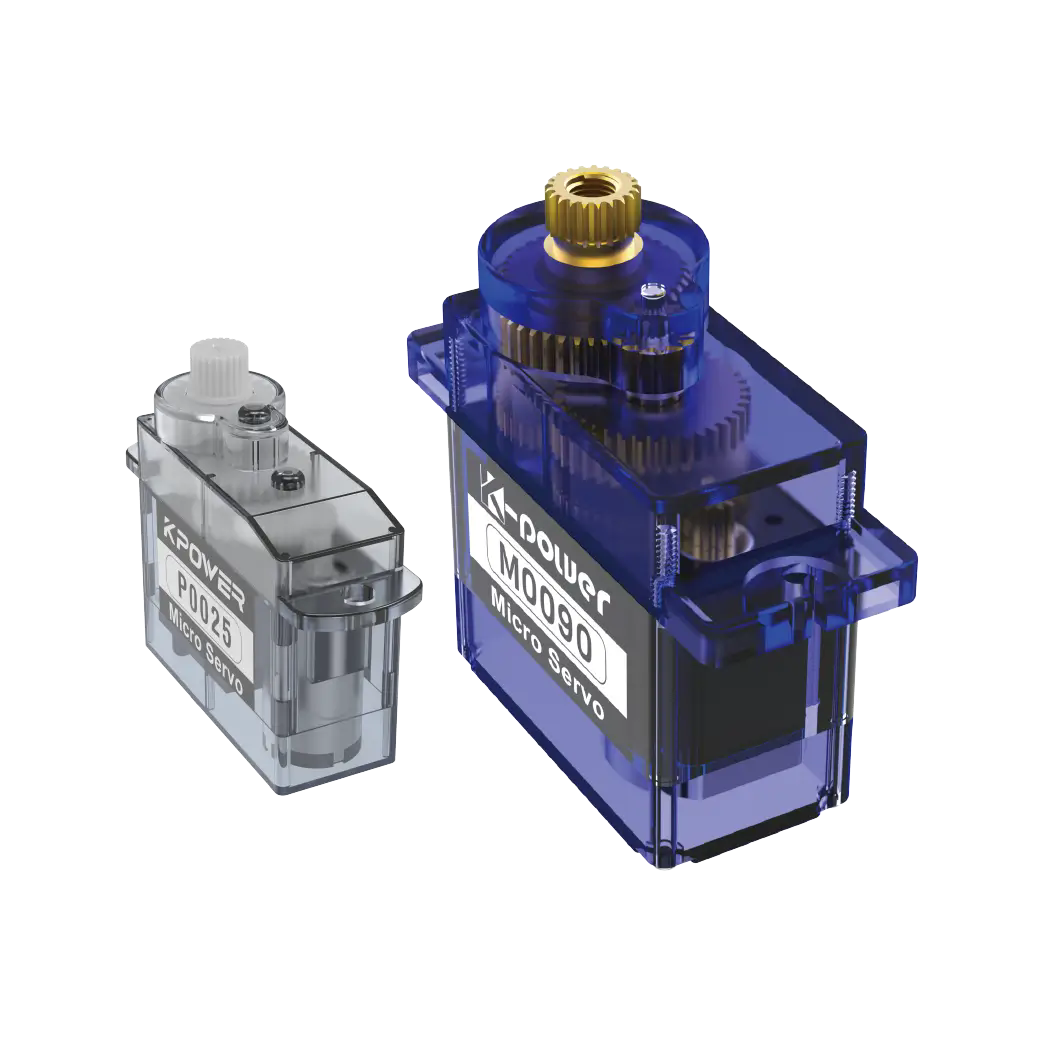
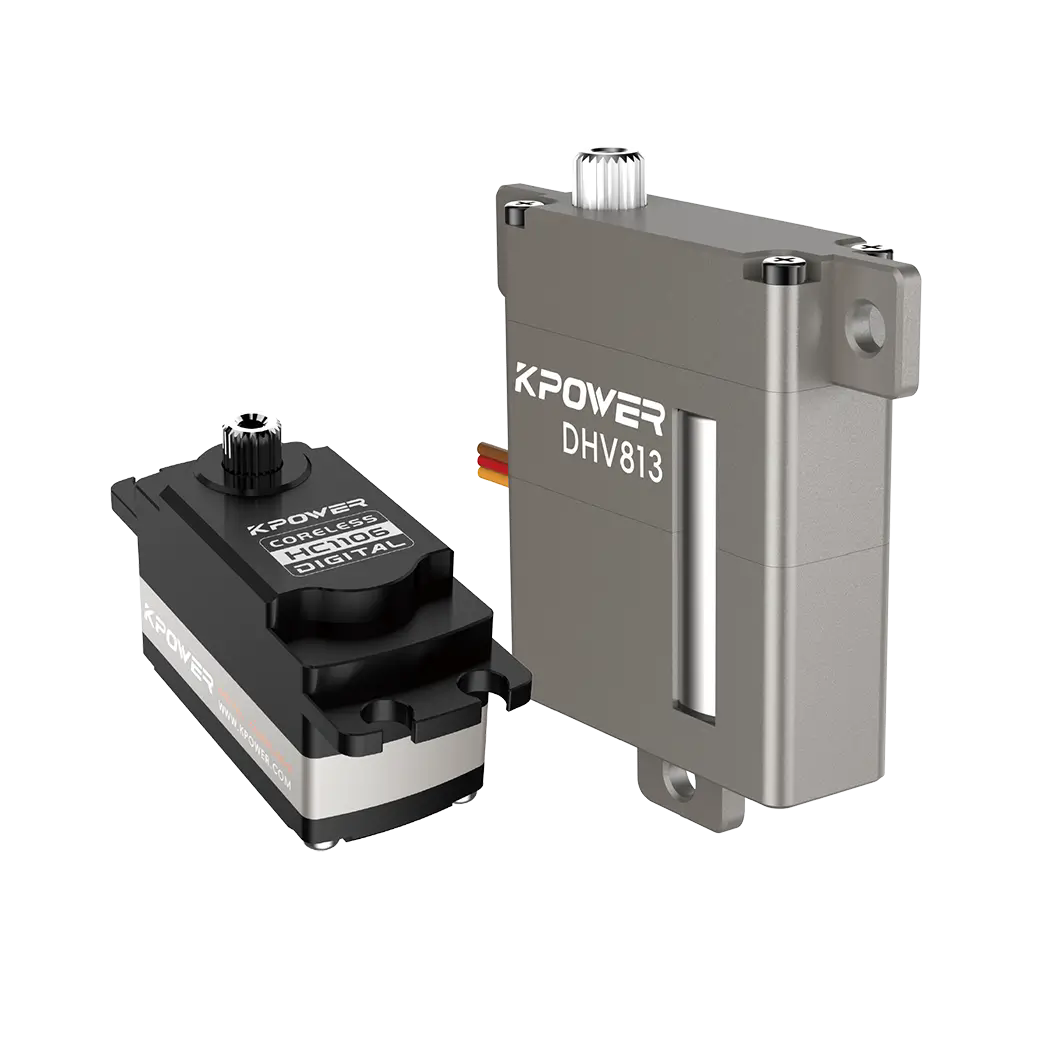
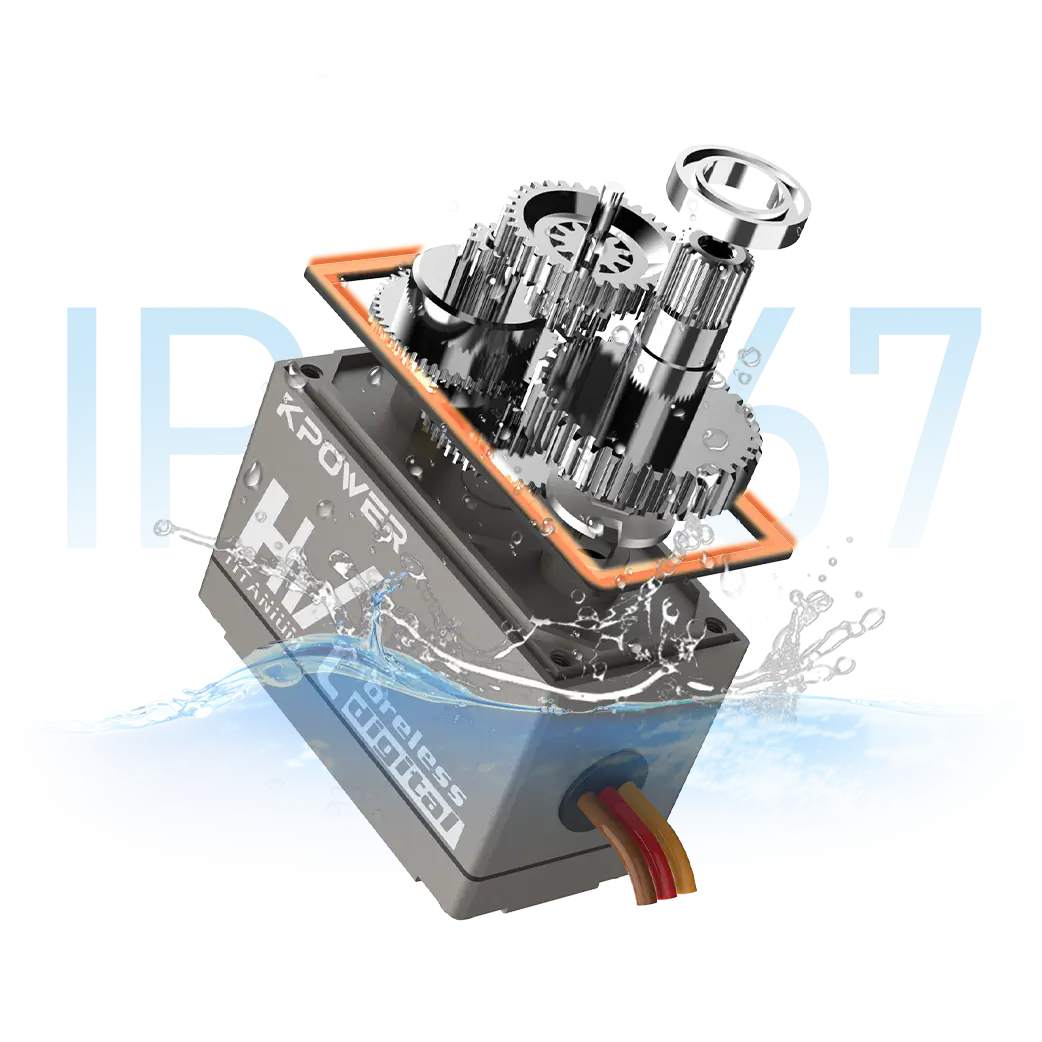
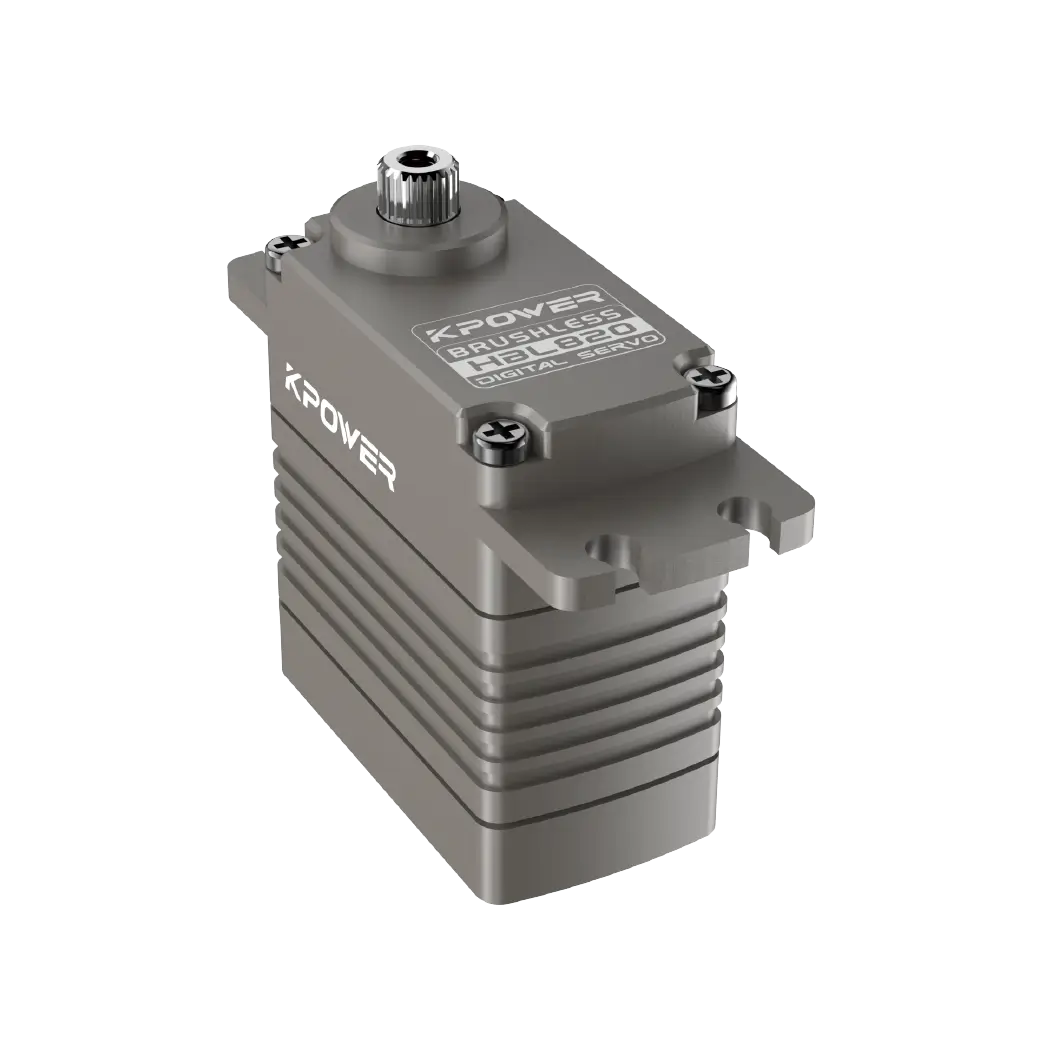
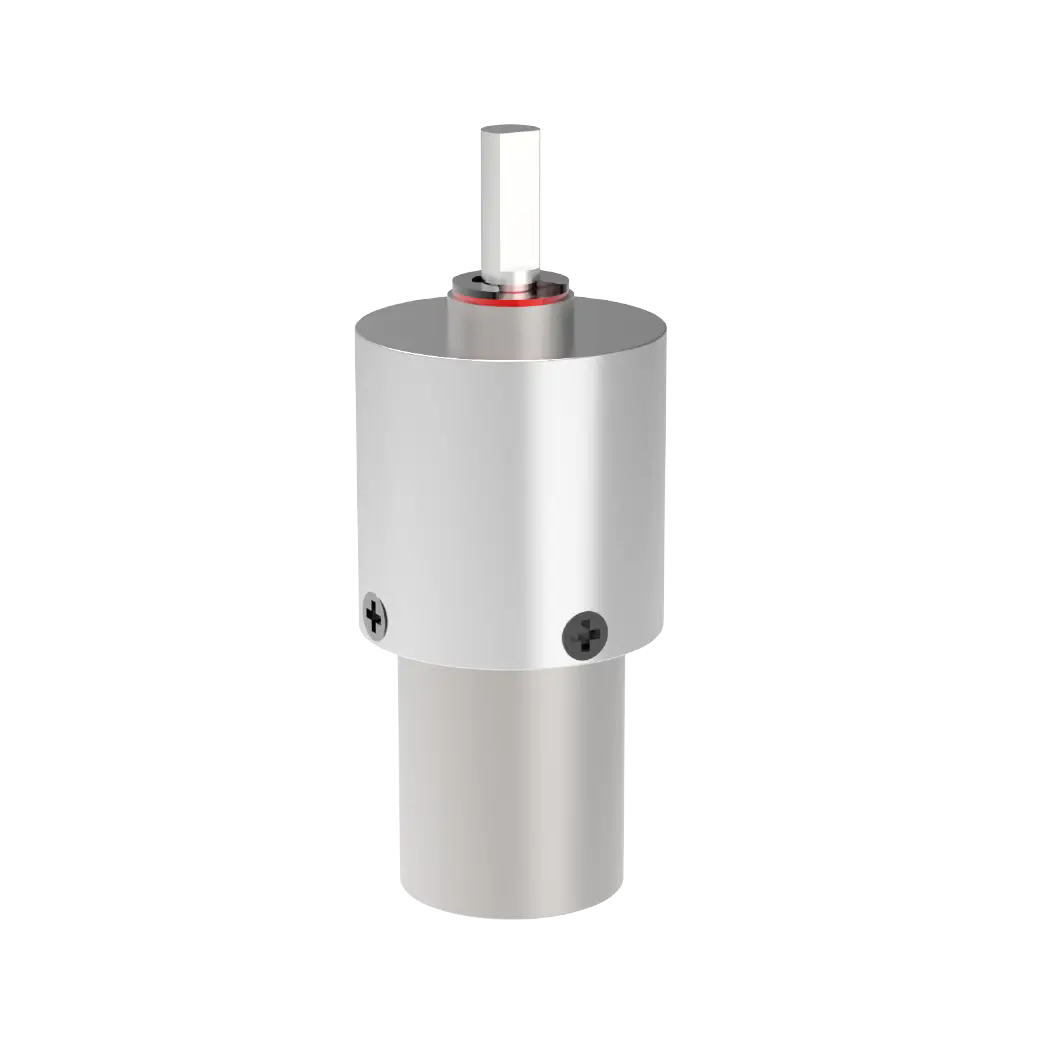
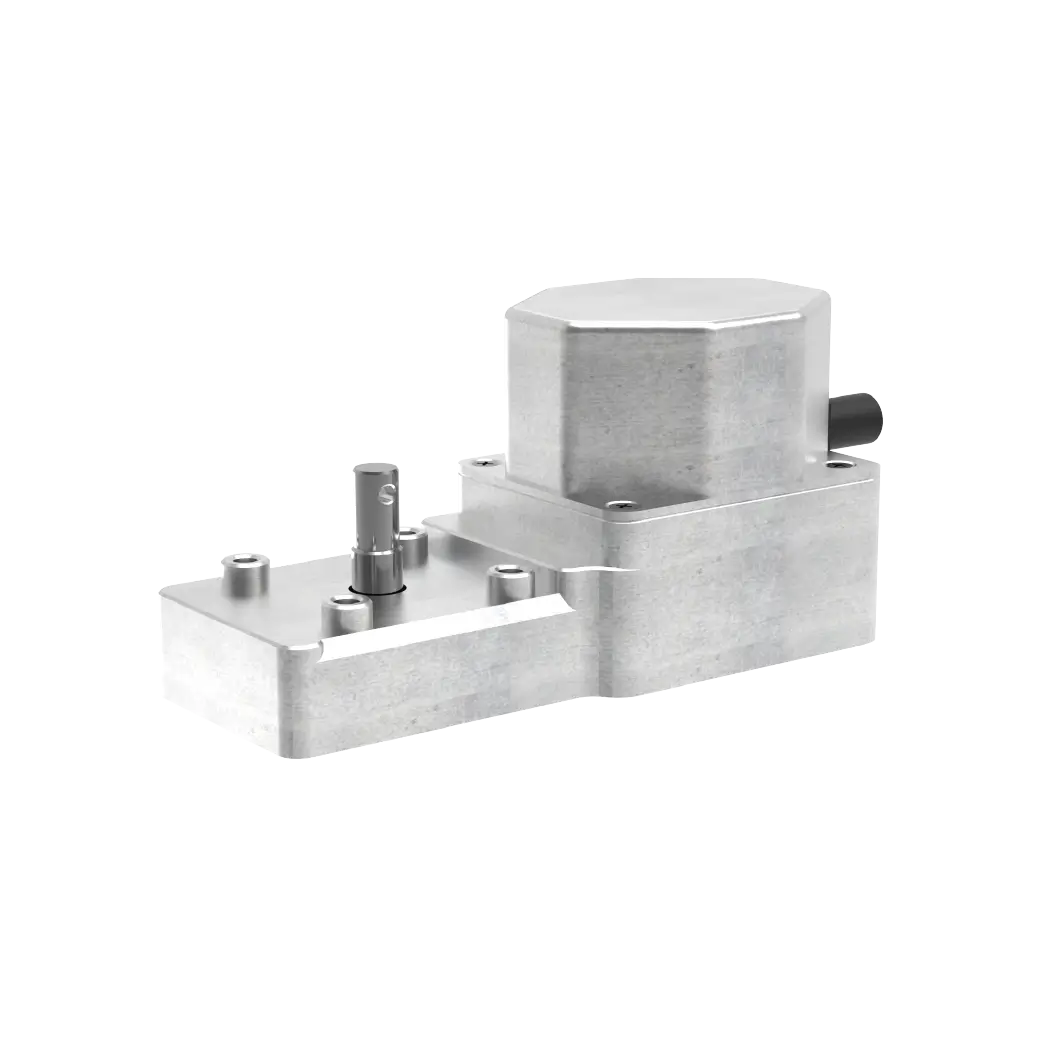
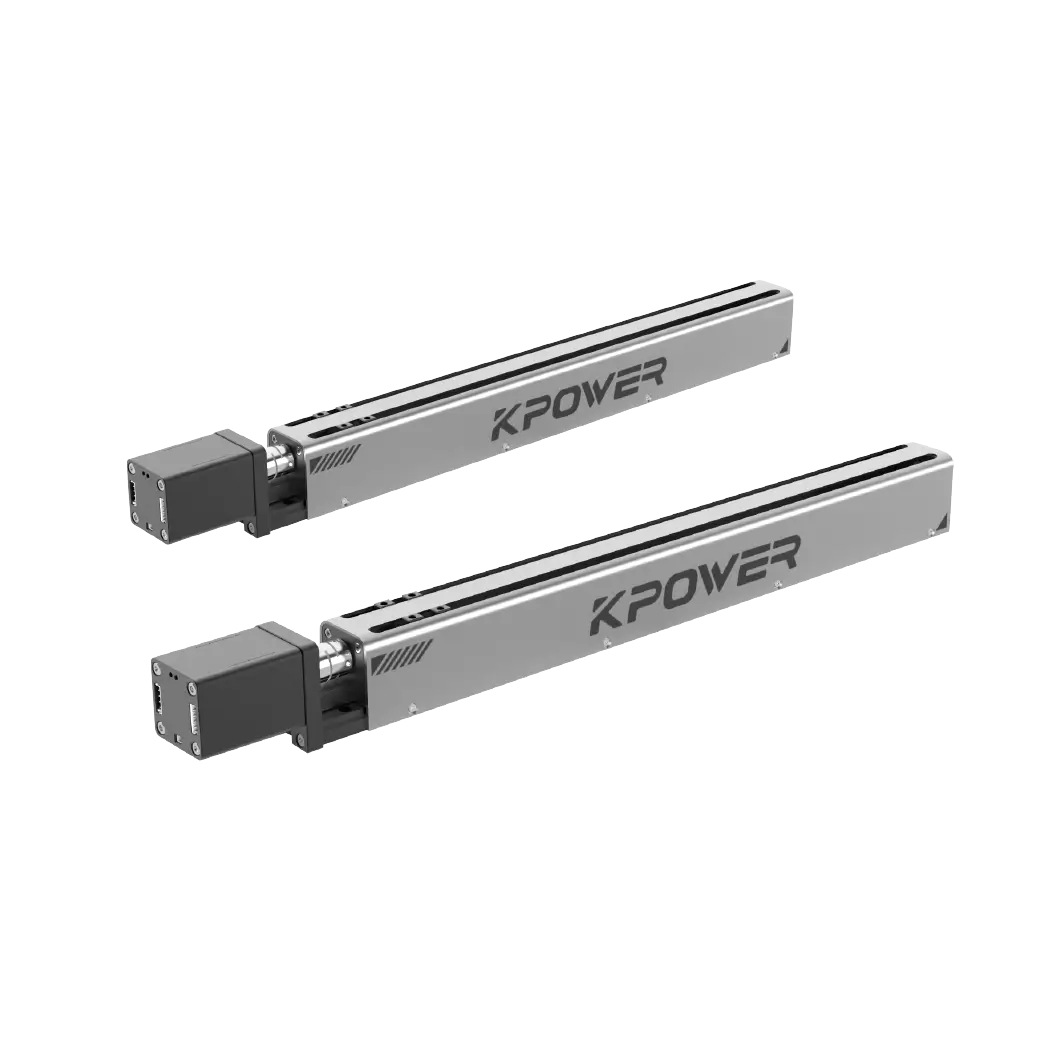
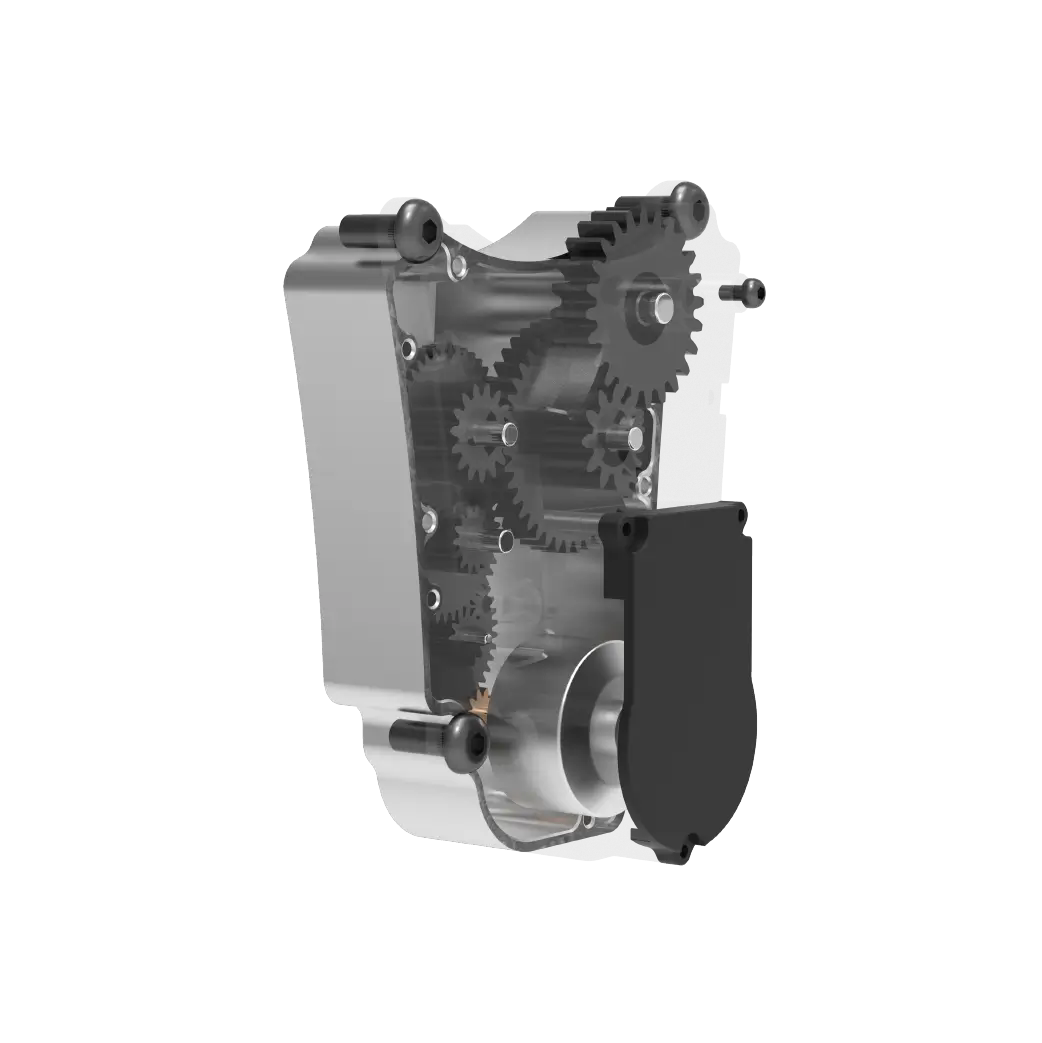
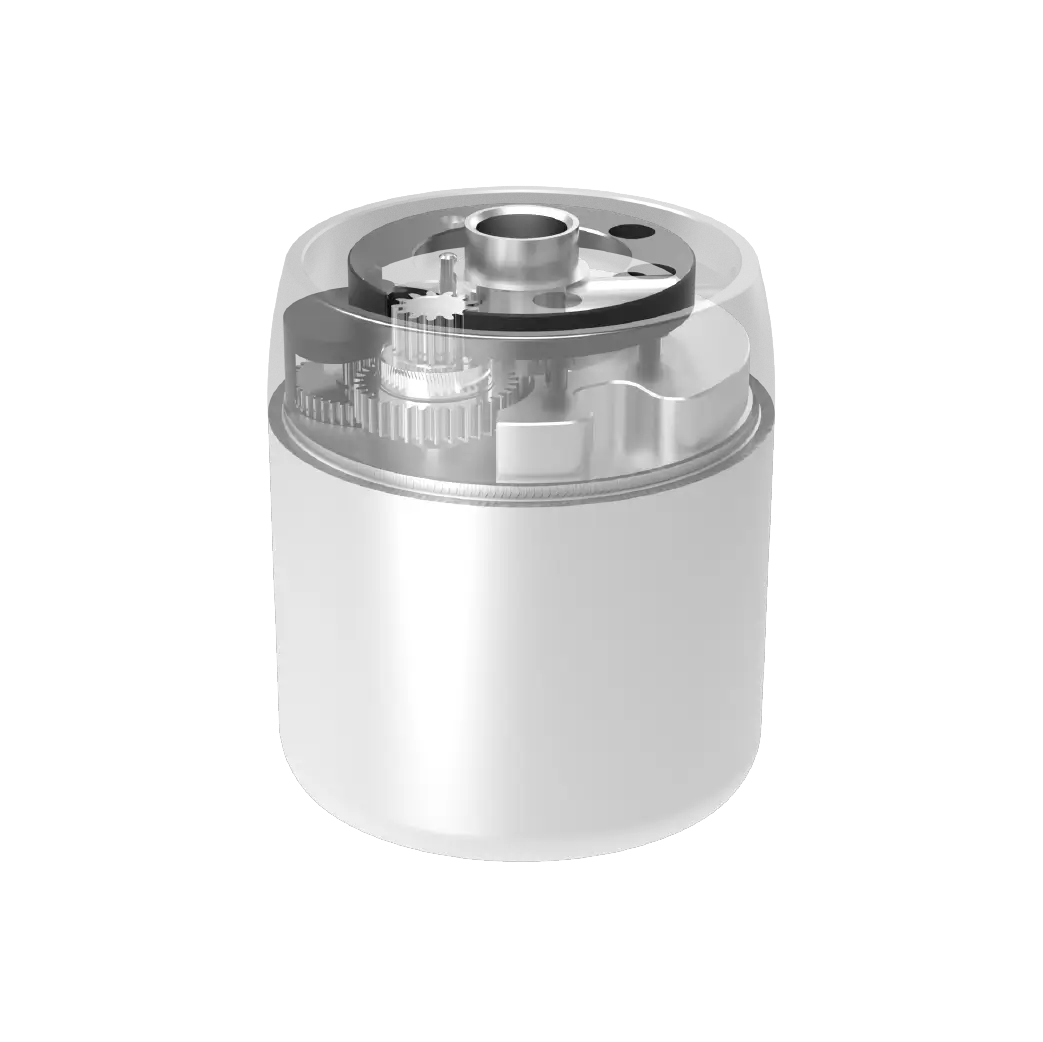
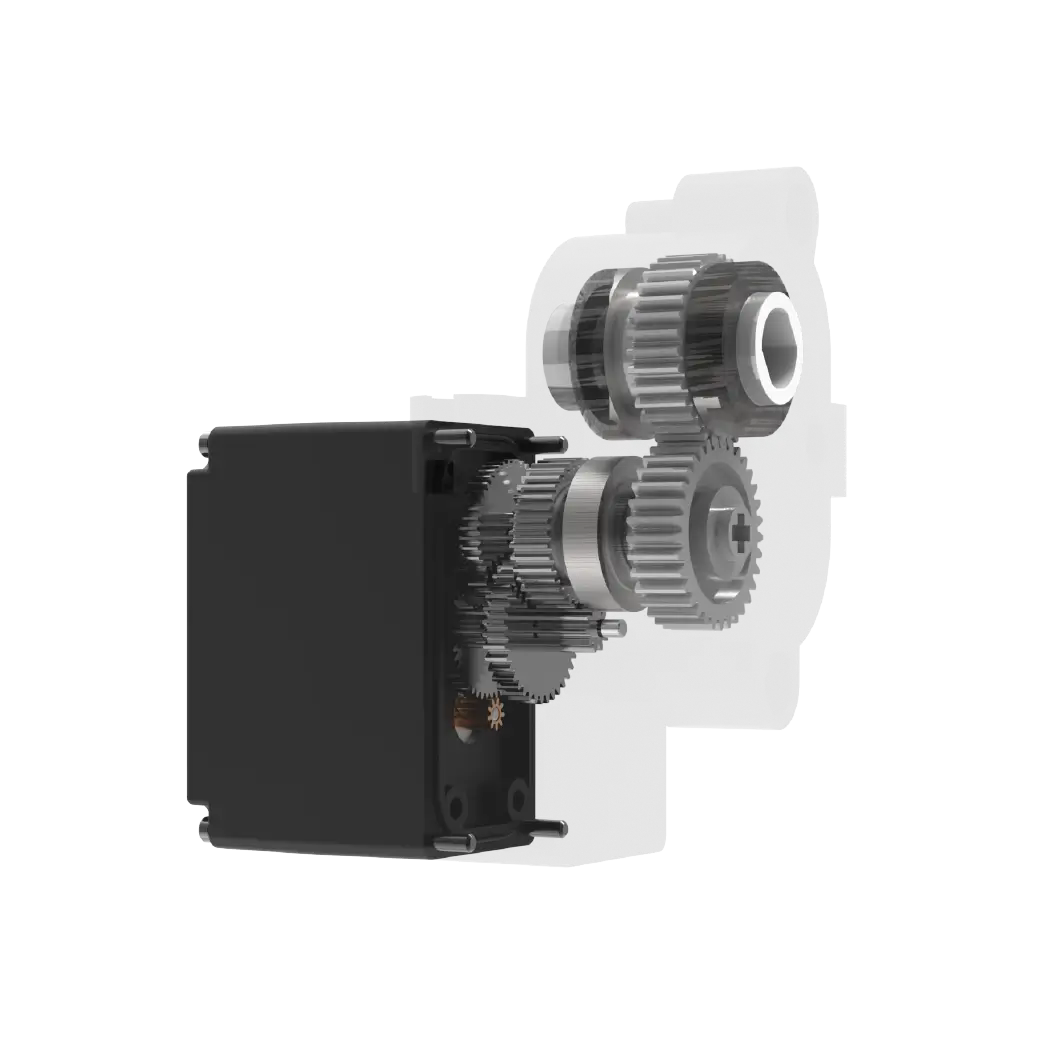
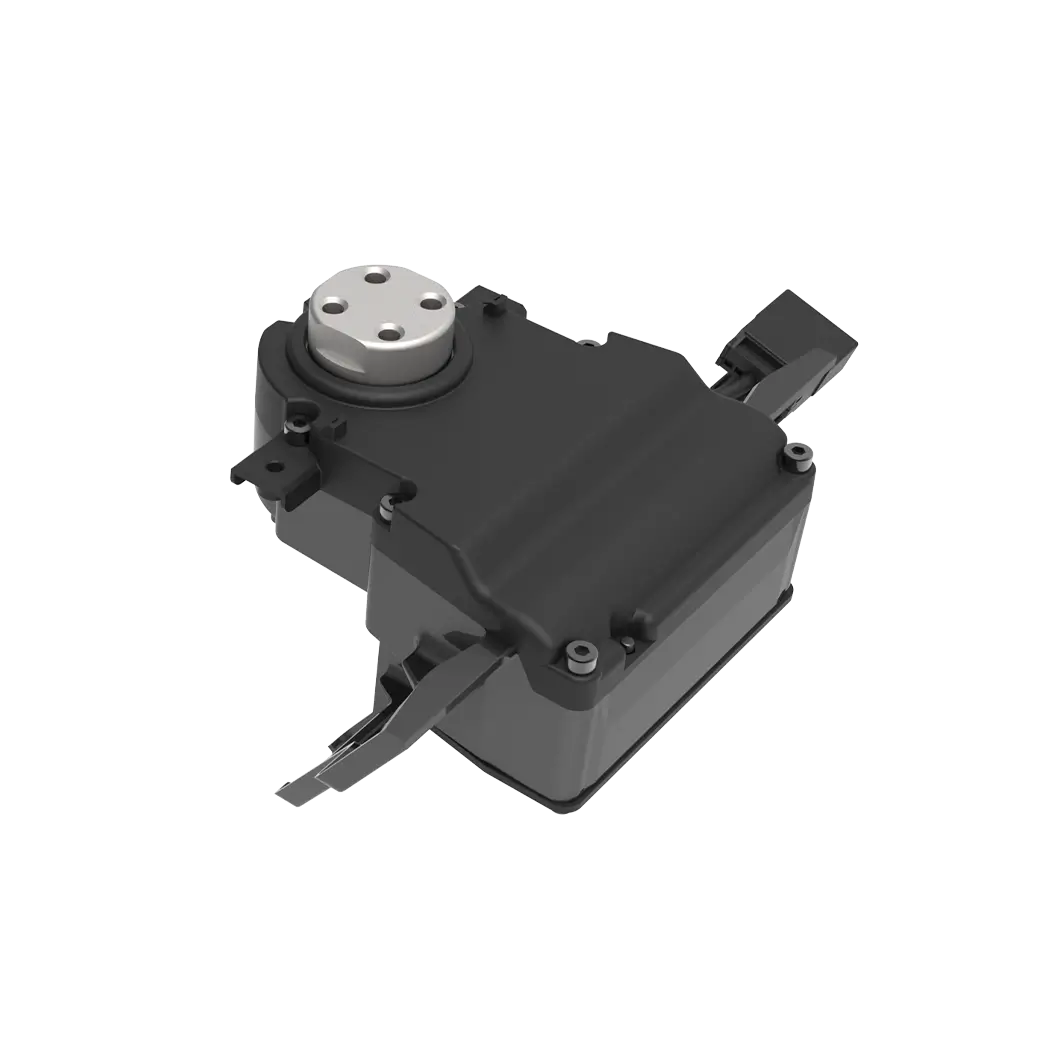
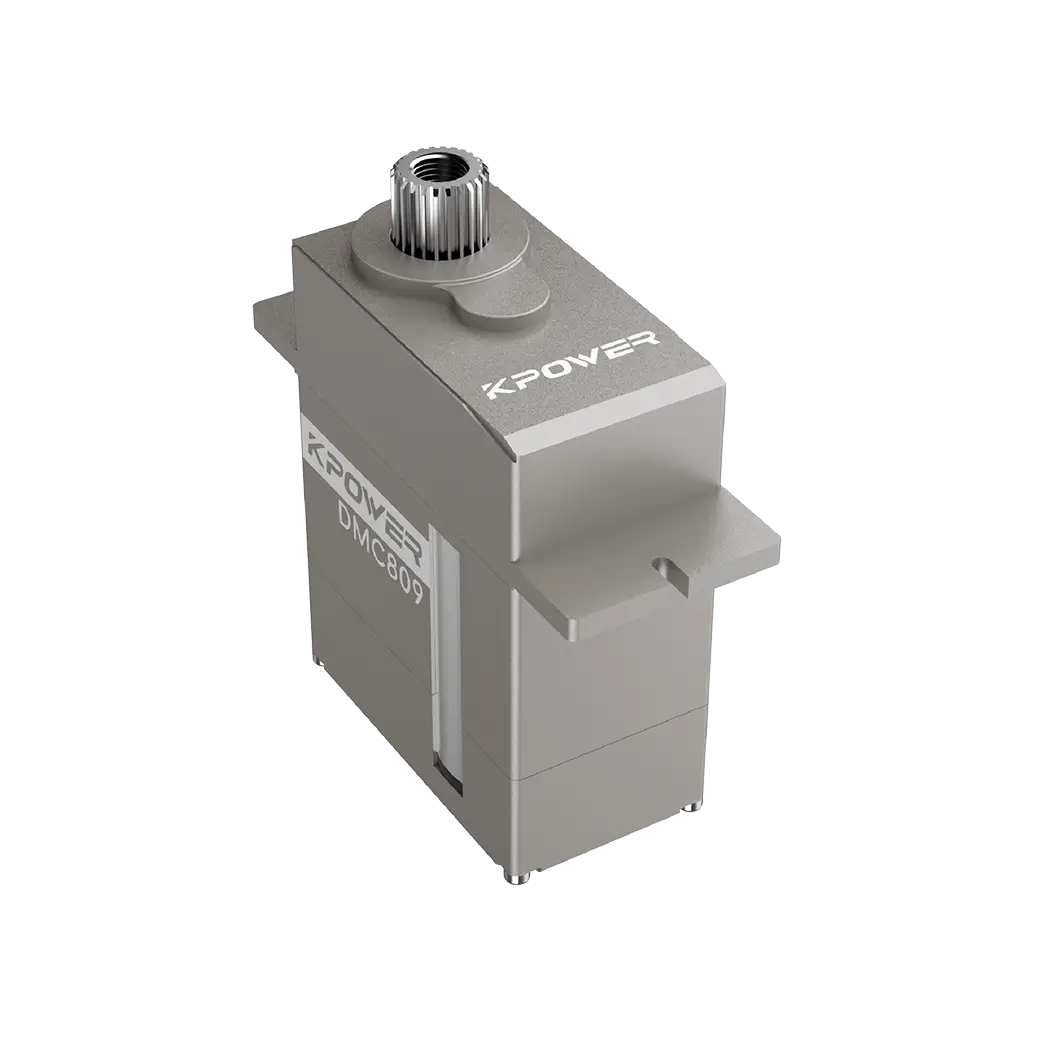
For instance,kpowerapproaches this from a different angle. Their focus isn’t just on making a standalone motor orservo. It’s on making a responsive motion component for automated systems. The engineering prioritizes predictable input-output relationships, minimal signal lag, and resilience to the kind of duty cycles that software-controlled systems demand. It’s hardware built to be a good citizen in a microservices world.
Weaving the Physical into Your Application Layer
Integrating this isn’t black magic. It’s about clean abstraction. Your Spring Boot service should interact with a well-defined client or driver library that manages the communication protocol (like PWM, CAN, or Modbus). This service then becomes the sole owner of “commanding the motion.” It can log its actions, expose health metrics (like command success rate or reported motor temperature), and scale independently. This keeps your business logic clean and your failure points isolated.
Suddenly, a mechanical action becomes just another managed, observable, and scalable resource in your ecosystem—no different from a database call or an external API request.
The journey from a clean microservice architecture to a robust physical system is about closing the loop. It’s about ensuring that the final, physical “response” is as reliable as the HTTP response from your API. By choosing motion components that prioritize integration fidelity, durability, and precision, you build systems that don’t just work in theory, but perform in the demanding, unpredictable reality they were built for. Your software is smart. Make sure its physical counterpart is worthy.
Established in 2005,kpowerhas been dedicated to a professional compact motion unit manufacturer, headquartered in Dongguan, Guangdong Province, China. Leveraging innovations in modular drive technology,kpowerintegrates high-performance motors, precision reducers, and multi-protocol control systems to provide efficient and customized smart drive system solutions. Kpower has delivered professional drive system solutions to over 500 enterprise clients globally with products covering various fields such as Smart Home Systems, Automatic Electronics, Robotics, Precision Agriculture, Drones, and Industrial Automation.
Update Time:2026-01-19

Contact Kpower's product specialist to recommend suitable motor or gearbox for your product.