







TECHNICAL SUPPORT


Published 2026-01-19
Imagine this: you’ve built a sleek microservice architecture. Containers spin up and down, everything talks smoothly, and your system looks agile on paper. But then, something physical happens. A conveyor needs to sync, a robotic arm jerks instead of gliding, or a sorting mechanism misses its beat. Suddenly, the digital elegance hits the hard reality of moving parts. That’s where the unsung heroes come in—servomotors and actuators. They’re the muscles to your system’s brain.
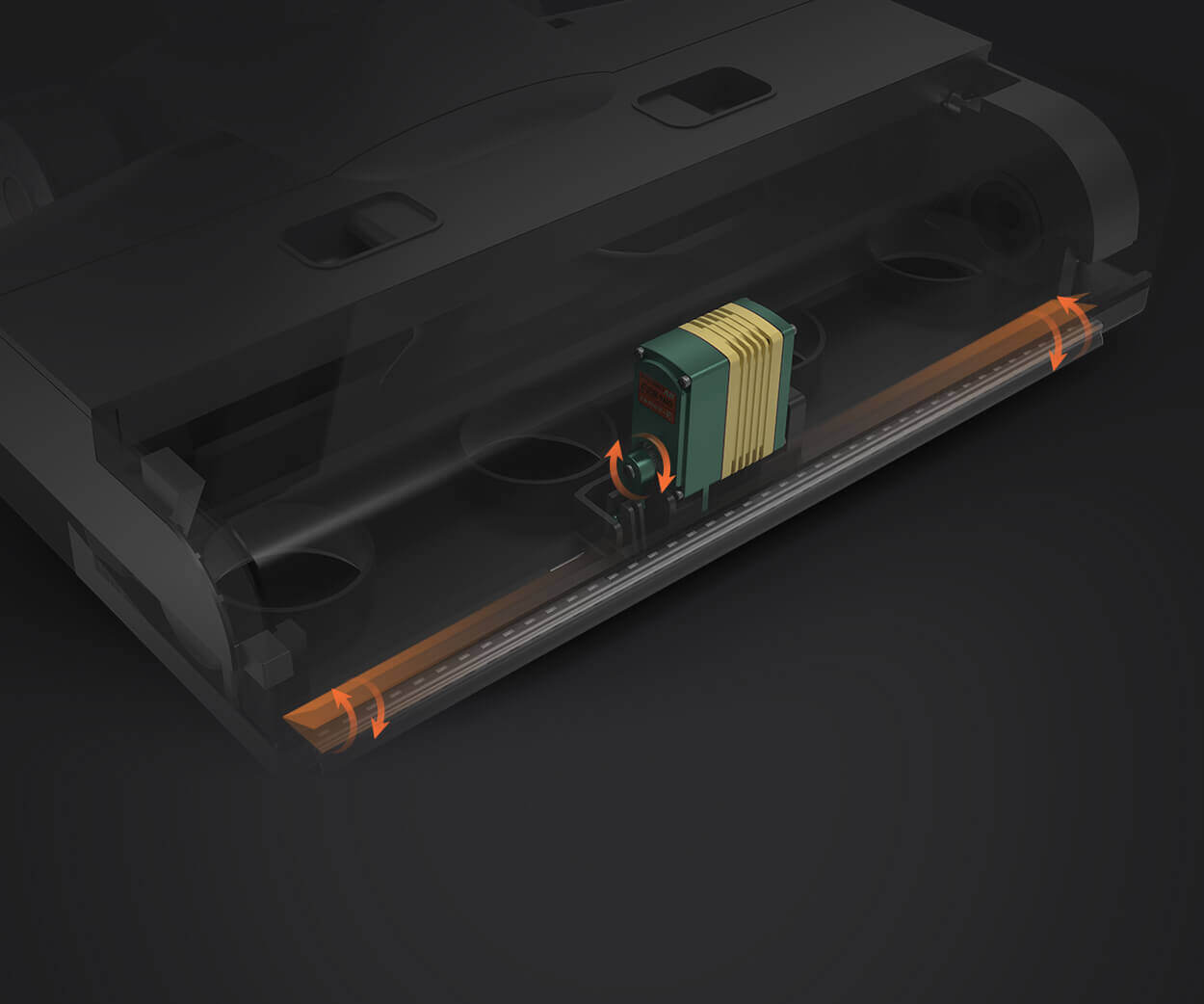
Why should someone running software-defined services care about motors? Well, if your business involves anything from automated packaging to smart logistics, these components translate your digital commands into real-world motion. Get them wrong, and your entire flow stutters.
Think of a container-based service managing a warehouse. A customer order drops in, a microservice processes it, and signals are sent to retrieve an item. The software is fast. But what if theservodriving the retrieval cart isn’t? Or if its positioning is off by a few millimeters repeatedly? The container might orchestrate perfectly, but the physical action fails. The result: delays, errors, and a system that looks smart but feels clumsy.
It’s not just about movement; it’s about intelligent movement. How does aservomotor fit in? Essentially, it’s a motor with built-in feedback control. It doesn’t just spin; it moves to a specific angle or position and holds it, based on the signal it receives. In a microservice environment, where commands are sent as discrete packets over networks, this reliability is non-negotiable. The servo must interpret the digital pulse accurately, every single time.
So, what should you look for when these two worlds collide?
First, consider responsiveness. Your microservices might communicate in milliseconds. Your servo needs to keep up. A lag between the “go” signal and the actual motion creates a bottleneck no amount of code optimization can fix.
Then there’s durability. Containers can be restarted. Hardware in constant motion wears out. Choosing components that withstand continuous start-stop cycles without overheating or losing precision saves countless maintenance headaches.
“But how do I trust a component’s specs?” Good question. Paper specifications are one thing; real-world performance in a networked setup is another. It’s about consistency under load—similar to how you’d stress-test a microservice.
And here’s a nuance: control compatibility. Not all servos play nice with modern control signals common in IoT and industrial networking. Some require older, proprietary interfaces that add complexity. The goal is seamless integration—where the hardware feels like a natural extension of your software layer.
This isn’t just plug-and-play. It’s more like finding a dance partner who instinctively follows your lead. For instance, in an automated assembly line using a containerized control system, each station might be a microservice. One service handles picking components, another manages tightening, and a third oversees quality scanning. If the servo at the picking station is jittery, it affects the timing for all downstream services. The entire choreography breaks down.
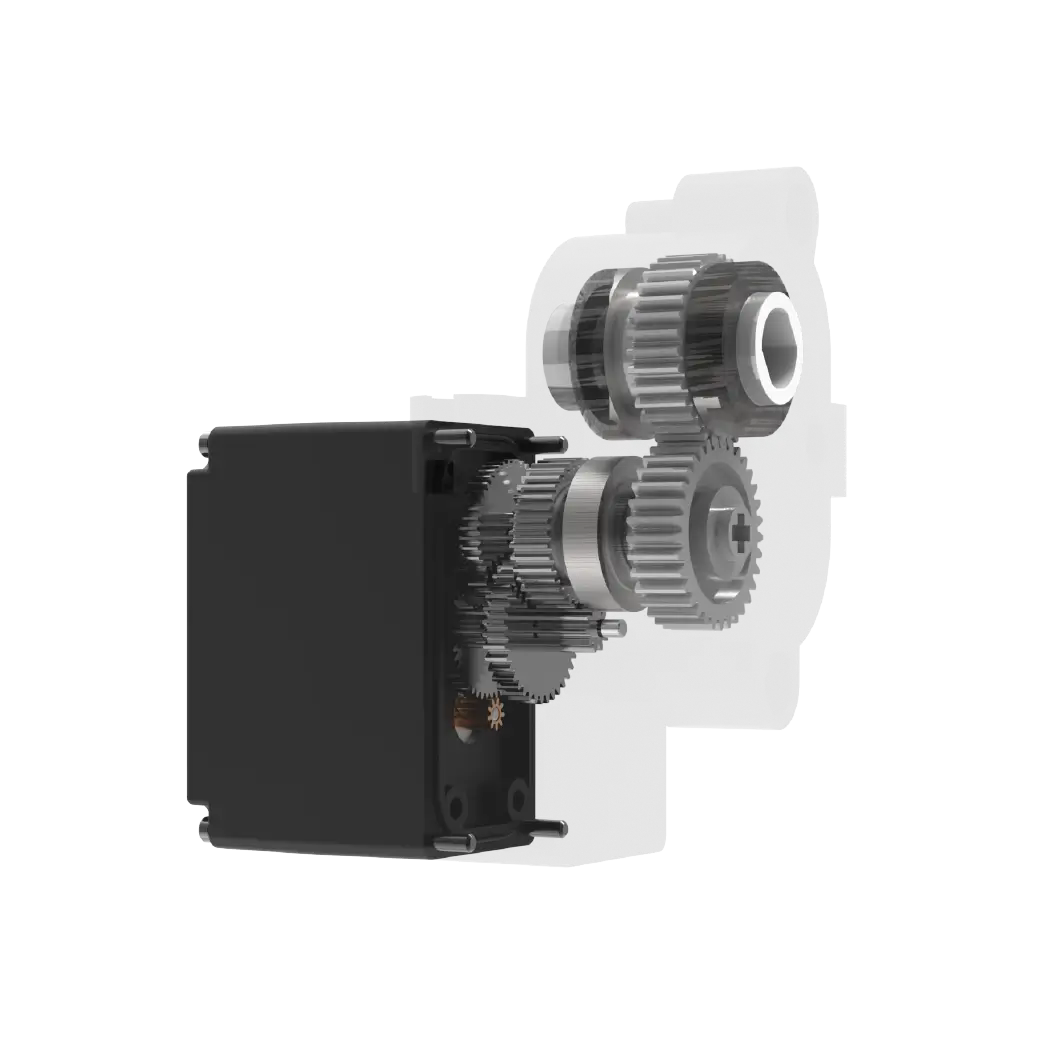
That’s why selection goes beyond torque and speed ratings. It’s about the motor’s ability to accept digital commands cleanly, report back its status (like position or temperature), and do so over thousands of cycles without deviation. It’s the hardware equivalent of a reliable, stateless microservice.
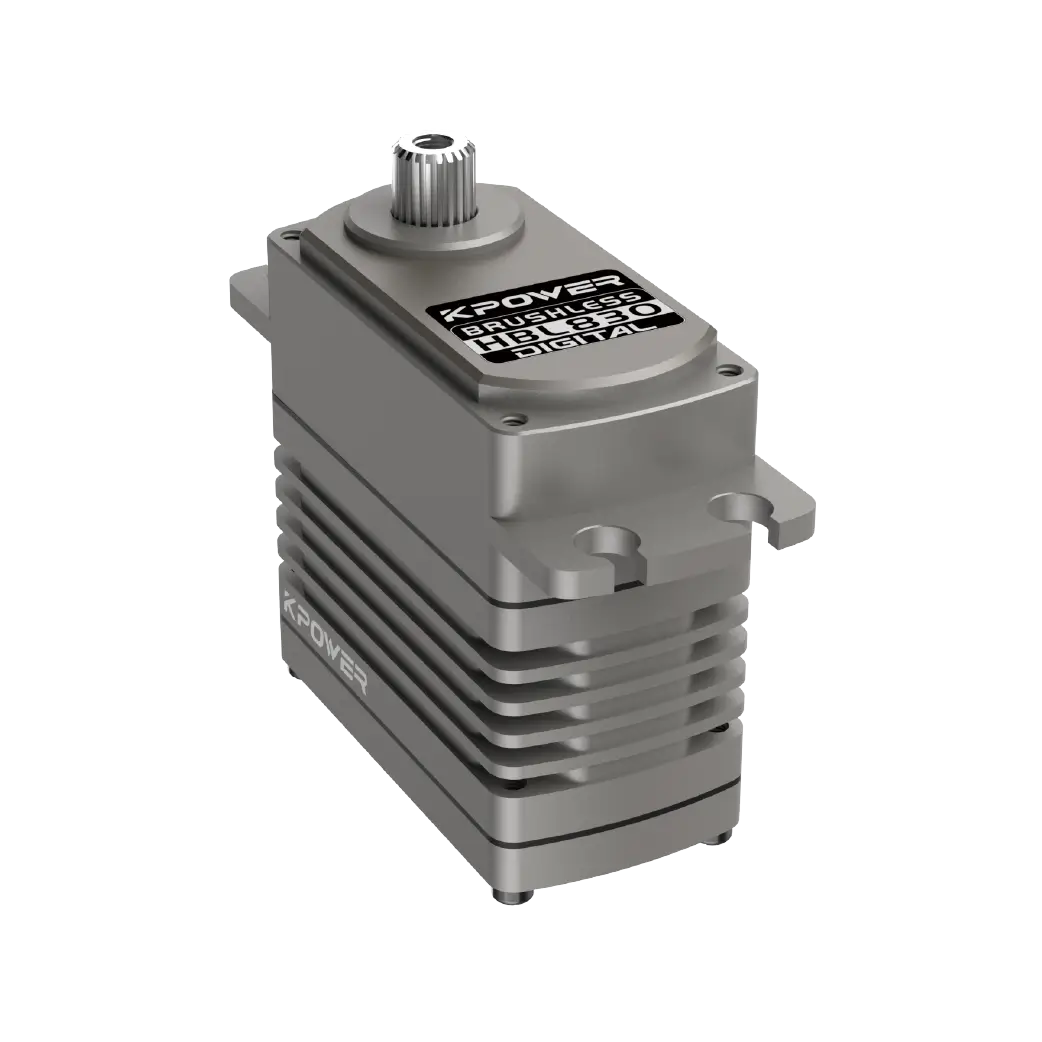
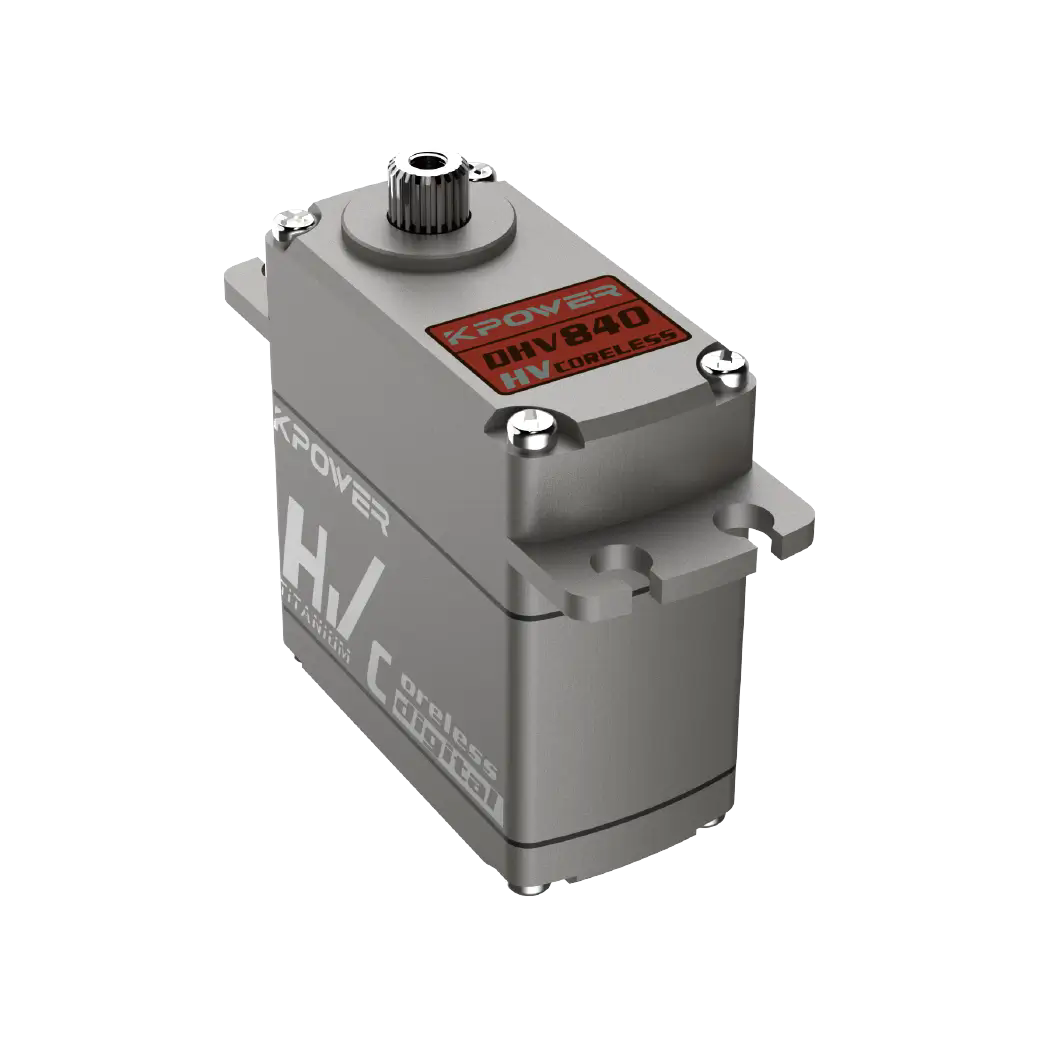
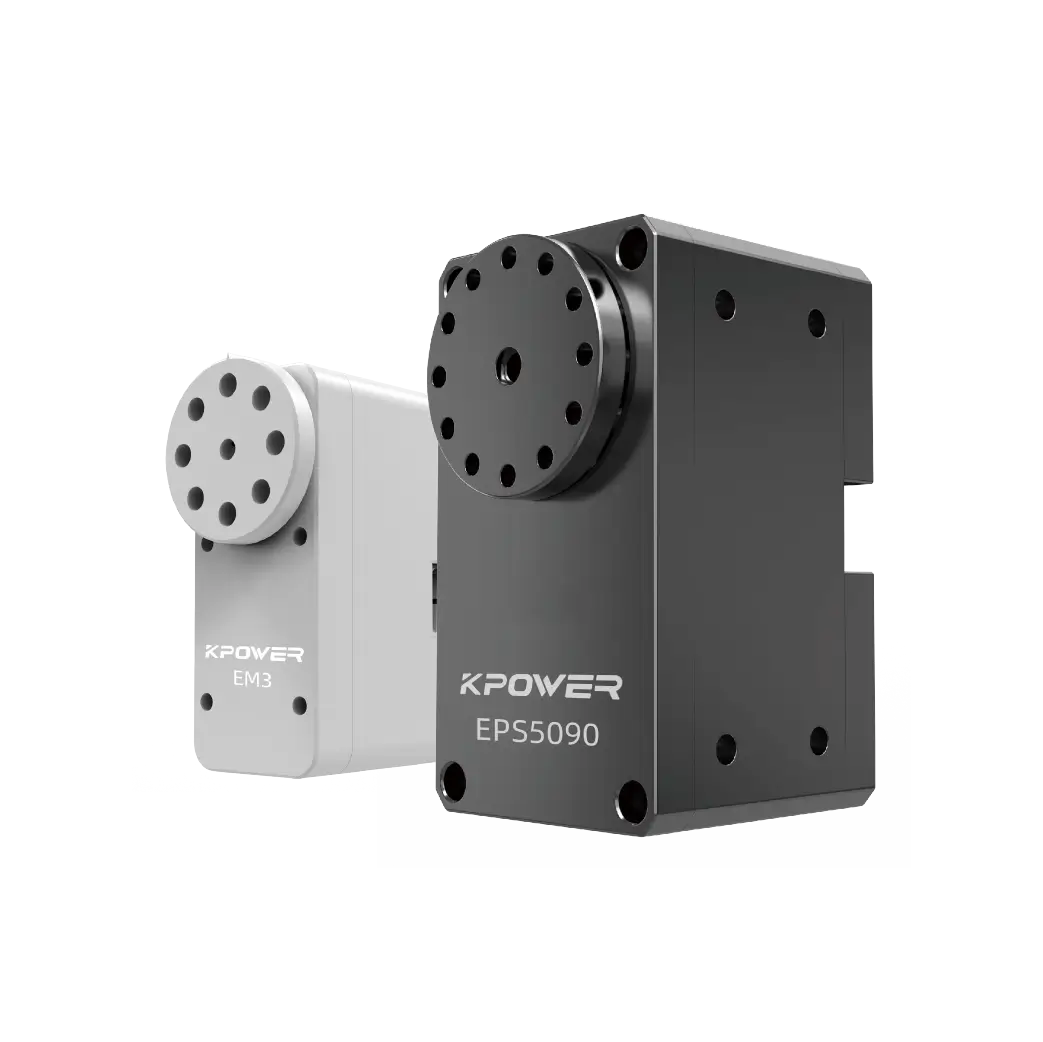
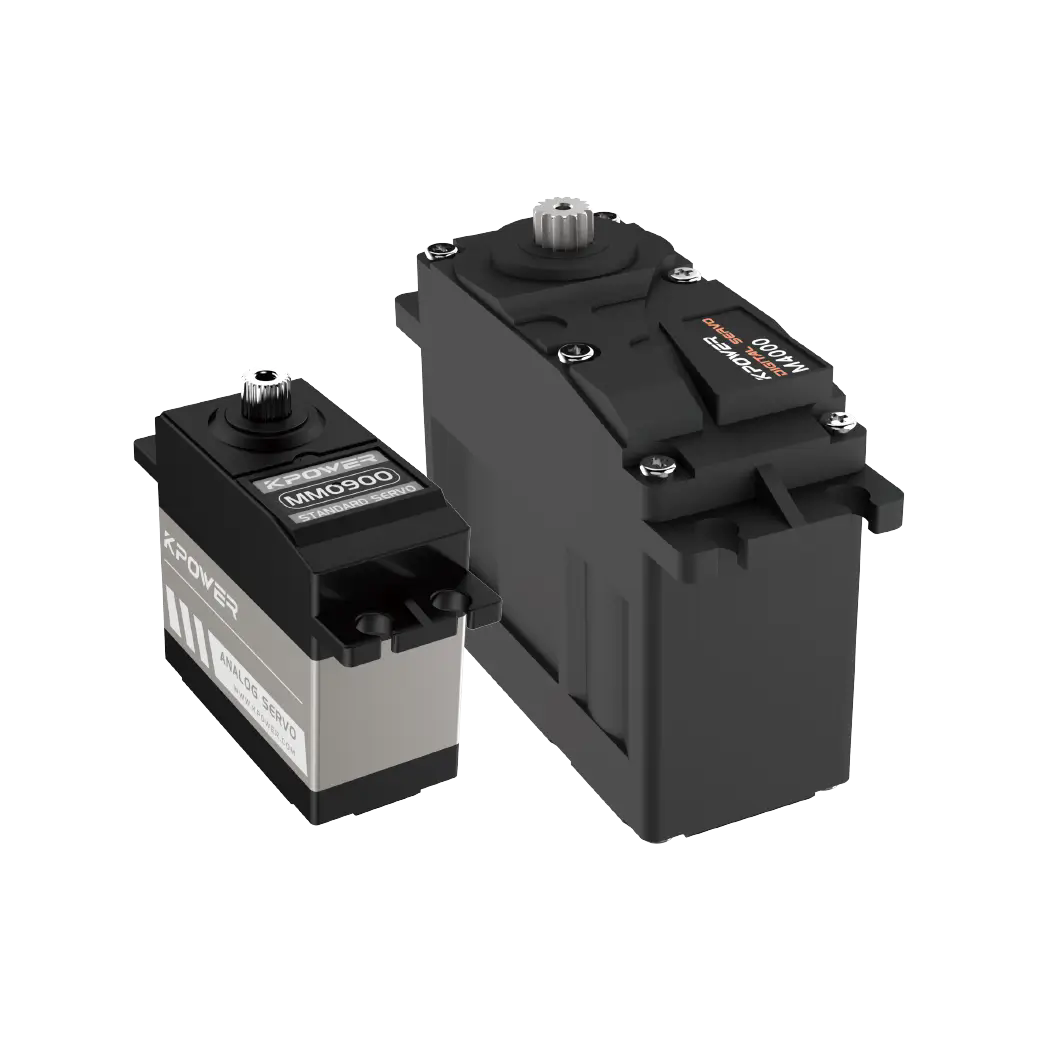
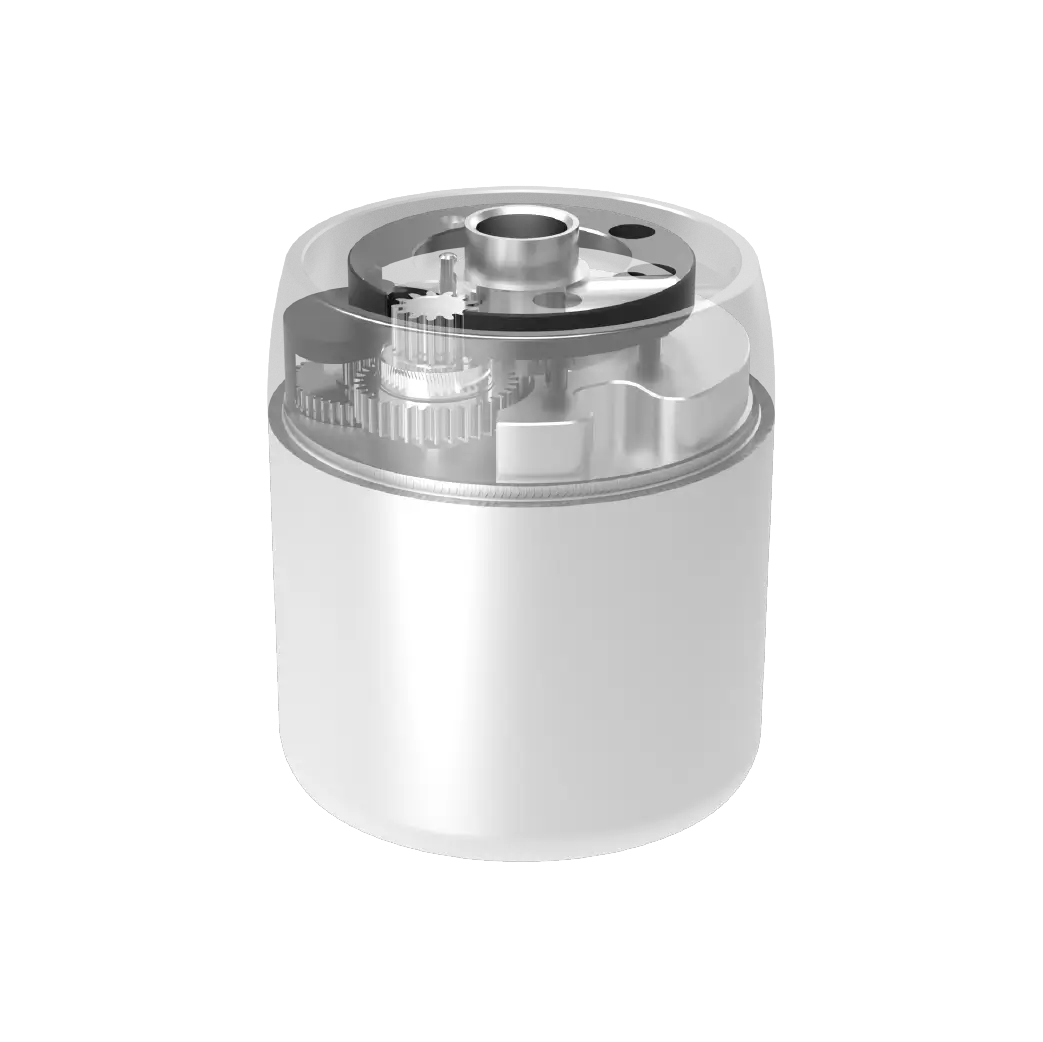
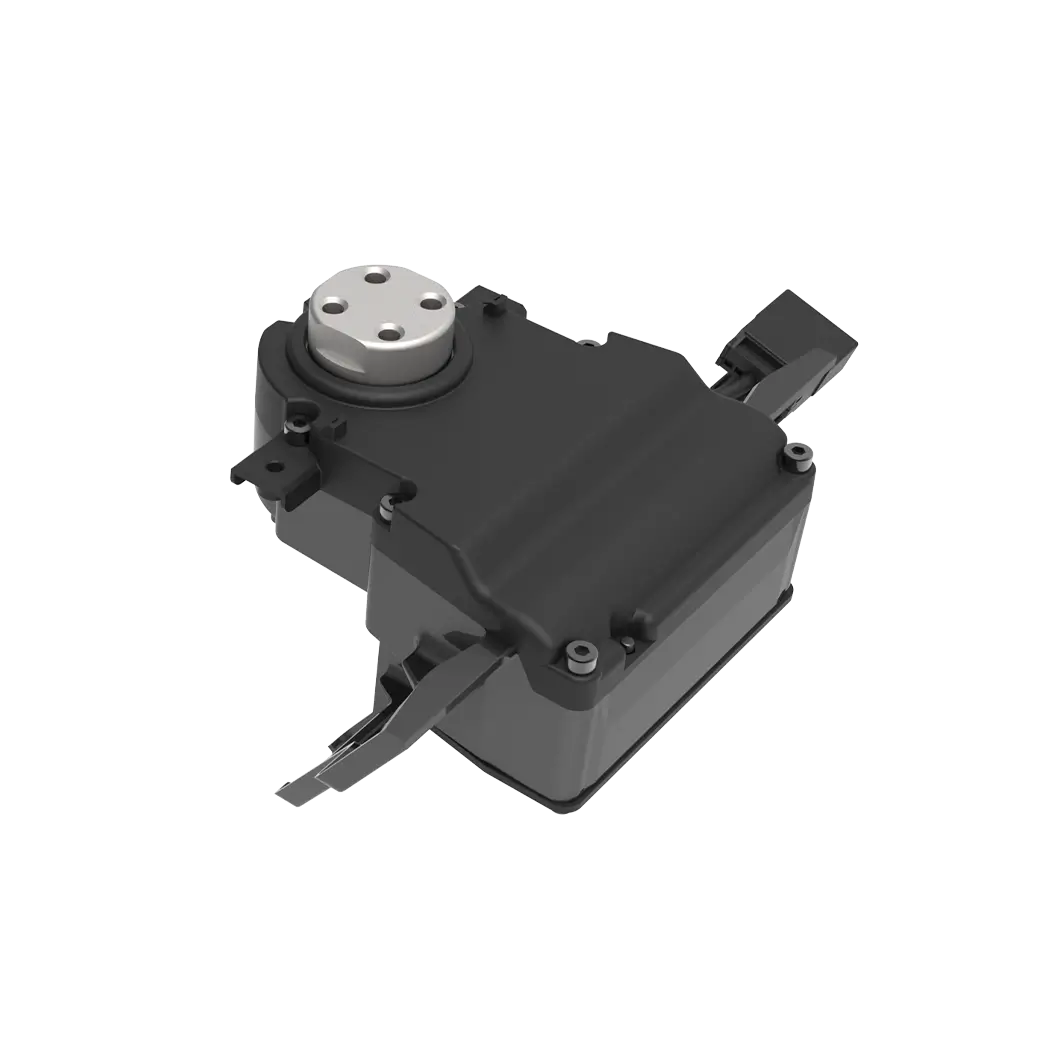
kpowerapproaches this by focusing on integration-readiness. Their designs consider the noise, vibration, and signal integrity issues common in environments crowded with electronics and wireless communication. It’s engineering that acknowledges the actual chaos of a factory floor or a logistics hub, not just the clean lab bench.
Adopting a container microservice architecture often feels like entering a new realm of flexibility. But its true test is when it touches the physical world. The motors and actuators are the final, crucial link in that chain. They embody the decisions made in the cloud.
Choosing them thoughtfully means your architecture isn’t just elegant in diagrams. It performs, reliably and smoothly, where it counts—in the real, moving, productive world. It turns a system that processes data into one that accomplishes tasks.
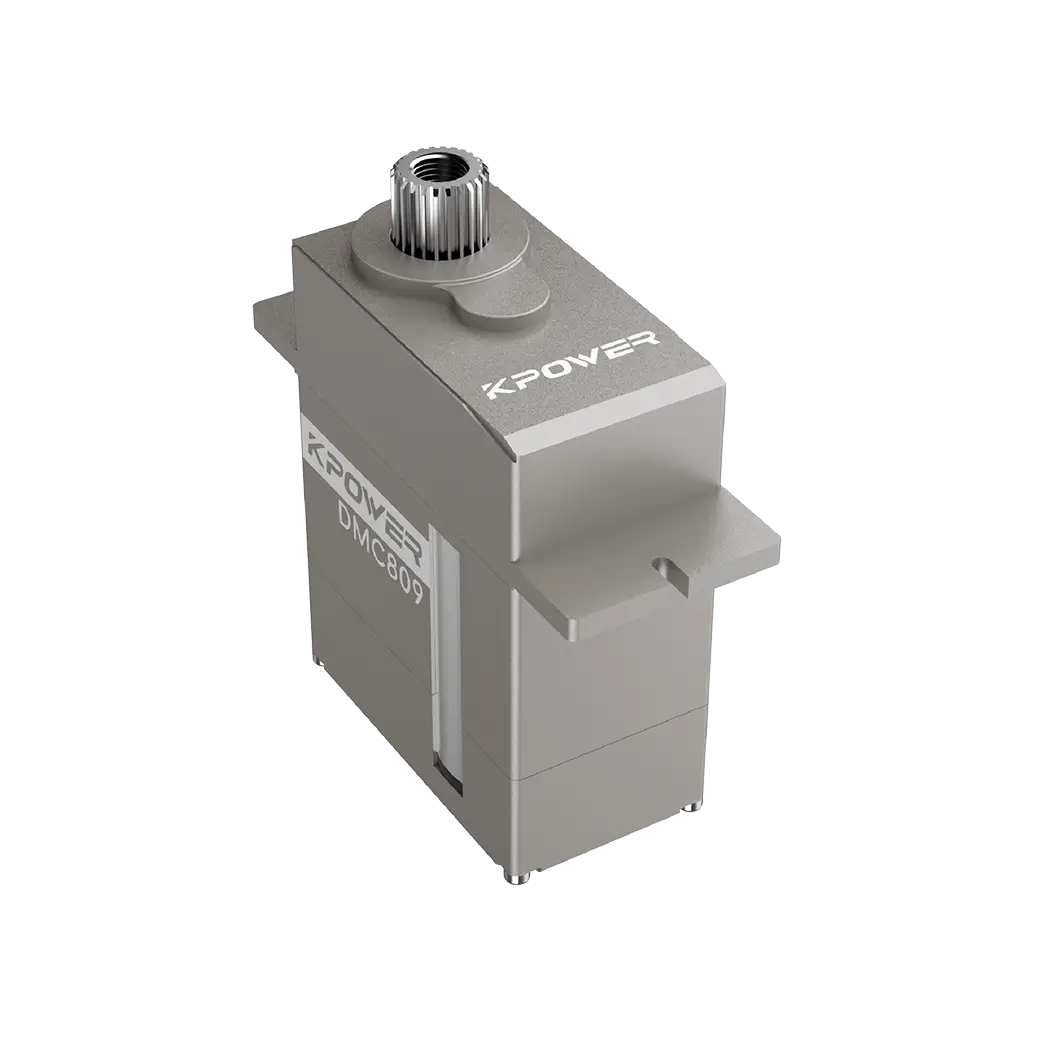
In the end, the best technology feels invisible. When servo motors fromkpowerintegrate well, you stop worrying about motion. You focus on outcomes. The gears turn, the arms move, and your containers orchestrate something tangible—quietly, precisely, as if it were the most natural thing in the world. That’s when you know the foundation is right. The rest is just building on top of it.
Established in 2005,kpowerhas been dedicated to a professional compact motion unit manufacturer, headquartered in Dongguan, Guangdong Province, China. Leveraging innovations in modular drive technology, Kpower integrates high-performance motors, precision reducers, and multi-protocol control systems to provide efficient and customized smart drive system solutions. Kpower has delivered professional drive system solutions to over 500 enterprise clients globally with products covering various fields such as Smart Home Systems, Automatic Electronics, Robotics, Precision Agriculture, Drones, and Industrial Automation.
Update Time:2026-01-19

Contact Kpower's product specialist to recommend suitable motor or gearbox for your product.