









TECHNICAL SUPPORT


Published 2026-01-19
Have you ever been frustrated by a system that’s supposed to be smart but feels clumsy? Imagine you’re building something that needs precise motion—maybe a robotic arm, an automated guide, or a custom piece of equipment. You’ve gotservos humming, components turning, and everything seems ready. Yet, the brain of the operation—the software—becomes a tangled mess. Changes in one part break another, scaling up feels like a nightmare, and updating a single feature means wrestling with the entire codebase.

This is where the old way of doing things hits a wall. Monolithic software architectures, where every function is packed into one giant block, often struggle to keep up with the dynamic needs of motion control and mechanical systems. They can be rigid, slow to adapt, and frustratingly fragile. That’s precisely the gap that modern solutions like microservice architecture patterns, especially in a robust environment like C#, are designed to bridge.
So, what’s the real shift here?
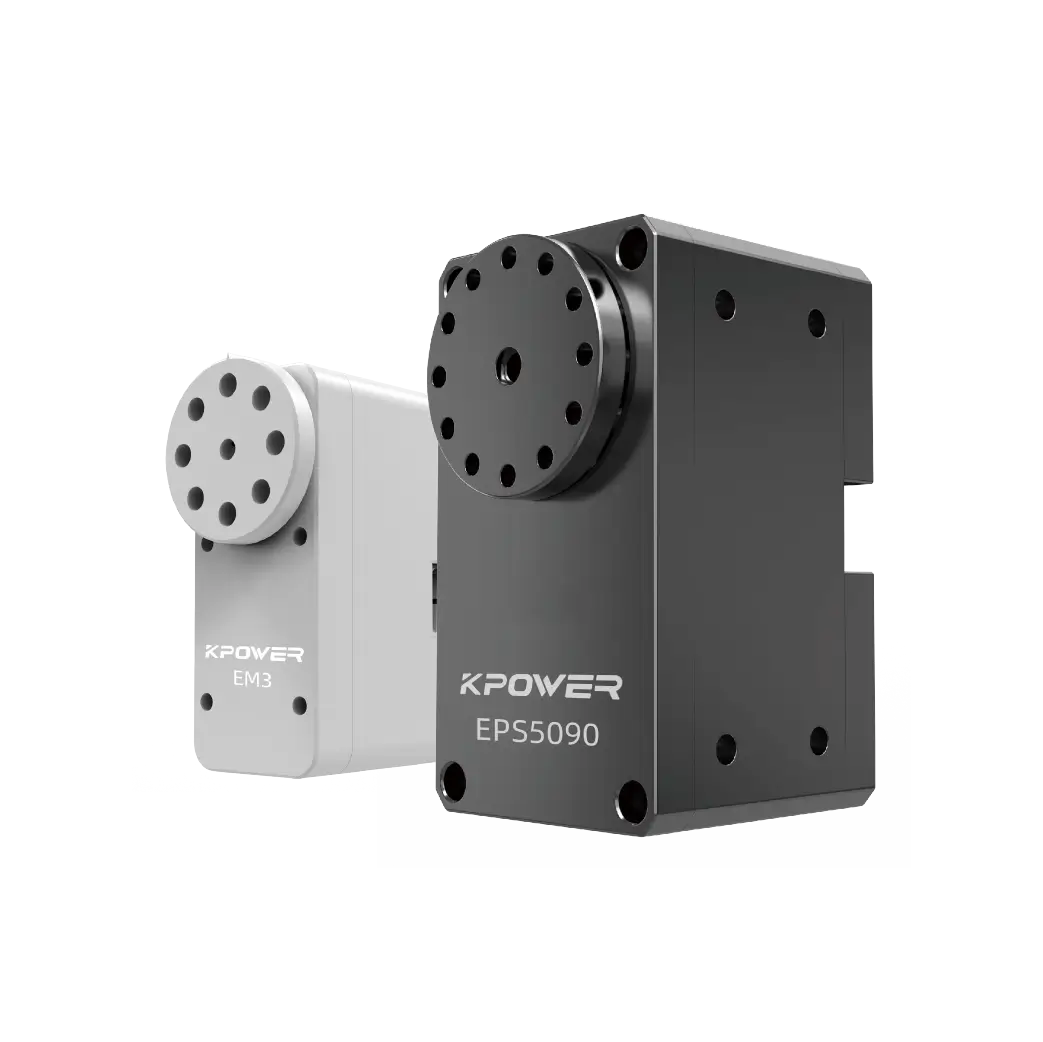
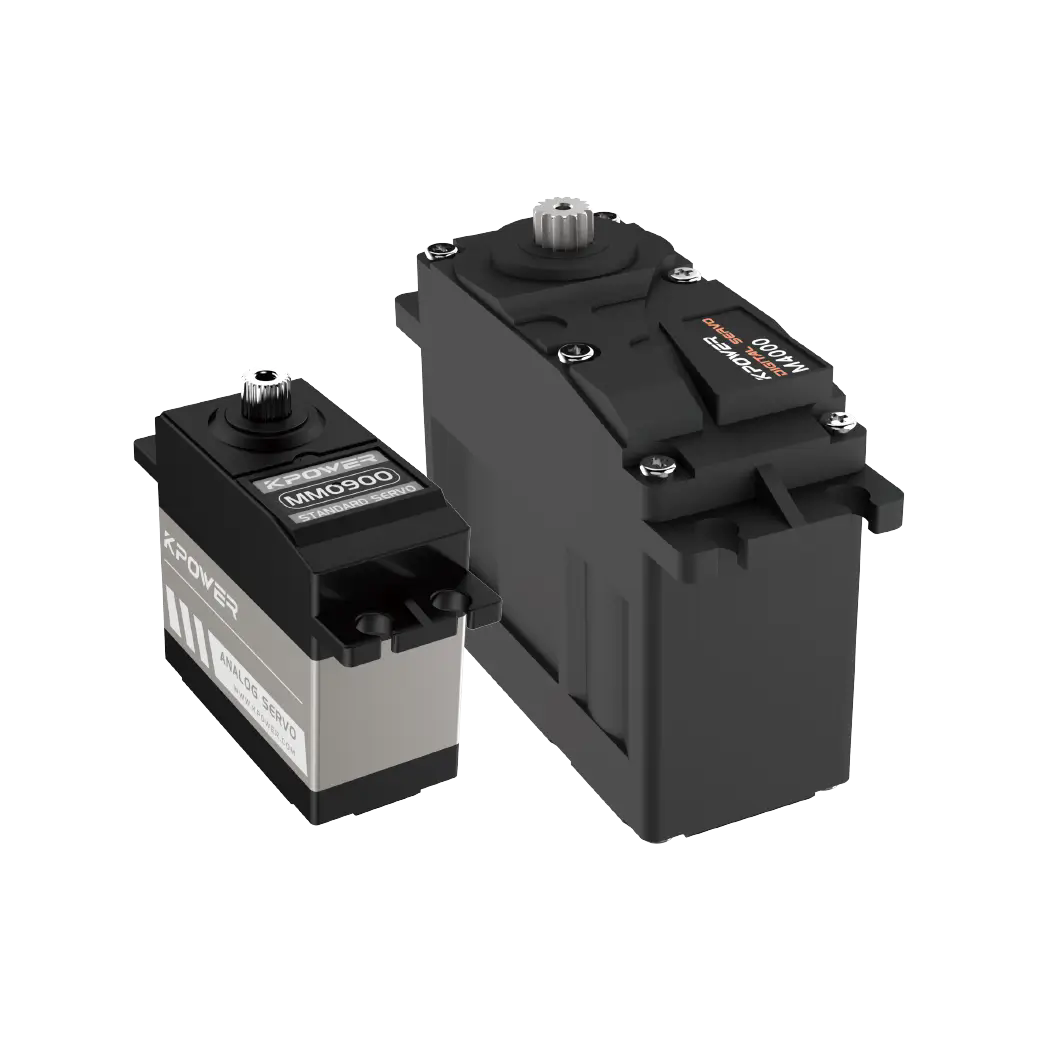
Think of it not just as a technical upgrade, but as a change in philosophy. Instead of a single, massive program controlling everything, you have multiple, independent services—each handling a specific task. One service manages communication with theservomotors, another handles calibration logic, a third takes care of safety checks, and they all talk to each other seamlessly. It’s like having a dedicated specialist for each job, all cooperating smoothly rather than one overwhelmed generalist trying to do everything.
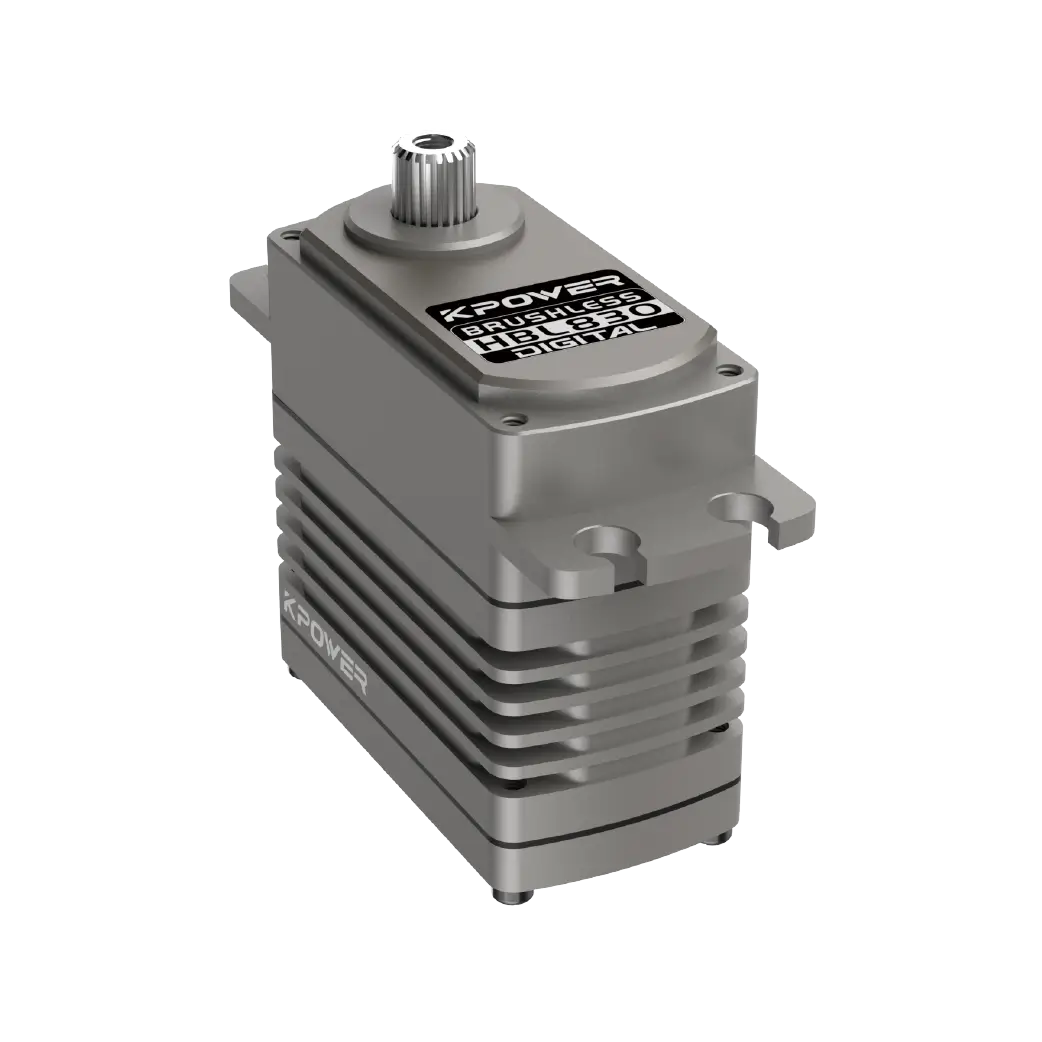
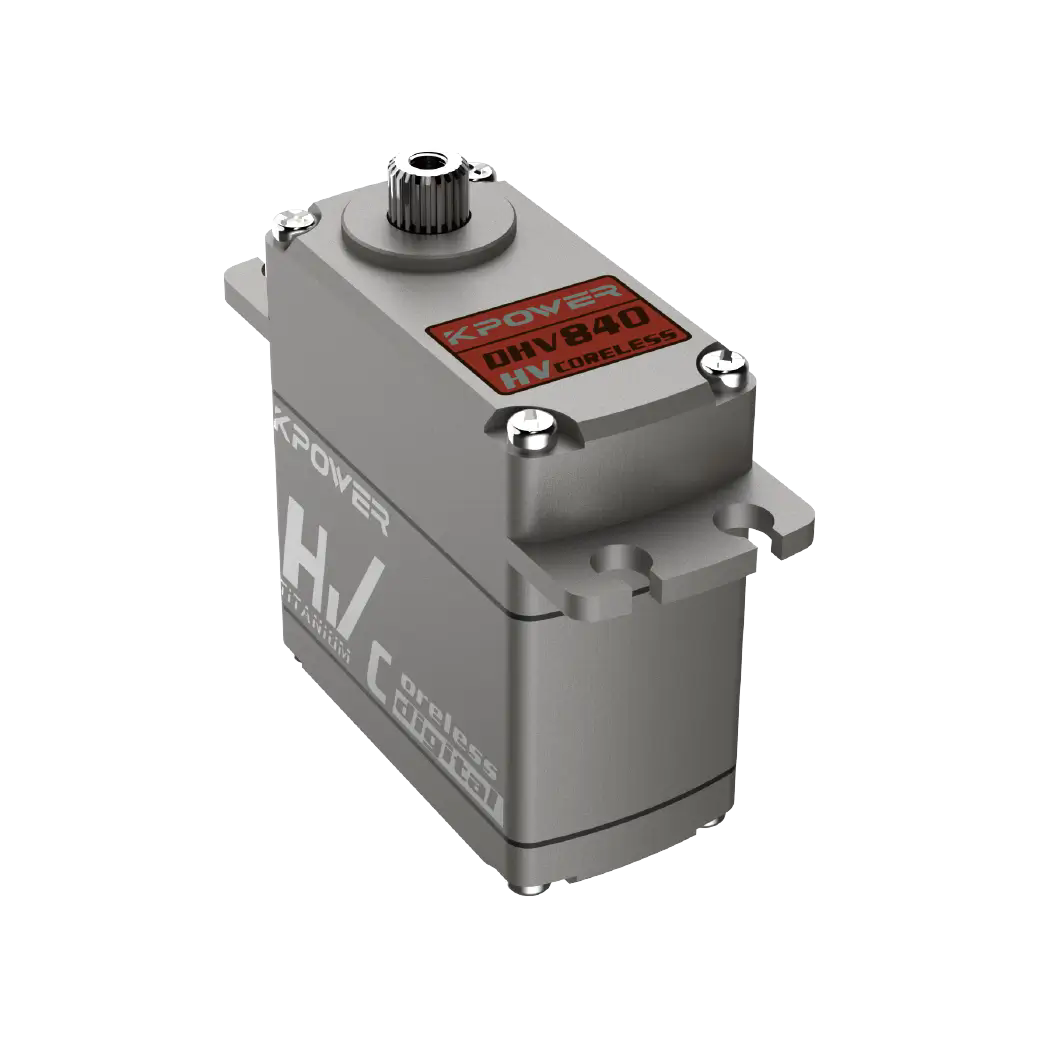
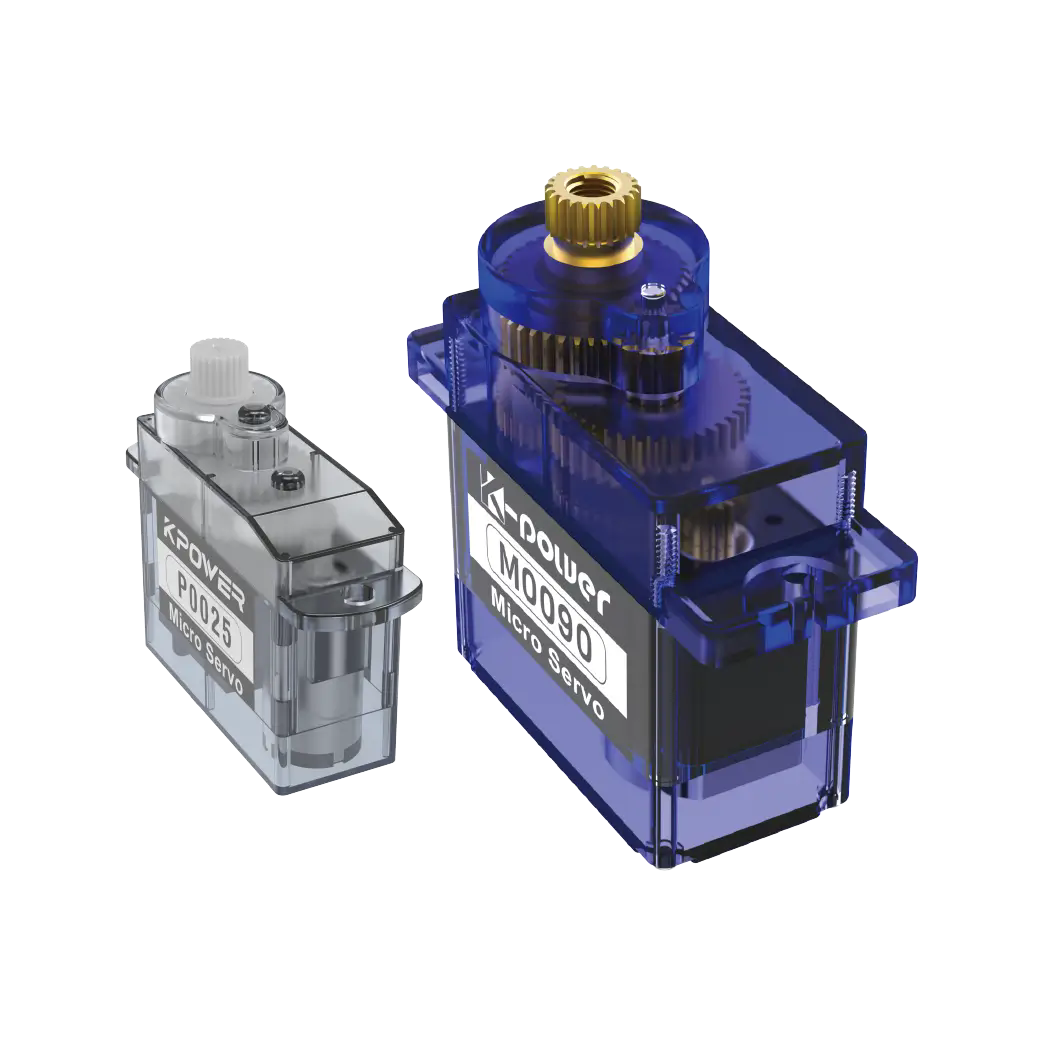
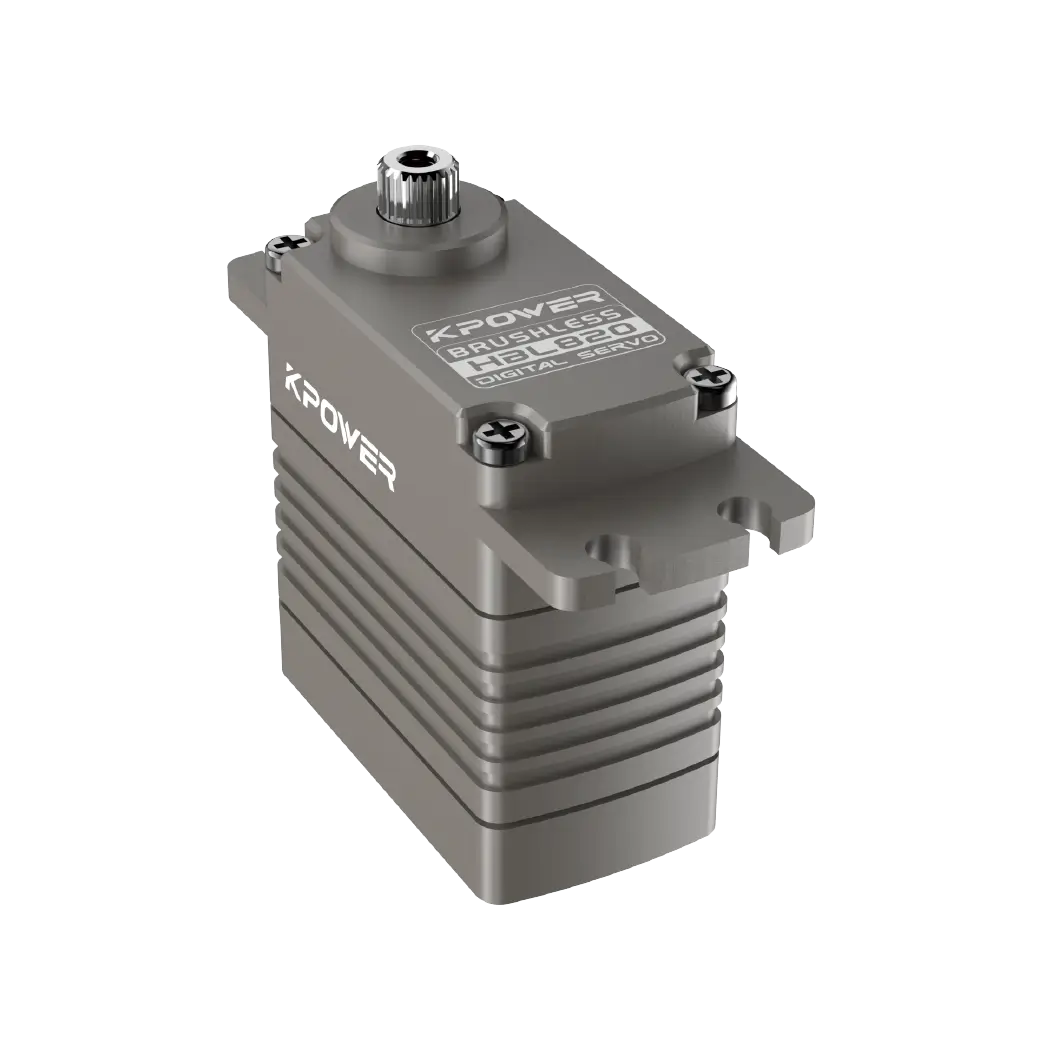
For teams working withkpower’s components, this approach aligns perfectly with the precision and reliability their hardware demands. When your mechanical systems are built for accuracy, why should your software be any less? A C#-based microservice pattern allows each piece of the puzzle—whether it’s processing sensor data or sending commands to akpower servo—to run, fail, and update independently. This means your entire system doesn’t crash because one small function hiccuped; that service can be fixed or improved without touching the rest. It brings a new kind of resilience.
Is it complicated to get started?
That’s a common worry. The idea of breaking things into services might sound like extra work. But consider the alternative: the hidden cost of sticking with a tangled, monolithic system. Over time, the complexity grows, making every update slower and riskier. With a well-structured microservice pattern in C#, you start with clarity. Each service has a clear purpose, making the code easier to write, test, and—crucially—understand. New team members can get up to speed faster because they don’t need to decipher an enormous, interconnected web just to adjust a single behavior.
There’s a practical beauty to this. Let’s say you want to upgrade the control algorithm for a set ofkpowerservos in an assembly line. In a monolithic setup, you’d need to rebuild and redeploy the entire application, risking downtime. With microservices, you update only the specific service responsible for that control logic. The rest of the system—the user interface, the data logger, the safety monitor—keeps running undisturbed. It turns system evolution from a major event into a routine, low-risk task.
Moreover, this pattern speaks directly to the heart of mechanical innovation. When your software is as modular and responsive as your hardware, experimentation becomes safer and faster. You can prototype new motion sequences or integrate additional sensors by developing or modifying a single service, without upending your entire project. It encourages iteration, letting you refine and improve continuously.
What about the day-to-day reality?
It’s about more than just architecture diagrams. It’s about the feeling of confidence when you deploy a change. It’s about the time saved during debugging because you can isolate issues to a specific service. It’s about the flexibility to choose the best tool for each job within your ecosystem, all while maintaining clean communication lines between services. This pattern doesn’t just solve technical problems; it reduces stress and unlocks creativity.
Ultimately, adopting a microservice architecture with C# isn’t merely following a trend. It’s a strategic decision to build systems that are as agile, reliable, and maintainable as the mechanical components they command. It ensures that the intelligence driving your machines can evolve as gracefully as the machines themselves. For projects where precision is non-negotiable, this approach isn’t just useful—it becomes foundational. It’s about building not just for today’s task, but for all the unexpected, innovative tasks of tomorrow. And that’s how truly smart systems are born.
Established in 2005, Kpower has been dedicated to a professional compact motion unit manufacturer, headquartered in Dongguan, Guangdong Province, China. Leveraging innovations in modular drive technology, Kpower integrates high-performance motors, precision reducers, and multi-protocol control systems to provide efficient and customized smart drive system solutions. Kpower has delivered professional drive system solutions to over 500 enterprise clients globally with products covering various fields such as Smart Home Systems, Automatic Electronics, Robotics, Precision Agriculture, Drones, and Industrial Automation.
Update Time:2026-01-19

Contact Kpower's product specialist to recommend suitable motor or gearbox for your product.