












TECHNICAL SUPPORT


Published 2026-01-19
You know that feeling when your software starts to groan under its own weight? It’s like watching a precise machine—maybe a robotic arm you’ve worked with—suddenly become slow and unresponsive. Every new feature feels like adding another heavy component, making the whole thing harder to maneuver. Changes in one area risk toppling something elsewhere. It gets frustrating, right?
That’s often the reality with large, monolithic Java applications. Everything is bundled together—database calls, user interfaces, business logic—all in one tightly coupled unit. It works, until it doesn’t. Scaling becomes a headache. Updating a small part means redeploying the entire system. Innovation slows to a crawl.
So, what if you could rebuild that system like a modern, modular assembly line? Where each core function is an independent, agile unit that communicates smoothly with others. That’s the promise of microservice architecture in Java.
Let’s break it down without the jargon. Imagine you’re designing a control system for a complex piece of machinery. Instead of having one central brain that handles every single task—motor control, sensor reading, user input—you design dedicated modules. One small unit just for processing sensor data. Another solely for managing movement commands. They each have a specific job, run on their own, and talk to each other through clear, simple protocols.
Microservices in Java follow the same idea. It’s an approach where you build a single application as a suite of small, independent services. Each service runs in its own process and communicates with lightweight mechanisms, often an HTTP API. Each one is focused on completing one specific business task—like managing user authentication, processing payments, or generating reports.
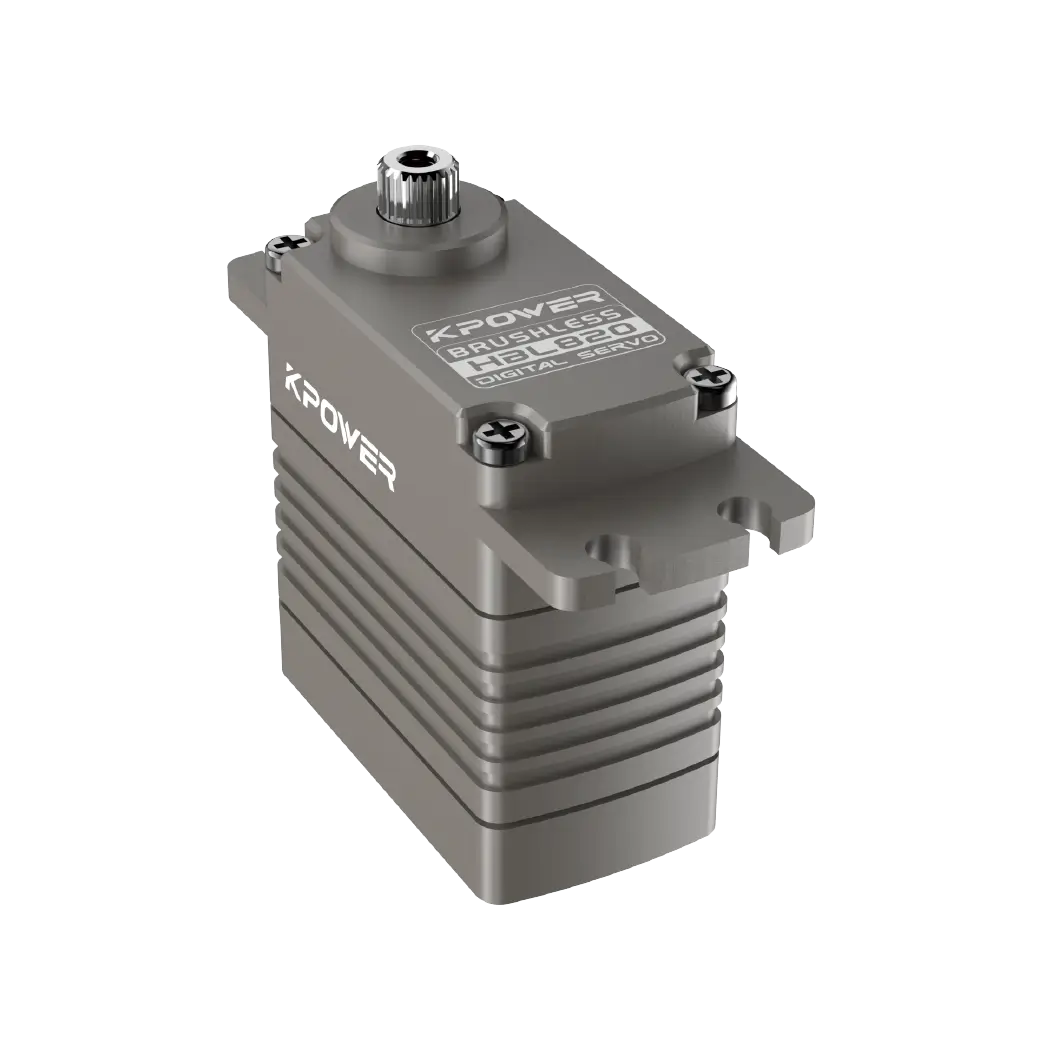
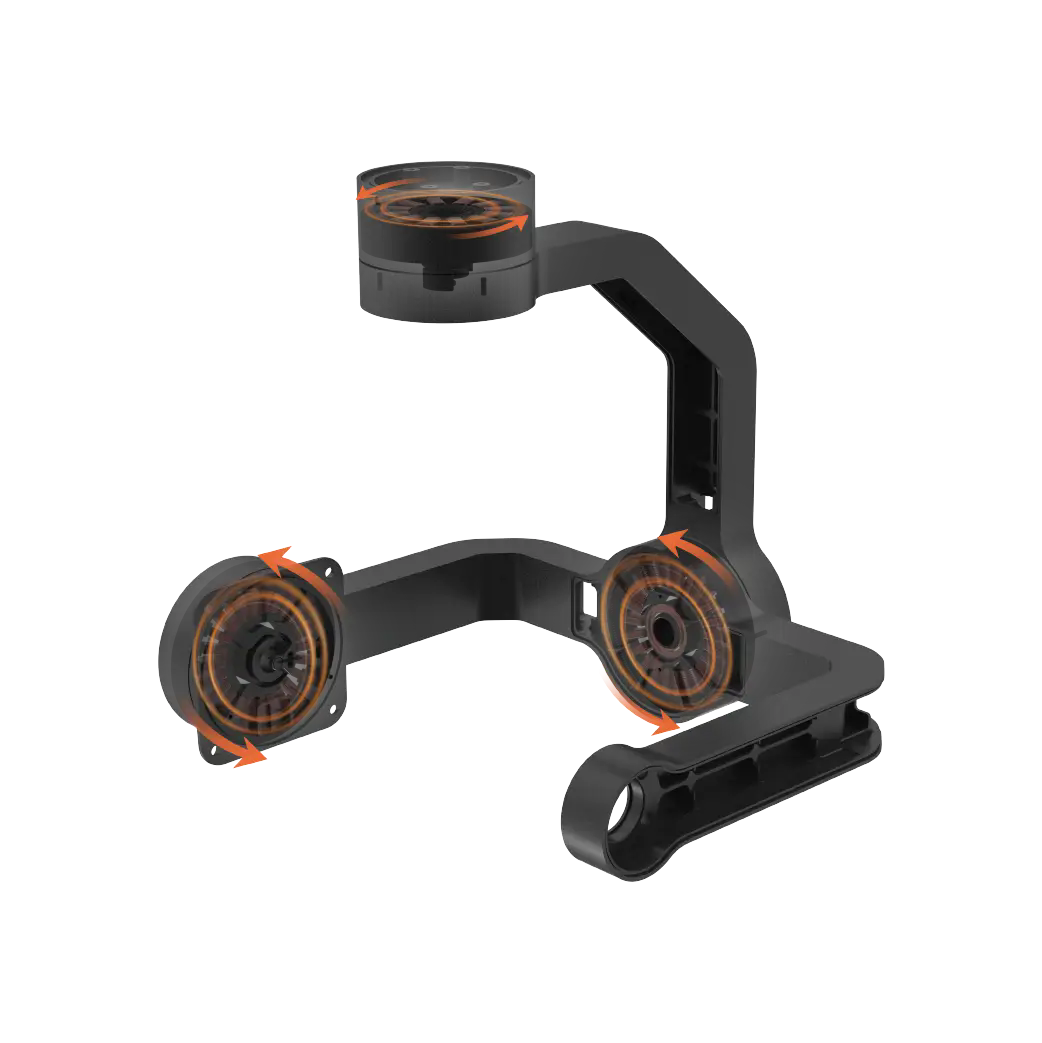
Why does this matter? Because it mirrors how we solve problems in the physical world. You don’t use a singleservomotor to control an entire robotic arm; you use multiple actuators working in harmony. When one needs maintenance or an upgrade, you don’t shut down the whole line.
Think about the last time a small bug in a reporting module forced a full system outage. Or when adding a new payment gateway stalled for months because it was tangled with legacy code. Microservices tackle these pains head-on.
First, you get resilience. If the “notification service” fails, the “order processing service” can keep running. The system degrades gracefully instead of crashing entirely. It’s like having redundant systems in critical machinery—a safeguard against total failure.
Then, there’s scalability. Need to handle more user logins? Just scale up the “authentication service.” No need to replicate the entire monolithic application. It’s efficient, like adding power only where it’s needed.
Development speeds up. Teams can own, develop, and deploy their services independently. This means faster updates, experimentation, and adaptation. New features don’t get bogged down in bureaucratic code reviews across the entire codebase.
But it’s not magic. This architecture introduces its own challenges—managing communication between services, monitoring distributed components, ensuring data consistency. That’s where the right approach and tools become critical.
Choosing to break a monolith into microservices is a strategic decision. It’s not about following a trend, but solving specific problems: slow release cycles, difficulty scaling, high risk of change.
Start by identifying bounded contexts—parts of your system that naturally form a cohesive unit. In an e-commerce platform, “inventory management” and “shipping calculation” could be separate services. Each should be independently deployable and replaceable.
Communication is key. Services typically talk via RESTful APIs or messaging queues. This keeps them loosely coupled. Data management shifts too; each service often has its own database, preventing tight data entanglement.
Tools like Spring Boot, Docker, and Kubernetes have become popular in the Java ecosystem for building and orchestrating these services. They help manage the complexity, but the core principle remains: simplicity and autonomy per service.
Our world isn’t monolithic. Demands change quickly. Technology evolves. A rigid system cracks under pressure, while a modular one adapts. Microservices offer that adaptability for software.
It aligns with how teams want to work today—autonomously, with ownership, moving fast. It also matches how users experience technology; they expect seamless, uninterrupted service, even when parts are being improved behind the scenes.
For companies investing in Java applications, this isn’t just an architectural shift. It’s a move towards sustainable growth. Systems become easier to understand, develop, and scale over years, not just months.
Atkpower, we see technology through the lens of motion and precision. We understand that whether you’re orchestrating mechanical components or software services, the principles of modularity, clear communication, and independent functionality lead to robustness and longevity. The goal is to build systems that aren’t just functional for today, but are designed to evolve and thrive through the challenges of tomorrow. It’s about creating something that moves with grace, not just force.
Established in 2005,kpowerhas been dedicated to a professional compact motion unit manufacturer, headquartered in Dongguan, Guangdong Province, China. Leveraging innovations in modular drive technology,kpowerintegrates high-performance motors, precision reducers, and multi-protocol control systems to provide efficient and customized smart drive system solutions. Kpower has delivered professional drive system solutions to over 500 enterprise clients globally with products covering various fields such as Smart Home Systems, Automatic Electronics, Robotics, Precision Agriculture, Drones, and Industrial Automation.
Update Time:2026-01-19

Contact Kpower's product specialist to recommend suitable motor or gearbox for your product.